10 Things You Should Never Keep in the Furnace Room
Photo credit: Fix It Homestead
The furnace room turns into a “just for now” closet fast. A box goes in, then a paint can, then the Christmas stuff, until you can’t reach the filter without moving a pile. Heat, open flame, electrical parts, and moving air don’t mix well with storage.
1. Gasoline, Kerosene, And Fuel Cans
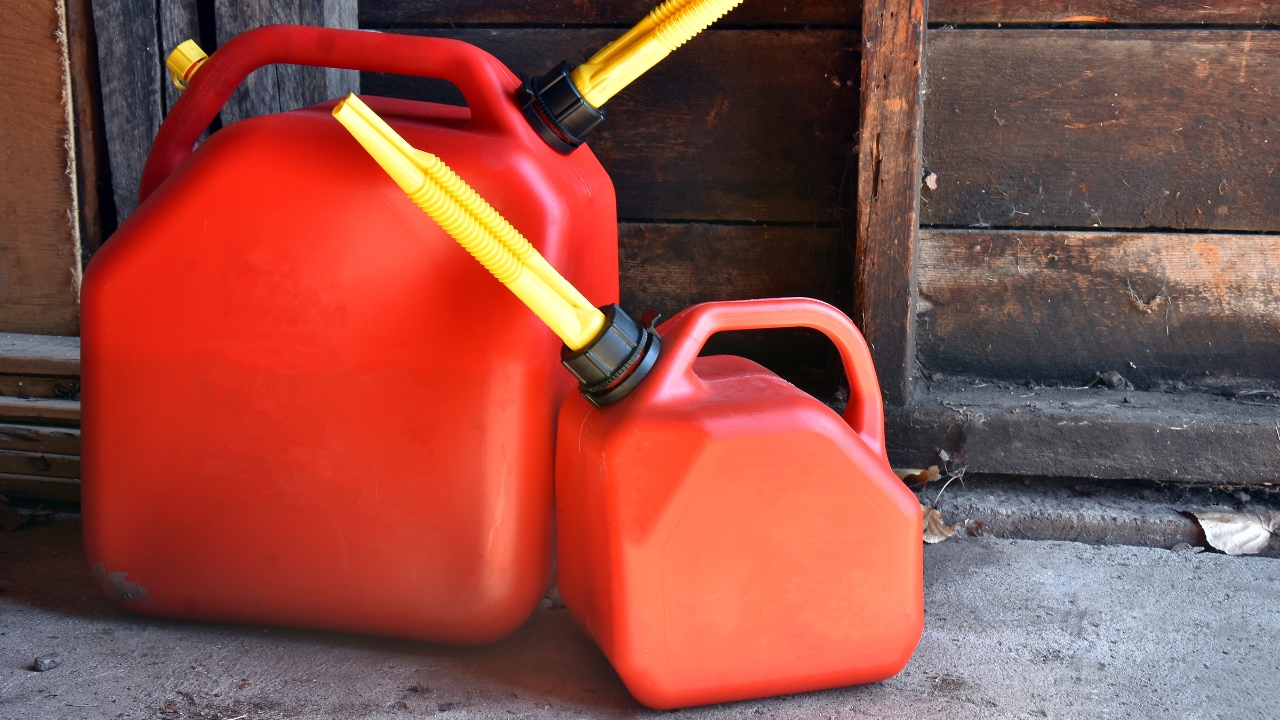
Fuel belongs in a detached shed or an outdoor locker, not next to a burner or igniter. Vapors are what get you, and they don’t need a spill to spread. A furnace room also tends to have a floor drain, a sump, or cracks that let fumes travel where you won’t smell them until it’s too late.
If you’ve got a small can for the snowblower, move it now, even if it’s sealed tight. Keep fuels outside living space, away from ignition sources, and out of sun. If you can’t store them outdoors, ask your local fire department or waste site what they allow, some towns have strict rules.
2. Paint, Stain, And Solvent Products
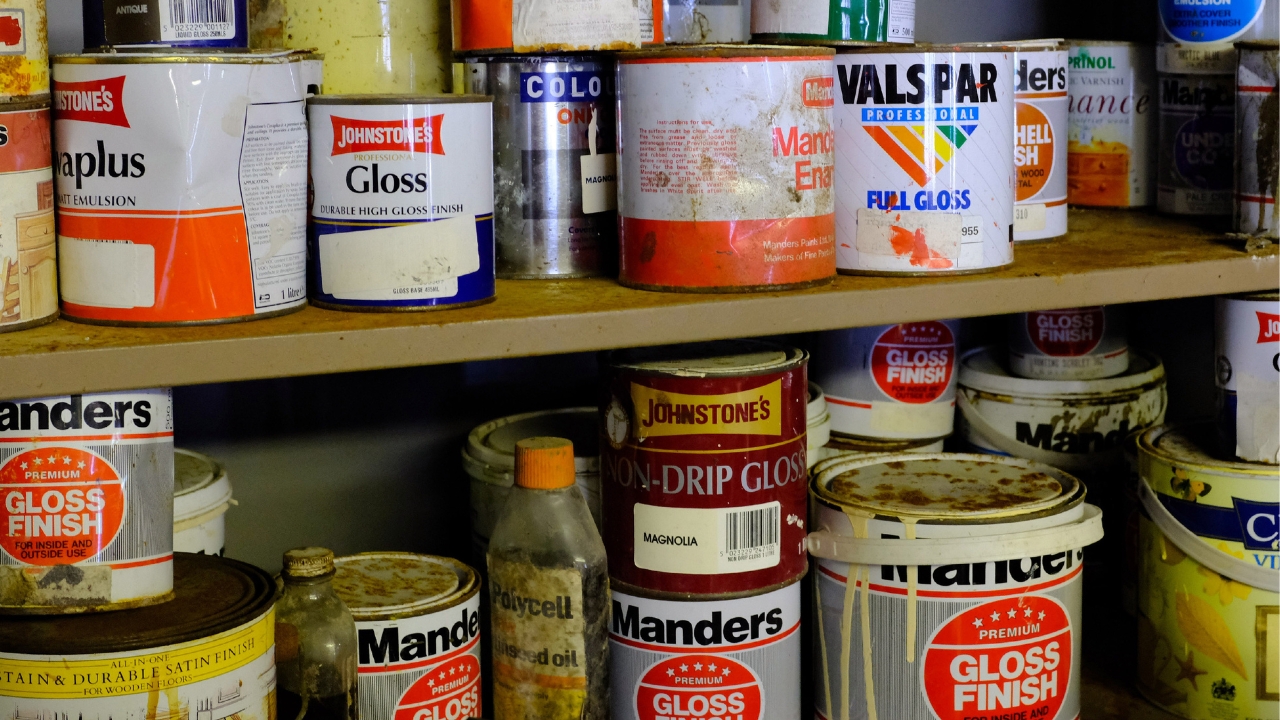
Late fall is when this problem shows up. You “save” leftover paint in the warmest room so it won’t freeze, then forget it until spring. The can rusts, lids glue themselves on, and the whole shelf smells like old thinner.
Water-based paint can survive freezing once or twice, but it usually gets lumpy and won’t roll right after. Oil-based paint, stains, mineral spirits, acetone, and similar products bring flammable fumes and can ruin indoor air. Store finishes in a cool, dry place that stays above freezing, like a basement closet away from mechanical equipment, or a conditioned cabinet in the garage if your garage holds heat.
3. Cardboard Boxes And Paper Stacks

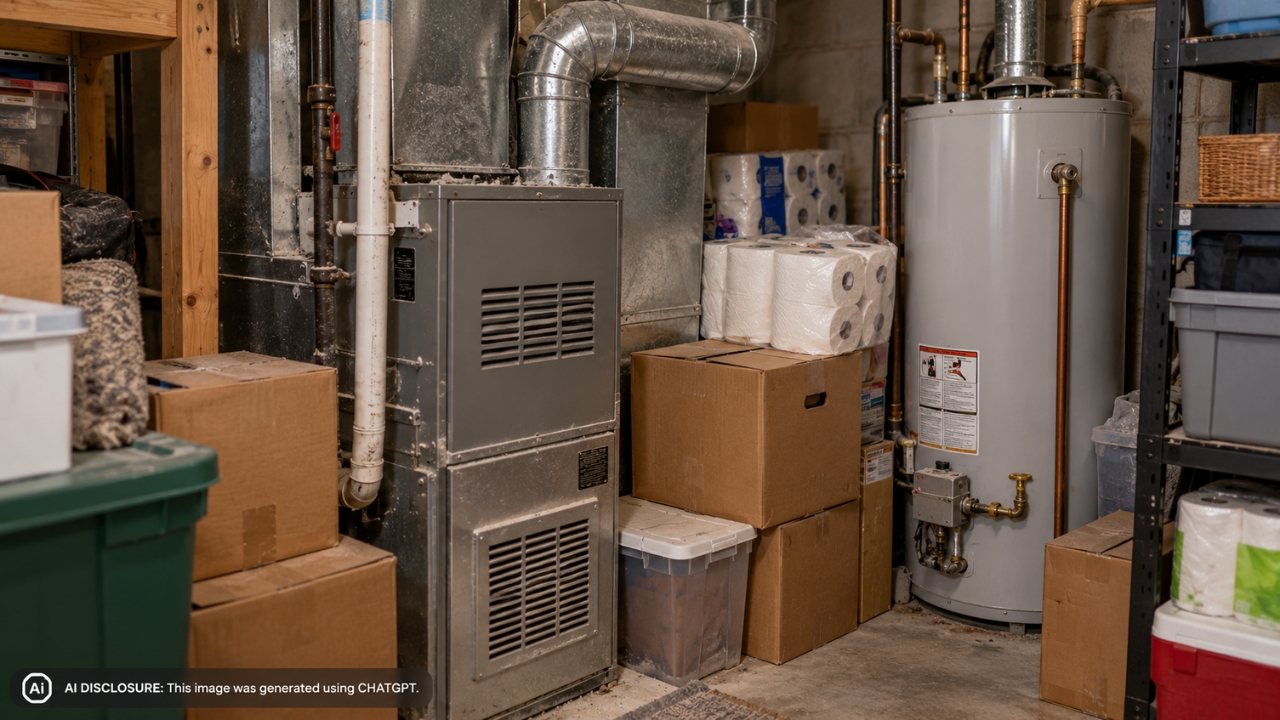
Cardboard is kindling, and it also blocks airflow. You want a clear path around the furnace, water heater, or boiler so heat can shed and combustion air can move. When boxes crowd the equipment, you get hot spots, dust build-up, and a harder time spotting a small leak or drip before it becomes a mess.
Use plastic totes with lids if you must store anything nearby, and keep them well away from burners and flues. Better yet, don’t store anything in there except what the system needs. If your room is also the laundry area, keep lint and paper goods out and give the place a quick vacuum a few times each heating season.
4. Pool Chemicals And Chlorine Products
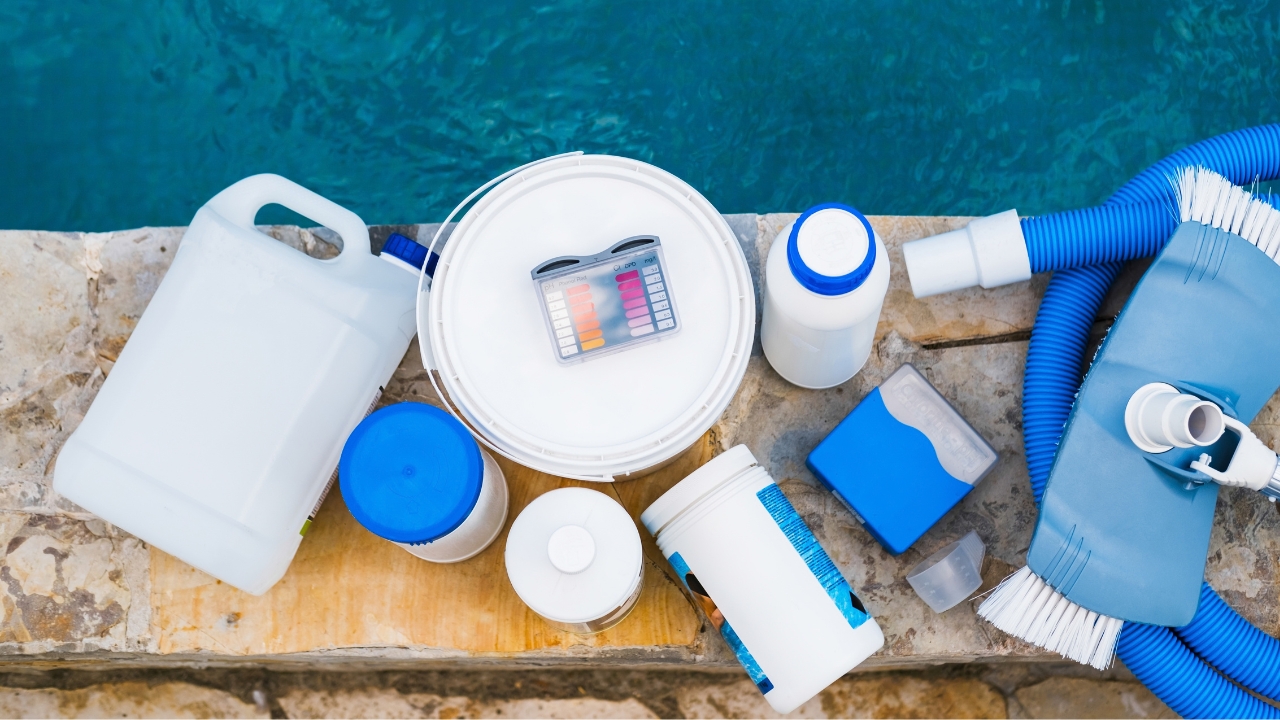
Chlorine tabs, shock, and some cleaning chemicals don’t just smell bad, they react. If a bucket sweats, gets damp, or tips, it can give off gases that corrode metal fast. That corrosion loves furnace cabinets, gas valves, copper lines, and wiring terminals.
Store pool chemicals in a dry, separate area, ideally outside the house, and never beside anything that can spill acid or moisture. Keep the original containers sealed, and don’t “organize” by transferring to a random bin. If you already see rust freckles on nearby sheet metal or green crust on copper, move the chemicals and have your system checked during the next service call.
5. Salt Bags, Fertilizer, And Ice Melt
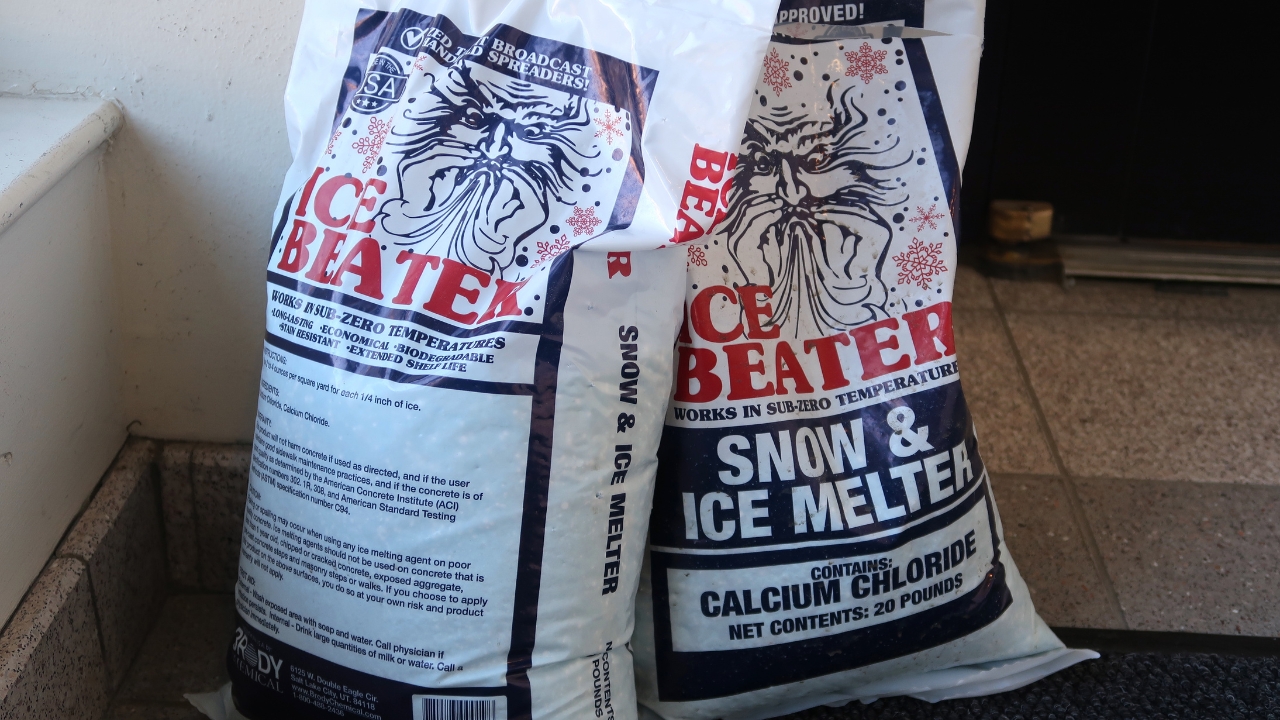
That pallet of water softener salt seems harmless, until you notice your tools are rusting and the furnace room door hinges squeak like they’re a hundred years old. Salt pulls moisture from the air. Fertilizer dust does its own kind of corrosion, and once it’s in the air it settles everywhere.
Keep bulk salt and lawn chemicals in a dry shed or a sealed tote in the garage, off the concrete. If you need a few bags inside, put them in a plastic bin with a tight lid and don’t stack them against the furnace. A couple bags for a storm are one thing, a season’s supply is a different problem.
6. Anything Blocking Filters Or Service Panels
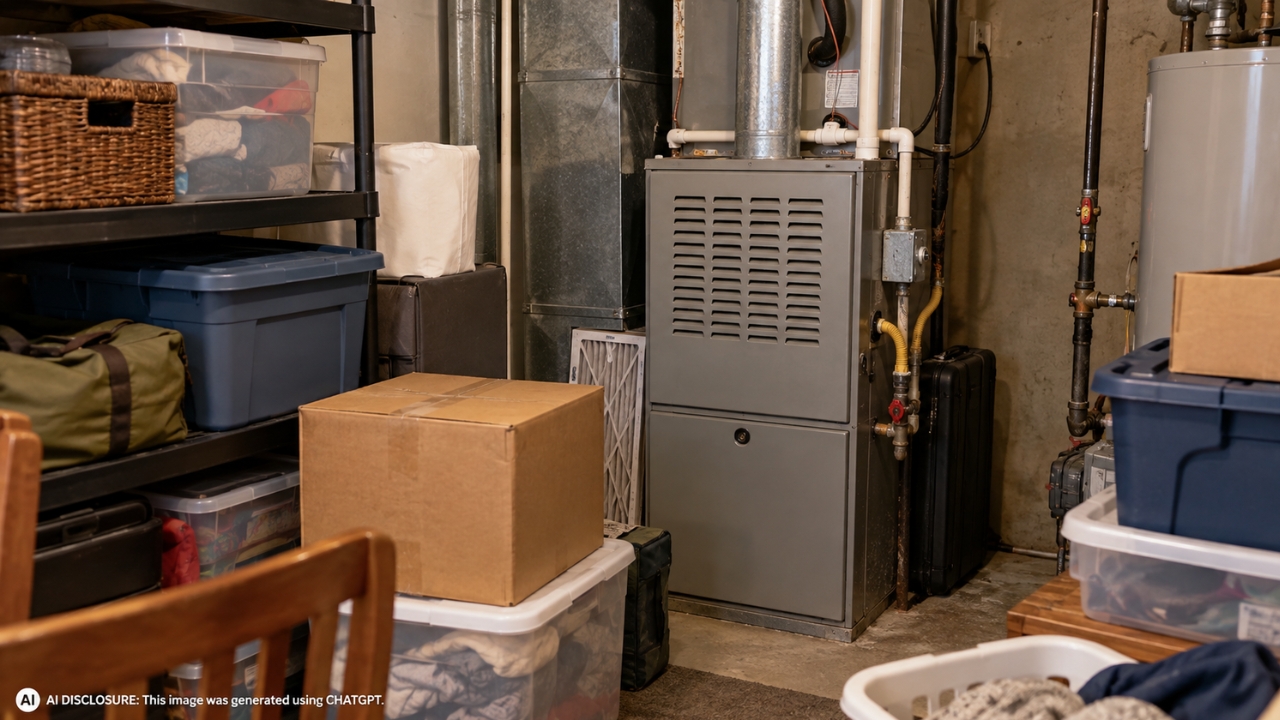
You don’t skip changing the filter on purpose. You skip it because you can’t get to it without moving stuff, and the “stuff” is heavy. Then the blower gets louder, airflow drops, and the house smells dusty every time the heat kicks on.
Make yourself a hard rule: you should be able to open the furnace panel, pull the filter, and reach the shutoff without moving a single item. If that means putting tape on the floor to mark a no-storage zone, do it. A tech needs that space too, and a service visit gets slower and pricier when the unit is boxed in.
7. Oily Rags And Stain Soaked Towels
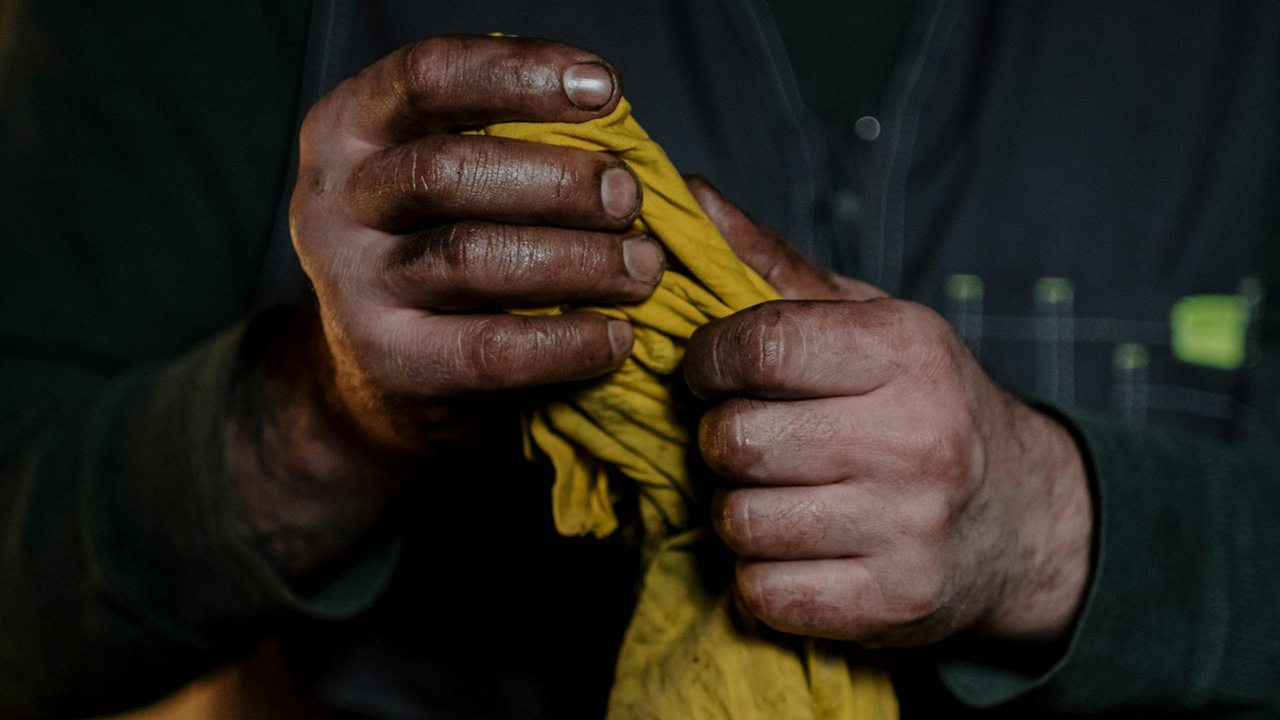
Rags used with oil finishes can heat up on their own as they dry. It’s not common, but when it happens it’s ugly and fast. Tossing a wadded rag in a bucket by the furnace is the kind of shortcut that comes back to bite.
Lay oily rags flat outside to dry on concrete, or hang them on a line away from buildings. Once they’re fully cured and stiff, dispose of them per your local rules. If you do a lot of finishing, a metal rag can with a tight lid is money well spent.
8. Lithium Batteries And Charging Stations
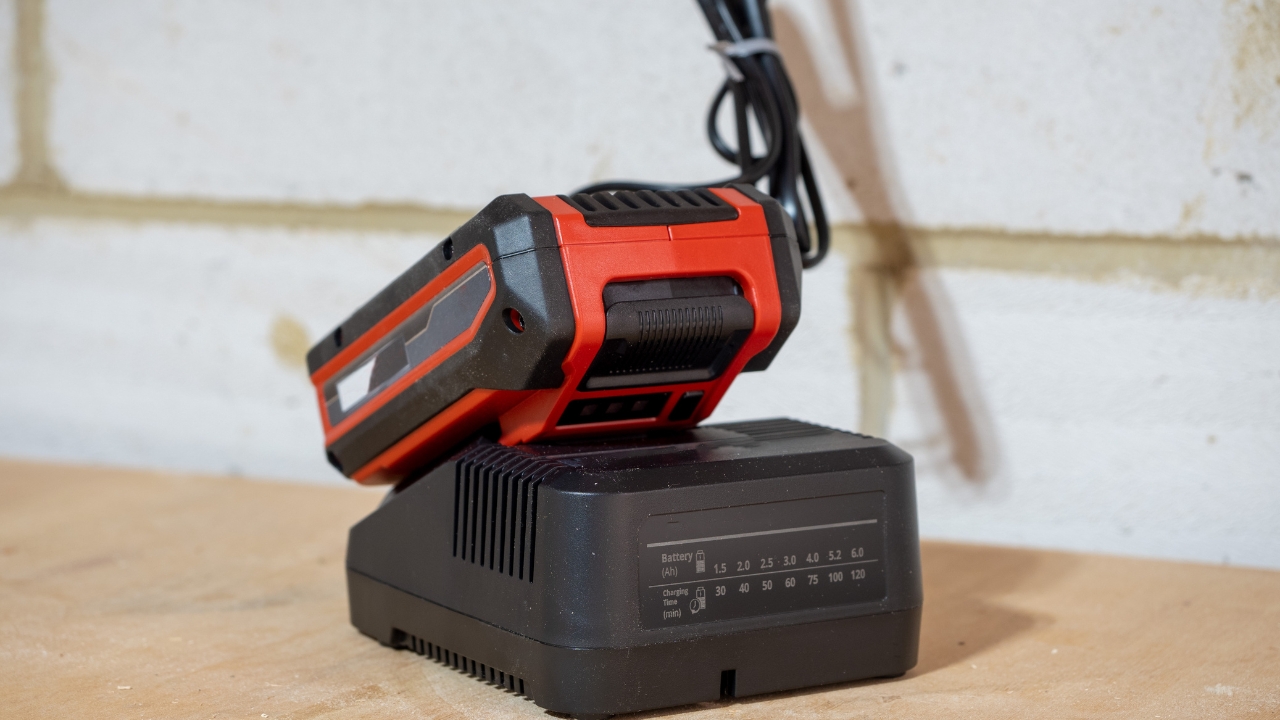
The furnace room feels like a safe “utility” spot for tool batteries, e-bike batteries, and chargers. It’s also warm, dusty, and often tight, with cardboard and paint nearby. If a battery fails during charging, you want distance from anything that burns and a clear path to get it out.
Charge batteries on a nonflammable surface in an open area where you’ll notice a hot smell or swelling pack. Keep them out of direct heat, and don’t stack them in a plastic tote. The cheap exception here is alkaline AA and AAA batteries, those are fine in a small bin as long as they stay dry and you don’t mix loose cells with metal bits.
9. Random Tools And “Junk Drawer” Hardware

A furnace room shelf turns into the dumping ground for screws, old valves, spare outlets, and mystery parts. The cost shows up later, when you need a shutoff key or a pipe wrench and you’re pawing through a pile while the unit is making a bad noise. You also end up storing the wrong parts and throwing away the ones you actually needed.
Move general tools to a real toolbox and keep only equipment-specific items near the equipment. A small labeled bin for furnace filters, humidifier pads, and a marker for dates is plenty. If you want one tool in there, make it a shop vac, dust in that room causes half the annoyance people blame on the furnace.
10. Pets, Bedding, And Litter Boxes

It’s tempting to tuck a litter box or a dog bed into a warm back room. The problem is the air movement. Return air ducts and blower fans can pull odors and dander right into the system, and pet hair builds up on motors, intakes, and filters.
Even if the furnace is sealed-combustion, the room still gets dusty, and pets love to nap against warm panels and pipes. Keep animals out, keep the door shut, and patch gaps around ductwork so you’re not sucking basement air into the return. If you need pet space indoors, pick a room that isn’t tied directly to the HVAC intake.
Give that room a reset once a year, right before the heating season starts. Ten minutes with a broom, a shop vac, and a fresh filter beats a winter breakdown when it’s ten degrees and the service schedule is backed up. You’ll also spot small leaks, rust, and wiring issues sooner, when they’re still simple fixes.
Like Fix It Homestead’s content? Be sure to follow us.