What Size Generator You Actually Need for a Power Outage
Photo credit: marina_tea/Shutterstock.com
The lights go out, the fridge starts warming, and suddenly every tool and comfort you take for granted needs a plan. A generator can carry you through, but only if it’s sized for what you actually run and how you actually live. Get it wrong and you’ll either waste money on a monster you never use, or buy a small unit that trips and sputters the first cold night.
1. Guessing Instead Of Listing Loads
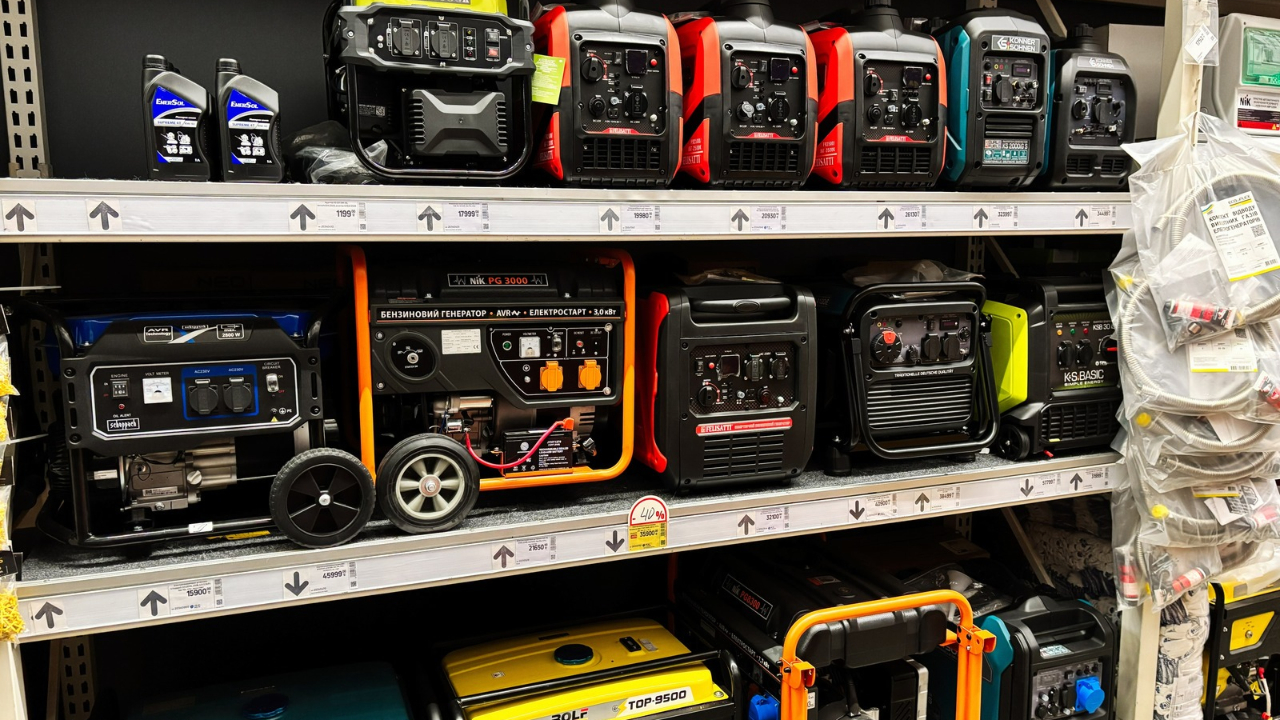
The fastest way to buy the wrong generator is to stand in the aisle and “feel” like 7,500 watts sounds about right. That guess usually ignores the boring stuff that matters, like the sump pump that runs every rainstorm or the freezer in the garage. Make a written list of what you want powered, room by room, including the stuff you forget because it’s quiet.
Next to each item, write the watts or amps from the nameplate, or look it up in the manual. If all you have is amps, multiply amps by volts, 120 for most plugs, 240 for many well pumps and some heating equipment. You’ll use that list for sizing, cord choices, and what order to start things in.
2. Forgetting Motor Start-Up Surge
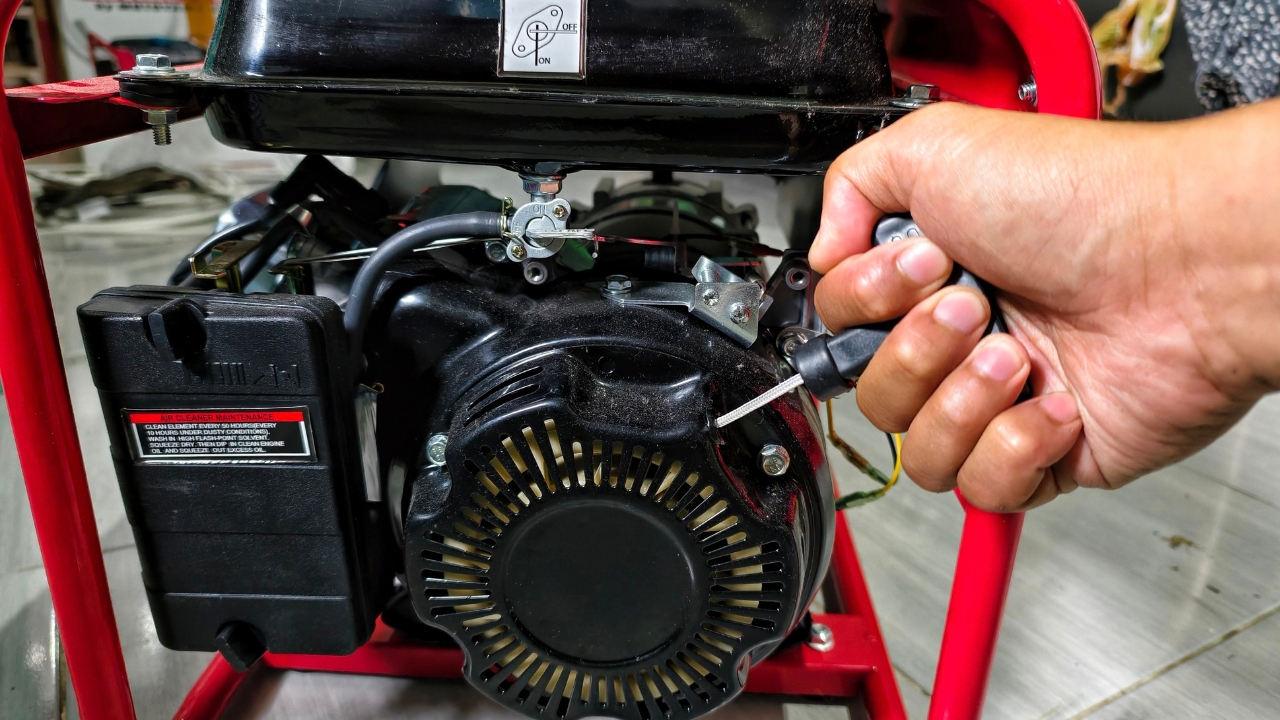
A generator that can handle 2,000 running watts can still choke on a 700 watt sump pump. Motors hit hard at startup, and that surge can be two to three times the running draw, sometimes more. When the surge hits, the generator bogs down, the lights flicker, and a breaker pops, usually right when the basement is taking on water.
Plan for starting watts, not just running watts, for anything with a compressor or motor. That means fridges, freezers, well pumps, furnace blowers, sump pumps, shop compressors, and some power tools. If you can’t find starting watts, assume the surge is big and give yourself margin, or ask an electrician to measure the actual startup draw.
3. Treating Running Watts Like Total Watts
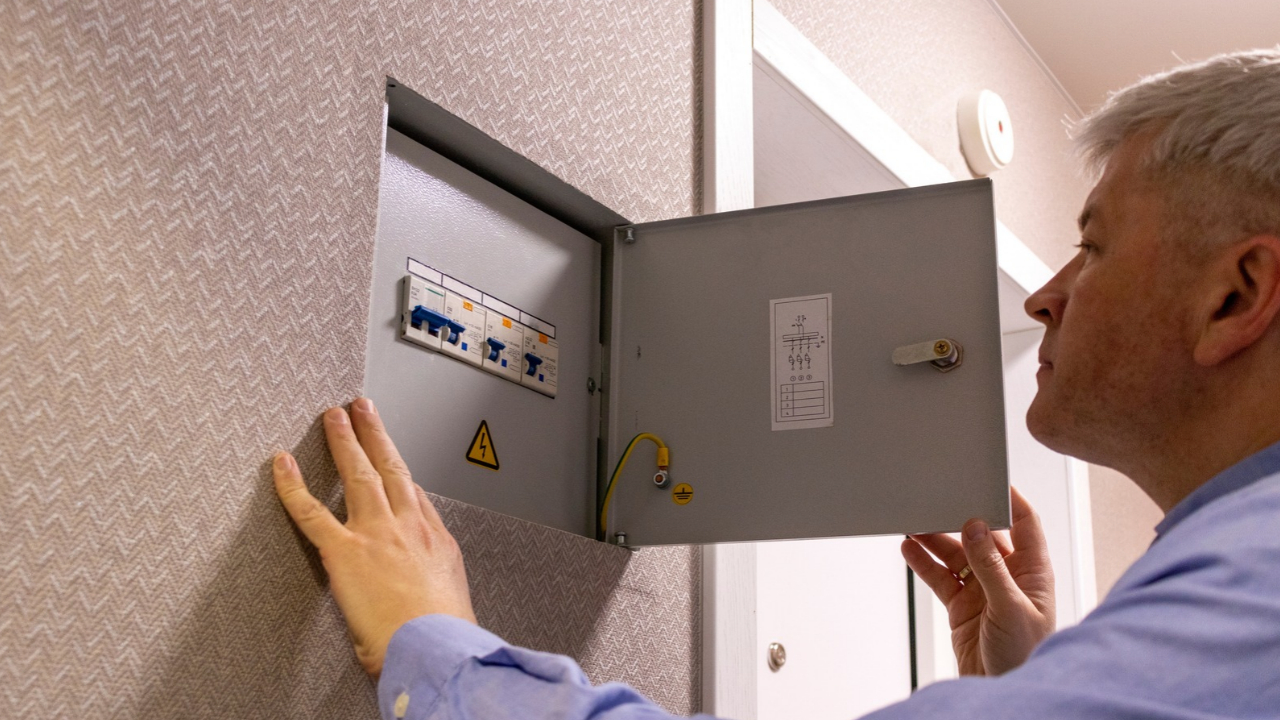
Adding up nameplate watts and buying that exact number leads to a generator that’s always working at the edge. Running a generator flat out makes it loud, thirsty, and hotter than it needs to be. You also have no room for the “oops” loads, like someone plugging in a kettle or the fridge cycling on at the wrong moment.
A better target is to run the generator at a comfortable load most of the time, not pinned. Leave headroom so voltage stays steadier and the engine isn’t screaming. That headroom also gives you flexibility when the outage drags into day three and you start adding small comforts back in.
4. Assuming Space Heaters Are Reasonable

Portable electric heat eats generator capacity like nothing else in the house. A typical space heater is around 1,500 watts, and running two or three turns a “whole-house” generator dream into a constant fuel run. People buy a bigger generator just to run heaters, then complain about fuel costs and noise.
If you want heat in an outage, look at how your home is already built to do it. A gas furnace still needs a blower, a boiler may need a small circulator pump, and a pellet stove needs a modest amount of power. If your only heat is electric baseboard, a generator big enough to keep the whole house warm is usually not a practical buy.
5. Overbuying For Every Comfort At Once
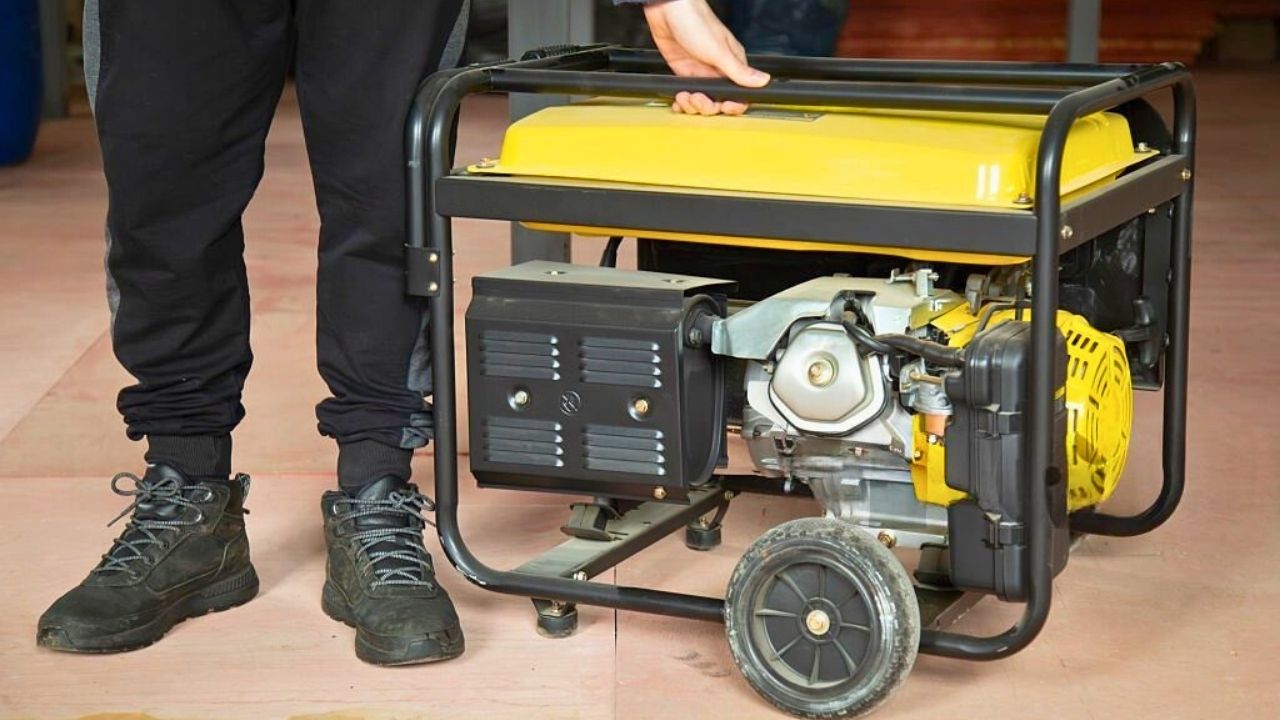
Bigger isn’t always better. A huge portable unit costs more up front, burns more fuel per hour, and often sits unused because it’s heavy, loud, and a pain to roll out. A lot of people would be happier with a smaller generator and a plan to rotate loads.
Decide what “good enough” looks like. Many homes do fine powering the fridge, freezer, furnace blower or boiler pump, a few lights, phone charging, and maybe the microwave. You can still run the well pump, the coffee maker, or a washer, just not all at the same time.
6. Ignoring 240-Volt Needs Like Wells
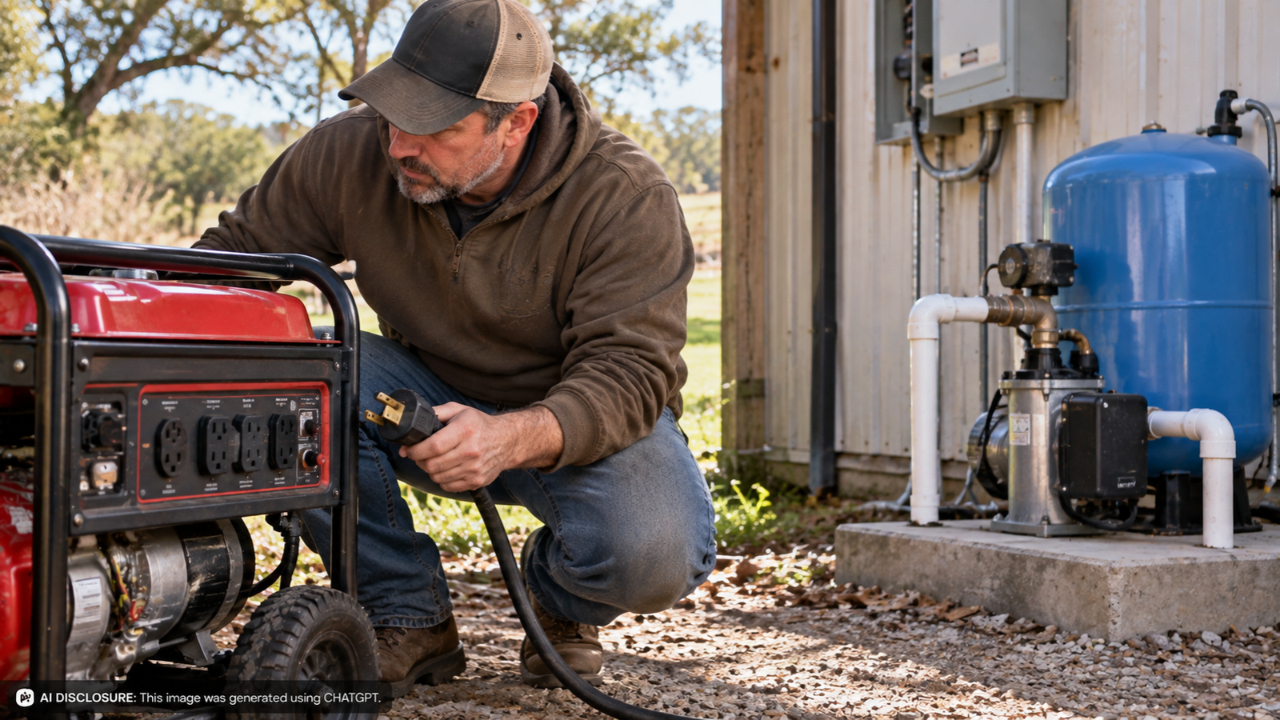
This is where people get surprised. A well pump, some septic pumps, and certain shop equipment need 240 volts, and a small inverter generator might only have 120-volt outlets. You can own plenty of watts and still not be able to start the one thing you care about most, water.
Check your panel and your pump equipment before you shop. If you need 240 volts, choose a generator with a proper 240-volt output and the matching receptacle. Wiring a transfer switch or interlock is a job for a licensed electrician, and it often needs a permit, but it’s the clean way to power 240-volt loads safely.
7. Thinking One Cord Powers The House
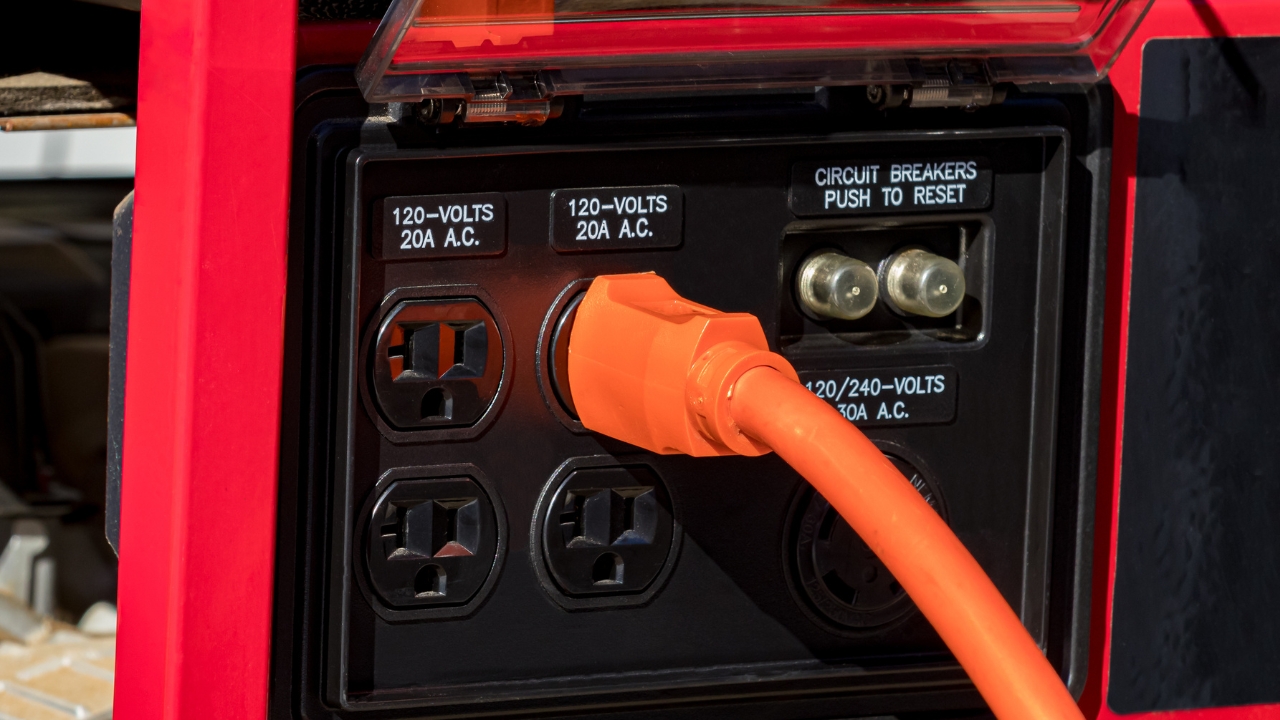
Running a generator through a couple of extension cords works for a fridge and a lamp. It falls apart when you try to feed half the kitchen, the furnace, and the sump pump. You end up with cords under rugs, doors that won’t close, and a tangle you trip over in the dark.
If you want more than a couple plug-in loads, plan for a transfer switch or a panel interlock and a proper inlet. That lets you choose which circuits you power without backfeeding, which is dangerous and illegal. Have an electrician look at your panel space, your service size, and what circuits should be on generator power.
8. Buying Watts, Not Fuel Strategy
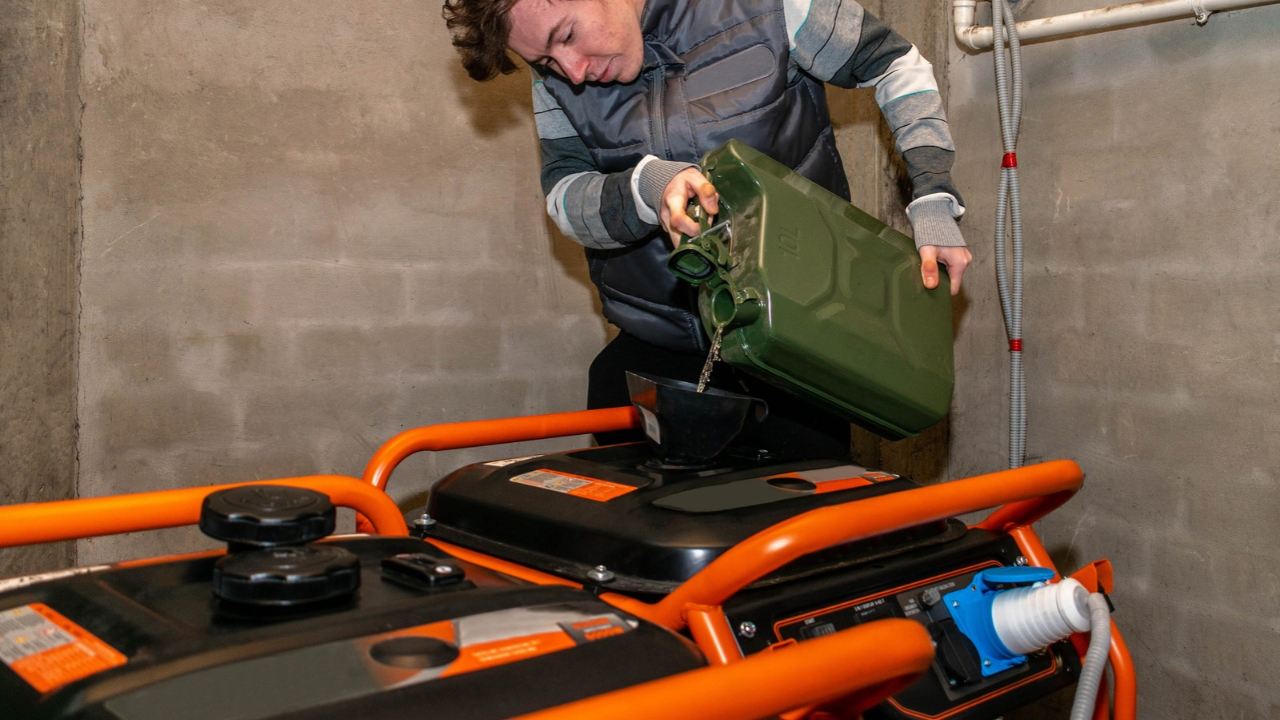
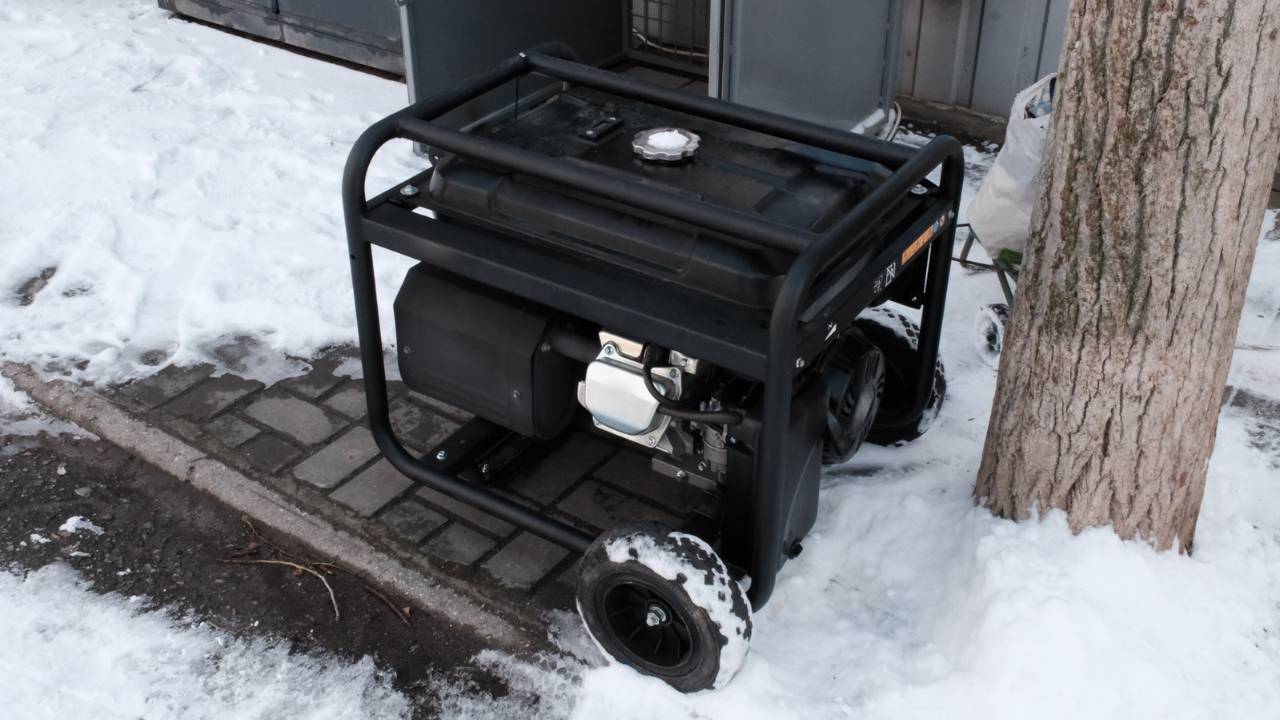
The generator size decision is also a fuel decision. A big open-frame unit can burn through a lot of gasoline, and in a widespread outage, gasoline lines get long fast. Propane stores well, but you need enough on hand, and cold weather can reduce tank pressure on small cylinders.
Match the generator to the fuel you can realistically store and rotate. If you keep a couple gas cans treated with fuel stabilizer and rotated through your mower, that supports a certain runtime. If you have a large propane tank on the property, a dual-fuel unit can make outages less stressful, but you still need the right hoses and a safe setup outdoors.
9. Misreading “Surge” Marketing Numbers
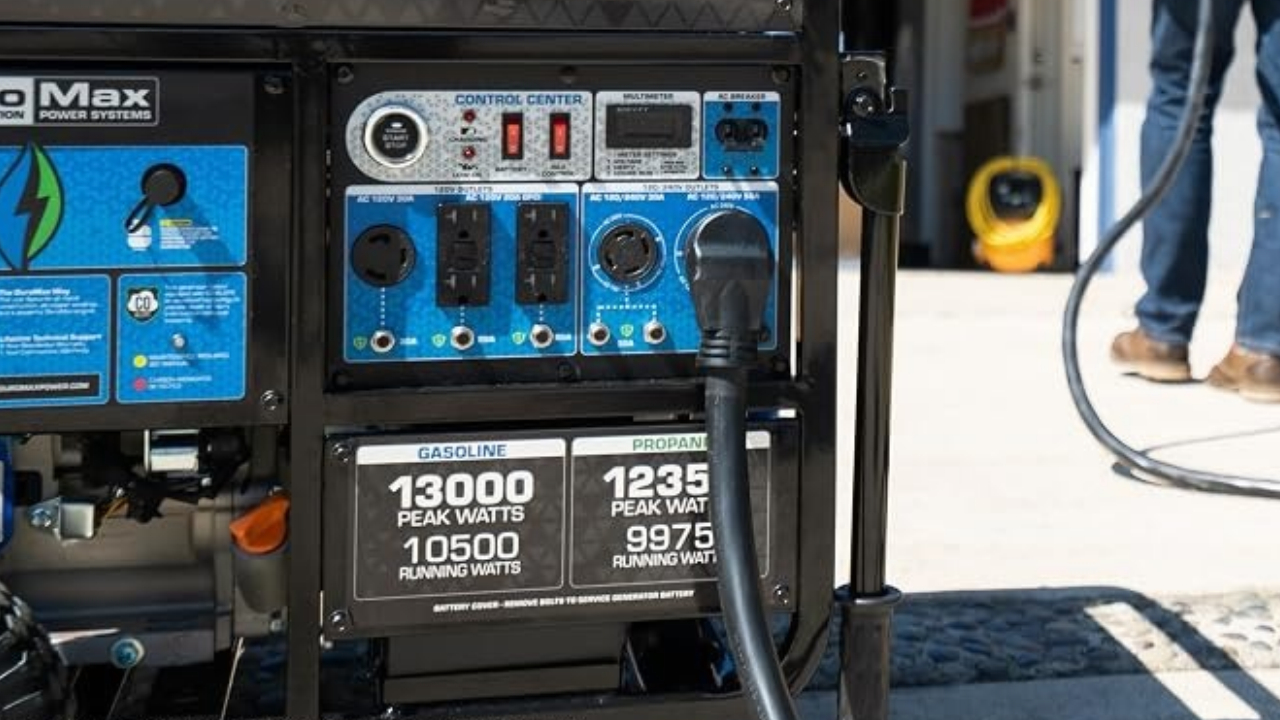
Some boxes shout a big peak watt number that only lasts a moment. That doesn’t mean the generator will happily run your loads all night. If you size to the peak number, you’ll end up frustrated when it trips on normal cycling loads like a fridge and freezer kicking on together.
Shop using the rated or running watts first, then look at surge watts as a bonus. If you’re close to the line on paper, you’re too close in real life. Cold engines, long cords, and dirty air filters all steal performance.
10. Forgetting Altitude And Heat Derating
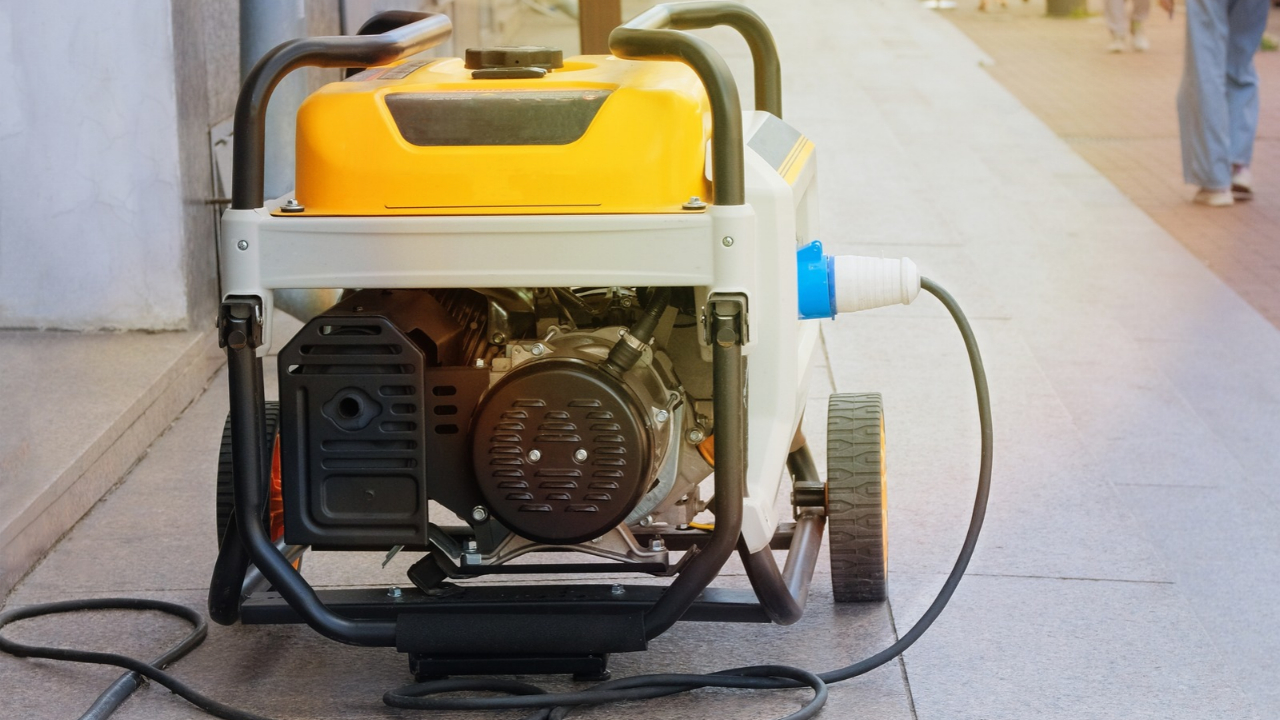
Generators lose power at higher elevations and in hot weather. A unit that feels strong in a cool driveway can feel weak during a summer outage when it’s 95 degrees and sitting in still air. If you live in the mountains, that loss shows up as hard starts and nuisance trips.
Give yourself extra capacity if you’re above sea level or deal with heat waves. Look up the engine’s derating guidance in the manual and size accordingly. Also think about placement, shade helps, but never run it in a garage, shed, or under a window where exhaust can drift inside.
11. Skipping Power Quality For Electronics

Some loads don’t care about perfect power. Lights, a toaster, and many tools are fine. Sensitive electronics, certain furnace control boards, and modern appliances can be pickier, especially on cheaper non-inverter generators that wander in voltage under changing load.
If you want to run computers, battery chargers for cordless tools, modern TVs, or a high-efficiency furnace, an inverter generator is often worth the extra money. An honest exception is a short outage where all you need is the fridge cold and a couple lights, a basic open-frame unit can be fine. Just don’t expect it to behave like utility power.
12. Forgetting The Sump Pump Worst Case
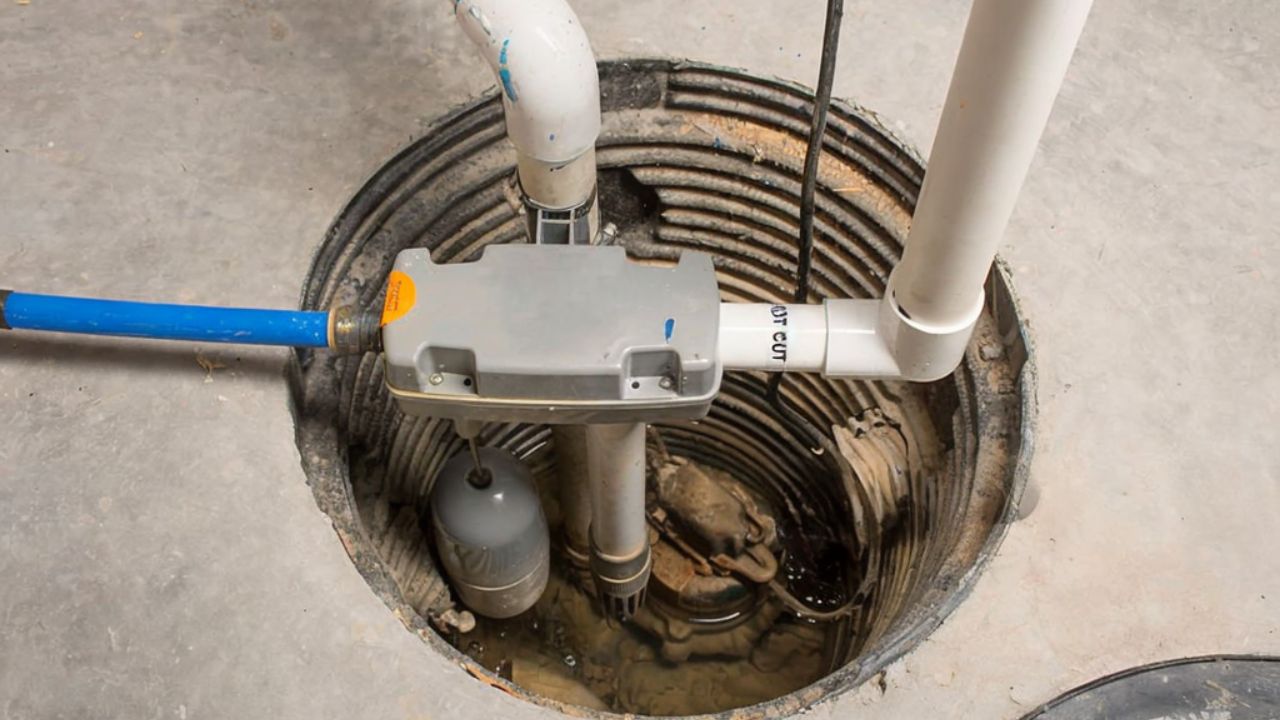
A sump pump is not a steady load. In heavy rain, it can cycle constantly, and it needs to start every time without drama. If your generator is barely sized, the pump will be the thing that finds the weak spot.
Know your pump size and whether you have one pump or two. If you run a primary and backup pump, plan which one is on generator power and which one is battery based. Test it before storm season by actually running the pump on generator power for a few cycles.
13. Not Planning The Start-Up Order
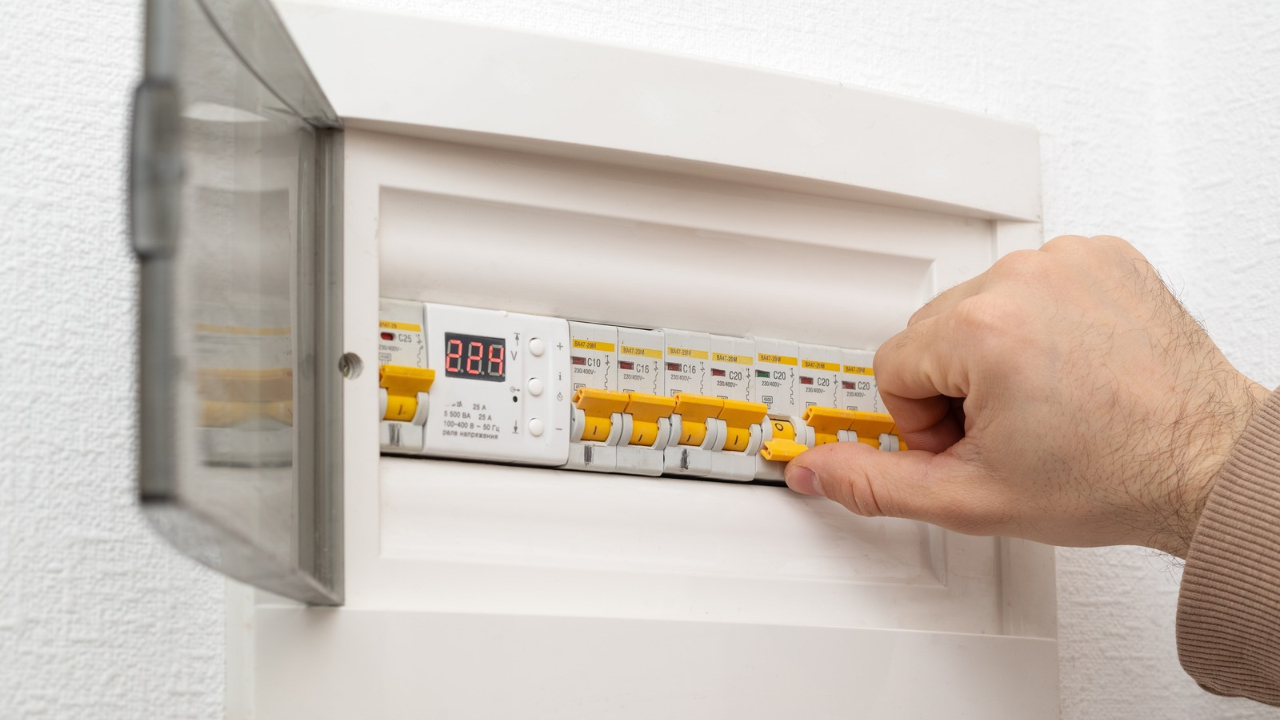
Even a well-sized generator can stumble if everything starts at once. When the power comes back on after a transfer, the fridge compressor might kick on at the same time the well pump starts and the furnace blower spins up. That is when you hear the engine lug down and lights dim hard.
Start big motor loads one at a time. Let the fridge run for a minute, then bring on the furnace, then the well. If your transfer switch powers multiple circuits at once, be ready to switch off a few breakers, then add them back in with a pause between.
14. Buying Too Small For A Battery Charger
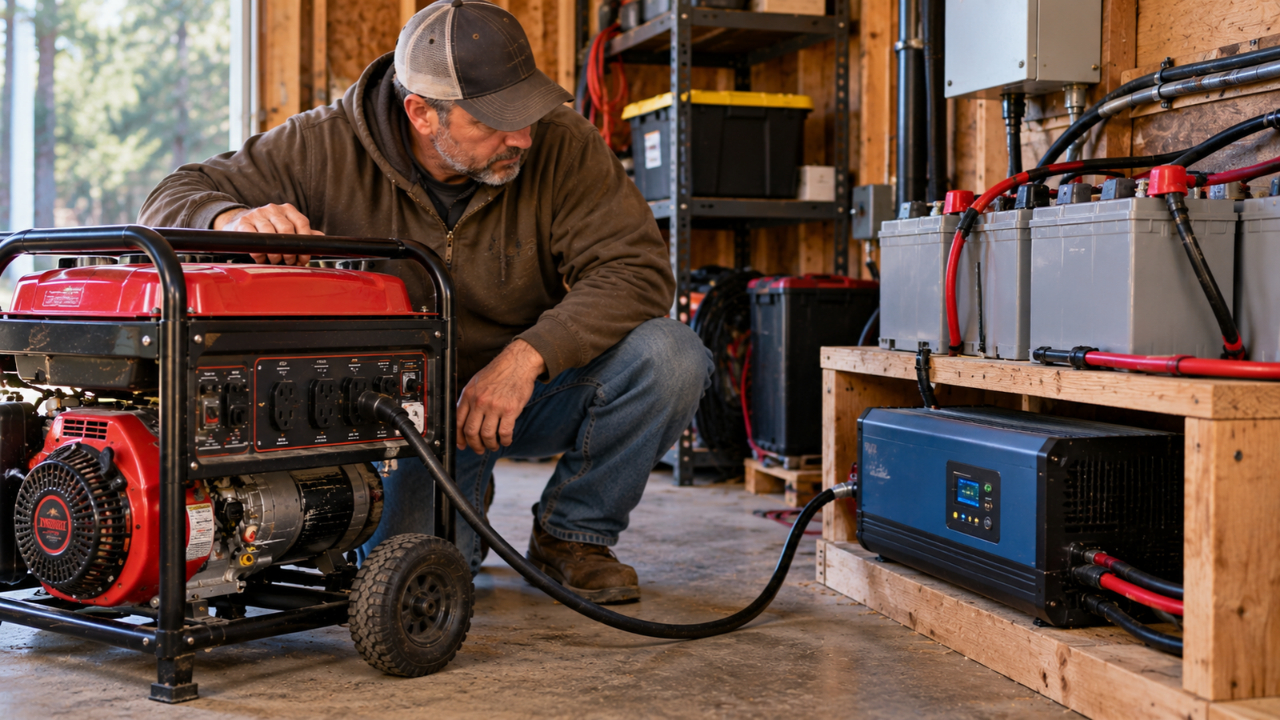
This one surprises off-grid minded homeowners. A battery charger for a solar battery bank or a large power station can pull a steady, high load for hours. A small generator that runs your fridge fine can be miserable at charging, droning at full throttle and guzzling fuel.
Check the charger input watts and whether you can dial the charge rate down. Some chargers let you choose a lower amp setting, which can let a smaller generator do the job more efficiently. If charging is a main goal, size for that continuous draw, not the fridge.
15. Forgetting Noise And Neighbor Reality

A loud generator changes how often you’ll actually use it. If it’s ear-splitting, you’ll shut it off at night, and then you lose heat, sump protection, or fridge temps while you sleep. Noise also travels farther on cold nights, and it can spark neighbor trouble fast.
Inverter generators tend to be quieter, and so do larger units run at lower loads. Put the generator on a stable pad, point the exhaust away from homes, and use a longer, heavy-duty cord set or a proper inlet to get it farther from doors and windows. Check local rules on noise if you live in town.
A well-sized generator isn’t about bragging rights, it’s about a calm routine when the grid is down. Do the load list once, set up safe connections, and run a real test on a normal weekend afternoon. When the outage hits, you’ll already know what to power, what to skip, and how much fuel you need on hand.
Like Fix It Homestead’s content? Be sure to follow us.