10 Reasons a Wood Stove Burns Through Wood Too Fast
Photo credit: guruXOX/Shutterstock.com
You load the stove, get it humming, and two hours later you’re staring at coals and a cold living room. Burning through a woodpile that fast gets expensive and annoying, and it usually means something is off in the wood, the air, or the stove setup. The good news is most of the fixes are simple and don’t require a new stove.
1. Burning Wet Or Green Wood
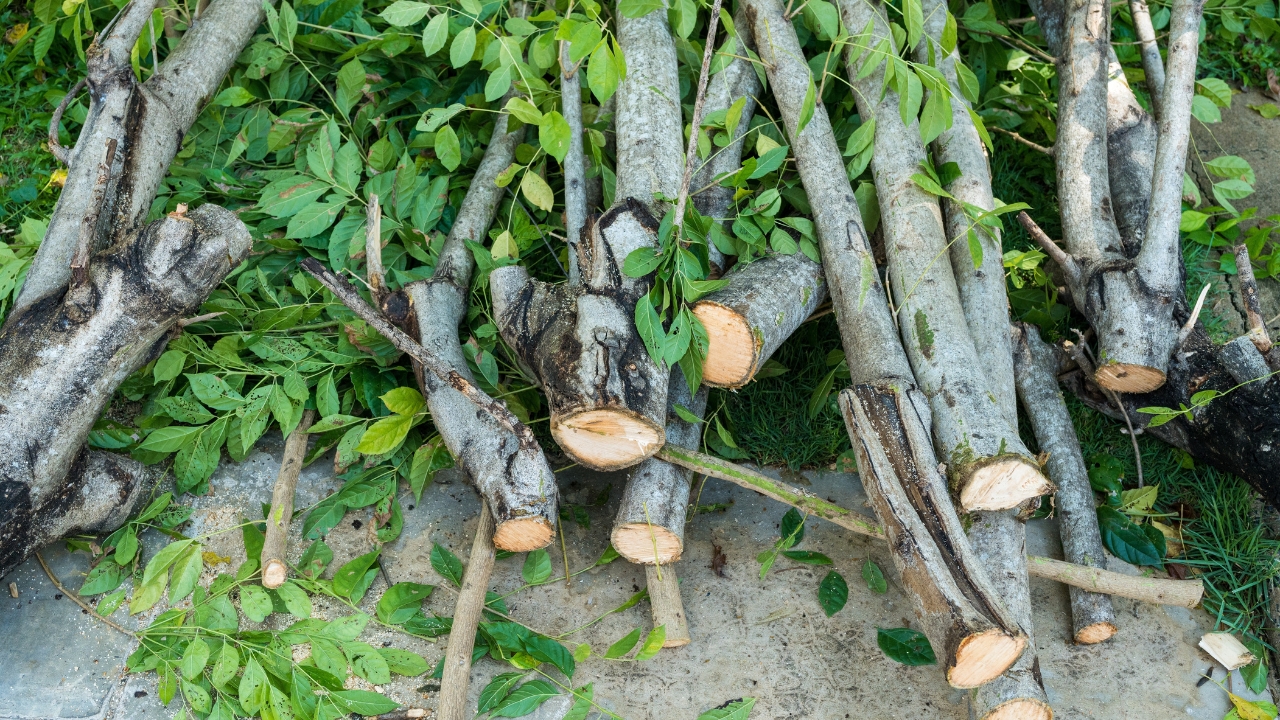
Fresh-cut wood steals heat because your stove has to boil off water before it can heat the house. You’ll hear more hissing than crackling, see lazy flames, and get lots of smoke when you reload. All that wasted heat makes you keep feeding the fire.
Split and stack your firewood where wind can move through it, off the ground on pallets or rails, with the top covered and the sides open. If you want a straight answer fast, buy a cheap moisture meter and check a fresh split face, not the outside. Most stoves do best with dry wood, and if you’re trying to burn this year’s cutting, you’re already behind.
2. Leaving The Air Control Too Open
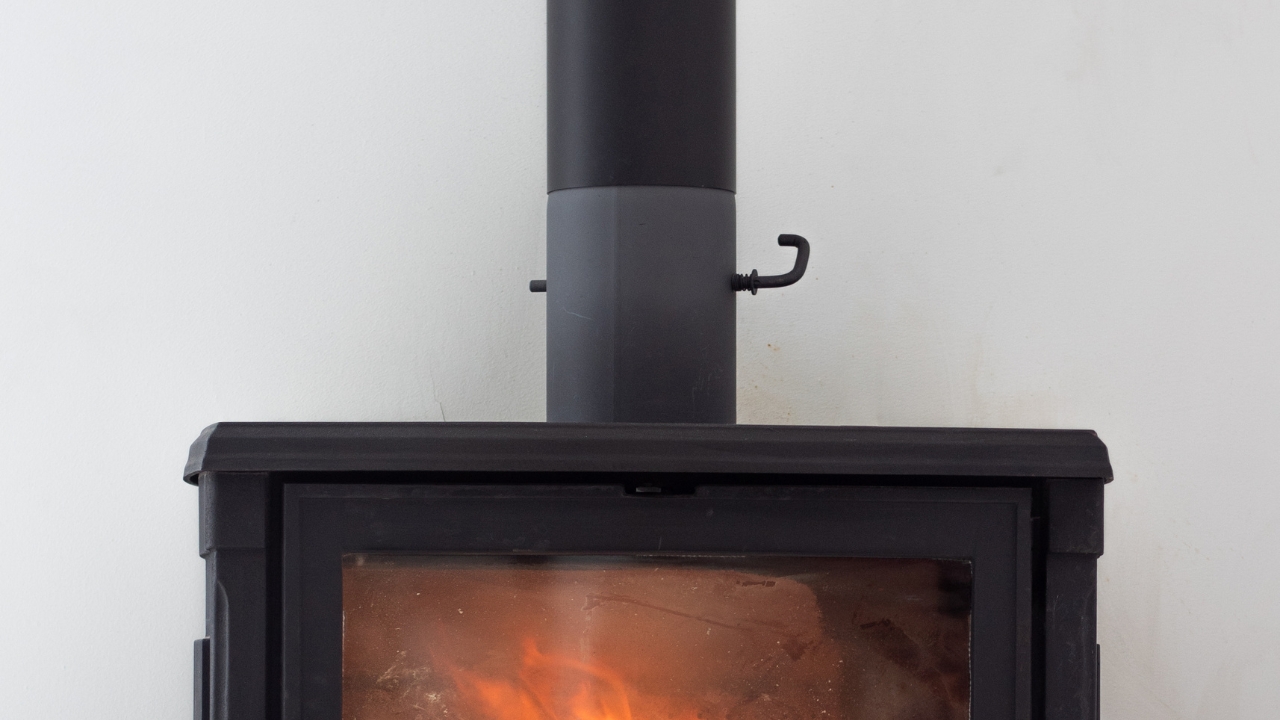
Plenty of people run a stove like a campfire, wide open and roaring. It feels productive, but it sends most of your heat up the chimney and eats your splits like kindling. You also beat up the stove with higher temps than you need.
Once the load is fully lit and the flue is warm, start stepping the air down in small moves and give it a minute to react each time. You’re looking for active flames without that blowtorch sound. If your stove has a manual bypass damper, follow the maker’s directions, and don’t guess if you’re not sure what it does.
3. Draft That’s Too Strong
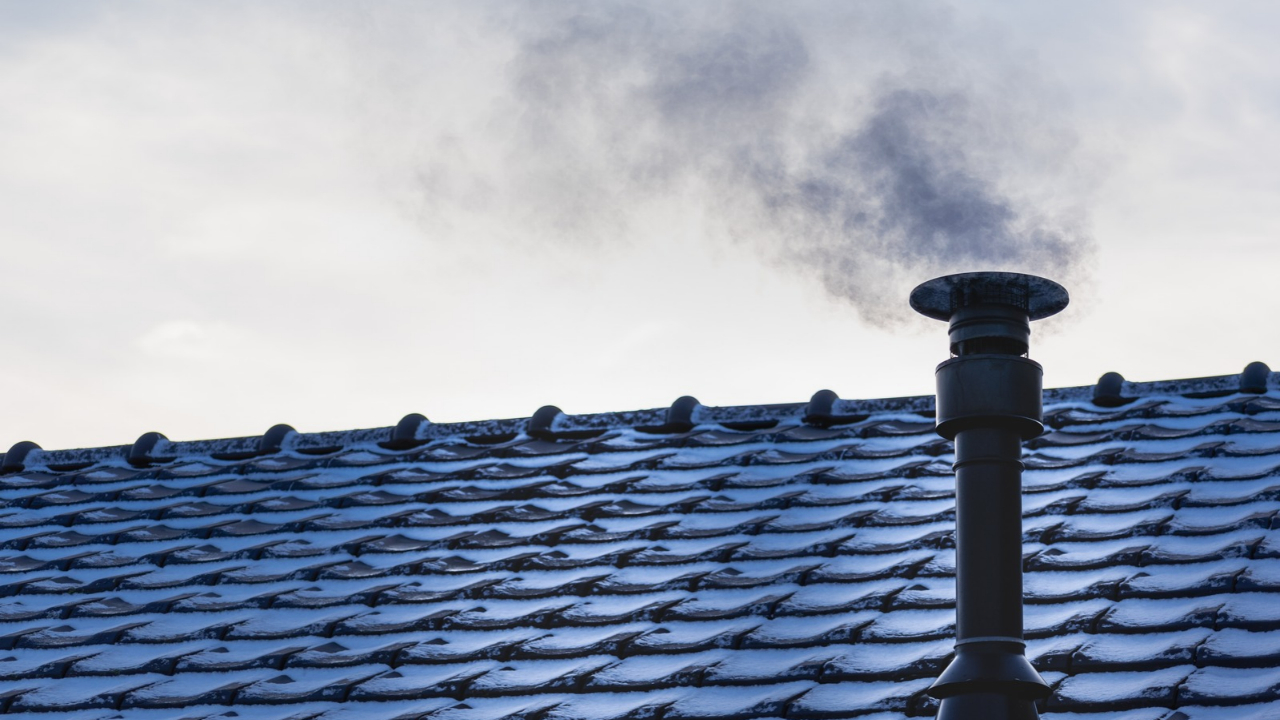
On a windy night or when it’s bitter cold, the chimney can pull like a vacuum. Even with the air turned down, the fire still rips through wood and you can’t slow it. That’s overdraft, and it’s a common reason a stove “won’t hold a burn.”
A stovepipe thermometer helps, because overdraft often shows up as temps that climb fast and stay high. The fix might be as simple as installing a key damper in the stovepipe, or adjusting one that’s already there, but changes to venting should match your stove manual and local code. If you’ve got a tall chimney or weird behavior you can’t tame, a certified chimney pro is worth the call.
4. Short Or Outside Chimney Cooling Off
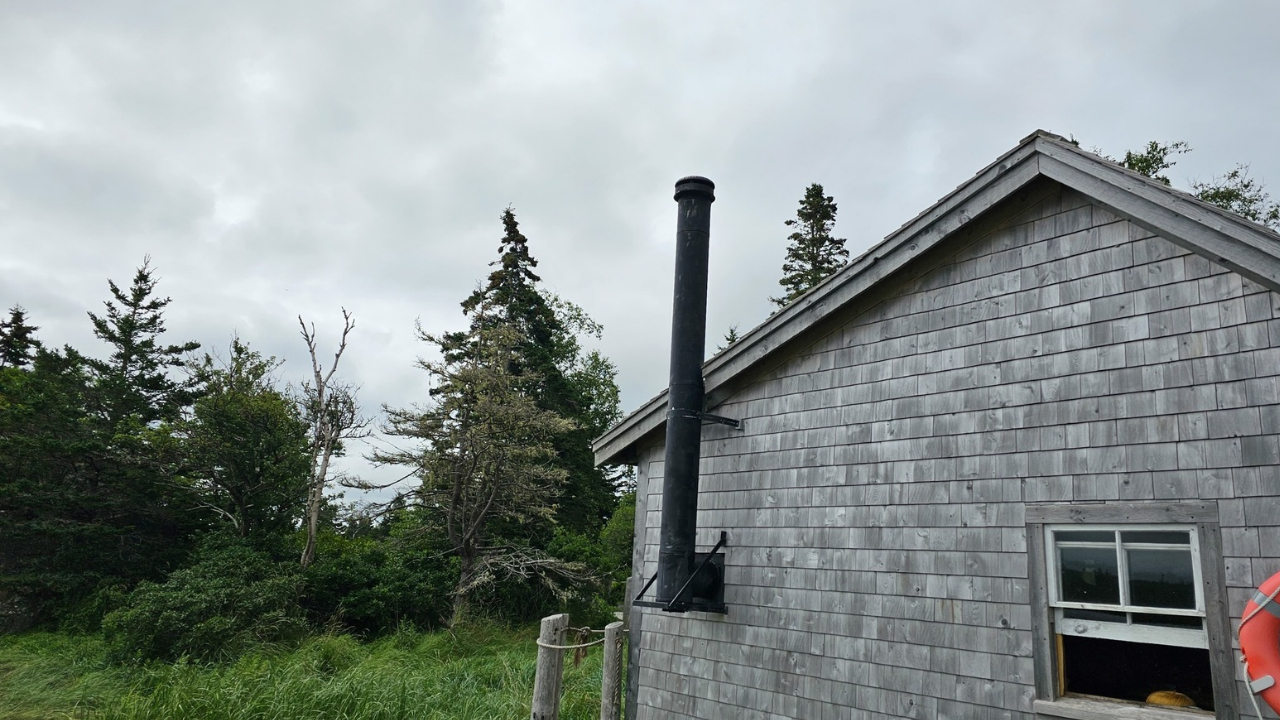
A chimney that runs up an outside wall stays cold, and a short chimney often struggles to draft steadily. The fire gets smoky, you keep the air too open to keep it going, and the stove burns hot and hungry when it finally catches. Then it falls on its face again at the next reload.
Improving draft can mean adding insulated liner, adding height within code, or changing to the correct diameter pipe for the stove. This is not a “close enough” job, because a bad vent setup can also lead to smoke spillage and creosote. If you’re modifying the chimney system, treat it like a permit and inspection project, not a Saturday experiment.
5. Leaky Door Gasket Or Glass Seal
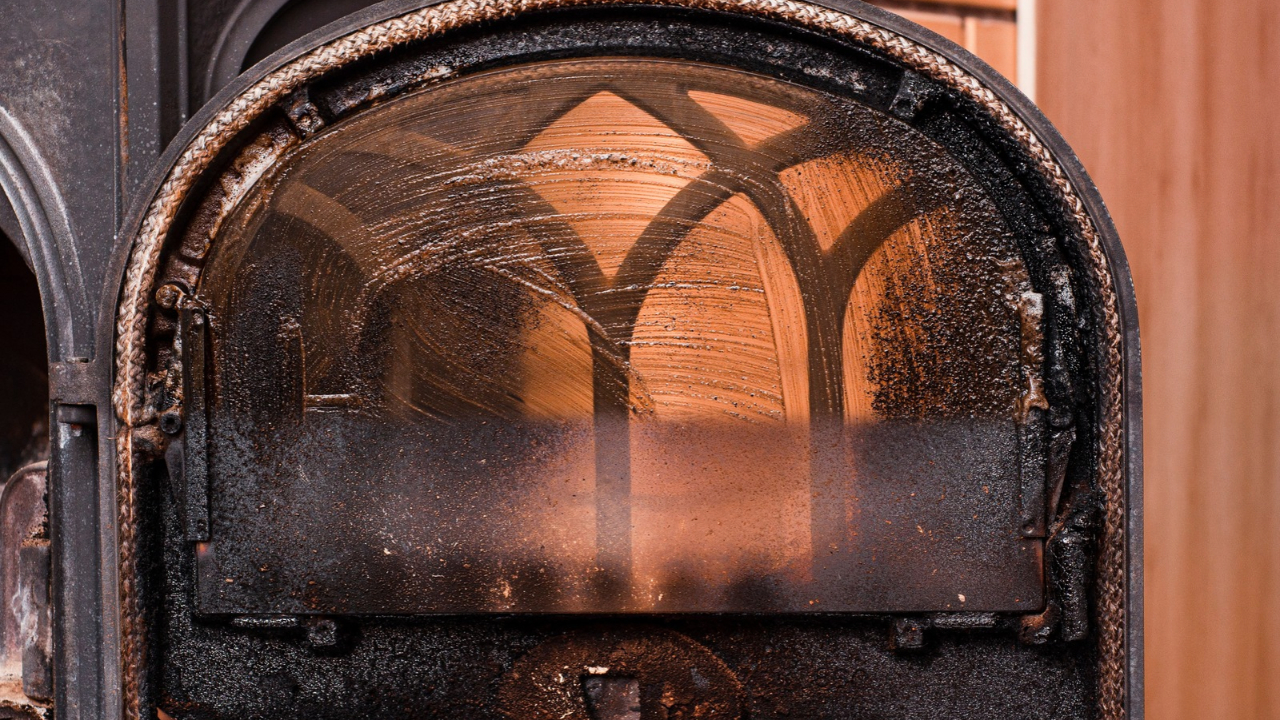
If the door gasket is flat, frayed, or missing chunks, your stove is getting extra air you didn’t ask for. The fire runs harder than the control setting says it should, and you’ll notice shorter burn times and a stove that’s touchier to adjust. Sometimes the only clue is that the air control seems to do almost nothing.
Do the dollar-bill test with the stove cold. Close the door on a bill and tug, and if it slides out easy in spots, the gasket isn’t sealing. Gasket rope and cement are cheap, and most homeowners can handle it with basic hand tools and a careful clean of the channel.
6. Ash Pan Or Cleanout Not Sealing
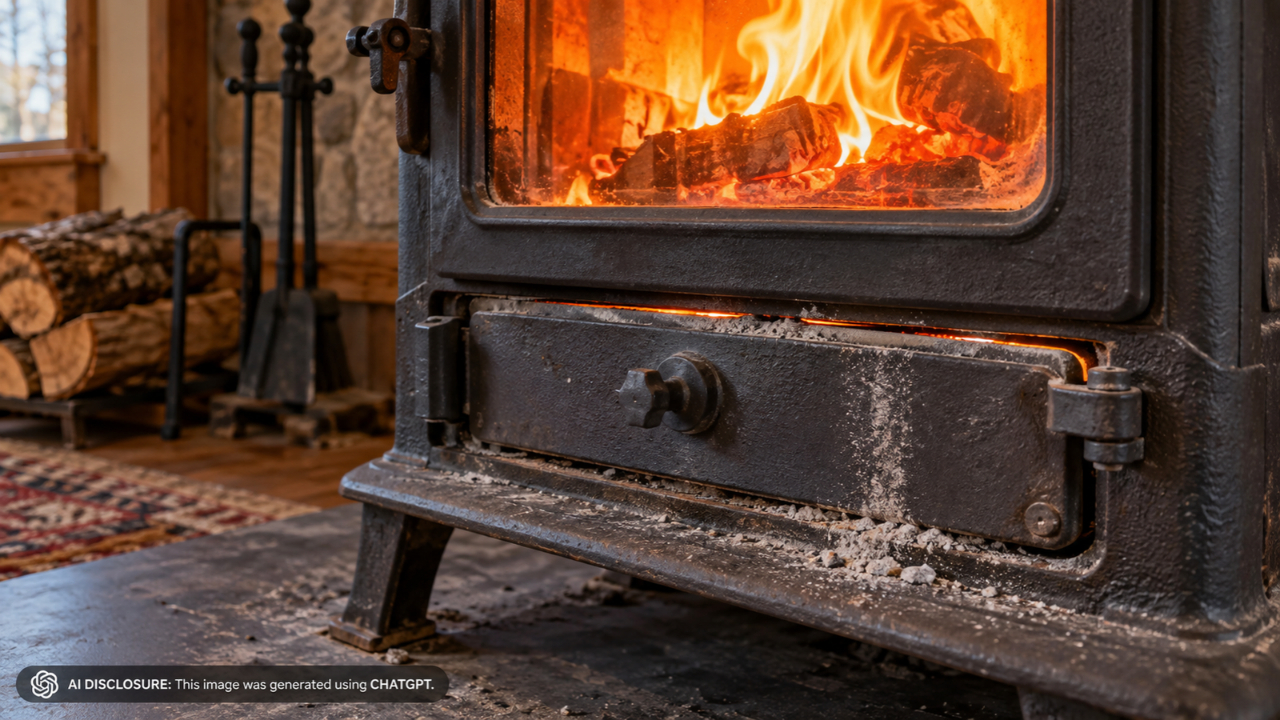
Stoves with ash pans are convenient until the pan door warps or the latch loosens. Air leaks under the fire grate turn the whole load into a forge. You’ll get a bright, fast burn and you’ll wonder why your “slow burn” setting doesn’t slow anything.
Check that door the same way you check the main door, and look for ash trails that show where air is sneaking in. Sometimes it’s just a worn gasket. Sometimes the door needs adjustment. If the metal is warped or cracked, stop running it hot and get the part replaced.
7. Packing The Firebox Like A Brick Wall
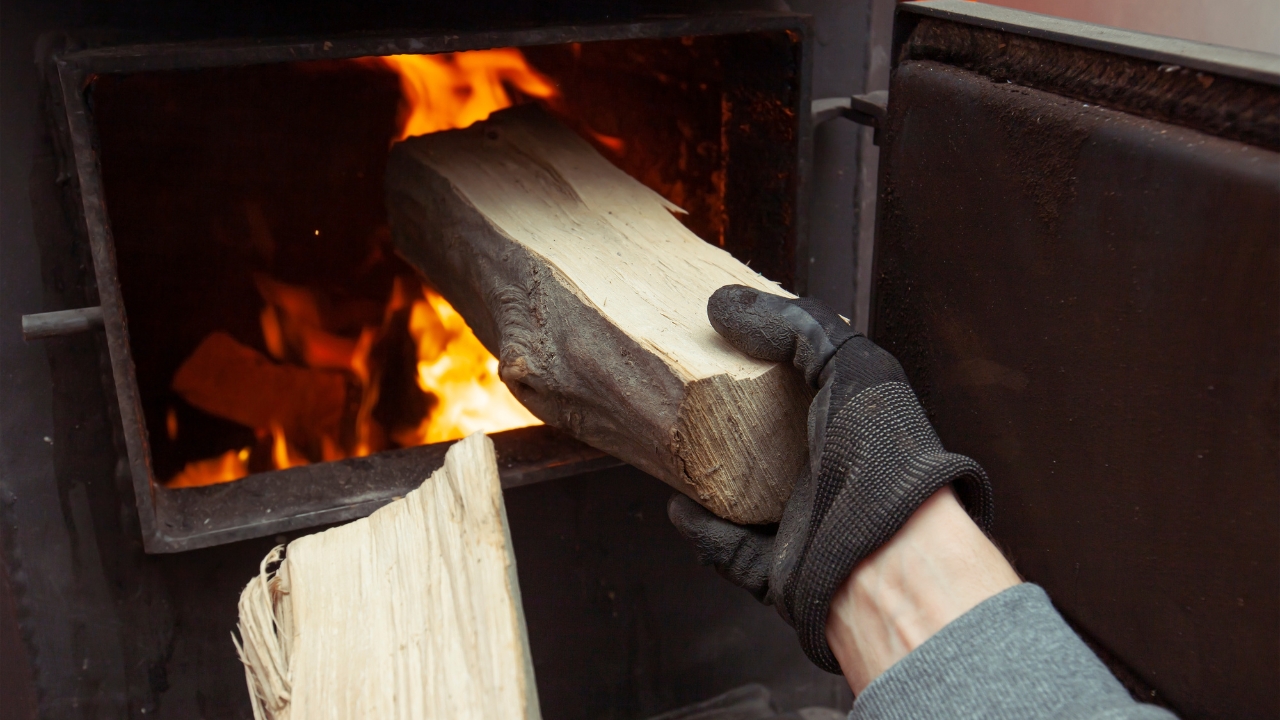
Stuffing the firebox full feels like the answer when you want an overnight burn. But if you pack wood tight with no air space, the stove can’t burn cleanly, so you compensate by opening the air more. That often means you burn more wood to get the same heat.
Load with a little space between splits and place them so the fire can climb through the stack, not smother under it. Use larger splits for long burns, and save the small stuff for starting. There’s an exception here, a tight load can work well in some stoves once you have a deep coal bed and truly dry wood, but it still shouldn’t look like you jammed blocks into a box.
8. Too Much Heat Going Into The Basement
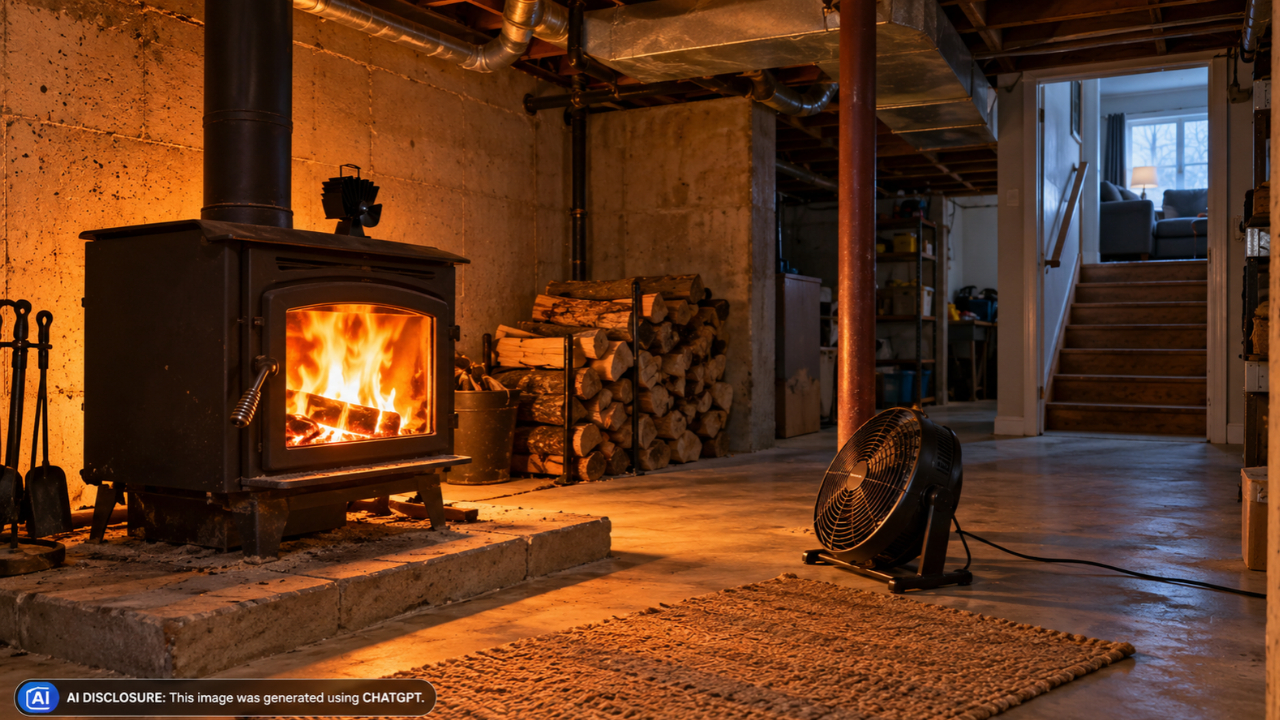
A basement install can chew through wood because you’re heating concrete and dirt before you ever heat the living space. The stove room gets tropical, upstairs is still chilly, and you keep feeding the fire out of frustration. That’s not a stove problem, it’s heat movement.
Seal the rim joist, air-seal obvious leaks, and insulate where it makes sense for your house. Then help the heat travel, usually by running a small fan on the floor blowing cool air toward the stove room, which pushes warm air out into the house. If your basement is unfinished and drafty, fixing the building envelope often saves more wood than any stove tweak.
9. Wrong Wood Species For Long Burns
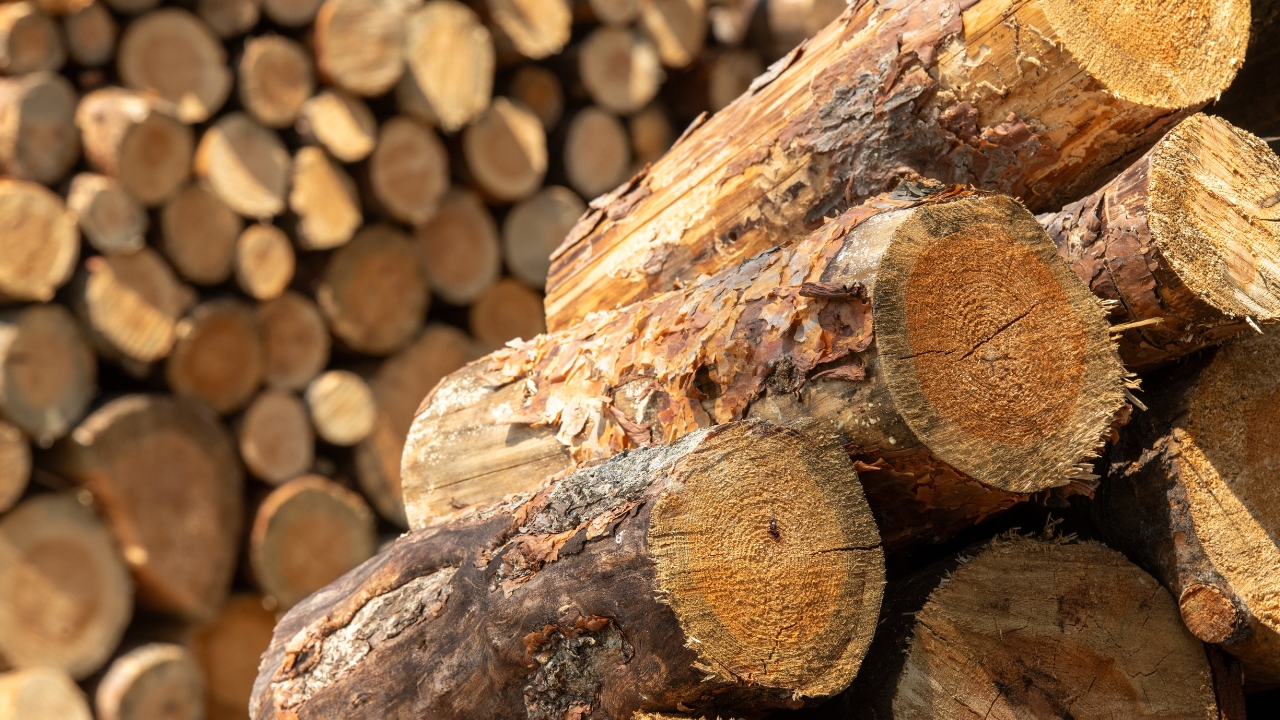
Softwoods and light woods burn fast. That doesn’t mean they’re “bad,” it just means they’re the wrong tool for an overnight burn. If your stack is mostly pine, poplar, or similar, your stove will need refills more often, even when everything else is perfect.
Mix loads. Start with quicker wood to get the stove and flue hot, then add denser splits like oak, maple, or hickory for the long haul if you have them. If softwood is what you can get affordably, it’s fine to burn, just plan for shorter cycles and keep up with chimney cleaning.
10. Letting Creosote And Ash Steal Draft
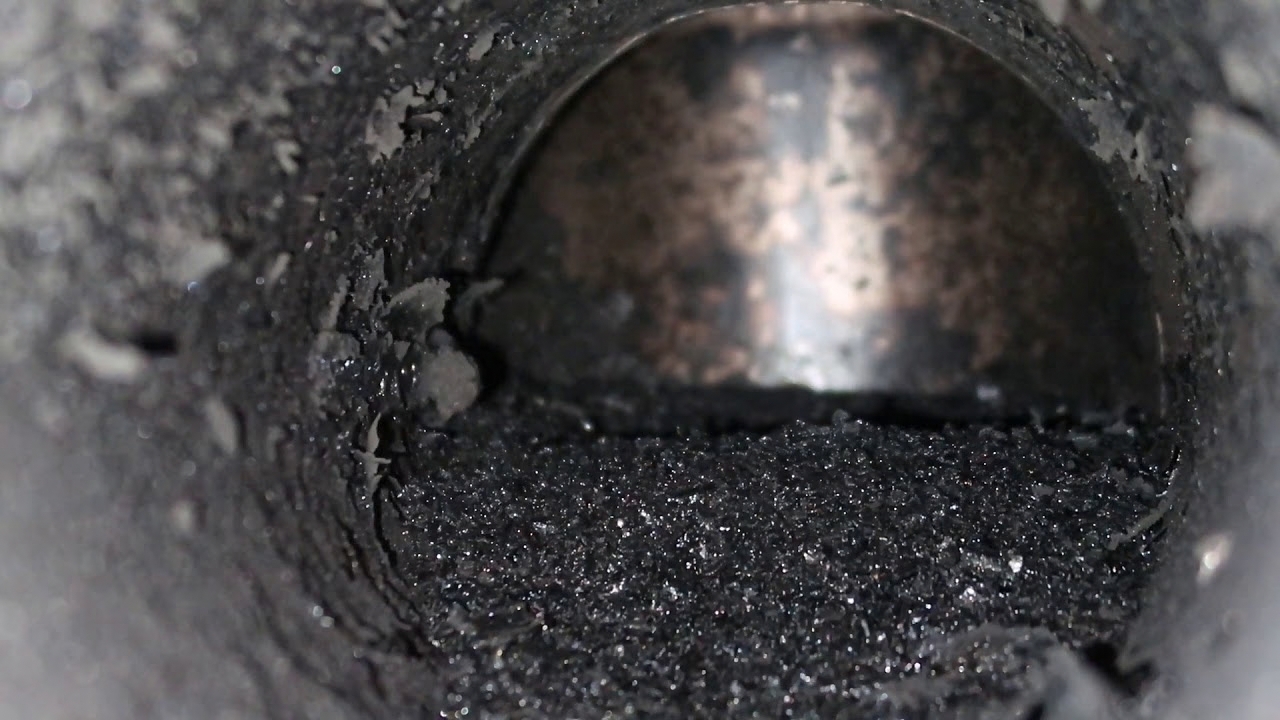
A stove can burn through wood fast and still heat poorly if the exhaust path is restricted. A dirty baffle, clogged secondary air holes, or a flue with creosote buildup changes airflow and makes you run the stove harder to get heat. Sometimes you’ll smell smoke more often or see the fire acting sluggish and then suddenly flaring.
Read your stove manual and clean the parts it tells you to clean, on the schedule it suggests. Chimneys should be inspected and swept as needed, and if you’re not comfortable on ladders or working at the roofline, hire it out. A sweep visit costs money, but so does wasting a cord of wood.
Once your wood is dry and your stove can be controlled, you’ll notice the change right away at reload time. The house warms more evenly, the fire is calmer, and your stack doesn’t disappear before winter is half over.
Like Fix It Homestead’s content? Be sure to follow us.