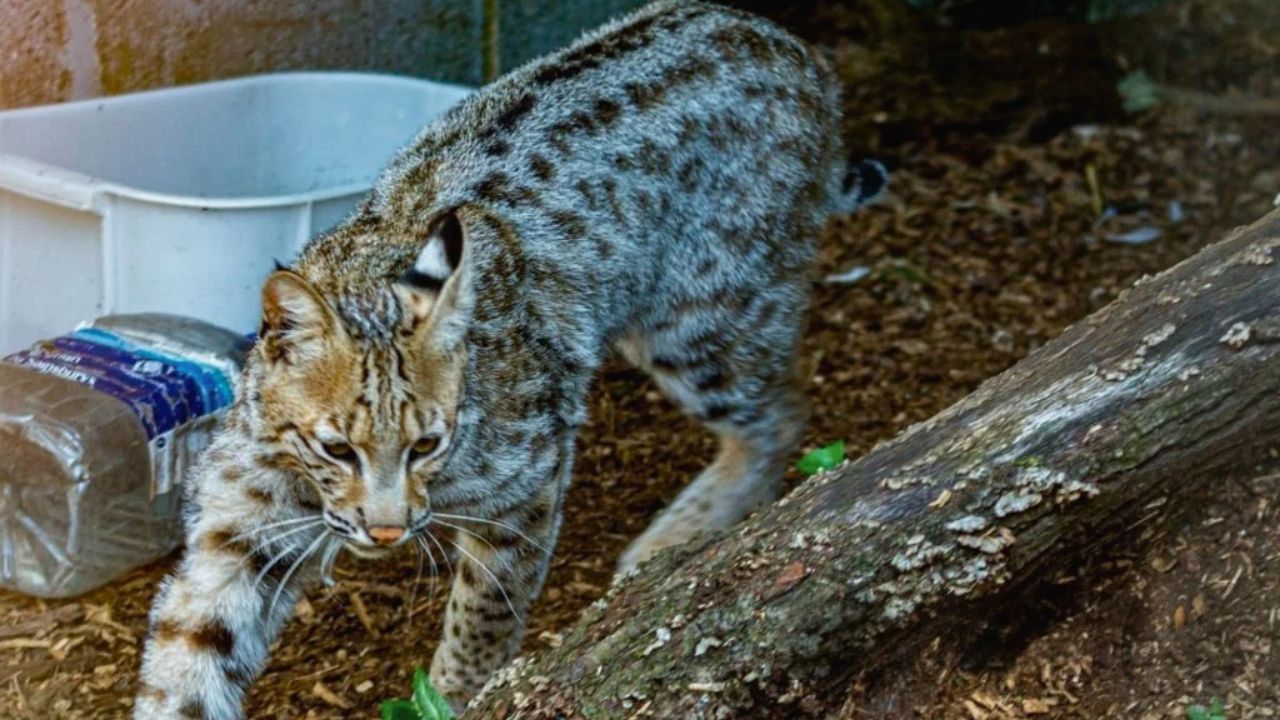
10 Signs a Bobcat Has Been Through Your Property
Photo credit: Alphotographic/IstockPhoto.com
You don’t usually see a bobcat doing yard work in broad daylight. What you notice are the small messes that don’t add up, the missing birds, and that uneasy feeling when the dogs won’t go past the woodpile. If you’ve got brushy edges, field mice, and a quiet corner of the property, you’ve got what a bobcat wants.
1. Paw Prints With No Claw Marks
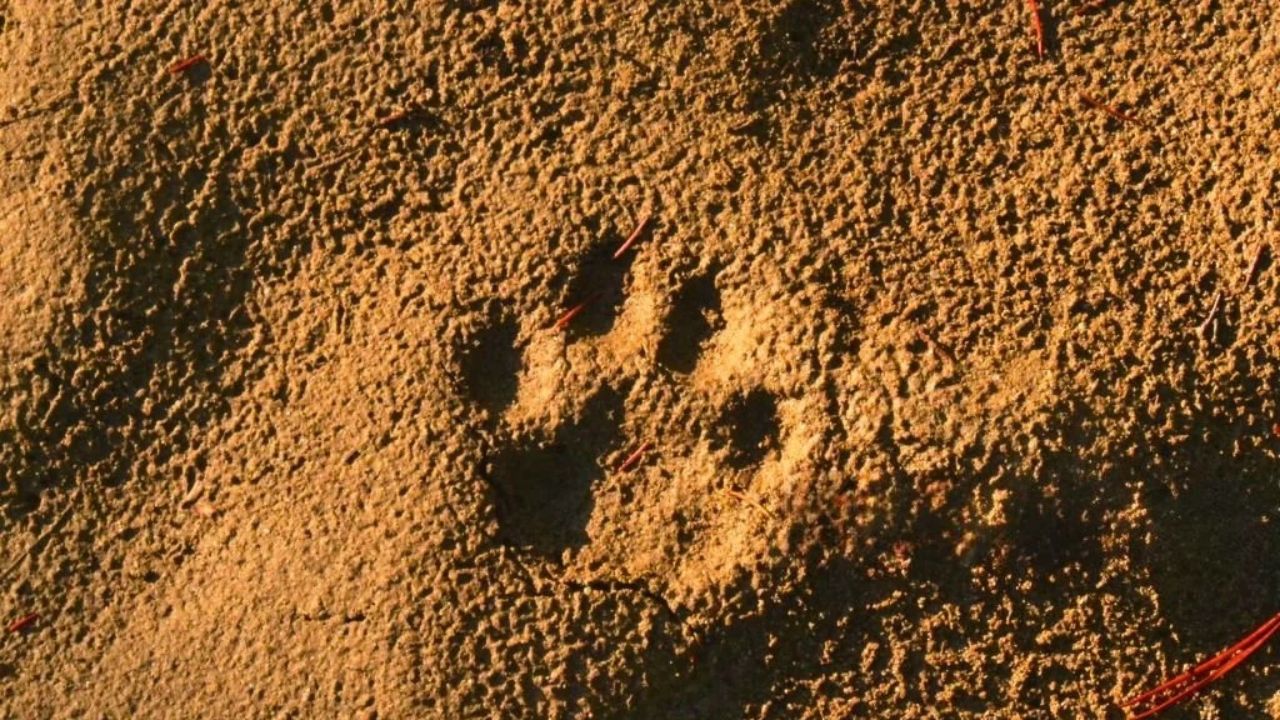
Bare, roundish tracks in mud, sand, or light snow are one of the cleanest clues. Bobcats have retractable claws, so you often won’t see claw points the way you do with a dog or coyote. The print is usually more “cat” shaped, with four toes and a wider heel pad than you’d expect from a house cat.
Get a clear photo next to something for scale, a tape measure or even a coin. Tracks show up best after a light rain or the first thaw when the ground is soft. If you want better reads, rake a smooth patch of sandy soil on a trail edge and check it the next morning.
2. Scrapes On Dirt Roads And Trails
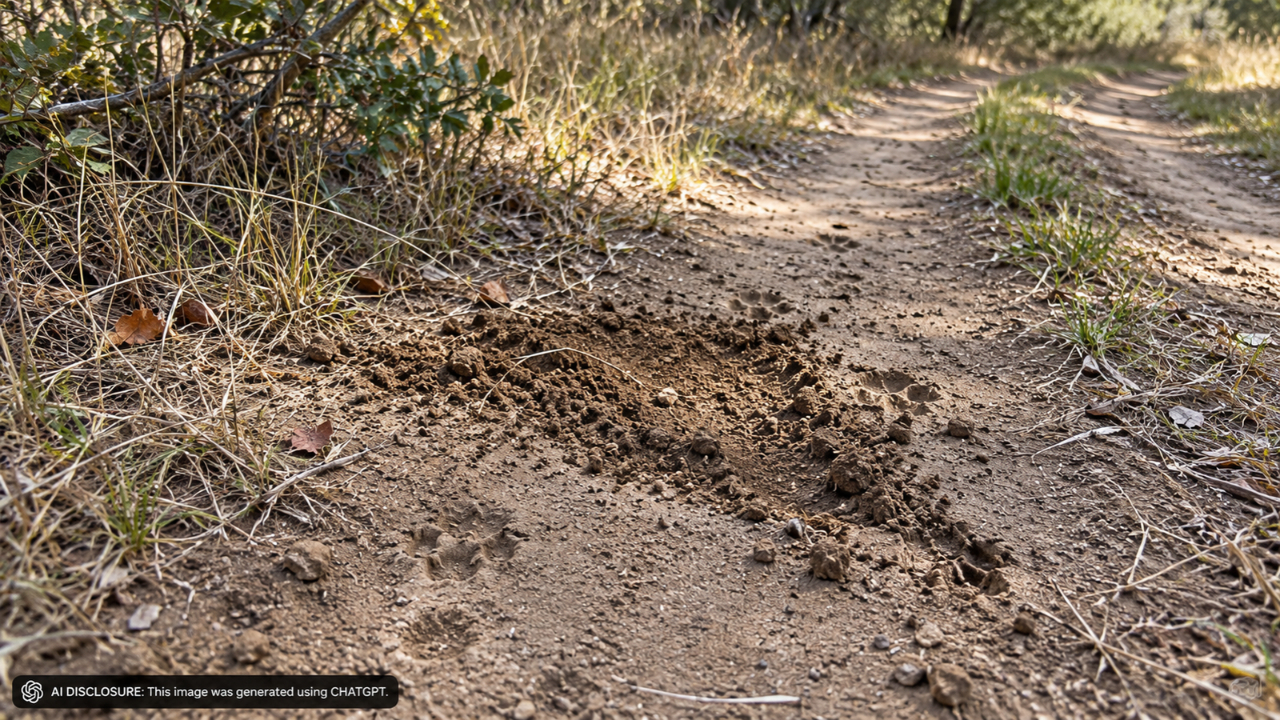
Instead of a straight line of tracks, you’ll find short, messy “scrapes” where a bobcat kicked dirt backward with its hind feet. These are often on two-track roads, game trails, or along the edge of a garden where the soil stays loose. It looks like someone dragged their heel and flicked dirt behind them.
Don’t go filling every scrape back in right away if you’re trying to figure out what’s happening. Mark it with a small stick off to the side and check for fresh tracks for a few days. If scrapes keep showing up in the same corridor, that’s a travel route worth managing, mow it wider or clear brush so prey animals aren’t clustering there.
3. Tufts Of Fur On Fences
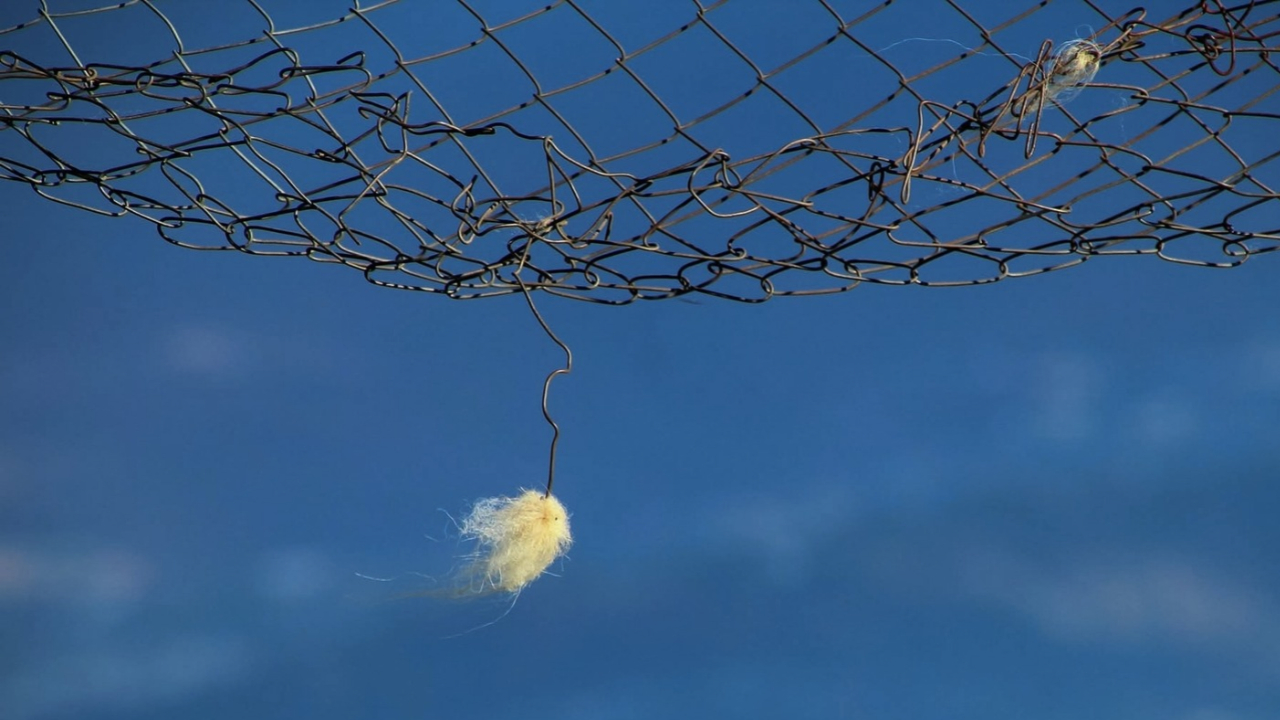
Bobcats slip under and through things, but barbed wire and tight woven fencing still snag fur. Look where a fence crosses a ditch, creek, or low spot, predators take the easy line. A small tuft of tan, gray, or spotted fur hung up on a barb is a classic find.
Use gloves when you check it. Hair and scurf can carry ticks and other hitchhikers, and you don’t want that on your hands. If you keep finding hair at the same spot, that’s a gap that’s costing you, tighten the bottom wire, add a low hot wire if you already run electric, or stack rocks to block the crawl-under.
4. A Pile Of Feathers, No Blood
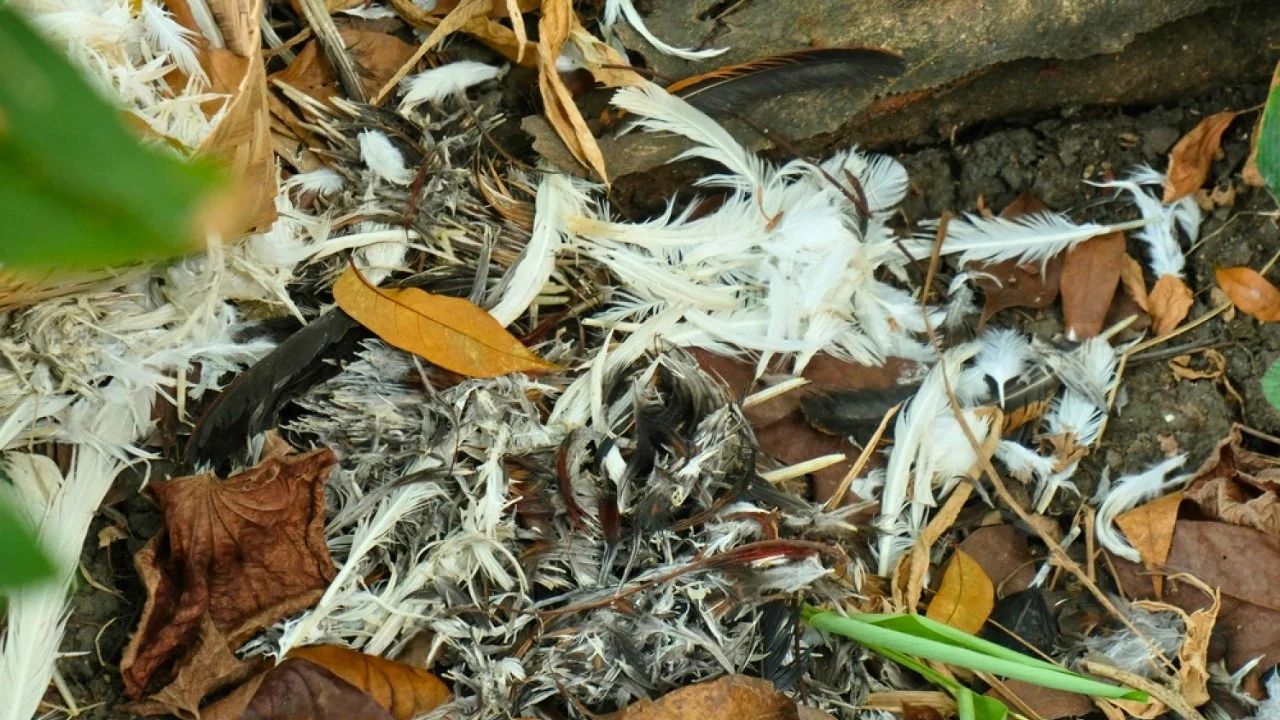
If a chicken or wild bird got hit and you find a neat pile of plucked feathers, pay attention. Cats often pluck or strip feathers away from the body, and sometimes there’s surprisingly little blood at the site. You may not even find the carcass, just the feather pile and a few drag marks into cover.
Raccoons leave a different scene, and hawks usually don’t leave piles on the ground right beside the coop unless there was a struggle. If this keeps happening, stop blaming “something” and harden the setup. Lock birds in at dusk, cover the run with wire or netting, and fix any holes that a 25 to 40 pound animal can squeeze through.
5. A Clean-Cut Rabbit Or Squirrel Kill
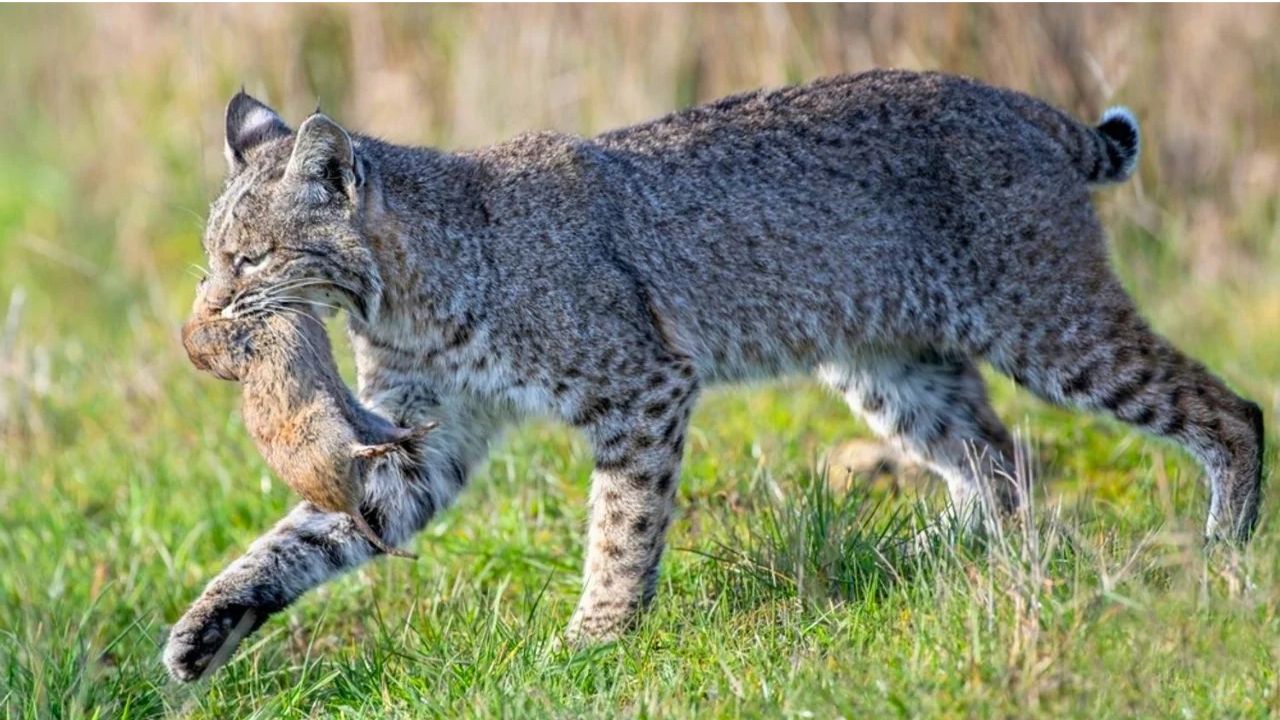
Sometimes you’ll find a rabbit or squirrel with the head or neck area chewed, or the body partly eaten with clean, sharp bites. Bobcats tend to go for the front end first and they can carry smaller prey off, so you may see only what got dropped or left behind. If you’ve got barn cats, don’t assume it’s them just because it’s a “cat style” kill.
Handle dead wildlife with gloves and a shovel and bag it for disposal, or move it well away from the house so you don’t train predators to revisit your yard. If you raise rabbits or keep a poultry flock, this is when you stop procrastinating on hardware cloth. Chicken wire is for keeping chickens in, not predators out.
6. Low Growls Or Screams After Dark
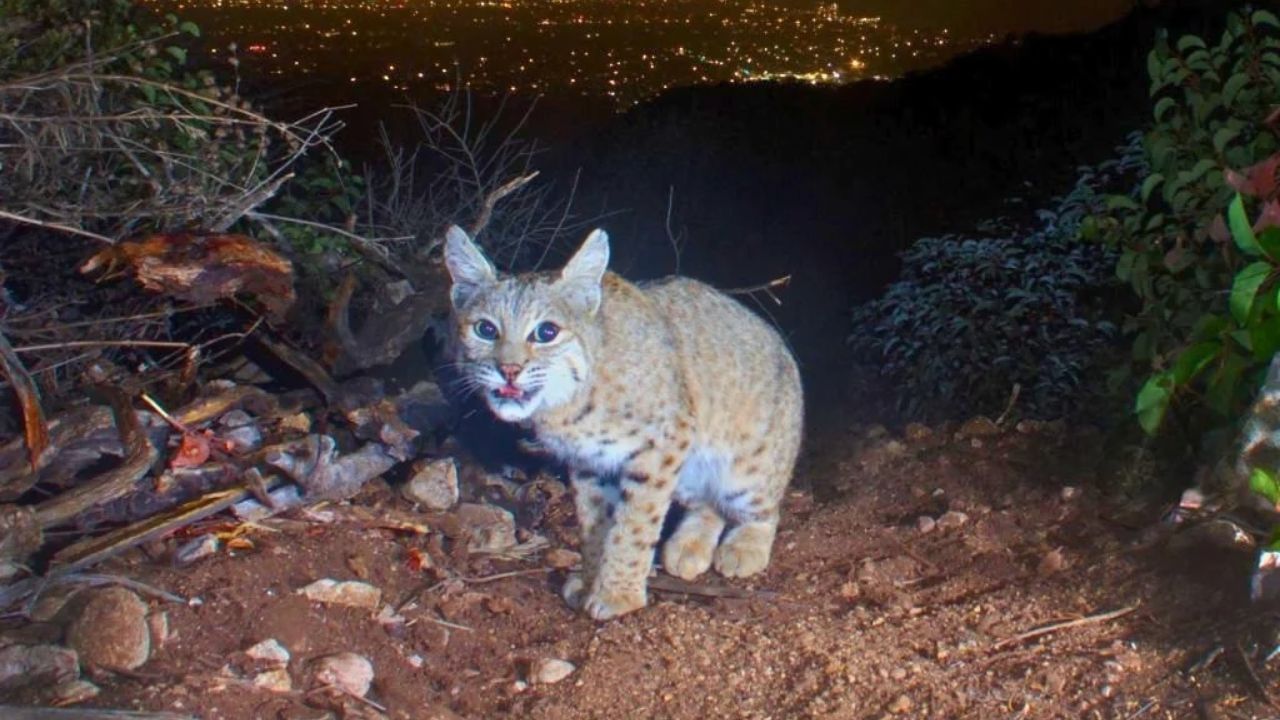
On still nights, bobcats make sounds that don’t match what people expect from a “quiet” cat. You may hear a harsh yowl, a short scream, or low growling that can sound like a fight in the brush. It’s common around breeding season, but any time of year you can hear it if one is close and calling.
This isn’t a reason to panic, it’s a reason to tighten habits. Bring small pets in before dark, don’t leave food outside, and keep trash lids latched. If the noise is coming from the same thicket every few nights, clear a wider buffer strip so you’re not living right up against cover.
7. Trails Through Brush Suddenly Look “Used”
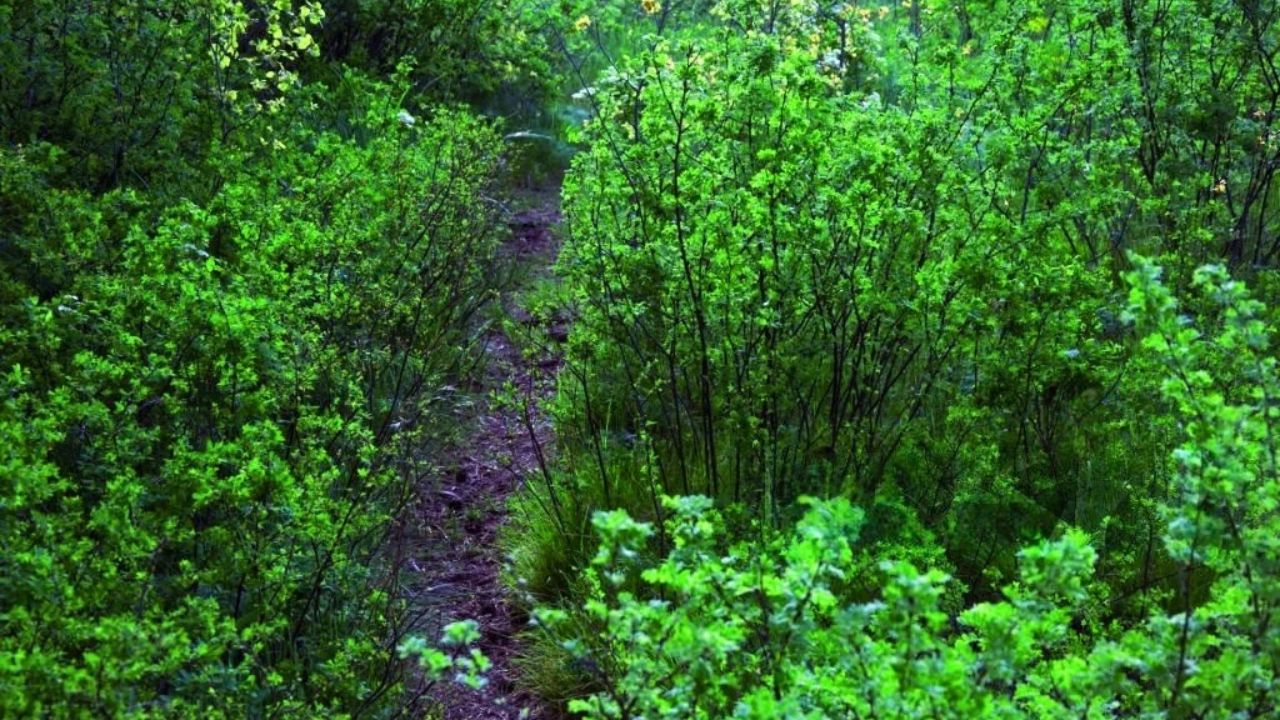
You walk the back line all summer, then one week there’s a narrow path pressed into the grass along the creek or hedge. Bobcats stick to edges, brush lines, and creek corridors because they can move unseen. A fresh path with repeated single-file tracks is often a predator lane, not just deer.
It’s tempting to block every path, but that can backfire by pushing traffic closer to your coop or barn. A better move is to steer movement away from livestock areas by clearing brush near buildings and letting the “wild edge” stay on the far side of the property. If you put up a trail camera, aim it down the path, not across it, you’ll get fewer blanks and more usable footage.
8. Dusty Paw Prints On Your Porch
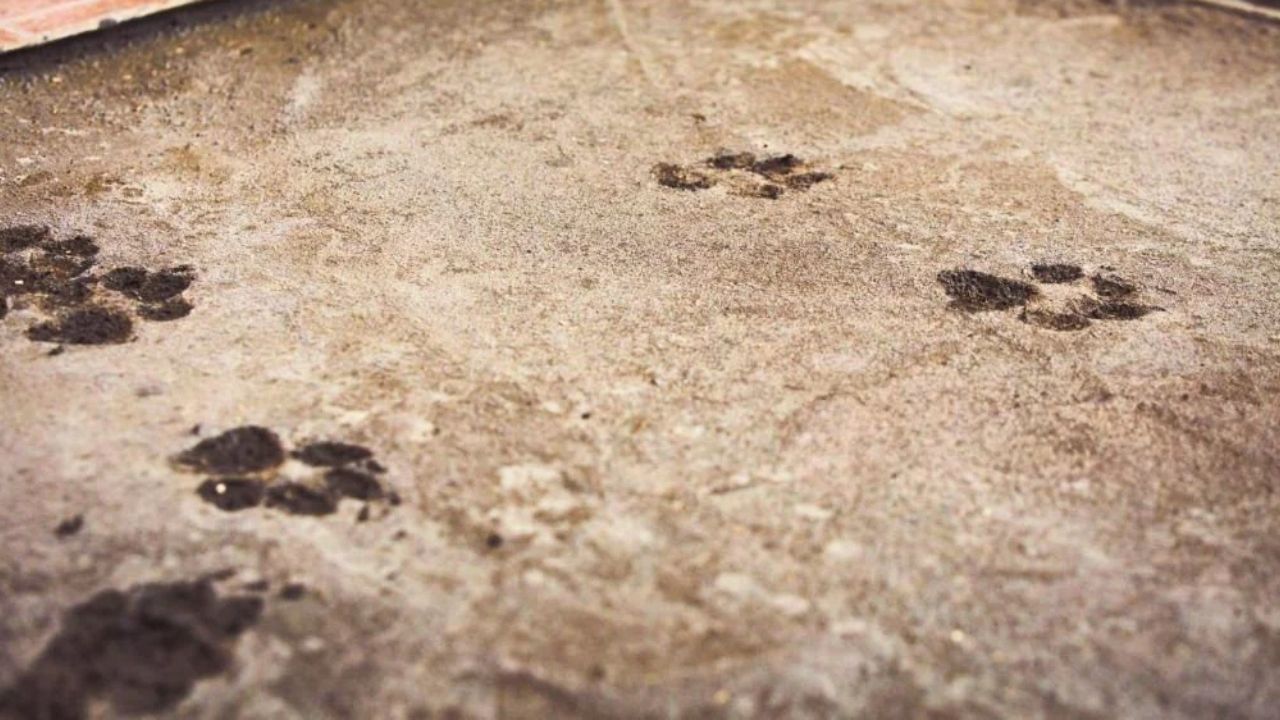
Ever see faint, powdery prints on a porch step or a dusty garage slab that look too round for a dog? Cats love a dry, sheltered walkway, and a bobcat passing through will leave a quick set of prints that appear out of nowhere after a dry day. This is one of those signs people miss because it looks like nothing.
The fix is boring but effective. Sweep, then sprinkle a light coat of flour or diatomaceous earth along the edge overnight and check at dawn. If you confirm big cat tracks right up at the house, remove attractants, keep rodents down, and don’t leave pet food on the porch “just for a minute.”
9. Dogs Stare At One Patch Of Woods
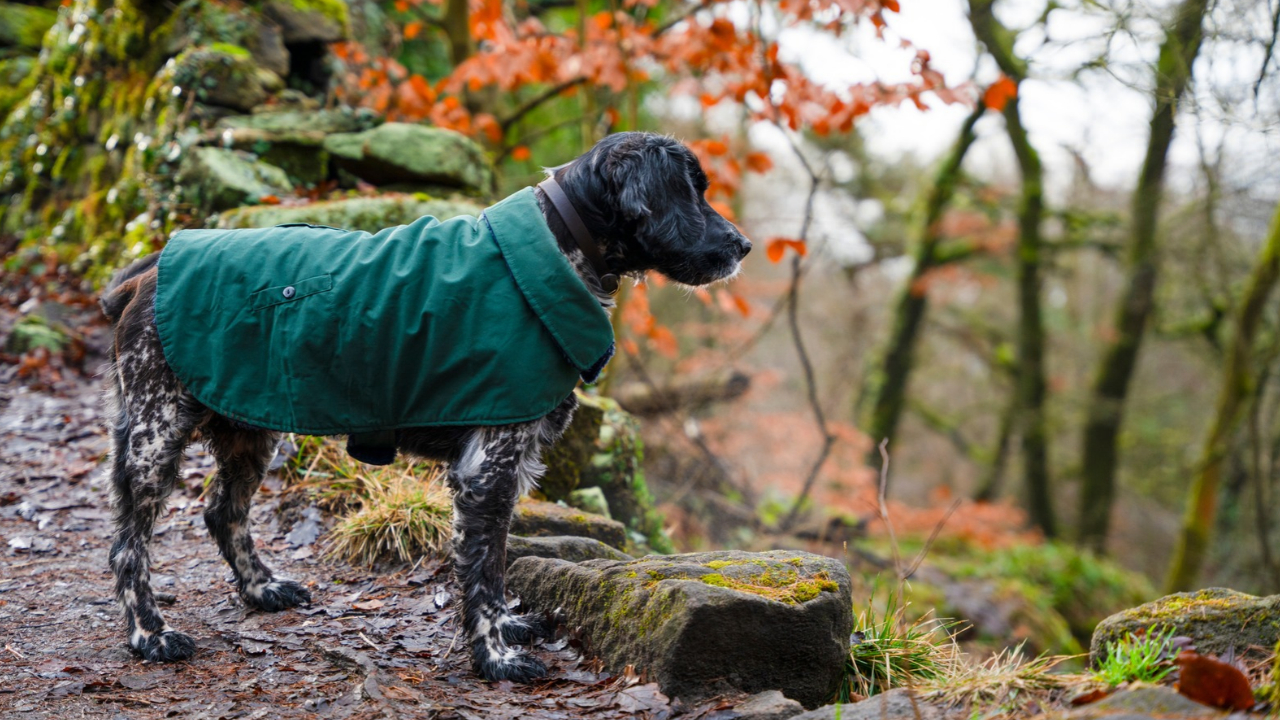
When a dog plants its feet and won’t stop watching one corner, take it seriously. Dogs read scent and movement you can’t, and bobcats often sit tight in cover instead of running. You’ll see pacing along the fence line, stiff posture, and that focused, silent stare that’s different from a squirrel freak-out.
Don’t send the dog into thick brush to “flush it.” Call the dog in, leash up, and go check from a distance with a bright flashlight. If it’s close to buildings, use motion lights and trim cover, then keep the dog supervised for a few evenings because repeat visits happen when prey is easy.
10. Drag Marks Into Thick Cover
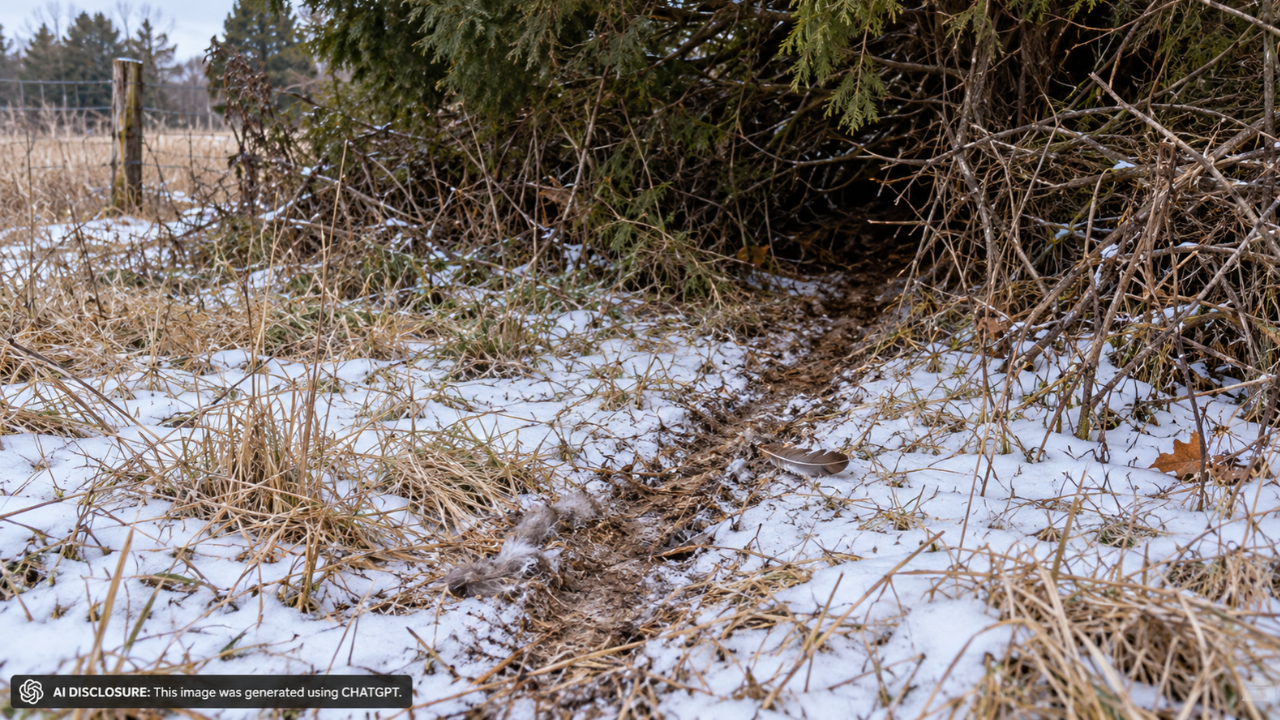
A thin line in snow, flattened grass, or a scuffed strip in dirt leading into briars tells a story fast. Bobcats drag prey to cover to eat in peace, and they often pick a spot with overhead protection like a blowdown, brush pile, or cedar thicket. If you follow the drag line, stop short of crawling into the tight stuff where you can’t see your hands.
This is where the common advice gets overdone. You don’t have to clear every brush pile on your land. Keep a clean zone around coops, pens, and play areas, but it’s fine to leave habitat farther out if it’s not pulling predators right up to your buildings.
If you’re seeing several of these signs, focus on making prey harder to get. Tighten coop security, reduce rodents around feed storage, and cut back brush close to the house. A single bobcat passing through is normal in a lot of places, but a bobcat that keeps finding dinner will keep checking your property.
Like Fix It Homestead’s content? Be sure to follow us.