
10 Plumbing Jobs Worth Doing Before the First Hard Freeze
Photo credit: KELENY/Shutterstock.com
The first real cold snap is when weak plumbing shows itself. A drip you ignored in August turns into a frozen line in November, and then you’re hauling water or ripping out wet drywall. Knock out a few targeted jobs while the weather is still decent and the parts aren’t buried under snow.
1. Shut Off And Drain Outdoor Spigots
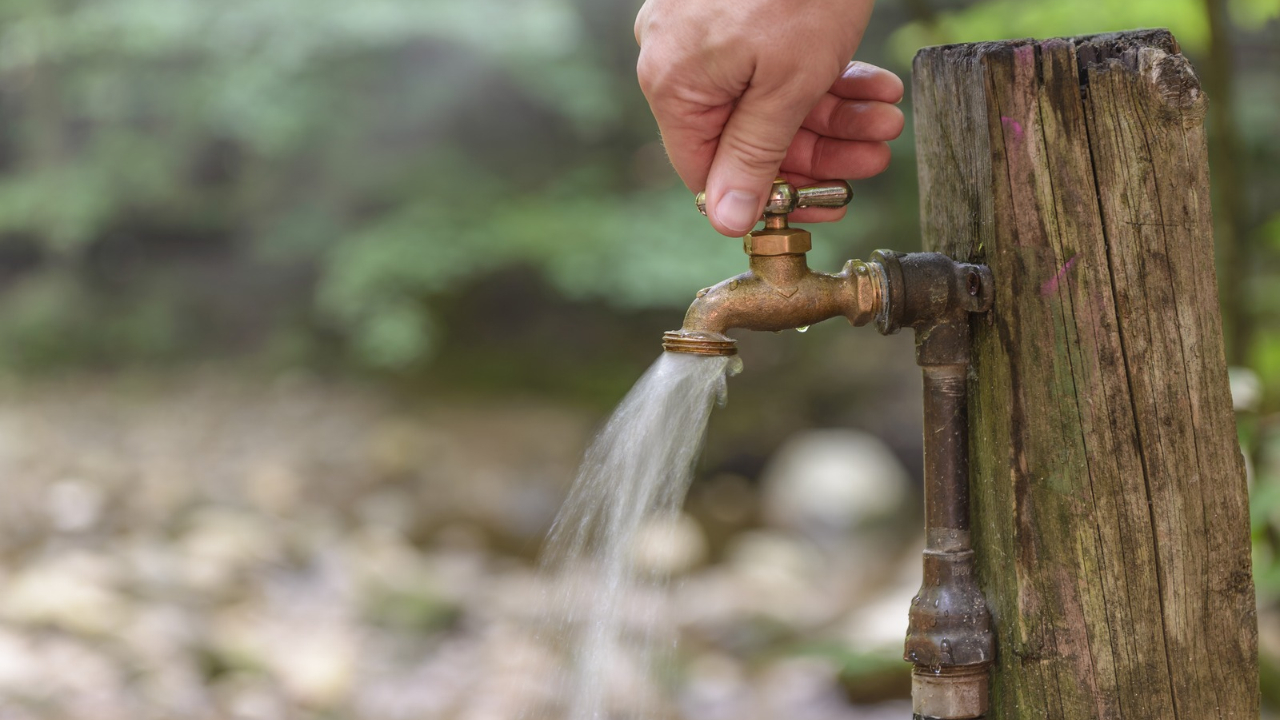
That outside faucet is usually the first thing to freeze because it sticks out into the wind. If it freezes and splits behind the wall, you often won’t find out until you turn it on in spring and the inside of the house starts raining.
Find the indoor shutoff for each hose bib, close it, then open the outdoor faucet and let it drain. If there’s a little cap or bleeder on the indoor valve, crack it open to drain the stub. Pull hoses off, too, because a hose left attached holds water in the faucet and defeats the whole point.
2. Drain, Coil, And Store Garden Hoses
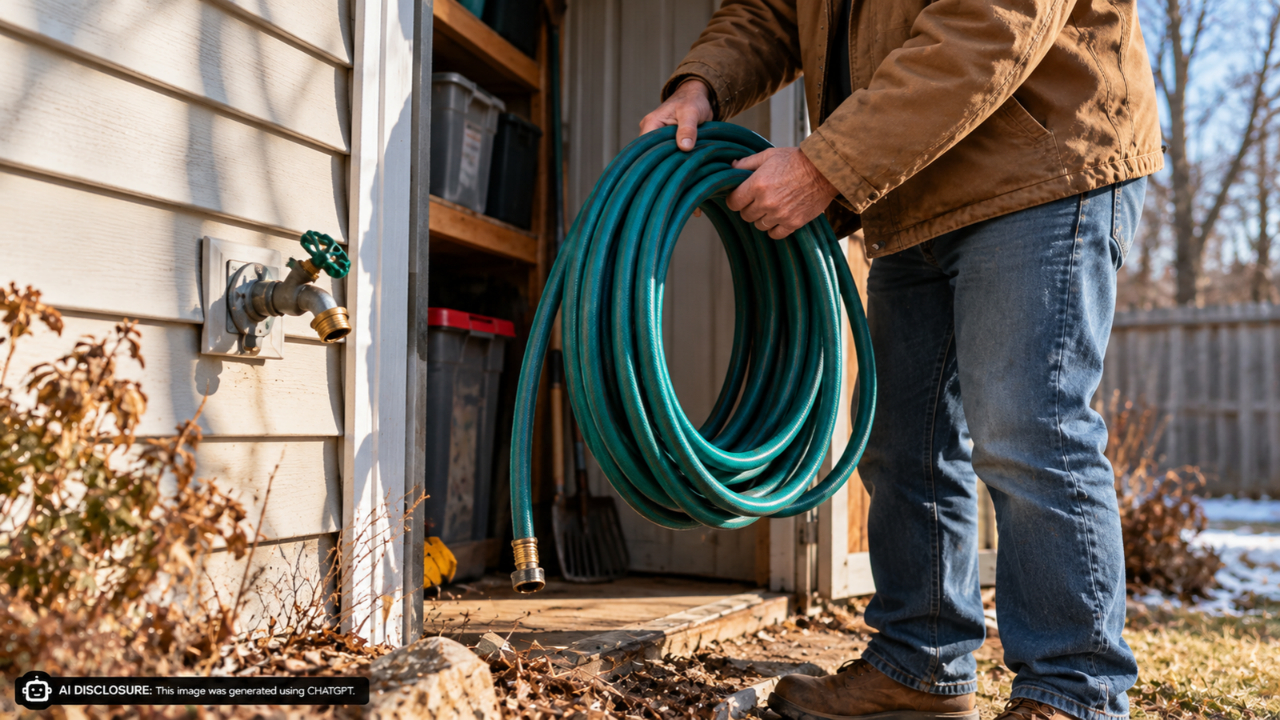
People leave hoses out because it feels harmless. Then the hose freezes solid, the fittings crack, and the next time you need water in a hurry you get a split that sprays your boots and soaks the siding.
Disconnect both ends, walk the hose out straight, and lift one end to chase water out. Coil it big, not tight, and store it where it won’t bake in sun all winter. If you’ve got quick connects that leak every year, this is a good time to replace the rubber washers for a few bucks instead of buying another hose.
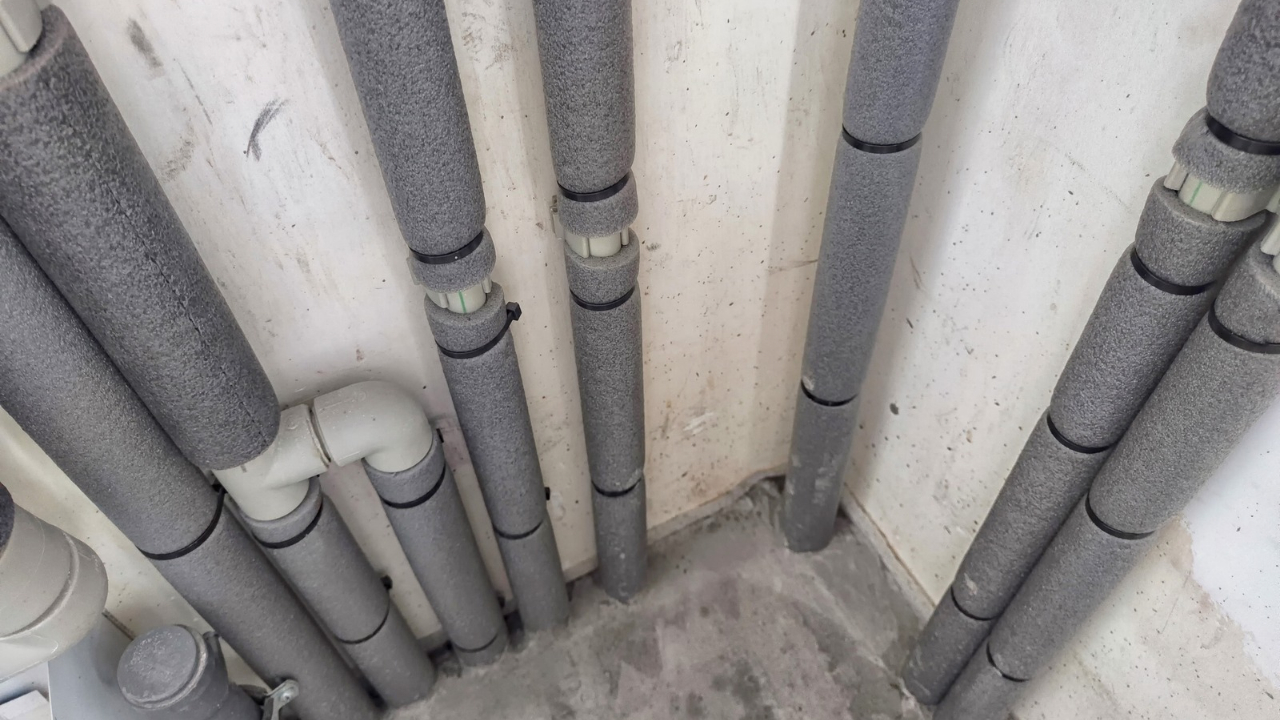
3. Protect Any Pipe In Unheated Spaces

Crawlspaces, garages, mudrooms, and well houses are where pipes freeze even when the rest of the home feels fine. The warning sign is a pipe that “sings” or ticks as hot water runs, or one that sweats like crazy on mild days because it’s exposed to drafts.
Seal obvious air leaks first, around sill plates, rim joists, and gaps where lines pass through the wall. Then add pipe insulation on supply lines, especially on the cold side that gets hit with freezing air. Foam sleeves are cheap and fast, but they only work if they fit snug and the pipe isn’t dripping.
4. Disconnect And Drain RV, Stock Tank Lines
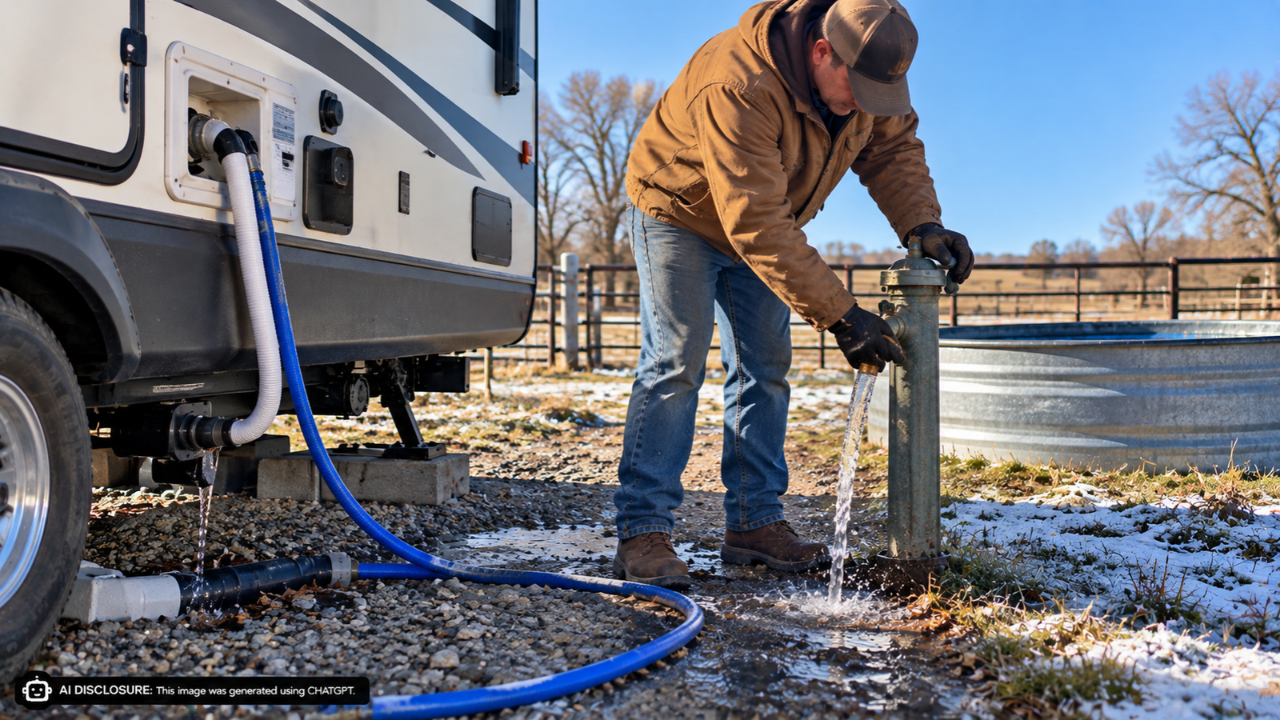
If you’ve got a camper hookup, yard hydrant line, or seasonal stock tank feed, don’t trust “it’ll be fine.” A freeze in a buried line can crack fittings at the hydrant base or split a valve body, and that’s a muddy repair when the ground is half frozen.
Shut off the supply, open the low point drain if you have one, and leave the faucet open until it quits dripping. For yard hydrants, make sure the head drains freely when you close it. If it keeps dribbling, the plunger may not be seating, and that’s a fall repair, not a January emergency.
5. Test The Main Shutoff Valve
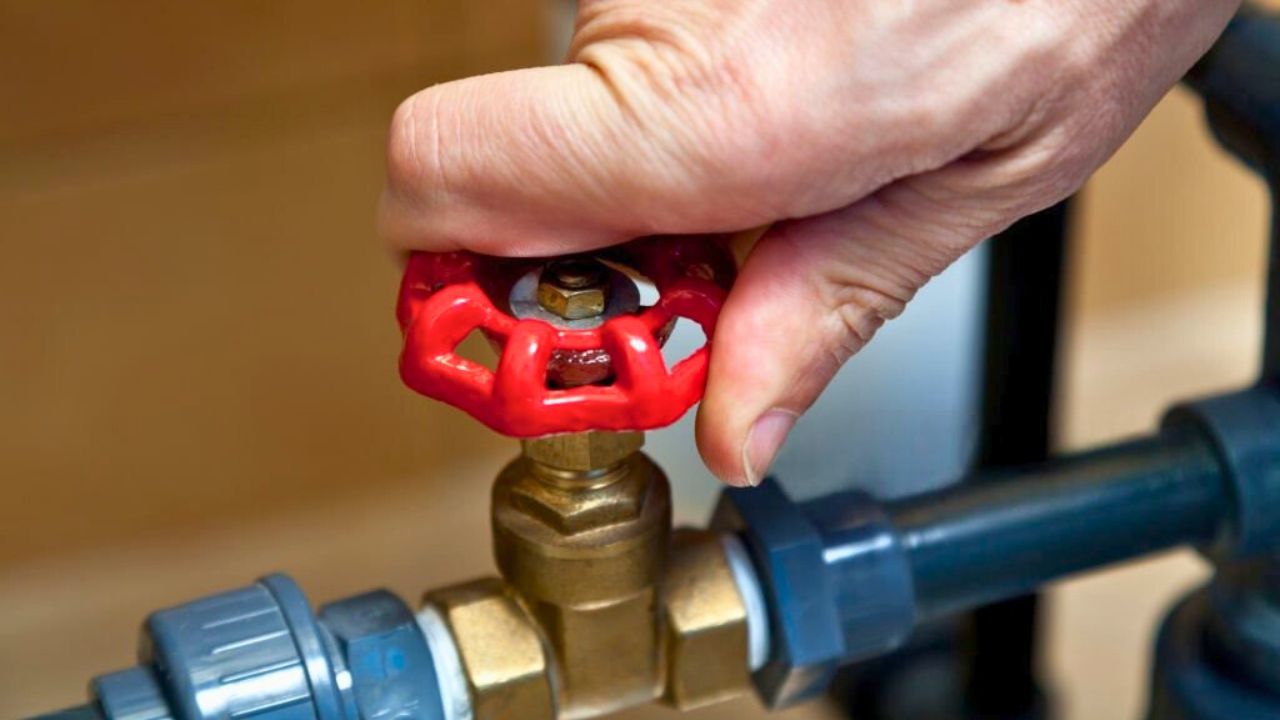
When a pipe breaks in winter, the only thing that matters for the first two minutes is whether you can stop the water. A lot of main shutoffs haven’t been touched in years, and some of them seize half open or snap their handle when you finally need them.
Locate the main valve, clear the area so you can get to it fast, then slowly close it and reopen it. If it won’t budge, won’t fully shut, or leaks at the stem nut, plan a replacement. If you’re on a well, also test the shutoff right at the pressure tank so you can isolate house plumbing without draining the whole system.
6. Insulate The Well Pressure Tank Area
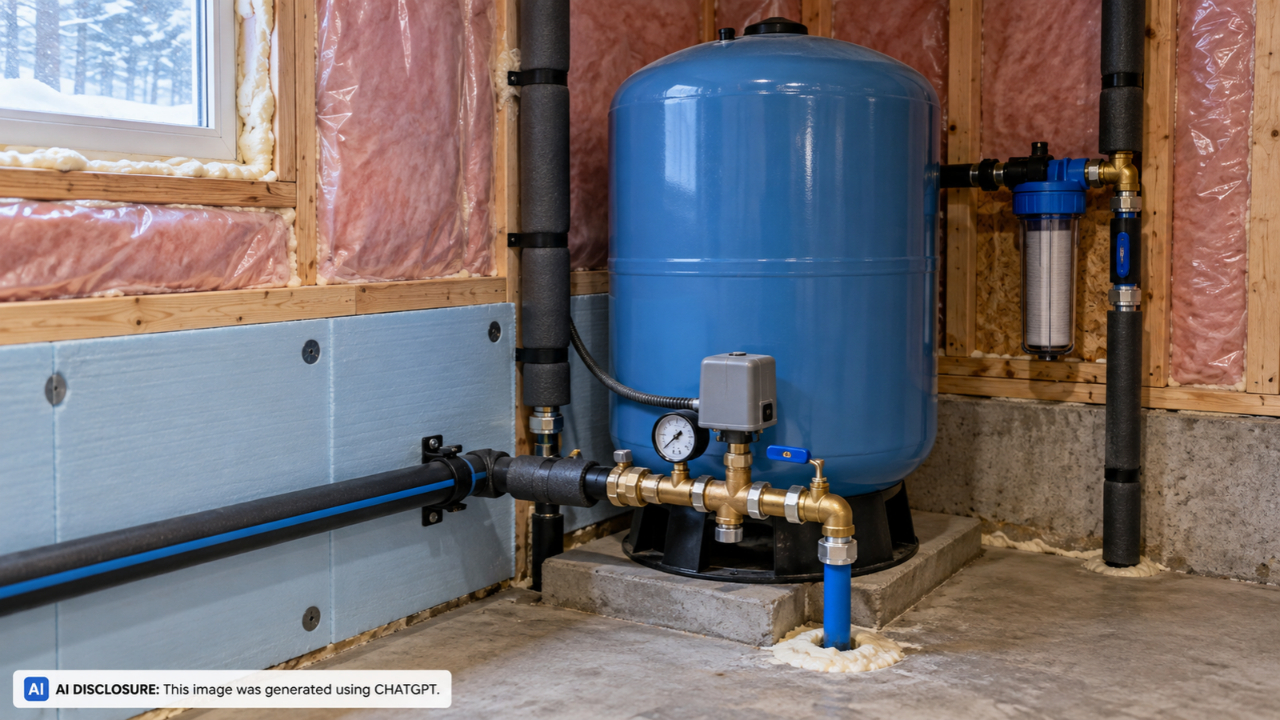
A well system often sits in a basement corner, crawlspace, or pump house that runs colder than you think. When the pressure switch or gauge freezes, you can lose water completely, and thawing it with a space heater in a cramped spot is a risky mess.
Before cold hits, close drafts and add insulation where it won’t trap moisture against bare metal. If the tank is in an outbuilding, check the door seals and any vents that blow straight onto the plumbing. Don’t wrap the pressure switch tight with insulation, it needs to stay dry and serviceable, and if you’re adding heat tape, follow the product instructions and keep cords out of puddles.
7. Flush Sediment From The Water Heater
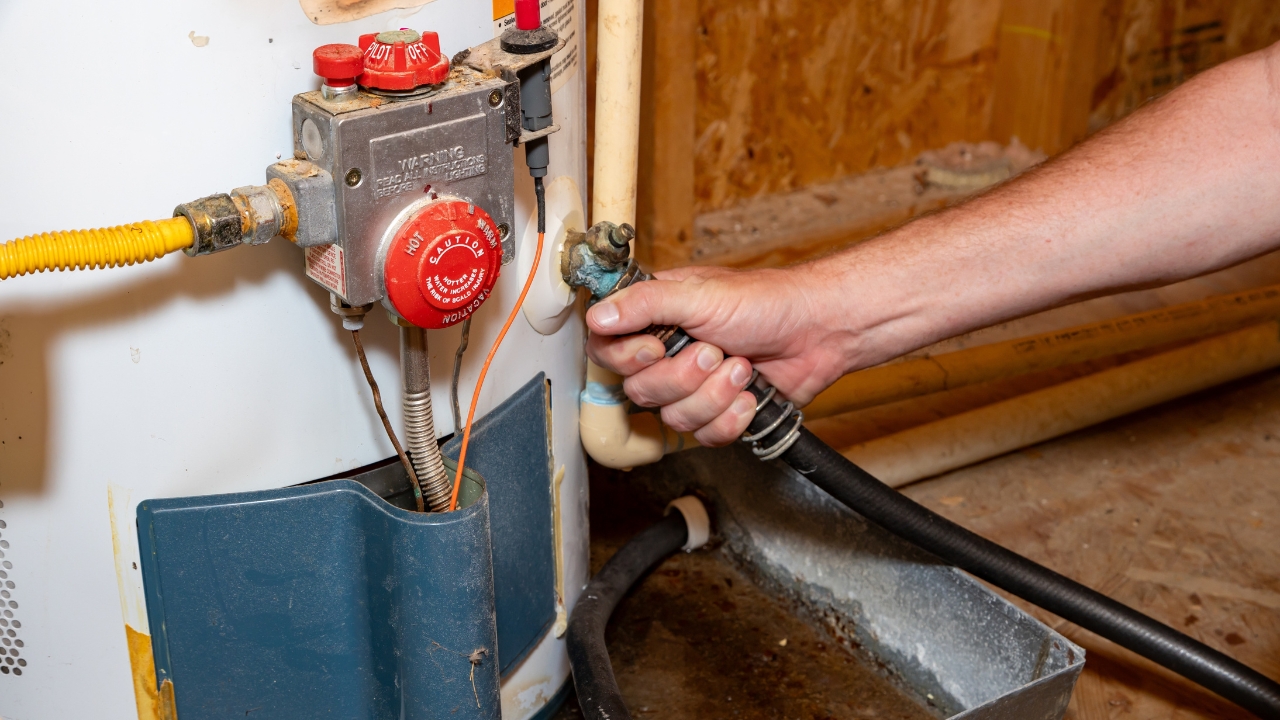
Fall is a good time to deal with sediment because you’ll be leaning on that heater all winter. A rumbling or popping sound when it heats is often mineral buildup, and that buildup steals efficiency and shortens the life of the tank.
Turn the heater to vacation or off, let it cool a bit, then hook a hose to the drain valve and flush until the water runs clearer. If the drain valve is a cheap plastic one that drips afterward, don’t force it. Cap it with a hose cap for the season and schedule a proper valve swap when you can shut down water without freezing your fingers.
8. Clean Out A Slow Floor Drain Or Trap
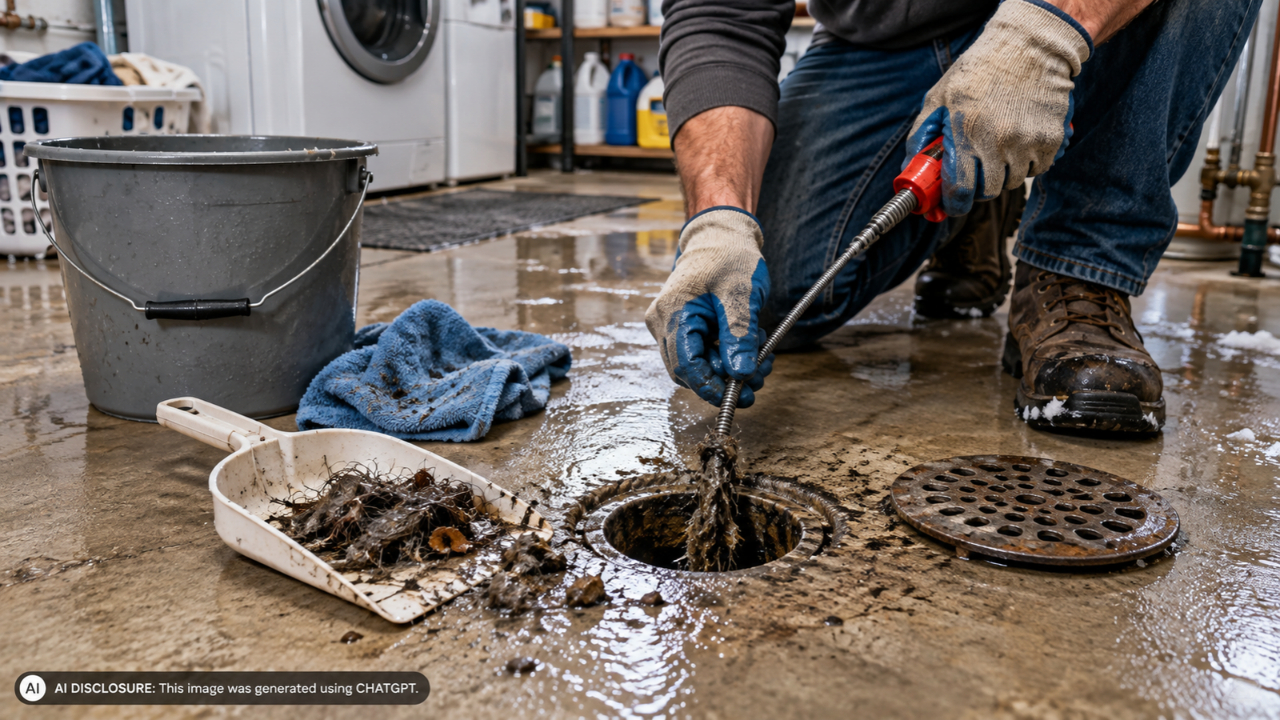
A sluggish drain feels like a minor annoyance until winter, when you’re tracking in slush and doing more laundry. Then it backs up and you find out the floor drain is half packed with grit, hair, and whatever got washed off boots last year.
Pull the grate, scoop what you can, and use a small hand snake to break up the rest. If it’s a basement floor drain tied into a sump, keep debris out of the pit while you work. Harsh chemical drain openers are a bad bet in old metal piping and can make a later repair uglier.
9. Drain And Winterize Irrigation Lines
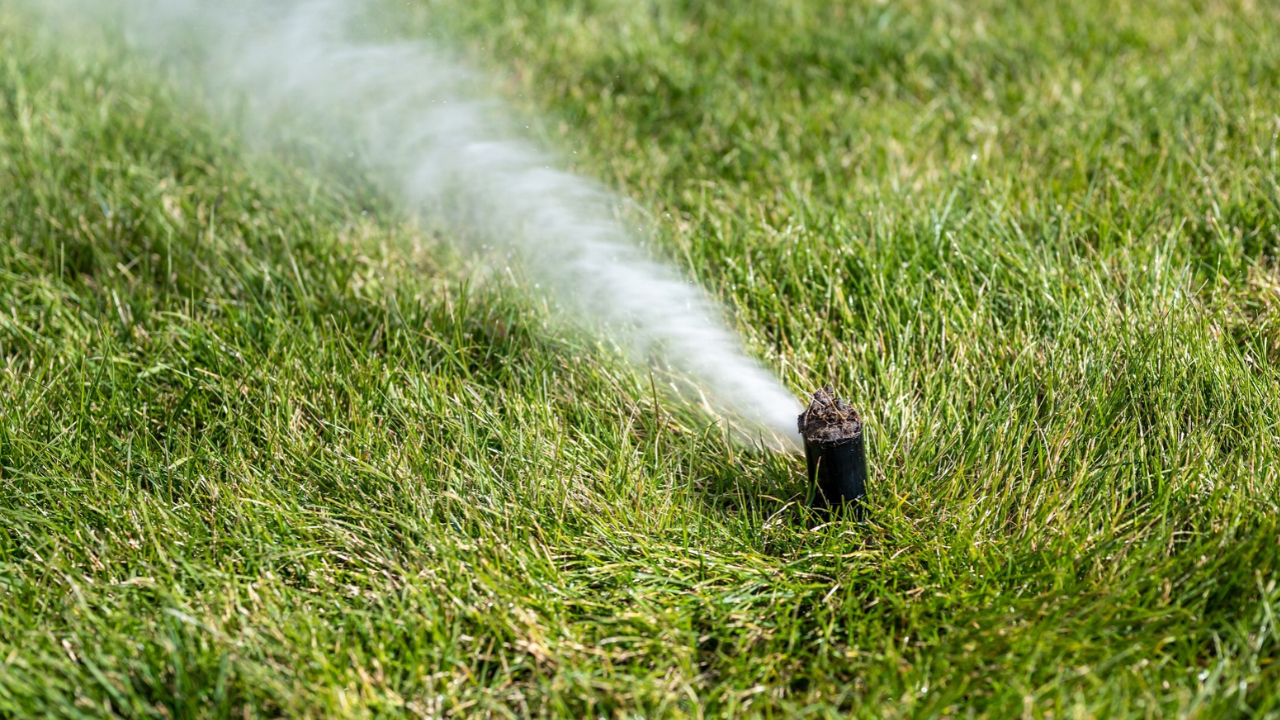
Underground sprinkler pipes crack quietly. You don’t see the damage until spring when a zone won’t build pressure, or a head bubbles like a fountain and turns your yard into a swamp.
Shut off the irrigation supply inside the house, open the test cocks if you have them, and drain the backflow and valves. In many areas, blowing out lines with compressed air is the right move, but that’s also where people blow fittings apart by using too much pressure. If you’ve never done it, paying a sprinkler tech once a year is often cheaper than replacing manifolds and chasing leaks all spring.
10. Set Up A Safe Freeze Alarm Plan
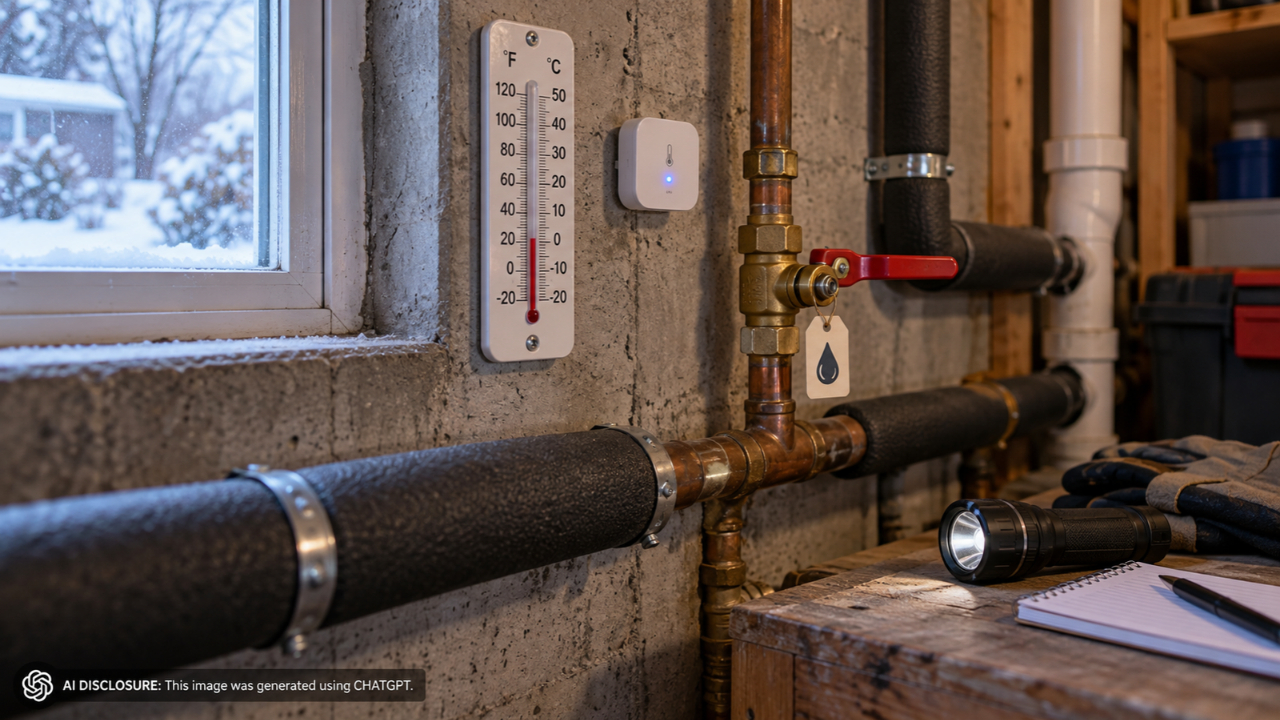
Do you only notice a freeze risk when the kitchen tap slows to a trickle? That’s too late. A little planning beats waking up to no water, or worse, a split line that floods while you’re at work.
Put a basic thermometer in the coldest spot where plumbing runs, like a crawlspace access area or garage wall near a hose bib. If you travel, a simple remote temp sensor can be worth it, but the cheap option is fine for most homes: a neighbor who knows where your main shutoff is and how to reach you. If your plan involves leaving a faucet dripping, do it only when you’re actively facing freezing temps and you know where that water is going, because a steady drip into a full septic or a blocked drain can backfire.
Once the nights start dipping below freezing, little plumbing jobs get slower and meaner. Knock these out while you can still feel your fingers, then mark the shutoffs and drain points so you’re not hunting for them with a flashlight in the first storm.
Like Fix It Homestead’s content? Be sure to follow us.