10 Livestock Mistakes That Show Up in the First Freeze
Photo credit: Eclipsnet/Shutterstock.com
The first real cold snap has a way of turning small livestock shortcuts into big chores. Hoses split, gates won’t latch, bedding turns to ice, and you end up fixing things with gloves on and a flashlight in your teeth. A little prep earlier in fall keeps you from spending the first freeze chasing problems all night.
1. Waiting Too Long To Fix Water
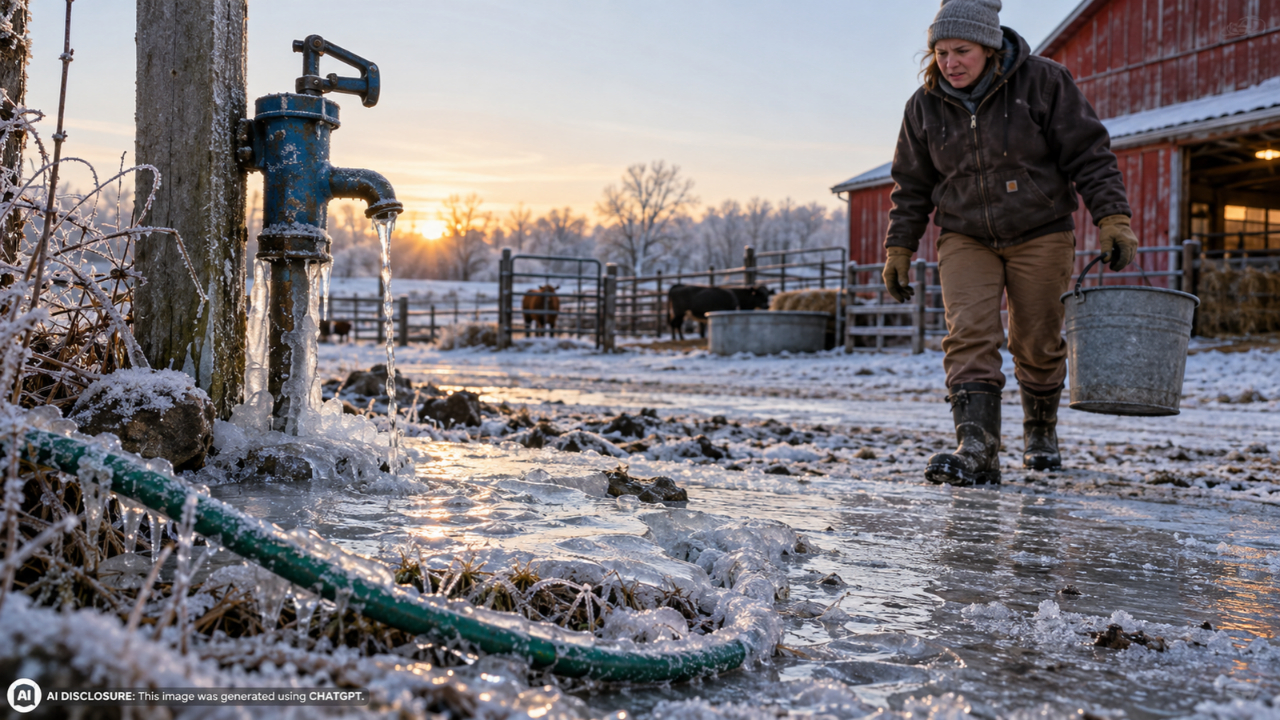
You find out fast which water setup was just barely working. A half-buried hose that was fine yesterday becomes a solid stick, and a dripping hydrant turns the whole area into a skating rink by morning. If you’re hauling buckets, the first freeze is when you start spilling water on your boots and cussing the walk back.
Before nights dip below freezing, switch to a winter plan on purpose. Put hose bibs and hoses away, drain what you can, and move water stations closer to power if you use heated buckets. If you need a frost-free hydrant installed, that’s a dig-and-plumb job worth doing while the ground is still workable, and calling 811 before digging is non-negotiable.
2. Trusting A Single Heat Lamp
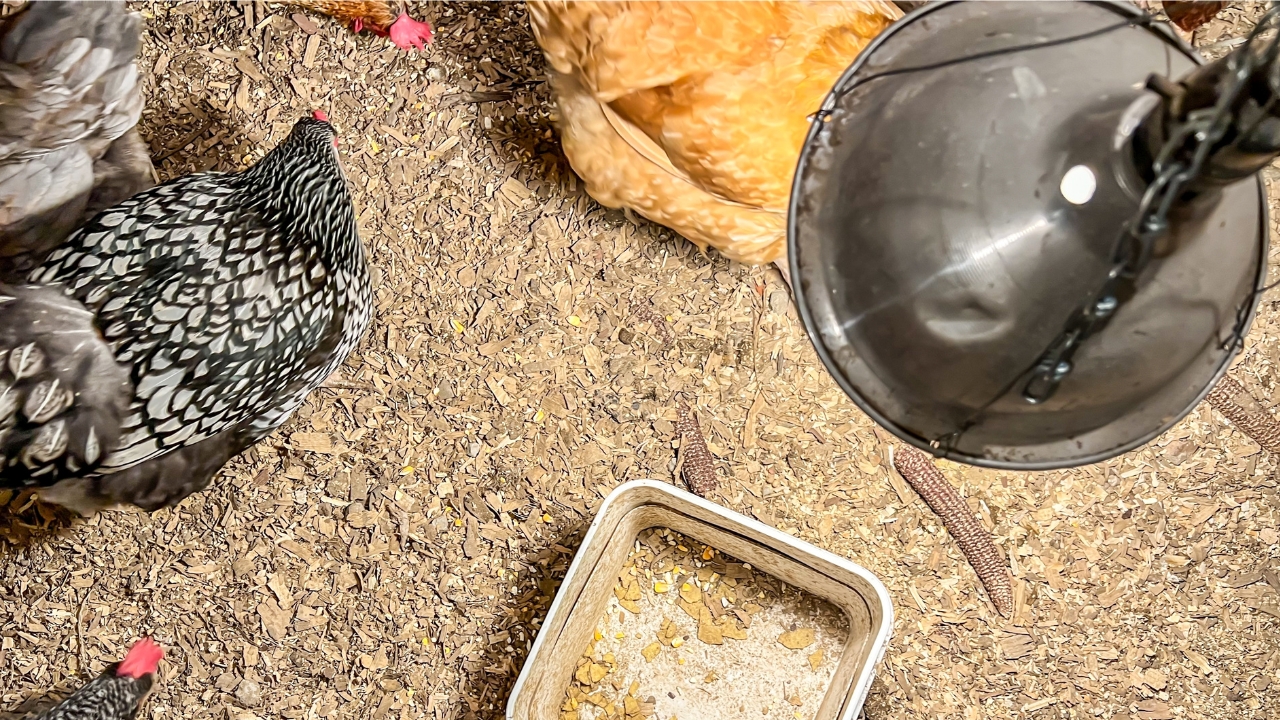
Heat lamps feel like the quick fix, until you smell hot dust or see a red glow too close to bedding. The first freeze is also when every bulb that’s been jostled all year decides to die. Best case, you wake up to a cold pen. Worst case, you’re dealing with a fire risk in a building full of dry straw.
If you truly need supplemental heat, mount fixtures securely with a chain, use a proper ceramic socket, and keep cords out of reach. A safer approach is usually better housing, wind blocking, and deep dry bedding so animals can nest and stay off frozen ground. For many adult animals, you don’t need heat at all, you need draft control and a dry place to lie down.
3. Skipping Draft Checks At Animal Level
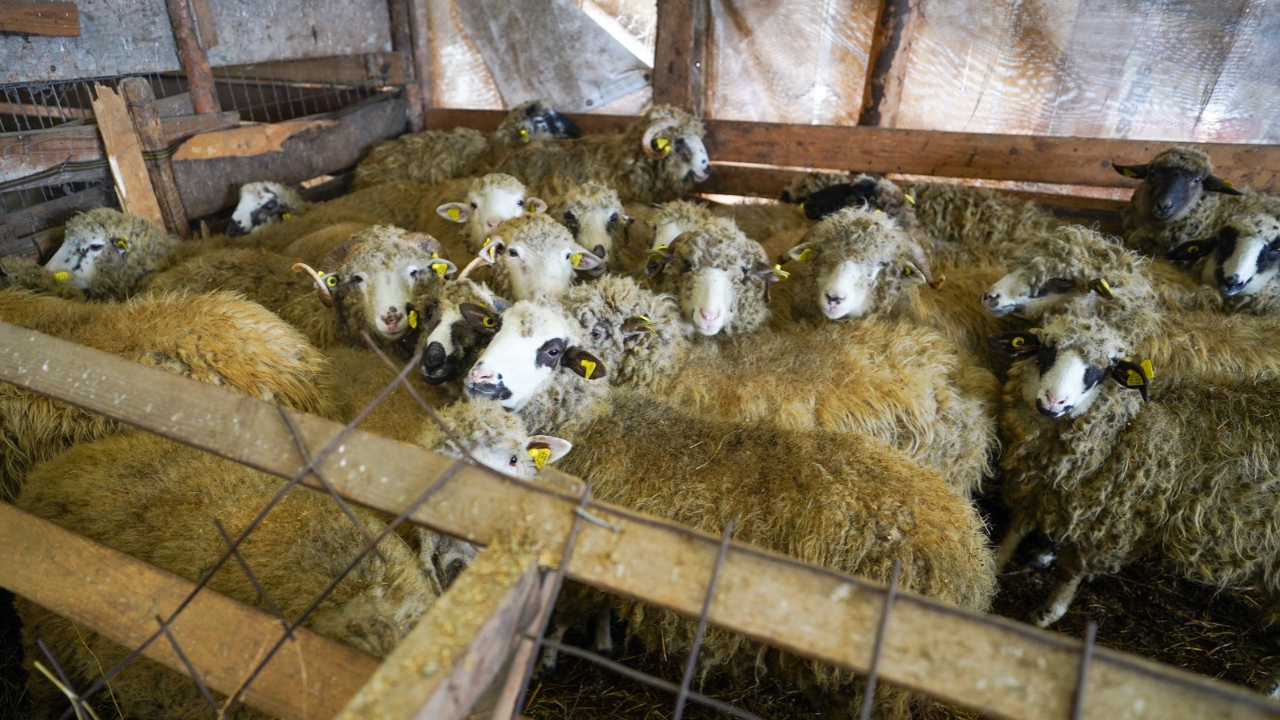
People stand in the barn doorway and decide it “feels fine.” Then the first freeze comes with a stiff breeze, and animals start piling into corners, shivering, or refusing to bed down. Drafts that don’t bother you at shoulder height can cut right across a calf, kid, or chicken at floor level.
On a windy day, get down where they live. Feel around door gaps, low cracks, and the base of walls. Patch with lumber, stall mats, rigid foam covered from chewing, or even heavy tarps fastened tight so they don’t flap. Leave high vents open so moisture can escape, because a sealed-up barn turns into a wet, ammonia-smelling problem quick.
4. Letting Bedding Go Flat And Wet
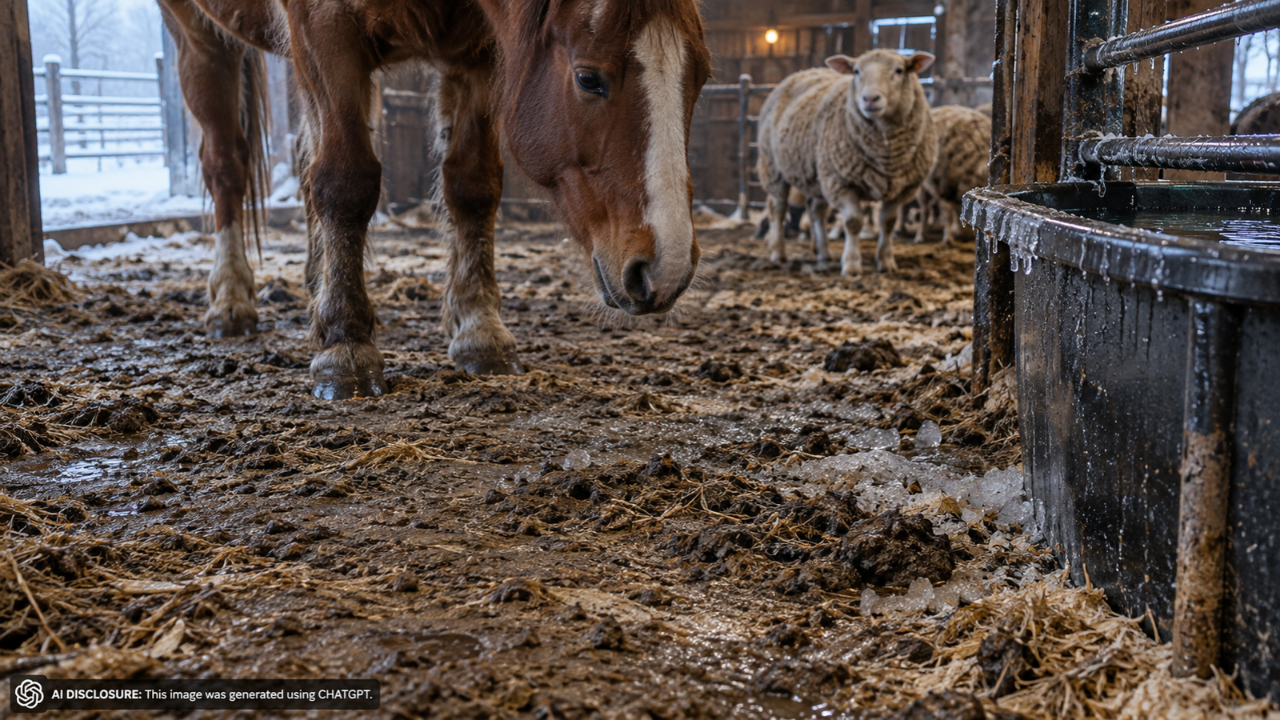
The first freeze turns damp bedding into a hard pad. Then hooves and legs get beat up walking on it, and manure freezes into place like concrete. You also get more condensation inside, which makes everything feel colder than the thermometer says.
Start deep bedding before winter actually arrives. Add clean, dry material regularly instead of trying to “save” it, and pull out the wet spots around waterers and high-traffic areas. If you use straw, store it where it stays dry, because half-wet bales become a moldy mess and don’t insulate worth a darn.
5. Forgetting Mineral And Salt Placement
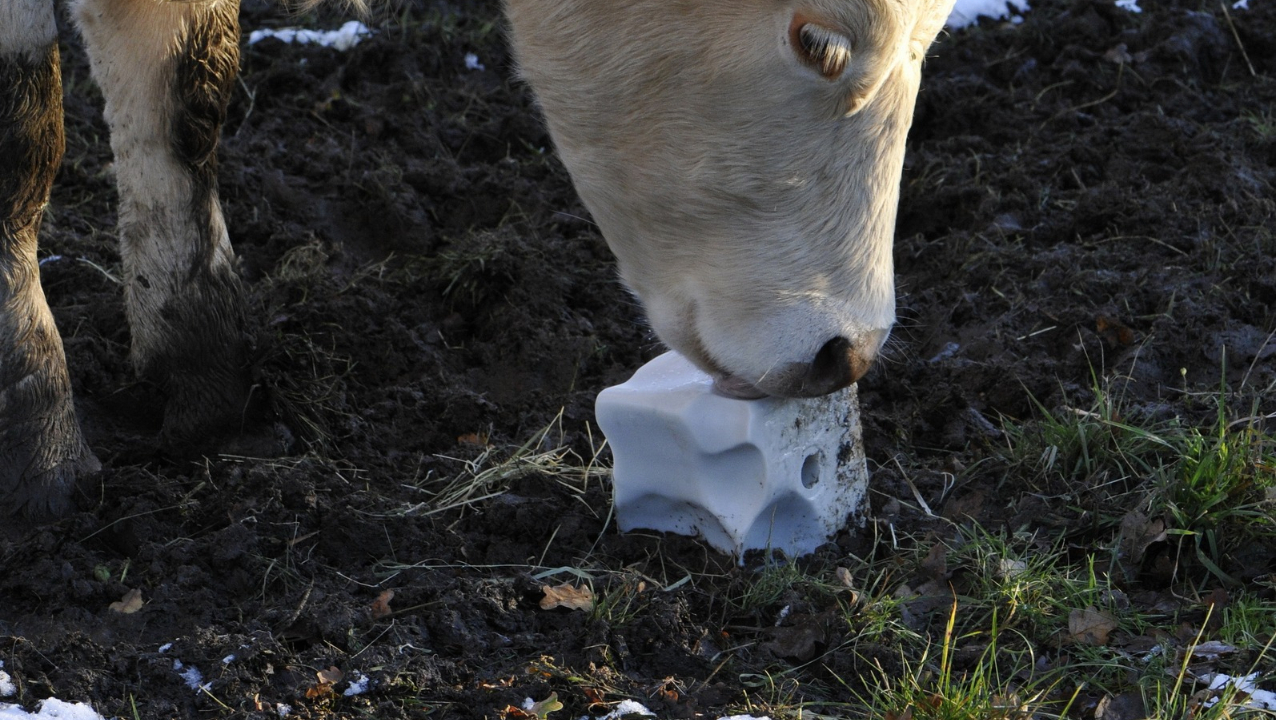
Mineral tubs and salt blocks get set down wherever there’s space, then winter hits and that spot turns into a frozen mud hole. Animals stop licking when the block is crusted with ice or buried in manure. You don’t notice until coats look rough, intake drops, or you’re suddenly dealing with weird cravings like chewing wood.
Put minerals under cover and up off the ground, even if it’s just on a shelf or in a small feeder with a roof. Check that your “weatherproof” container actually keeps out blowing snow. If you’re using loose mineral, keep it dry or you’ll end up with a solid brick that nobody touches.
6. Using Summer Feed Storage In Winter

Plastic bins and thin bags that were fine in July turn into rodent magnets when the cold drives critters inside. The first freeze is when you start hearing scratching in the feed room and find droppings on the lids. Even if nobody gets sick, you’ll waste money on feed that’s been contaminated or spilled.
Move to tight metal cans, latching barrels, or a dedicated feed closet with gaps sealed. Keep feed off the floor so any condensation or minor leaks don’t wick up into it. If you can smell feed through the container, rodents can find it too.
7. Leaving Gates And Latches Unlubed
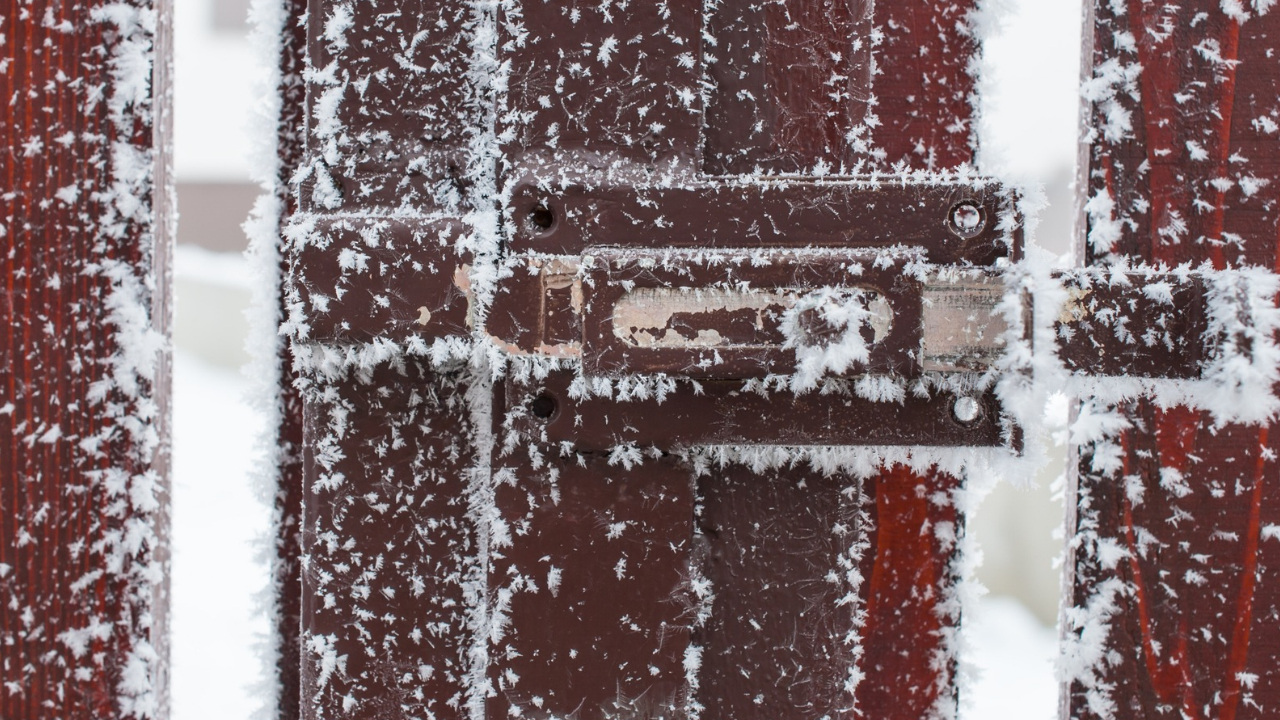
Cold weather makes metal shrink, wood swell, and latches get picky. The first freeze is when that “mostly works” gate starts popping open, or the latch ices up and you have to smack it with a glove to get it to move. That’s how animals learn they can push through and wander.
Before winter, adjust sagging gates, tighten hinge bolts, and scrape old mud off sliding parts. Use a dry lubricant or a light spray lube on hinges and latch pins, then wipe off the excess so it doesn’t collect grit. If a post is heaving or leaning, set it right now, because frozen ground makes that repair slower and meaner.
8. Running Extension Cords Across The Pen
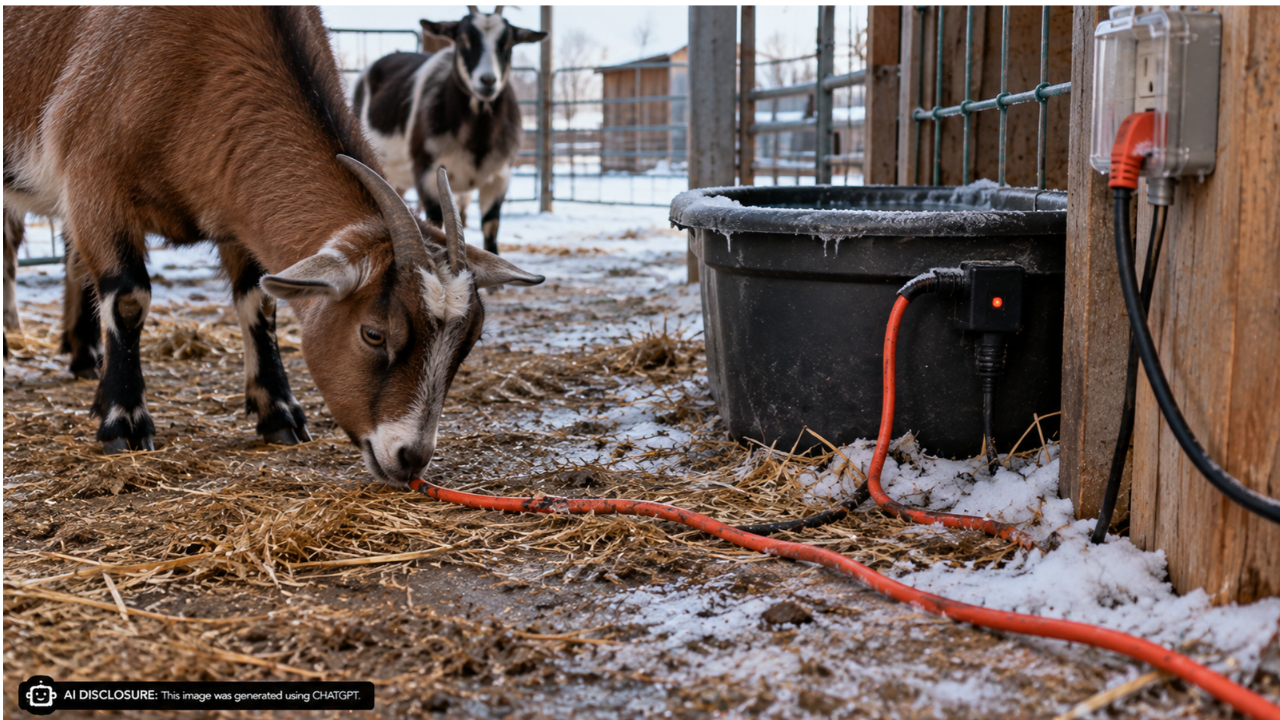
That orange cord to the heated bucket works, until the first freeze makes the insulation stiff and easy to crack. Then animals step on it, chew it, or you snag it with a wheelbarrow. A tripped GFCI at 2 a.m. is annoying. A damaged cord in wet bedding is a bigger problem.
Use outdoor-rated cords only as a temporary setup, routed where animals can’t reach and where you won’t drive over it. For a permanent winter electric plan, get an outlet installed where you need it by a licensed electrician, and keep it on GFCI protection. Cheap power strips in barns are a bad idea.
9. Not Keeping A Backup Thaw Plan
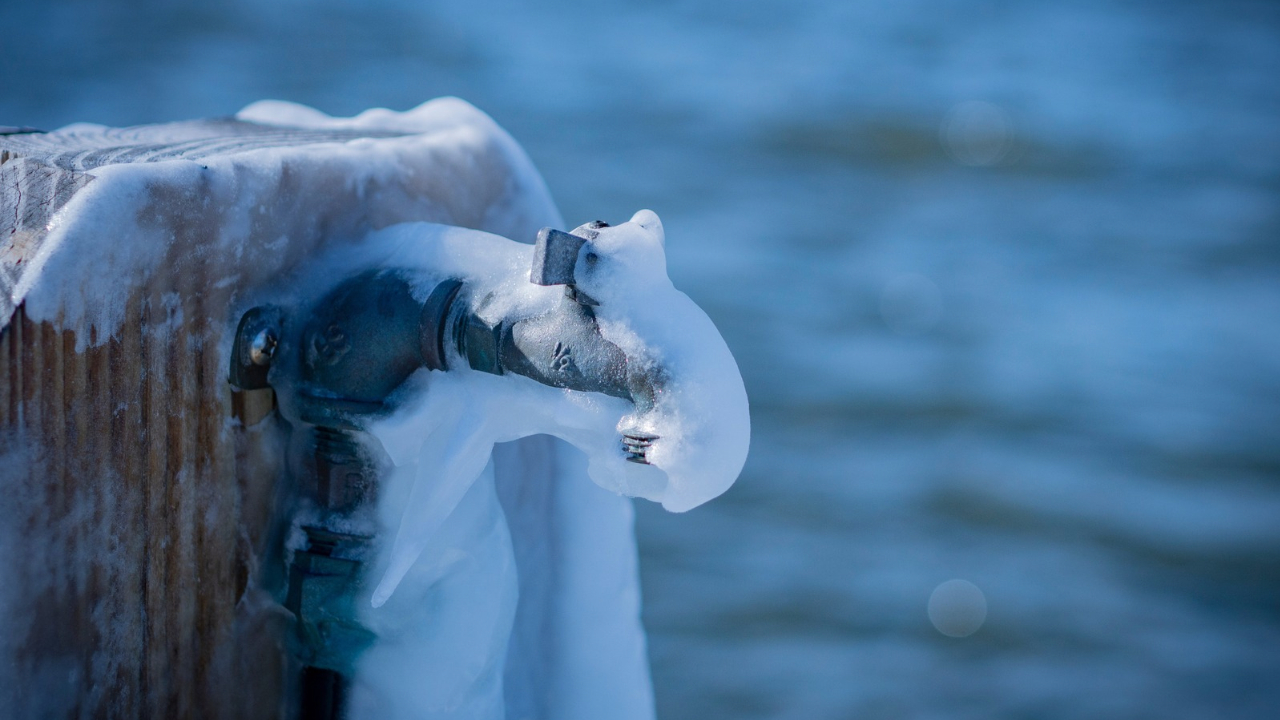
Everybody talks about prevention, but stuff still freezes. The first time your hydrant won’t flow or your bucket heater quits, you realize you don’t have the right tool on hand. Then you’re trying to thaw a valve with boiling water while your fingers go numb.
Keep a small winter kit where you can grab it fast: a spare heater, a bucket you know doesn’t leak, a hose repair coupling, and a heat gun or hair dryer for controlled thawing in safe spots. Skip the open flame approach around barns and bedding. If you’re thawing near wiring or plumbing you can’t see, go slow and call a pro when it stops being straightforward.
10. Overheating The Coop Or Barn

Isn’t warmer always better? Not for most livestock. Overheating a coop makes moisture worse, creates big temperature swings, and leaves birds or animals less able to handle a normal cold night when the power blips.
Dry and draft-free beats hot. Good ventilation up high, a tight wind break, and deep bedding usually do more than a space heater ever will. The exception is very young or sick animals, where targeted, well-secured heat and close monitoring make sense, but that’s a temporary plan, not a winter-long habit.
Do a quick walk-through on the first calm day before the real cold sets in. If you can keep water moving, bedding dry, and wind off their backs, winter chores stay boring. Boring is good when the temperature drops.
Like Fix It Homestead’s content? Be sure to follow us.