10 Generator Mistakes That Only Show Up in a Storm
Photo credit: Siarhei Kuranets/Shutterstock.com
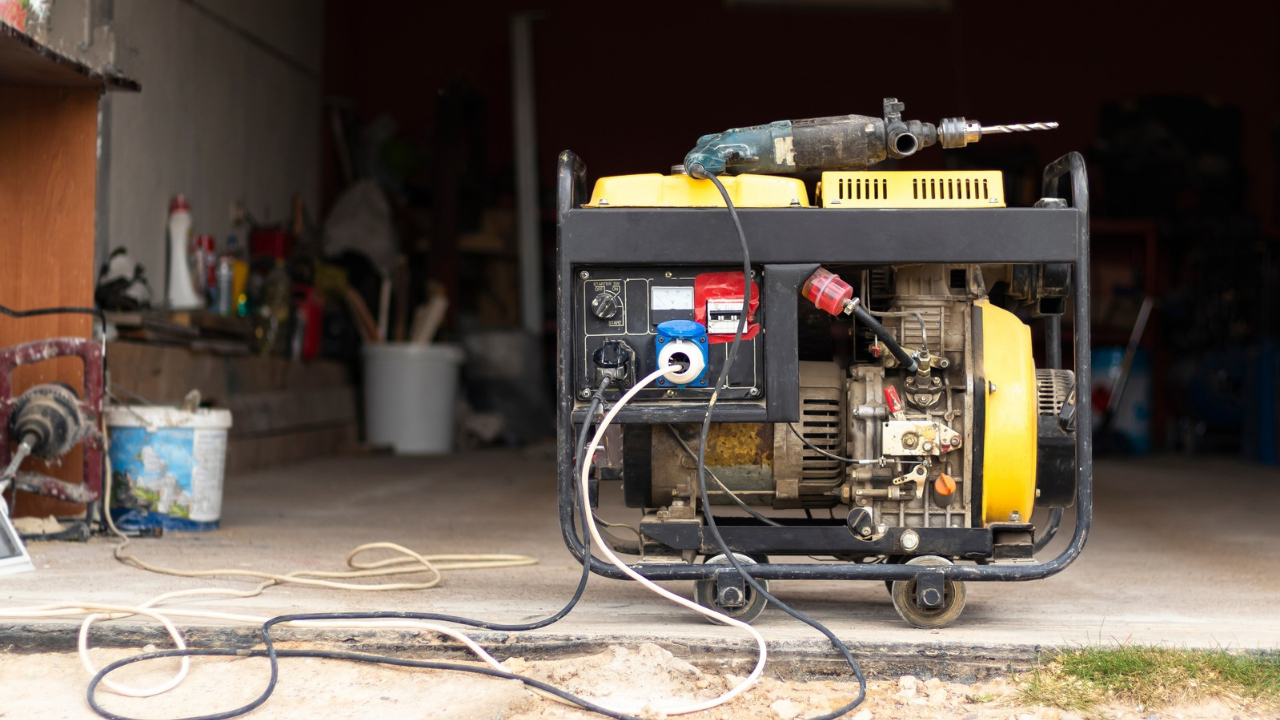
The power always seems to quit at the worst moment. You drag the generator out, yank the cord, and suddenly every shortcut you took all year shows up at once. Storm weather turns small oversights into hard stops, loud surprises, and expensive damage.
1. Storing It With Old Gas
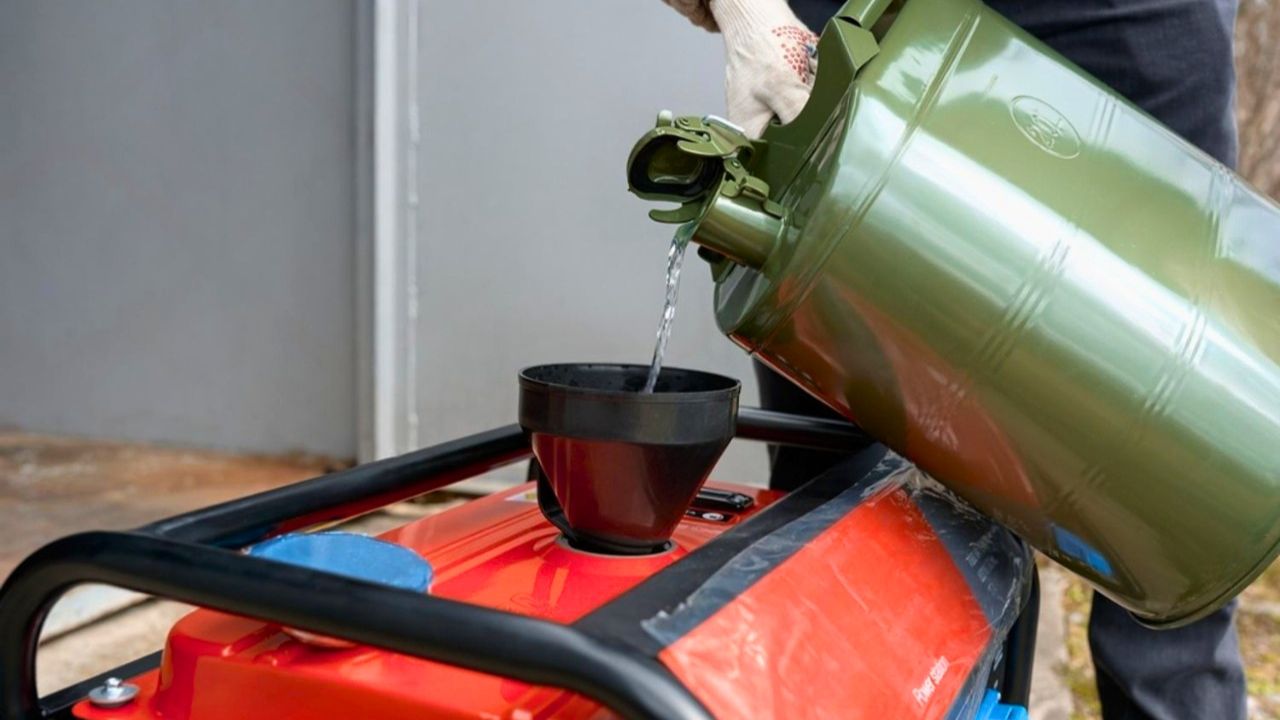
Nothing wastes a storm prep window like a generator that will not start because the fuel went sour. You get one cough, maybe a backfire, then it dies like it is out of gas even though the tank is full. Old fuel leaves varnish in the carb and clogs tiny jets that do not tolerate neglect.
Before storm season, drain the tank and run the carb dry, or treat fresh gas with stabilizer if you know it will sit. If it is already acting up, plan on pulling the carb bowl and cleaning it, or paying a small engine shop to do it. Keep one dedicated, sealed gas can for the generator and rotate it through your mower or truck so it never gets stale.
2. Running It In The Garage Doorway
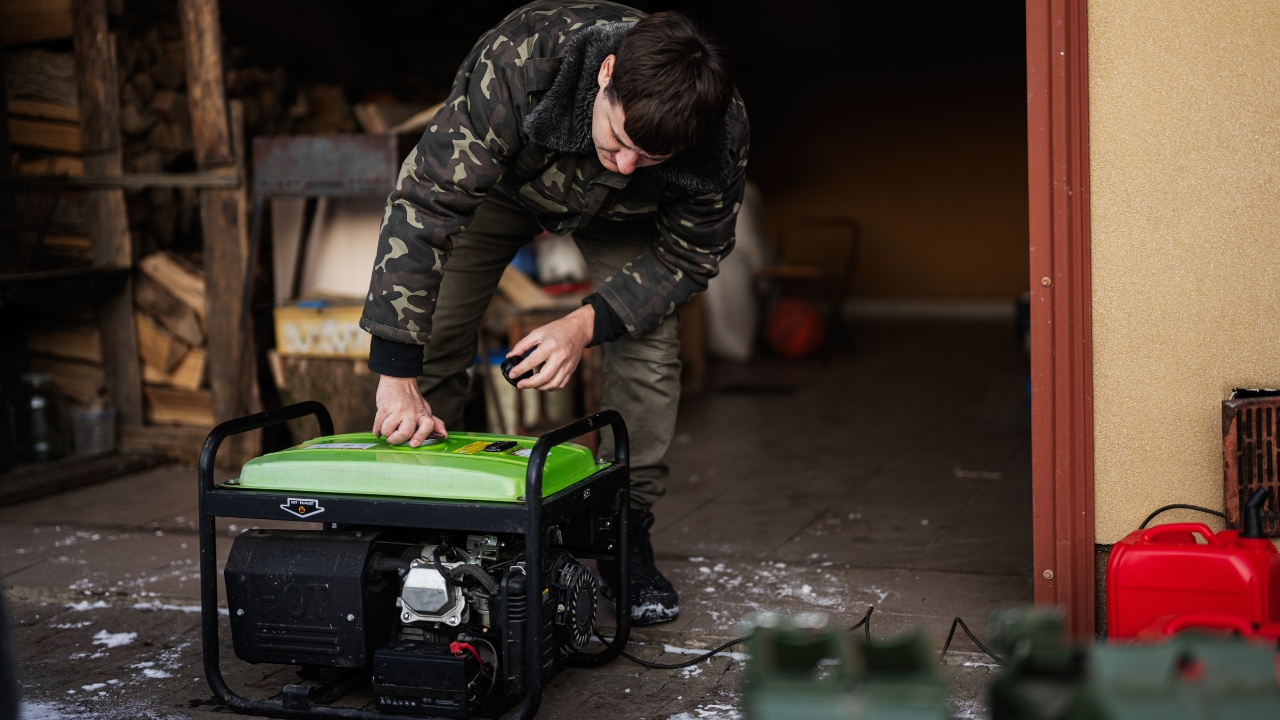
This one is a blunt no. Carbon monoxide does not care that the door is cracked, or that the wind is blowing, or that it is raining sideways. A generator in a garage, shed, barn, or under a carport can fill spaces you thought were “outside” and put exhaust into the house fast.
Set it outside, on level ground, with the exhaust pointed away from doors, windows, crawl vents, and soffit vents. If you need cover, use a purpose-built generator tent or a simple open-sided canopy set high and well ventilated, never wrapped tight around the machine. Put fresh batteries in your CO alarms before the season starts, not during the outage.
3. Plugging In With Skinny Extension Cords
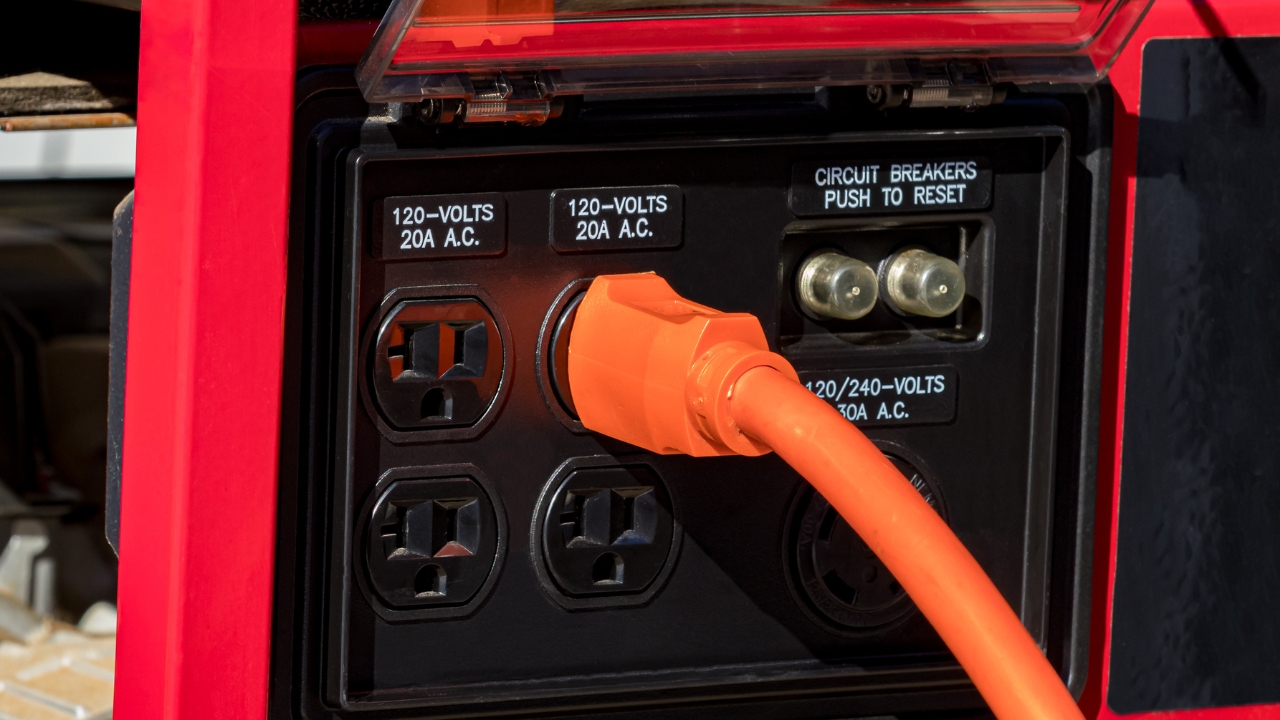
In calm weather, that bargain orange cord seems fine. In a storm, you run longer distances, plug in a heater, a sump pump, a freezer, and suddenly the cord is hot to the touch. Voltage drop makes motors struggle, lights flicker, and the generator sounds like it is working way harder than it should.
Use short, heavy cords sized for the load, think 12 gauge for moderate loads and 10 gauge for long runs or big draws. Keep cords off standing water and out of door gaps that pinch the jacket. If you are constantly snaking cords through windows, that is your sign to talk to a licensed electrician about a transfer switch or inlet, and pull permits as required by local code.
4. Backfeeding Through A Dryer Plug
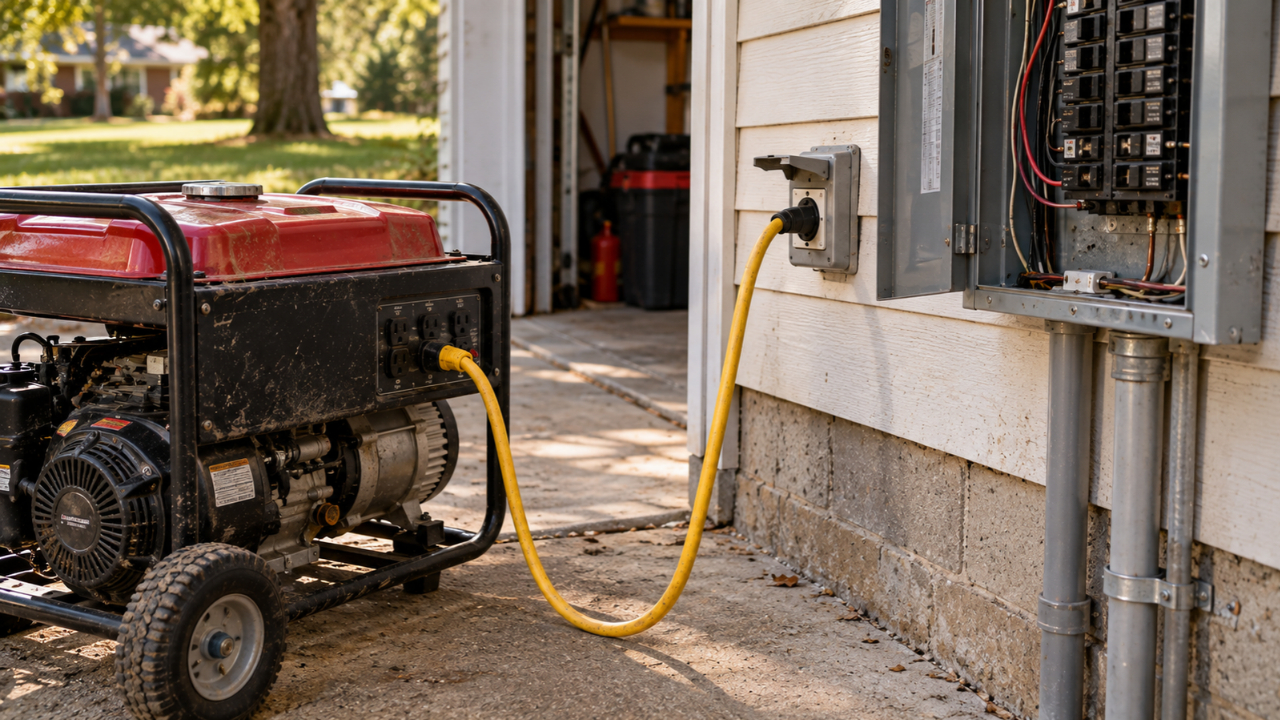
Somebody always suggests the “quick” way to power the panel. It is dangerous, it can kill a lineman, and it can burn up your generator or house wiring. It also puts you on the wrong side of code in a hurry.
If you want house circuits, install the right hardware: a manual transfer switch, an interlock kit approved for your panel, and a proper generator inlet. This is a job for a licensed electrician in most places, and it is worth paying for. In a storm, you want a setup you can run half asleep without guessing.
5. Skipping The Oil Check Every Refill
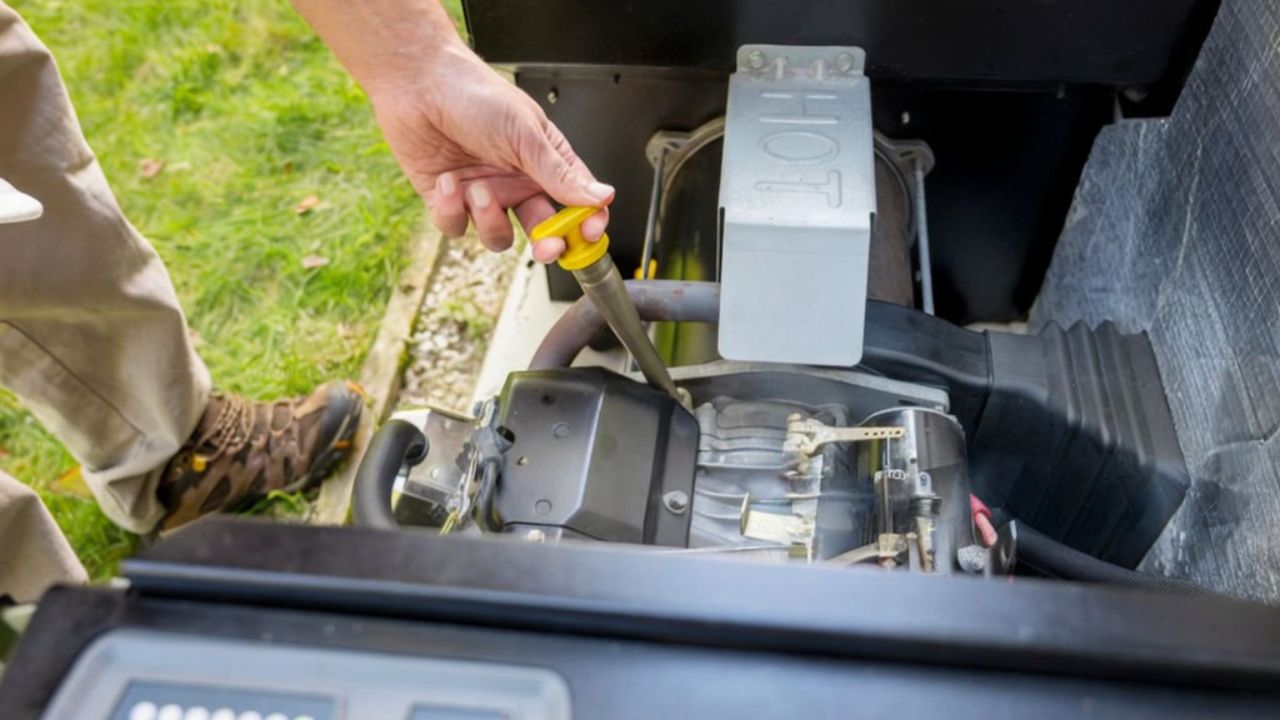
Portable units sip oil when they run hard for days. The engine gets louder and sharper, then it quits like you flipped a switch. If you are lucky, the low-oil sensor saved it. If you are not, you just bought an engine rebuild at the worst time.
Check oil at each fuel stop, on level ground, and keep the right weight oil on the shelf with a funnel and rag. If the manual calls for a break-in oil change, do it. The cheap exception is this: a basic conventional small-engine oil is often fine if the manual allows it, and changing it on schedule beats paying extra for fancy labels.
6. Overloading It With One Big Appliance

The generator can run a lot, until the fridge compressor kicks on or the well pump starts. That surge load can be two or three times the running watts, and it hits like a hammer. The engine bogs, the breaker trips, or the lights dim and the freezer warms up anyway.
Know your heavy hitters before the storm. Look at nameplates for running amps, then plan around startup surges for pumps, fridges, freezers, and furnaces. Stagger starts, unplug the shop vac, and do not assume a “5000 watt” sticker means 5000 watts all day on every outlet.
7. Forgetting The Sump Pump And Well Pump
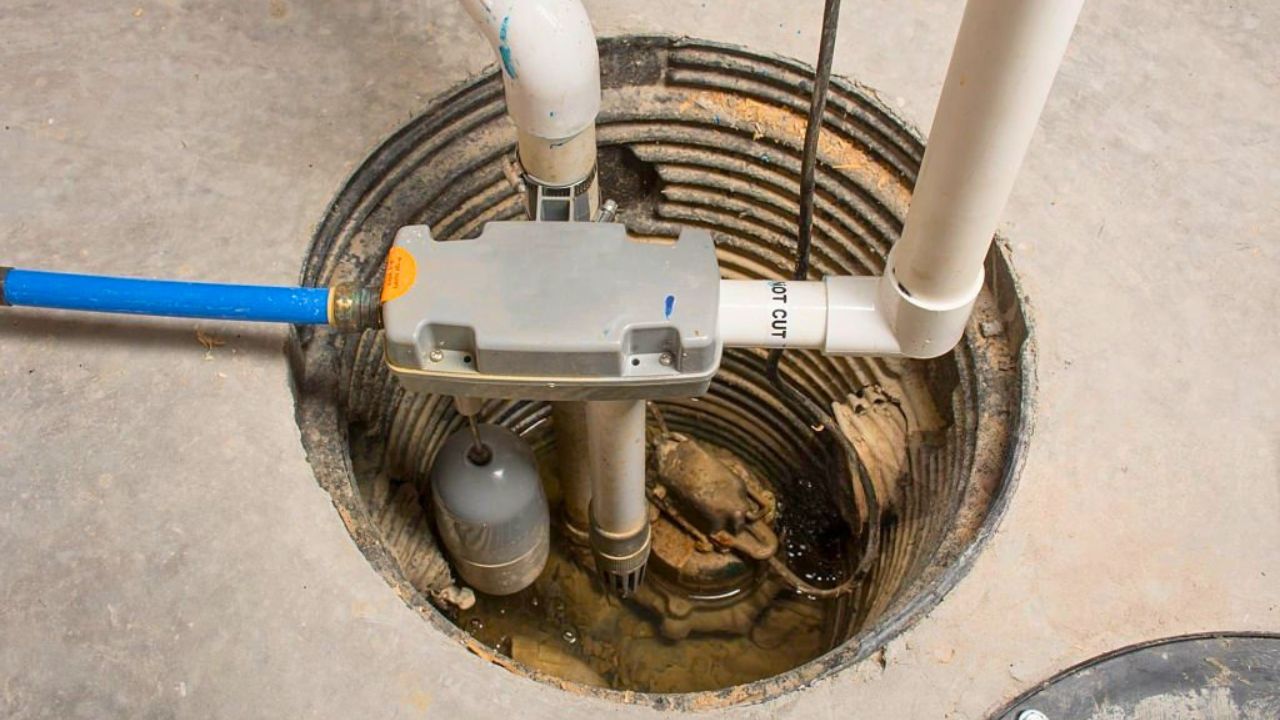
People plan for lights and phone chargers. Then the basement starts taking water, or the faucets go dry, and suddenly the outage is not just inconvenient. Pumps demand real power and they are often the first thing you need during heavy rain.
Test your sump and well pump on generator power before storm season so you know it starts clean and does not trip anything. If the pump is hardwired, plan ahead with a proper transfer setup installed by a pro. Keep a backup plan too, like a battery backup sump system or a water storage tote, because storms can last longer than your fuel supply.
8. Setting It In Mud Or Floodwater
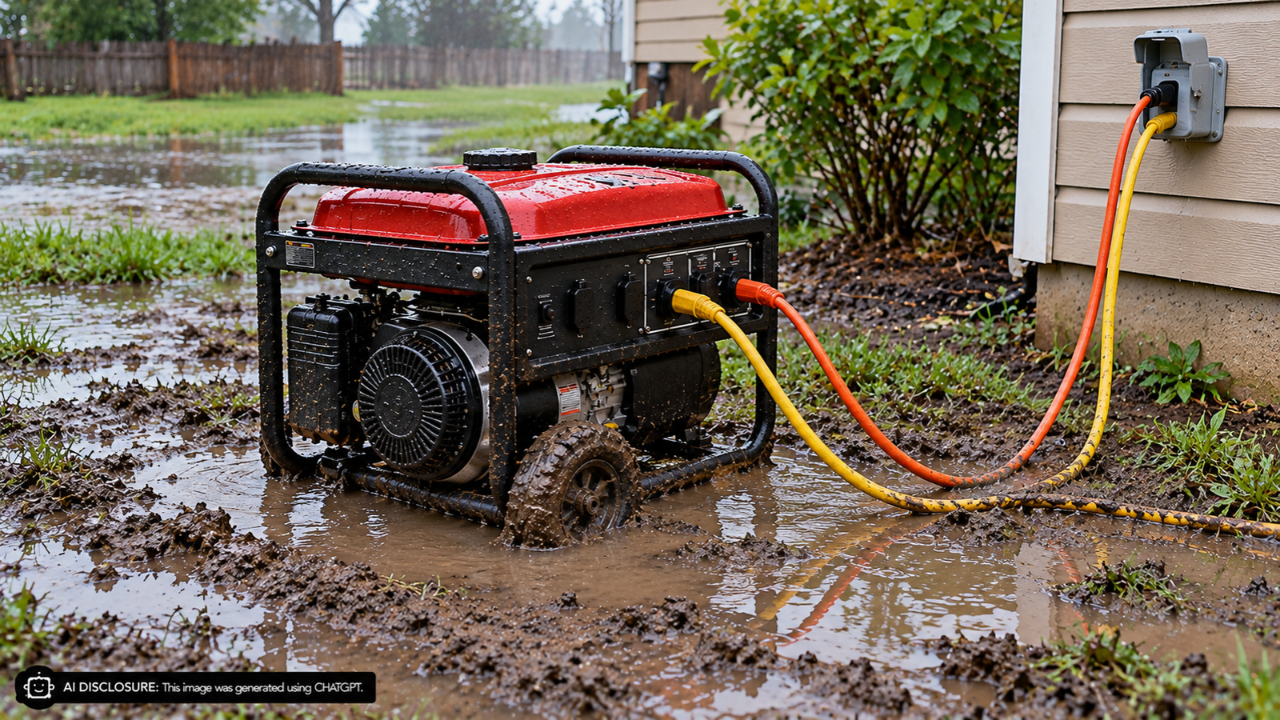
Storm yards turn into soup. You set the generator on wet grass, the wheels sink, water splashes up, and now your cords and outlets are sitting in puddles. Even if it keeps running, you are risking shocks, ruined outlets, and corrosion that shows up a month later.
Put it on a stable, raised base like patio blocks or a thick piece of exterior plywood on level ground. Keep cords routed so drip loops fall below the outlet and connections stay off the ground. If water is rising, shut it down and move it, do not gamble with electrics in flood conditions.
9. Skipping A Load Test All Year

You do not find a weak recoil starter, a dead battery on an electric start, or a gummy choke when the sun is out. You find it at 2 a.m. with wind shaking the trees. A generator that has “started fine before” is not a plan.
Once a month in season, start it, let it warm up, and run a real load for 15 to 30 minutes, like a space heater or a couple of appliances. Listen for hunting, surging, or stalling when load changes. Fix small stuff early, like a cracked fuel line or a loose muffler bolt, because it gets worse fast under hours of runtime.
10. Ignoring Noise, Theft, And Neighbor Rules

In a quiet outage, your generator sounds twice as loud, and it advertises itself. A unit sitting near the road on a dark night is easy to grab, and a stolen generator does not care how well you maintained it. Some neighborhoods and campgrounds also have noise limits, and arguments get heated when everyone is stressed.
Set it where it is harder to see, but still safely outside with good airflow. Use a quality chain and lock to anchor it to something solid, and do not leave spare gas cans next to it like a “help yourself” sign. If noise is a big deal, a quieter inverter-style generator can be worth the upgrade, just do not undersize it for your loads.
Do a dry run on a calm afternoon, while stores are open and your hands are not frozen. A generator is only as useful as the fuel, cords, and setup around it, and those are the parts that fail first when the weather turns ugly.
Like Fix It Homestead’s content? Be sure to follow us.