Best Shop Heaters for a Garage or Barn
Photo credit: Ajith Achuthann/Shutterstock.com
Cold shop days have a way of shrinking every job. Your fingers quit first, then the glue, then the air tools, and before long you’re standing around burning time. The right heater fixes that, but the wrong one wastes money, trips breakers, and can turn a dusty garage into a problem fast.
1. Ceiling-Mounted Electric Unit Heaters
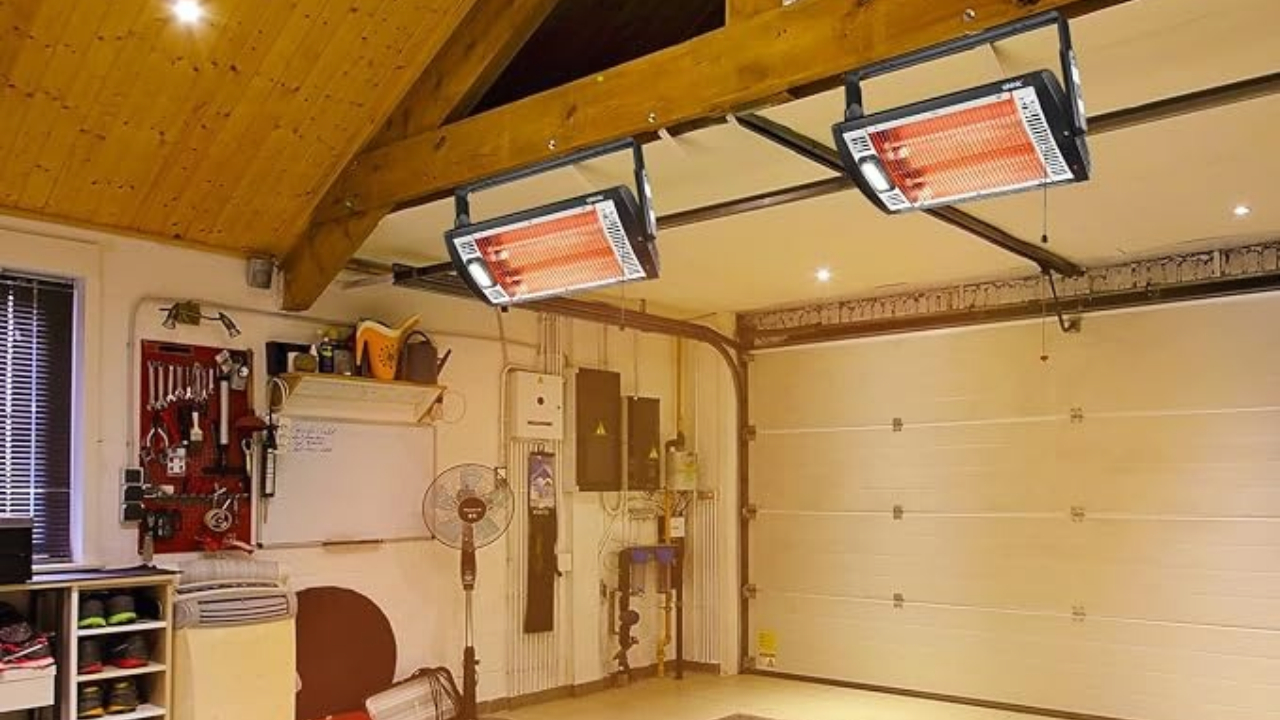
If you’ve got a decent electrical service, a ceiling-mounted electric unit heater is the cleanest setup for a garage. It’s up out of the way, blows heat where you’re working, and you don’t have an open flame around sawdust. Look at models with an adjustable fan delay so the unit doesn’t blast cold air on startup.
The catch is power. Many of these want a 240-volt circuit, and running a new circuit is not a “quick DIY” if you aren’t comfortable in a panel. If you’re adding a breaker or pulling new wire, it’s time for a licensed electrician and whatever permit your town requires.
2. Portable Forced-Air Kerosene Heaters
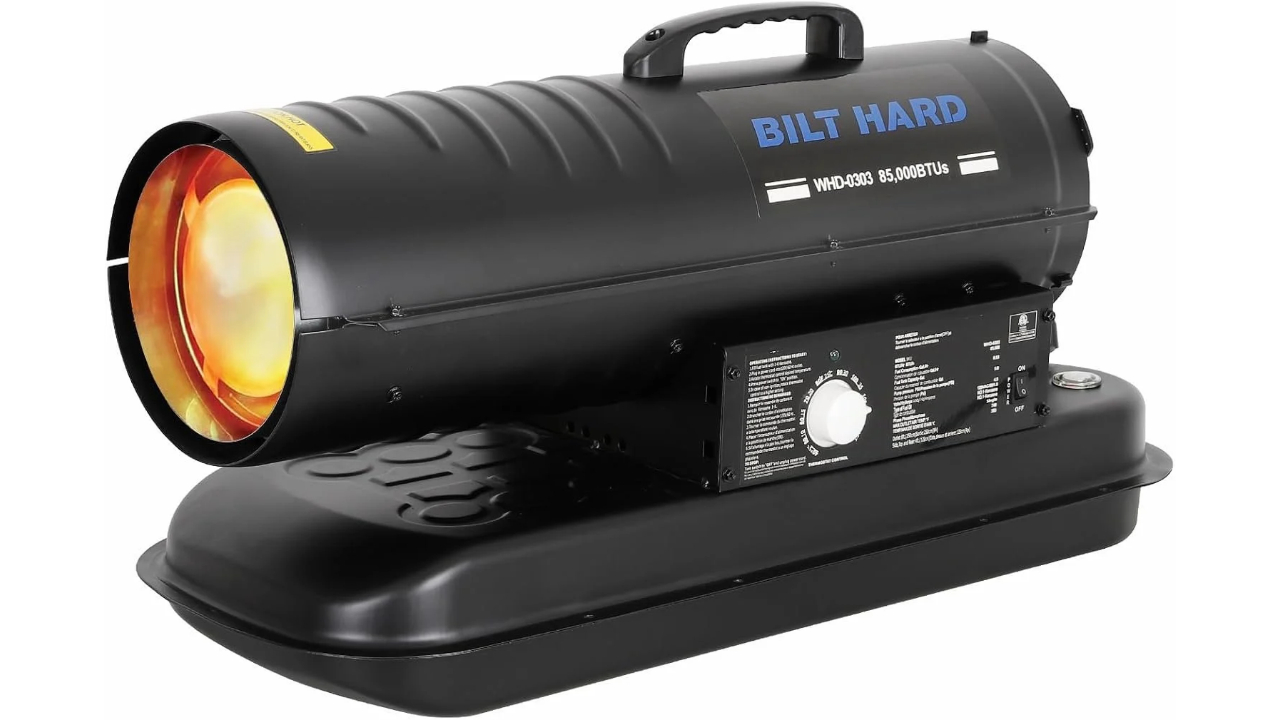
When you need heat right now, the torpedo-style kerosene forced-air heaters are hard to beat. They crank out a lot of heat fast and they’re handy for a barn aisle, an equipment bay, or thawing a frozen work area so you can actually start repairs.
They’re loud, they stink on startup, and they burn oxygen. You need real ventilation, not a cracked window behind a stack of feed bags. Keep fuel in approved containers, let the unit cool before moving it, and don’t run it in a tight shop while you’re spraying finishes or working with solvents.
3. Vent-Free Propane Radiant Heaters
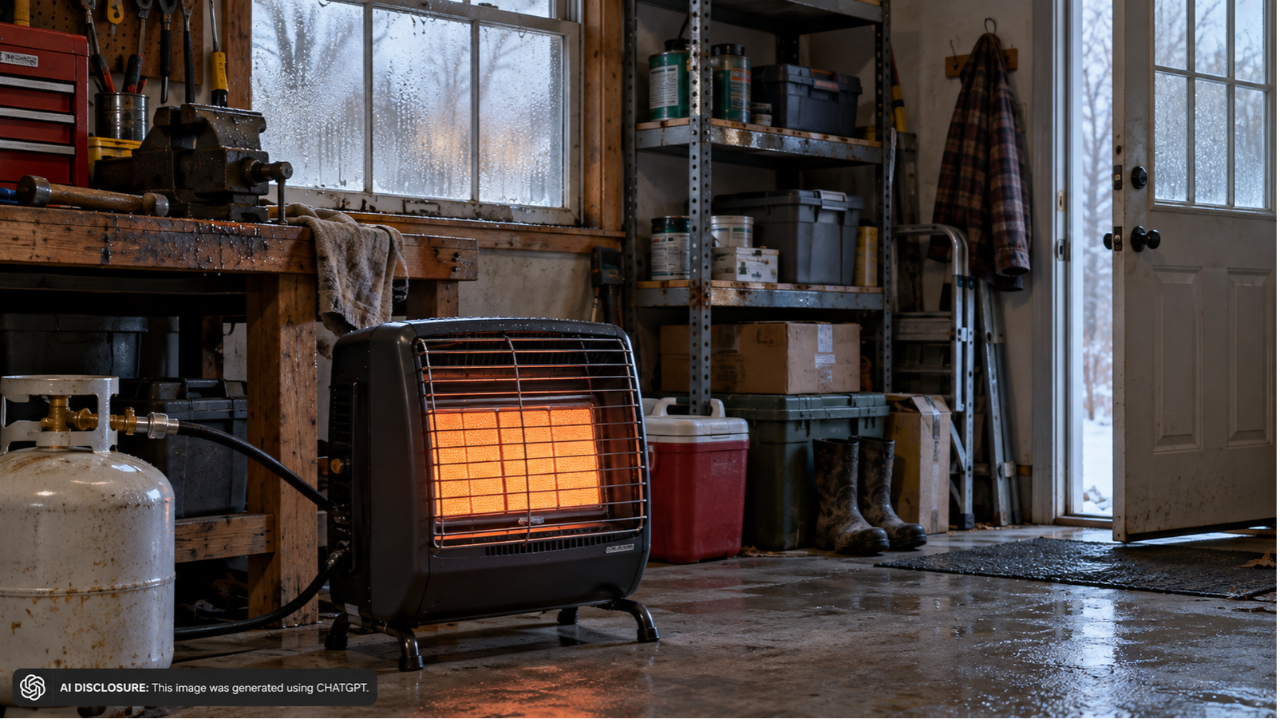
People grab these because they’re cheap and they don’t need wiring. The problem is what they dump into the air: moisture and combustion byproducts. You’ll notice it as fogged windows, sweaty tools, and rust that shows up like it did overnight.
They can work in a drafty barn where the “walls” are basically a suggestion, but they’re a bad match for a tighter garage full of metal and cardboard. If you go this route, use a model with tip-over protection and an oxygen depletion sensor, and still crack doors for makeup air.
4. Vented Propane Unit Heaters
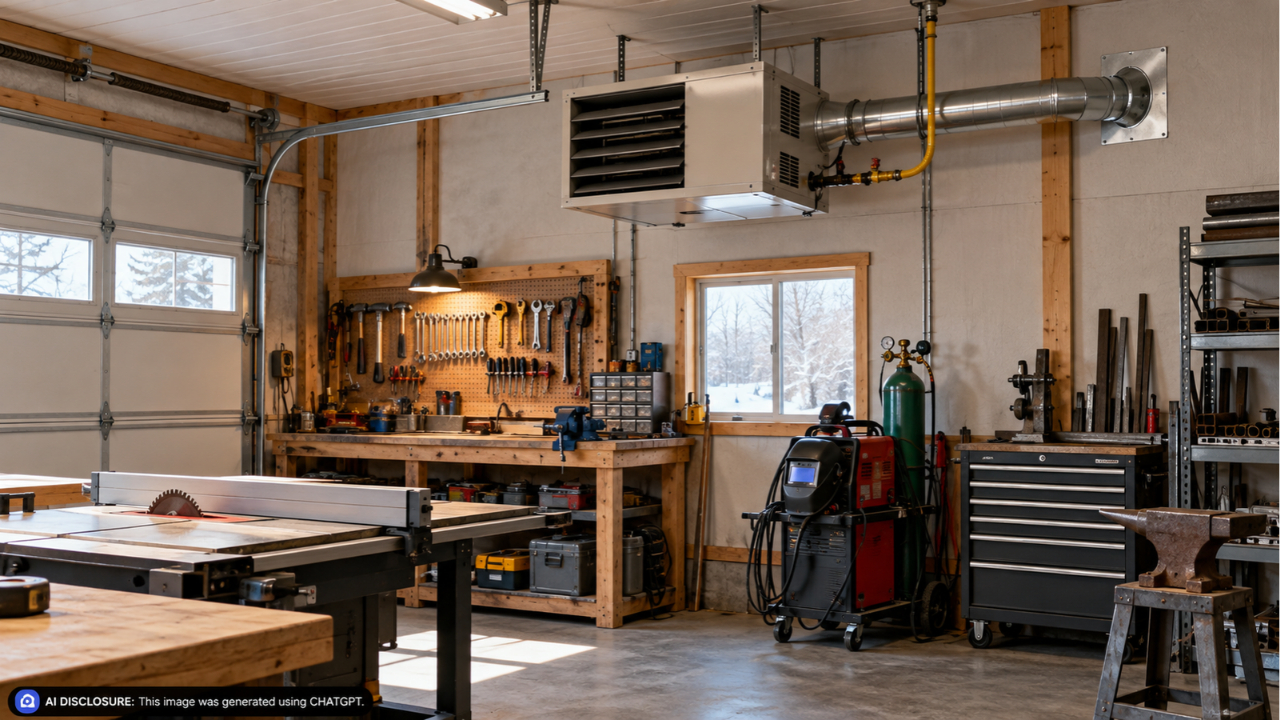
If you want gas heat without the indoor air issues, a vented propane unit heater is the upgrade. It pulls fresh air for combustion and sends exhaust outside through a flue, so you’re not feeding your shop water vapor all winter. That matters if you store a table saw, a welder, or anything you don’t want corroding.
Installation is where people get in trouble. Running gas line, regulators, and venting has code rules and clearances, and a barn fire is a fast fire. Have a licensed gas fitter or HVAC pro handle the gas and venting, and keep the manual for the inspector.
5. Natural Gas Garage Heaters
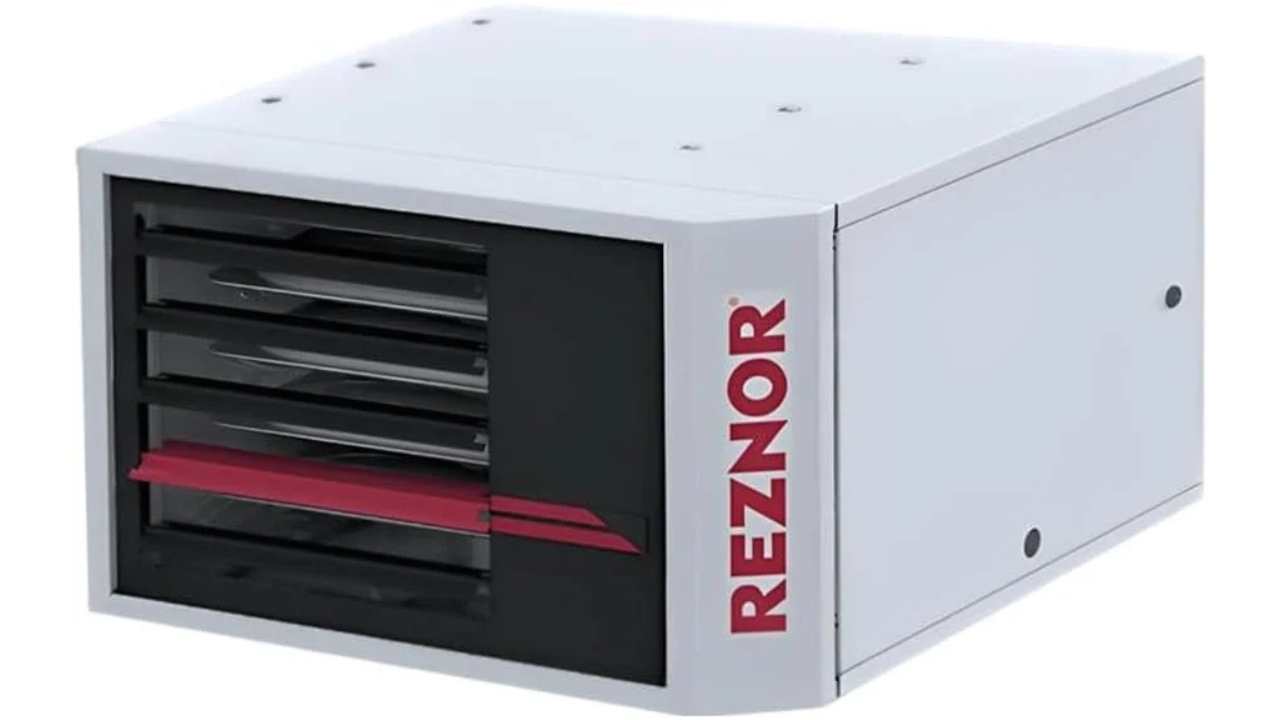
Natural gas is often the cheapest fuel per hour if you already have service at the building. A properly vented unit heater can keep a workspace steady all day without you hauling tanks or worrying about running out halfway through a glue-up.
The downside is the commitment. If the gas meter is on the house and the garage is separate, trenching a new line and sleeving it right is a real project. Call 811 before any digging, and don’t bury “temporary” flex line because it was what you had on hand.
6. Infrared Tube Heaters For High Ceilings
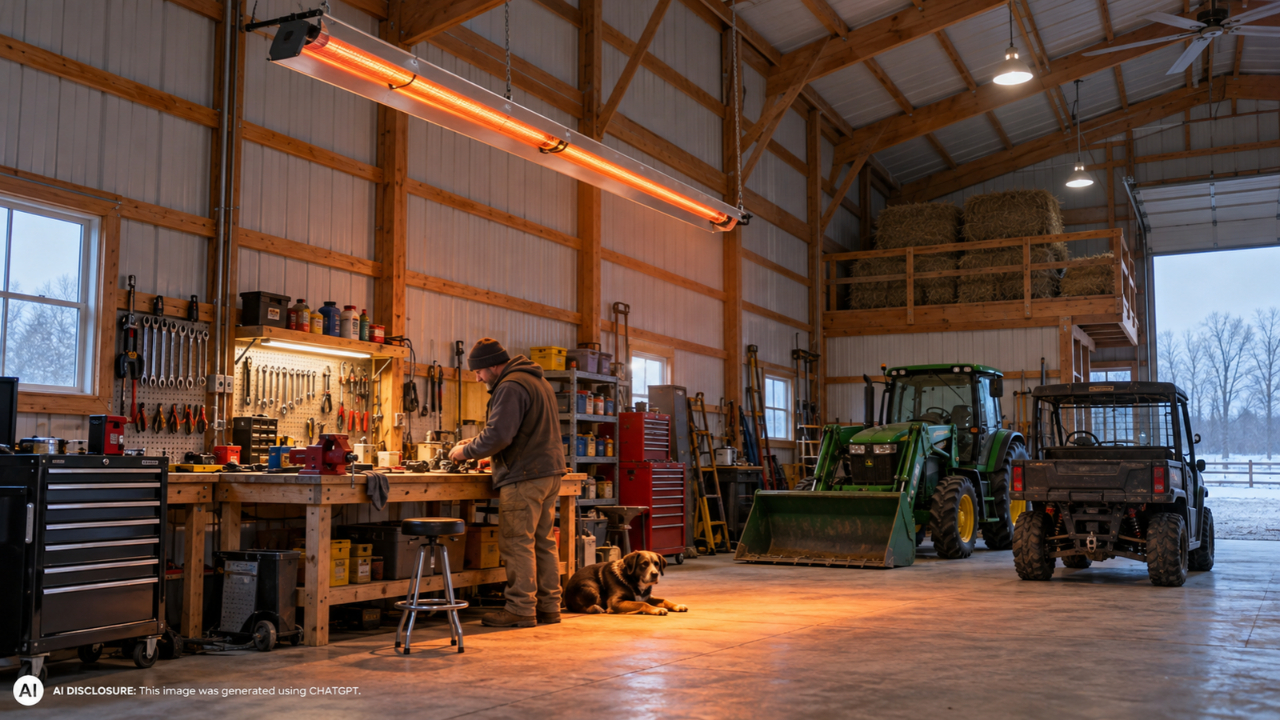
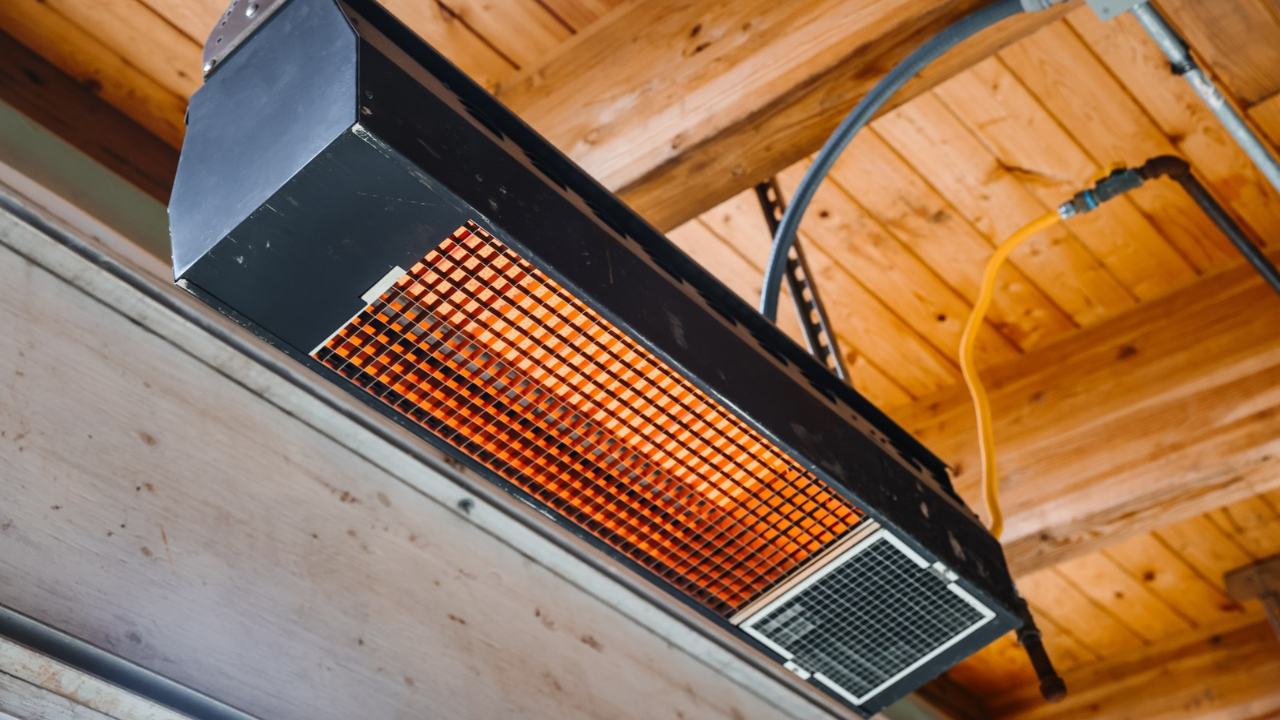
In a barn or tall shop, heating all the air is a losing game. Infrared tube heaters warm surfaces and people more than the air, so you feel it on your hands and face even if the doors leak. They’re a strong choice for a bay where you’re working on equipment with the overhead door opening all day.
You do have to respect clearances. Dust, hay chaff, and stored lumber need space from the hot tube, and the reflector needs to be aimed right so you aren’t cooking one wall and leaving the workbench cold. Plan the layout before you hang anything, and follow the clearance chart exactly.
7. Oil-Filled Electric Radiators For Small Jobs
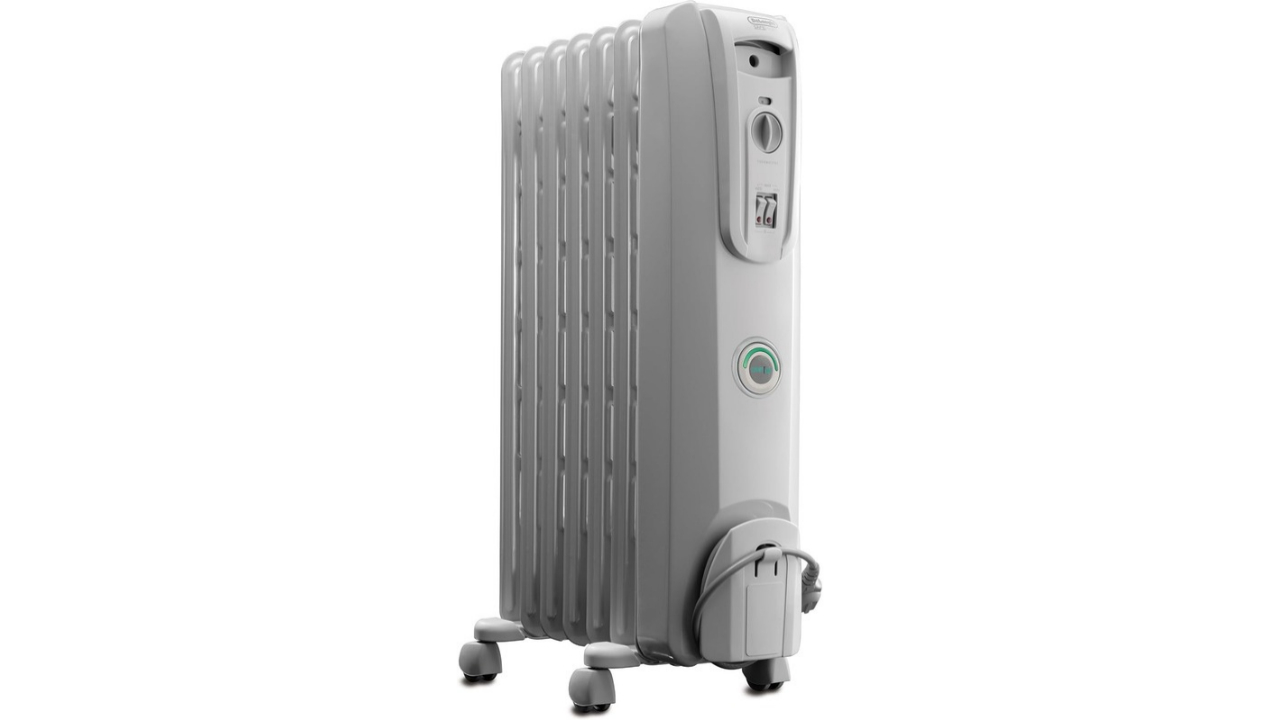
These look too gentle to be shop heat, which is why they get ignored. For a small insulated room in the corner of the garage, or a mudroom style work nook, an oil-filled electric radiator is quiet and steady. No fan means it won’t blow dust into wet paint or stir up a cloud when you’re sanding.
This is the honest exception where the cheap option can be fine. If you’re only trying to keep a bench area tolerable while you tinker for an hour, a plug-in radiator on a dedicated 15-amp circuit can do the job. It won’t bring a two-car garage up to temperature fast, and it’s not supposed to.
8. Wood Stoves In Detached Shops
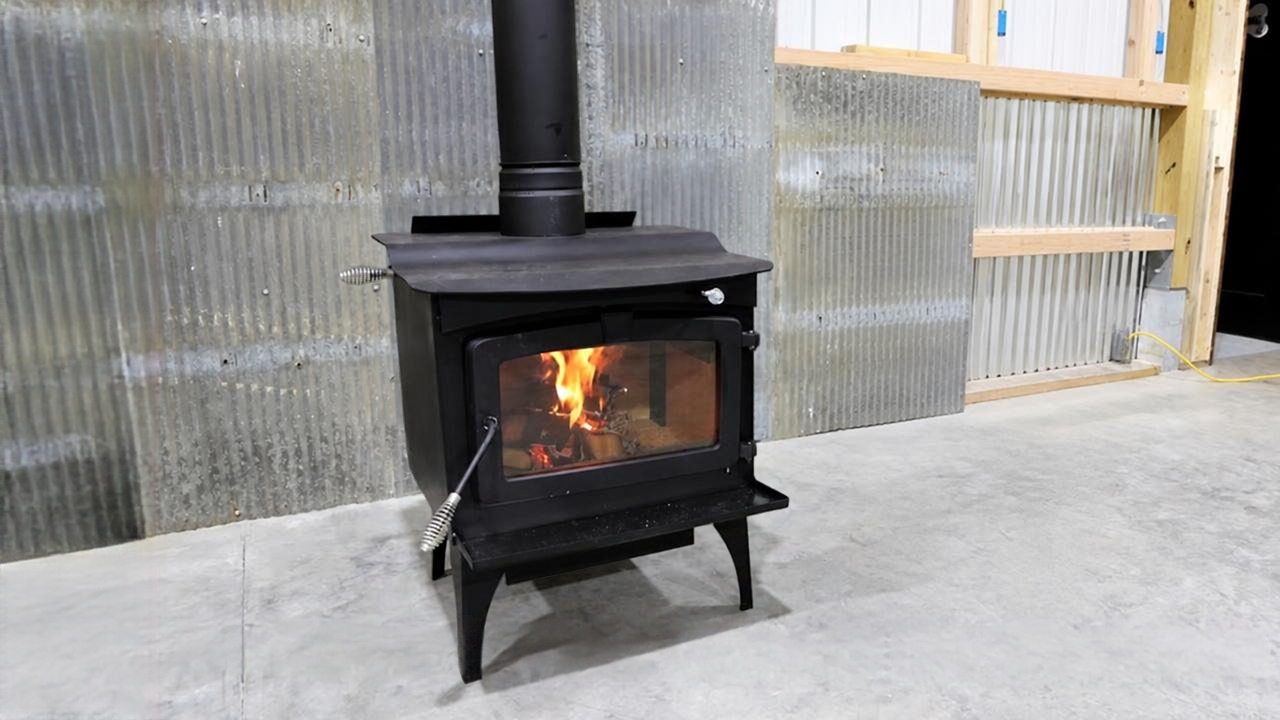
A wood stove feels like the homestead answer, and sometimes it is. If you’ve got free wood, time to tend it, and a detached shop where you’re not parking a car under it, it can heat hard without touching your electric bill.
It also comes with rules, insurance questions, and real installation costs if you do it right. Chimney class, floor protection, wall clearances, and spark control are not “close enough” items. If you’re not ready to install a proper chimney system and follow local code, skip the stove and pick a vented heater instead.
9. Diesel Salamanders For Equipment Bays
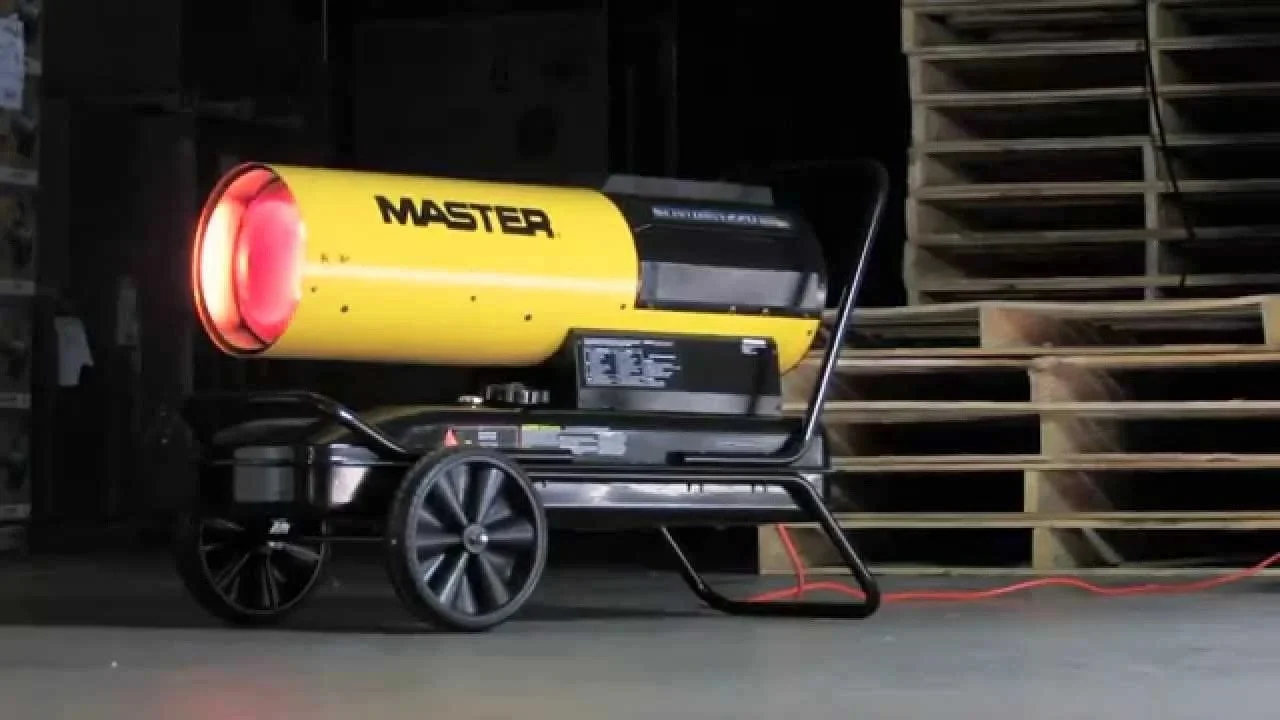
Big, drafty spaces and greasy equipment are where diesel forced-air heaters make sense. Farms use them because diesel is already on site, they heat fast, and they’ll push warm air into places a radiant heater can’t reach.
They’re not delicate. Expect noise, a strong exhaust smell at startup, and maintenance like cleaning filters and checking the nozzle. Don’t aim one at plastic fuel cans, a stacked hay wall, or a pile of oily rags, and don’t run it in a closed garage while you’re working under a vehicle.
10. Electric Infrared Panels Over Work Areas
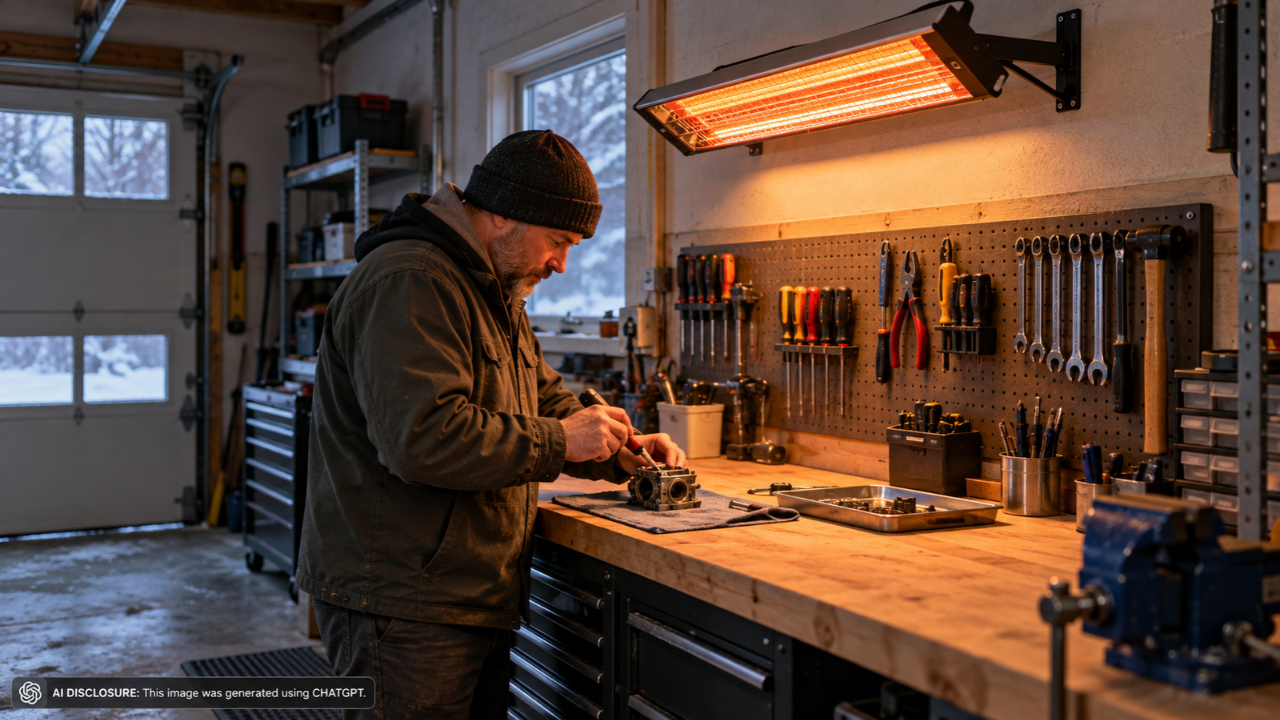
Sometimes the goal isn’t warming the whole building. An electric infrared panel or quartz heater aimed at your bench gives you comfort where you’re standing and lets the rest of the shop stay cooler. That saves money if you only use the space in short bursts.
Mounting location matters. Keep it away from hanging extension cords, solvent shelves, and the spot where you store cardboard. If you keep bumping the stand with lumber, stop using a floor unit and mount it properly to a wall or ceiling with the right clearances.
11. Mini-Split Heat Pumps For Mild Winters
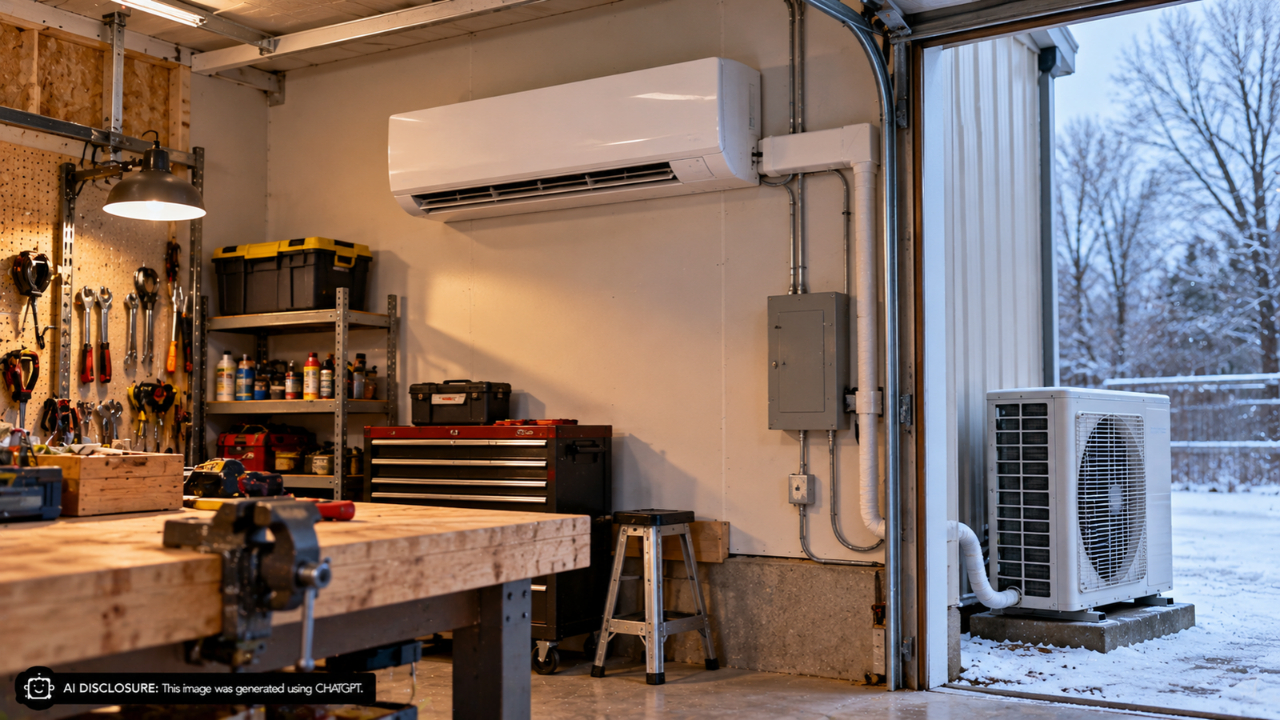
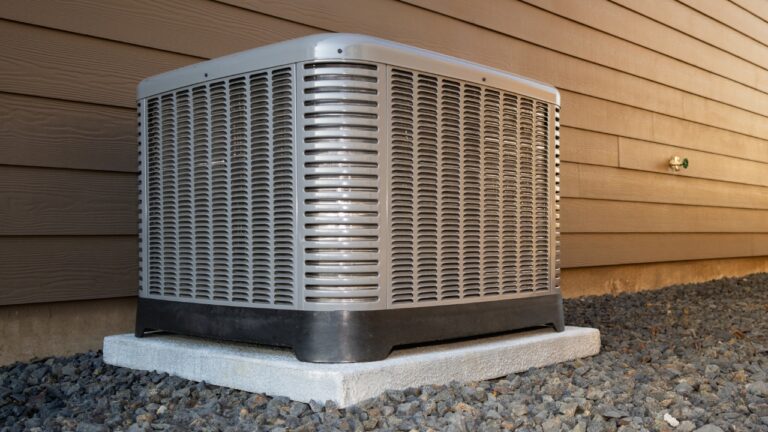
A mini-split heat pump is the clean, quiet option that also gives you summer cooling. In a well insulated garage, it’s a comfortable way to hold a steady temperature without the swings you get from blasting a torpedo heater and shutting it off.
They’re not magic in deep cold, and not every model likes subzero weather. Pay attention to the low-temperature rating and make sure your building envelope is worth heating first. Installing the electrical circuit often needs an electrician, and refrigerant line work is best left to a certified HVAC installer unless the unit is truly DIY-rated.
12. Thermostats, Timers, And Zone Control
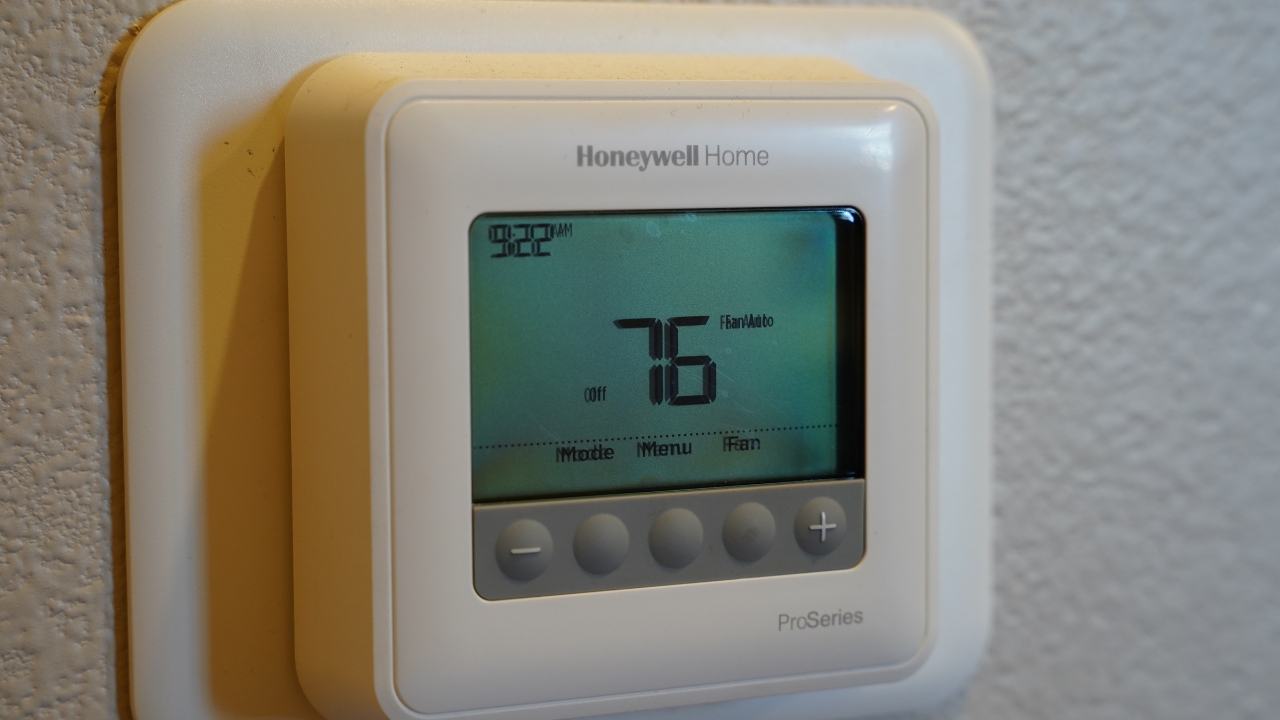
The heater itself isn’t always the problem, the control is. A basic thermostat with a “hold” function keeps you from overheating the shop all afternoon because you forgot to turn the knob back down. A timer is even better for short sessions, especially with electric heaters.
In bigger barns, zoning beats brute force. Heating the tack room, the wash stall, or one work bay costs less than trying to warm every square foot under the roof. Just don’t bury extension cords under mats or straw to reach the “good outlet,” add outlets where you need them.
Before you buy anything, spend an hour on the boring stuff: air leaks at the overhead door, missing insulation, and a ceiling that’s basically a wind tunnel. Tightening that up can let you buy a smaller heater, and smaller is usually cheaper to run and simpler to live with all winter.
Like Fix It Homestead’s content? Be sure to follow us.