10 Signs a House Is Not Ready for a Long Cold Snap
Photo credit: Mark van Dam/Shutterstock.com
Cold weather finds the weak spots you’ve been ignoring, and it does it fast. A long snap isn’t the same as a weekend dusting, it’s days of systems running nonstop and materials shrinking, freezing, and cracking. If your place has a few of these tells, you’re heading for a messy, expensive week.
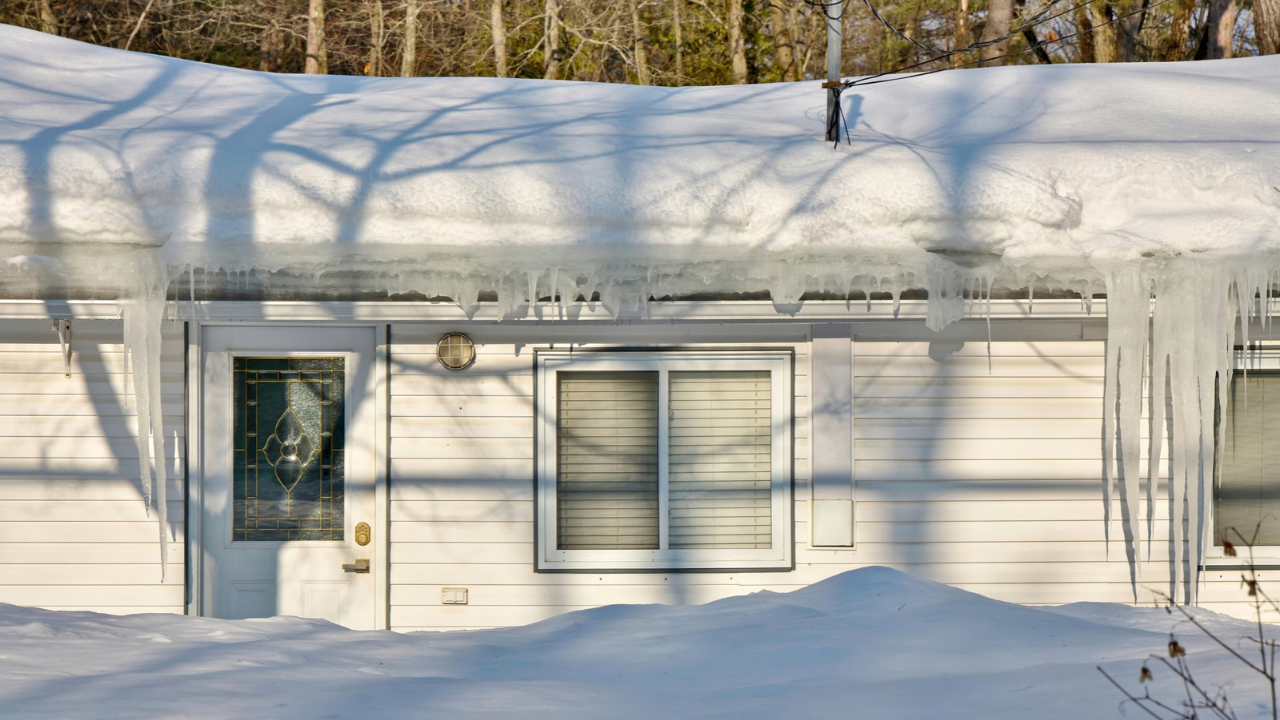
1. Ice Dams Form After Every Snow
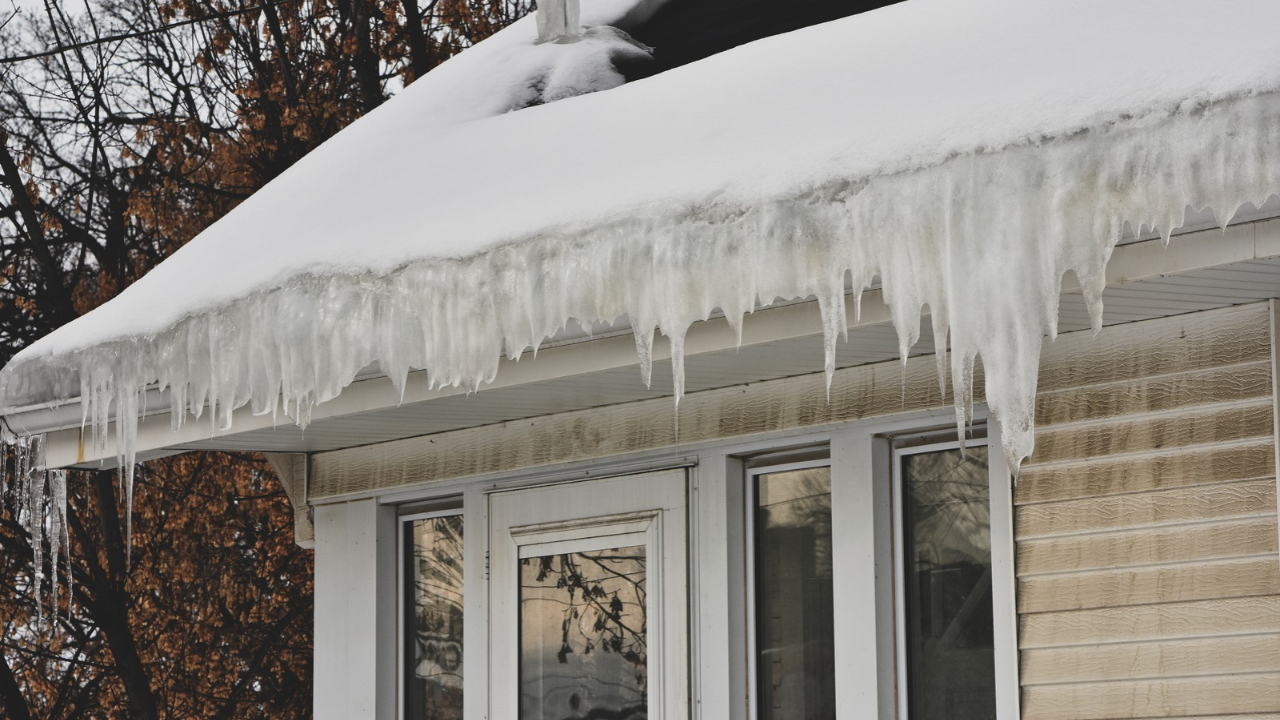
You’ll see thick ridges of ice along the eaves, and the icicles look “pretty” right up until water starts showing up on the ceiling. Ice dams mean heat is leaking into the attic, melting snow, and the water refreezes at the cold edge. That backed-up water can run under shingles and soak insulation, drywall, and framing.
The fix is usually not a roof problem, it’s an attic problem. Air seal the attic floor around light fixtures, plumbing stacks, and the attic hatch, then bring insulation up to a decent level for your zone. If the damming is severe or you already have leaks, hire a roofer or insulation crew, and don’t go hacking at ice with a shovel.
2. Drafts Whistle Around Doors And Windows
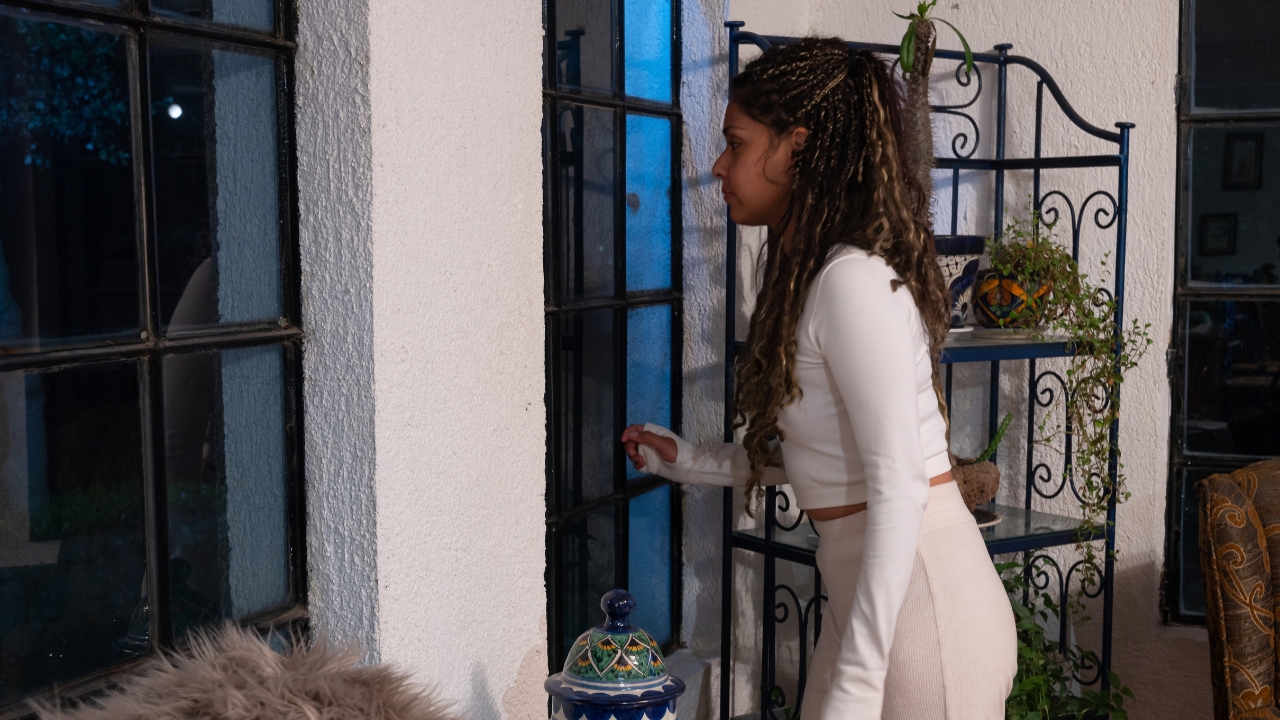
When the wind kicks up and you can hear it, you’re paying to heat the outdoors. Drafty spots also make rooms feel “cold” even with the thermostat high, so the furnace runs longer and longer. Over a long snap, that extra run time is what turns a small air leak into a big bill.
Start simple: replace crushed door weatherstripping, add a sweep, and tighten the strike plate so the door actually pulls snug. For windows, rope caulk and shrink film are cheap and fine for the season, especially in rentals. Save full window replacement for rotten frames or failed panes, not just a little winter discomfort.
3. Pipes Freeze In The Same Spots
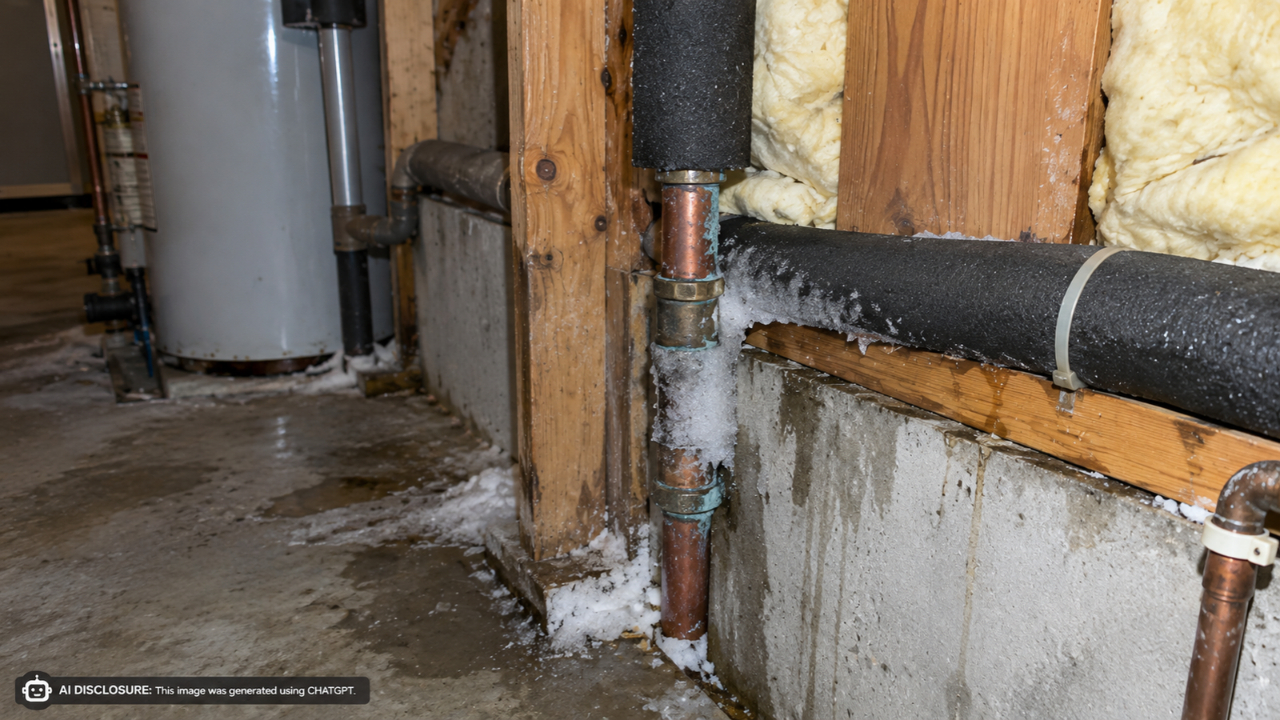
If you’ve had one frozen pipe, odds are you’ll get it again, usually on an exterior wall, in a crawlspace, or at a kitchen sink by the rim joist. You’ll notice weak flow first, then nothing, then a burst when it thaws. The repair cost isn’t just the pipe, it’s the water damage and the time spent drying.
Seal air leaks where cold air gets in, especially around sill plates, band joists, and where plumbing penetrates the floor. Add pipe insulation sleeves where you can reach, and keep cabinet doors open under sinks on the coldest nights. Heat tape can help for problem runs, but follow the instructions, don’t overlap it, and plug it into a GFCI outlet.
4. The Furnace Cycles Hard Or Smells Off
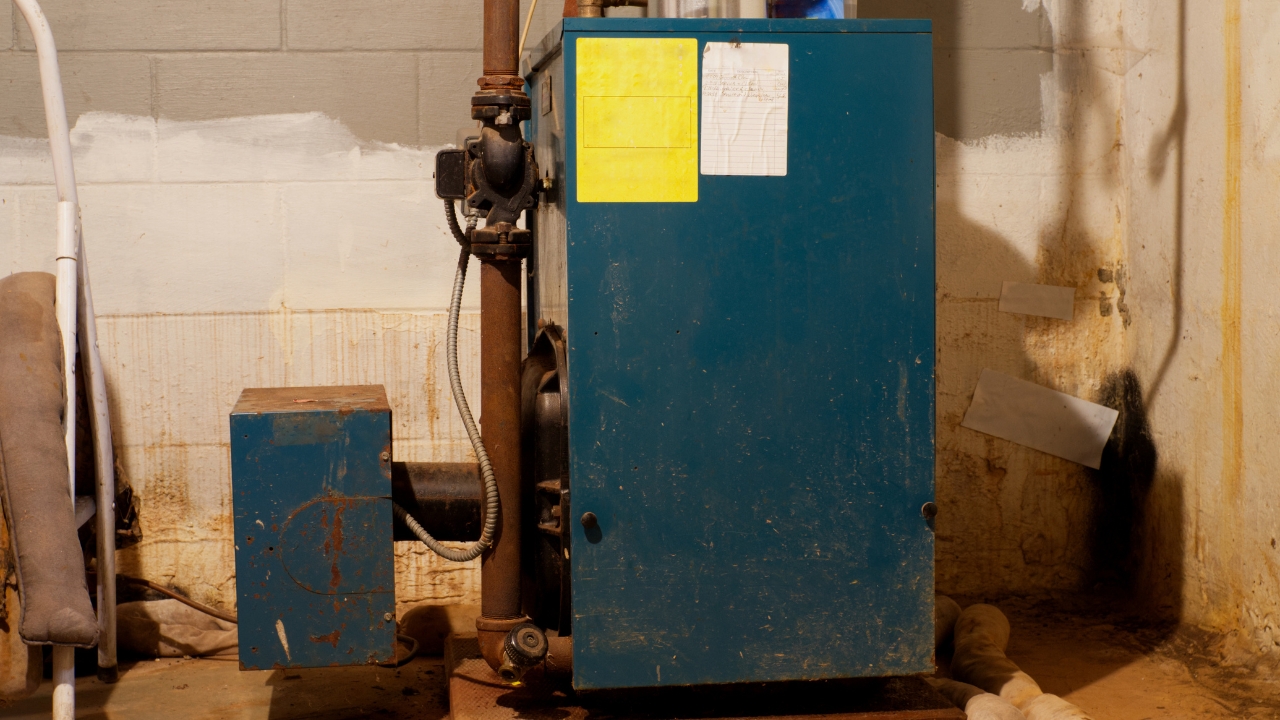
A furnace that short-cycles, bangs, or smells like dust and hot metal for more than a day is warning you. During a long cold snap, a marginal unit doesn’t get a break, and small problems get loud. A burner issue or a failing inducer motor has a way of showing up at 2 a.m. on the coldest night.
Change the filter, clear junk away from return vents, and make sure supply registers aren’t blocked by rugs or furniture. If the flame looks weird, the unit shuts off and relights a lot, or you smell gas, call a licensed HVAC tech. Anything involving gas piping, combustion, or the heat exchanger is not a DIY learning project.
5. You Rely On One Space Heater

Space heaters are fine as a helper, but when one little box is doing the work of a whole heating system, you’re set up for tripped breakers or scorched cords. Long snaps tempt people to run heaters nonstop, plug them into power strips, or park them too close to curtains. That’s how fires start.
If you need extra heat, use a modern heater with tip-over protection and keep it on a bare floor with clear space around it. Plug it straight into a wall outlet, not an extension cord. If you’re leaning on space heaters every winter, spend the money on a real fix like air sealing, insulation, or an HVAC service call.
6. The Sump Pump Runs All Winter
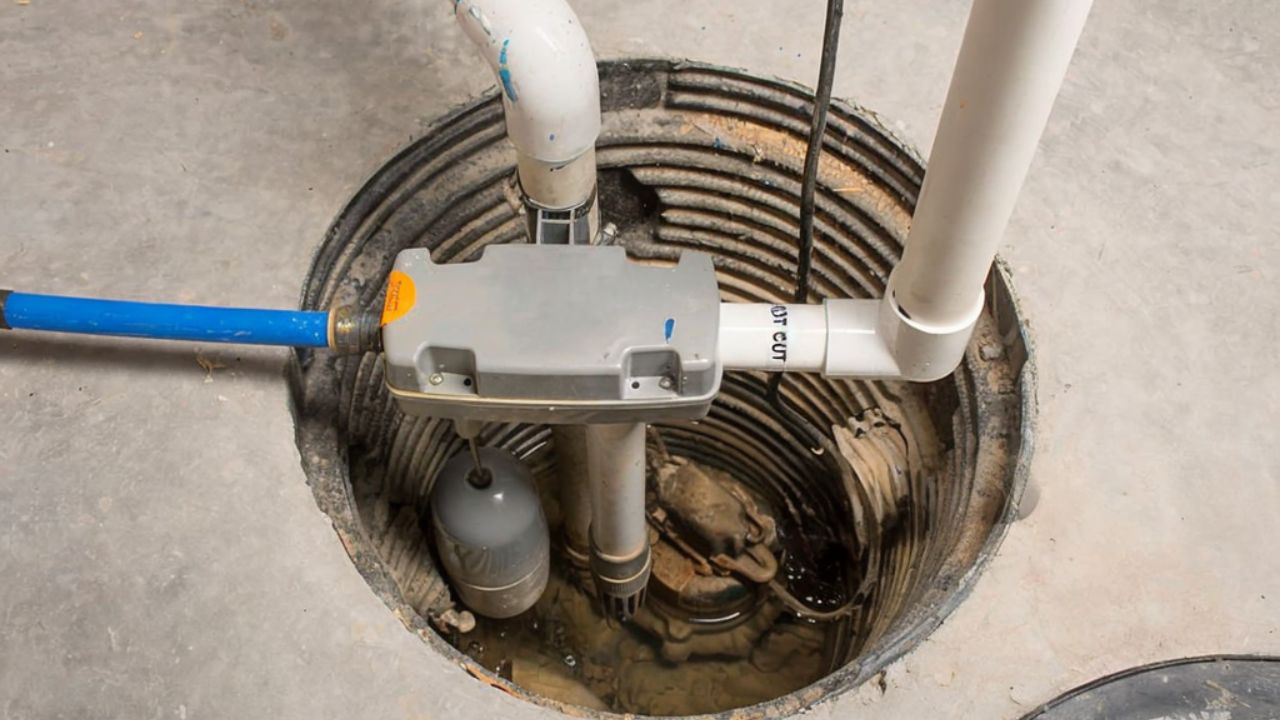
In a cold snap with snow on the ground, a sump pump that runs a lot is a red flag. The discharge line outside can freeze solid, then the pump keeps trying until it burns up or the pit overflows. Some homes also get winter water because warm indoor air condenses and drips into the pit, which looks like a “mystery leak.”
Check that the discharge slopes continuously and exits where it won’t refreeze right away. Protect the outside section from wind and keep the end clear of snowbanks. A battery backup is worth considering if you lose power often, but if your pump is old or the basin wiring looks sketchy, have a plumber or electrician straighten it out.
7. The Water Heater Sits In A Cold Corner
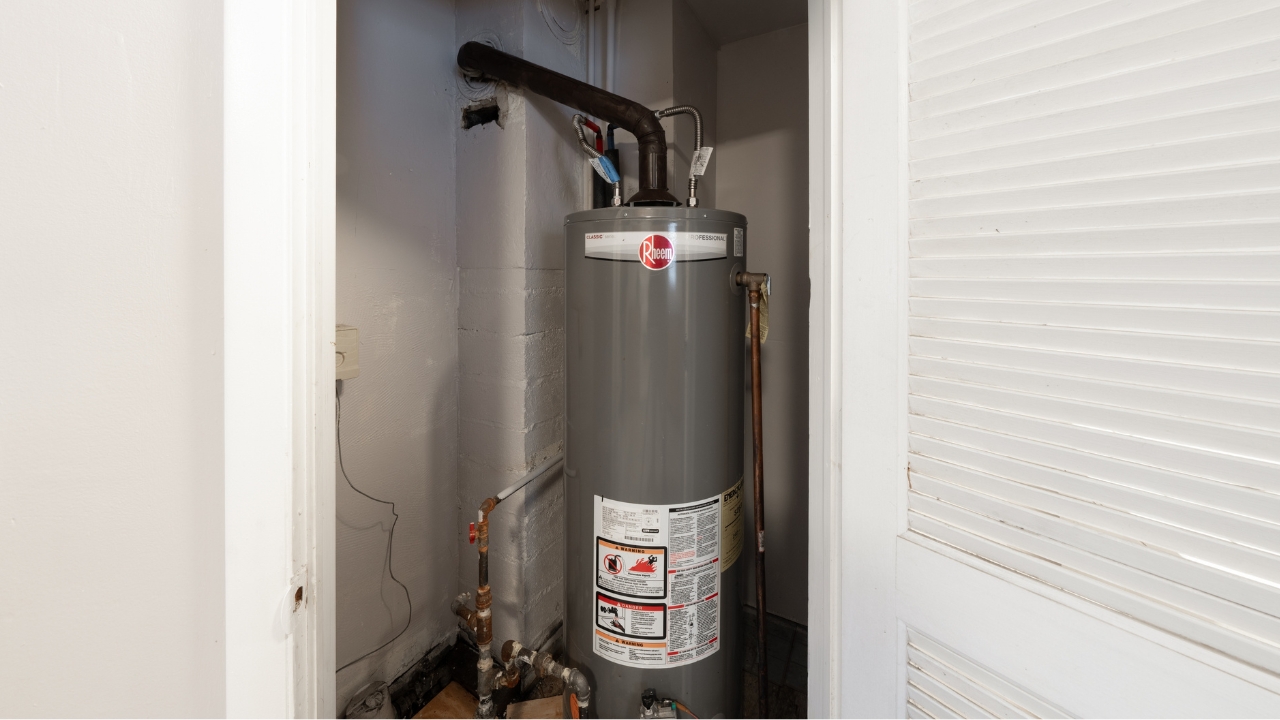
People forget the water heater until the shower goes lukewarm and the pipes start sweating. If the heater is in an unheated garage, a drafty basement, or a utility closet with louvered doors, it has to work harder. In extreme cold, exposed hot and cold lines near the tank can freeze before you notice.
Wrap hot water pipes for the first few feet coming off the tank, and seal obvious drafts in the room without blocking combustion air for gas units. A water heater blanket can help on older tanks, but skip it on newer models if the manufacturer says no. If you have a gas water heater and smell gas or see soot, shut it down and call a licensed pro.
8. Gutter Downspouts Dump At The Foundation
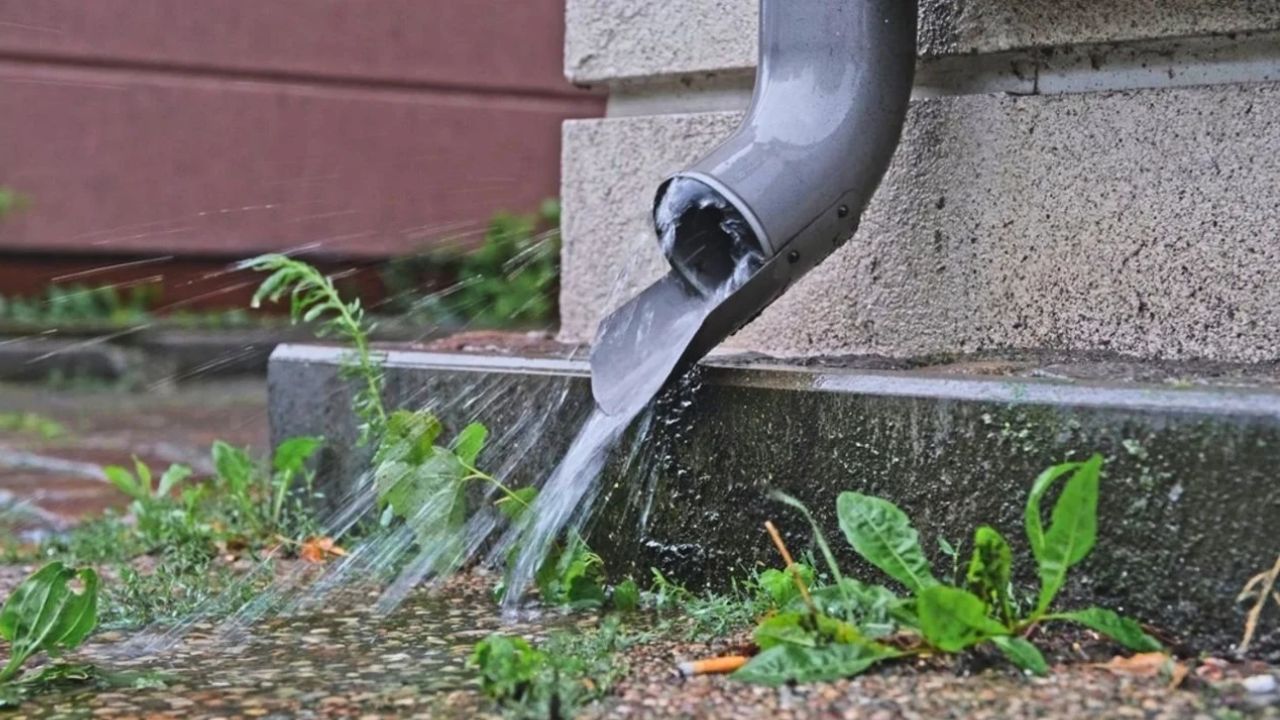
In summer, this looks like a minor grading issue. In winter, it turns into ice at the walkway, water in the basement, or frost heave that lifts pavers and cracks edges. When meltwater refreezes over and over near the house, it finds seams and pinholes you didn’t know you had.
Add downspout extensions or solid pipe to move water well away from the foundation, and make sure the yard slopes away for the first several feet. If you need to bury a line, call 811 before digging and follow local rules on where you can discharge. This job is boring, but it saves money in ugly ways.
9. The Generator Is Untested Or Out Of Fuel
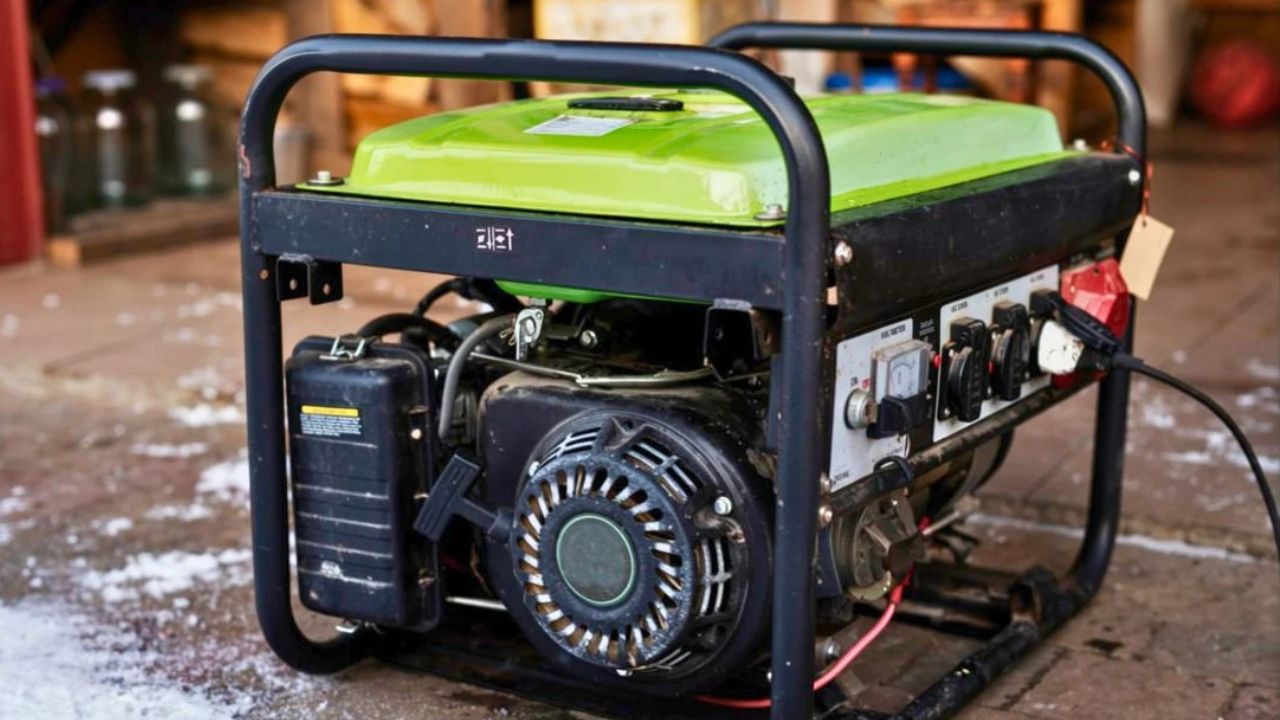
Power outages during long cold spells are when “stored for years” gear fails. Old fuel gums up small engines, extension cords go missing, and you find out too late that the pull cord snaps. If you’re on a well, no power also means no water, which turns a simple outage into a full stop.
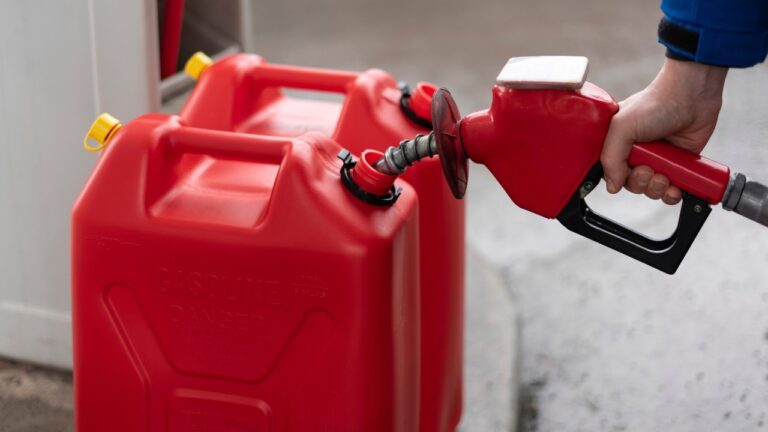
Test-run the generator before you need it and keep fresh, stabilized fuel in approved containers. If you want to power more than a couple cords can safely handle, have an electrician install a transfer switch or interlock, with permits as required. Backfeeding through a dryer outlet is dangerous and illegal in many places.
10. You Have No Plan For Animals And Water
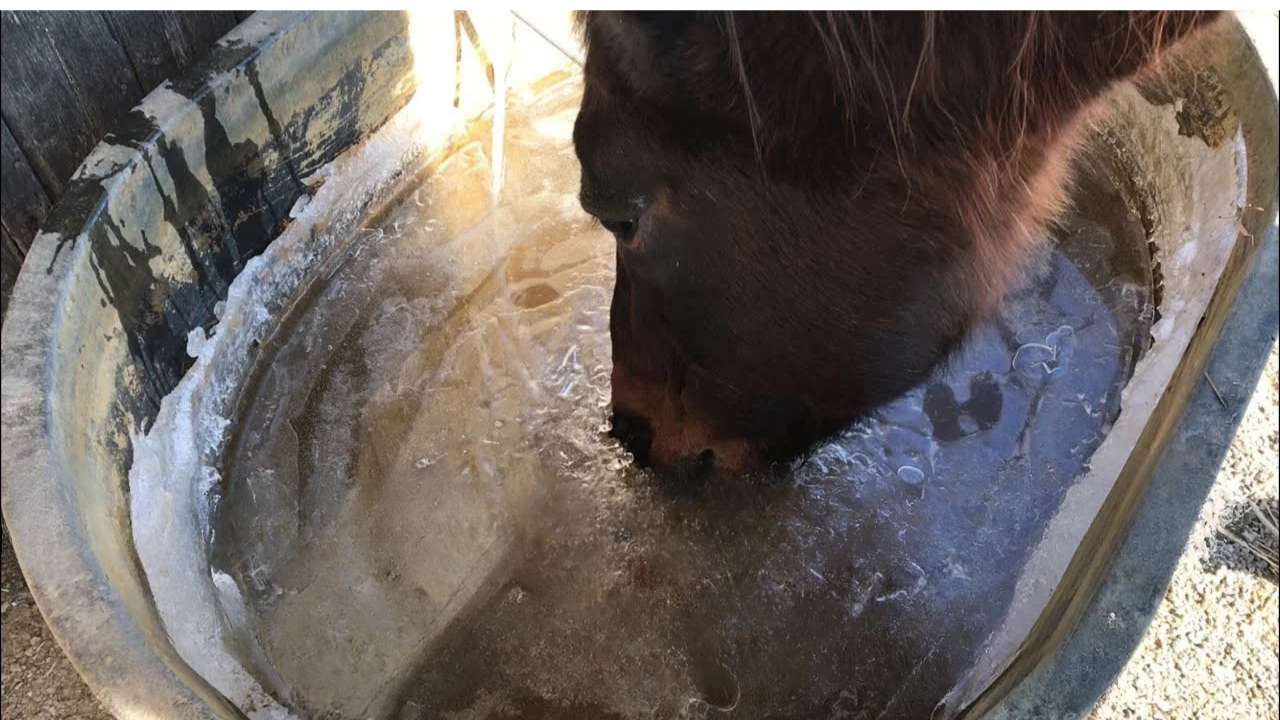
If you keep chickens, goats, rabbits, or even just outdoor pets, cold snaps punish bad routines. Waterers freeze, bedding gets damp, and ammonia builds up when vents are shut “to keep it warm.” You’ll also burn through feed faster, and running to the store in a storm is a lousy plan.
Set up a way to haul liquid water indoors, and keep spare heated bases or swap-in buckets where it’s safe and cords are protected. Ventilation still matters, so block drafts at animal level while leaving high vents open. The cheap option of adding more dry bedding is often enough, as long as you stay ahead of moisture.
Do a quick walk-around on the first calm day before the real cold locks in. Listen for the whistling air, look for dripping, check where water goes when it melts, and test the stuff you’re counting on in a blackout. The goal isn’t perfection, it’s getting through the stretch without a surprise flood or a dead furnace.
Like Fix It Homestead’s content? Be sure to follow us.