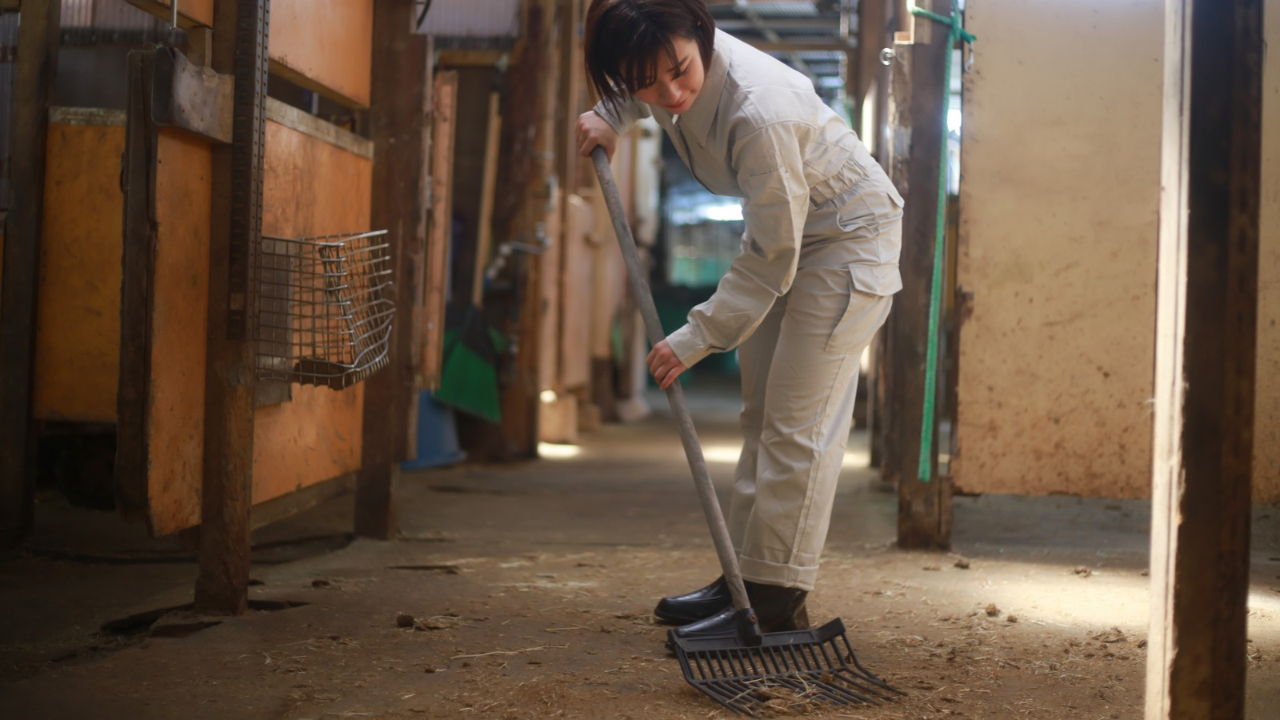
10 Barn Jobs That Get Twice as Hard in November
Photo credit: yamasan0708/Shutterstock.com
November is when the barn stops being a place you pass through and turns into a place you work in, a lot. Days get short, mornings get slick, and every “I’ll do it later” job suddenly has a deadline. The same chore you knocked out in an hour in September can eat a whole afternoon once cold, mud, and frozen hardware show up.
1. Chasing Leaks During Cold Rains
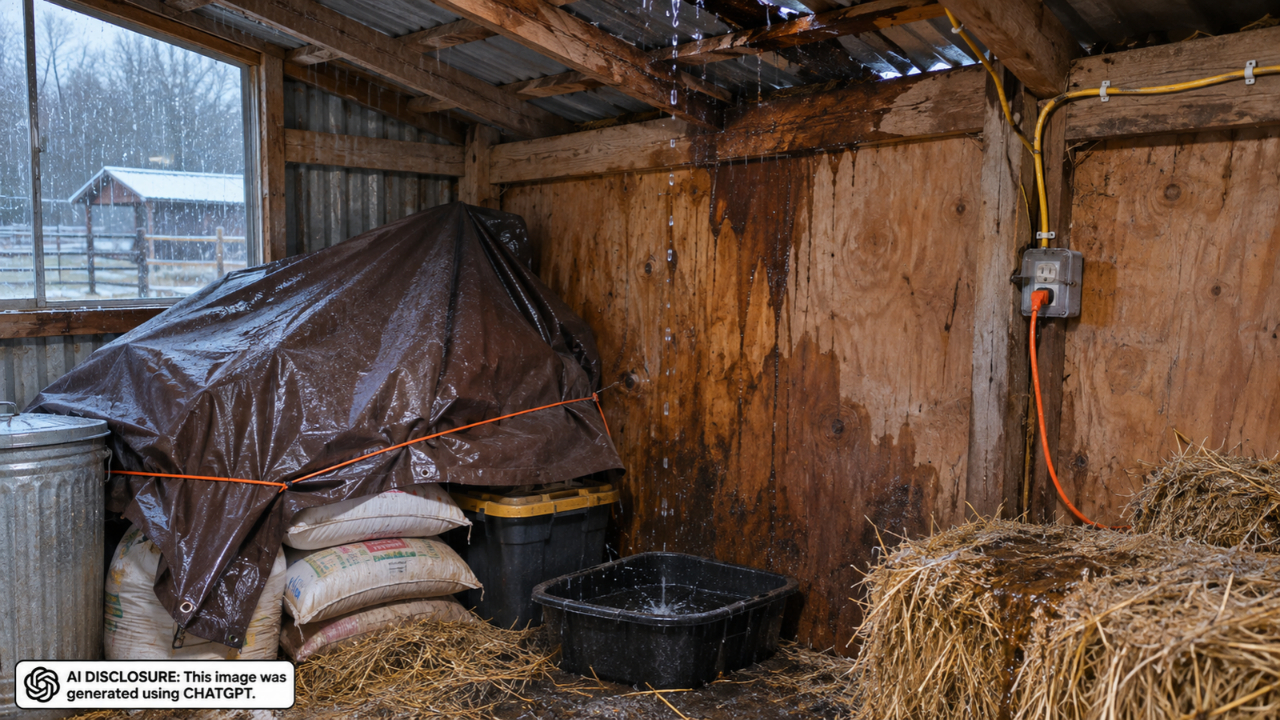
You can ignore a tiny roof drip in summer and get away with it. In November, that drip finds the one spot over your feed, bedding, or electrical run, and it does real damage fast. Wet hay and grain clump, mold starts, and plywood swells like a sponge.
Patch jobs also fail more in cold weather. Many sealants and roof coatings need decent temps to cure, and wet surfaces do not help. If you can’t do a proper repair yet, at least get water away from stored feed with a tarp that’s pitched tight, then plan a dry day fix with the right materials for your roof type.
2. Fighting Frozen Hoses And Hydrants
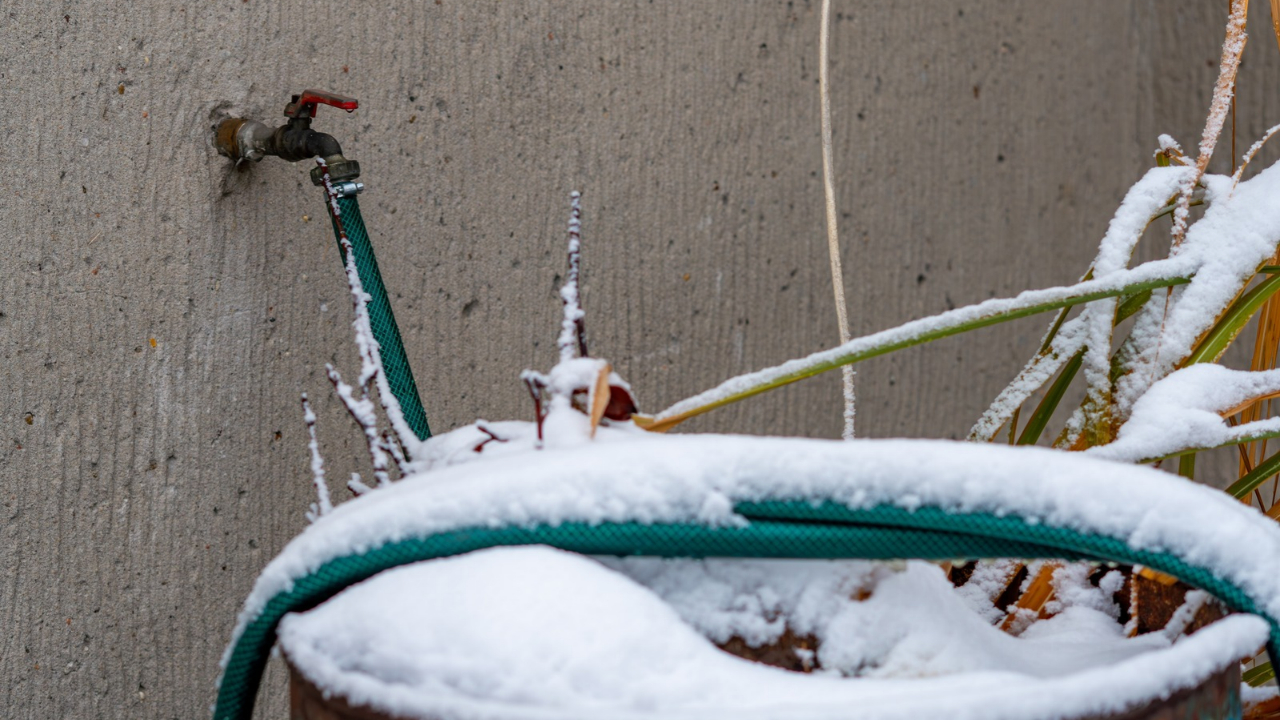
Dragging hoses around in November feels fine until the first hard freeze. Then you’re hauling a stiff plastic snake that wants to kink, crack, and whip mud everywhere. If you leave it charged with water, you’ll hear that ugly crunch when ice expands in a fitting.
Swap to filling buckets close to the source, or use a short leader hose you can drain and store inside. For hydrants, check that the drain-back actually works, puddling around the base is a warning sign. If a hydrant is installed wrong or won’t drain, that’s a dig-and-fix job, and calling before you dig is not optional.
3. Cleaning Stalls When Everything Sticks
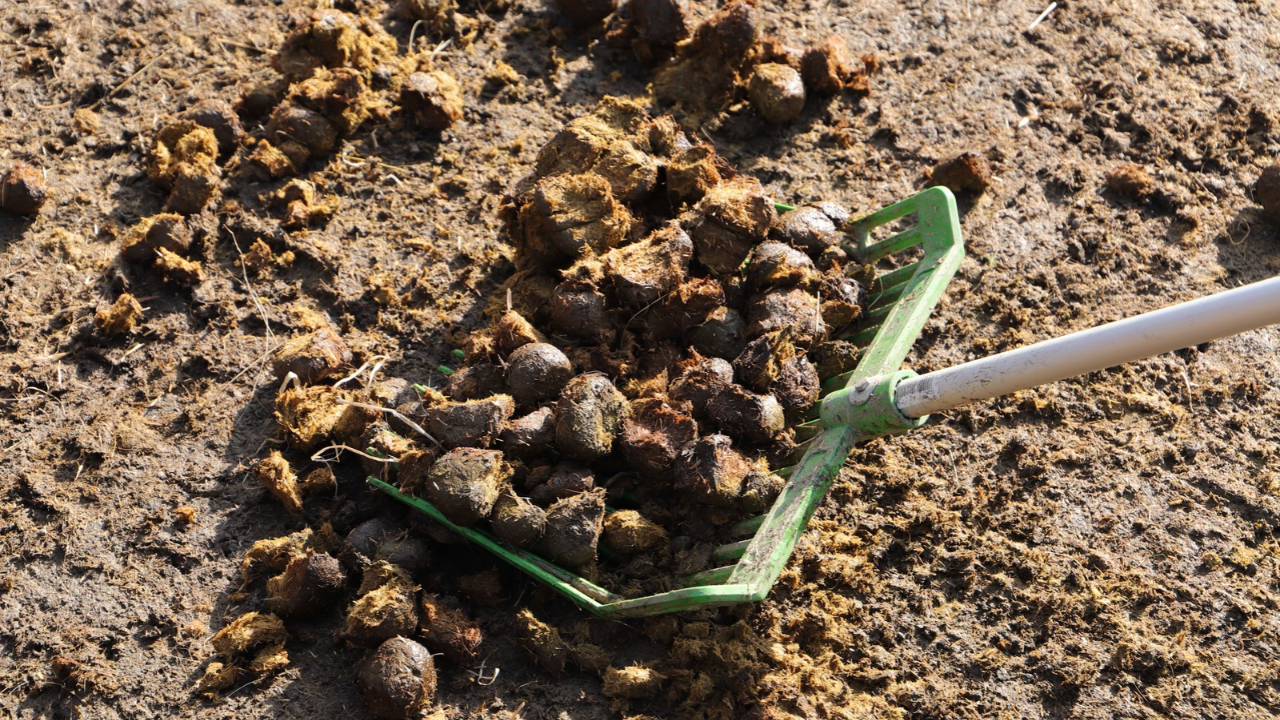
Manure and wet bedding turn into glue once nights get cold. Fork tines don’t slide under it, the wheelbarrow bogs down, and the whole job doubles because you’re scraping instead of lifting. If you have mats, that edge buildup becomes a stinky, frozen ridge you can’t ignore.
Go after moisture, not just mess. Add more dry bedding than you think you need, fix drippers at waterers, and keep a flat shovel or manure scraper handy for the “stuck layer.” If you compost, start a new pile spot with better access now, because pushing a loaded barrow through November ruts is a losing game.
4. Changing Equipment Oil Too Late
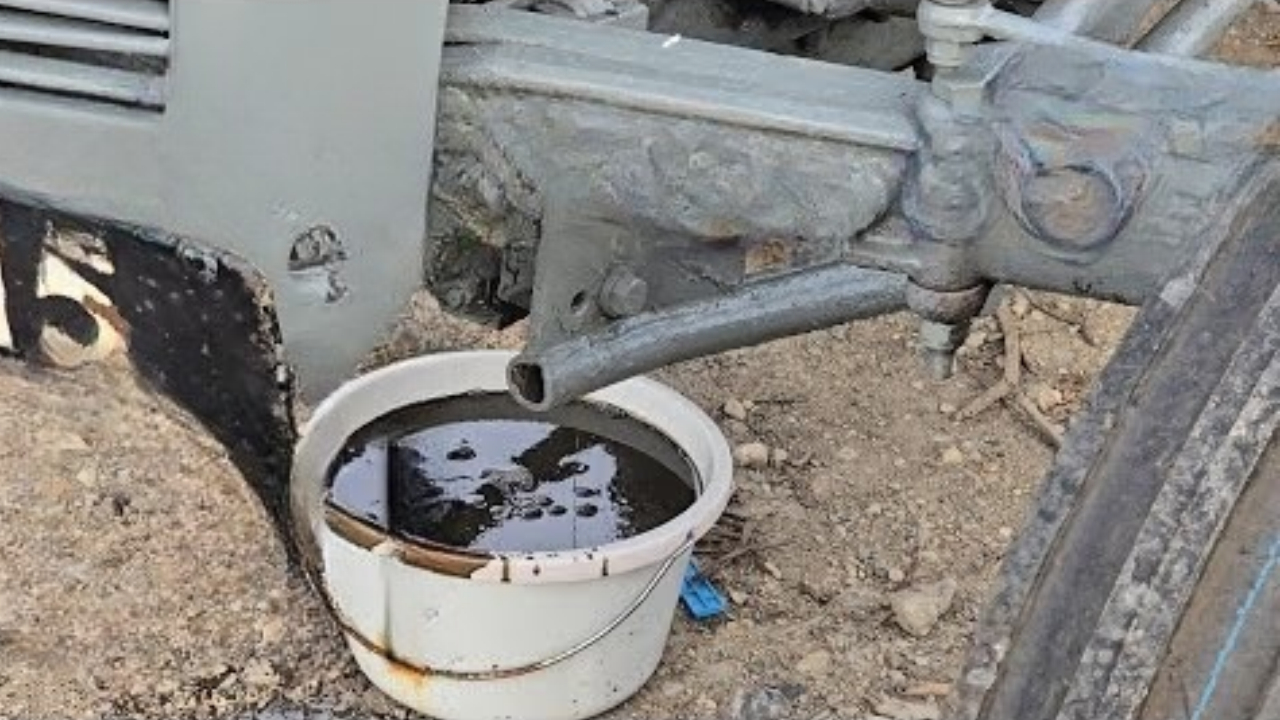
The tractor starts slow, the skid steer groans, and the old oil turns thick like syrup. November is when neglected fluids show up as hard starts and weak hydraulics, right when you need the machine to move bedding, plow snow, or haul firewood. A dead battery in the cold is annoying, but thick oil can make it feel like the whole engine is tired.
Check the manual for cold-weather oil grades and service intervals, then do it before real winter hits. If you’re not comfortable with filters, drain plugs, and proper disposal, pay a shop once and be done with it. An exception: if your equipment is only used lightly and stored heated, switching grades may not matter, but old, dirty oil still does.
5. Untangling Extension Cords In The Dark
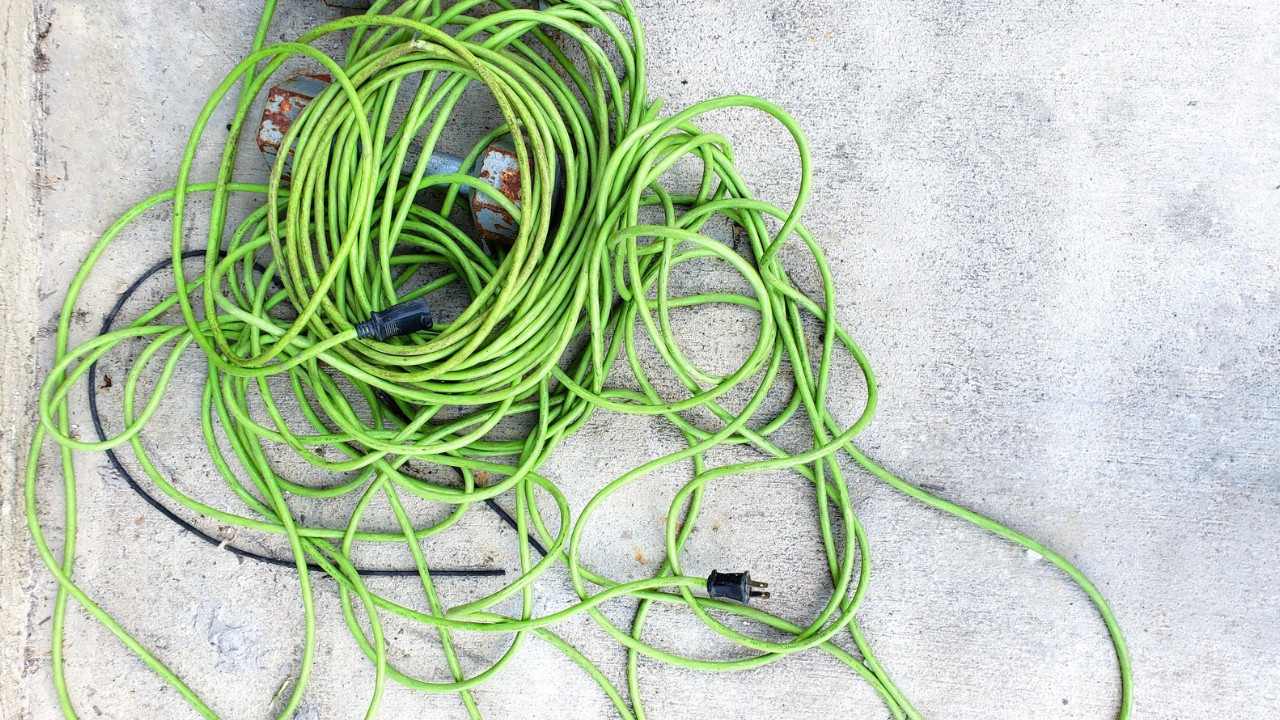
November brings early sunsets and a sudden need for light at chores. People grab the nearest extension cord, run it through a doorway, and hope for the best. Then the cord gets pinched, insulation cracks in the cold, and you’re one puddle away from a bad day.
Mount a couple of proper outlets where you work, even if it’s just one GFCI-protected receptacle installed by a licensed electrician. If you must use a cord, use a heavy outdoor-rated one, keep connections off the ground, and don’t daisy-chain power strips. Anything involving new circuits, panels, or unknown wiring is pro territory.
6. Letting Gutters Dump At The Barn Door
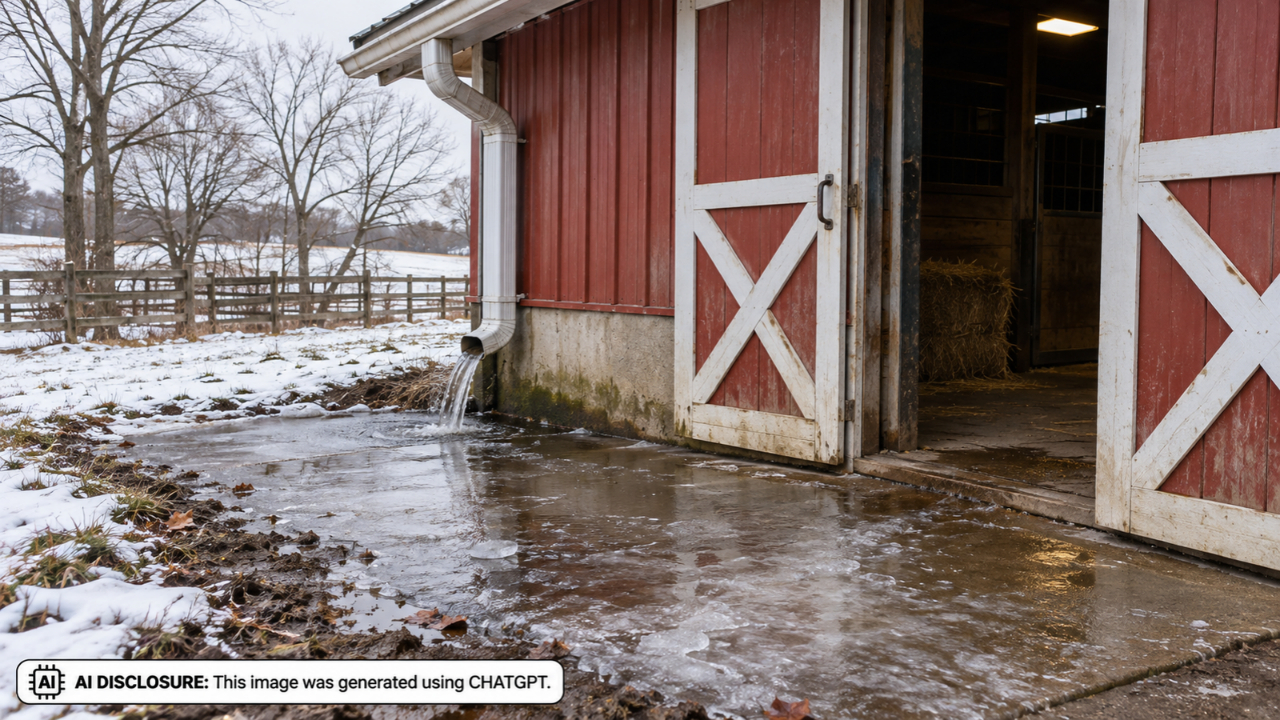
Roof water has to go somewhere. In November, that “somewhere” becomes an ice rink right where you carry feed or lead animals through. You’ll see it as a dark wet strip in the day, then hit it at night and wonder why your boots suddenly have no traction.
Clean gutters before the last leaves finish dropping, and extend downspouts so water doesn’t land on your main path. A cheap splash block works for a while, but a real extension that sends water out and away is better. If grading is wrong and the whole area holds water, that’s a larger fix, but even a temporary channel can buy you time.
7. Replacing Fence Parts After Ground Freezes
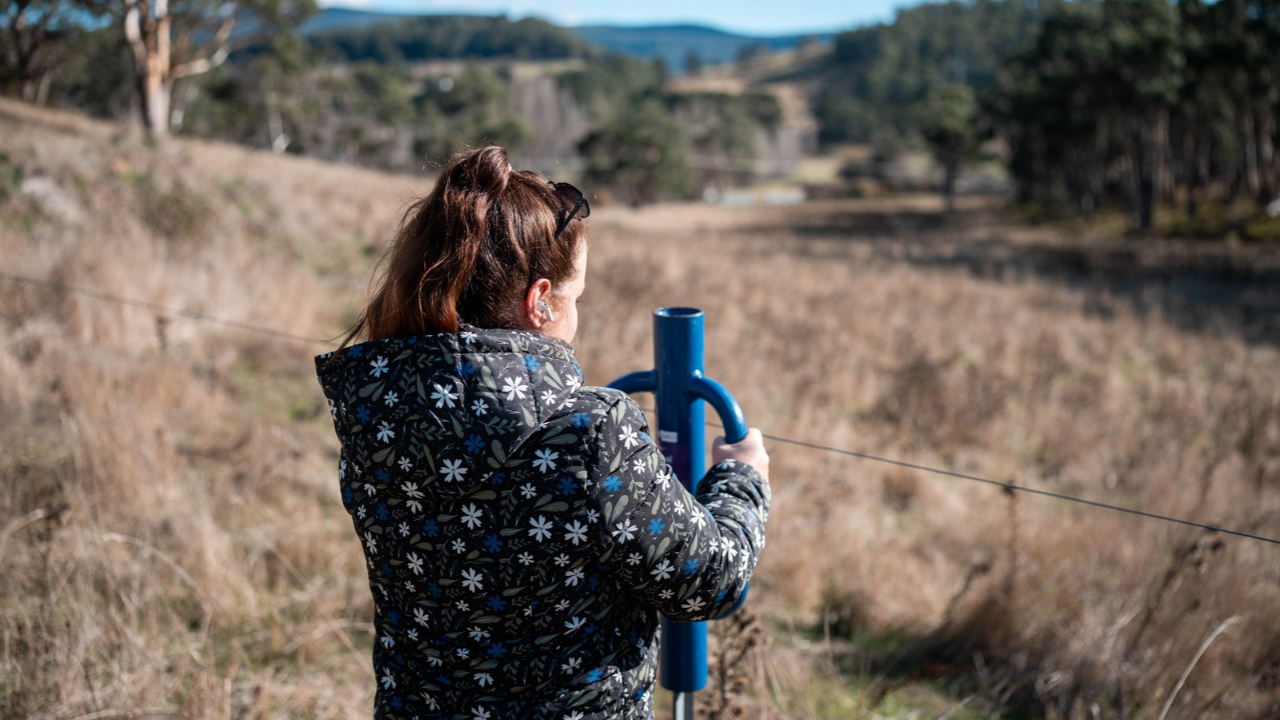
Posts that wobble in October become a full fence failure once the ground locks up. Driving a new post into frozen soil is miserable, and digging a proper hole turns into pickaxe work. Meanwhile, animals find weak spots faster when forage is gone and they’re pacing.
Do the easy fixes now. Tighten sagging wire, replace broken insulators, and set a couple of bracing posts before freeze. If a full line needs new posts and you’re already late, consider temporary step-in posts and hot wire as a stopgap until spring, as long as your charger and grounding are solid.
8. Hauling Feed Wrong And Paying For It
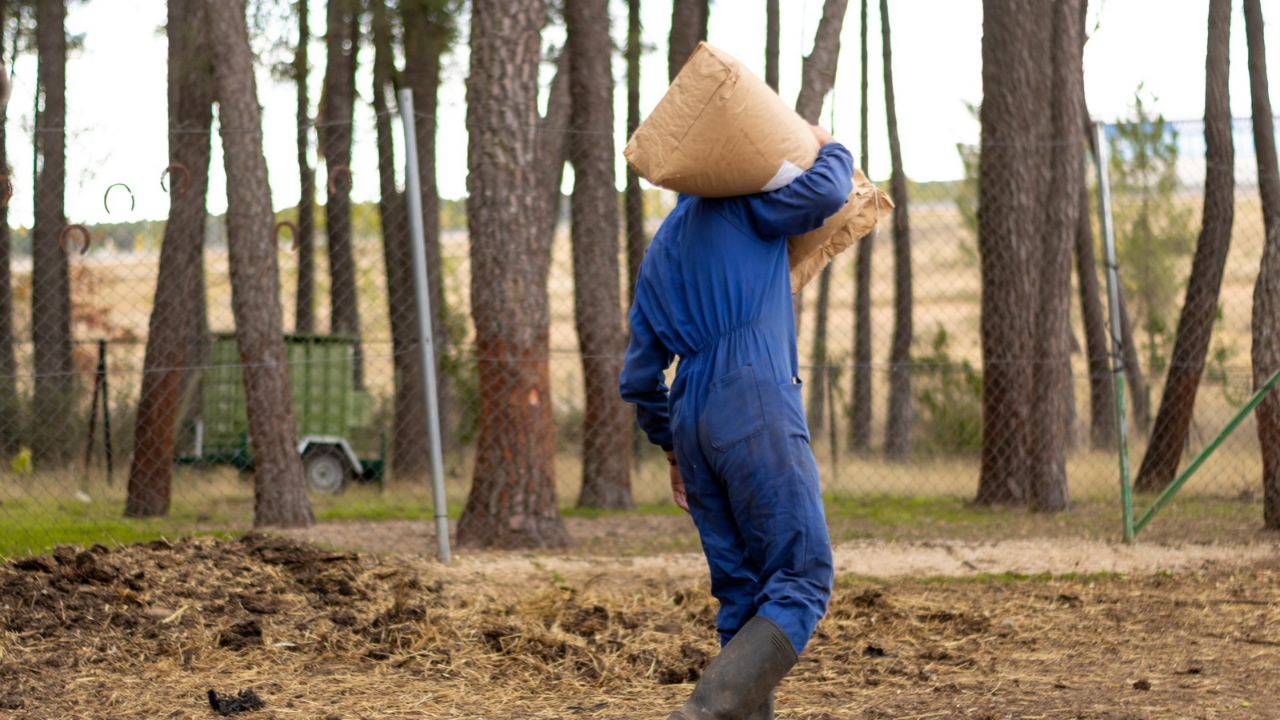
November feed runs feel heavier because paths are slick and your hands are numb. One bad carry from the truck to the feed room can tweak your back and ruin the rest of the season. Bags also tear easier when they’re stiff from cold, and spilled grain in the mud is money gone.
Move feed with a cart that has tires meant for rough ground, not tiny hard wheels. Store bags on pallets so they don’t wick moisture, and put a tight lid on bins to keep humidity and rodents out. If you can only do one thing, make the walk from truck to storage as smooth as you can.
9. Ignoring Rodent Gaps Until Nesting Starts
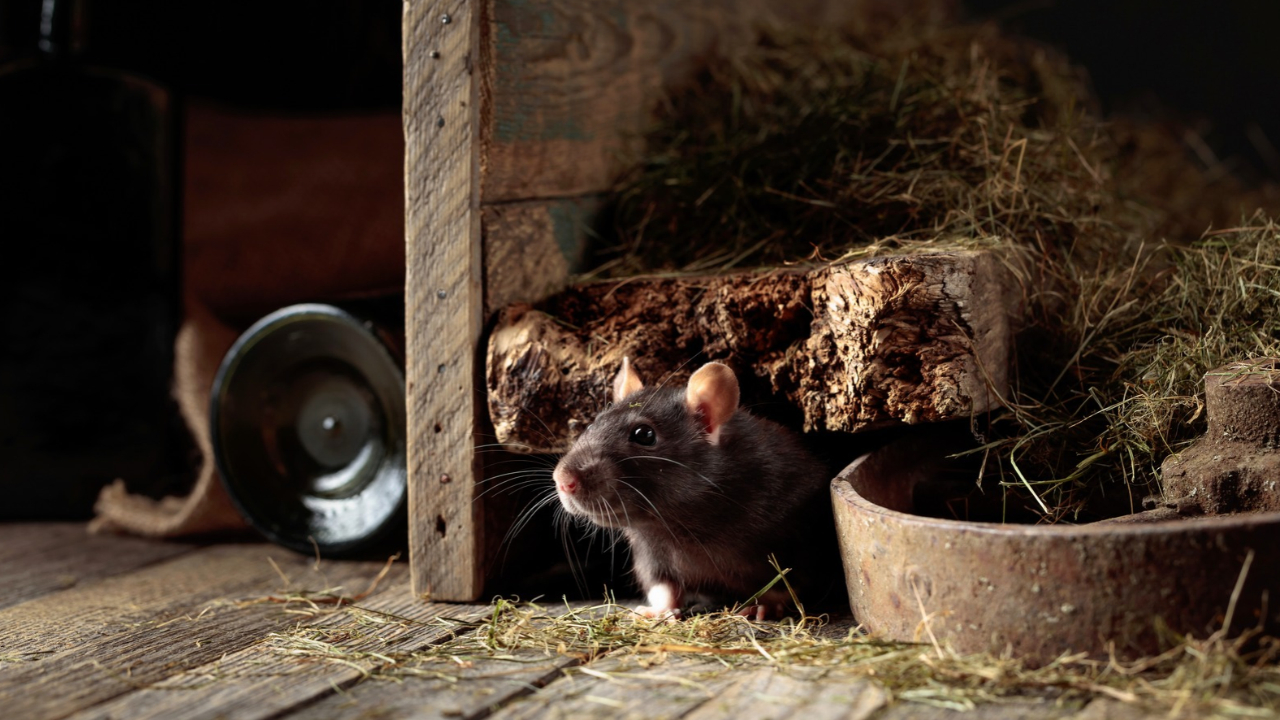
Cold pushes mice and rats indoors, and barns are basically an invitation. The work gets twice as hard once they’ve built nests in insulation, chewed wiring, and set up shop behind feed. You’ll notice the shredded paper, droppings on ledges, and that sharp ammonia smell in corners.
Start with exclusion. Patch holes with metal, not foam alone, and fix door sweeps so light doesn’t show under the door. Snap traps in protected boxes work well in barns where pets and livestock are around, and bait stations need careful placement and label-following. If you’ve got heavy activity, a pro can knock it down faster than piecemeal trapping.
10. Storing Batteries In Unheated Corners
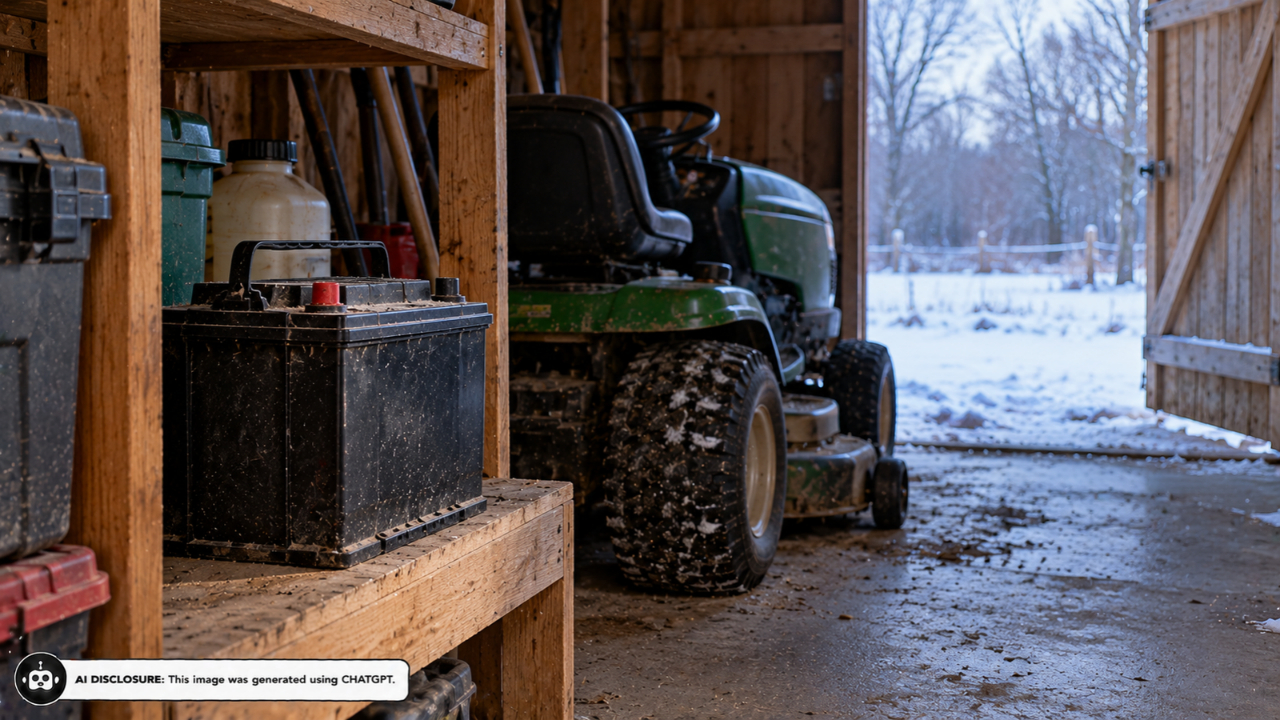
Batteries act like they’re fine until the first real cold snap, then they quit without warning. That means the tractor won’t start, the ATV is dead, and the charger is buried somewhere behind summer gear. Cold slows the chemistry, and a weak battery becomes a useless battery.
Clean terminals, top off electrolyte if you have serviceable lead-acid batteries, and put them on a proper maintainer in a spot that stays above freezing. If you can’t bring them inside, at least keep them charged and off bare concrete. A cheap multimeter is enough to spot a battery that’s fading before it strands you.
Get ahead of the jobs that turn nasty once freeze and darkness settle in. An hour spent on daylight prep in November saves you three hours of wrestling cold tools in December, and it keeps the barn calmer for you and everything that depends on you.
Like Fix It Homestead’s content? Be sure to follow us.