10 Things That Make an Outage Worse Than It Needs to Be
Photo credit: M-Production/Shutterstock.com
Power goes out, a pipe bursts, the well quits, a storm drops trees across the drive. The outage itself is bad enough. What makes it ugly is the scramble, the shortcuts, and the stuff you meant to do last weekend. A little planning and a few hard rules keep a rough day from turning into a week of damage.
1. Waiting Too Long To Act
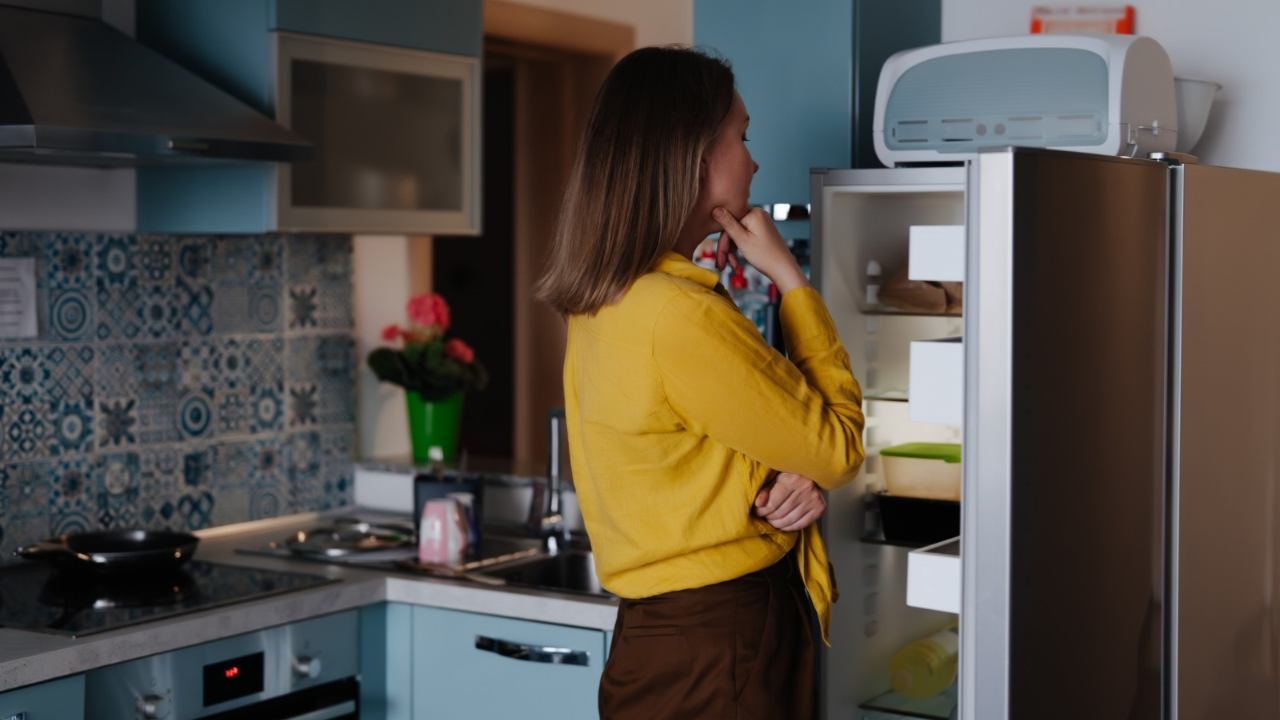
People tend to sit tight and hope it comes back on its own. Meanwhile the freezer warms, the basement creeps toward a flood, and your phone battery bleeds out while you scroll for updates. The first hour is when small moves buy you the most time.
Start by checking what actually failed, one quick lap through the house and outbuildings. Shut off water to a broken line, close freezer lids, and pull flashlights out now, not after dark. If the outage is weather-related, take five minutes to bring in anything that’ll blow away and block a downspout that’s dumping next to the foundation.
2. Running A Generator With No Plan
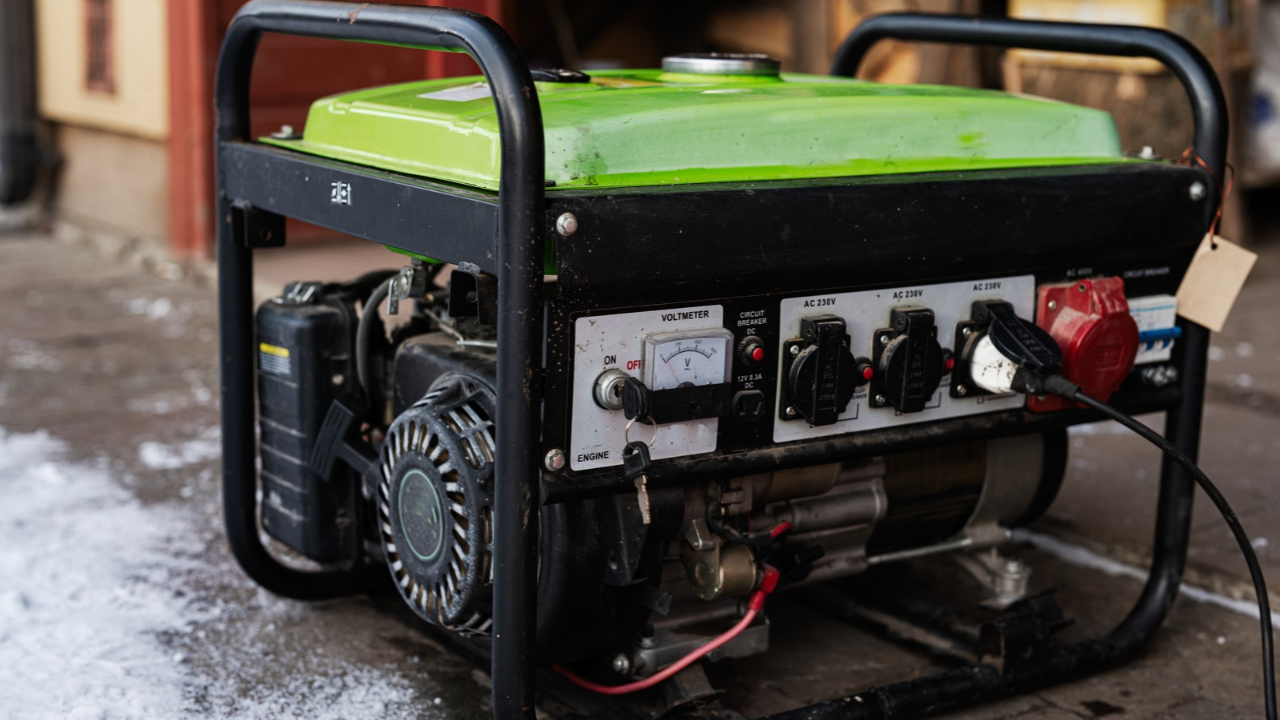
The panic move is to drag the generator out, dump in gas, and start plugging in whatever reaches. That’s how cords melt, fridges cycle weird, and you end up with a dead generator right when you need it. You also burn through fuel faster than you expect.
Decide what you’re powering before you start it. Pick one fridge or freezer, the well pump, and a few lights, then stop. If you want the house circuits powered, that’s transfer switch or interlock territory, and a licensed electrician should handle it so you don’t backfeed the grid and hurt a lineworker.
3. Using Indoor Appliances For Heat Indoors

Cold outage, doors shut, and somebody reaches for a grill, a camp stove, or a propane heater not rated for indoor use. That’s a fast way to poison the air or start a fire. The headache and grogginess come first, and people miss the warning.
Use only heaters listed for indoor use, and still crack a window and keep a working carbon monoxide alarm. If you’ve got a wood stove, run it like you mean it, clean flue, proper clearance, and a metal ash bucket. If you don’t, focus on one room, close doors, hang blankets, and dress for it.
4. Letting The Sump Pit Run Backward
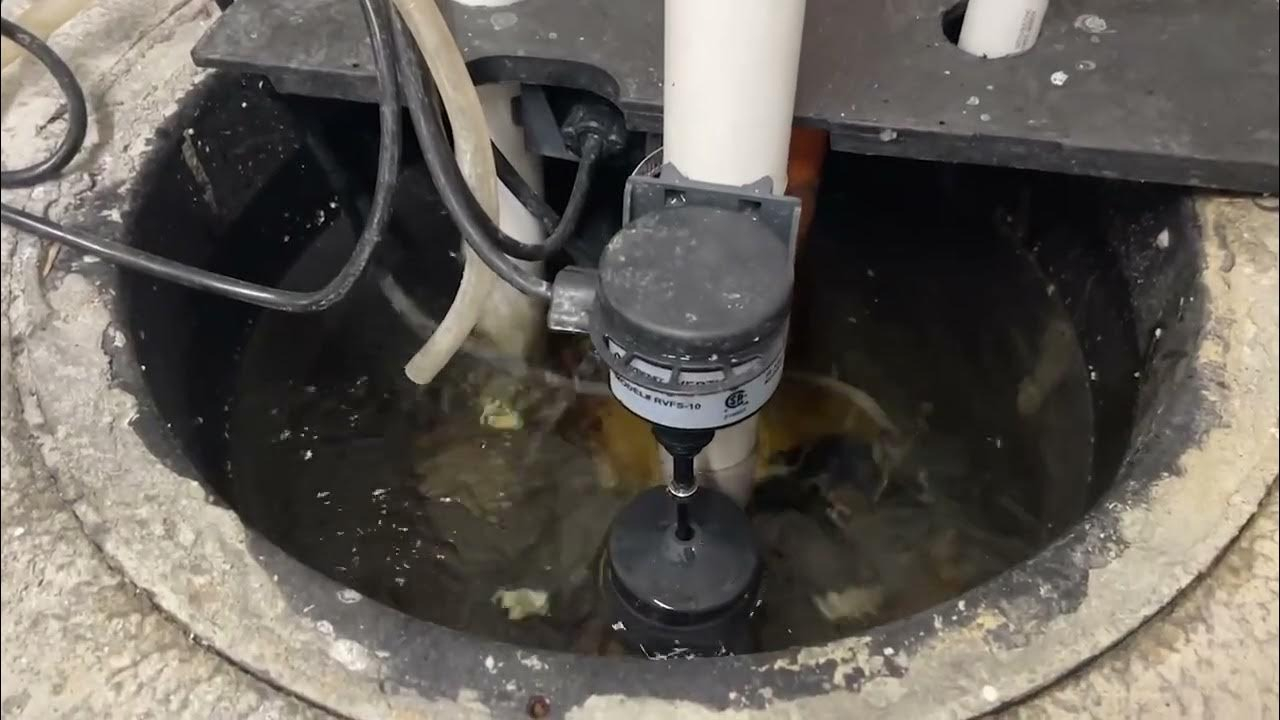
The power fails and the rain doesn’t care. If your sump pump stops, the pit fills, then the water finds the low spots, and now you’re hauling soggy boxes and ripping carpet. Even a small seep turns into a mold problem when it sits.
Have a plan that doesn’t involve wishing. A battery backup sump helps, but only if the battery is good and the check valve isn’t stuck. Keep a manual pump or a wet dry vac on a shelf you can reach in the dark, and store valuables off the floor year-round, not just when storms are in the forecast.
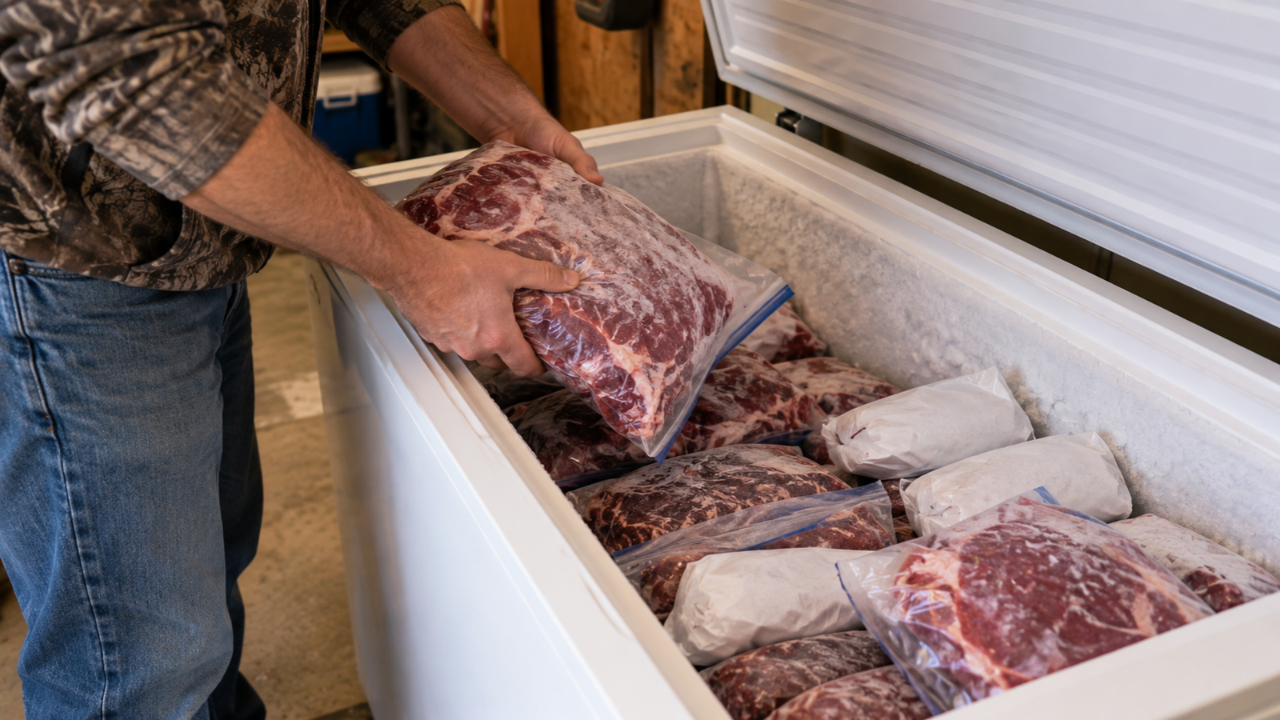
5. Ignoring The Fridge And Freezer Rules

Opening the door every 20 minutes to “check” makes the food warm faster. Then you’re cooking thawed meat on a camp stove at midnight or throwing it out and hoping nobody gets sick. It’s wasted money and stress.
Keep the doors shut. A full freezer holds cold longer than a half-empty one, so it’s smart to keep jugs of water frozen in there as cheap thermal mass. If you do have a generator, chill in batches, run the freezer hard for a while, then shut it down and let the cold coast.
6. Storing Fuel And Batteries The Wrong Way
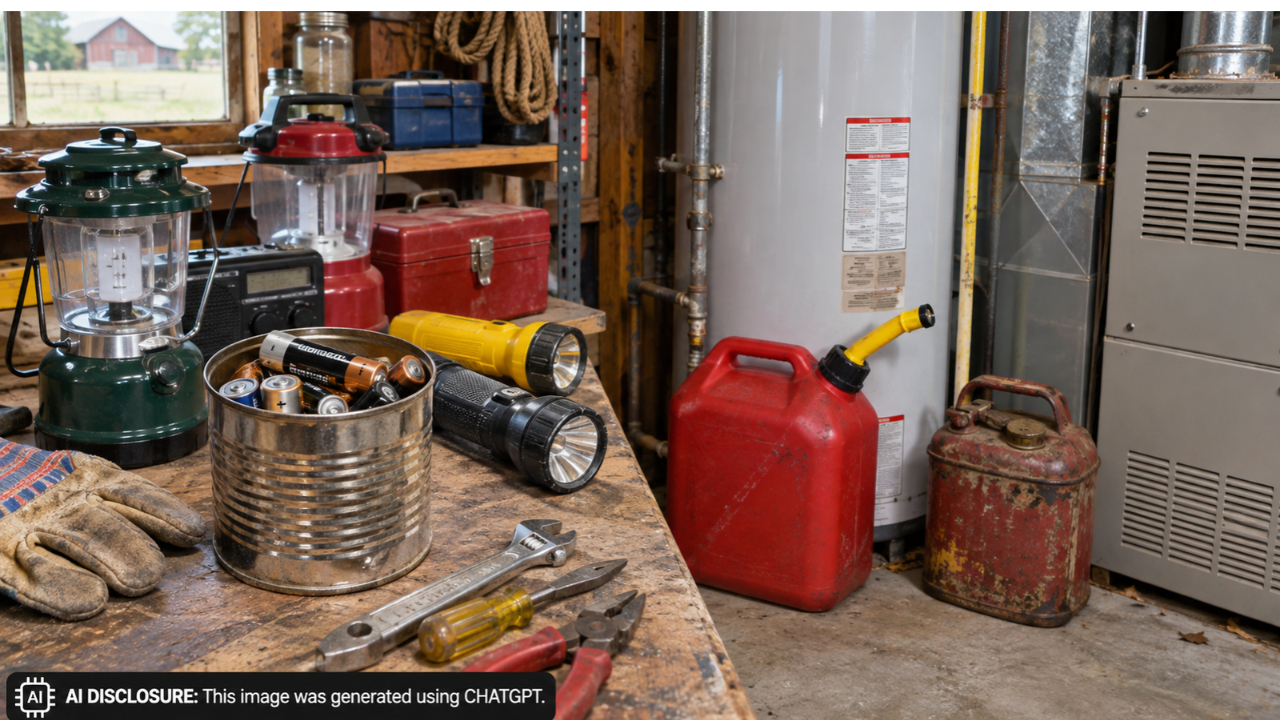
Gas cans tucked next to the water heater, old fuel left from last year, batteries tossed loose in a coffee can. Those choices show up during an outage, when nothing starts and everything smells like varnish. Bad storage also ruins expensive gear.
Keep gasoline in approved cans, away from ignition sources, and rotate it so it doesn’t go stale. Store batteries where they won’t freeze or bake, and don’t let the terminals touch metal. For tools and lanterns, label what battery type they take so you’re not tearing through drawers in the dark.
7. Skipping Water Storage And Shutoffs
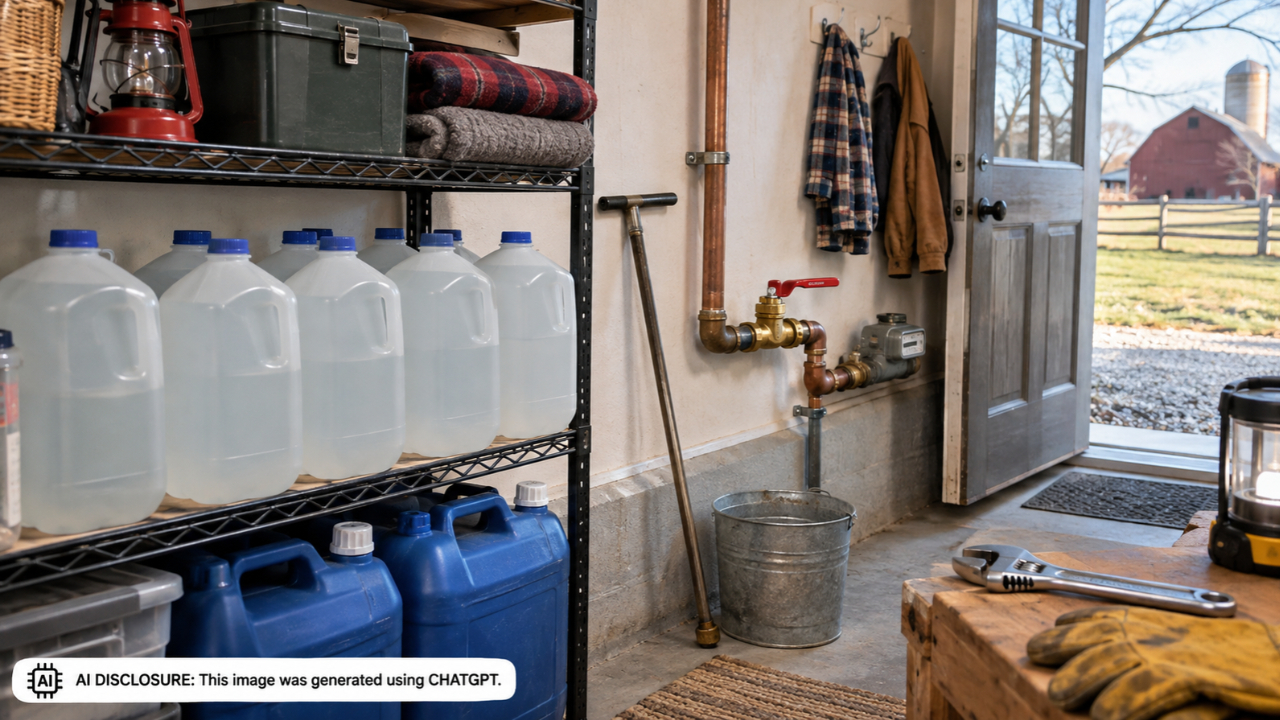
If you’re on a well, the lights out often means the water is out. If you’re on city water, a main break or boil order can put you in the same spot. Then flushing toilets turns into hauling buckets and tempers get short fast.
Keep some water on hand in clean jugs, even if it’s only enough for drinking, a quick wash, and pets for a couple days. Know where your main shutoff is and keep the right tool nearby, sometimes it’s a curb key, sometimes it’s just an adjustable wrench. If your shutoff is buried or frozen in place, get it fixed on a calm day.
8. Forgetting About The Garage Door
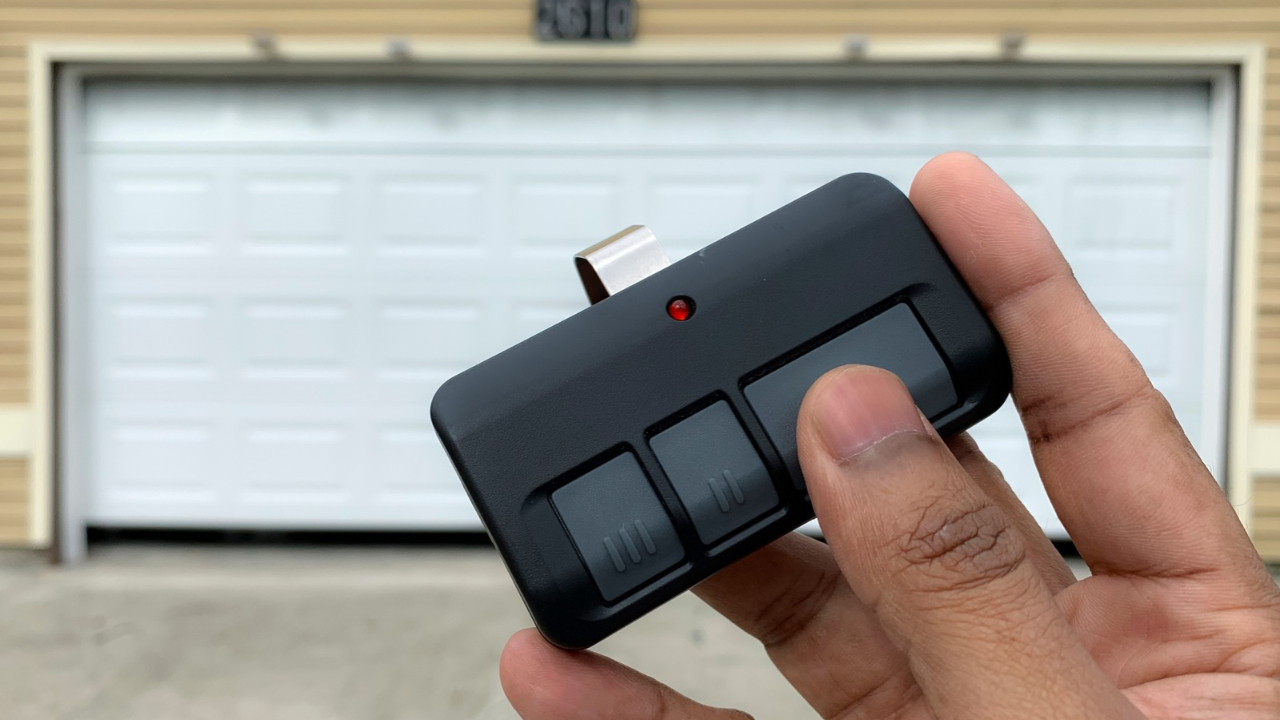
Here’s the moment you notice it, you need to get the car out and the opener just clicks. People yank, bend the top panel, or break the opener rail because they never learned the manual release. Then you’re stuck with a door that won’t open even after power returns.
Find the red release cord now, and practice when it’s daylight and you’re not late for work. If the door is heavy or binds, that’s a spring or track issue, and it’s a job for a garage door pro. Springs can hurt you, no hero stuff.
9. Making Repairs In The Dark And Wet
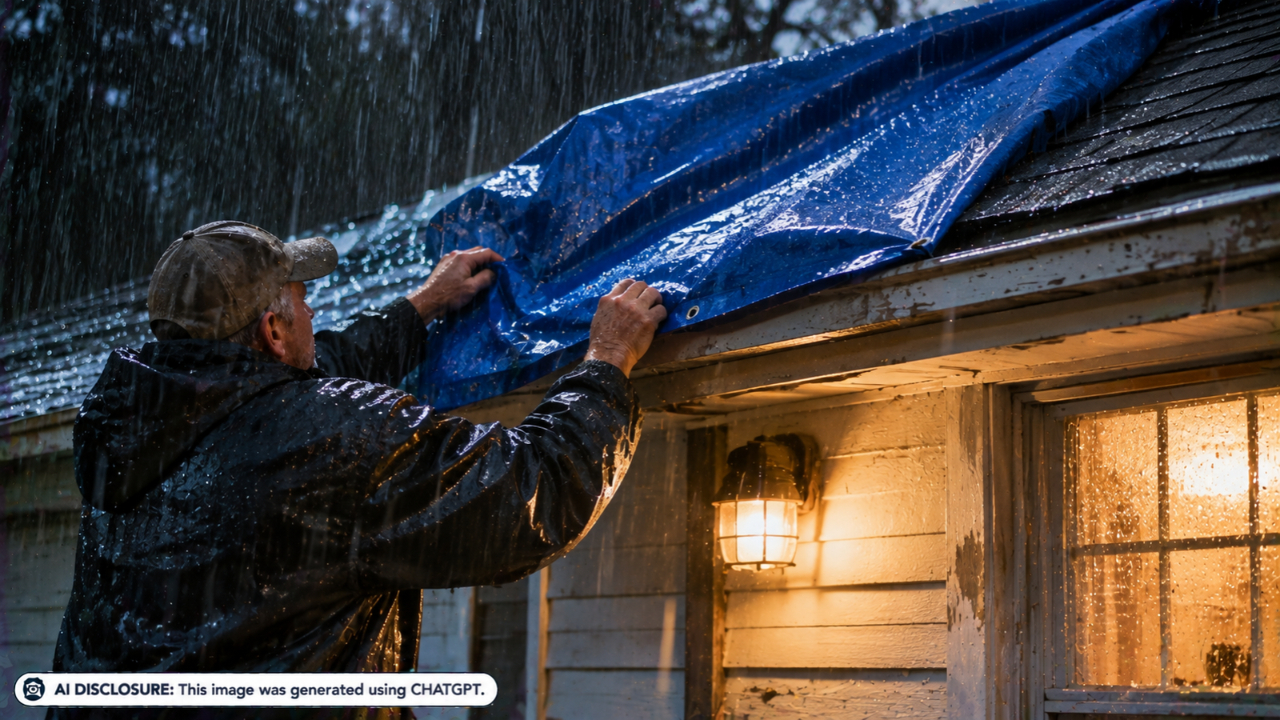
The worst time to climb a ladder is when it’s raining, the wind’s up, and you’re holding a flashlight in your teeth. Outages push people into “just get it done” mode, and that’s how you end up with a fall, a broken shingle mess, or a cut hand that won’t stop bleeding.
Stabilize the problem first. Put a bucket under a leak, throw a tarp over a spot you can reach from the ground, and wait for daylight to do anything on the roof. There’s an honest exception here, if a pipe is actively spraying inside, shutting the valve right now beats waiting, even if you’re in slippers.
10. Not Writing Down What Worked
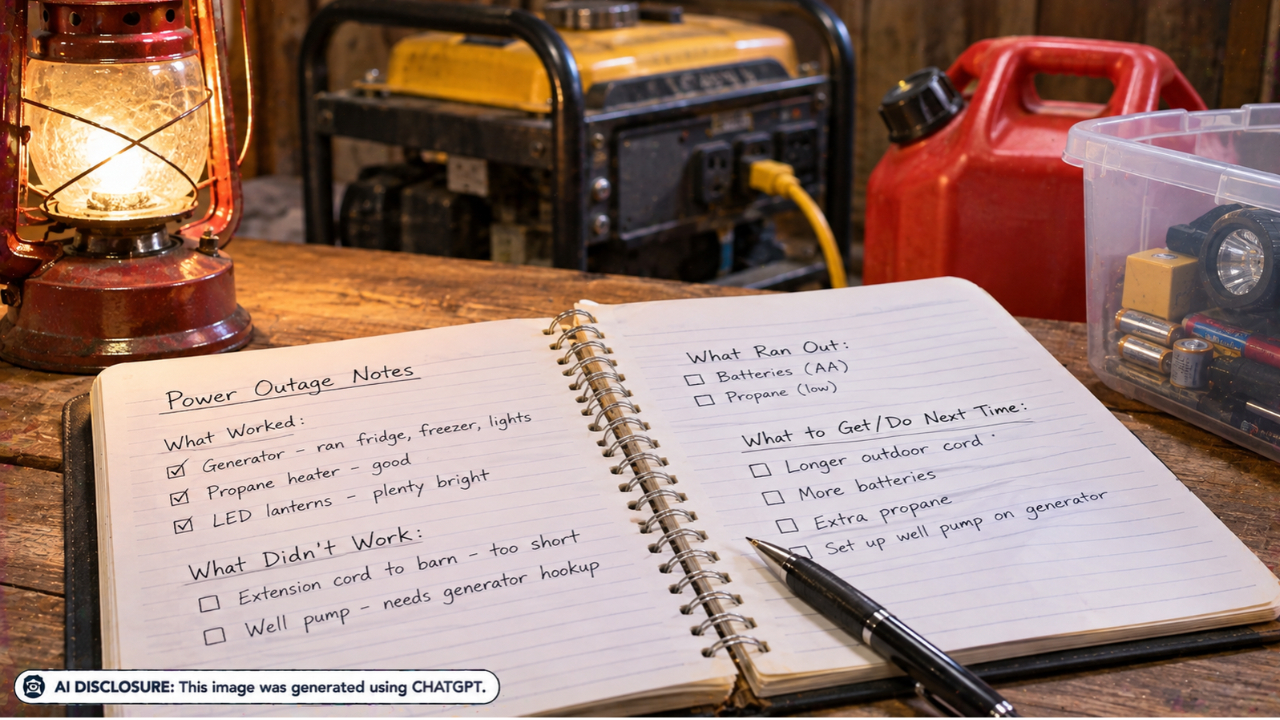
After it’s over, you’ll swear you’ll remember what failed and what you wished you had. Then six months later, the same outage hits and you’re back to guessing which extension cord reaches the freezer. The pain repeats because nothing got changed.
Keep a simple outage page in a notebook or taped inside a cabinet door. List what you powered, what tripped, what ran out, and what tool you had to borrow. Next time, you’ll spend your energy on the problem, not on re-learning your own house.
Outages have a way of showing you weak spots you didn’t know you had. Fix one or two of those before the next storm season and the whole place feels calmer when the lights blink. A quiet, boring setup beats a heroic scramble every time.
Like Fix It Homestead’s content? Be sure to follow us.