
10 Things Electricians Find in Almost Every Old Farmhouse
Photo credit: Lopolo/Shutterstock.com
Old farmhouses have a way of working, right up until they don’t. You flip a switch and hear a faint sizzle, or the lights dip when the well pump kicks on, and suddenly the “charm” feels expensive. Electricians see the same patterns over and over, usually after a small nuisance turns into a real safety problem.
1. Mixed Wire Splices In Random Boxes
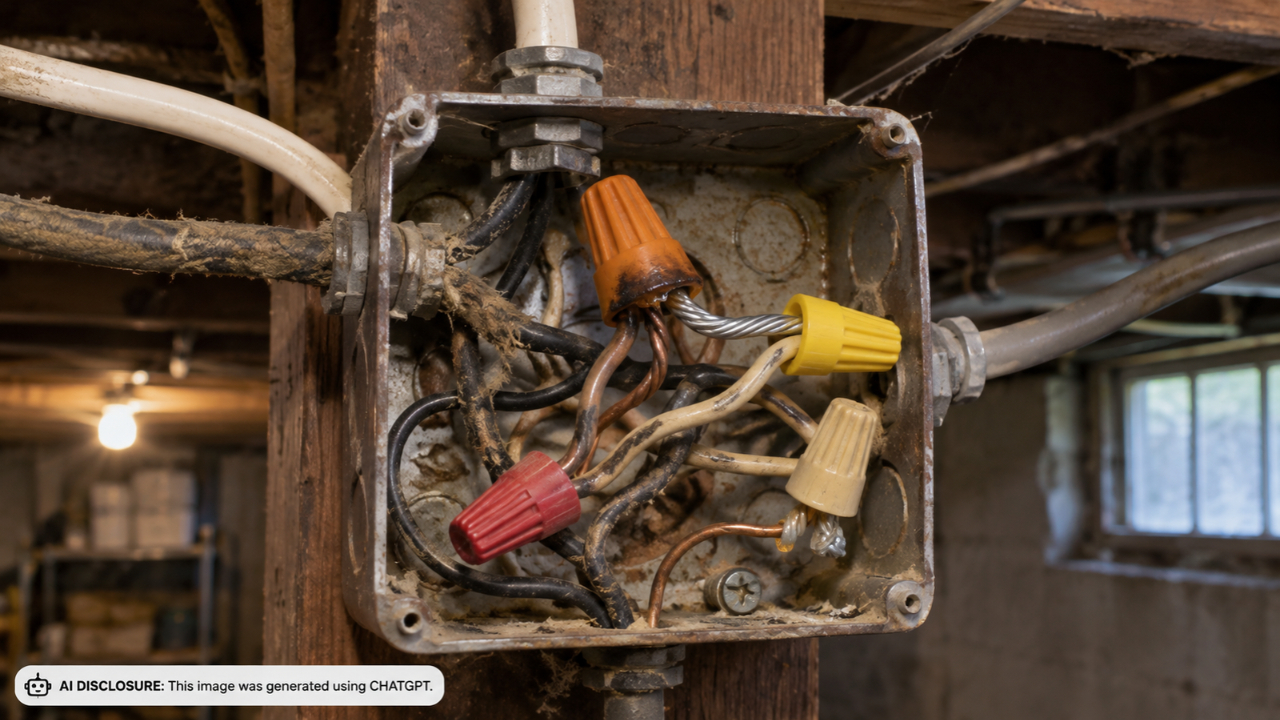
A lot of old places have copper tied to aluminum, new cable tied to old cloth wire, and splices that look like they were done during three different decades. When those connections aren’t made with the right connectors and paste, they loosen up, heat up, and start causing flickers and mystery outages. Sometimes you’ll smell a hot plastic odor near a closet or basement joist before anything trips.
This isn’t a “tighten it and move on” situation. A licensed electrician should open the boxes, identify what you’ve got, and rebuild the splices the right way, with approved connectors and proper box fill. If you’re doing any DIY in the meantime, your job is simpler, stop burying junction boxes behind drywall, cabinets, or ceiling tile.
2. Knob And Tube Still Feeding Loads
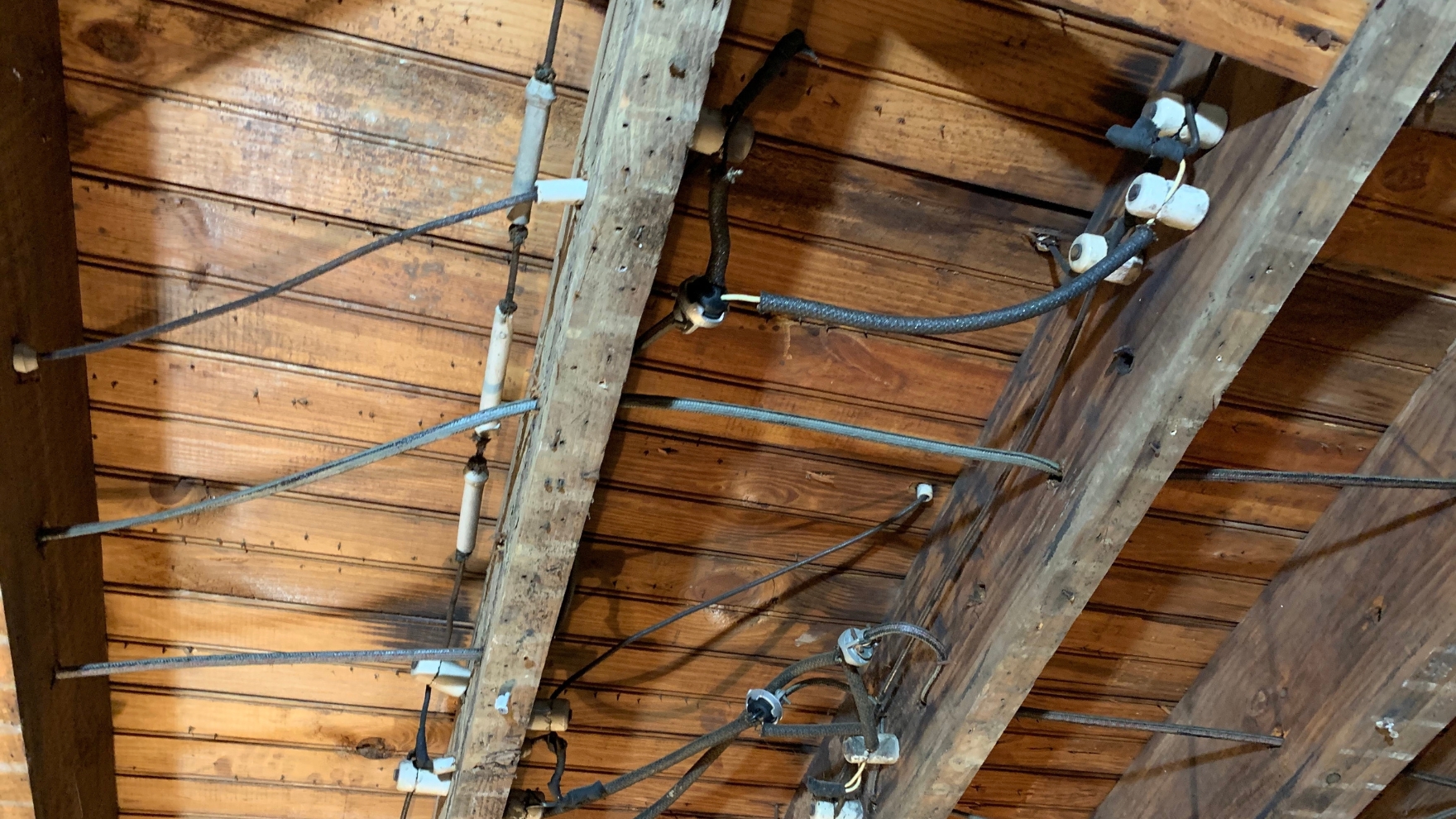
That older wiring isn’t automatically unsafe just because it’s old, but it becomes a problem when it’s been “extended” with modern cable, buried under insulation, or overloaded with today’s appliances. The classic sign is warm switches, dimming lights, or brittle insulation that flakes off when you touch it. In attics, it can be hiding under blown-in insulation where it can’t shed heat well.
If knob-and-tube is still active, get it assessed before you add circuits or insulation. Rewiring sections is often the cleanest fix, and it usually needs permits. If an electrician tells you part of it can stay for now, that can be a fair call, as long as it’s not modified, not overloaded, and not buried in insulation.
3. Two-Prong Receptacles Everywhere
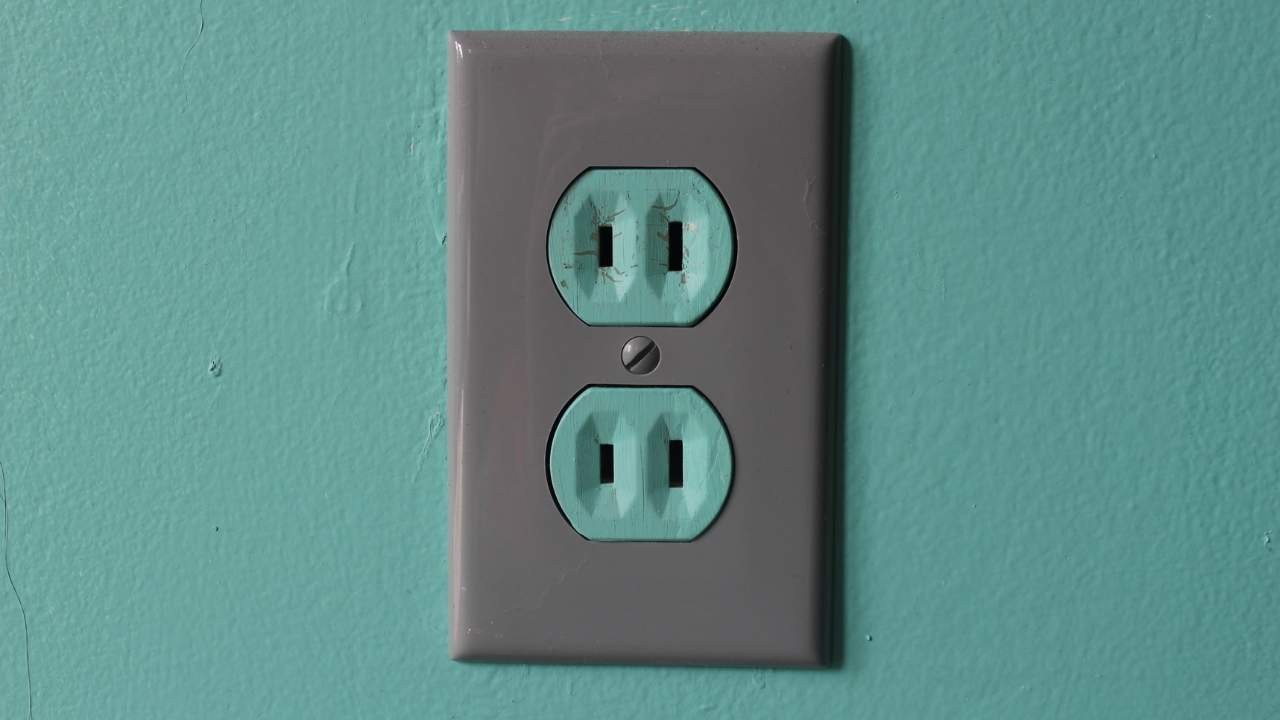
Two-slot outlets are common in old farmhouses, and they push you into bad habits fast. People use three-prong adapters, snap off ground pins, or run extension cords to the one modern outlet in the room. Then the surge strip and the computer “work,” until a fault shows up and there’s no safe path to trip a breaker.
The real fix is adding a proper equipment ground or running new cable to the locations that matter. There’s also a code-legal option that surprises people: a GFCI receptacle (or GFCI breaker) can protect a two-wire circuit even without a ground, if it’s labeled correctly. It won’t give you a true ground for surge protection, but it does add shock protection where you actually need it.
4. Double-Tapped Breakers And Crowded Panels
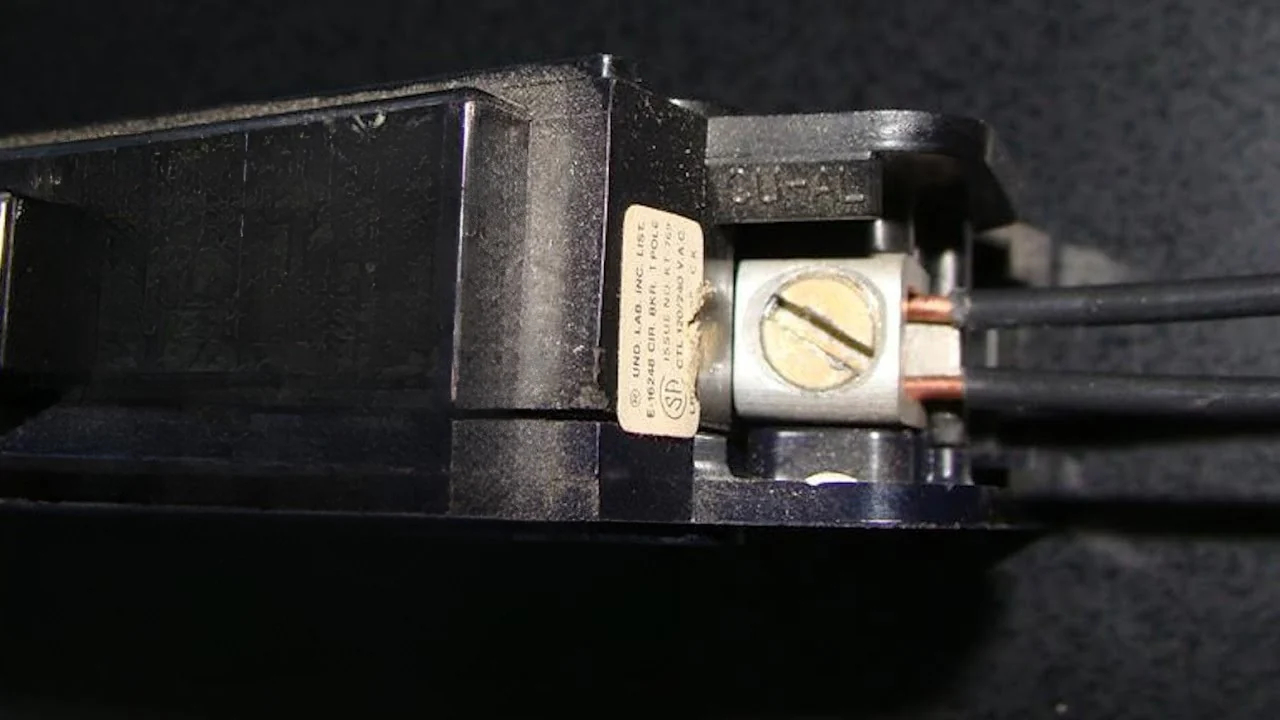
When you run out of breaker spaces, somebody gets creative. Two wires under one breaker lug, a breaker that isn’t listed for two conductors, or a tangle of neutrals stuffed under the same terminal happens a lot in “just make it work” upgrades. It may run fine for years, then act up when humidity hits or a big load starts cycling.
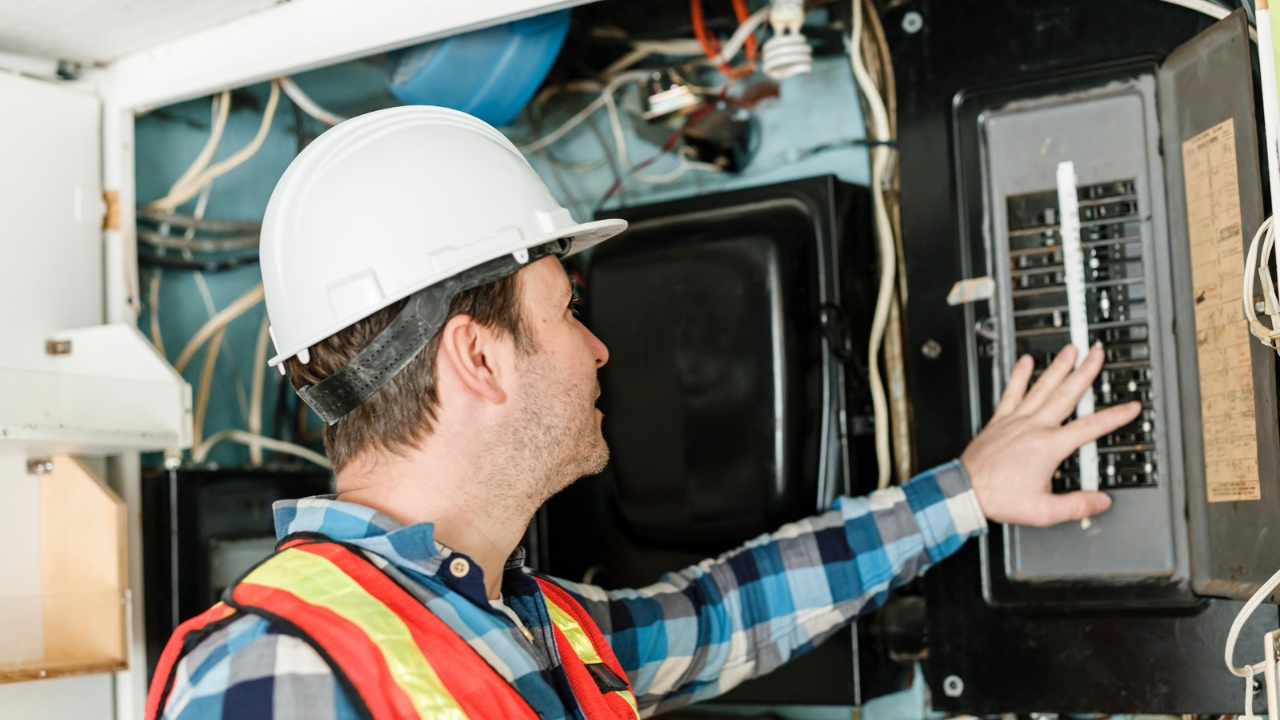
Panel work is pro territory. A licensed electrician can add a subpanel, install the right breakers, and correct neutral and ground terminations to match the panel labeling. If you’re buying a farmhouse, a crowded panel is also a resale headache, it signals more DIY electrical hiding behind the walls.
5. Mystery Circuits With No Labeling
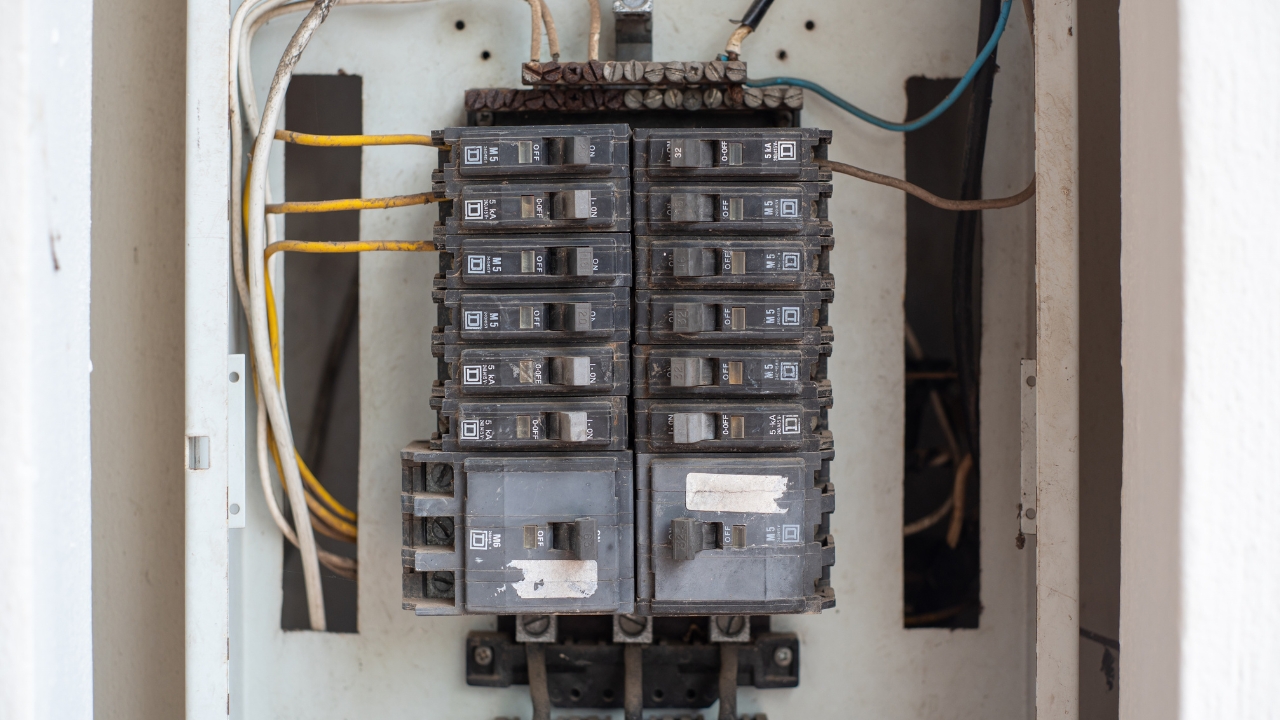
The panel directory that says “lights” and “outlets” isn’t a directory, it’s a shrug. Old homes get remodeled room by room, so the “kitchen” breaker ends up feeding a bedroom, porch light, and half the barn. This wastes time every time you try to fix a light fixture or replace an outlet, and it leads to dangerous guesses.
Spend an afternoon mapping circuits, or pay an electrician to do it with a tracer. Use a notepad, a plug-in lamp or circuit tester, and patience, then write real labels with locations. The next time a receptacle starts popping and crackling, you’ll shut off the right breaker in seconds instead of playing roulette.
6. Open Junction Boxes In Dusty Spaces
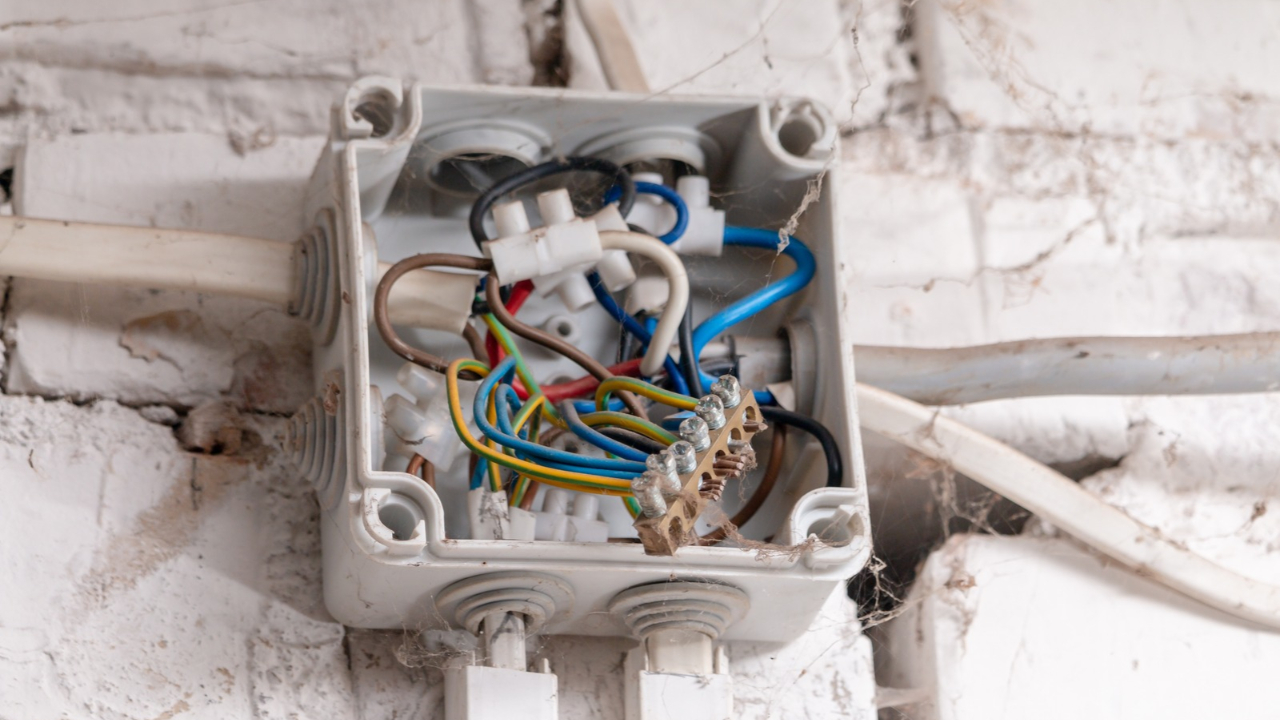
Basements and attics in old farmhouses collect dust, chaff, and mouse nesting material. Then you find a junction box with no cover, or worse, wire nuts hanging in open air. Add vibration from an old furnace blower or a slamming door, and those connections work loose.
Put covers on every box, and don’t bury boxes under insulation or behind plywood. If you find scorched wires, melted wire nuts, or crumbling insulation, stop there and call a pro. You can clean up the area with a shop vac and a respirator, but don’t tug on old conductors until somebody competent has eyes on it.
7. Bathrooms And Kitchens Missing GFCI Protection
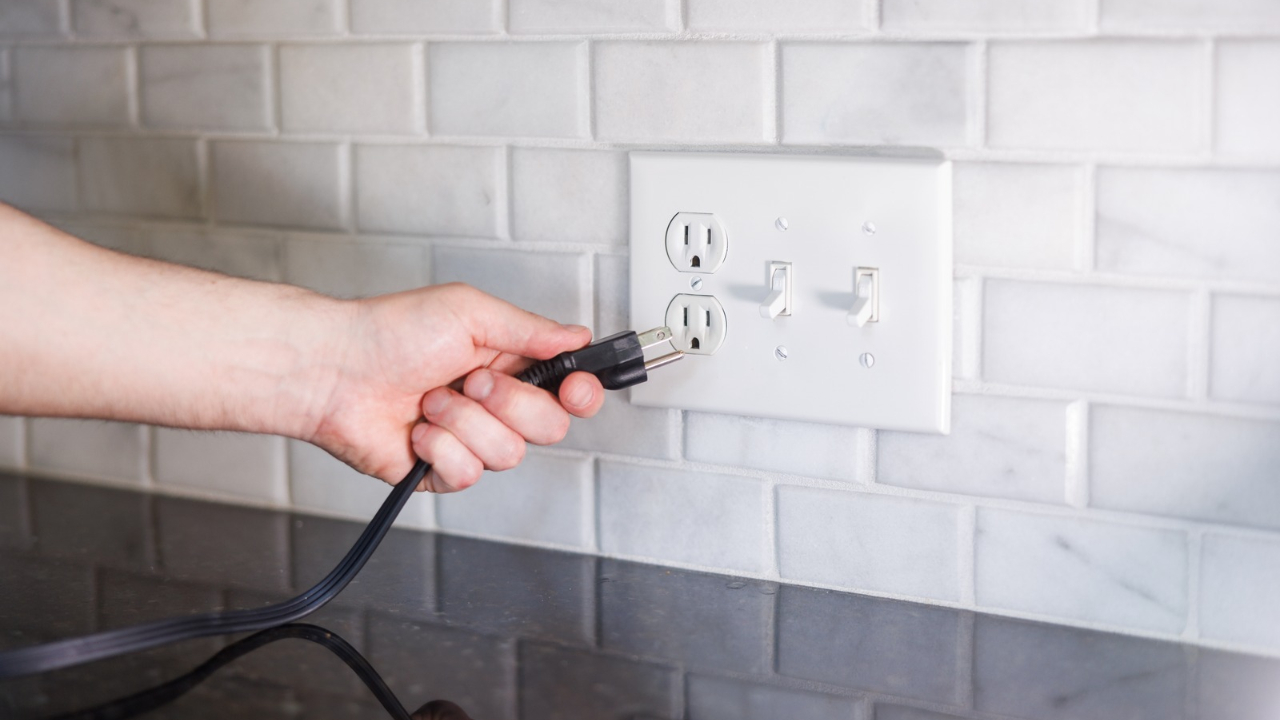
You notice this one the first time you plug in a hair dryer or an electric kettle and the outlet feels loose and tired. Older farmhouses often have standard receptacles right next to sinks, laundry tubs, or damp basement floors. Water plus old wiring habits is a bad mix.
GFCI protection is usually a straightforward upgrade, but wiring surprises are common, especially if multiple rooms are fed off one device. If you’re not confident identifying line versus load, hire it out. It’s a quick job for a pro and a smart one to do before the busy holiday cooking season or spring mud turns everything damp.
8. Undersized Service For Modern Life
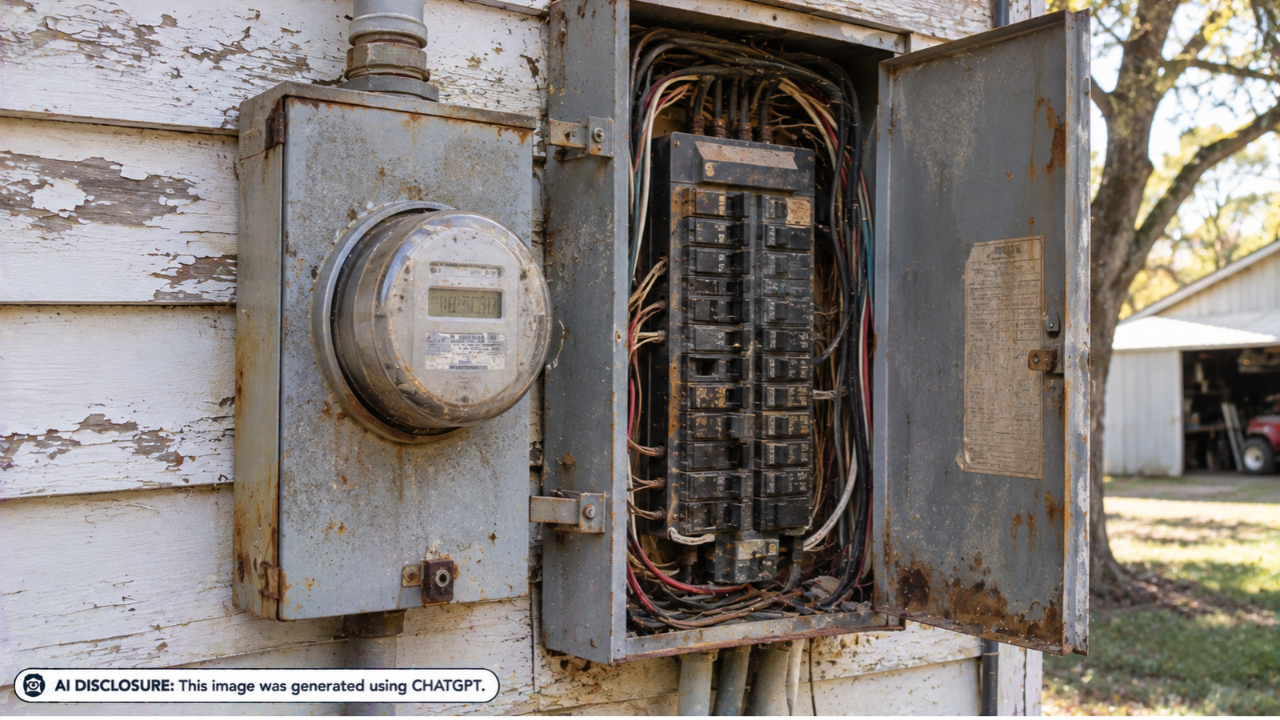
Old farmhouses were not built for heat pumps, hot tubs, electric ranges, and a welder in the shop. You see it as nuisance trips, lights dimming when the well pump starts, or a panel that’s full of tandem breakers and “just one more” additions. Sometimes the service drop and meter base are also ancient, with weather cracking and corrosion.
A service upgrade is not DIY. It involves permits, coordination with the utility, and code requirements for grounding and clearances. The payoff is less drama, safer loads, and room to add the circuits you actually want, like a dedicated freezer circuit or a proper shop feed.
9. Rodent Chew In Crawlspaces And Attics
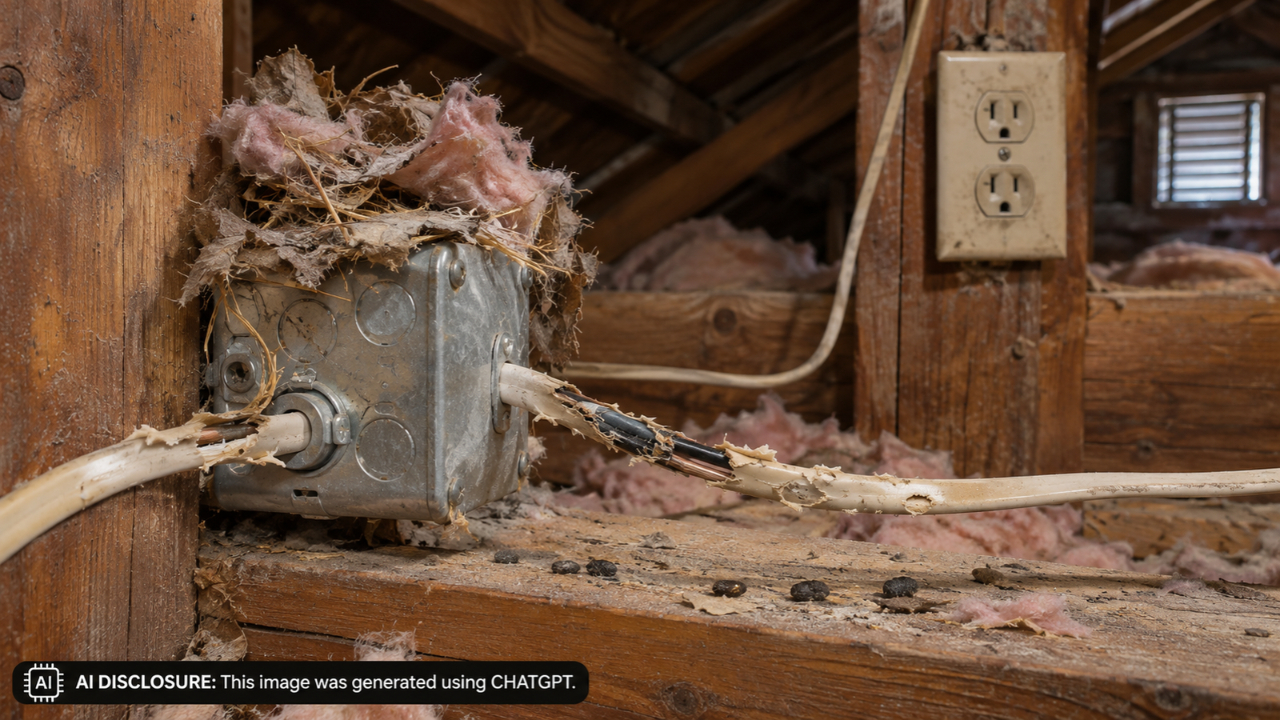
Farm country comes with mice, squirrels, and sometimes raccoons, and they love wiring. Chewed insulation, shredded cable jackets, and nests built on top of junction boxes show up a lot in attics and crawlspaces. You might first notice a dead outlet, then find tooth marks and droppings nearby.
Don’t just splice in a new piece and call it good. The real fix includes pest control and sealing entry points, then replacing damaged runs back to a safe point. Wear gloves and a respirator when you’re cleaning up, and if the damage is near the panel or in a crowded junction area, bring in an electrician.
10. Outdoor Wiring That Was Never Meant Outdoors
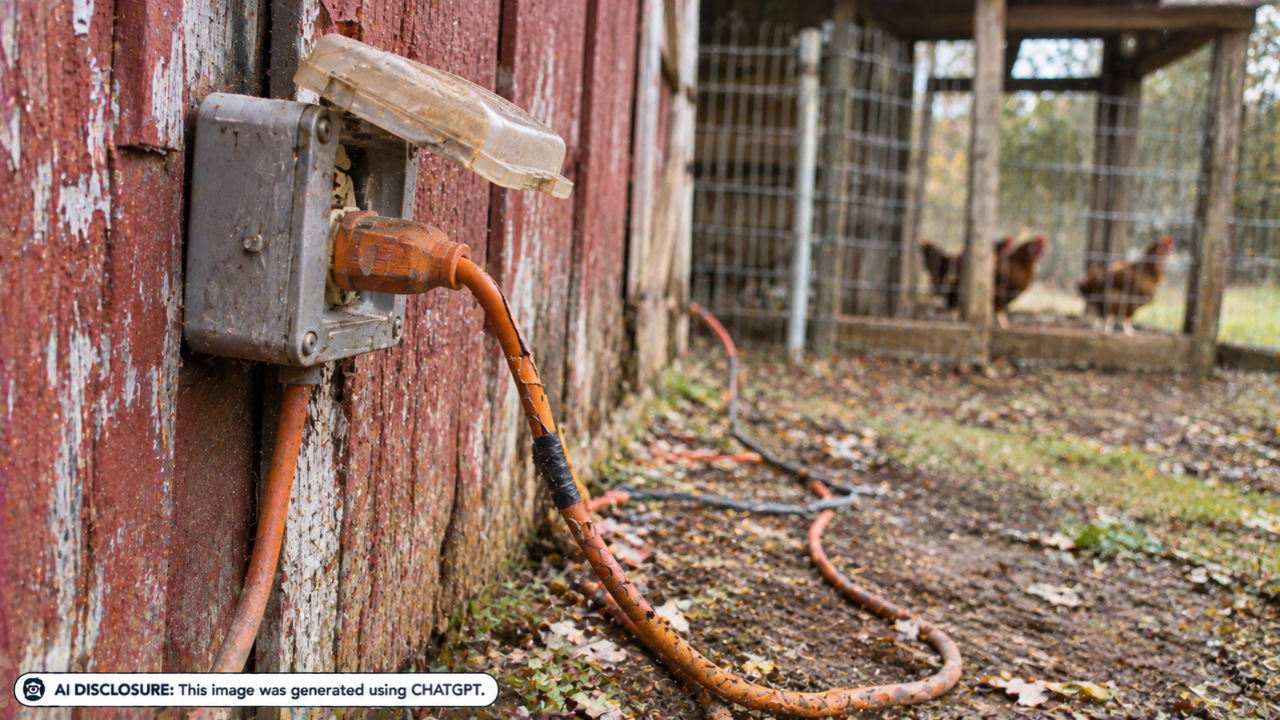
A “temporary” extension cord to the chicken coop has a way of becoming permanent. Electricians find indoor-rated cable stapled along siding, shallow-buried lines to sheds, and splices wrapped in electrical tape under a flower pot. Winter freeze and summer UV beat that stuff up fast, and then you’re one rainstorm away from a hard fault.
Outdoor circuits need the right cable, the right burial depth, the right GFCI protection, and weather-rated boxes and fittings. Call 811 before any digging, even on rural property, because services can run in odd places. If you need power in an outbuilding, a properly fed subpanel beats daisy-chained cords every time.
Old farmhouse electrical systems can be made safe and reliable without stripping the whole place to studs, but the fixes need to be deliberate. Tackle the easy wins like labeling and box covers, then plan bigger upgrades around remodel timing and budget. If anything is heating up, buzzing, or tripping repeatedly, treat it as a schedule-changing problem, not a weekend project.
Like Fix It Homestead’s content? Be sure to follow us.