10 Signs a Belt or Pulley Is About to Break
Photo credit: CuteCharacters/Shutterstock.com
Belts and pulleys fail in a hurry, and they usually pick the worst time to do it. One minute the mower, dryer, or pump sounds normal, and the next you’re smelling rubber and wondering what just snapped. Catching the warning signs early saves parts, saves downtime, and keeps you from turning a small repair into a weekend teardown.
1. New Squeal Under Load

A sharp squeal when you start a machine, hit thick grass, or switch a blower to high is often belt slip. Slip makes heat, heat hardens rubber, and hard rubber cracks. If it only squeals for a second on startup, you’ve still got time, but it’s a warning.
Pop the guard and look for glazing, that shiny glassy look on the belt faces. Check tension the way the manual calls for, not by guesswork. On machines with an idler pulley, a weak spring or sticky pivot can mimic a “loose belt,” so don’t just crank things tighter and call it good.
2. Burning Rubber Or Hot Dust Smell
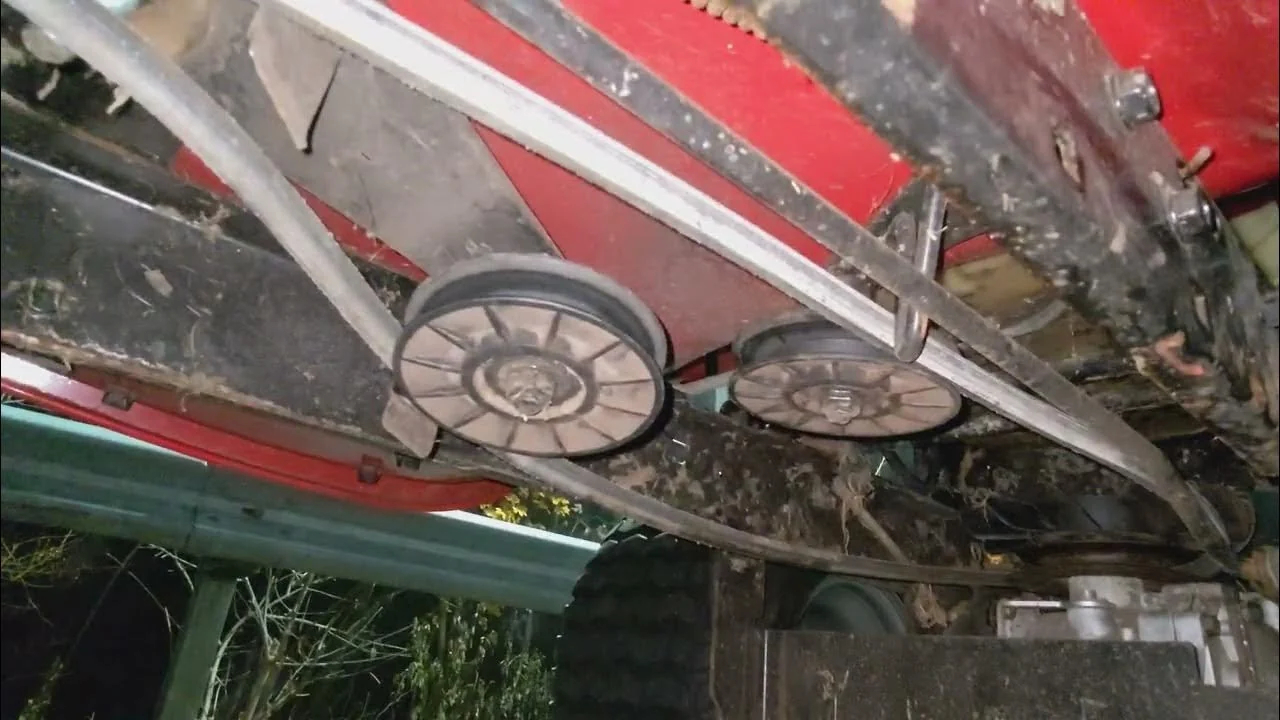
If you smell burnt rubber, stop and investigate. A belt that’s slipping or dragging on a misaligned pulley will cook fast, and the melted dust coats everything nearby. Letting it run “just to finish” often ruins the belt and the pulley grooves, too.
After it cools, check for black rubber dust around guards and on the frame. Look for a seized accessory bearing that’s forcing the belt to skid, common on lawn tractors, shop equipment, and old well pumps. Replacing the belt without fixing the drag just wastes money.
3. Frayed Edges Or Missing Chunks
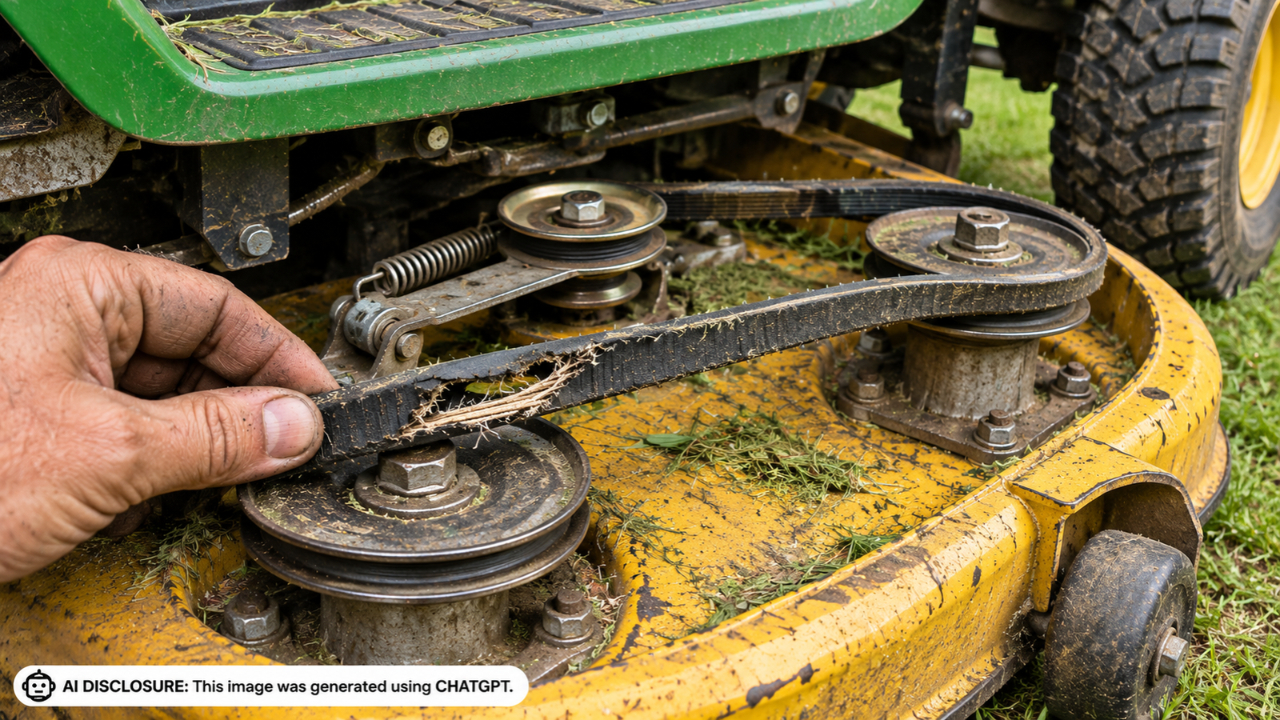
Belts don’t normally shed strings. Fraying means the belt is rubbing something, riding out of the pulley, or the pulley edge is sharp from wear. Once cords show, the break is close.
Run a finger along the pulley rims with the power off and the plug or key removed. If you feel a nick, rust lip, or burr, smooth it with emery cloth and figure out why it happened. Also check belt width, an incorrect belt can sit too high and get sliced by pulley edges.
4. Cracks Between Ribs Or Cogs
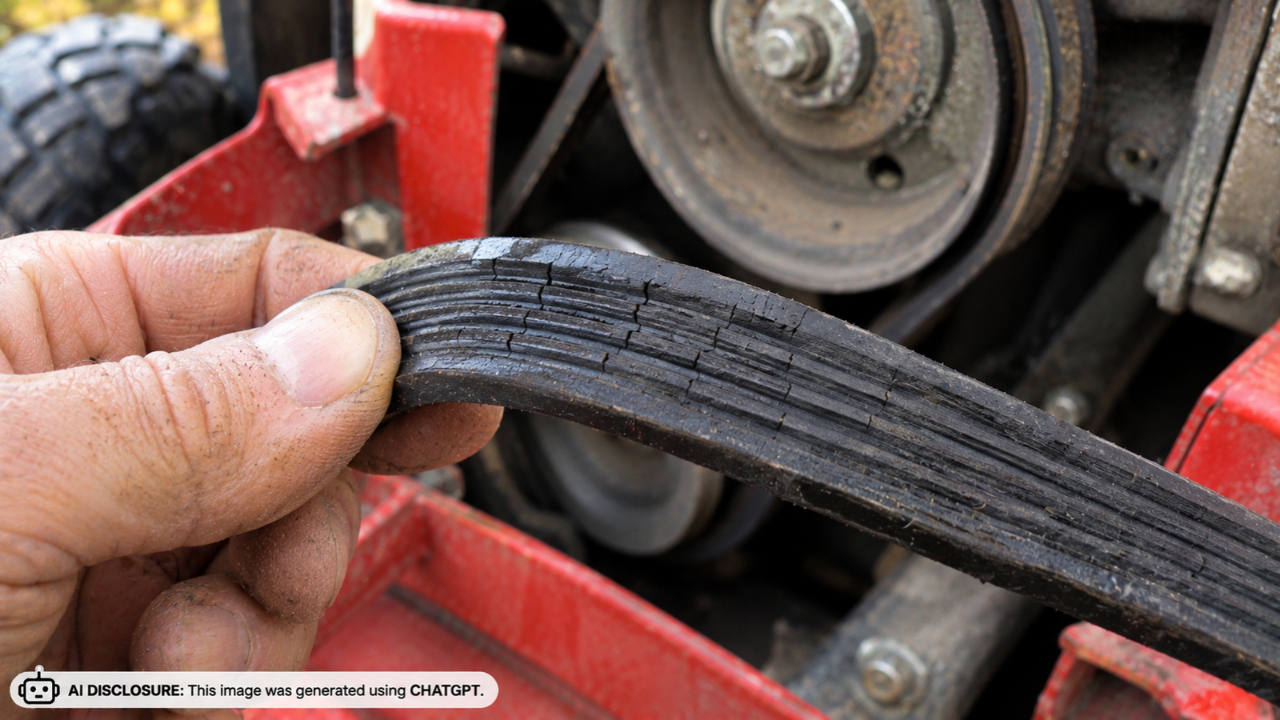
Small cracks across the belt, especially on a serpentine-style belt with ribs or a cogged V-belt, are a calendar problem as much as a mileage problem. Heat and ozone age rubber even when the machine sits. This shows up a lot in seasonal gear like tillers, snowblowers, and backup generators.
If the belt is a few years old and you can flex it and see cracking, replace it before the busy season. Keep the old one as an emergency spare only if it’s still intact and not glazed. A belt that’s stiff like plastic belongs in the trash.
5. Belt Walking Off The Pulley
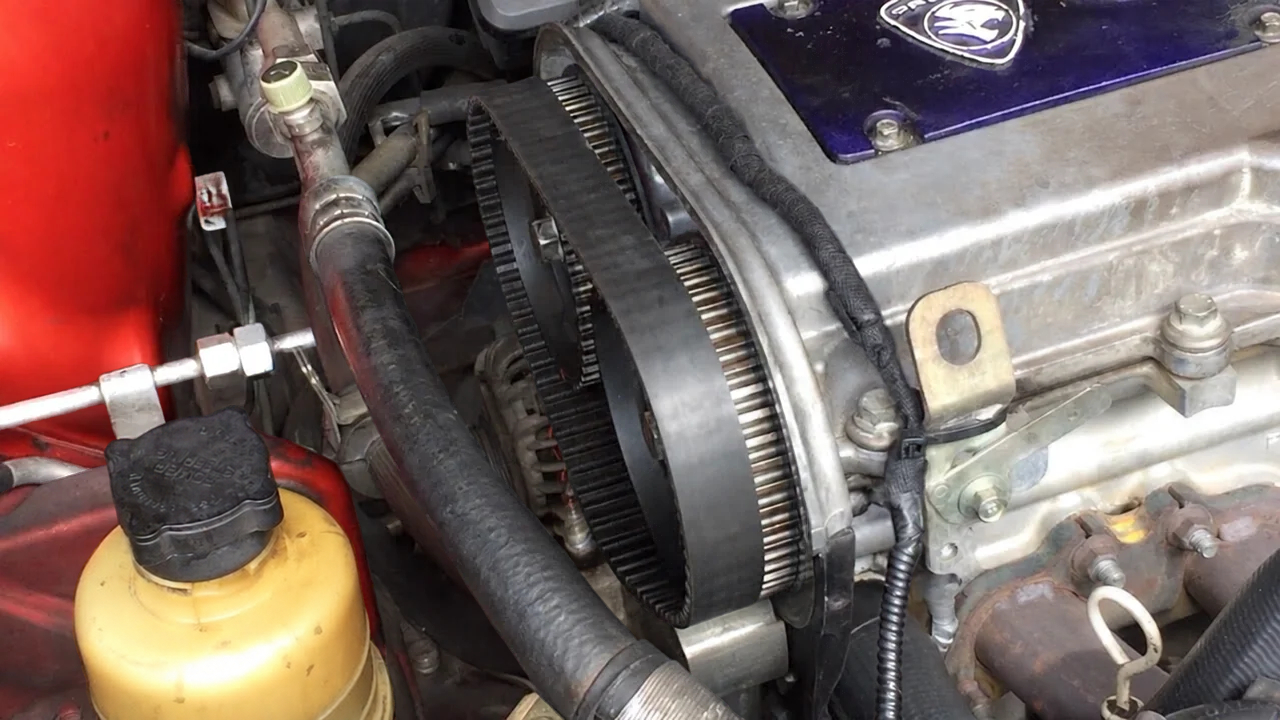
If the belt creeps toward the edge of a pulley, something is out of line. The belt will try to climb, then it will flip, shred, or jump off. Sometimes it looks like a “bad belt” when the real issue is a bent bracket or a pulley that isn’t sitting square on its shaft.
Use a straightedge across pulley faces to check alignment, and look for wobble while you slowly rotate by hand. A pulley with a loose set screw or a worn keyway will never stay true. Fixing alignment can take 20 minutes and save you from chewing up belts all season.
6. Pulley Wobble Or Visible Runout
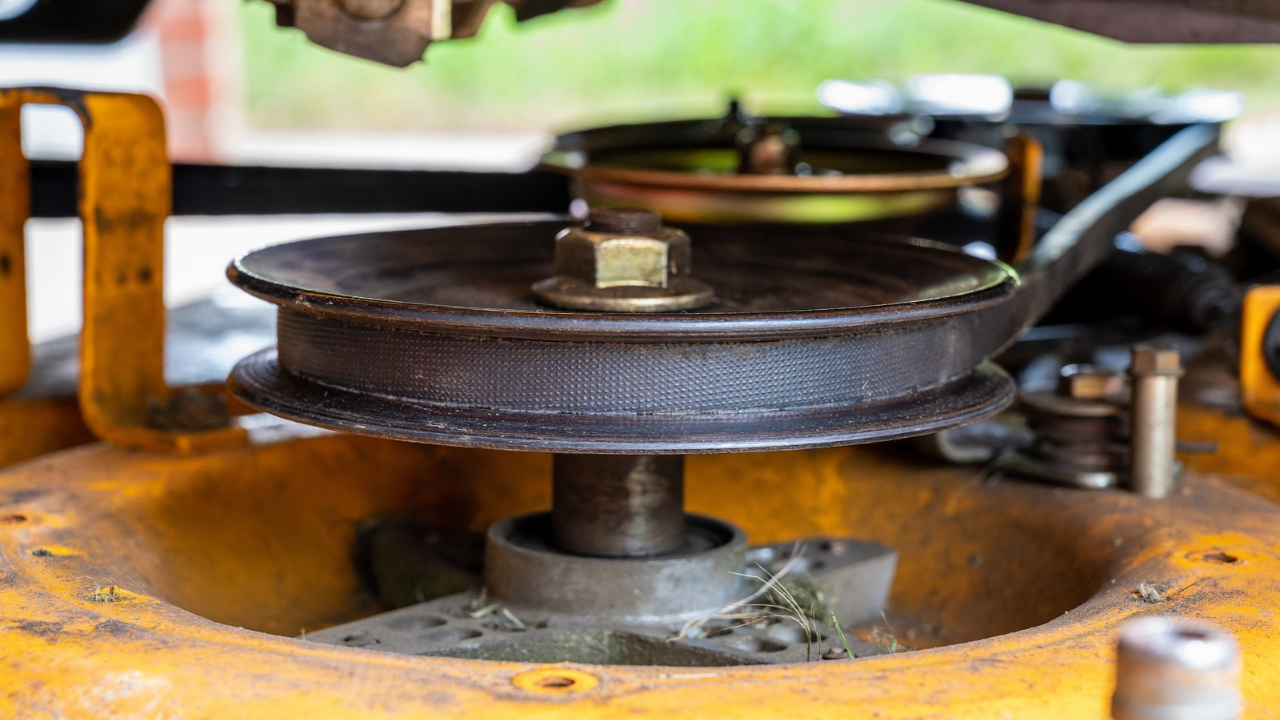
A pulley should spin flat. If it wobbles, you’ll get a rhythmic chirp, weird vibration, and fast belt wear. On a dryer, that wobble can also eat the drum belt and leave you with a dead load of wet clothes.
With power disconnected, spin the pulley and watch the rim against a fixed point. If the rim moves side to side, check for a bent pulley, loose mounting bolt, or a bearing failing behind it. If you’re dealing with a press-fit pulley on a motor shaft and it’s loose, that’s often a replace-the-part situation, not a “tighten it harder” situation.
7. Growling Bearing Noise Near Guards
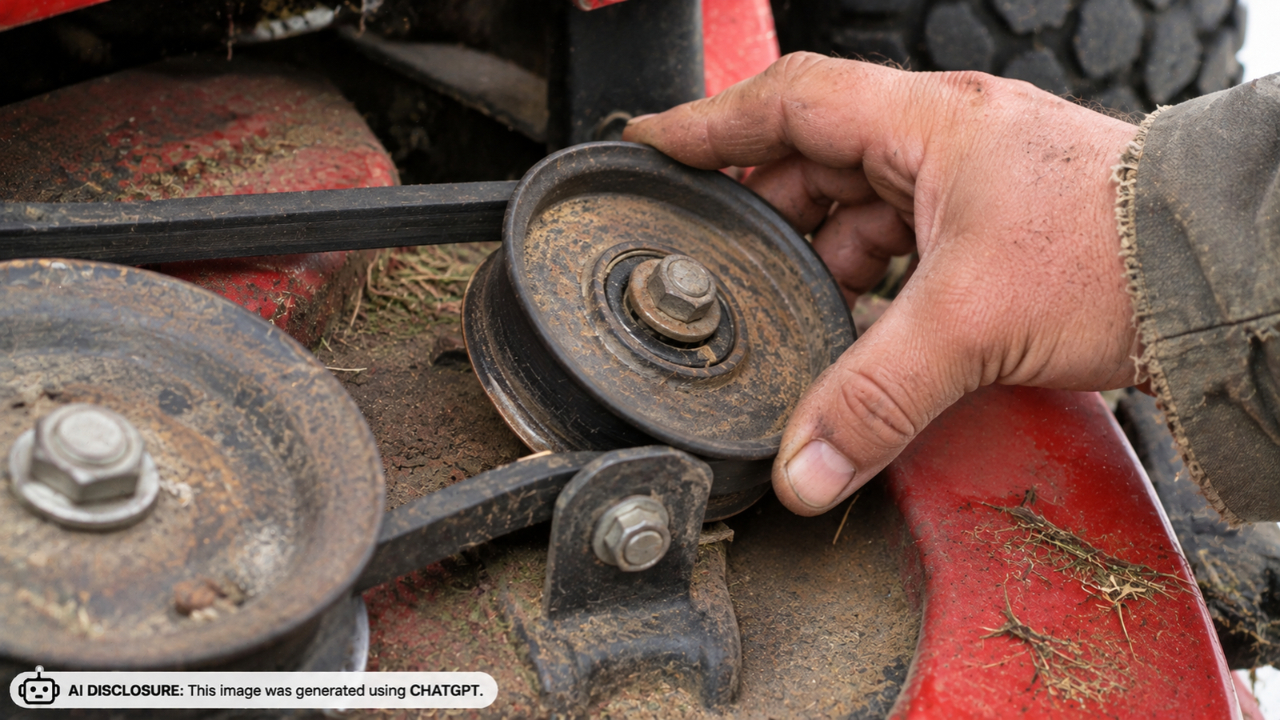
Not every belt noise is the belt. A dry, growly sound that changes with speed is often a pulley bearing going out, especially on idlers and tensioners. When that bearing locks up, the belt gets dragged across a dead wheel until it snaps or melts.
Take the belt off and spin each pulley by hand. A good bearing feels smooth and quiet, not sandy, not stiff, and not loose. If the pulley has play or feels rough, replace it, and don’t forget to check that the mounting bolt isn’t worn down from spinning inside the pulley.
8. You Keep Tightening The Tension
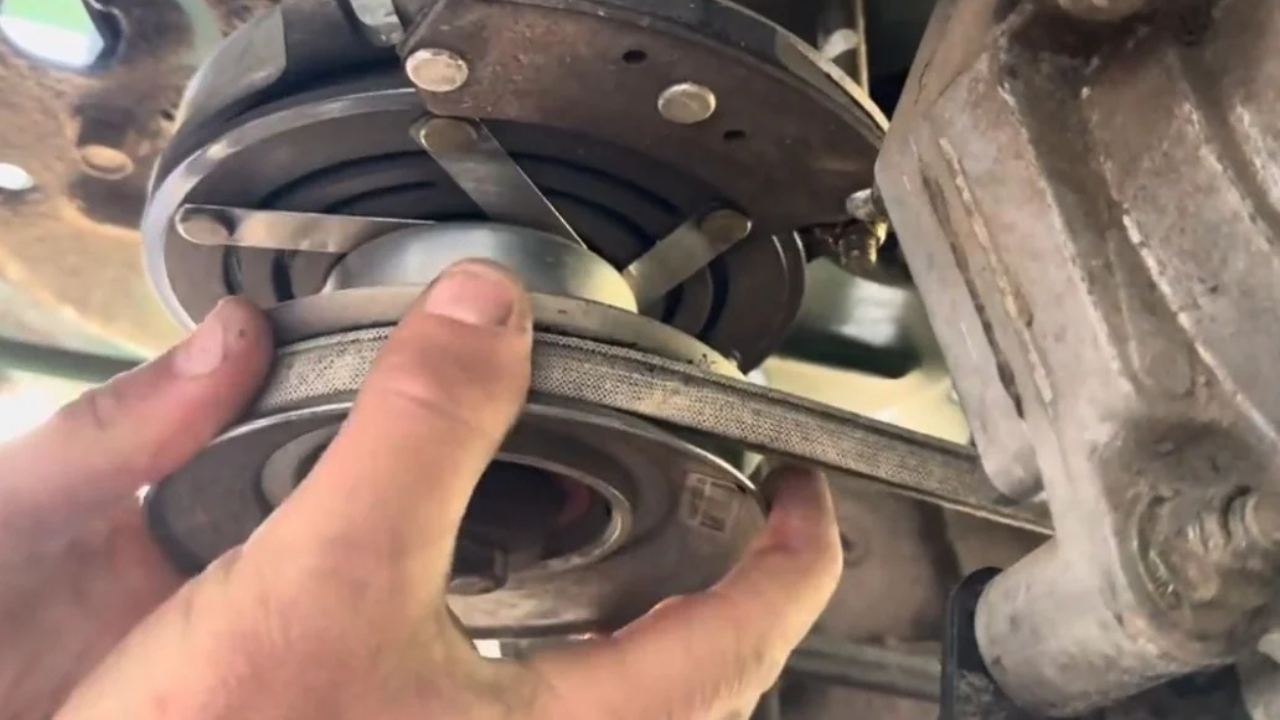
If you’re adjusting tension every few uses, something else is wrong. Belts stretch a little when they’re new, then they settle. Constant re-tensioning usually means the belt is slipping from glazing, the wrong belt profile is installed, or the tensioner isn’t holding.
There’s an honest exception here. Some cheap utility belts on simple farm and garden rigs do stretch more than premium ones, and if you just need a short-term fix to finish the season, a budget belt can be fine. Just don’t overtighten to “make it stop,” because too much tension kills bearings and bends brackets.
9. Wet Season Rust In The Grooves
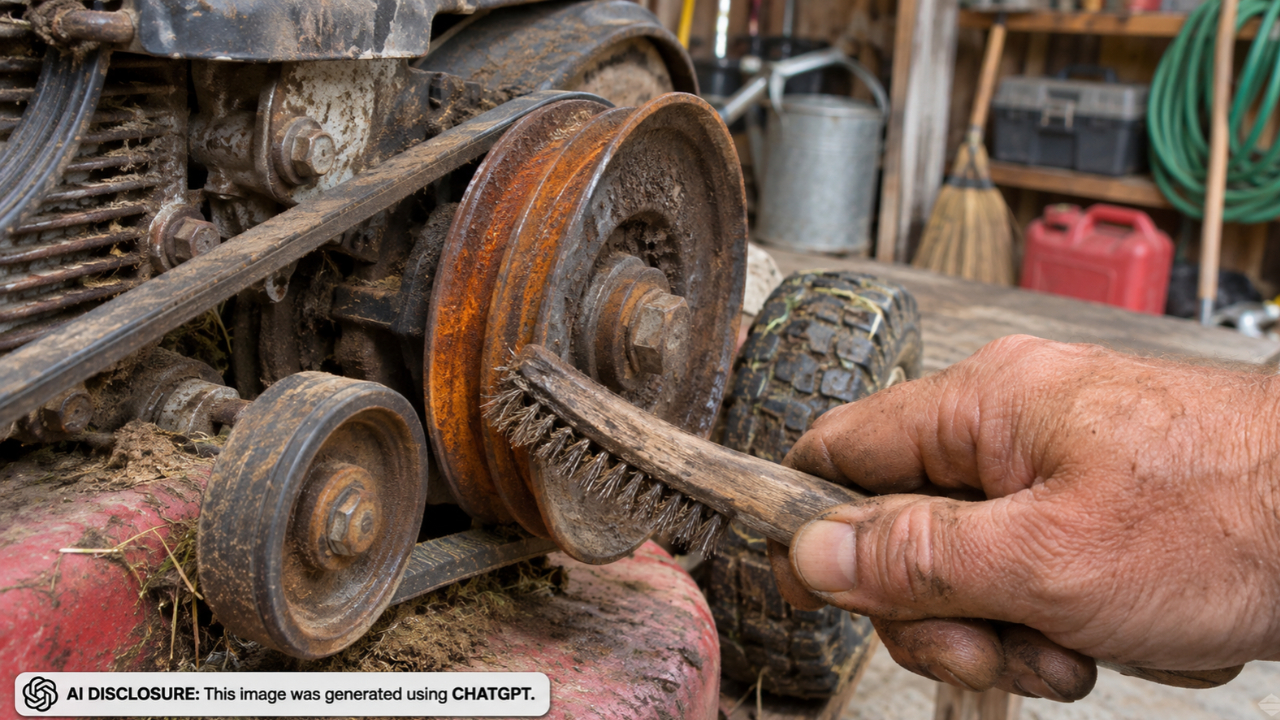
After a damp spring or a winter in an unheated shed, pulleys can rust in the grooves. Rust makes a belt run hot and acts like sandpaper. You’ll see this on equipment that sits, like a spare irrigation pump, an old drill press, or a backup mower.
Clean pulley grooves with a wire brush and wipe them down before you install a fresh belt. If the grooves are pitted badly, the pulley will eat belts no matter what you do. Storage matters too, keep belts out of sun and off concrete floors where moisture cycles are worse.
10. Sudden Drop In Speed Or Power

When a machine starts running “lazy,” bogging where it used to pull strong, a slipping belt is a common cause. The engine or motor sounds fine, but the work end slows down. This wastes fuel or electricity and turns a quick job into a long one.
Check for a shiny belt, a pulley coated in rubber dust, or an idler that isn’t applying steady pressure. On anything that drives a safety-related function, like a riding mower deck brake or a shop tool with a belt guard, don’t guess. If you can’t identify the problem fast, it’s worth taking it to a repair shop before something lets go at speed.
A belt and pulley setup should run quiet, track straight, and stay only warm to the touch after normal use. If it starts leaving rubber dust, smelling hot, or needing constant adjustment, plan the repair while you still get to choose the timing.
Like Fix It Homestead’s content? Be sure to follow us.