10 Animals That Are Hardest to Keep Out of a Barn
Photo credit: Fix It Homestead
A barn smells like feed, hay, and warm animals, and that’s an open invite to anything that can chew, dig, squeeze, or climb. Once something finds a way in, it tends to come back at the same time each night, using the same gap you stopped noticing. Keeping a barn tight is less about one big fix and more about catching the small failures before they become a habit.
1. Mice Living Under Feed Storage
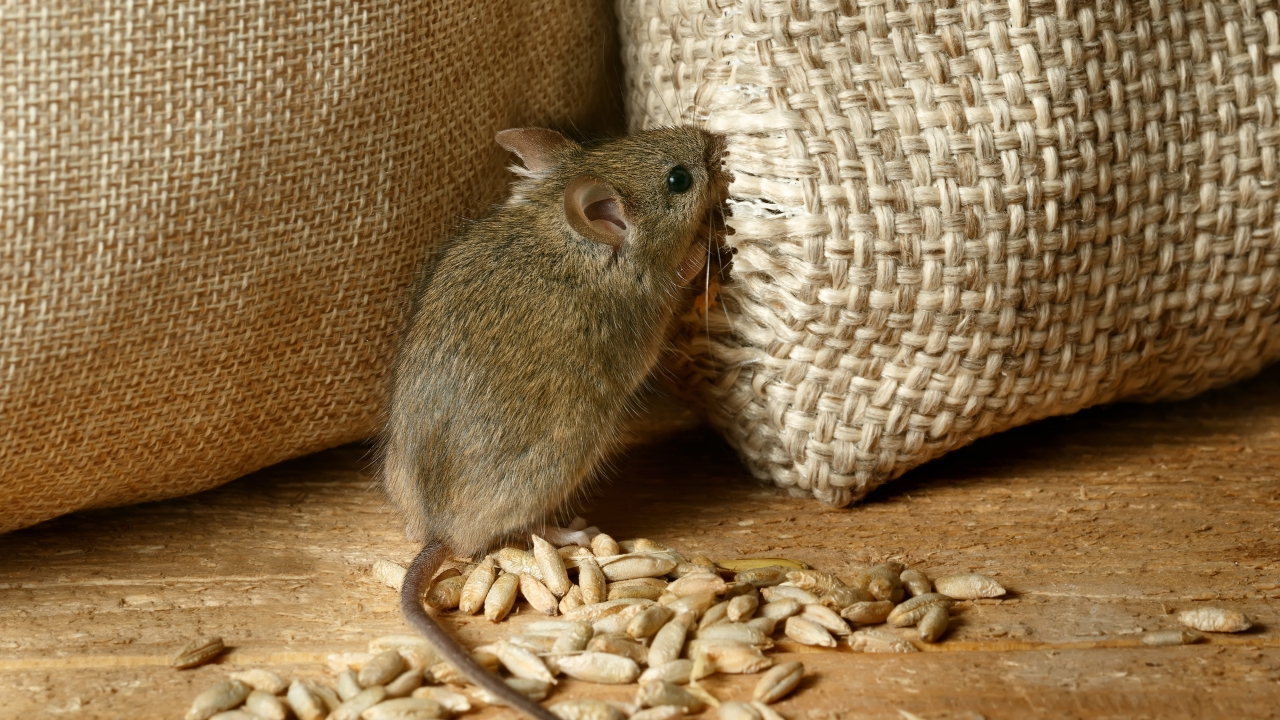
You’ll hear the first clue at night, light scratching in the wall or a soft tick-tick in the ceiling. Mice don’t need much room, and a barn gives them water, nesting, and spilled grain. They also wreck insulation, chew wiring, and leave droppings where you handle feed and tack.
Stop feeding them by accident. Switch to lidded metal cans for grain and pellets, keep bags off the floor on pallets, and sweep the feed corner like it matters. Seal gaps with hardware cloth and a wood or metal patch, not spray foam by itself, they’ll chew right through foam.
2. Rats Nesting Behind Stacked Hay
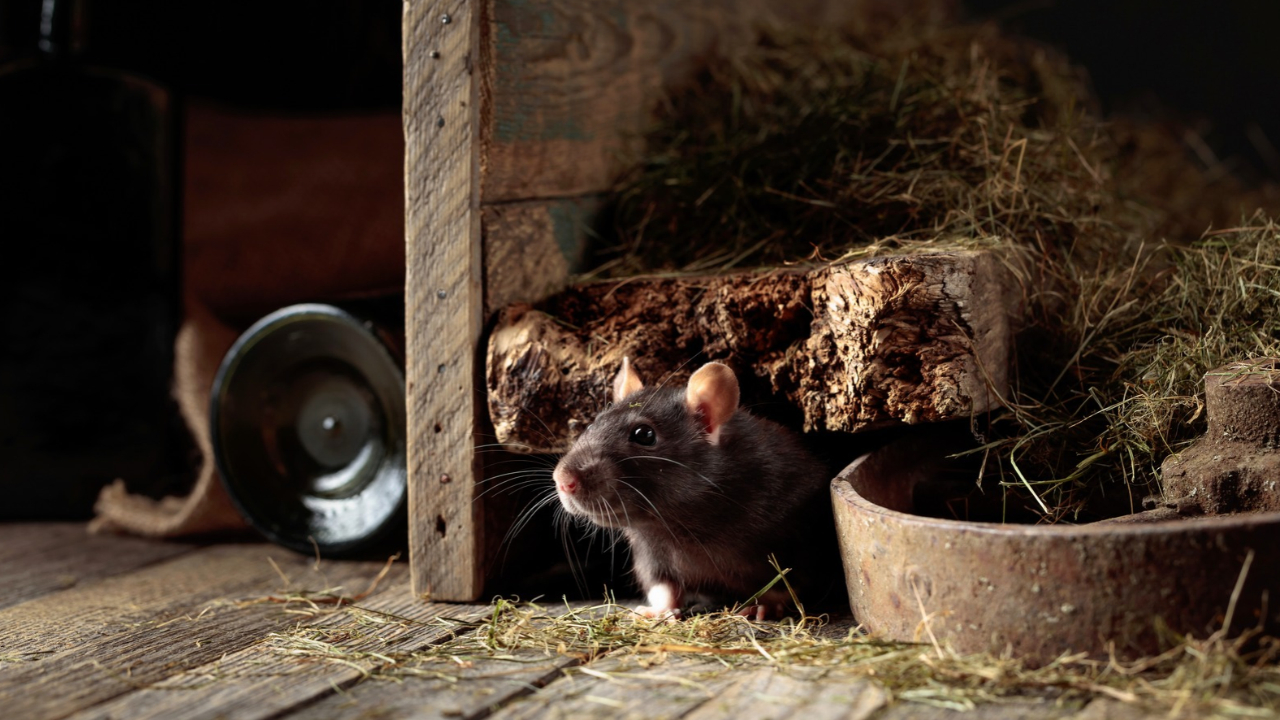
People stack hay tight to the wall to save space, then wonder why there’s a rat problem by November. That warm, hidden strip between bales and siding is perfect cover, and rats love a barn that stays quiet most of the day. You’ll notice tunnels in loose hay, gnawed twine, and a sour ammonia smell in one spot.
Leave an inspection gap, even if it costs you a row of bales. Keep hay up off the ground, rotate old bales out, and don’t store grain in the same bay as hay if you can help it. If the infestation is established, a pro pest service is often worth paying for because rats get smart fast and a half-fix drags on for months.
3. Raccoons Popping Simple Slide Bolts
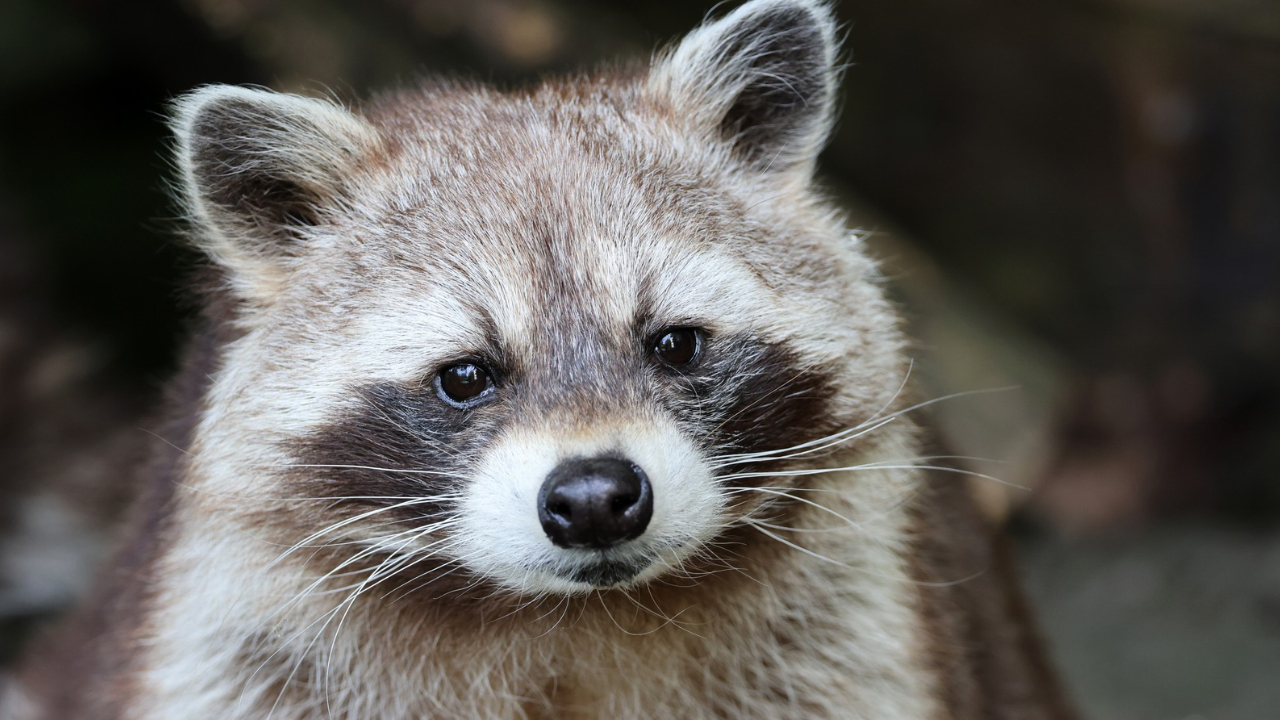
If your latches are the “close it and walk away” kind, raccoons will figure them out. They have nimble hands and they work at it when you’re asleep, especially if there’s a feed room, sweet feed, or chicken feed anywhere inside. The mess looks like a small tornado and they’ll come back the next night.
Use two-step latches that require lift and swing, or add a locking hasp with a carabiner style clip. Fix the door fit, too, a raccoon only needs a loose corner to start prying. Don’t rely on a bungee cord, it turns into a toy.
4. Squirrels Running the Rafters All Winter
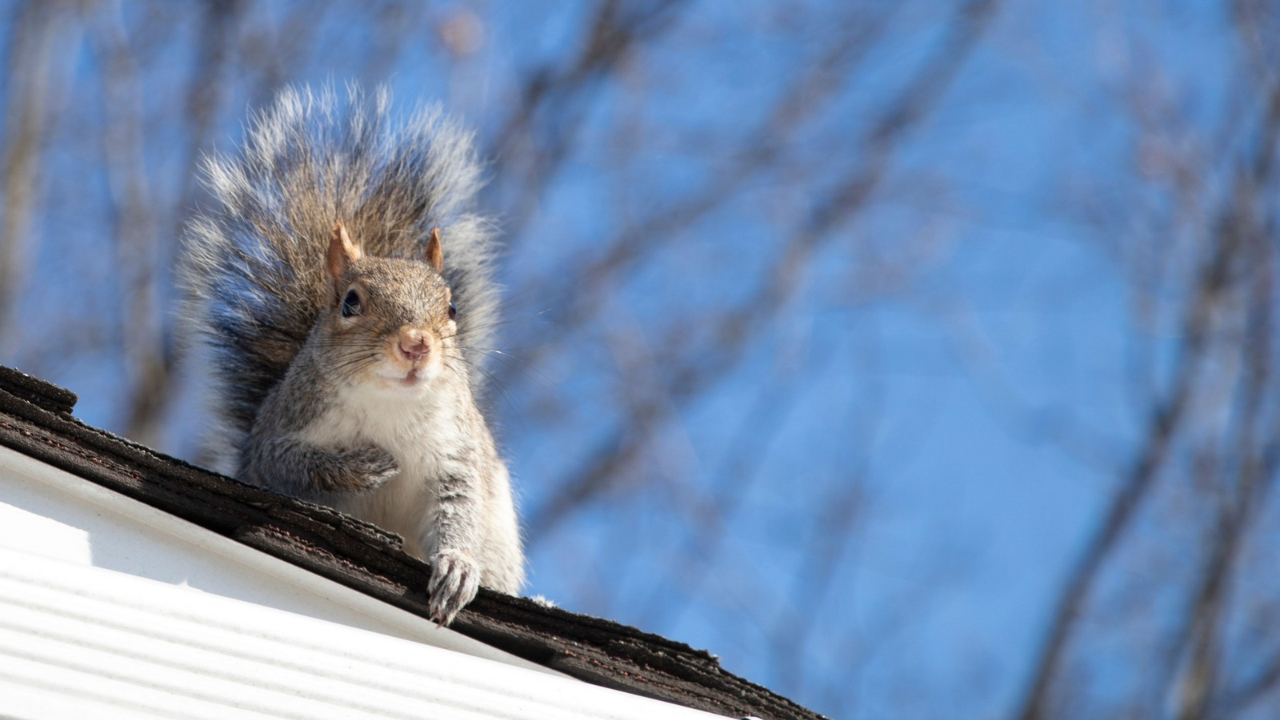
Once the first cold snap hits, squirrels look for a dry attic space, and barn rafters are perfect. You’ll hear heavy scurrying at dawn and see shredded insulation or bits of nesting stuffed into corners. They chew wood edges, wiring, and sometimes drop nuts into places you’ll later find with a rake.
Block access at the roofline where fascia meets roofing, and cover vents with 1/4-inch hardware cloth fastened with screws and washers. Trim tree limbs back from the roof, squirrels jump farther than you think. If you’re seeing them in daylight inside the barn, don’t wait, they’ll raise young in there and the problem multiplies.
5. Snakes Following Rodents Into Tack Corners
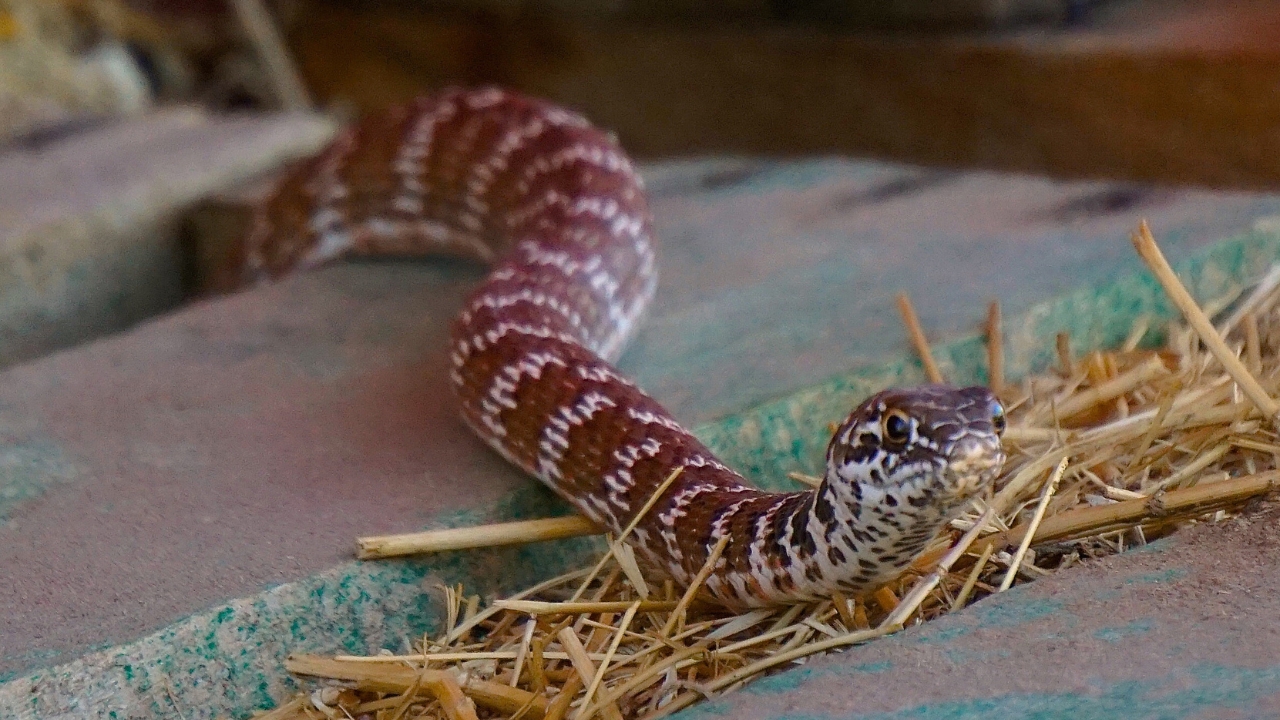
Snakes aren’t coming for your saddle, they’re following dinner. They slip under doors, through broken threshold boards, and up gaps around plumbing lines. Most are doing you a favor by hunting mice, but nobody wants a surprise coil under a feed scoop.
Take away the rodent draw first, then seal low gaps with a tight sweep or a threshold you can actually close against. Keep clutter down, especially boards, old tarps, and piles of loose twine where rodents hide. The honest exception, if you’ve got a non-venomous snake that’s staying out of the way and you don’t have kids running in and out, it can be fine to leave it alone while you work on the real issue, the mice.
6. Starlings Packing Nesting Under Eaves
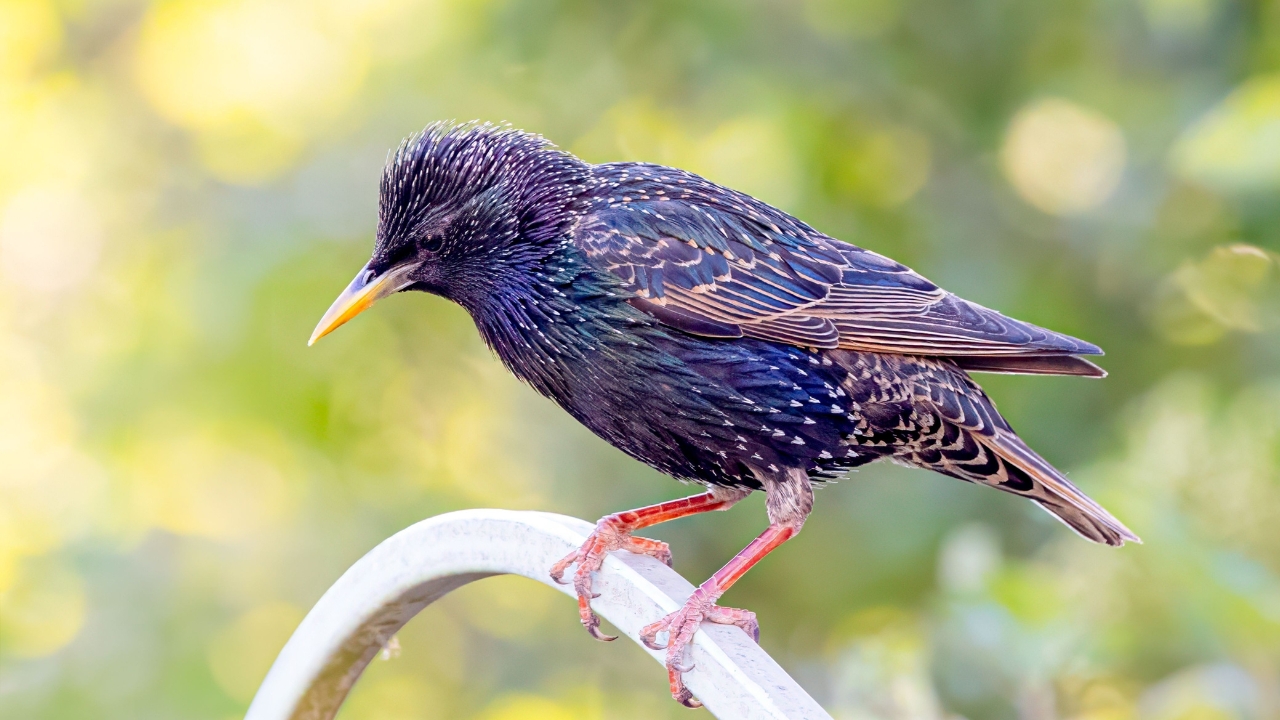
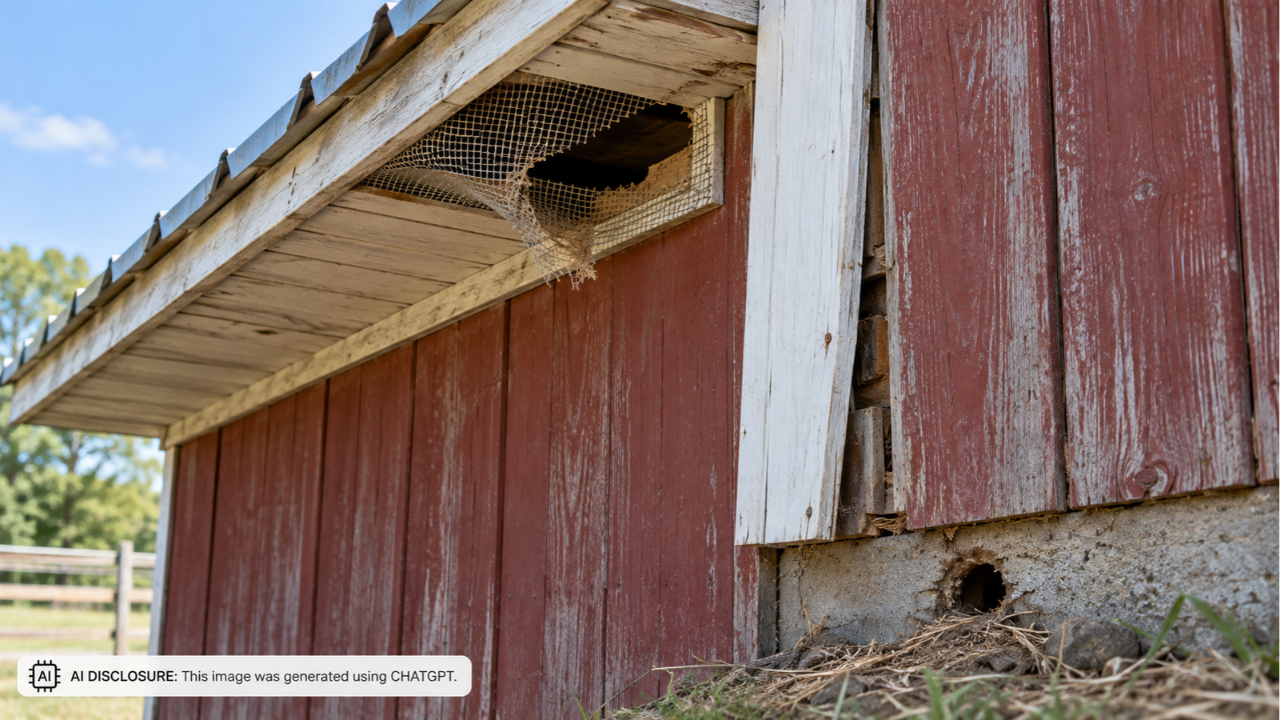
Birds find one opening under the eave or a broken soffit and they’ll move in fast, sometimes in a day. Then you’ve got droppings on tools, hay, and anything stored below, plus constant fluttering and noise. Starlings and pigeons are especially stubborn once they claim a spot.
Fix the entry, don’t just knock nests down and hope. Replace missing soffit panels, staple up bird netting where you can’t rebuild right away, and screen gable vents with hardware cloth. If there are protected species in your area, check local rules before you disturb an active nest.
7. Bats Roosting In The Upper Loft
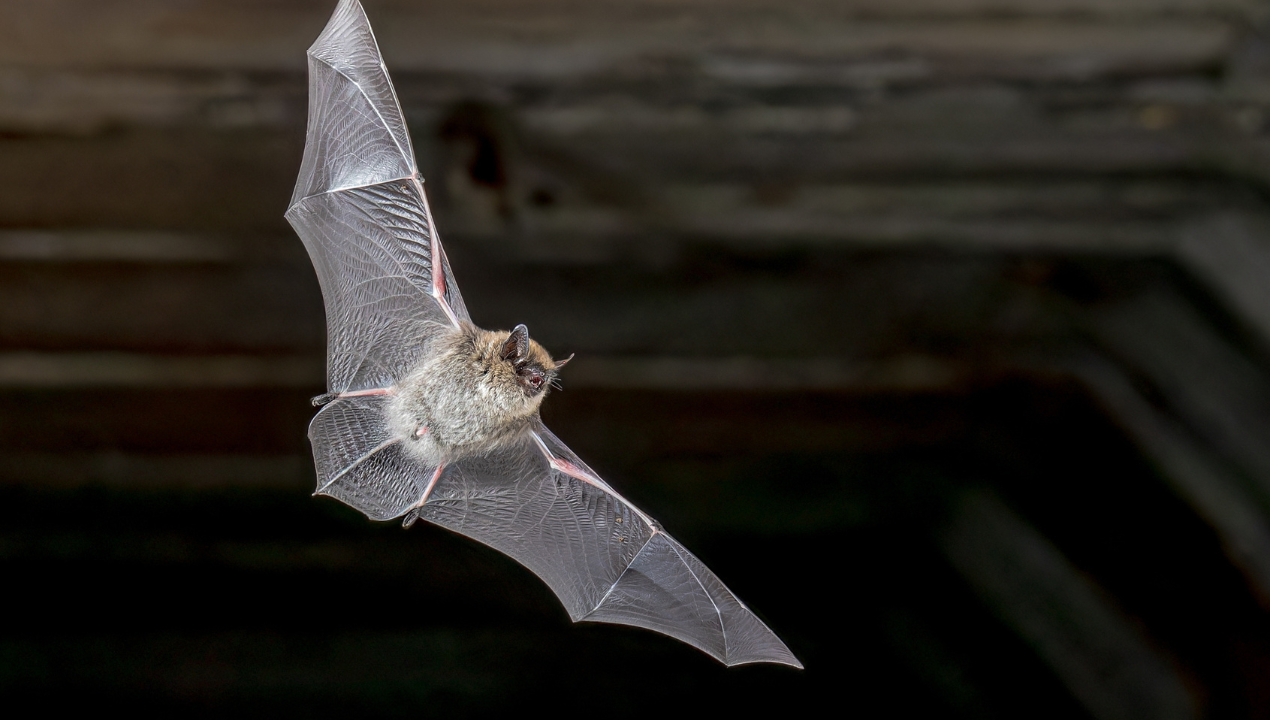
You usually don’t notice bats until you smell them. Guano builds up below the roost, and the dust gets into the air when you sweep or move hay. It’s also a health issue, so this is one of those barn problems you don’t “tough out.”
Don’t seal holes while bats are inside, you’ll trap them and create a worse mess. Timing matters, and in many areas exclusions are done outside the maternity season. Call a wildlife control pro who does bat exclusions, then plan to clean using a respirator and disposable gloves, and bag waste properly.
8. Feral Cats Turning Stalls Into Litter
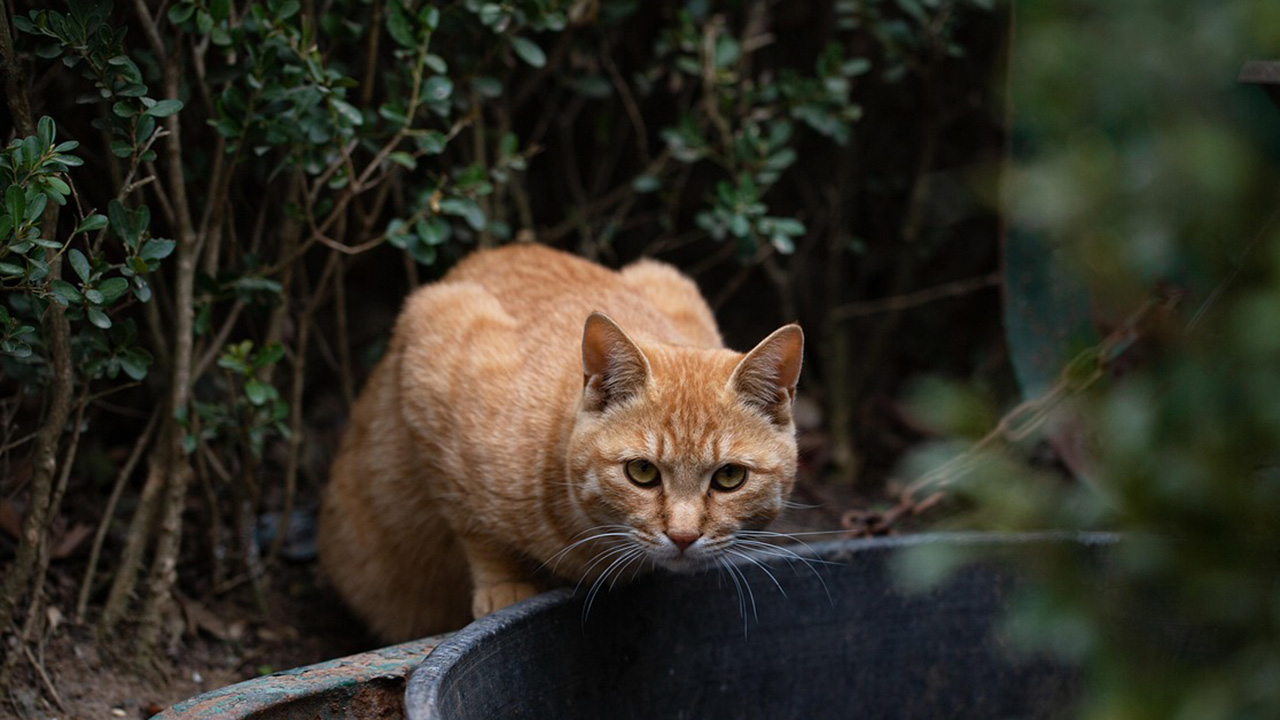
Barn cats sound like free mouse control until the population takes off and the smell sinks into dirt floors and bedding. You’ll find sprayed corners, kittens in hay stacks, and cats tearing open feed bags for the fat and fish smell. They also attract coyotes and dogs, which brings a whole new set of problems.
If you want cats around, keep the number manageable. Work with a local TNR group if one exists, and don’t leave cat food out overnight, that feeds raccoons and rats too. A couple cats can help, a colony makes the barn harder to keep clean and calm.
9. Skunks Digging Under The Slab Edge
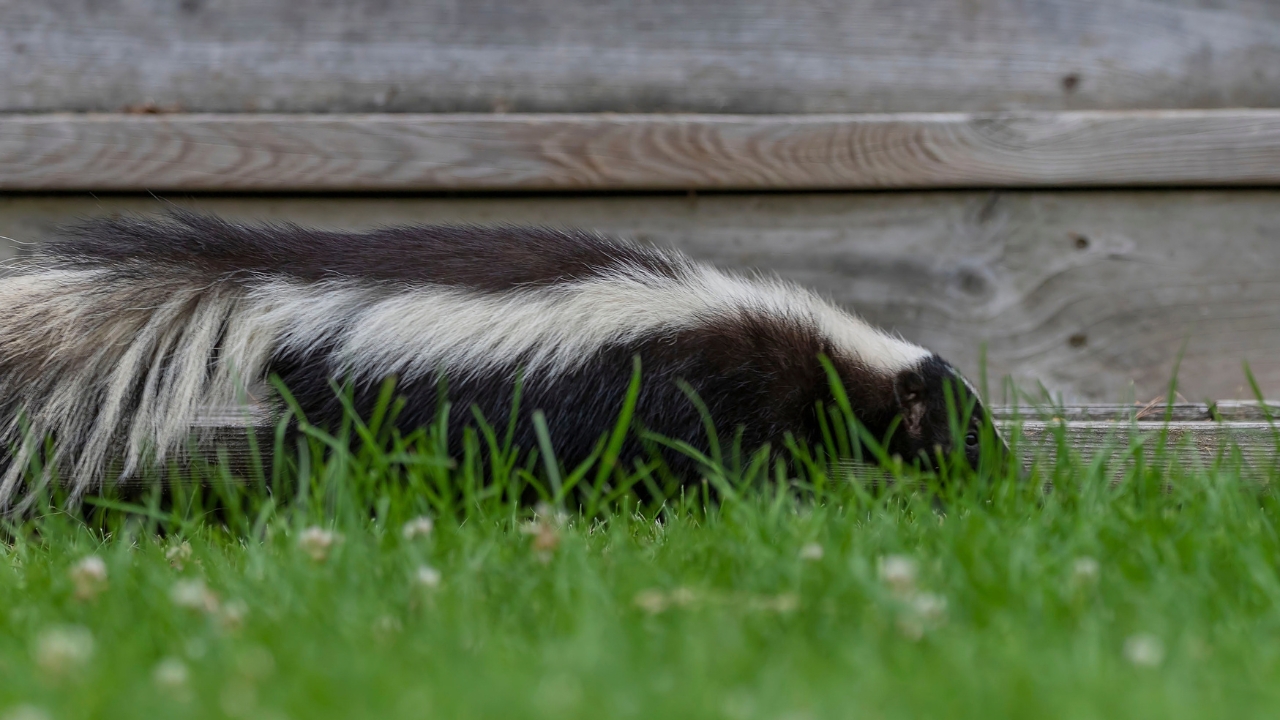
Skunks don’t need much space to set up under a feed room slab, porch, or lean-to. The first sign is often a new hole with fresh soil piled up, then the smell if you startle one. They also bring fleas and dig for grubs, which tears up the area around the barn.
Stop the digging by adding a buried barrier, like hardware cloth or welded wire in an L-shape that extends down and out from the edge. Call 811 before you dig, even for a shallow trench, and watch for buried electric to outbuildings. If a skunk is already denned up, hire removal, getting sprayed in a closed barn is a long week.
10. Weasels Slipping Through Tiny Gaps
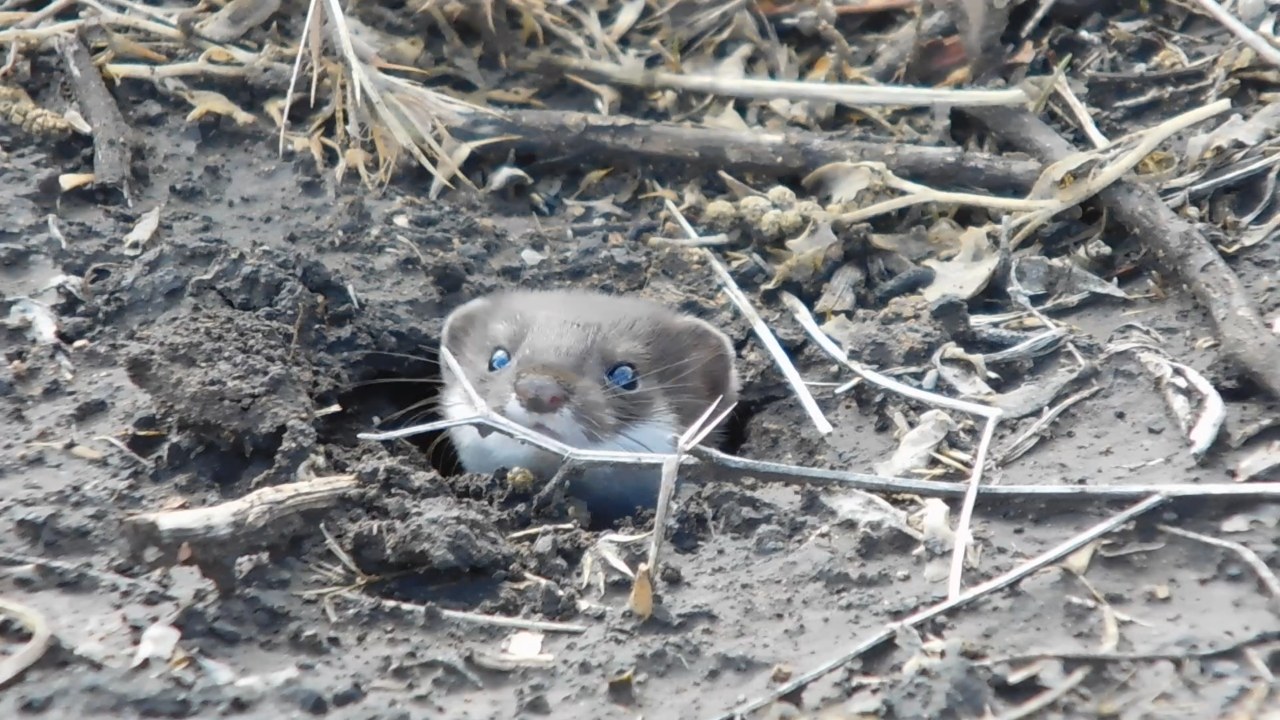
Weasels and mink are small, fast, and ruthless around poultry. They can fit through openings that look impossible, and they’ll hunt at night when you’re not around to hear the commotion. A single visit can wipe out a coop or leave birds injured.
Stop relying on chicken wire, it keeps chickens in, it doesn’t keep predators out. Use 1/2-inch hardware cloth on openings, fix warped doors so they close tight, and add a solid threshold at ground level. If you’ve got repeated attacks, trail cameras help you confirm what you’re dealing with before you spend money in the wrong place.
A barn that stays quiet at night is usually a barn that closes tight and stays tidy where food is stored. Walk the perimeter with a bright flashlight a few times a year, especially after storms and before winter, and fix the small gaps while they’re still small. It’s cheaper than replacing chewed wiring, ruined feed, or a flock that didn’t make it to morning.
Like Fix It Homestead’s content? Be sure to follow us.