10 Signs a Propane Regulator Is Going Bad
Photo credit: Agnes Kantaruk/Shutterstock.com
Propane gear usually works quietly in the background, until a grill won’t stay lit or a heater starts acting flaky on the coldest night of the year. A regulator is a small part with a big job: taking tank pressure and delivering steady, usable pressure to your appliance. When it starts failing, the signs are often plain if you know what to look for.
1. Burners Suddenly Run Weak
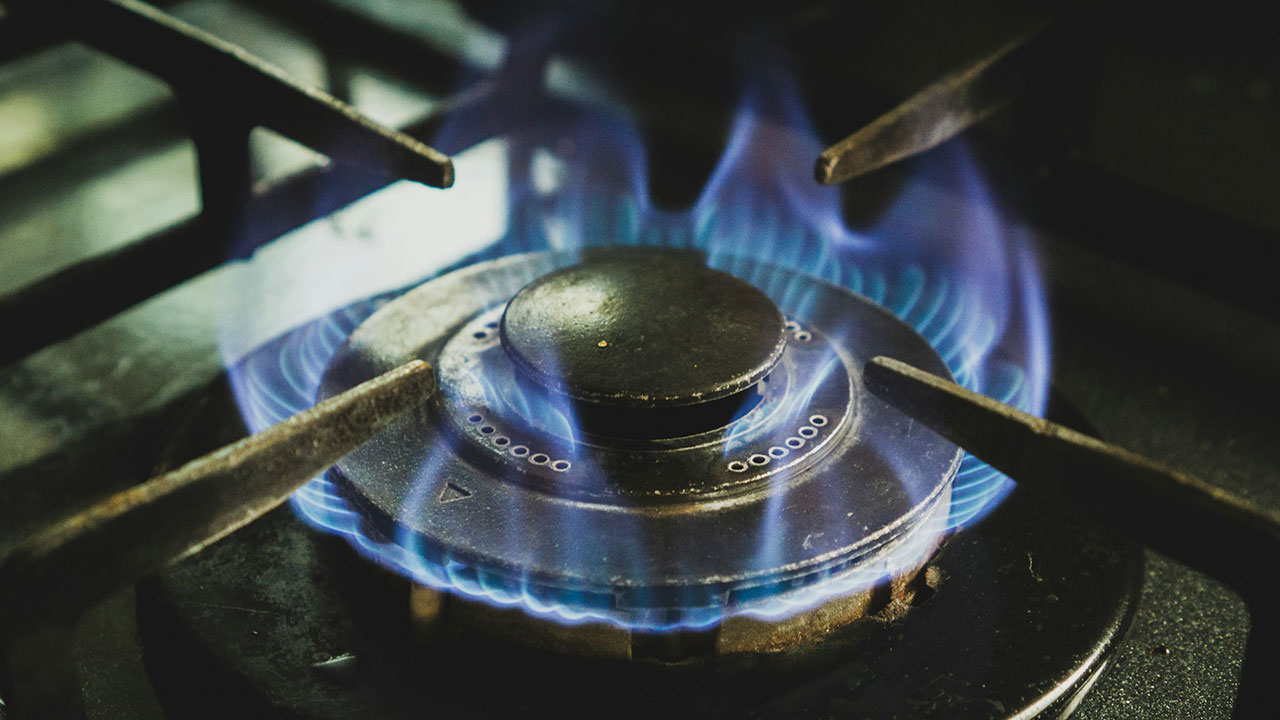
You light the grill or fire up the shop heater and the flame looks tired, even with the knob turned up. Water takes forever to heat, a turkey fryer can’t keep a boil, or a patio heater never really gets going. That “not enough oomph” feeling is classic regulator trouble.
First, rule out the easy stuff. Make sure the tank valve is fully open, not cracked a quarter turn. If it’s a newer OPD tank valve, open it slowly, fast opening can trip the excess-flow device and make everything act starved.
2. Flame Goes High Then Drops
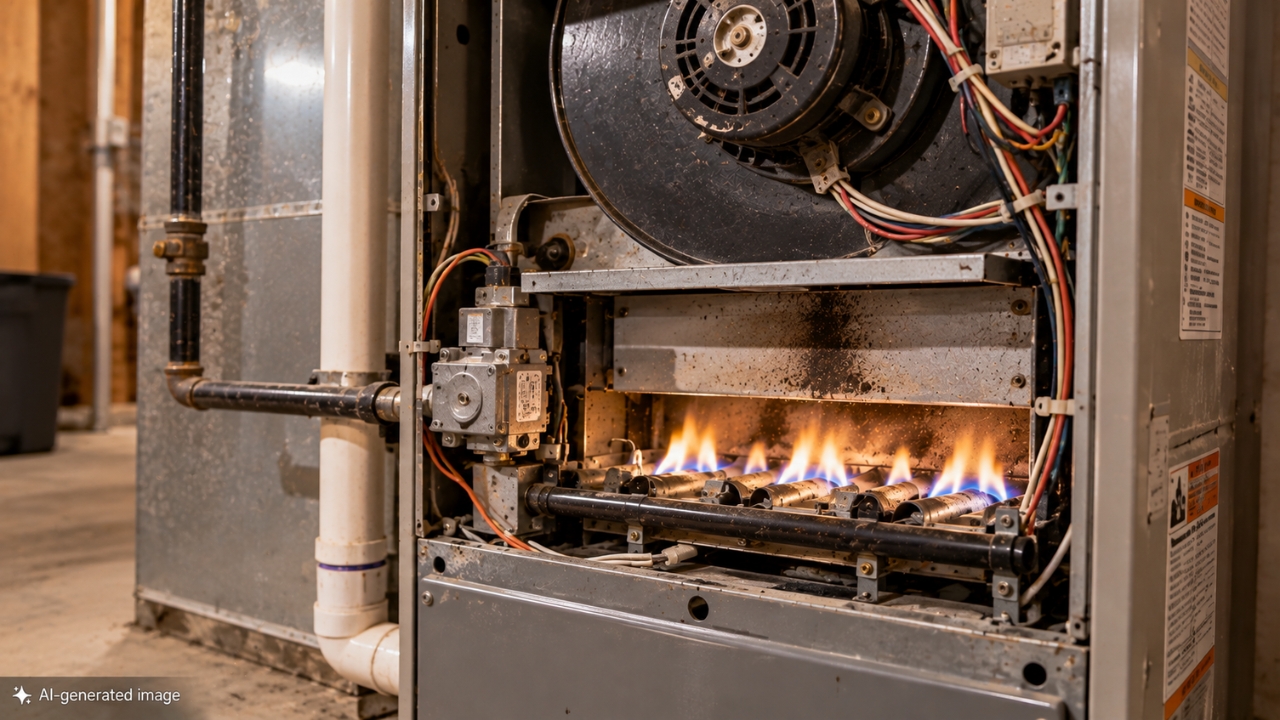
Some regulators don’t fail all at once. You’ll get a strong flame for a minute, then it falls on its face like somebody pinched the line. You might hear the burner change pitch as pressure sags.
This can show up when demand changes, like a furnace kicking from low to high. If cycling the tank valve and resetting the appliance helps only briefly, the regulator spring or diaphragm is getting inconsistent. Replace it, don’t keep chasing it every weekend.
3. Sooty, Yellow Flames On Clean Burners

Propane should burn mostly blue. When you see lots of yellow and you’re getting black soot on cookware, heater screens, or the side of the house near a vent, you’re looking at poor combustion. People blame dirty burners first, and sometimes they’re right.
But if the burners are clean and the air shutters are set about where they’ve always been, unstable pressure can make a good appliance burn bad. Stop using any unvented indoor heater that’s sooting or smelling off, and sort it out before the next run. If a proper cleaning and air adjustment don’t fix it, a new regulator is usually cheaper than replacing a heat exchanger or dealing with stained siding.
4. You Smell Propane Near The Vent

That rotten-egg odor around the regulator area is not something to “keep an eye on.” A regulator has a vent, and if the internal diaphragm leaks, propane can come out of that vent. Wind can carry it, so you might notice it only on certain days.
Shut off the tank valve, back away, and don’t flip switches or make sparks. If you’re comfortable doing it, use a spray bottle with soapy water on fittings only after things have aired out, and watch for bubbles. If odor seems tied to the regulator body or vent, call your propane supplier or a licensed gas tech and replace the regulator. This is one of the few signs that’s both common and urgent.
5. The Regulator Freezes Or Sweats Heavily
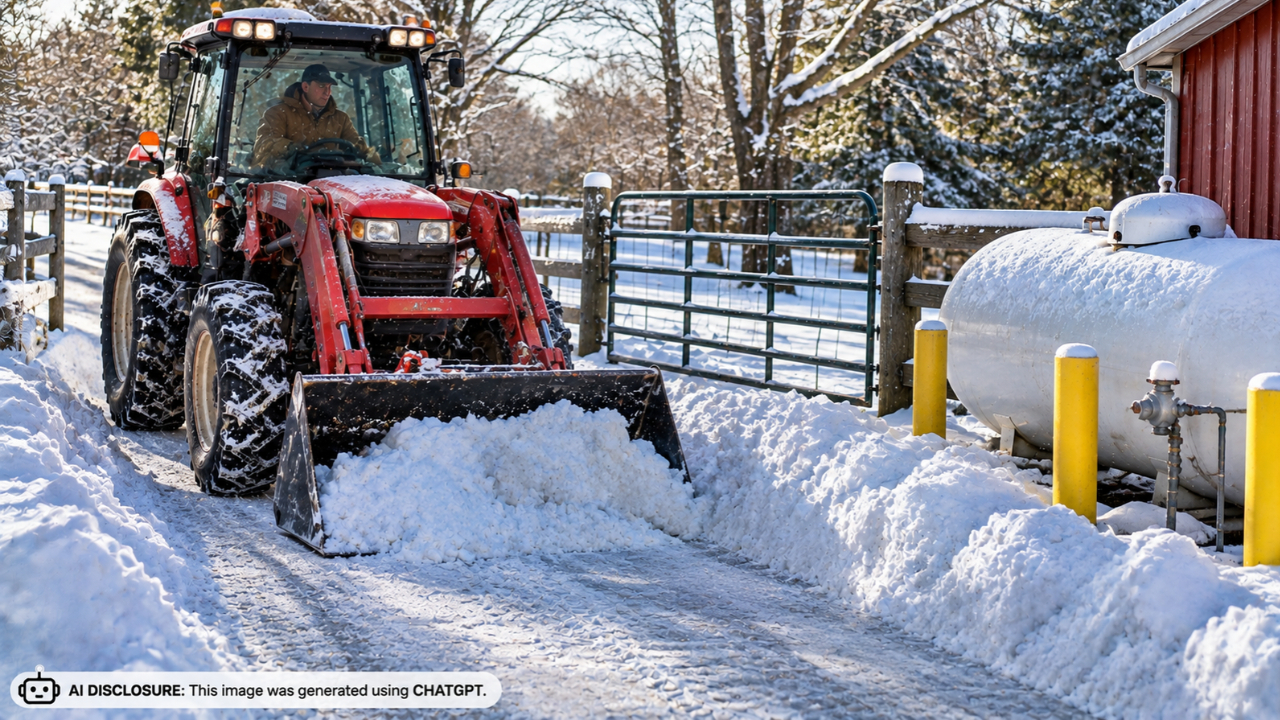
On a hard winter morning, the regulator can get frosty or glazed with ice. A little condensation can happen, but heavy frosting that keeps returning points to pressure drop or moisture in the system. Low temperatures plus high draw, like running a big heater, will make the problem show up fast.
Sometimes the fix is not the regulator at all. An undersized tank or too small a regulator for the appliance load can make it chill and starve under demand. If the setup is correctly sized and you’re still seeing frequent icing, the regulator may be failing internally or the tank may have contamination. Either way, this is a good time to involve the propane company, since they can check sizing and supply quality.
6. You Hear Hissing At The Regulator

A steady hiss right at the regulator, especially near the vent opening, is a red flag. Propane systems do make some noise at burners, but the regulator itself shouldn’t sound like it’s bleeding off pressure.
Turn off the tank. Don’t try to plug the vent or tape anything over it. Regulators are safety devices, and blocking a vent can create a dangerous situation. Replace the regulator and inspect the pigtail hose and fittings while you’re there, or hire a pro if this is feeding a house line.
7. Pilot Lights Blow Out More Often
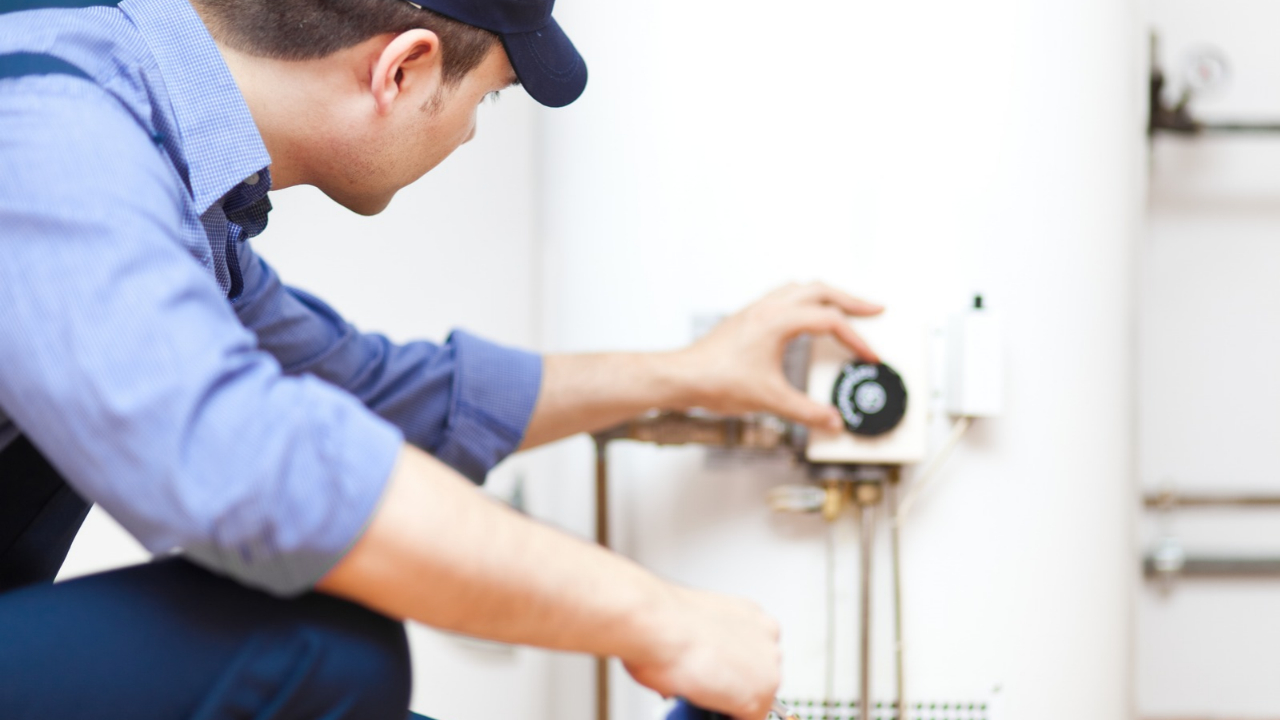
Older water heaters, wall heaters, and some stoves rely on a steady, gentle feed. When the regulator starts drifting, the pilot can get touchy. It lights, then goes out a day later for no clear reason, and you find yourself relighting it more than you should.
Drafts and dirty pilot assemblies also cause this, so don’t skip basic cleaning. But if the pilot flame size changes from one day to the next with no adjustments, suspect pressure instability. On household appliances, this is a job for a licensed tech, not a guess-and-check project.
8. Appliance Valves Start Chattering
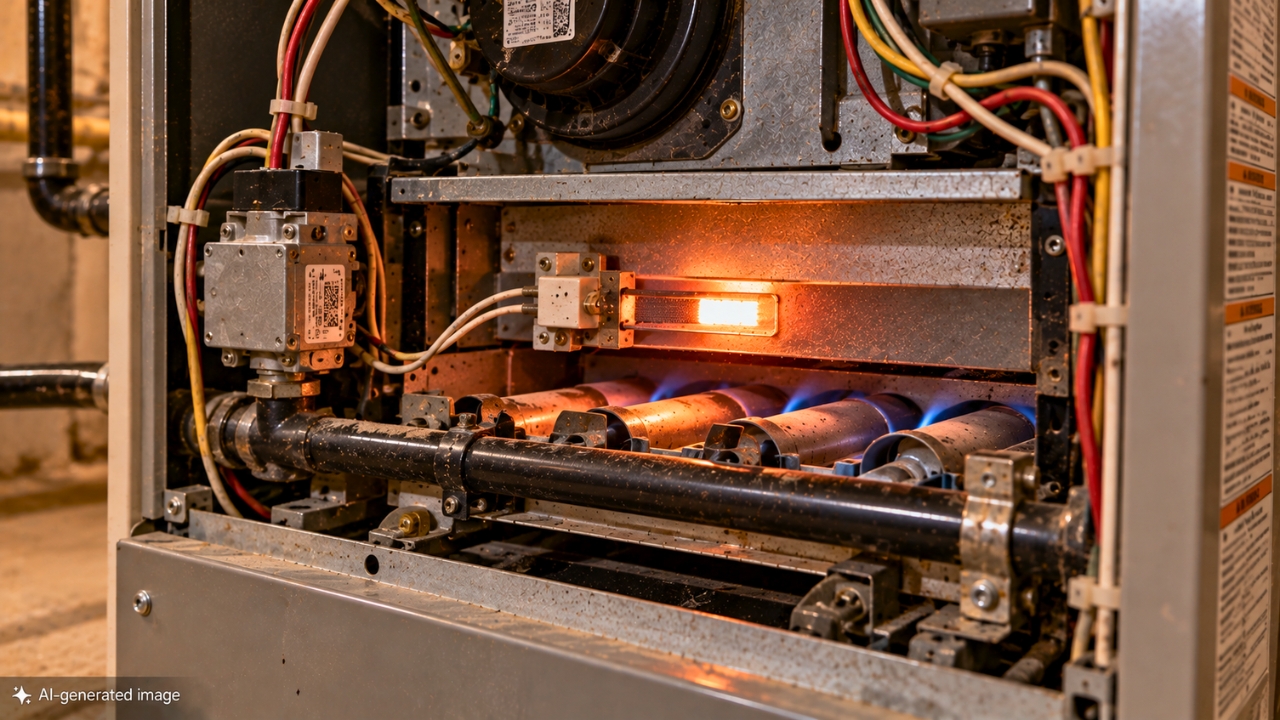
This one surprises people. A failing regulator can make downstream valves and controls sound odd, a faint fluttering, buzzing, or chatter when a heater cycles. You might hear it at a gas valve, a stove manifold, or even in the hose on a portable setup.
Chatter usually means the regulator isn’t damping pressure changes like it should. It can wear out appliance parts over time, and it’s annoying in a cabin or shop where everything is quiet. Swap the regulator and check that the hose isn’t kinked or rubbing a sharp edge.
9. The Vent Screen Is Plugged With Mud
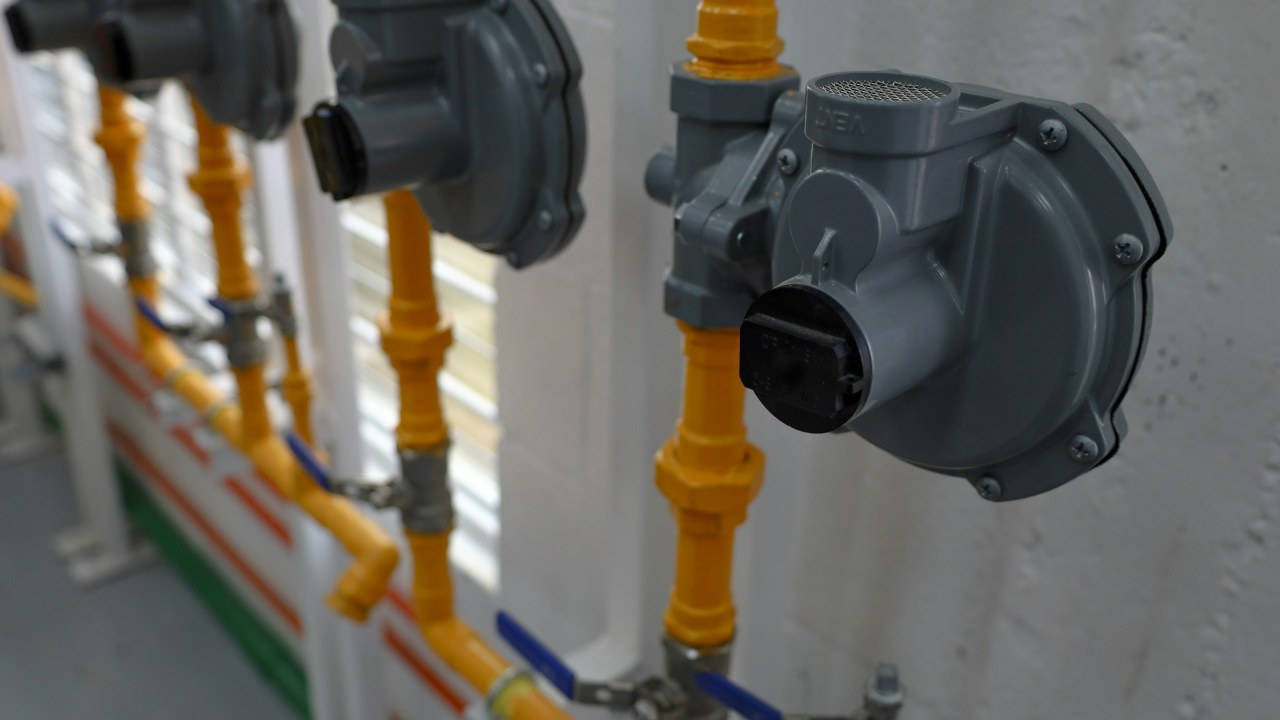
Regulators breathe through that little vent. Mud daubers love it. So do spiders. If the vent screen is packed with mud, grass seeds, or insect nests, the regulator can’t reference outside air correctly and pressure control goes sideways.
Cleaning the vent screen is sometimes enough, and this is the honest exception where “replace it” is not always the first move. Shut off the tank, brush the vent screen gently, and keep the vent pointed down like it’s supposed to be. If the regulator has been flooded with mud or you see corrosion, replace it anyway. They’re not forever parts.
10. You Keep Resetting “Bad Tank” Problems
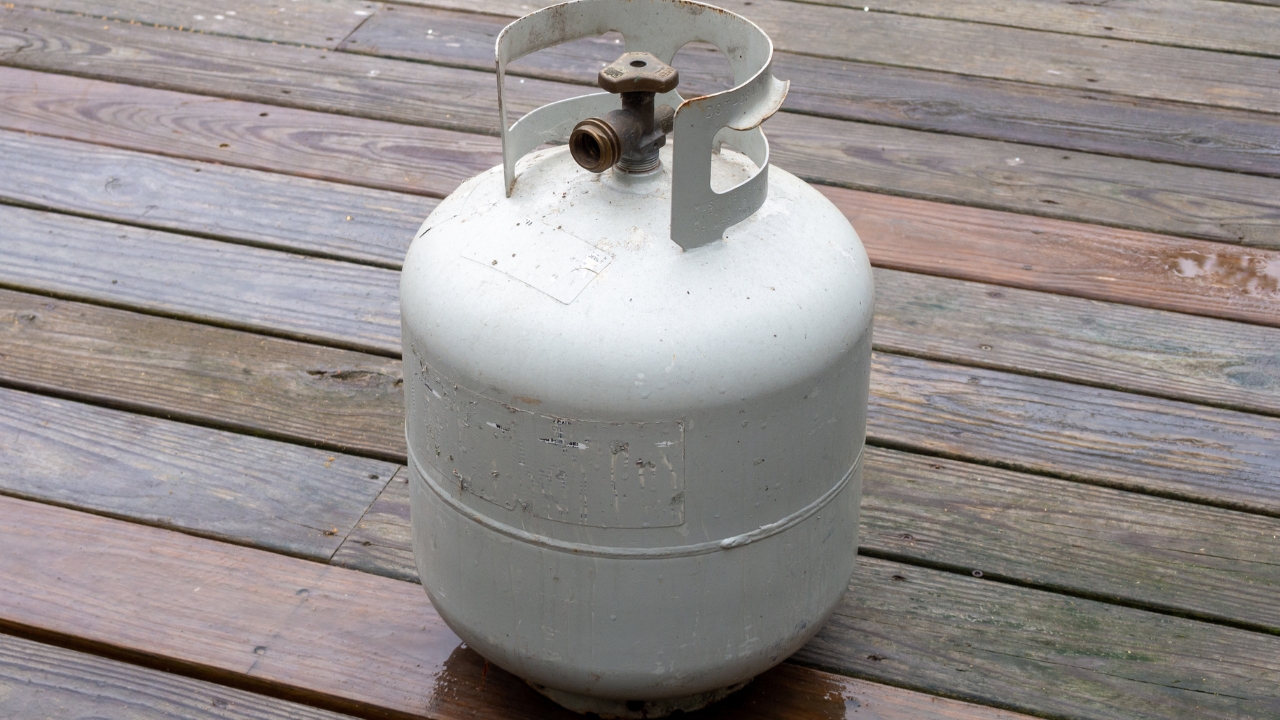
If every tank swap turns into the same routine, weak flames, shutting the valve, waiting, reopening slowly, you’re burning time and wasting propane runs. People blame the exchange cage or assume they got a half-empty cylinder, over and over.
A regulator that’s sticking or a worn hose assembly can act like every tank is the problem. If multiple tanks behave the same way on the same setup, stop blaming the fuel. Replace the regulator and hose as a set on portable gear, they’re usually sold together for a reason. On a house system with a first-stage and second-stage setup, have a propane company or licensed installer check both stages and the piping.
Regulators live outside, get baked by sun, soaked by rain, and asked to work hardest when the weather is worst. If anything smells like gas, shut it down and get qualified help. For everything else, a new regulator is often a cheap, boring fix that makes your whole propane setup feel normal again.
Like Fix It Homestead’s content? Be sure to follow us.