10 Things That Trip a GFCI Outlet Over and Over
Photo credit: Lost_in_the_Midwest/Shutterstock.com
You plug something in, it runs for a minute, and then the outlet clicks off again. You hit reset, it holds, then it trips the second you put the load back on. A GFCI is doing its job, but when it keeps doing it, you’ve got a pattern worth chasing.
1. Wet Boxes And Damp Covers Outside
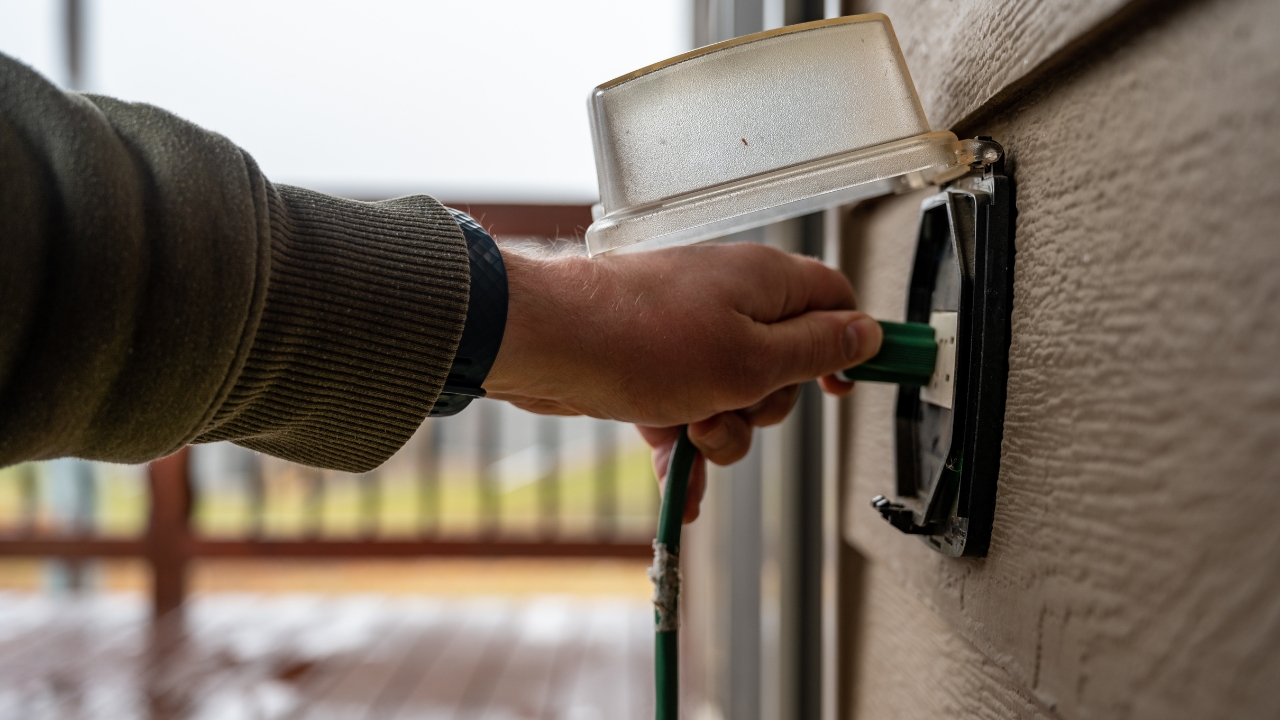
Rain, sprinklers, melting snow, and even a hose rinse can get moisture behind an outdoor cover. Once the box is damp, a GFCI will trip over and over, especially on cool mornings when condensation hangs around. Sometimes you’ll hear a faint sizzle or see fogging inside a “bubble” cover.
Dry weather fixes nothing if water keeps getting in. Replace cracked gasketed covers, tighten the mounting screws, and re-caulk the top and sides of the cover where it meets siding or masonry. If the box is loose or the cable enters from above without a proper connector, plan on pulling it apart and correcting it, this is a good spot to call an electrician if you’re not comfortable working in exterior boxes.
2. A Bad Appliance Heating Element

A worn heating element is a classic repeat offender. Old toaster ovens, kettles, hot plates, coffee makers, and hair tools can leak current to ground when the element heats up, so the outlet holds for a few seconds and then trips. It often looks random until you notice it only happens when something gets hot.
Try the same appliance on a different GFCI protected outlet, if it trips there too, stop using it. Elements and internal wiring can be replaced on some equipment, but plenty of small appliances aren’t worth the time. If it’s a well pump controller, stock tank heater, or other farm gear, get it checked, a leaky heater in a wet area is a real shock risk.
3. Nicked Extension Cords In The Grass
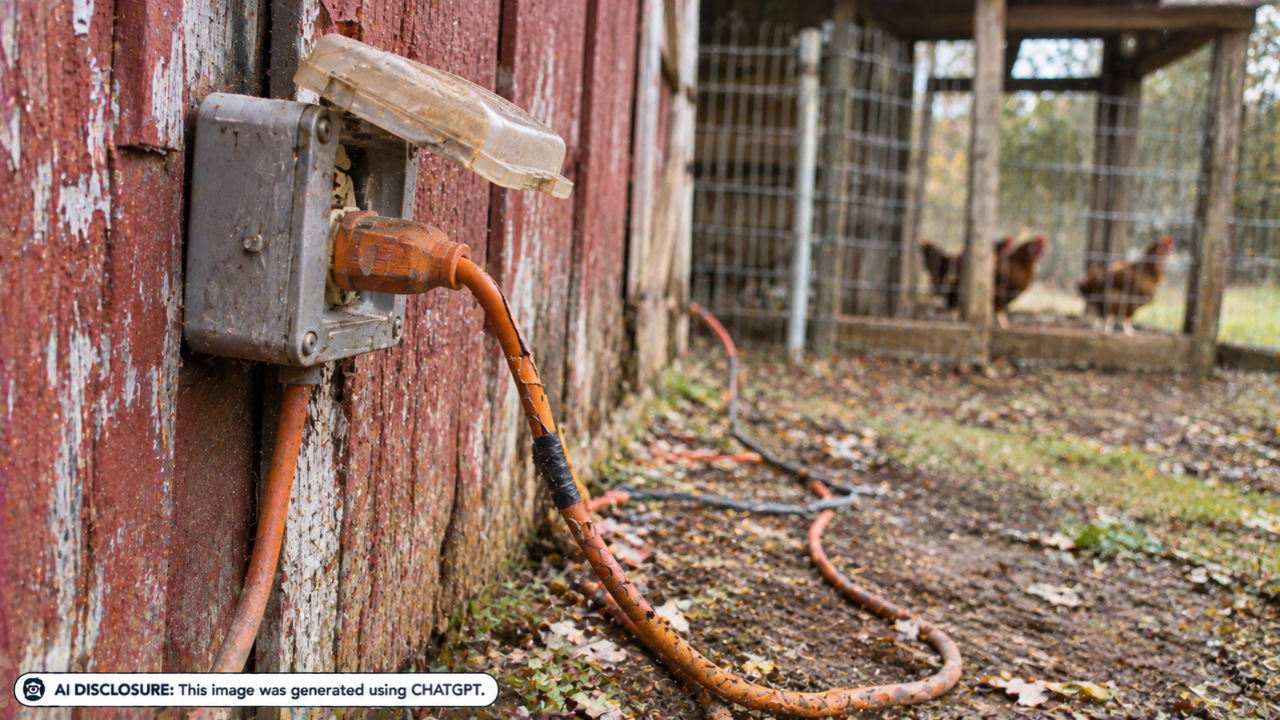
Stringing an extension cord across a yard works right up until it doesn’t. Mower blades, weed trimmers, shovel edges, ATV tires, and barn doors chew cords, then the next damp morning the GFCI starts tripping like crazy. You might not see the damage until you flex the cord and the jacket opens up.
Unplug it and inspect the full length, hands on, not just a quick look. If there’s a cut, soft spot, or flattened section, replace the cord, don’t tape it and keep going. For regular outdoor use, run a heavier cord and route it where you won’t drive or cut, or install a proper outdoor receptacle where you actually need power.
4. Shared Neutral On Multiwire Circuits
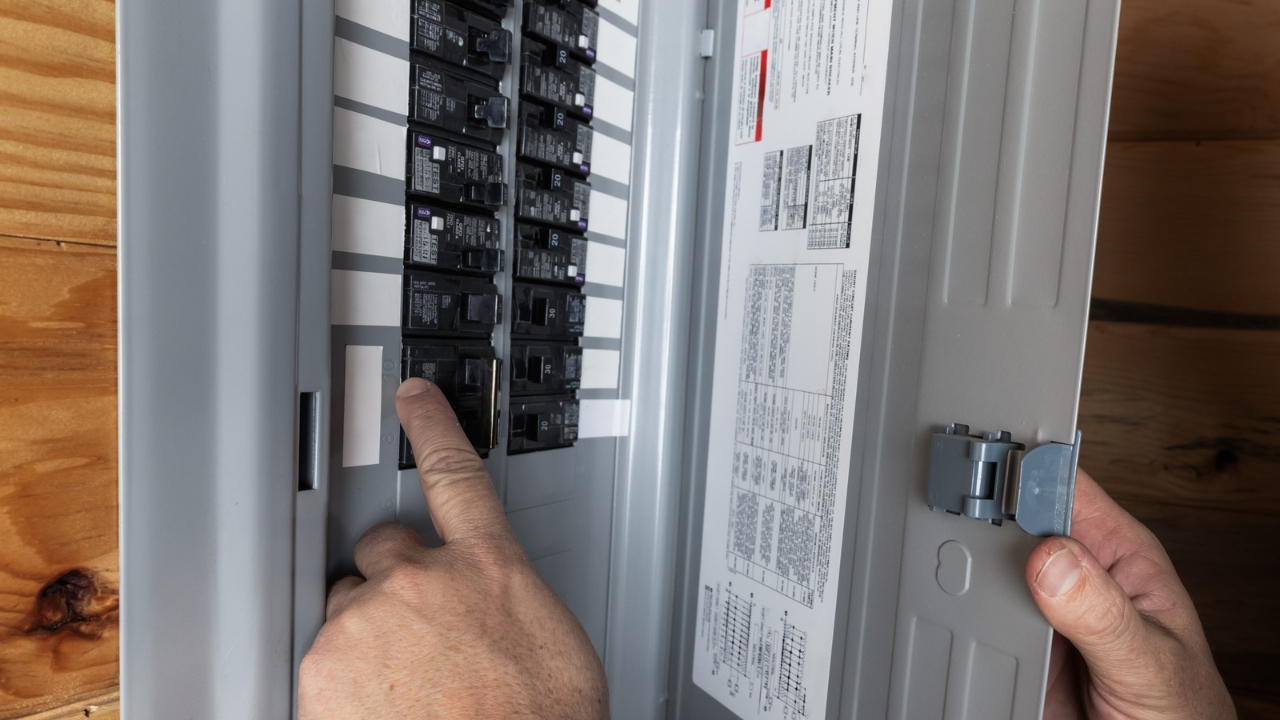
Some older kitchens, garages, and outbuildings have two hot wires sharing one neutral. If the circuit was changed over the years, the shared neutral can cause a GFCI to trip instantly or act flaky, even with “nothing plugged in.” This one fools people because the outlet itself seems guilty.
You’re into wiring layout and breaker pairing here, not a quick swap. A licensed electrician can trace the circuit, fix the neutral issue, and confirm the breakers are correctly tied where required by code. If you’re seeing repeated trips on a remodeled kitchen or a DIY’d shop circuit, this is high on the suspect list.
5. Backstabbed Or Loose Receptacle Connections
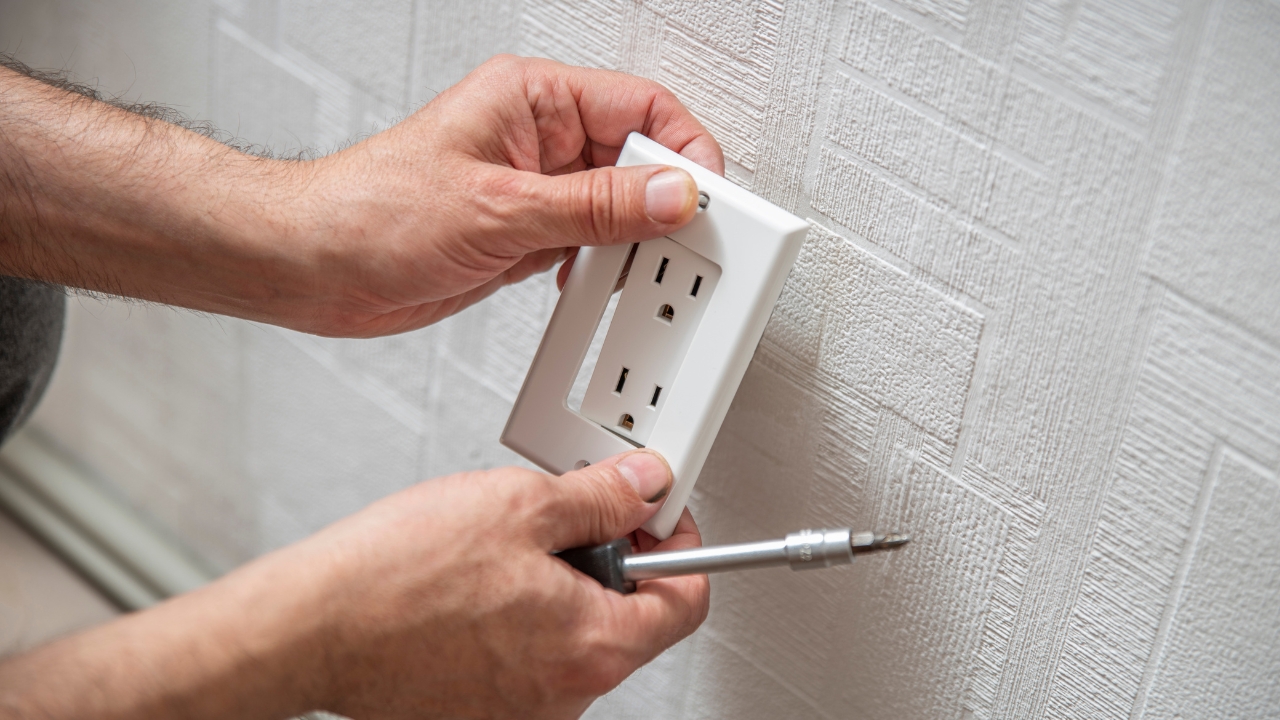
If the outlet trips when you bump the plug, shut a cabinet door, or the washer starts vibrating, suspect a loose connection. Backstab terminals and worn screws can heat up, arc, and create just enough imbalance for a trip. Sometimes you’ll smell hot plastic before anything trips.
Turn off the breaker and verify the power is off, then pull the receptacle and look for loose wires, dark marks, or melted insulation. Re-terminate on the screw terminals, tighten properly, and replace the outlet if anything looks cooked. If you find aluminum wiring or brittle cloth insulation, stop and bring in a pro.
6. Water In Sump Pumps And Crawlspace Gear
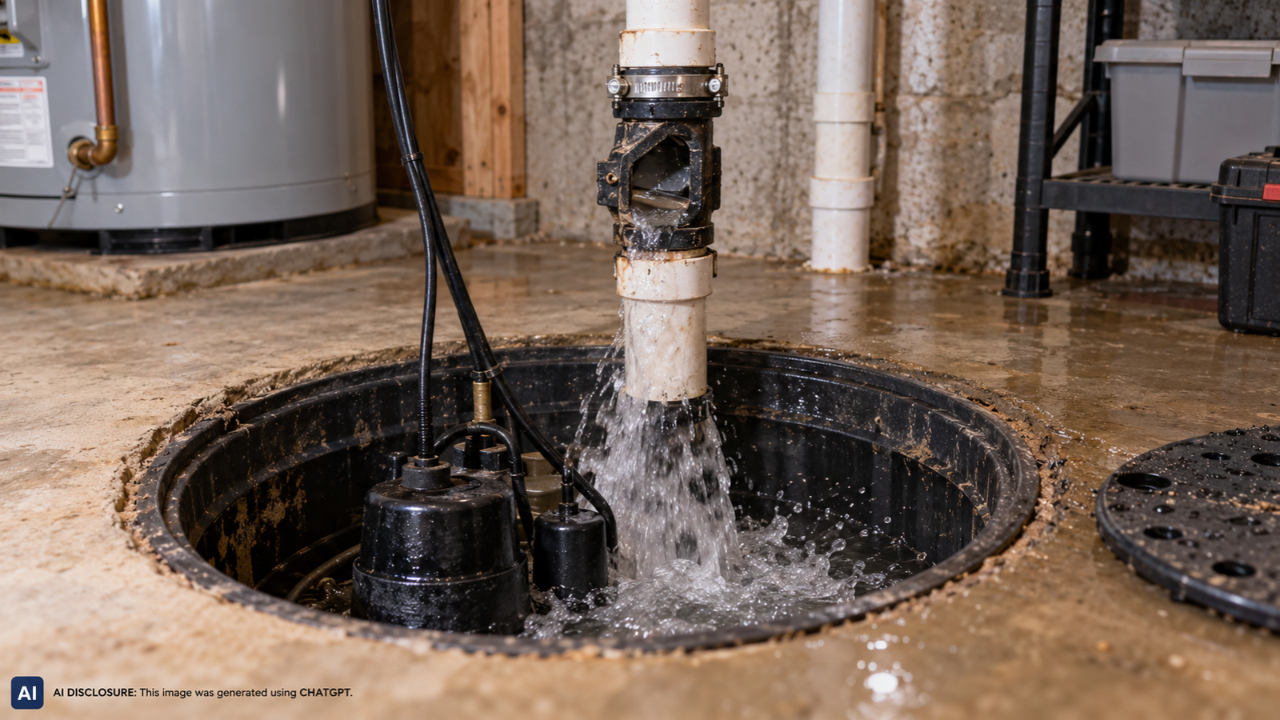
Sump pumps, dehumidifiers, condensate pumps, and crawlspace fans live in damp air and dirty water. When a cord, seal, or motor starts leaking current, the GFCI does what it’s supposed to do, it trips before you get shocked standing on wet concrete. These failures can come and go for weeks before they finally quit.
Clean the pit, check the pump cord for nicks, and look for water lines on the plug and receptacle. If the pump is old or noisy, replacing it is often cheaper than chasing a nuisance trip that ends with a flooded basement. If you’re tempted to move the pump to a non-GFCI outlet, don’t, fix the cause instead.
7. Garage Freezers And Fridges With Defrost Issues
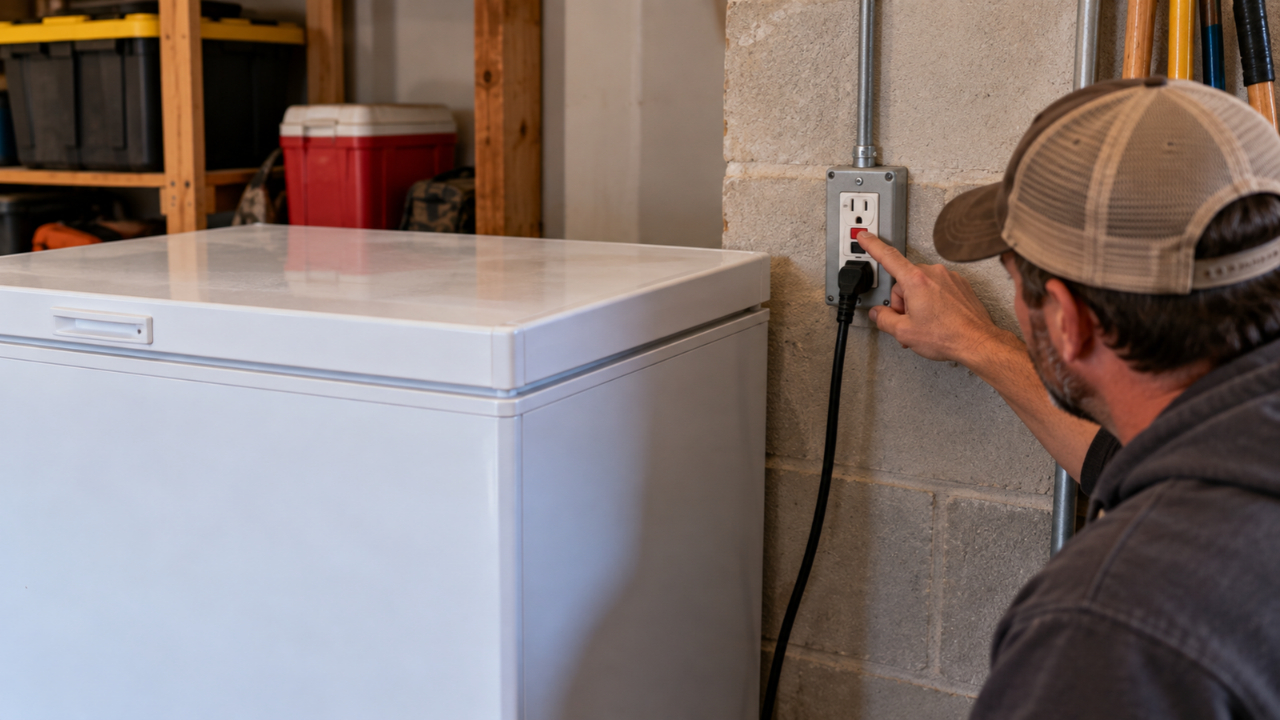
Garage refrigerators and chest freezers can be hard on GFCIs. A failing defrost heater, moisture in a junction box, or compressor insulation breakdown can trip protection, often overnight when the unit cycles. You notice in the morning because the reset button is popped and the unit is warm.
First, don’t assume the outlet is “too sensitive.” Test the appliance on another GFCI circuit and watch it through a couple of cycles. An honest exception exists here: some newer fridges and freezers behave fine on GFCI and should be left that way, especially in garages where codes often require it. If yours won’t cooperate, talk to an electrician about bringing the circuit up to local code and diagnosing the appliance, not about bypassing protection.
8. Load And Line Wires Reversed
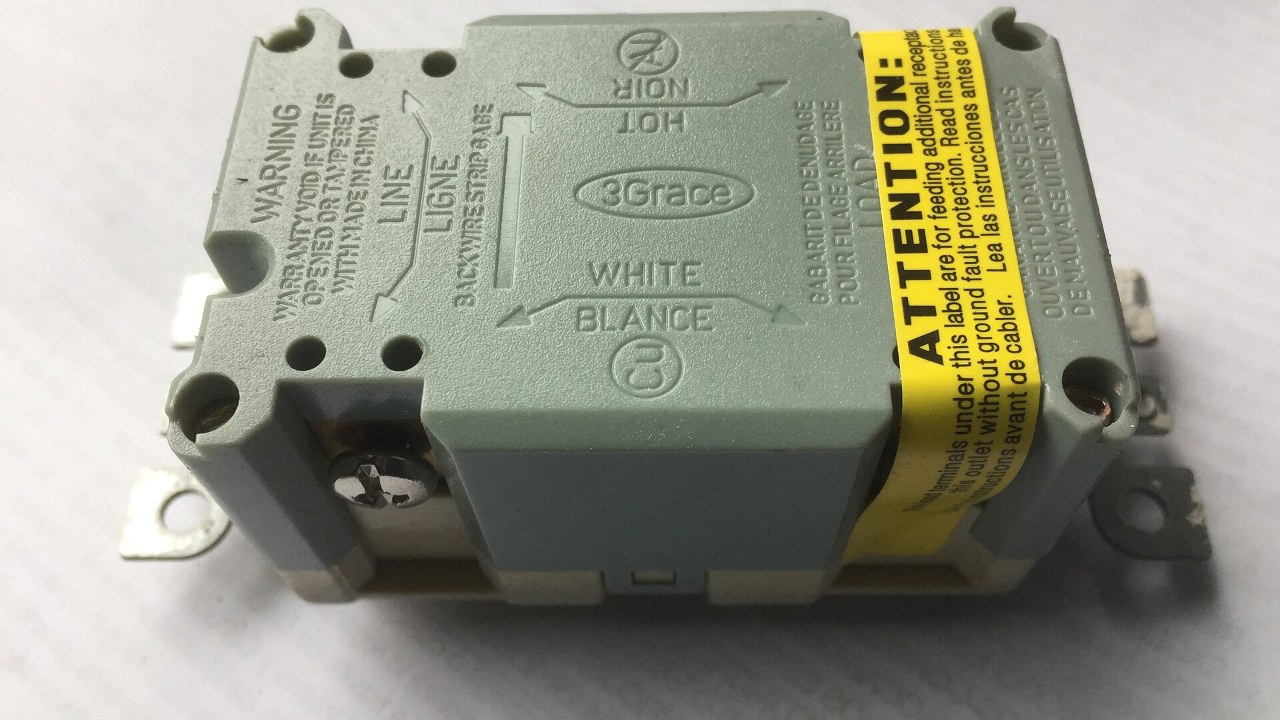
A swapped “line” and “load” connection on a GFCI can cause weird behavior, no reset, constant tripping, or downstream outlets that are dead when they shouldn’t be. This often shows up after a quick outlet replacement where the wires got moved over one at a time without labeling. It can also happen when a box has multiple cables and somebody guesses wrong.
Kill the breaker, pull the outlet, and identify which cable is the feed from the panel, then land it on the line terminals only. If you’re not confident identifying the feed, or you see multiple downstream cables tied in odd ways, it’s worth paying an electrician for an hour. Miswiring wastes time, and it can leave other outlets unprotected.
9. Lightning, Surges, And Stormy Power
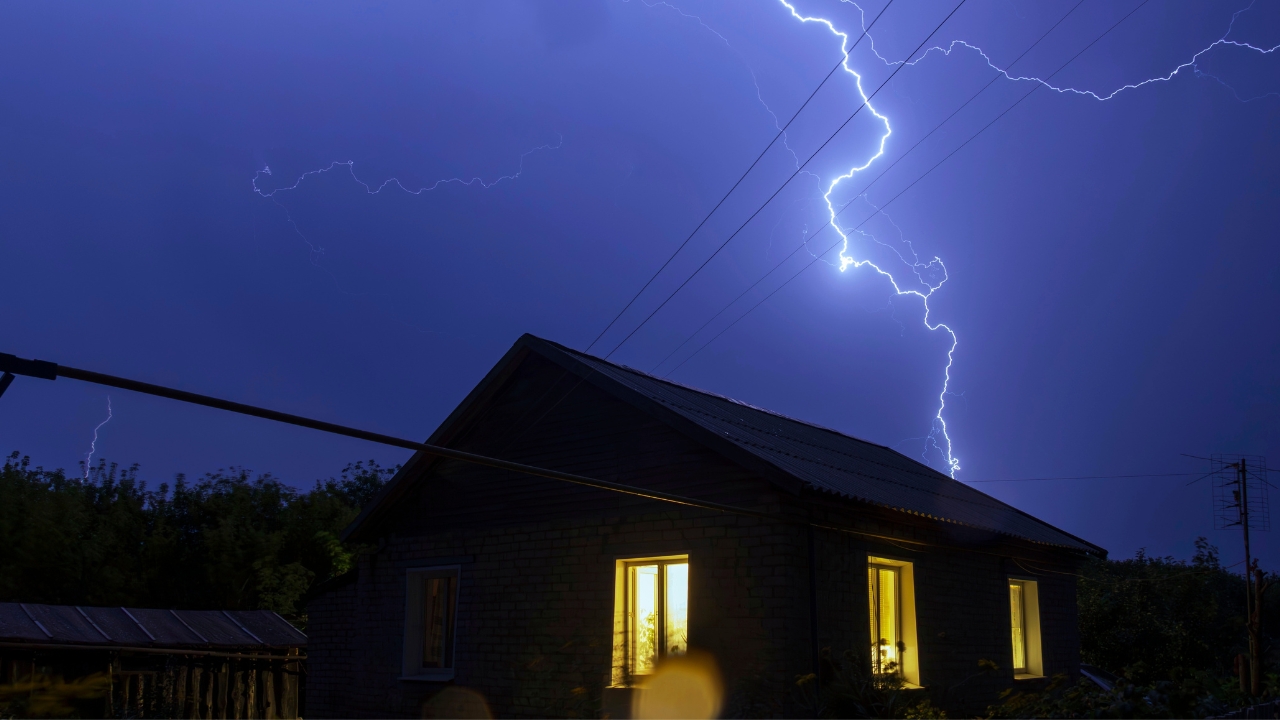
After a big thunderstorm or a utility hiccup, a GFCI can get touchy or fail internally. Sometimes it will reset but trip under any load, other times it won’t reset at all. If several GFCIs around the house started acting up the same week, think surge damage.
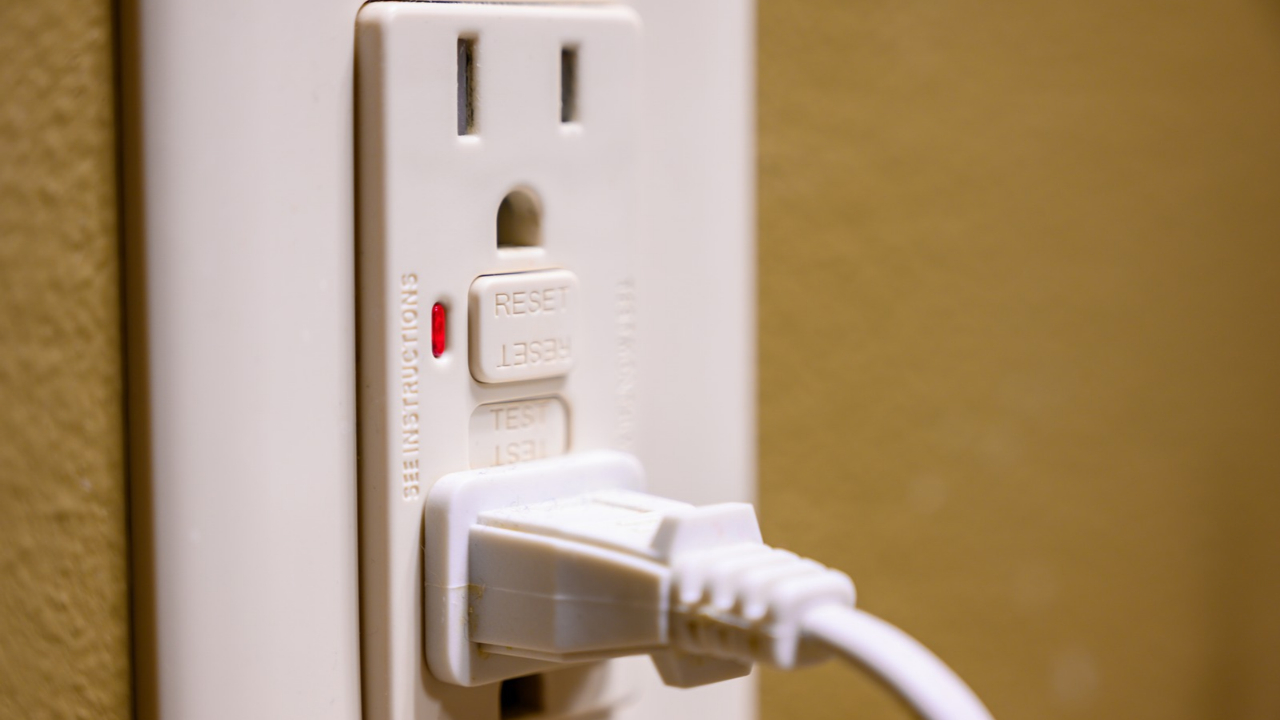
Replace the outlet with a new GFCI of the same amperage rating, and use the built-in test and reset buttons to verify it works. If the new one also acts strange, the problem is likely upstream, loose neutral, damaged cable, or a bad breaker, and that’s a job for a licensed electrician. A whole-house surge protector at the panel can help in lightning country, but it still needs proper grounding to do much.
10. A Worn Out GFCI Near End Of Life
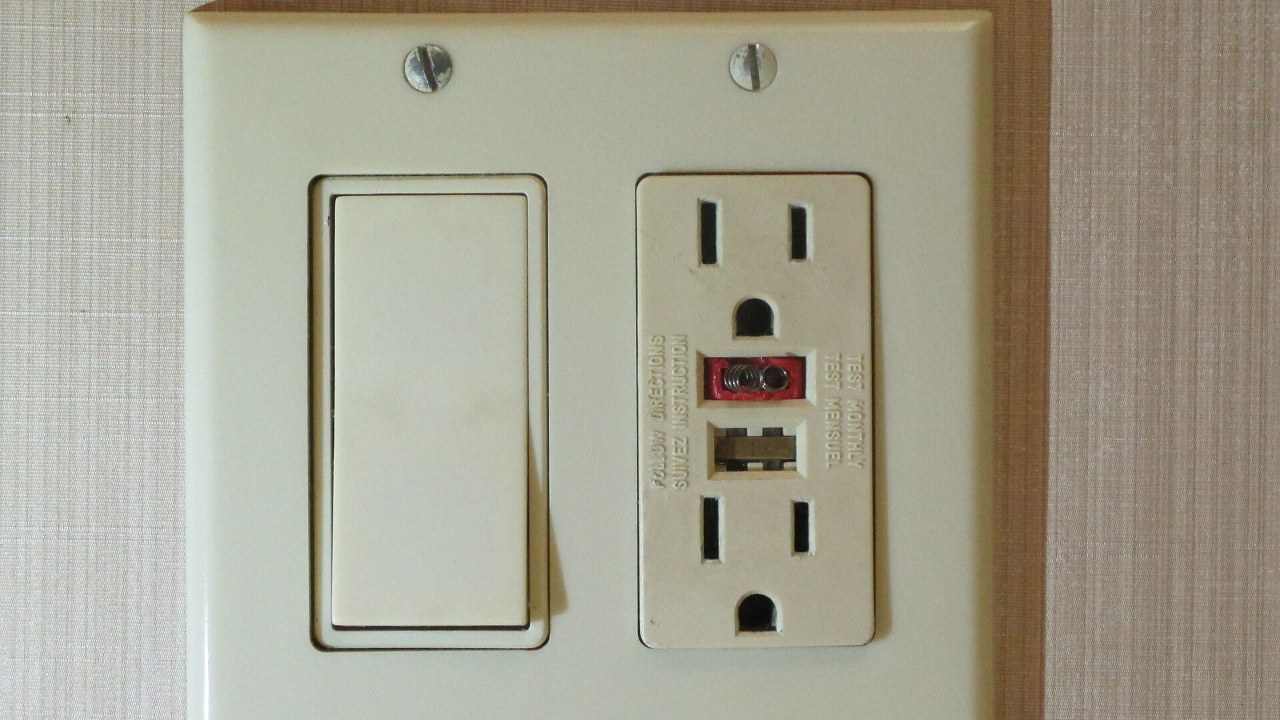
GFCIs don’t last forever. In a busy kitchen, a steamy bathroom, or an outdoor location with temperature swings, the internal parts wear out, and nuisance trips creep in. You reset it and it holds for hours, then starts popping again for no clear reason.
If it’s more than a few years old and you’ve ruled out the appliance, replacing it is a reasonable first move and costs a few bucks and a little time. Use a quality device, wire it neatly, and don’t cram the box so full the screws bite into insulation. If you replace it and it still trips, stop swapping parts and start looking for moisture, damaged cords, or wiring faults.
When a GFCI keeps tripping, treat it like a clue, not an inconvenience. Take notes on what was plugged in, what the weather was doing, and whether it happens on startup or after a minute of running. If you hit the point where you’re guessing inside walls or at the panel, that’s the spot to call a licensed electrician and get it sorted safely.
Like Fix It Homestead’s content? Be sure to follow us.