
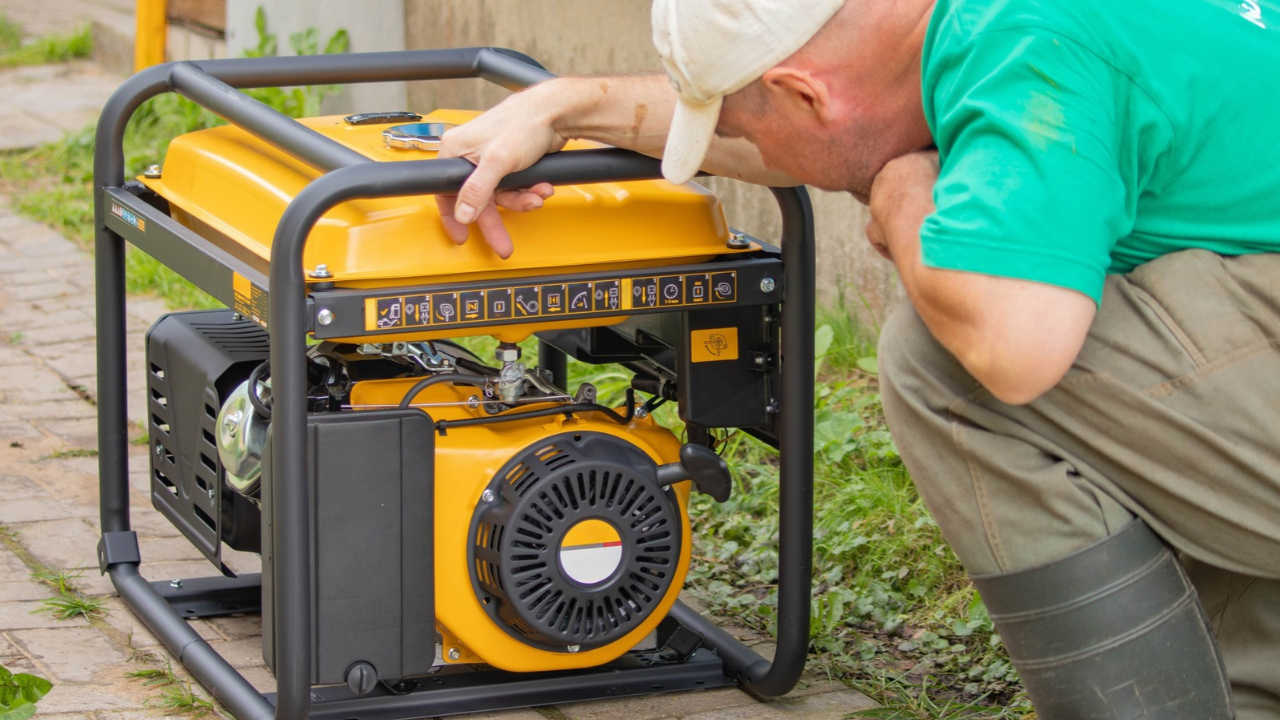
10 Red Flags When Buying a Used Generator
Photo credit: Chebotaeva Ekaterina/Shutterstock.com
A used generator can be a smart buy, until the first outage turns it into a loud, expensive paperweight. Sellers often “know it runs” but have no idea how it runs under load, or what it’s been through. A few quick checks can save you from a smoky surprise in the rain.
1. Seller Won’t Run It Cold
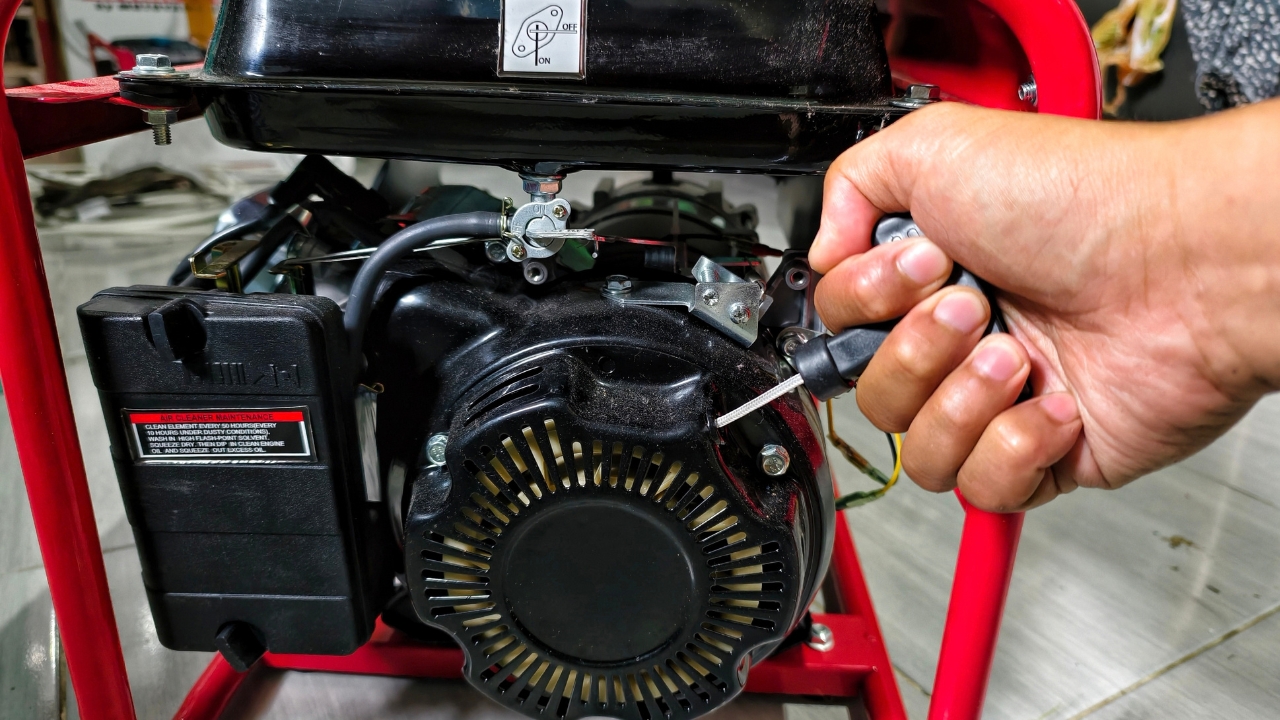
If it’s already warm when you arrive, treat that as a warning. A generator that starts fine after it’s warmed up can be a bear to start from cold because of carb trouble, weak ignition, or low compression. Ask to see it start after sitting for a few hours, with you watching.
Listen for how it catches. A healthy unit usually fires in a couple pulls or a short crank, then settles down without hunting up and down. If the seller won’t do a cold start, or keeps changing the subject to “it always worked last year,” walk.
2. No Load Test With Real Tools
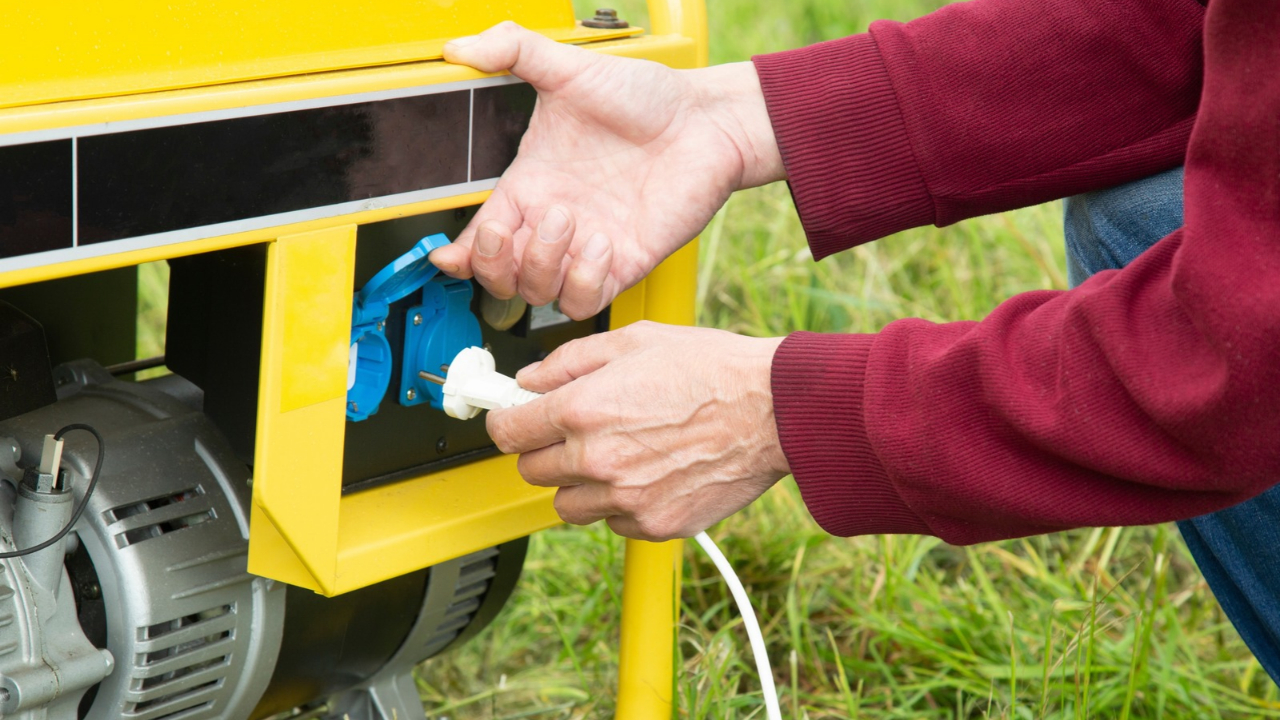
Hearing an engine run tells you almost nothing about the power end. The problem shows up when you plug in a space heater, shop vac, or circular saw and the engine bogs, surges, or the breaker pops. Bring a known load if you can, even a heat gun or hair dryer, and ask to test for five to ten minutes.
Watch the outlets and the panel. Lights dimming hard, a buzzing sound, or the engine revving up and down can point to a governor issue or a tired capacitor or AVR on some units. If the seller says “I don’t have anything to plug in,” that’s not your problem.
3. Gas Smell From Tank Or Carb
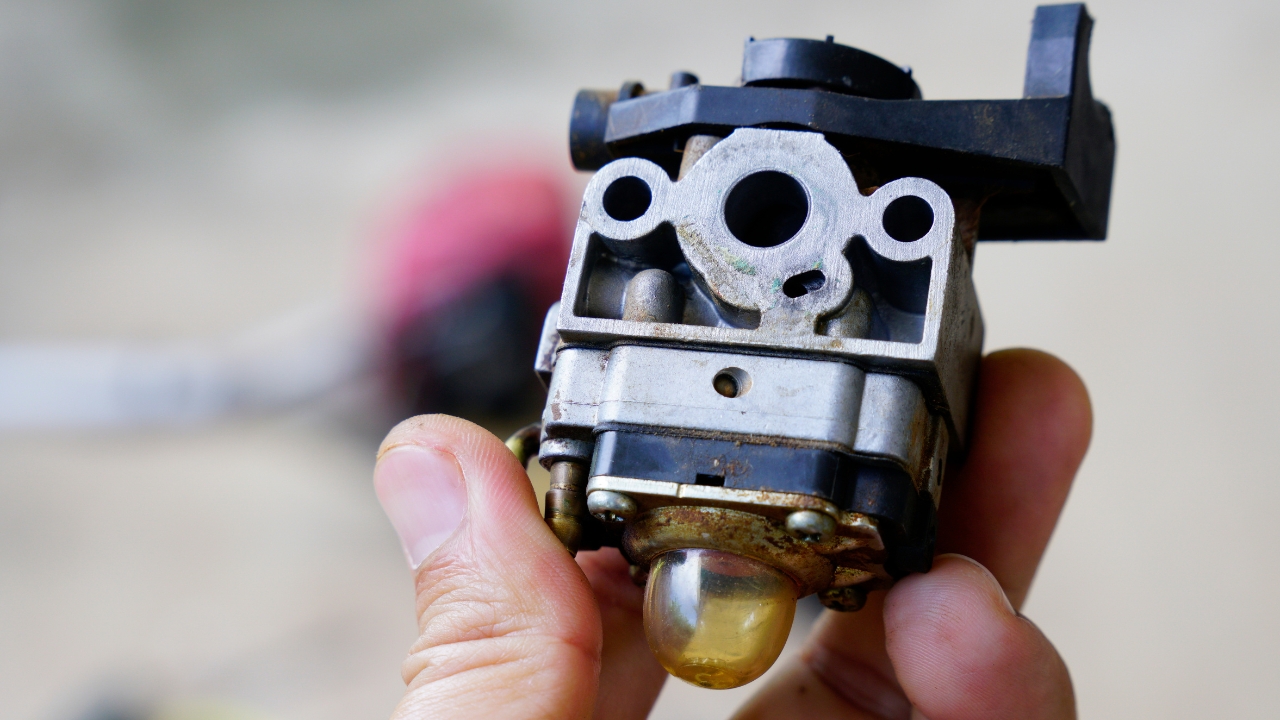
Raw fuel odor around the machine is more than annoying. It can mean a cracked fuel line, leaking petcock, bad primer bulb, or a carb bowl gasket that’s seeping. Leaks also wash grime into places it shouldn’t be, and stale gas varnish is the root of a lot of “ran last season” stories.
Look under it for wet spots and dark stains. Check the tank seams, shutoff valve, and the carb area with a flashlight. A small hose is cheap, but a corroded tank or a carb that needs a full rebuild adds time fast.
4. Oil Looks Like Glitter Or Milk
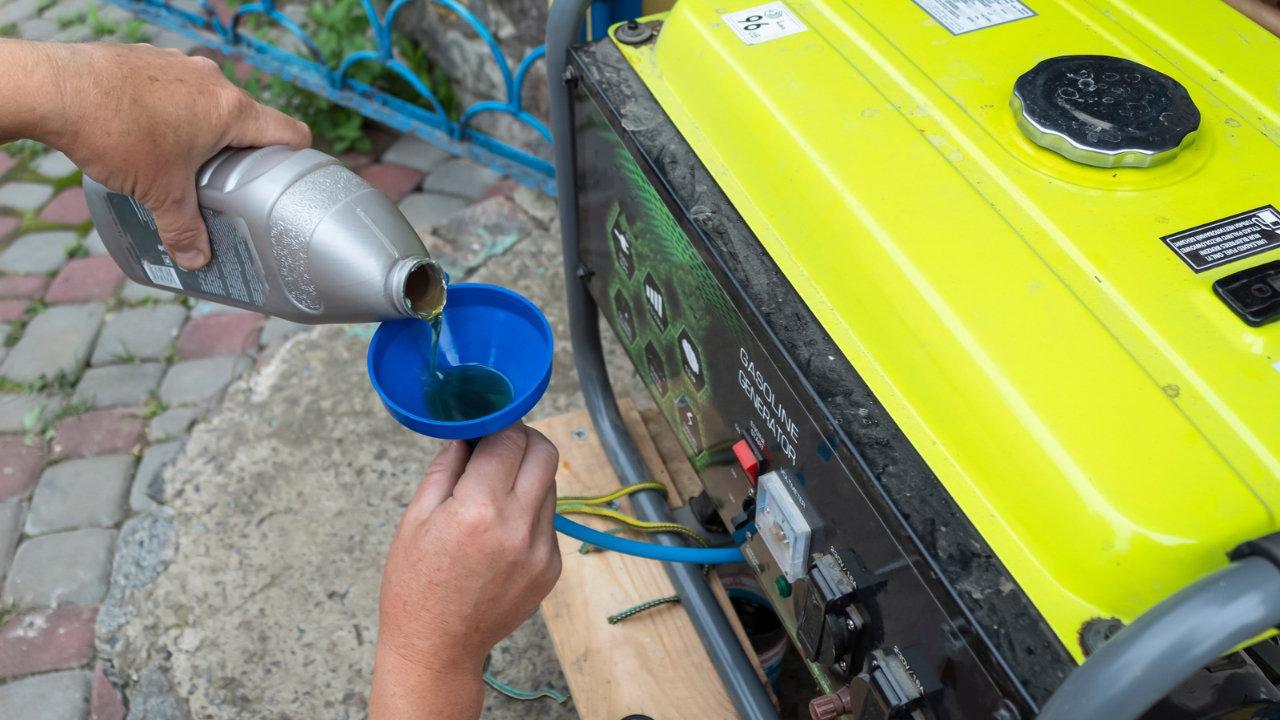
Pull the dipstick before you get friendly. Metallic sparkle in the oil hints at bearing wear, and milky oil points to water contamination from bad storage or a missing cap. Either one can turn into a seized engine after a few hours of running.
Dark oil alone isn’t a deal-breaker if the rest checks out. Some people never change it, which is dumb but fixable. What you don’t want is metal, foam, or an oil level that’s way over full, which can mean fuel dilution from a stuck carb needle.
5. Choke Games And Surging Idle
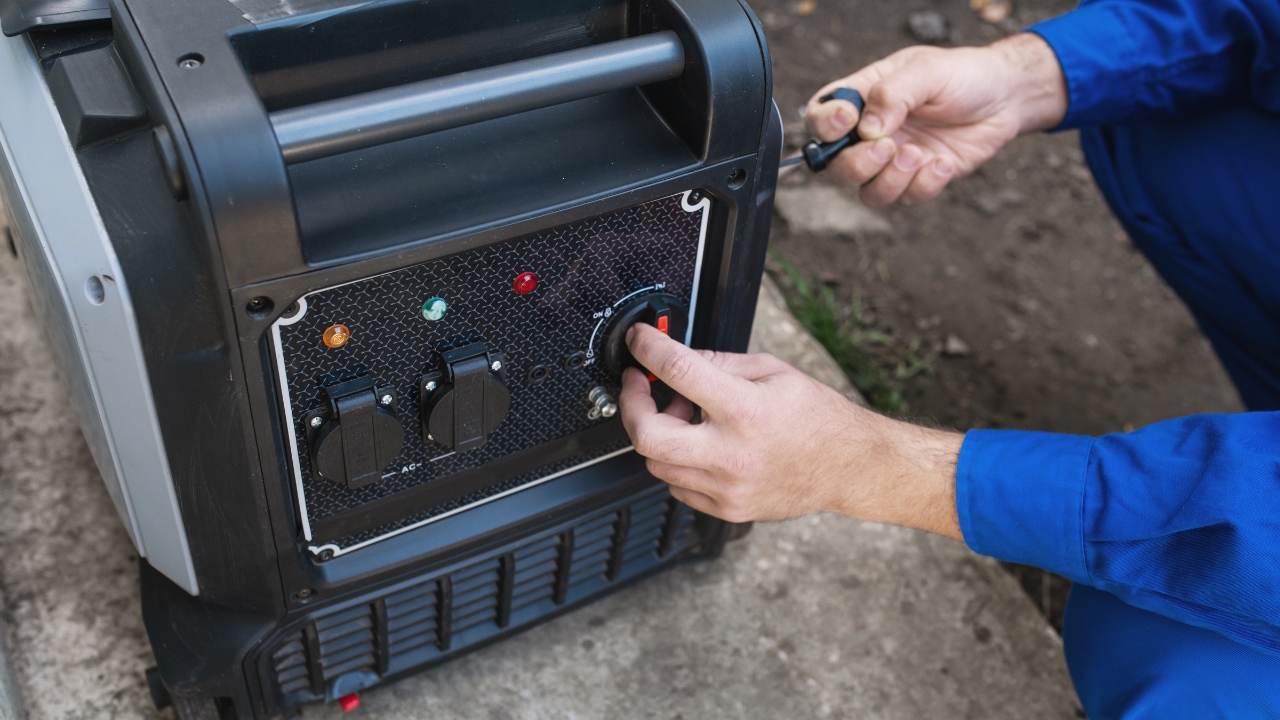
Having to run half-choke all the time is a classic sign of a dirty carb or an air leak. You’ll hear it as a steady rev-up, rev-down “hunting” sound, especially with no load. That usually gets worse the longer it runs, not better.
A carb clean is doable for a lot of homeowners, but don’t buy the problem unless the price makes sense. If you’re not the type to pull a bowl, use carb cleaner, and replace small gaskets without tearing them, budget for a small engine shop. Some shops won’t touch certain older carbs if parts are hard to find.
6. Melted Outlets Or Loose Breakers
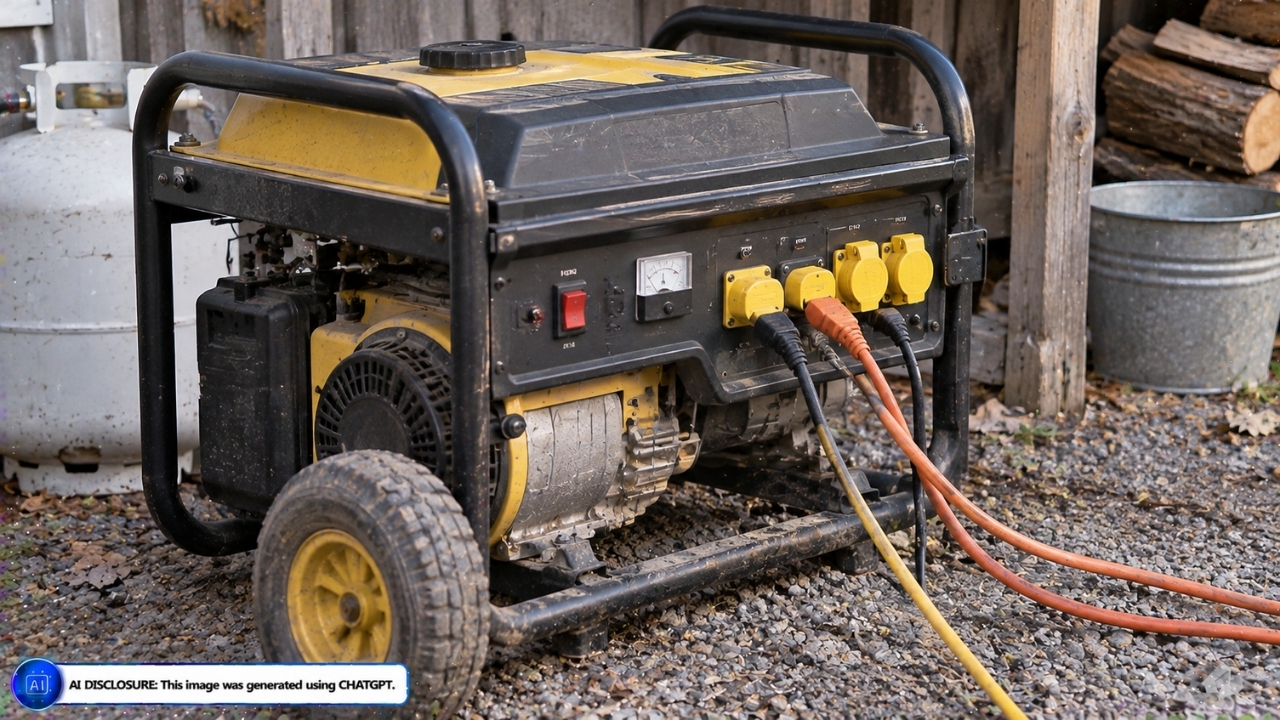
Take a hard look at every receptacle. Brown plastic, warped faces, missing ground pins, or a loose outlet that wiggles in the panel can mean it was overloaded or had a bad connection heating up. That kind of heat can also cook wiring inside the head.
Flip the breakers on and off. They should click cleanly and stay put. If the seller has taped a breaker on, or says “it trips sometimes so I just…” stop the conversation and leave. Don’t buy someone else’s fire hazard.
7. Rust In The Tank And Frame
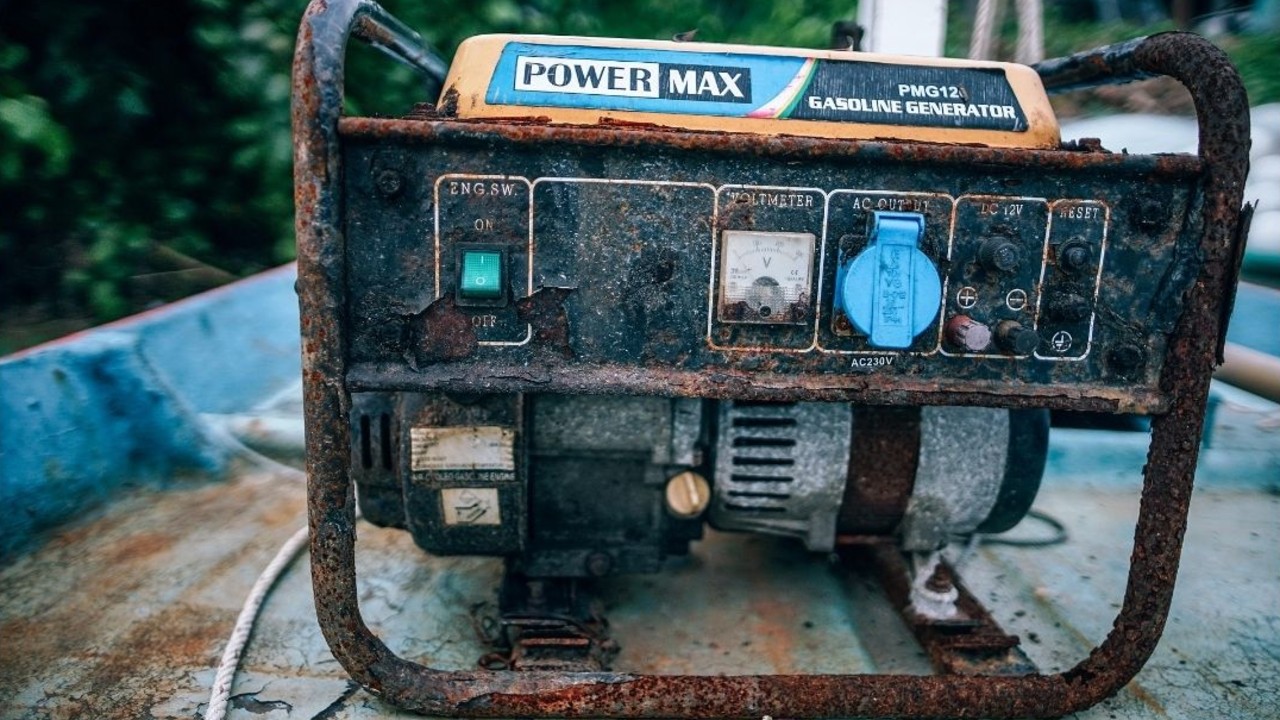
Surface rust on the frame is normal on a farm unit that sat in a shed. Rust flakes inside the fuel tank are a different animal. They migrate to the carb, clog jets, and keep clogging them until the tank is cleaned and sealed or replaced.
Shine a light into the tank if you can. If you see scaly rust, factor in extra work. The cheap fix is an inline fuel filter, and sometimes that’s fine as a temporary bandage, especially on a beater generator you only use for a stock tank heater. Just don’t pretend it’s “fixed.”
8. Missing Paperwork And Mismatched Labels

No manual is common, but a missing model tag or a serial plate that’s been scraped off is sketchy. You want to know the exact model so you can find parts, wiring diagrams, and the right air filter, spark plug, and carb kit. If the stickers don’t match the machine, somebody swapped parts or housings.
Also check for a clear watt rating and fuel type. Sellers mix up running watts and starting watts all the time, and that mistake can cost you a freezer full of food when the generator can’t handle the compressor start. If the seller won’t let you take a photo of the label, that’s a bad sign.
9. DIY Wiring And Backfeed Talk
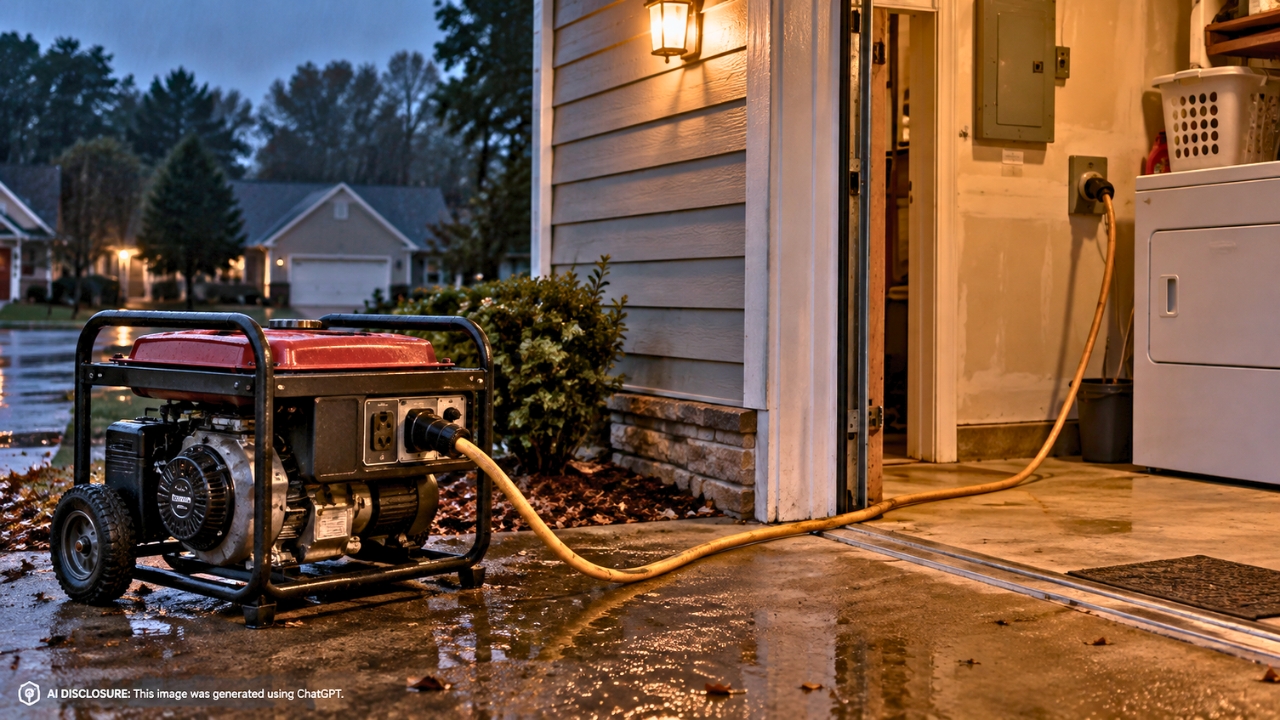
If the seller starts bragging about how they “just plug it into the dryer outlet,” treat that generator like it’s been abused. Backfeeding without a proper transfer switch is dangerous and illegal in many places. It can also fry a generator head or your home’s wiring if something goes wrong.
Look for odd add-ons like homemade cords, non-standard receptacles, or wire nuts hanging out of the panel. If you’re planning to connect a generator to your house, get a licensed electrician to install an interlock or transfer switch that meets local code and permit rules. A used generator is not the place to get creative.
10. Stored Outside With No Cover Story
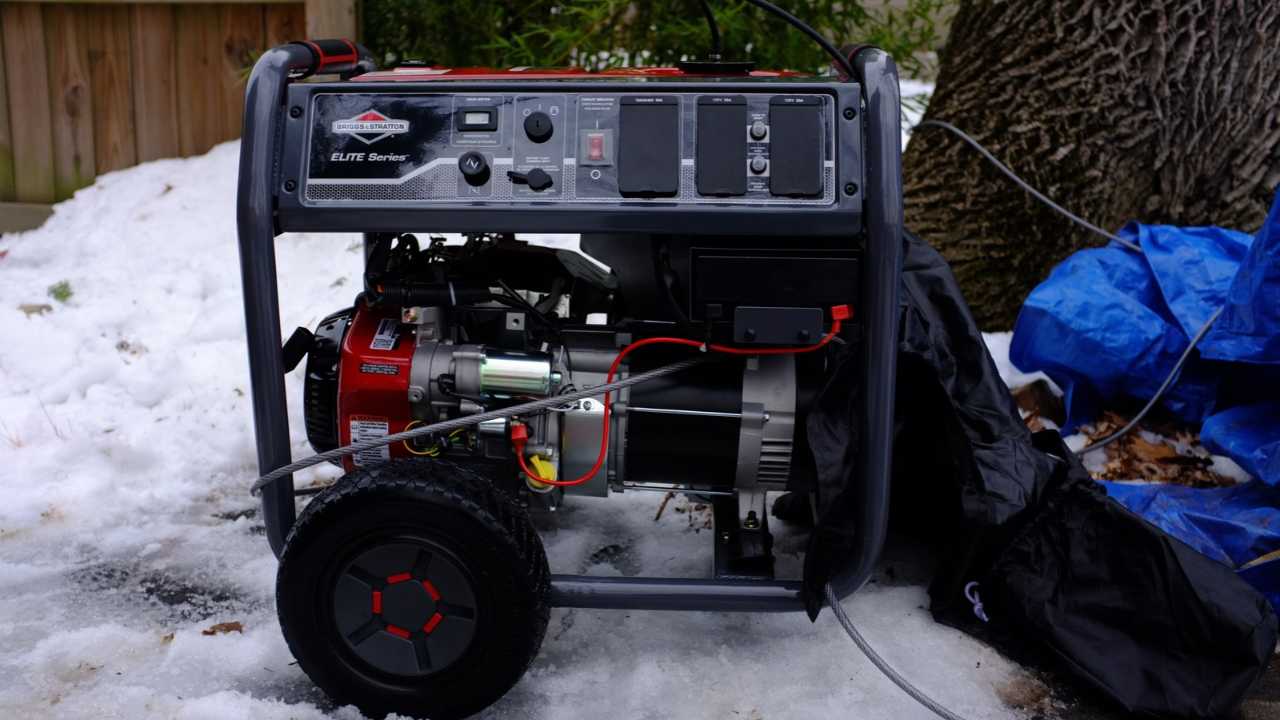
Rain and sun beat up generators fast. UV cracks fuel lines, water gets into outlets, and rodents move in under the shroud. A unit that lived on a porch “under a tarp” often has corrosion in the alternator and sticky controls.
This one is sometimes less dramatic than it sounds, which is the exception. If it was stored dry most of the time and only got weathered a little, you may just be dealing with cosmetics and a new air filter. But if you see mouse nesting, chewed insulation, or a control panel full of dirt, pass unless you want a project.
Take your time and be willing to walk away. The right used generator starts cold, takes a load without drama, and doesn’t smell like gas or burnt plastic. If you end up buying, plan on fresh oil, a new plug, and clean fuel right away, then test it before the next storm shows up.
Like Fix It Homestead’s content? Be sure to follow us.