10 Things That Go Wrong With a Metal Roof in Winter
Photo credit: Vital9s/Shutterstock.com
Winter has a way of turning small roof quirks into loud, leaky problems. Metal roofing holds up well, but cold, snow, and ice push every fastener, seam, and detail to do its job perfectly. If something’s off, you’ll usually hear it first, then you’ll see it.
1. Screws Backing Out After Freeze Thaw
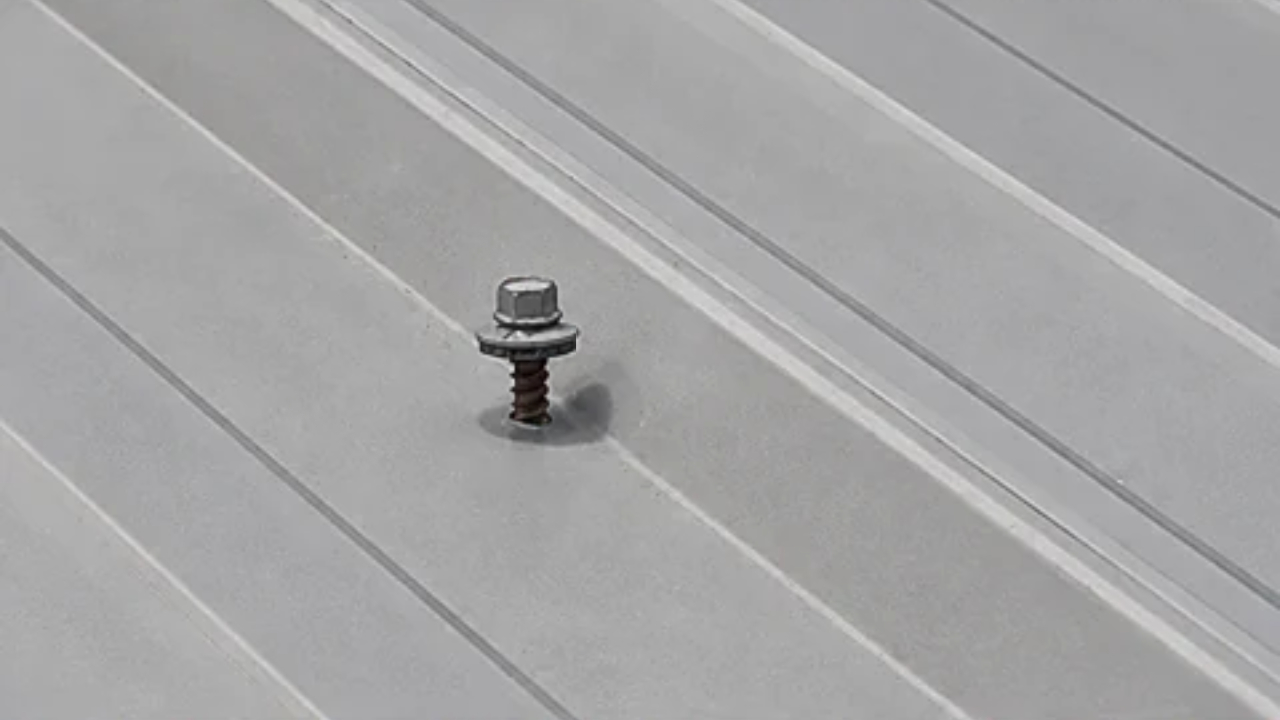
You look up in January and spot a screw head sitting proud, or you find one on the ground by the downspout. Freeze thaw cycles work fasteners loose, especially on older exposed-fastener roofs where the screw is doing all the holding and sealing. Once that screw lifts even a little, water can follow the threads and show up as a stain on the ceiling.
Wait for a safe, dry day and walk the roof only if you’ve got the right boots, a stable ladder, and a roof pitch you can handle. Swap failed screws for the correct diameter and length with a new washer, and don’t just “tighten everything” until washers pancake out. If you’re finding a bunch of loose screws every winter, it’s worth having a roofer look at whether the roof is at the end of its fastener life or if the wrong screws were used.
2. Rubber Washer Seals Cracking In Cold
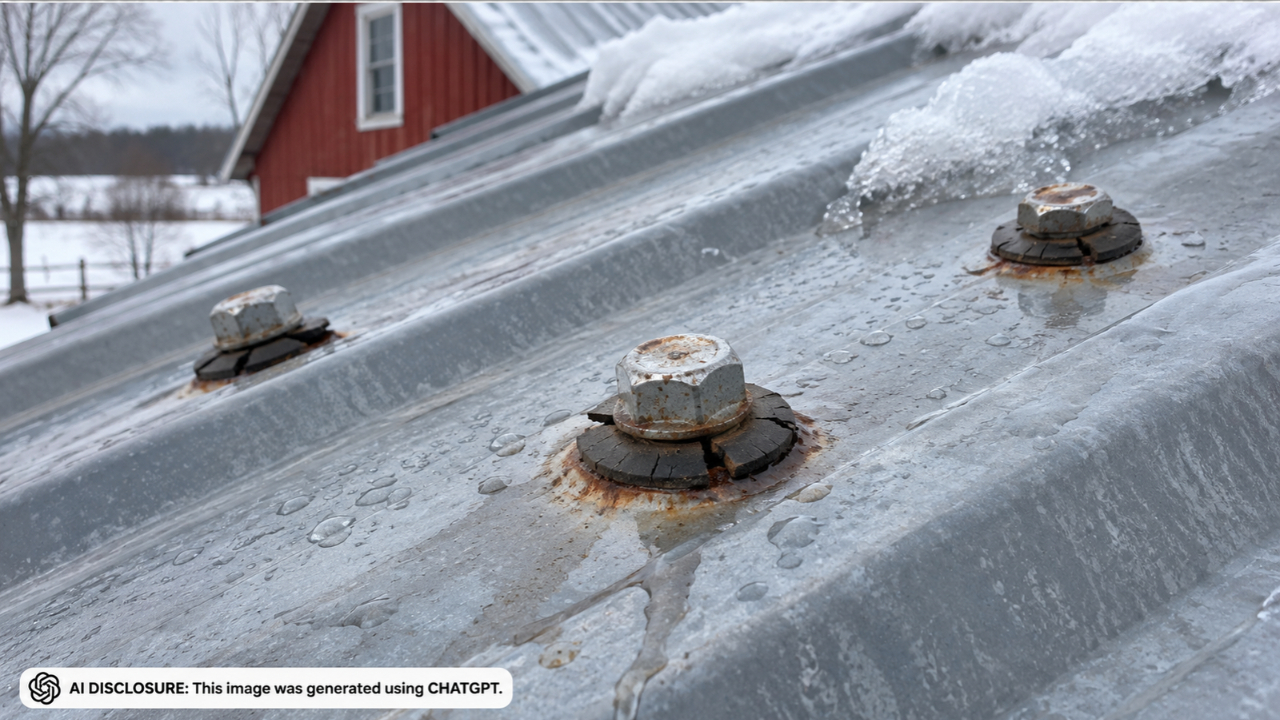
Those little rubber washers under exposed fasteners do a lot of work. In hard cold, older washers stiffen, crack, or split, then spring rains or a midwinter melt finds the opening. You’ll often see tiny rust rings around the screw heads or a line of drips that only happens when snow is melting.
Replacing washers one by one can be a reasonable DIY fix if the roof is otherwise sound. Use roofing screws made for metal panels, not hardware-store deck screws. If the roof is covered in brittle washers, a pro repair or a full re-screw with the right pattern can beat chasing leaks for another season.
3. Snow Sliding Off Like An Avalanche
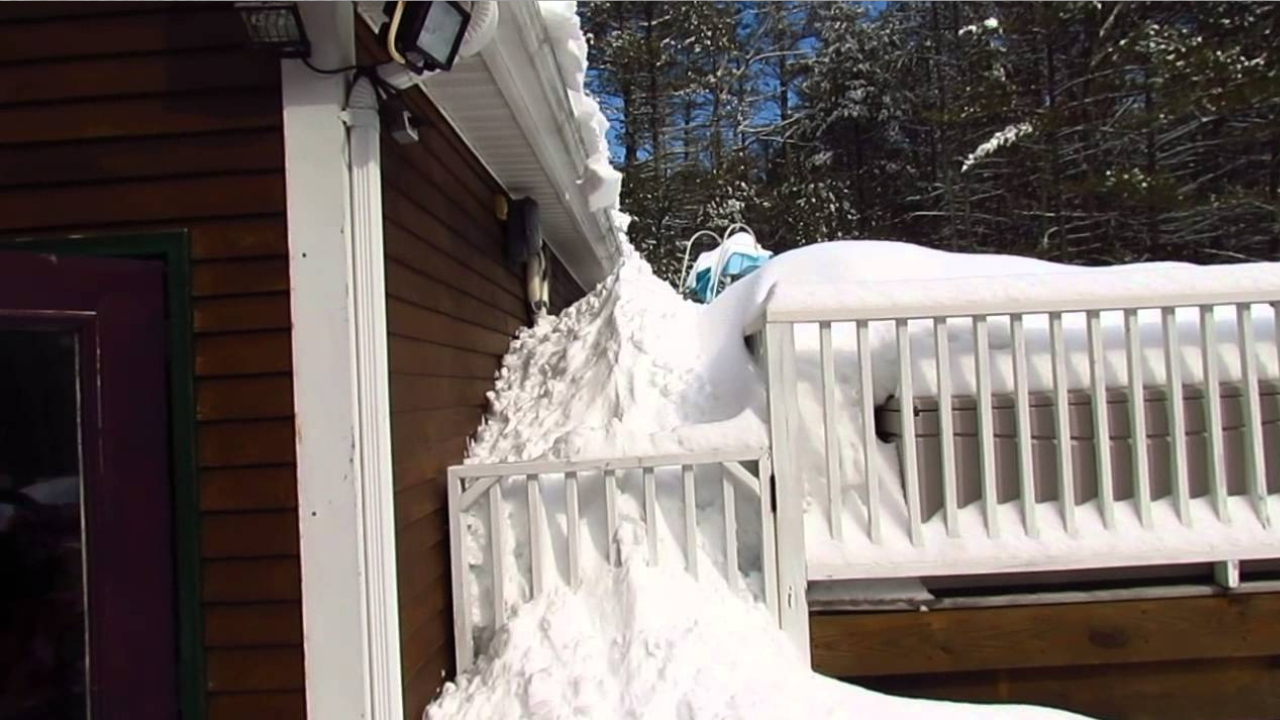
Metal sheds snow, and that’s usually great until it isn’t. A warm spell can dump a whole sheet of snow and ice in one loud whoosh, crushing gutters, flattening shrubs, or landing right where you walk out with an armload of firewood. It’s also rough on vent pipes and skylights that stick up in the slide path.
Snow guards or retention bars are the fix, and placement matters. If you’ve got a steep roof over an entry, a driveway, or a deck, this is money well spent. The cheap stick-on styles are sometimes fine on small runs in mild climates, but on big roof planes in real snow country, through-fastened systems installed to the manufacturer’s layout hold up better.
4. Ice Dams From Heat Loss Below
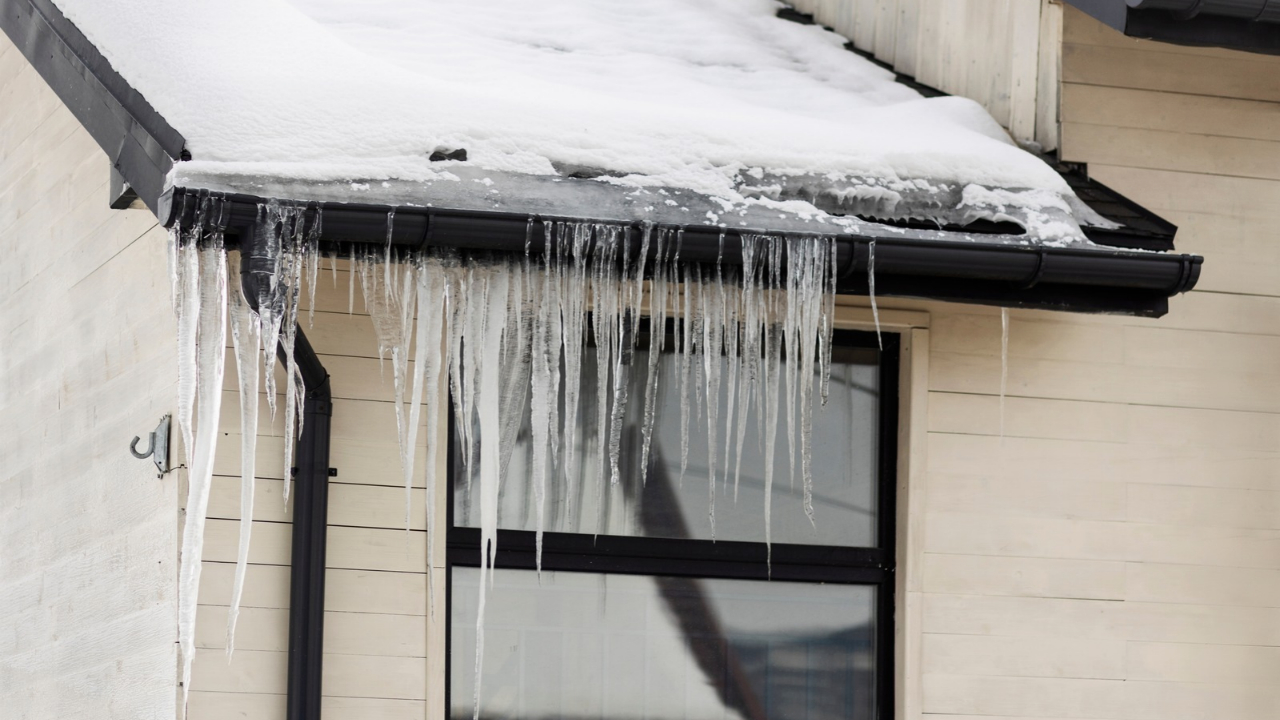
A metal roof doesn’t magically prevent ice dams. If warm air leaks into the attic, snow melts high up, runs down to the cold eave, and freezes into a ridge. Then the meltwater backs up and finds its way under trim, around fasteners, or into weak spots near the edge.
The real fix starts inside: air sealing at attic penetrations, better insulation, and balanced soffit and ridge ventilation. Raking the first few feet after a heavy snow can help, but don’t hack at ice with a shovel or axe. If you keep getting dams, it’s time to have an insulation contractor or roofer look at the attic setup, not just the roof covering.
5. Flashing Leaks Around Chimneys And Pipes
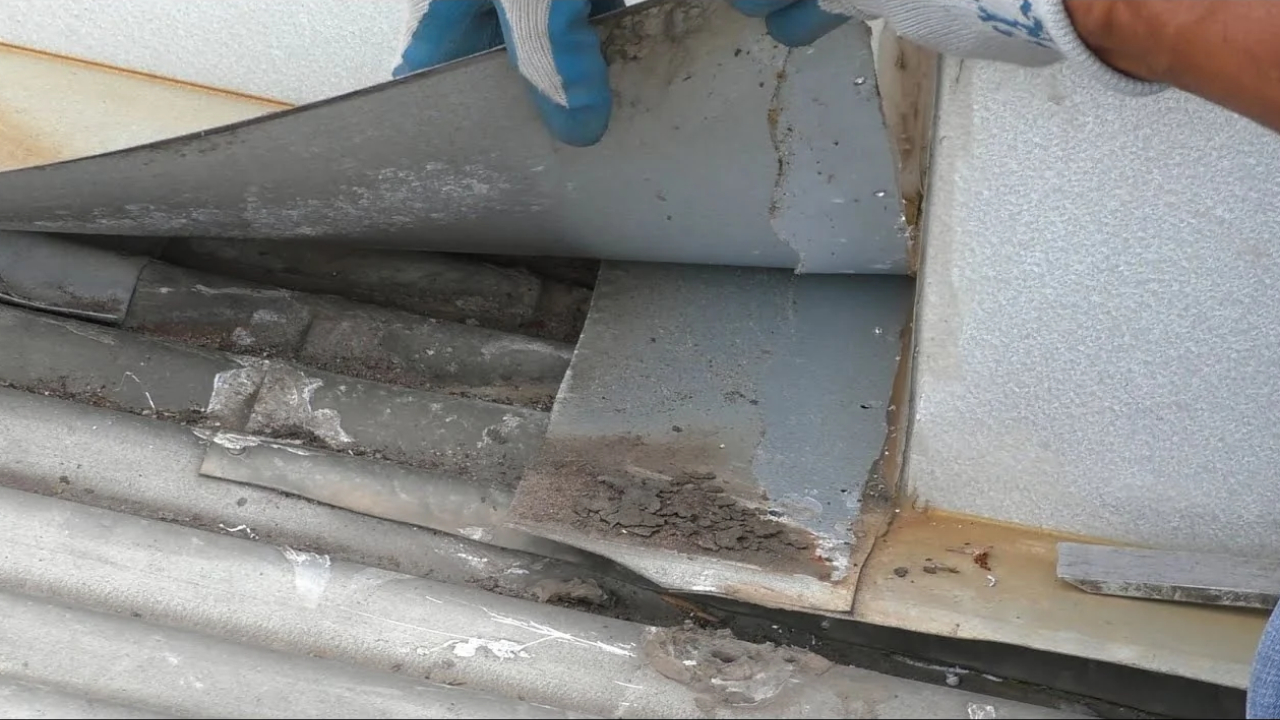
The leak that shows up as a wet ring around a ceiling light often isn’t from the middle of the panel. It’s from a chimney, plumbing vent, or wall transition where metal meets something else. Winter makes it worse because snow piles up, meltwater sits longer, and sealants get stiff.
Look for lifted edges, cracked sealant, or a rubber pipe boot that’s split. Small repairs, like replacing a pipe boot or re-fastening a loose counterflashing, are doable if you can work safely and you’re not guessing. If the chimney flashing is wrong or tied into siding and roofing layers, hire a roofer who actually does metal, because a sloppy patch can trap water where you can’t see it.
6. Panels Oil Canning Louder In Cold
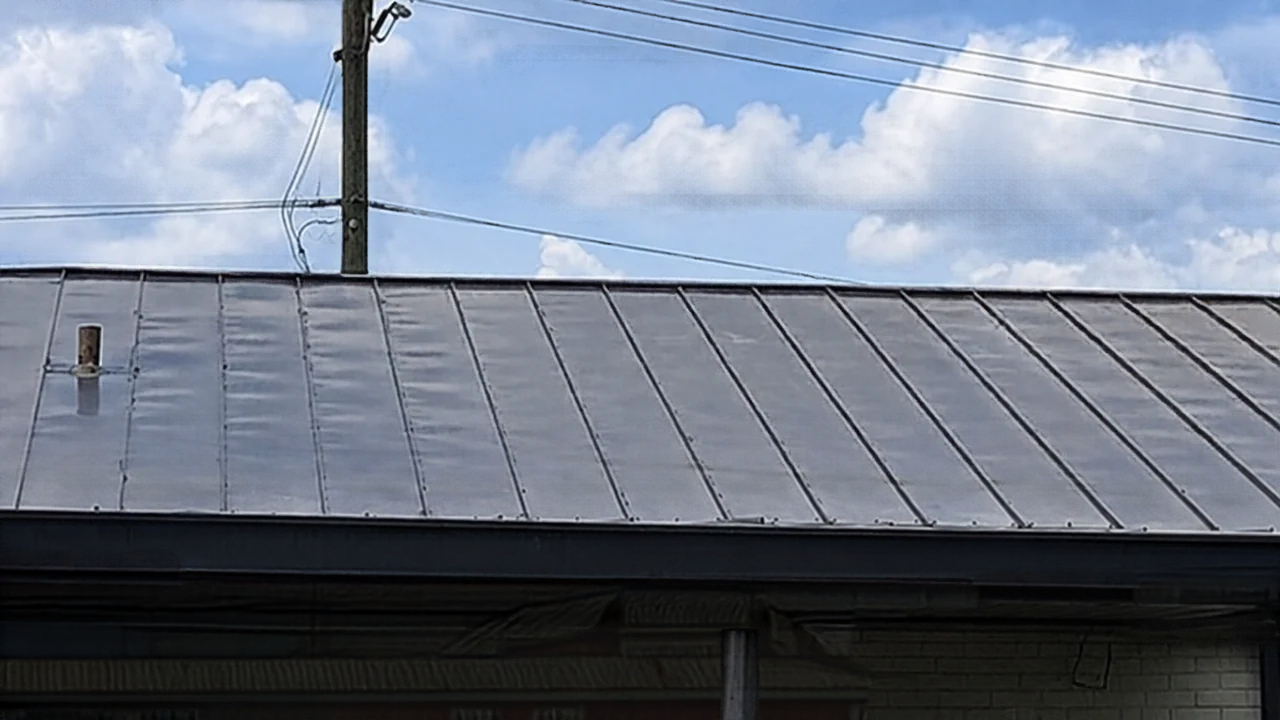
That popping and booming sound on a clear, cold night can make you think the roof is failing. A lot of the time it’s oil canning, the panels flexing as they contract and expand with temperature swings. Winter brings sharper swings, so you notice it more.
This is often cosmetic, not a leak. If the roof isn’t dripping and fasteners aren’t pulling, the noise is mostly an annoyance. If it’s new and obnoxious, talk to the installer, because panel gauge, clip spacing, and how the roof was laid out can make it better or worse.
7. Ridge Vent Frost And Attic “Snow”
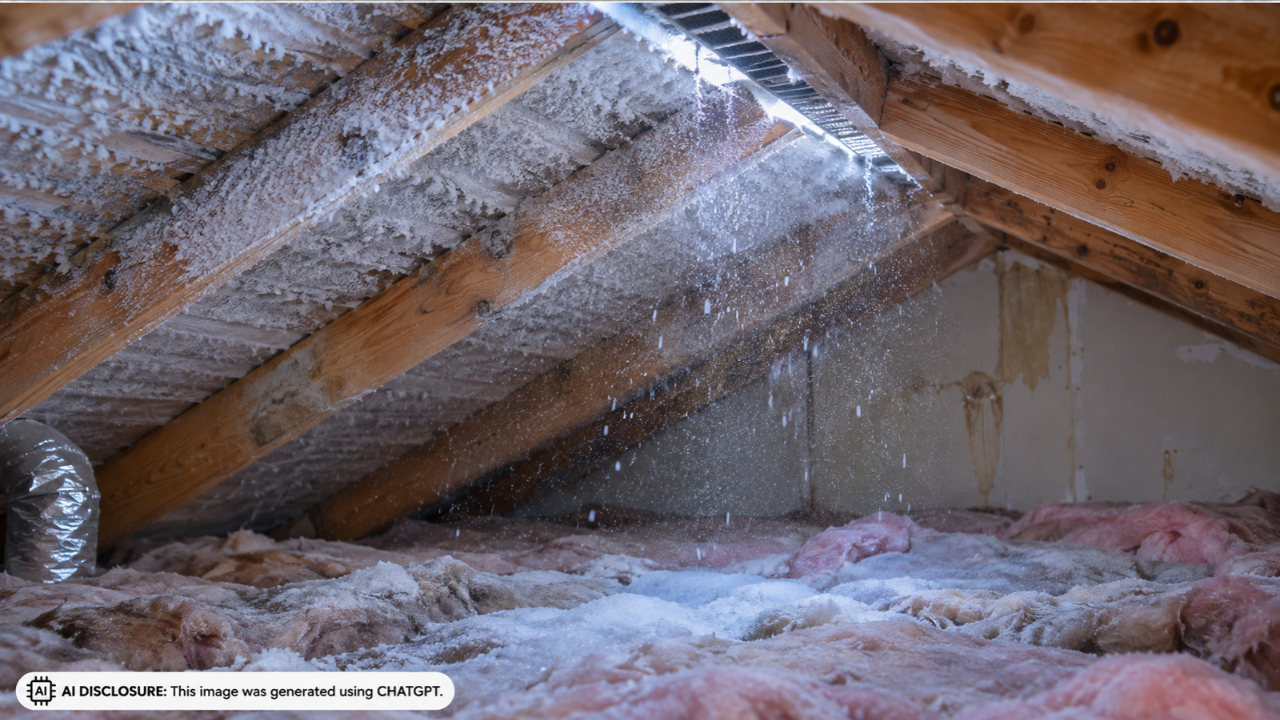
On bitter days, warm moist air from the house hits the cold roof deck and turns to frost inside the attic. Later, the sun warms things up and that frost drops like powder, so it looks like it’s snowing in your attic. It soaks insulation, stains drywall, and can rot wood over time.
Start with moisture control: run bath fans outside, fix duct leaks, and air seal ceiling penetrations. Then check that soffit vents aren’t blocked by insulation and that the ridge vent is the right type for your roof. If you see heavy frost all winter, an energy auditor or insulation pro can help you find the big air leaks that are feeding the problem.
8. Gutters Torn Off By Ice Load
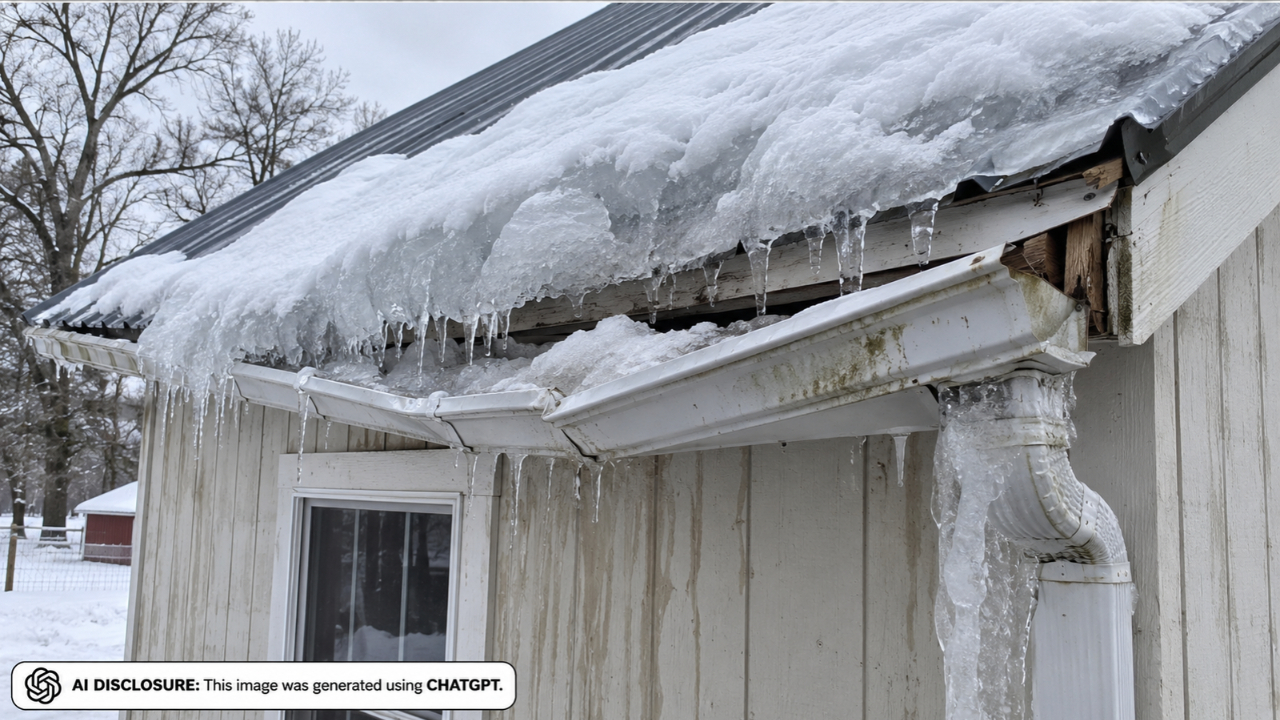
Gutters take a beating under a metal roof because snow slides and dumps right onto them, then refreezes. Add an ice plug in the downspout and the weight climbs fast. You’ll see gutters pulling away at the fascia, or you’ll find a long section bent after a thaw.
Clear downspouts before deep winter and keep an eye on sagging sections after storms. Hidden-hanger gutters generally hold better than spike-and-ferrule styles, but nothing likes a roof avalanche. If this happens every year, add snow retention above the gutter line and consider a heavier gutter system when you replace them.
9. Valley Ice Locking In Debris
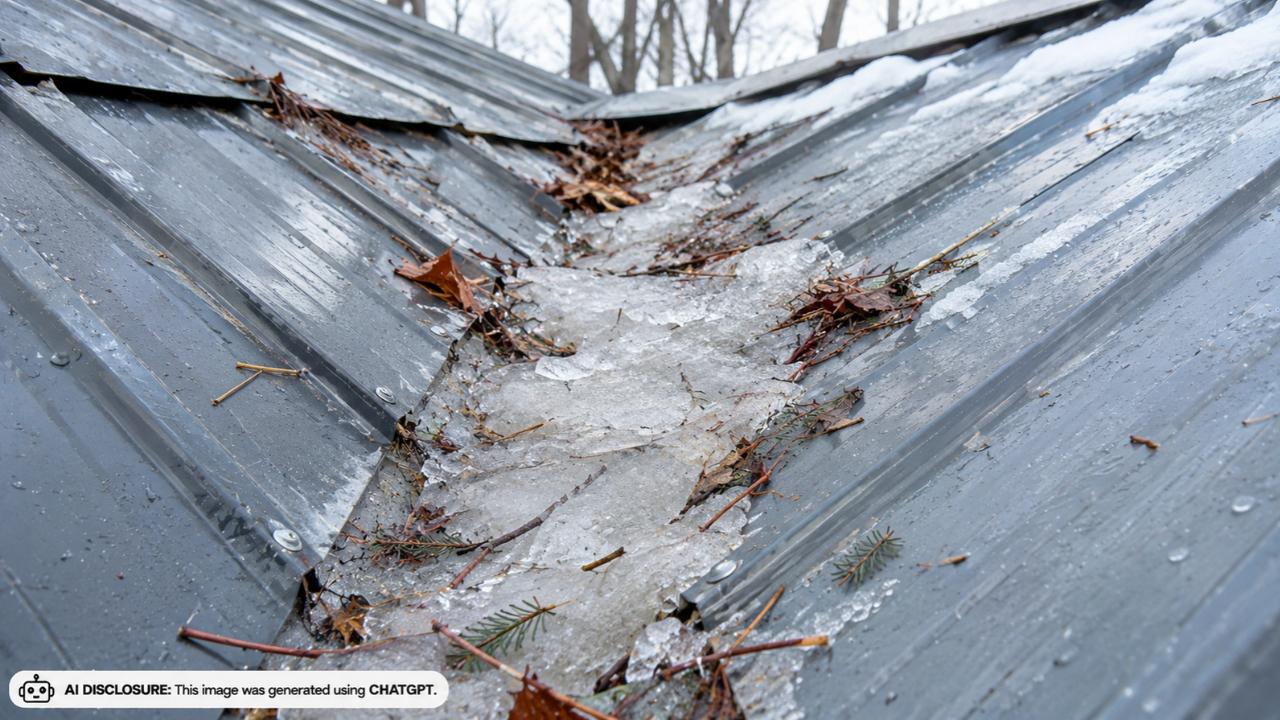
Valleys collect everything, needles, grit, even small twigs. In winter, that mess freezes into a hard dam that forces meltwater to take weird paths under flashing and up seams. It can also dent panels if you start prying at ice with the wrong tool.
Clean valleys in late fall with a soft broom or blower, not a pressure washer. In midwinter, leave the ice alone unless water is actively getting in, then call a pro who can steam it off without tearing up the roof. This is one of those spots where “just chip it out” turns into a springtime repair bill.
10. Walking On Metal Without Traction
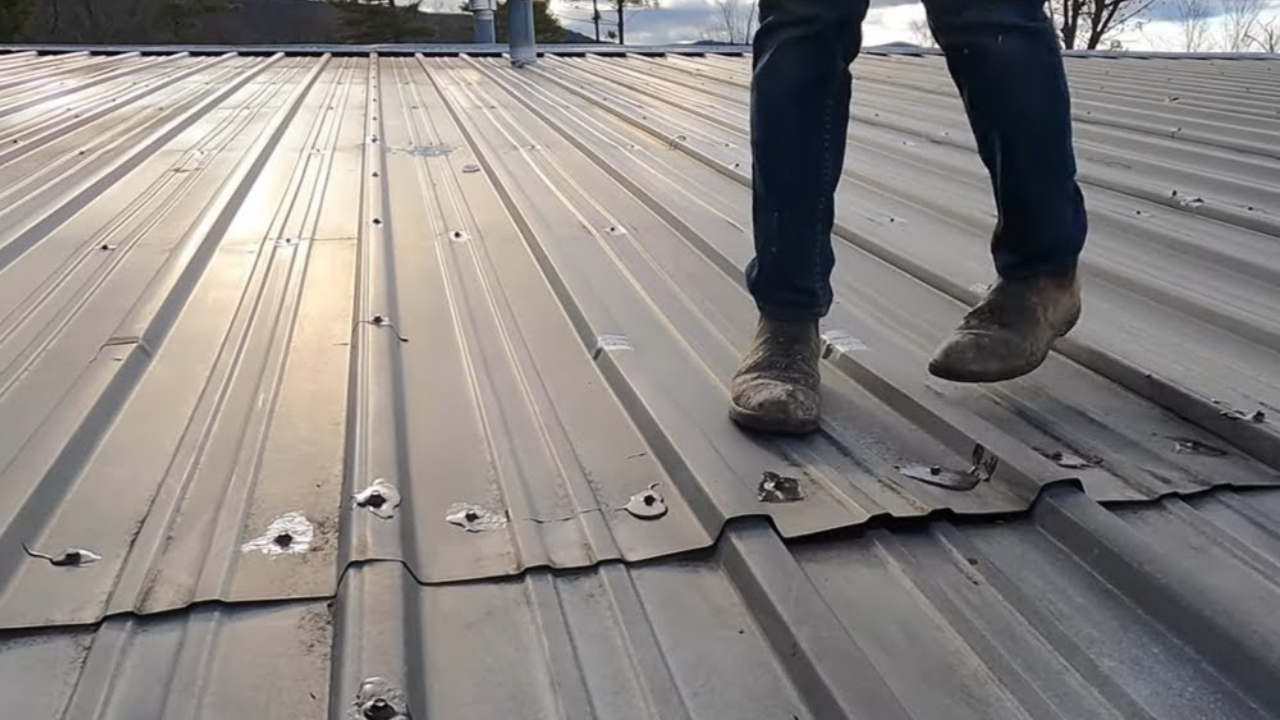
Metal gets slick fast, and a dusting of snow can hide glare ice. The thing that goes wrong isn’t the roof, it’s you, and it happens in seconds. Even a low roof can put you in the hospital, and falling tools can damage panels, gutters, and whatever is below.
If you have to get up there, wait for dry conditions, wear soft-soled boots with good grip, and use a stable ladder set up right. For anything steep, high, or icy, pay for a pro visit. A service call costs less than a broken leg and a dented roof.
Metal roofs handle winter well when the details are right and you don’t ignore the small clues. Listen for new noises, watch where snow and ice want to move, and fix the first loose fastener or bad boot before the next storm stacks on top of it.
Like Fix It Homestead’s content? Be sure to follow us.