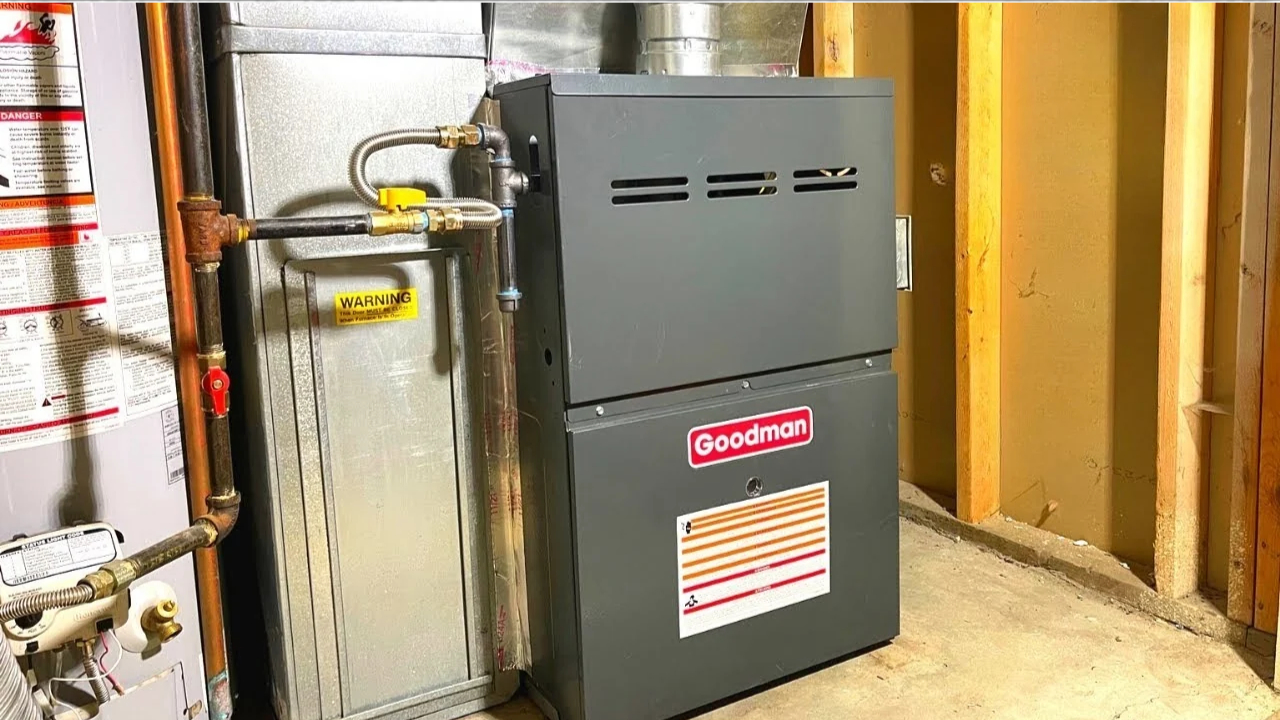
10 Reasons a Furnace Short Cycles
Photo credit: The DIY HVAC Guy/Youtube
Your furnace is supposed to run long enough to warm the house, then rest. When it starts firing up, shutting down, and firing up again every few minutes, something’s off. Short cycling wastes fuel, wears parts out early, and it can make a cold snap feel a whole lot colder.
1. Thermostat Placed In A Bad Spot

If the thermostat is getting blasted by a supply register, sunlight through a window, or heat from the kitchen, it thinks the whole house is warm. So it shuts the furnace off early, then calls for heat again once that little hot spot cools down. You’ll hear the burner light, the fan ramp, then everything quits before rooms ever catch up.
First, check the basics. Make sure it isn’t right above a register, near a wood stove, or on an exterior wall that runs cold. If moving it isn’t realistic, a pro can relocate it or add a remote sensor depending on the thermostat type.
2. Dirty Air Filter Choking Airflow
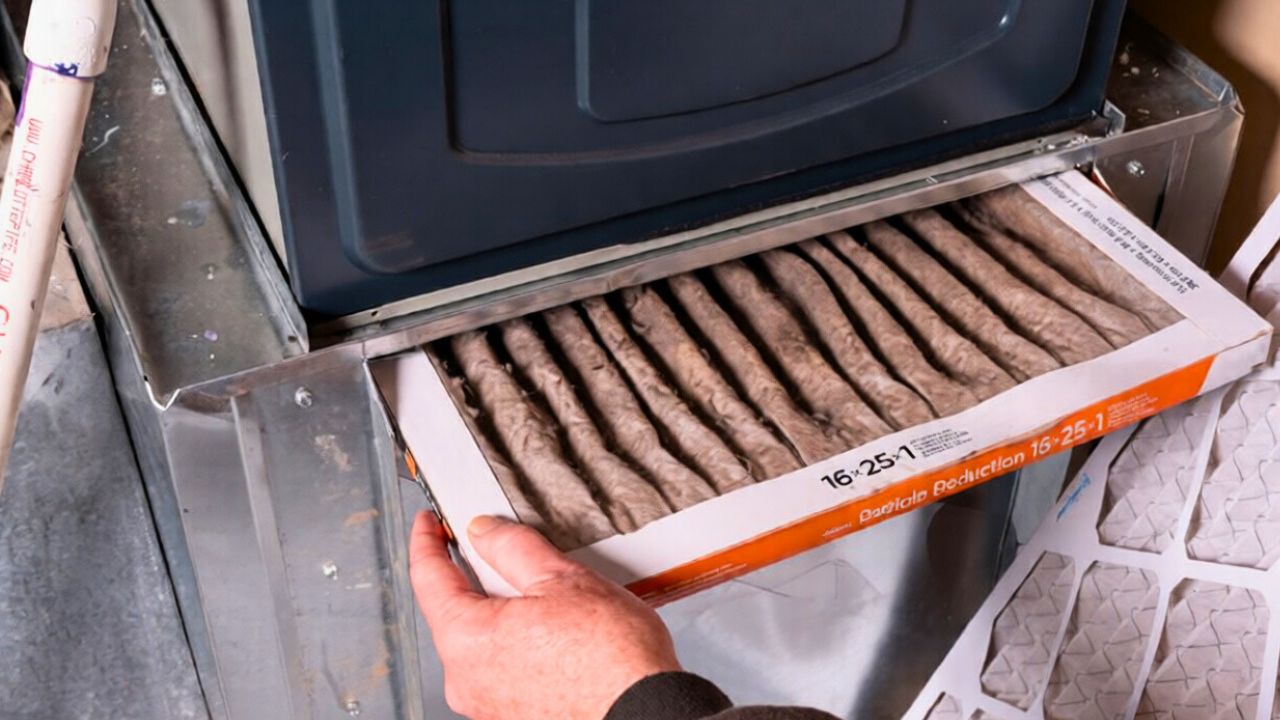
A clogged filter turns your ductwork into a pinched straw. Heat builds up inside the furnace, the high limit switch trips to protect the heat exchanger, and the burner shuts down. The blower often keeps running, then the burner relights once things cool, over and over.
Swap the filter first, it’s cheap and fast. Use the right size and don’t “upgrade” to a super dense filter unless your system is built for it, some of those fancy high-MERV filters cause the same problem in a different wrapper.
3. Return Air Grilles Blocked Or Undersized
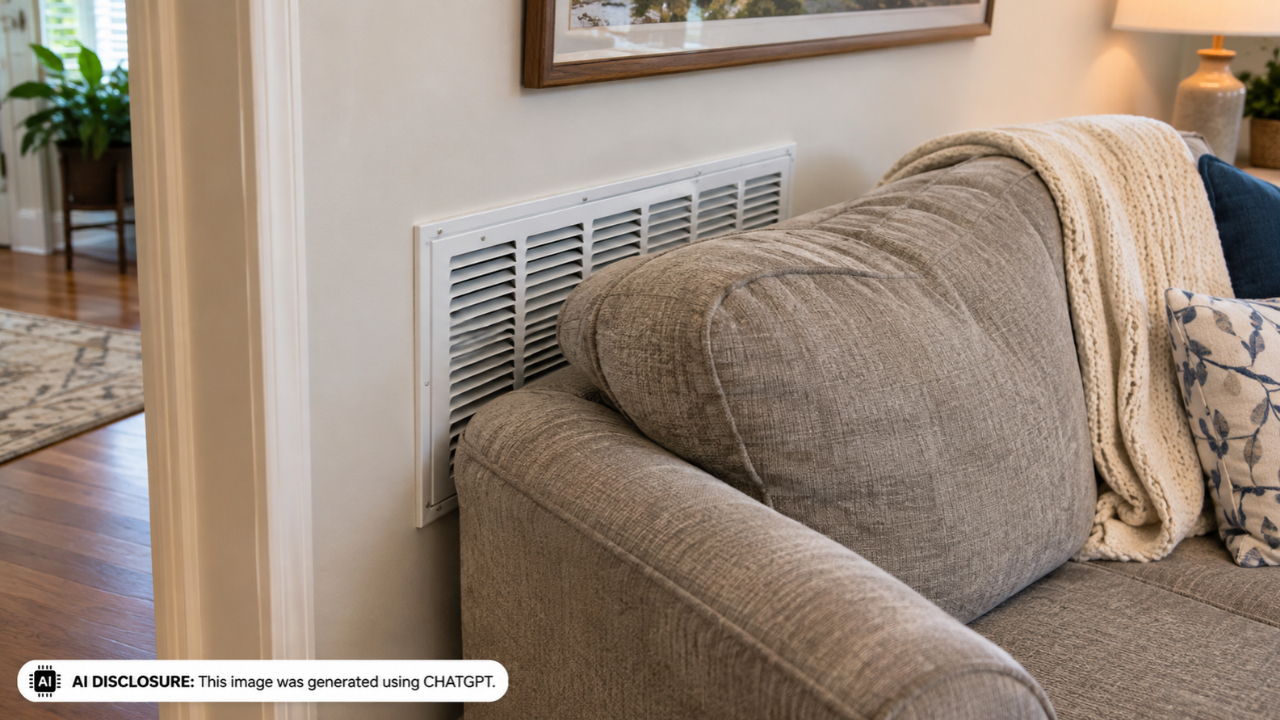
People shut a return grille because it looks drafty, then wonder why the furnace acts weird. Starved return air means low airflow across the heat exchanger, higher temps inside the cabinet, and more limit switch trips. Sometimes the symptoms only show up when bedroom doors are shut at night.
Walk the house and uncover returns. Don’t park a couch tight to a return wall, and don’t stack storage totes in front of a return in a basement. If you’ve got one tiny return for a whole floor, that’s a duct redesign job, not a quick DIY.
4. Flame Sensor Dirty Or Weak Signal
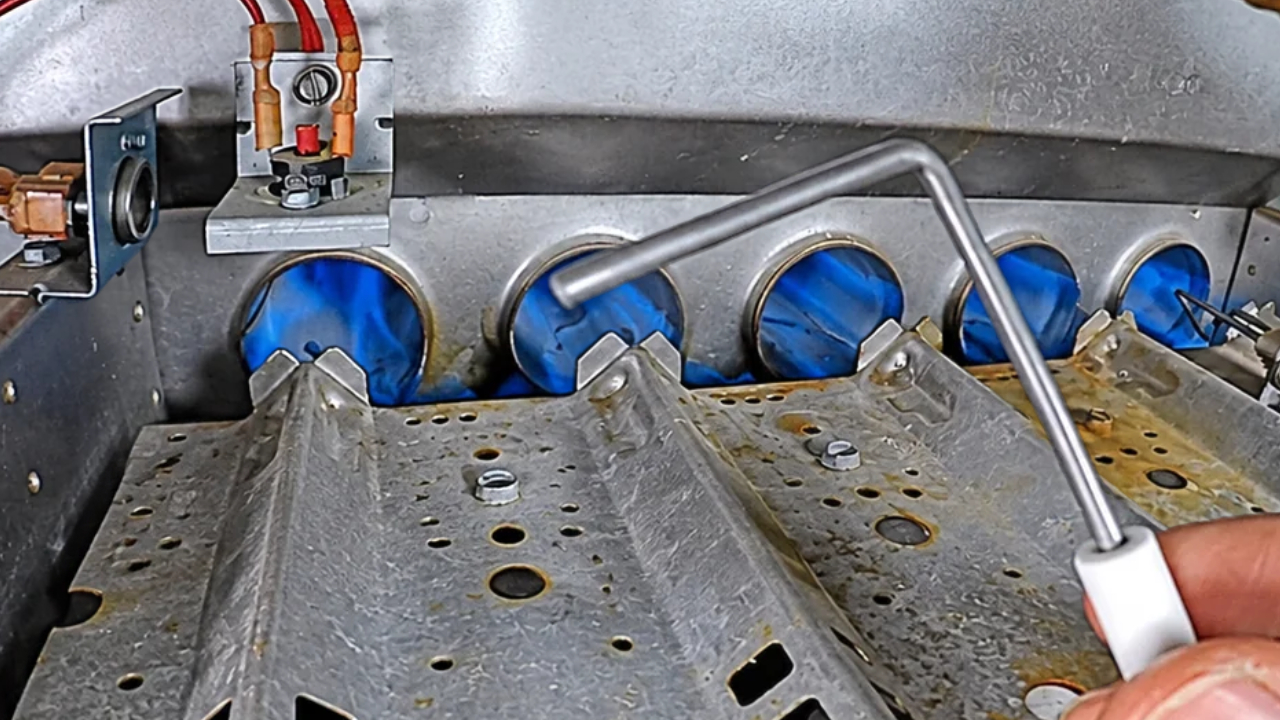
Gas furnaces prove flame with a small metal rod called a flame sensor. If it’s dirty, it can’t “see” the flame, so the control board shuts the gas off for safety. You’ll get a repeat pattern: igniter glows, burner lights for a few seconds, then it clicks off and tries again.
This is one of the few fixes that’s often fine for a careful homeowner. Turn off power to the furnace, shut the gas valve if you’re uneasy, remove the sensor screw, and clean the rod lightly with fine steel wool or a Scotch-Brite pad. If you’re smelling gas, seeing soot, or the furnace is throwing odd fault codes you can’t interpret, call a licensed HVAC tech.
5. Oversized Furnace Heating Too Fast
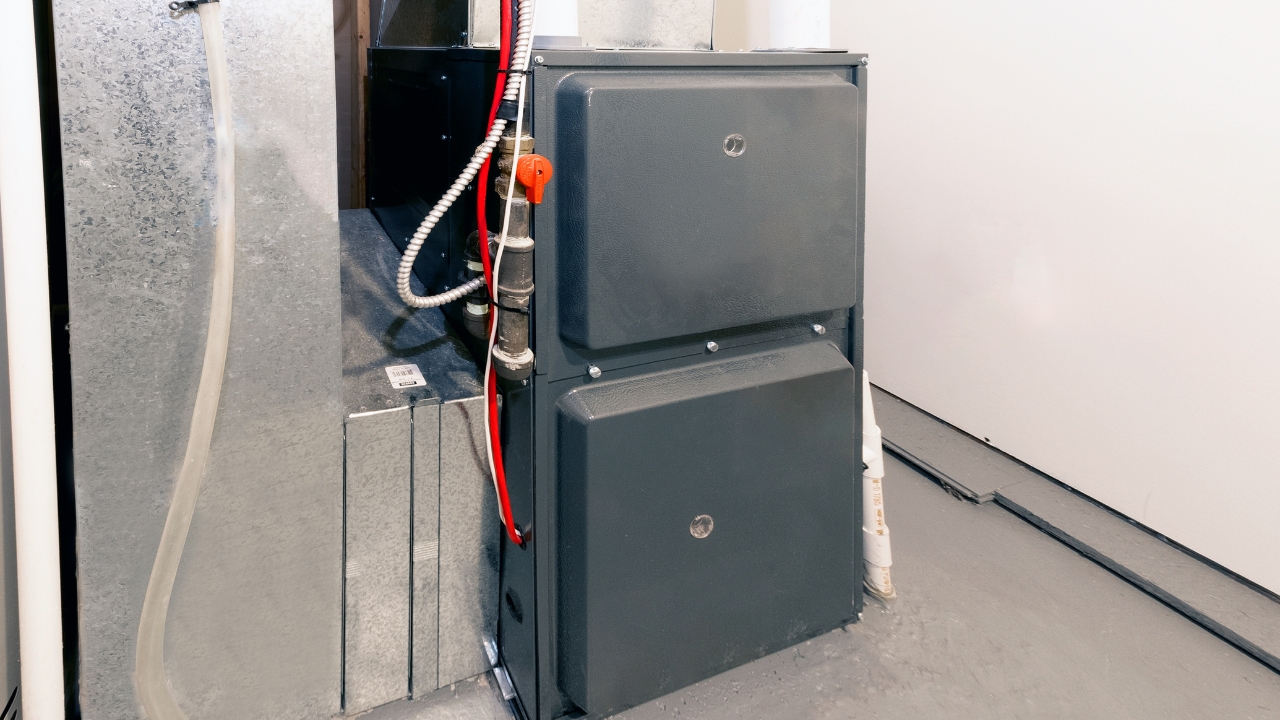
Sometimes nothing is “broken.” The furnace is just too big for the house, so it satisfies the thermostat quickly, shuts off, then repeats. This shows up a lot after a remodel where insulation and windows improved, but the old furnace stayed.
There’s no magic setting that turns an oversized single-stage furnace into the right size. A two-stage or modulating furnace, duct changes, or thermostat tweaks can help, but the real fix is proper sizing based on a load calculation. A good HVAC contractor will talk Manual J, not just “same size as the old one.”
6. Duct Leaks Dumping Heat Near The Furnace
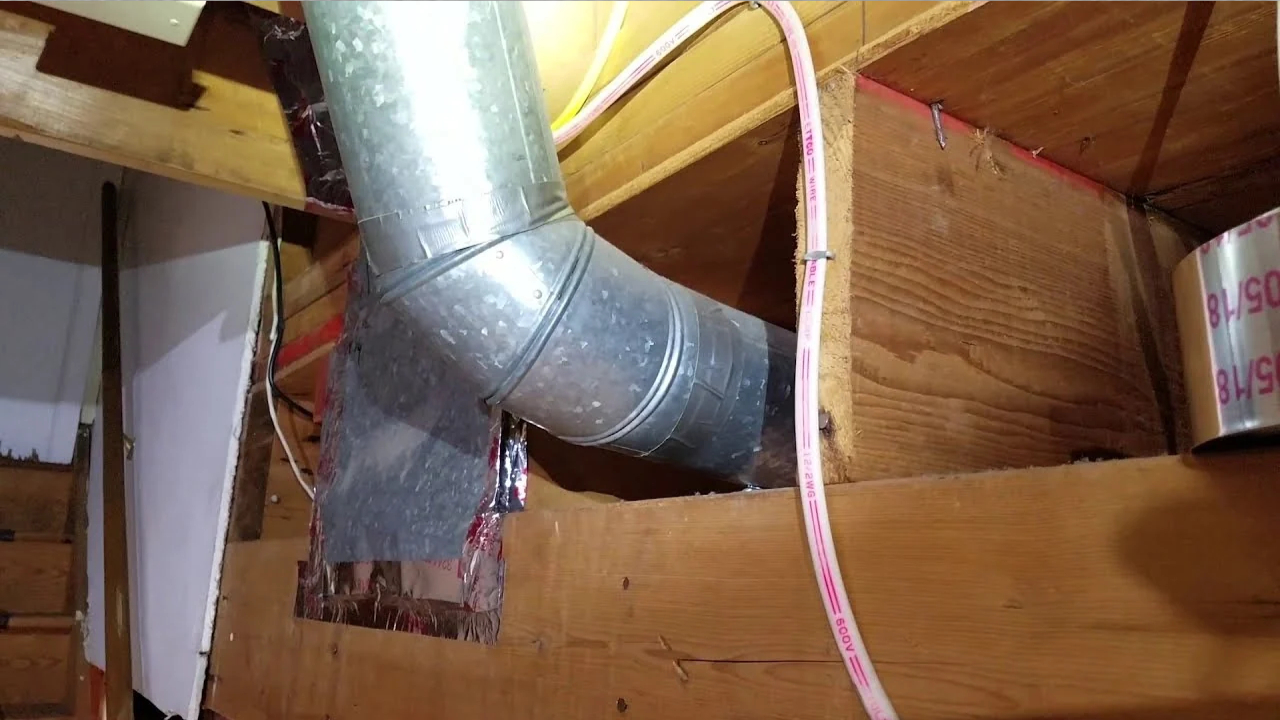
If supply ducts are leaking in a basement, crawlspace, or utility room, you heat that area fast while the living space stays cool. The thermostat might not be down there, but the furnace itself gets hotter because airflow and static pressure go sideways, which can trigger high limit shutdowns. You might also notice hot, dusty air around the furnace or feel strong air movement from loose joints.
Start with what you can reach. Seal duct joints with mastic or foil HVAC tape, not cloth duct tape that dries out and peels. If ducts are falling apart, crushed, or routed through a nasty crawlspace, pay for a proper repair, short cycling is the cheap symptom of an expensive mess.
7. Cracked Heat Exchanger Or Limit Problems
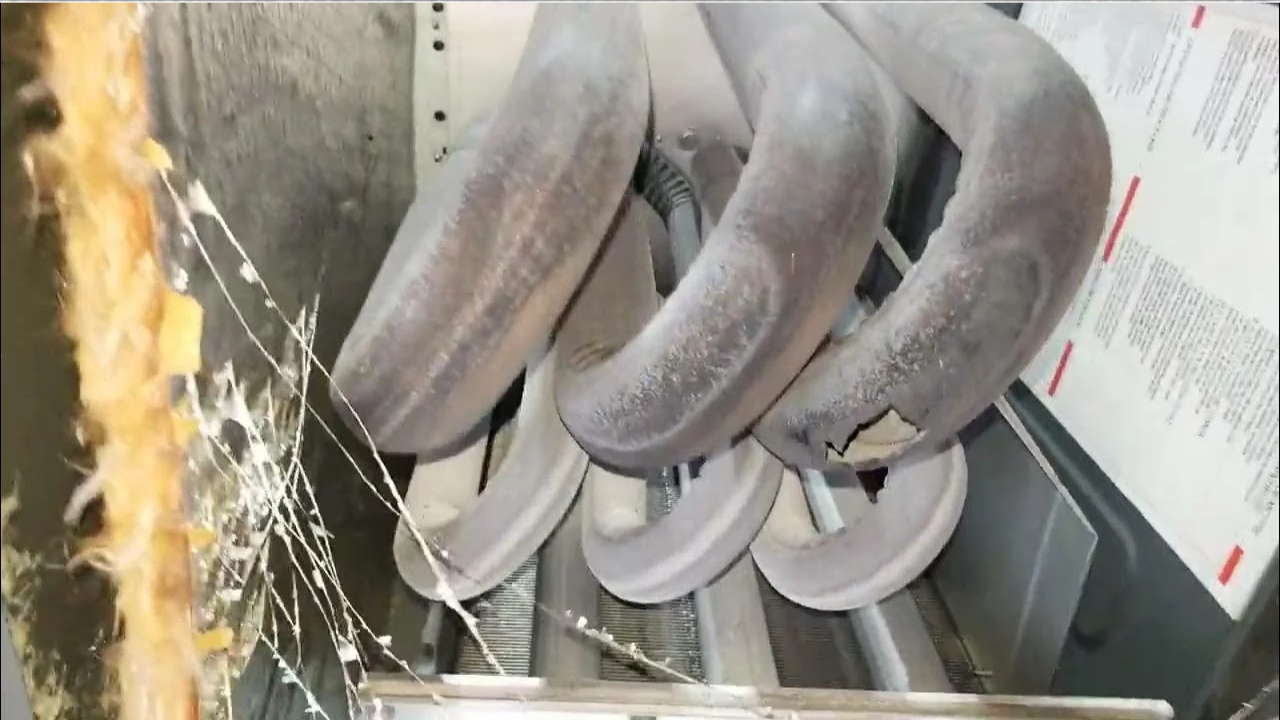
Short cycling can be a safety red flag. A cracked heat exchanger or a failing limit switch can cause the furnace to shut down repeatedly, and heat exchanger issues can also tie into carbon monoxide risk. Signs include new rattles, soot around the burner area, a strong hot metal smell, or the blower running oddly long after the burner cuts.
Don’t keep resetting it and hoping. If you suspect a heat exchanger problem, shut the system down and call a licensed pro. Make sure you have working CO alarms on each floor and near sleeping areas, that’s not optional equipment.
8. Low Gas Pressure Or Failing Regulator
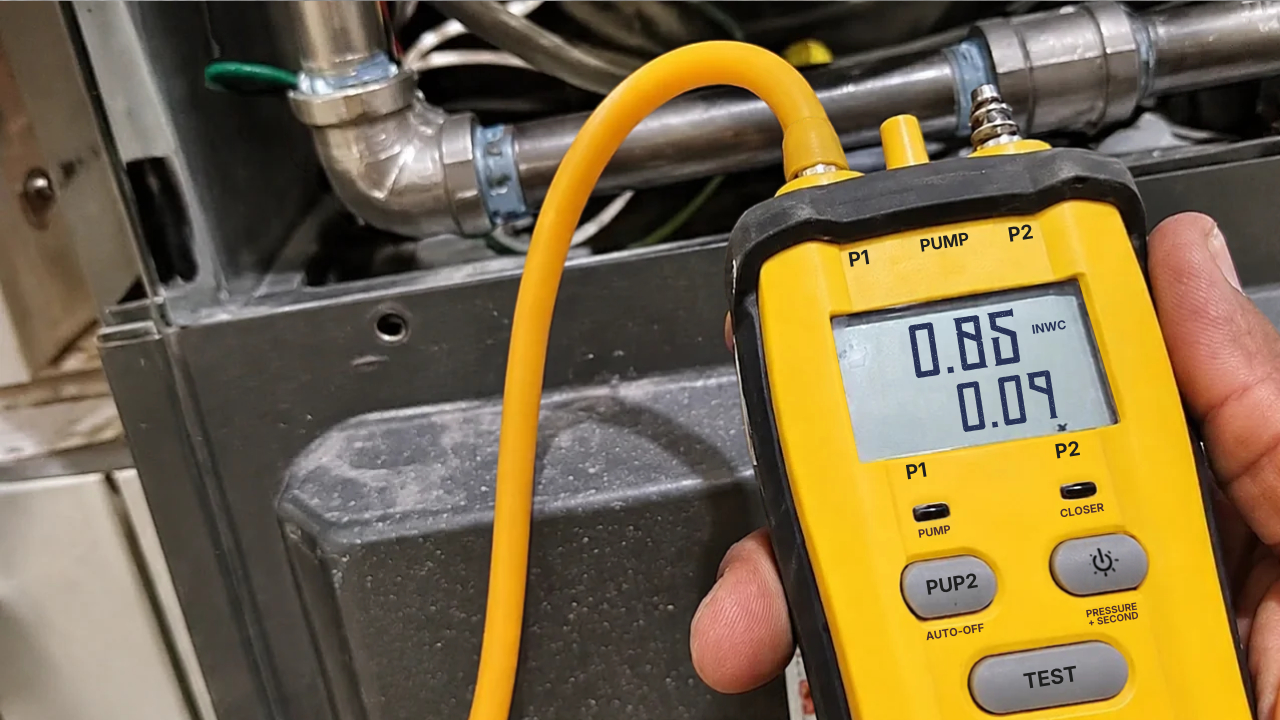
On windy nights or during heavy demand, marginal gas pressure shows up. The burner can light, then drop out, or it can run rough and trip safeties. Propane systems with a weak regulator or an almost-empty tank can act the same way, especially when it’s bitter cold and the tank can’t vaporize fast enough.
This is not a DIY adjustment job. Gas pressure testing takes the right manometer and should be done by a licensed HVAC tech or your gas supplier. If you’re on propane, check your tank level and make sure the regulator vent isn’t packed with ice or mud dauber nests, without poking or modifying anything.
9. Condensate Drain Clogged On High-Efficiency Units
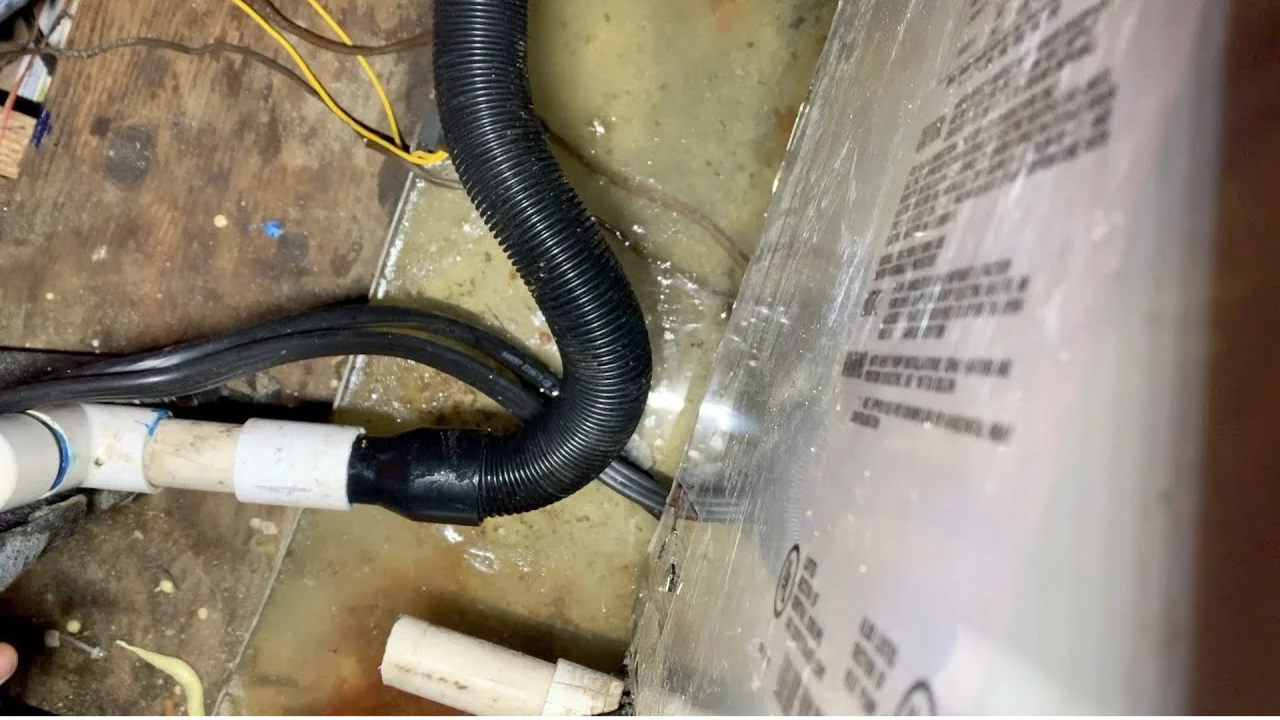
If you’ve got a condensing furnace (usually PVC vent pipes), it makes water. When the condensate trap or drain clogs, a float switch can shut the furnace down to prevent overflow. Then it resets, tries again, and repeats, sometimes leaving a little puddle or a gurgling sound in the drain line.
Clearing a drain line can be a simple homeowner job if you can reach it. Turn off power, look for kinks, check the trap, and flush with warm water if the manufacturer allows it. If you’re not sure what’s a drain and what’s a pressure tube or safety switch, stop and call a tech, cracking the wrong fitting can create a bigger problem fast.
10. Weak Blower Motor Or Bad Run Capacitor
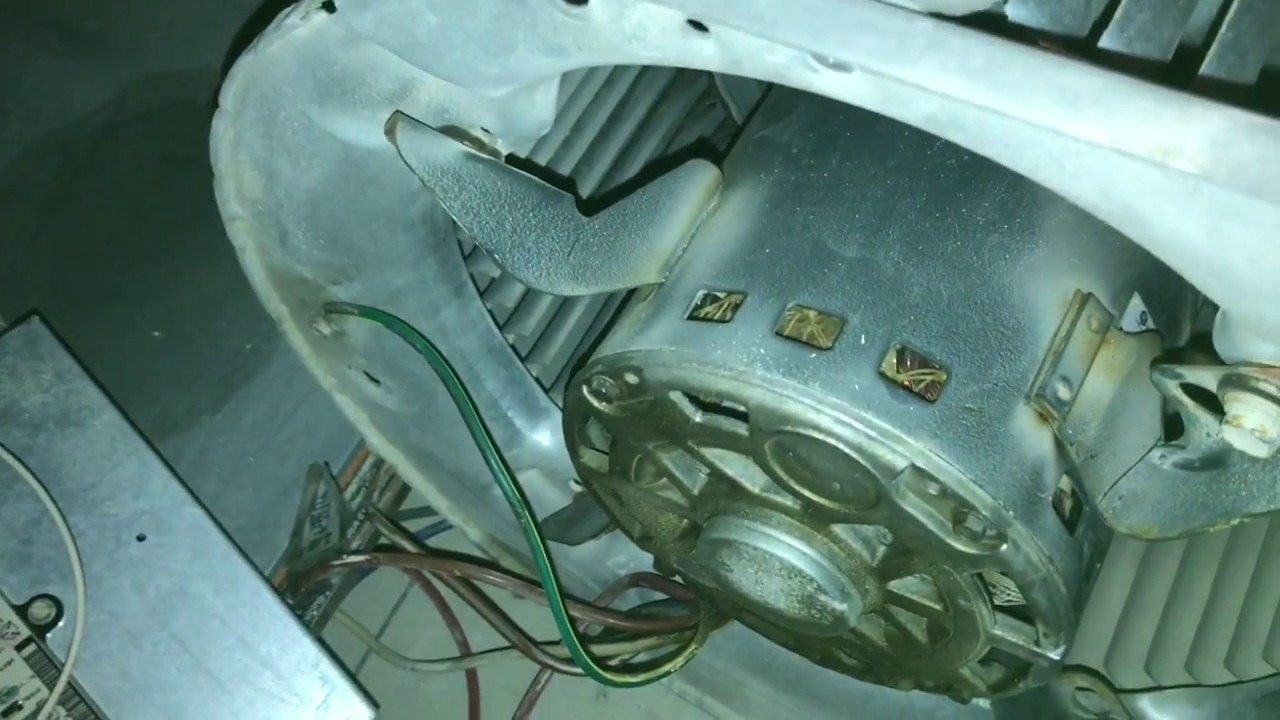
When the blower doesn’t move enough air, the furnace overheats and shuts the burner down. A tired motor, a slipping blower wheel, or a failing capacitor can all cause low airflow without any obvious duct blockage. You might hear a hum, a slow start, or squealing before shutdowns start.
Capacitors can hold a charge, so this is a “comfortable with tools and safety” repair, not a casual poke-around. If you don’t know how to kill power at the switch and confirm it’s off, hire it out. A pro can test the capacitor, check motor amps, and catch a failing control board before it cooks.
Short cycling isn’t something to ignore for a whole season, because the quick on-off wear adds up and the real cause often gets worse. Start with the simple airflow checks you can do in ten minutes, then move to the stuff that needs instruments and training. When gas, venting, or safety switches are involved, a service call is money well spent.
Like Fix It Homestead’s content? Be sure to follow us.