10 Things That Make a Woodlot Worth Managing
Photo credit: Grindstone Media Group/Shutterstock.com
A patch of woods can sit there for decades and still cost you money, time, and headaches. Or it can quietly pay you back with safer trails, better wildlife, cleaner water, and usable wood when you need it. The difference is not fancy gear, it’s having the right reasons to touch it at all.
1. Clear Property Lines You Can Maintain
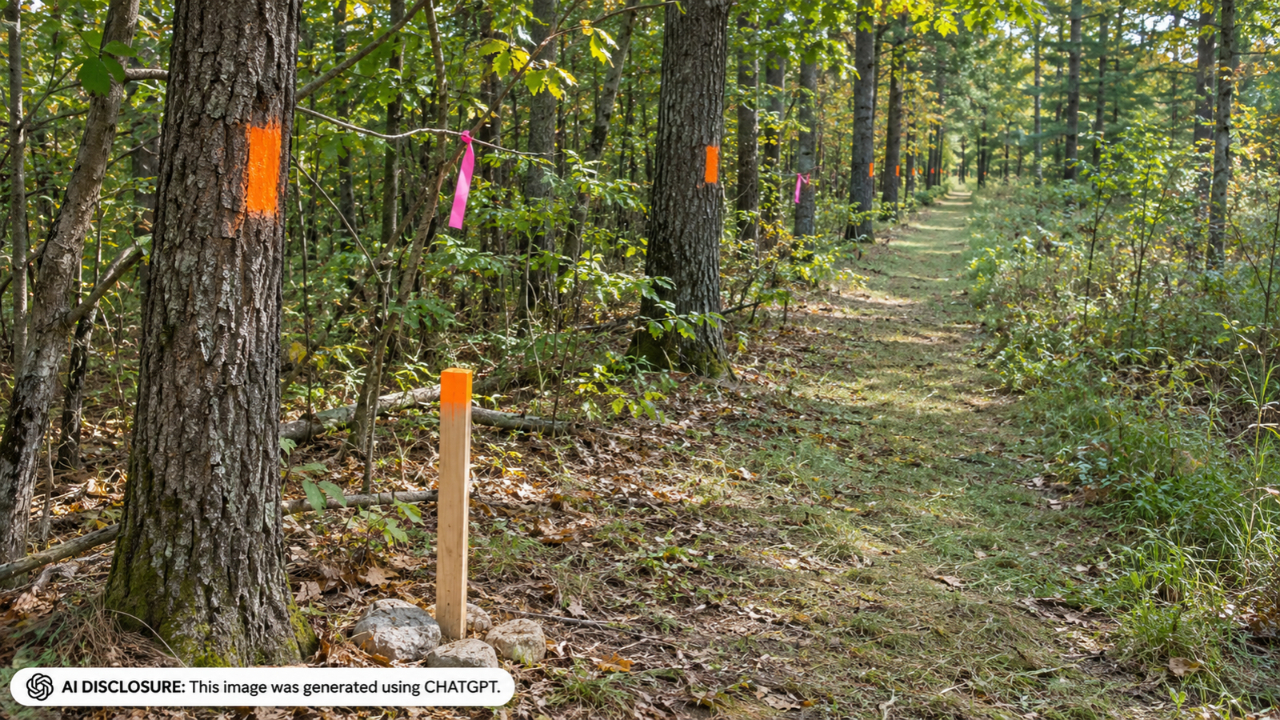
If you can’t find your corners, you’re one argument away from cutting the wrong tree or letting a neighbor “clean up” on your side. Old paint blazes fade, wire gets swallowed by bark, and a vague memory of where the line runs is not a plan. A woodlot becomes worth managing when the boundaries are known and easy to check.
Start with your deed and a recent survey if you have one, then refresh line marking the simple way: bright paint on face cuts, flagging where you need visibility, and a brushed or mowed line you can walk. If corners are missing or disputed, pay a licensed surveyor once rather than paying for trouble forever. Before you cut near any boundary, talk to the neighbor and put the plan in writing if it’s a shared edge.
2. A Way In That Stays Passable
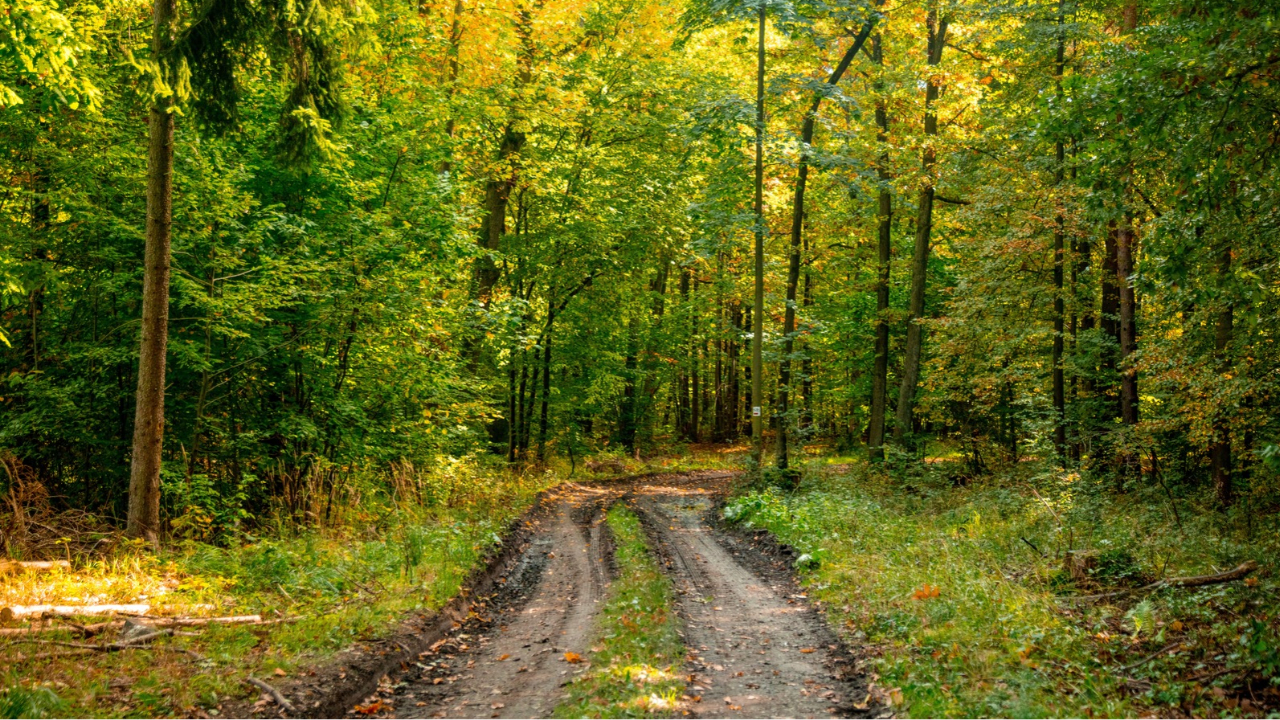
A woodlot you can’t reach in April mud or after a windstorm turns into a place you only visit when something’s already gone wrong. Access doesn’t mean a gravel road everywhere, it means you can get a tractor, UTV, or pickup close enough to work without tearing up the place. The best time to learn your access is bad is when you’re hauling a log and the trail turns to soup.
Walk your routes in wet weather, not just in August dust. Fix the cheap stuff first: clean ditches, pull out old culvert plugs, knock down berms that trap water, and crown the trail where you can. If you need a culvert, size it for heavy rain, bed it right, and call for utility locates before you dig. A little crushed stone in the soft spots often beats endless spinning and ruts that take years to heal.
3. Trees With A Real Market Or Use
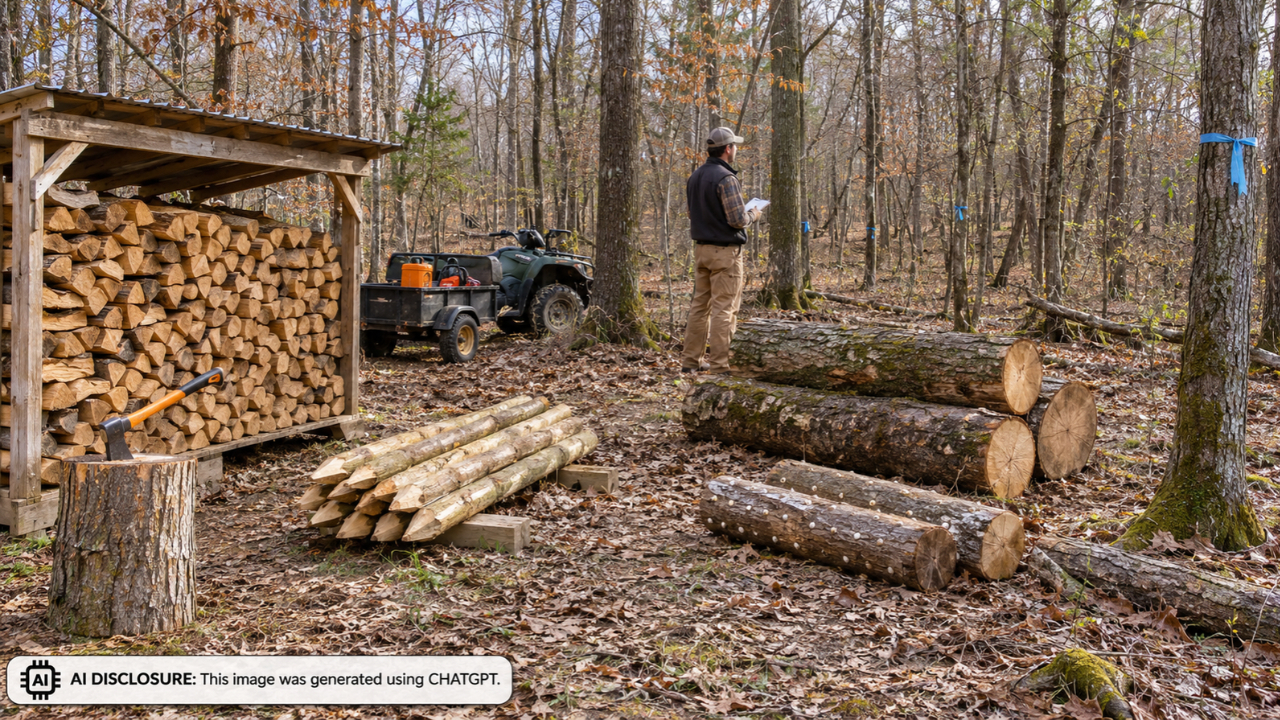
Not every stand is “timber.” Some woods are mostly low-grade species, crooked stems, or trees that grew too tight and never formed good crowns. Managing still makes sense, but you need a realistic end use, firewood, fence posts, mushroom logs, small sawlogs for a portable mill, or future high-quality stems.
Do a blunt inventory. Mark what you actually have, what you can sell locally, and what you’ll use on your own place. If you’re thinking about selling logs, talk to a consulting forester first, not the first buyer who stops by. In some areas, your best “market” is your own wood stove and a stack of straight poles for projects.
4. An Invasive Problem You Can Still Beat
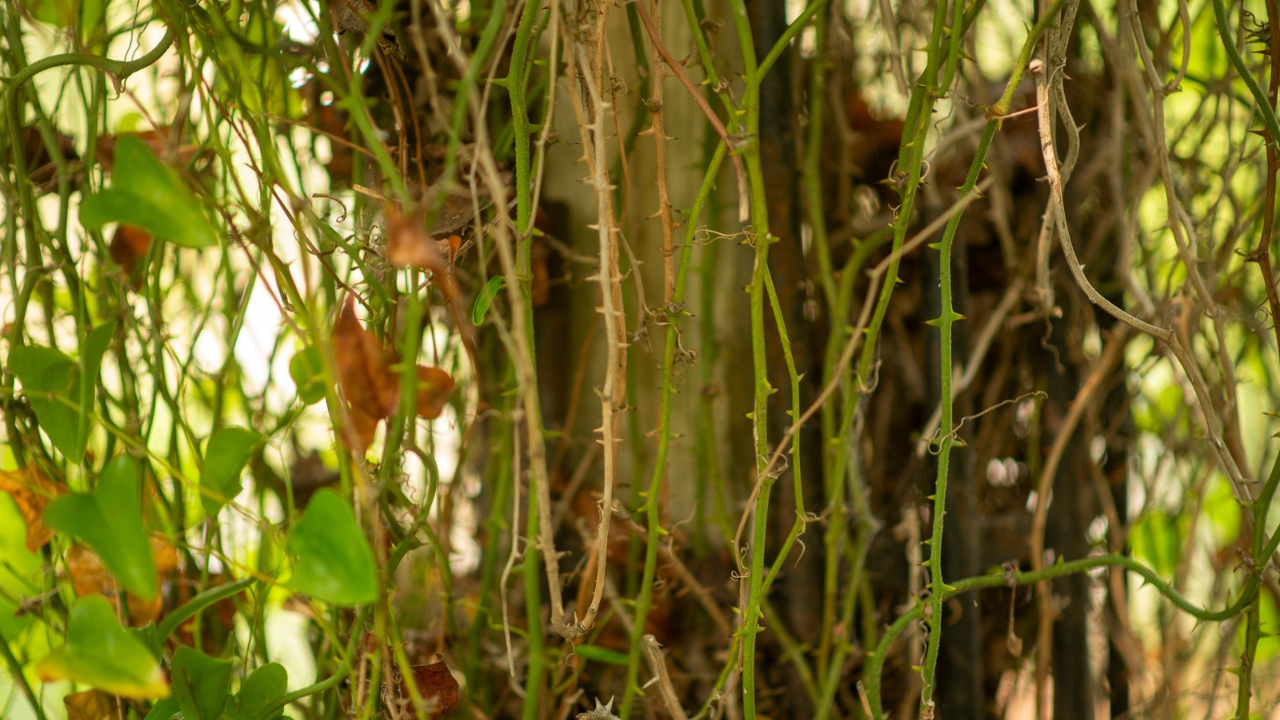
Once invasives take over the understory, the woods stops regenerating the trees you want. You’ll see it as a carpet of one plant, or a wall of thorny stems you can’t walk through. Ignore it for a few seasons and you’ll spend a lot more time with a sprayer or a saw later.
Start by learning what’s actually on your property, your county extension office and state conservation department pages are usually enough. Cut and treat stumps when it’s called for, and time foliar sprays when plants are moving sugars back to the roots, often late summer into fall. If the infestation is small, hand pulling can be fine, just bag seed heads and don’t drag them down the trail. Big infestations can be worth hiring out because correct herbicide and timing saves years.
5. A Stream, Pond, Or Wet Spot To Protect
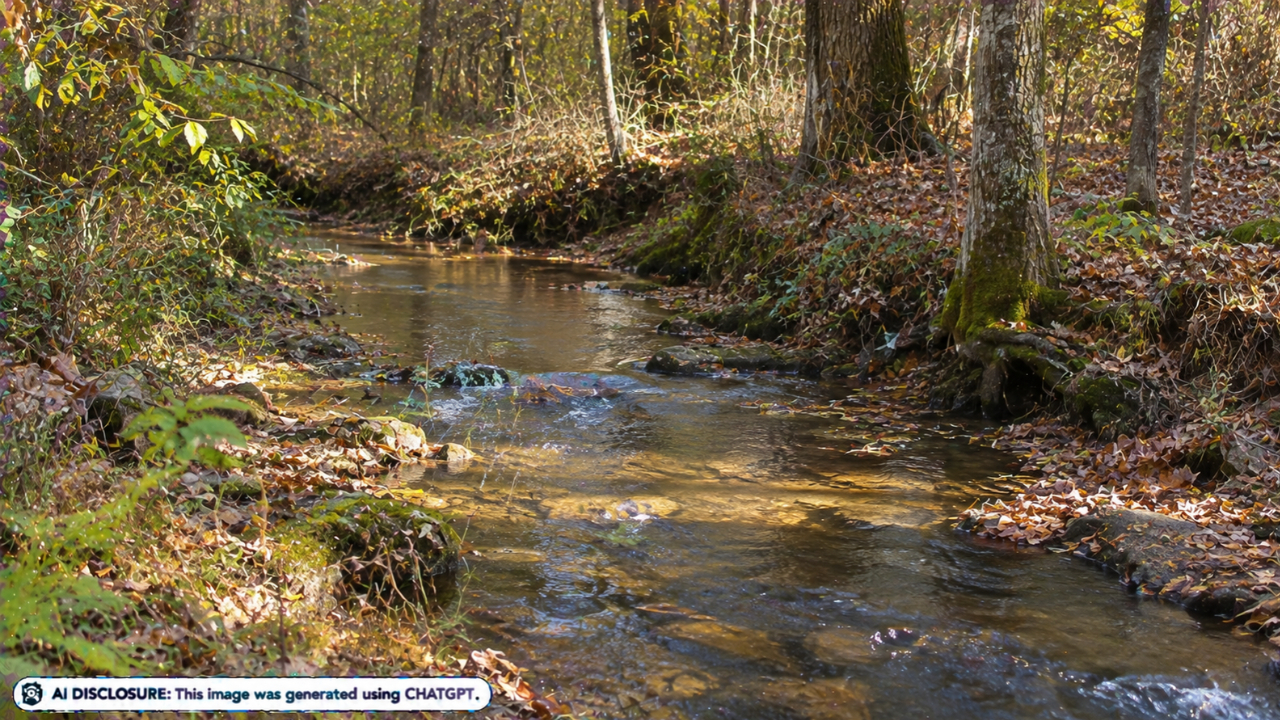
Water is where small mistakes show up fast. A little skid trail in the wrong place turns into a muddy ditch, then you’re watching soil wash into your creek every storm. If you’ve got a stream, seeps, or a pond edge in the woods, management is about keeping dirt where it belongs.
Keep heavy equipment out of wet soils, and don’t cut right to the bank. Leave a buffer with mixed trees and brush, it shades water, holds soil, and filters runoff. If you need a crossing, do it right: stable approaches, properly sized culvert or a bridge, and permits if required locally. A lot of places treat streams and wetlands seriously, so check rules before you “just fix it.”
6. Storm Damage You Can Triage Quickly
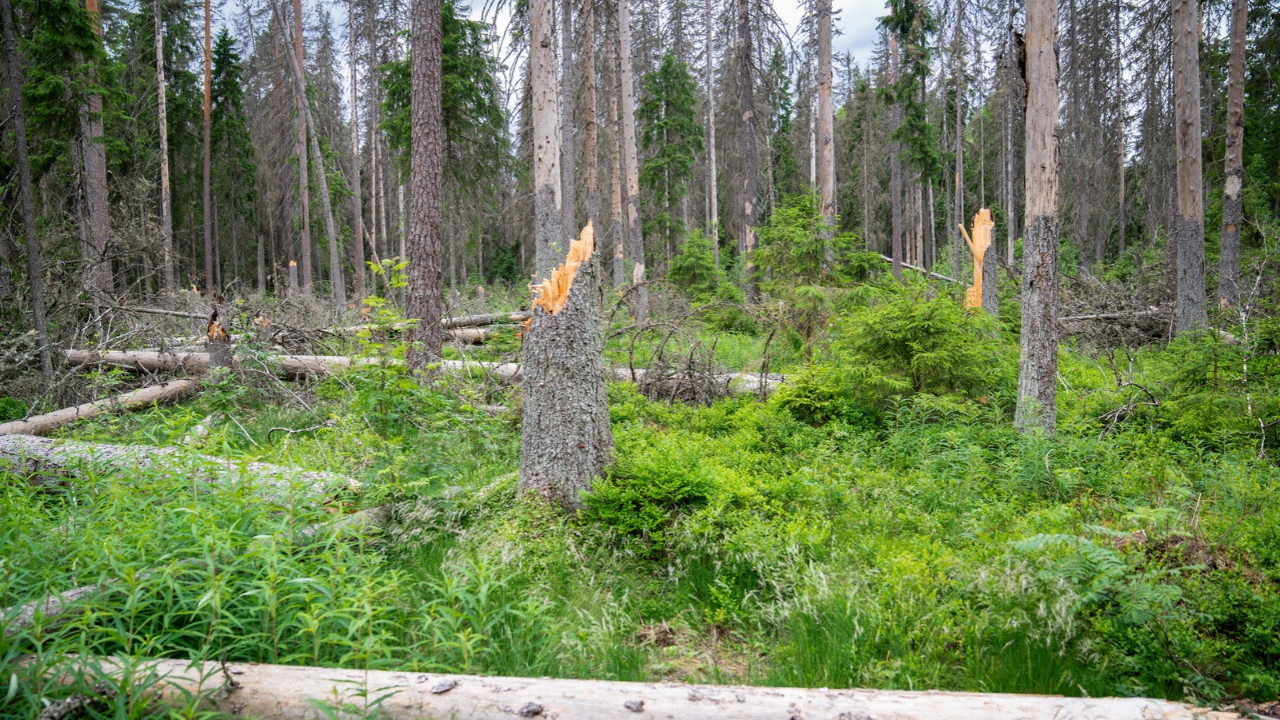
After a wind or ice storm, the woods can be a tangle of hung-up tops and half-broken trunks. That mess is dangerous, but it also invites bugs and rot to move in. A woodlot is worth managing when you can step in early and decide what’s a cleanup job and what’s a leave-it-alone job.
Start by clearing access and taking out what blocks trails and lines, not trying to “save” every tree. Bent saplings often recover, cracked trunks don’t. Beware of spring poles and hung trees, they kill people every year, and no pile of firewood is worth it. If you don’t have serious chainsaw experience, call a pro for the worst tangles and focus your time on safer work like brush clearing and dragging smaller material.
7. Young Growth That Needs Breathing Room
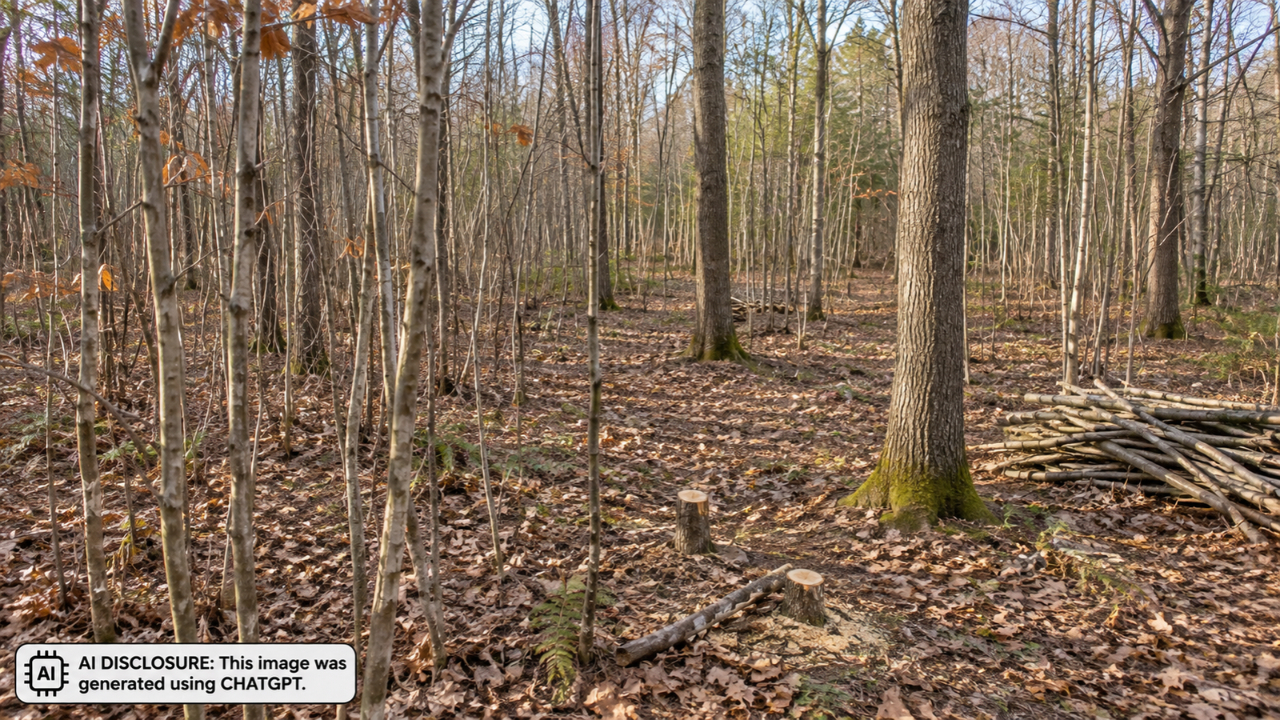
Lots of small trees feels like future value, but overcrowding turns them into tall whips with tiny crowns. They stall out, get stressed, and a hard winter or dry summer knocks them back. Thinning is where management actually changes what your woods looks like in ten years.
Pick the “crop trees” you want to keep, straight stems, healthy crowns, good species for your goals, then remove competitors that touch their crowns. A good rule on small acreage is to thin lightly and come back sooner rather than making one brutal cut you regret. Use the thinnings for poles, kindling, or brush piles for wildlife. If your stand is high value or you’re near a house and power lines, bring in a forester and an insured crew.
8. Firewood That Fits Your Heating Plan
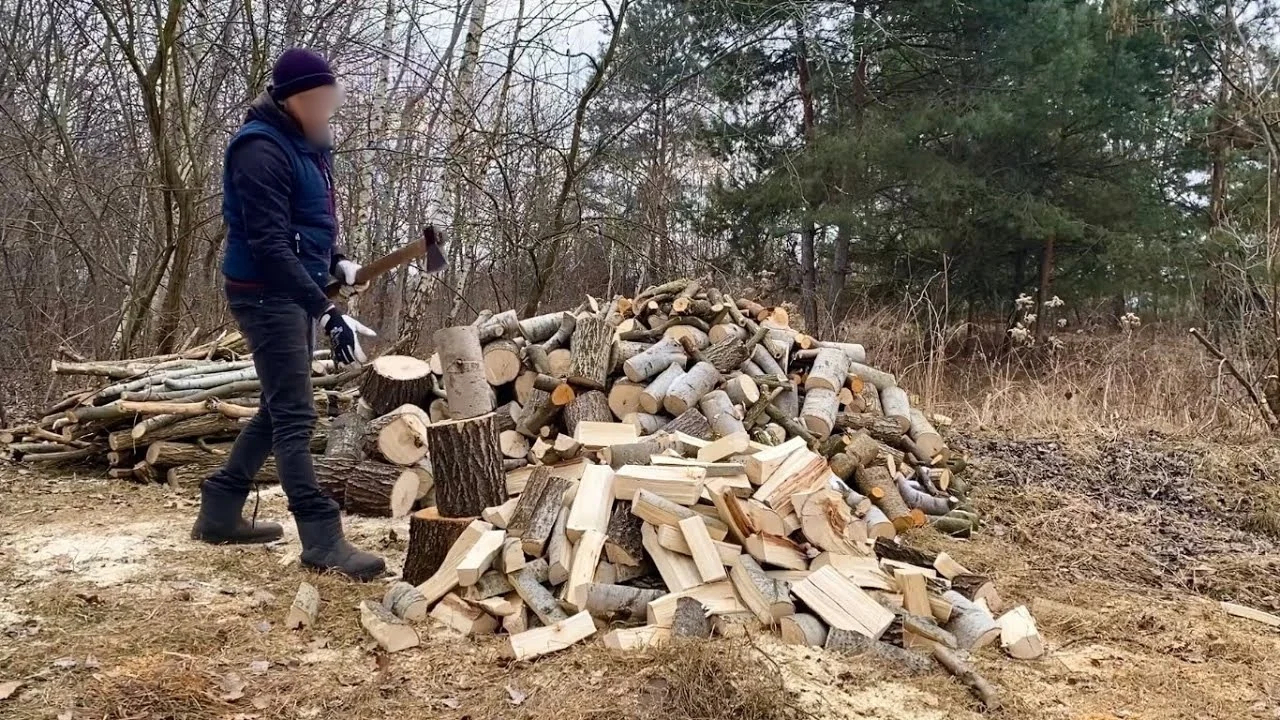
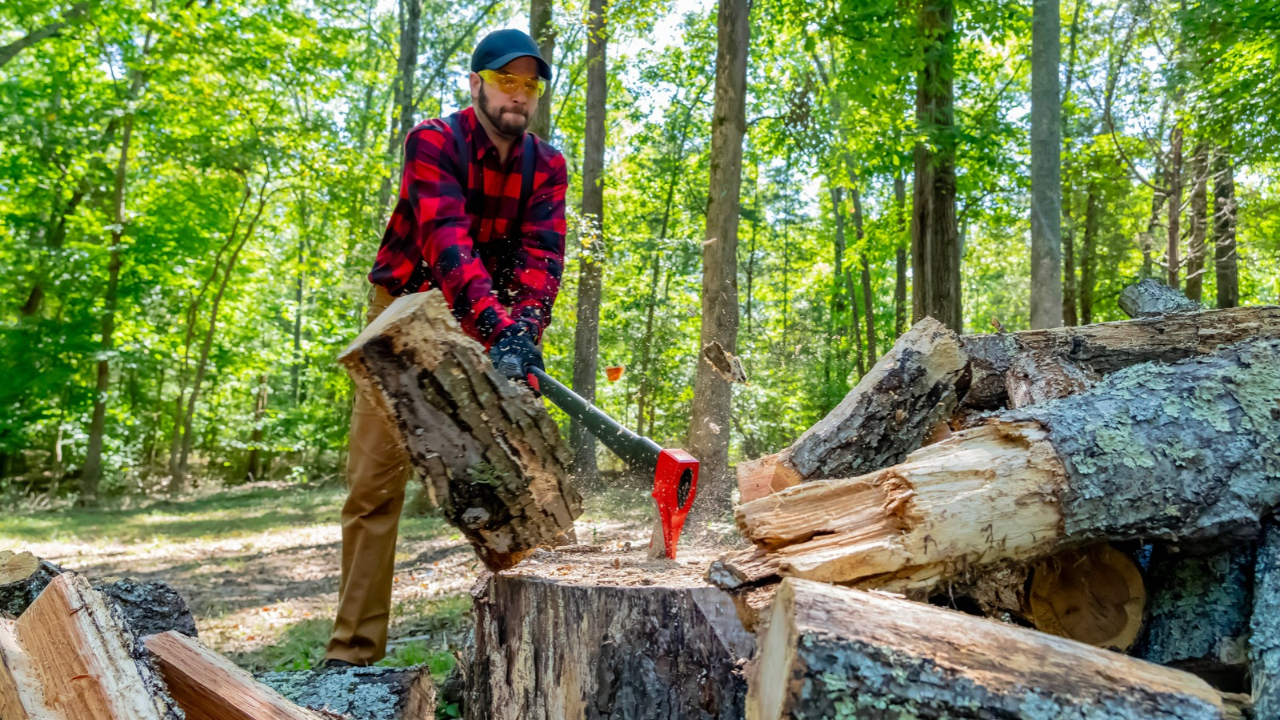
If you burn wood, your woodlot becomes a fuel source, not just scenery. That only works if you can cut, split, and stack ahead of time, not the week the weather turns. Wet wood smokes, creosotes up your chimney, and makes every load feel like a chore.
Manage for steady supply: remove dead standing trees before they drop, take storm fall when it’s still sound, and thin crowded spots where growth is stalled. Stack in the open where wind can hit it, top cover after it’s dry, and keep the pile off the ground. Exception: if you only burn a few recreational fires, buying kiln-dried bundles is fine, and it can be cheaper than feeding a chainsaw habit.
9. Wildlife Goals Beyond A Bird Feeder

Wildlife shows up when the habitat is right, and a managed woodlot can create that on purpose. The usual mistake is keeping everything “park clean,” no brush, no deadwood, no edge. That looks tidy and it can be a wildlife desert.
Leave some downed logs, keep a few cavity trees if they’re not a hazard, and create small openings that grow browse and berries. If you want more deer or turkey, focus on food and cover near each other, not deep shade everywhere. If you’re dealing with heavy deer pressure that wipes out seedlings, tree tubes or small fenced exclosures can tell you what’s trying to grow before you spend money planting.
10. A Written Plan You Can Follow
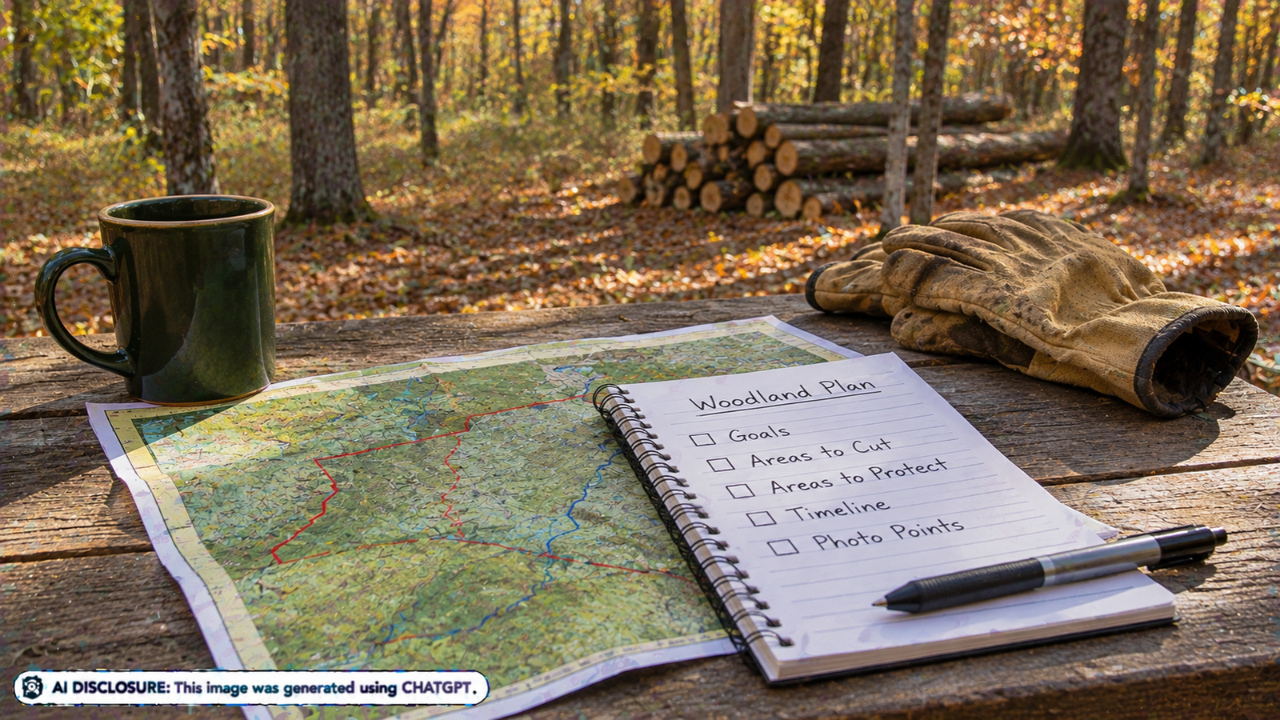
Wandering out with a saw and “cleaning up” leads to the same result almost every time, the best trees get cut because they’re easy, and the worst trees get left because they’re annoying. A simple plan keeps you from managing by mood. It also helps when the property changes hands or you get busy for a couple years.
Your plan can be one page: goals, a rough map, what you’ll cut and when, and what you refuse to touch, like steep slopes or stream banks. Mark a few permanent photo points and take the same pictures every year or two, it keeps you honest. If you want a stronger plan, state forestry programs and local conservation districts often have low-cost visits or templates that make it easier to stick with.
A good woodlot doesn’t need constant work, it needs timely work. Walk it a couple times a year, especially after big weather, and keep notes on what you saw and what you did. The woods will tell you what it needs next.
Like Fix It Homestead’s content? Be sure to follow us.