Cabin Owner’s Dock Sits Where It’s Always Been — Then a New Neighbor Demands It Move Nearly Three Feet to Match Her Property Line
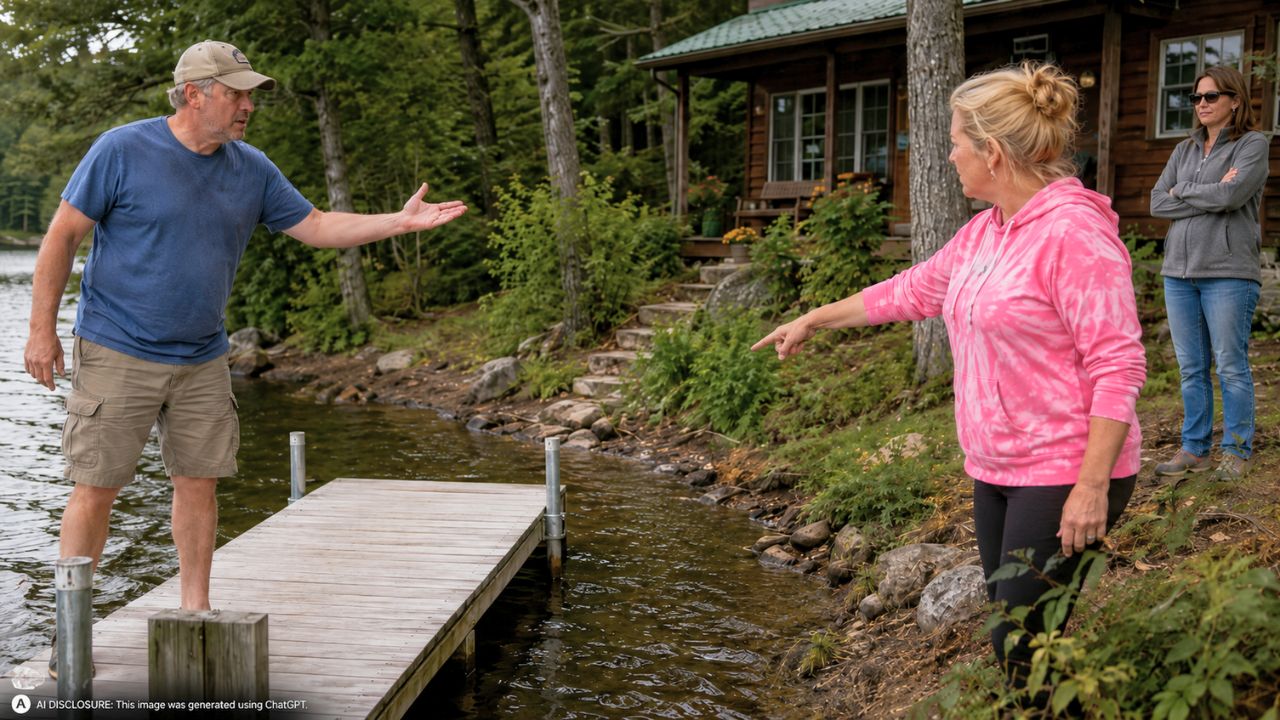
Photo credit: AI-generated image created using ChatGPT. Illustrative only.
The dock has been in the same spot for two decades. Same shoreline routines, same stairs down to the water, same boats tied up for summer weekends. Then a new homeowner moves in nearby and suddenly the long-standing setup is being treated like it’s trespassing.
That’s the headache described in the original post, where a cabin family says a recently arrived neighbor is demanding their dock be shifted nearly three feet. Not because it’s falling apart or unsafe, but because she wants her own dock installed right alongside it—and wants the lines to match her plan.
A quiet cabin routine turned into constant friction
The cabin isn’t a primary residence. It’s a family place—passed down, used as a vacation home, the kind of property where the days are supposed to be simple: open the place up, make sure the water’s on, and head down to the lake.
But the poster says things changed about three months ago when a woman named Sherry moved into a private home “on the hill away from our cabin.” The complaints started piling up: the family’s stock cars were “too loud,” they were “driving all over the road,” and then came the big one—she wanted a dock installed next to theirs.
On a lake, a dock isn’t just a wooden platform. It’s access. It’s where the boats live, where kids jump in, where gear gets unloaded. Moving it isn’t like sliding a grill across the deck. It can mean pulling sections, re-anchoring, re-leveling, and redoing the whole approach.
The demand: move it 2 feet 10 inches—or else
The family says their dock has been there for 20 years and “nobody but her had a problem with it.” In their minds, that’s the end of the story. If it’s been accepted that long, it’s basically part of the property’s identity.
Sherry, however, complained to a company—what kind of company isn’t specified—and the family was told their dock is off by 2 feet 10 inches. The way the poster describes it, the allegation is that the dock is encroaching onto her side, even though the family believed it sat on the property line they’ve always understood.
What raised the temperature fast wasn’t just the measurement. It was the threat. The poster says the neighbor is pushing the idea that if they refuse, she’ll have the dock (and stairs) “forcefully removed.” That kind of language is how neighbor issues stop being annoying and start feeling dangerous—financially and emotionally.
The “daisy chain” problem nobody wants to pay for
Even if the family agreed to move their dock, they say it wouldn’t end with them. Shifting one dock on a tight shoreline can trigger a domino effect: if one structure moves to satisfy a line, the next neighbor may be forced to move too to keep spacing consistent.
The poster describes it as a “daisy chain,” and anyone who’s seen crowded lakefront lots understands why. Shorelines are limited. Docks are often built with assumptions that have quietly existed for years. When somebody demands everything be re-measured and re-aligned, it can create a whole new set of fights that the original parties didn’t even ask for.
It also brings up the kind of question that makes people dig their heels in: if the dock has “always been there,” why is this suddenly a problem now? The family is staring at the possibility of doing real physical work—moving a dock and possibly dealing with the stairs—because one new neighbor has a different plan for her own buildout.
The details got messier once “community area” entered the picture
In an edit, the poster added key context: this is in New York State, in Schroon Lake. And the ownership picture isn’t as straightforward as “my land, your land.”
The poster says, “We own the dock. Not the stairs.” They also describe the dock’s location as being in a “community area and land,” while the family owns the cabin and pays the taxes and bills. That wording suggests some mix of private ownership and shared shoreline rights—exactly the kind of setup that can make boundary arguments twice as confusing and three times as tense.
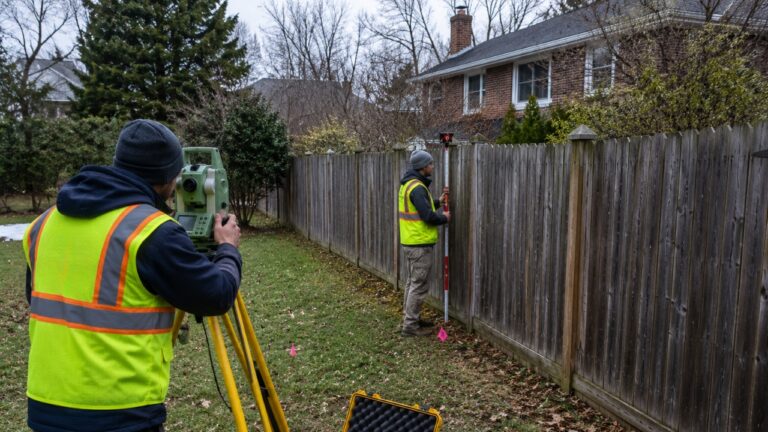
There’s also a practical snag: the neighbor reportedly refused to have anyone “official” mark the property line and verify her claim. So instead of a clear survey stake in the ground, it’s turning into a pressure campaign—move it because she says so, because a company said so, because she wants room for her dock.
Meanwhile, the poster is getting information secondhand from their dad, who attended a meeting about it and came home still upset. That’s a familiar lake-house dynamic: one person ends up as the point of contact, takes the heat, and the rest of the family gets the stress in updates.
Commenters zeroed in on one thing: proof before any moving happens
The post itself is a plea for a way out that doesn’t involve court, temper, or losing access to the cabin’s waterfront. And even without a full comment thread included here, the direction is predictable because lakefront disputes always come down to documentation.
When someone claims an encroachment measured in inches, homeowners typically want a real property-line confirmation, not an informal measurement relayed through a third party. They also want clarity on who can authorize removal. A neighbor insisting she can “forcefully remove” structures is very different from a neighbor who has an actual order or legal process behind her.
The other practical instinct in these standoffs is to stop negotiating in the abstract. If the dock truly sits over a line, the fix might not be optional—but the only way to know is to get the line established properly and in writing. And if it doesn’t, then “just move it” becomes an expensive favor to someone who hasn’t even proven the problem.
A small number on paper can become a big real-world job
Two feet and ten inches doesn’t sound like much until you picture what it means on a shoreline. Dock sections aren’t moved like patio furniture. Depending on how it’s anchored, shifting it could mean pulling it out of the water, repositioning supports, re-squaring the frame, and making sure the approach still lines up where people walk.
Then there are the relationships. A family vacation home depends on peace. Once the neighbor dynamic turns hostile, even a simple weekend at the cabin can feel like you’re bracing for the next complaint. The poster is already worried about their dad losing his temper, which is another way of saying: this has gone beyond “annoying” and into “this could ruin the place for us.”
For now, the dock is still where it’s been for 20 years. But the demand is on the table, and the pressure is escalating. In lake communities, these disputes rarely stay contained—because the shoreline is shared, and one person’s “move it a little” can become everyone’s problem by the next summer weekend.
Like Fix It Homestead’s content? Be sure to follow us.