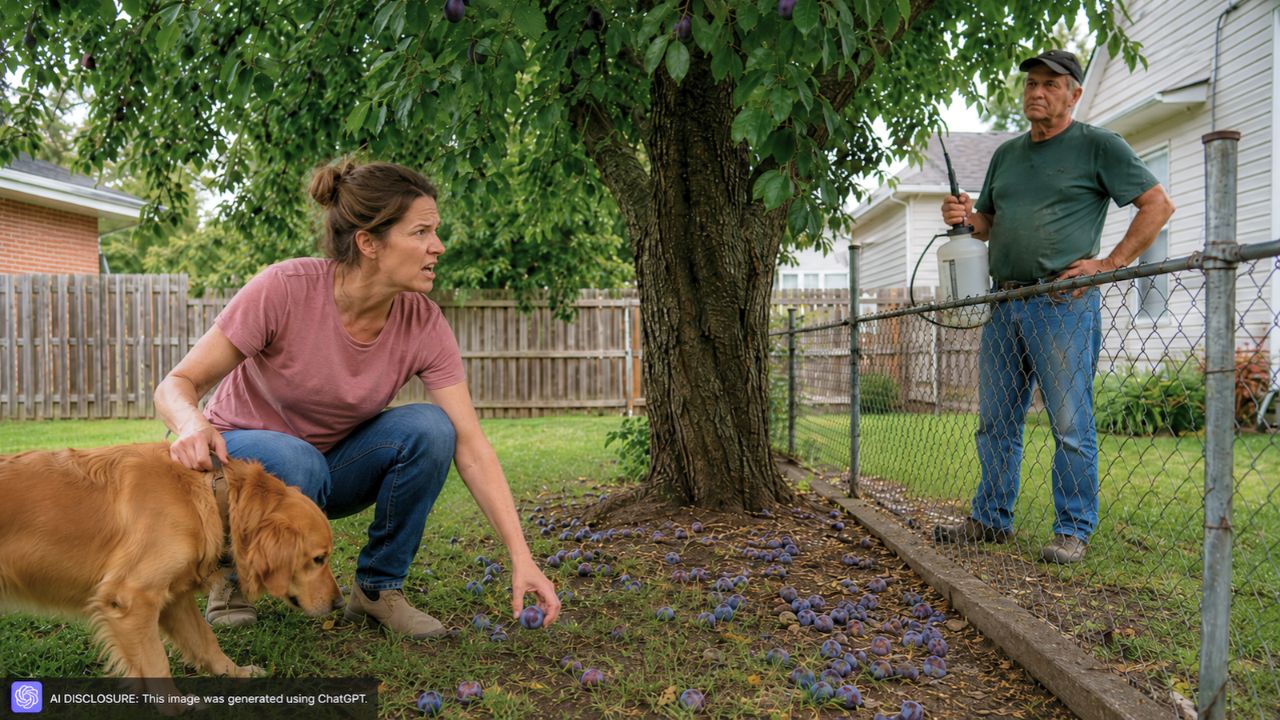
Homeowner Finds the Neighbor Treated a Shared Plum Tree With Herbicide — Then Is Warned the Falling Fruit Landing Where the Kids Play Could Now Be Toxic
Photo credit: AI-generated image created using ChatGPT. Illustrative only.
It started as one of those shared-yard quirks that people tell themselves they can live with: a massive plum tree straddling the property line, dropping fruit, shading both sides, and quietly keeping score in an ongoing neighbor feud.
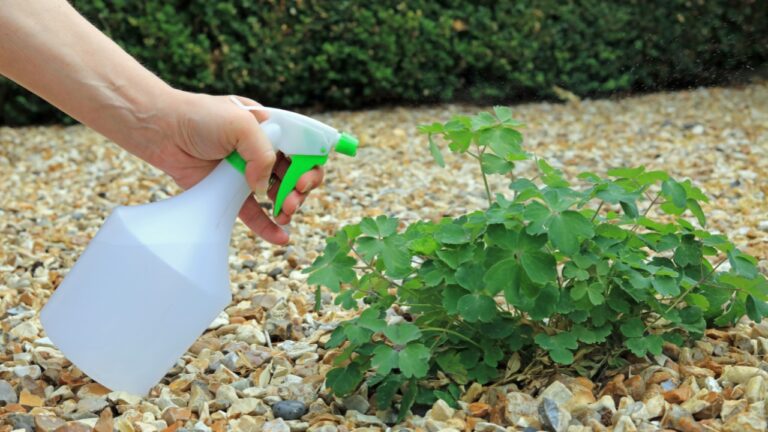
Then one spring, the neighbor treated the base of the tree with an herbicide called Tordon—and only told the homeowner afterward. In the original post, the homeowner said the neighbor claimed the treatment would likely stop the tree from producing fruit, but added a sharper warning: if any plums did show up, they’d be “toxic.”
The homeowner’s problem wasn’t theoretical. The tree didn’t slow down at all. It loaded up with plums, and now fruit is dropping across the yard where their kids play and their dog runs—turning a seasonal nuisance into a safety question that’s hard to ignore.
A shared tree, a long-running grudge, and a surprise chemical treatment
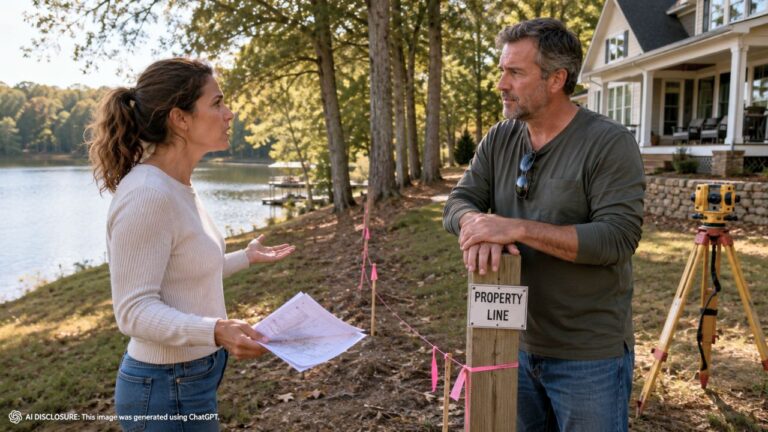
The tree sits “right on the property line,” which is where so many neighborhood stories go to get complicated. A tree like that doesn’t belong cleanly to one side emotionally or practically, even when the deed lines are clear. It’s shade, mess, roots, branches, and fruit—shared whether anyone likes it or not.
According to the homeowner, the plum tree has been “a source of constant conflict” for a while. That detail matters because when a relationship is already strained, every action gets read as a message. And treating a mature tree at its base with a heavy-duty herbicide doesn’t look like routine yard care.
The neighbor’s timing made it worse. The homeowner said the treatment happened in early spring, and they were informed after the fact. No heads-up, no “hey, I’m worried about this tree,” no agreement on what was being applied—just a notification after the chemical was already down.
The fruit didn’t stop—now it’s falling where kids and pets actually live
The neighbor’s claim was that the treatment would “most likely prevent the tree from producing fruit.” That might have been pitched as a solution to the ongoing plum mess—fewer dropped plums, fewer arguments.
But nature didn’t cooperate. The homeowner said the tree is now “absolutely laden with plums,” and they’re dropping all over the homeowner’s yard.
This is where the story shifts from annoyance to alarm. It’s one thing to step over fermenting fruit and rake up a sticky mess. It’s another to look at the same fallen fruit and wonder whether touching it—or a dog scooping it up, or kids picking it up out of curiosity—could expose them to something harmful.
The homeowner’s worry isn’t dramatic; it’s the kind of practical fear that creeps into normal routines. Backyard play stops feeling carefree when you’re scanning the ground first.
“Toxic plums” or scare tactic? The homeowner went looking for answers
After hearing the warning, the homeowner did what most people do now: they started researching. What they found didn’t neatly match the neighbor’s certainty.
The homeowner wrote that from what they read, the product could damage the tree and surrounding vegetation, but wouldn’t necessarily poison the fruit. That “wouldn’t necessarily” is doing a lot of work. It’s not a comforting yes, but it’s also not the simple horror story the neighbor suggested.
Still, the homeowner is now stuck in an ugly middle ground. The tree is producing heavily, the fruit is landing on their side, and they’re left trying to decide how to treat their own yard: Do they bag everything like hazardous waste? Rope off parts of the lawn? Keep the dog inside? Tell kids the plums are off-limits and hope they listen?
And then there’s the bigger question underneath it all: can a neighbor “essentially poison a shared tree” and create a hazard that spreads across the property line?
The real-life stakes: dead tree risk, damaged landscaping, and a poisoned relationship
Even if the fruit itself isn’t chemically dangerous, the act of treating the base of a mature tree with an herbicide can set off a chain reaction homeowners dread.
If the tree declines, it’s not just about losing a harvest. A dying tree becomes a liability: falling limbs, sudden splits in storms, and the creeping realization that you might be on the hook for removal or emergency work. And because the tree is on the line, any decline can turn into a blame game with receipts, dates, and finger-pointing.
The homeowner also flagged something else they learned in their research: potential damage to surrounding vegetation. That’s another quiet financial threat—shrubs, grass, garden beds, and neighboring trees that start yellowing weeks later, with no obvious “cause” unless you already know about the chemical application.
Meanwhile, the neighbor relationship takes its own hit. Once someone uses a chemical that affects shared greenery and then warns you your own backyard fruit might be unsafe, you’re not arguing about plums anymore. You’re arguing about boundaries, control, and whether one person can make unilateral decisions that affect another family’s daily life.
How readers tend to respond when a property-line tree gets “treated”
Even without a full comment thread included in the source material, this kind of story reliably pulls homeowners toward the same practical instincts: document first, talk second.
When chemicals and property lines mix, people often urge keeping a paper trail—dates, photos of the base of the tree and any visible application marks, and notes about when the neighbor disclosed the treatment. The reason isn’t to be dramatic; it’s because trees don’t show damage on a tidy schedule. If the canopy thins later or nearby plants start failing, having a timeline is the difference between “maybe drought?” and “here’s what happened.”
Another common reaction in these disputes is to treat the boundary as its own project. Homeowners start thinking about surveys, the exact location of the trunk relative to the line, and whether “shared” means joint ownership or simply proximity. That can shape everything that follows, from who gets to make decisions to who pays if the tree becomes hazardous.
And on the day-to-day level, people tend to get blunt about the immediate safety problem: keep kids and pets from eating fallen fruit, and clean up drops quickly. Not because anyone has proven the plums are poisonous—but because the homeowner has been put in a position where “better safe than sorry” becomes the only realistic parenting choice.
A backyard that used to be simple now comes with a question mark
The homeowner’s frustration is that they didn’t ask to become an amateur toxicologist just to let their kids play outside. They have a yard, a dog, a plum tree that’s been part of the landscape, and now a neighbor-introduced chemical variable they didn’t consent to.
The plums keep falling, the tree keeps producing, and the warning keeps echoing every time someone steps outside. Even if the fruit turns out not to be dangerous, the damage is already real in a different way: the backyard feels less like a refuge and more like contested ground.
And with a property-line tree, the mess doesn’t stay on one side. Whatever happens next—cleanup, more conflict, or a bigger tree problem down the road—won’t either.
Like Fix It Homestead’s content? Be sure to follow us.