Michigan Landowner’s New Survey Shows the Neighbor’s Fence Has Taken Three Acres of the Family’s Forty-Acre Property — Then He Rushes to Move the Fence Himself, Tearing Out Fifty Trees in the Process
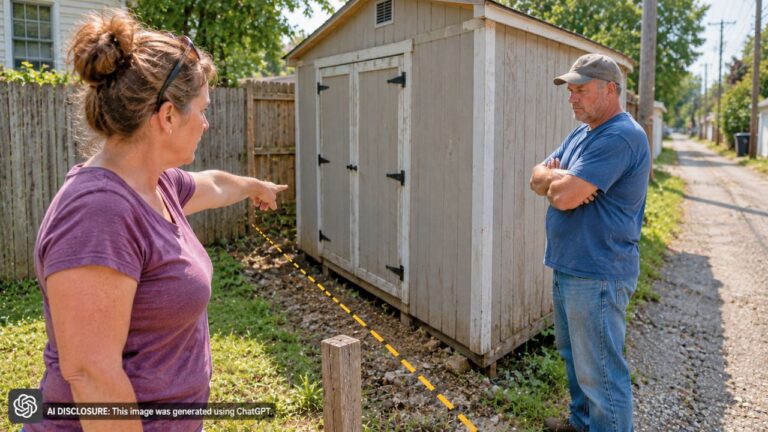
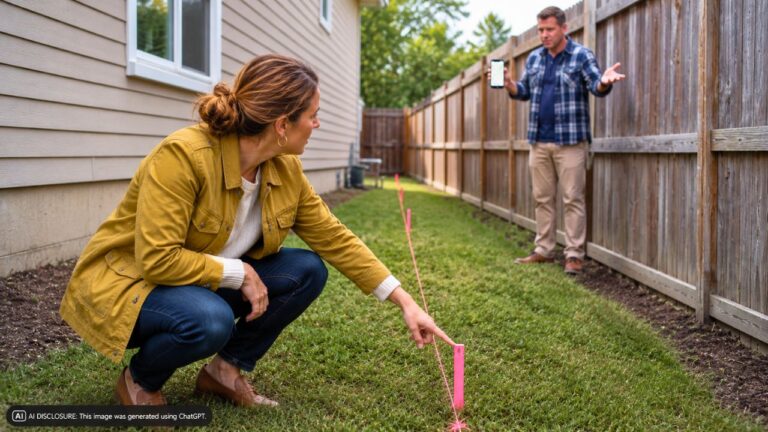
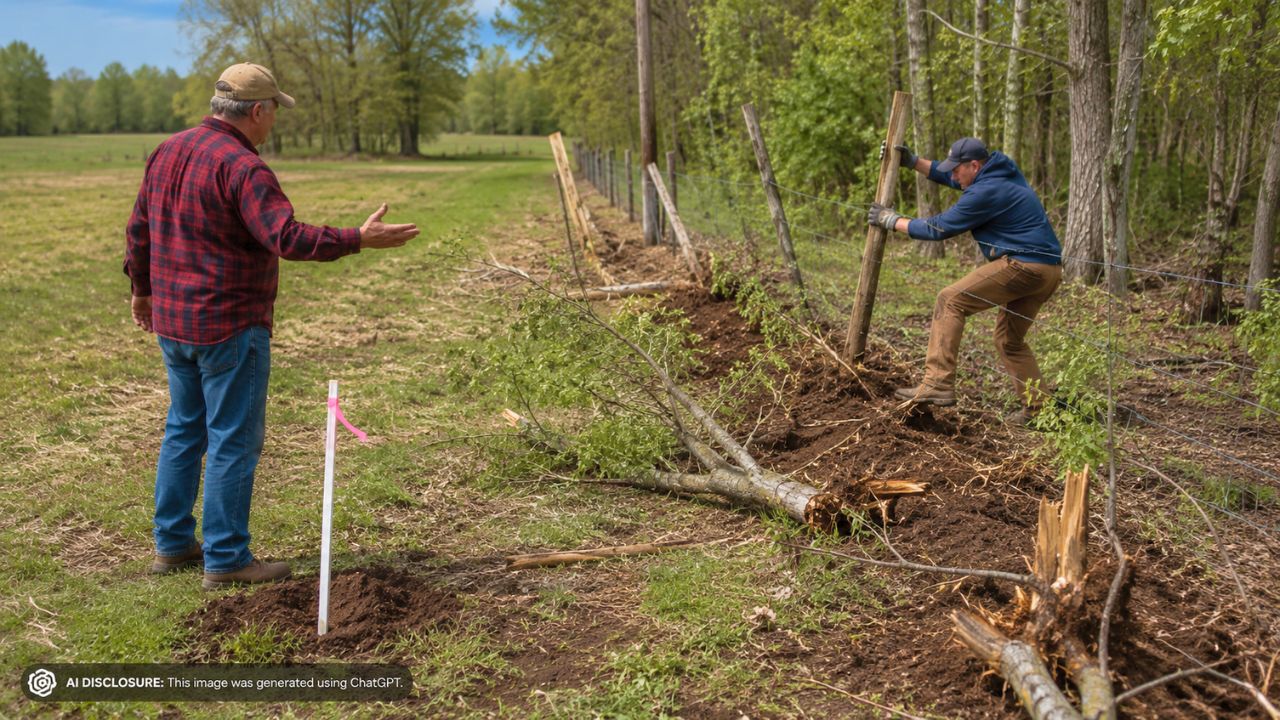
Photo credit: AI-generated image created using ChatGPT. Illustrative only.
It started like a normal “finally doing it” move—after 30 years of owning a remote 40-acre parcel in Michigan’s Upper Peninsula, a landowner decided it was time to relocate and start shaping the property for a dream home. The first real step was the unglamorous one: get a fresh survey, figure out boundaries, and plan access, clearing, and utilities.
That survey came back with a nasty surprise. A fence in the property’s northeastern corner wasn’t just a little off—it appeared to cut out roughly three acres. The owner shared the survey with the neighbor and tried to set up a discussion, as described in the original post. But by the time the owner arrived, the neighbor had already “fixed” the problem in the most aggressive way possible.
A survey turned a quiet corner into a real boundary fight
In rural areas, it’s easy for fence lines to become “truth” over time. People mow to them, hunt to them, and act like they’re permanent—even when no one has checked a legal description in decades.
Here, the family had owned the acreage for about 30 years. When the owner finally got a survey to prepare for building, it showed the fence encroaching and effectively taking a sizeable chunk off the corner. Three acres out of forty isn’t a rounding error. That’s enough land to change building plans, timber value, setbacks, access routes, and even where you’d place a driveway.
The owner did what many people think is the reasonable first move: communicate. They sent the survey to the neighbor and wanted to talk through it. In a perfect world, that’s when both parties walk the line together and decide how to handle it without anyone losing their temper—or their trees.
Then the neighbor moved the fence fast—and the land got stripped
Instead of waiting for a conversation, the neighbor moved the fence right away. On its face, that might sound like compliance: “Okay, the survey says it’s yours, I’ll move it.”
But the way it was done is what set off alarms. The owner says that in the process of relocating the fence line, the neighbor tore out more than 50 trees. The description wasn’t a careful reset of posts and wire; it was more like the land had been scraped clean. The owner compared it to dragging a razor across the ground—everything in that three-acre strip ripped out.
That’s a very different outcome than simply returning land. Even if the neighbor believed they were correcting a mistake, removing trees—especially in bulk—can feel like a parting shot. In the country, trees aren’t just scenery. They’re privacy, windbreak, future lumber, habitat, and sometimes the only thing separating “my place” from “your place.”
The fence is one problem; the trees are a whole other mess
Boundary disputes usually focus on where the line is. Tree removal adds a second fight: damage. And it’s often the damage portion that gets expensive, personal, and hard to unwind.
If those trees were on the owner’s side of the surveyed line, their removal isn’t just a neighbor being careless—it can be treated as destruction of property. If they were mature trees, the value can be more than most people expect, especially if they had timber value or served a purpose tied to the planned home site.
There’s also the practical fallout that homesteaders understand immediately. Clearing a strip like that can change drainage patterns, invite erosion, open up the understory for invasive growth, and remove the natural screen that keeps a property feeling secluded. Even if the fence is “back where it belongs” now, the land itself may not recover quickly.
And if heavy equipment was used, you can end up with ruts, disturbed soil, and a new maintenance problem—right when the owner was trying to start fresh and plan a build.
People focused on proof, documentation, and stopping the next surprise
The owner’s big question was simple: is there any repercussion for this? That question tends to bring out the same practical instincts from experienced rural property owners: document everything before it gets muddied.
When trees and boundaries collide, time matters. Fence lines change, disturbed ground gets smoothed, cut stumps get hidden, and memories magically shift. A new survey is a strong start, but it’s only part of the story once physical damage happens.
Even without getting into legal strategy, the common-sense next steps are the ones you’d take after any big property damage: take photos and video, mark locations, keep copies of the survey and the date it was shared, and write down a timeline of what happened and when. In disputes like this, the most frustrating part is not the argument—it’s the moment you realize you should have recorded the “before” and you didn’t know you needed to.
And there’s another reason people get cautious fast: once one side starts moving fences and tearing out trees without a conversation, it raises the fear that more changes could happen while the owner isn’t on-site. On remote acreage, the distance itself becomes part of the problem.
Upper Peninsula land makes small actions feel bigger
On a suburban lot, a fence is a weekend project. In the U.P., fences can define hunting lanes, access trails, and the way you move equipment across a property. A three-acre corner can include a stand of trees you planned to keep, a spot you intended to clear later, or the only high ground for a future driveway.
That’s what makes the “razor scrape” description hit so hard. It suggests a level of clearing that wasn’t just incidental. It was thorough. And that changes the emotional temperature of the whole thing: the owner wasn’t just dealing with a mistaken fence placement; they were suddenly staring at a visibly altered landscape.
It also creates a weird practical contradiction. The neighbor moving the fence could be seen as acknowledging the survey’s boundary, but the clearing implies the neighbor felt entitled to change the land on the way out. That’s the kind of move that makes future cooperation—sharing a boundary line, dealing with downed trees, keeping gates closed—much harder.
A dream-home timeline just got shoved into damage-control mode
The hard part about starting a build on raw land is that everything depends on the land staying stable long enough for you to plan it. When a neighbor clears trees and shifts fences quickly, you’re no longer just dreaming and designing—you’re reacting.
The owner came up to begin shaping the property for a home. Instead, they got a crash course in the least romantic part of rural ownership: property lines only feel settled until someone decides to “handle it” with equipment.
Now the fence may be moved, but the torn-out trees don’t go back in the ground. The next steps—whether that means trying to work it out neighbor-to-neighbor or deciding the damage has to be addressed more formally—carry real stakes. And on a quiet 40 acres, it’s a rough way to start the next 30 years.
Like Fix It Homestead’s content? Be sure to follow us.