Neighbors Find a Fence Splitting Their Ten-Foot River Easement Down the Middle — Then Maine’s High Court Rules They’re Entitled to Every Foot
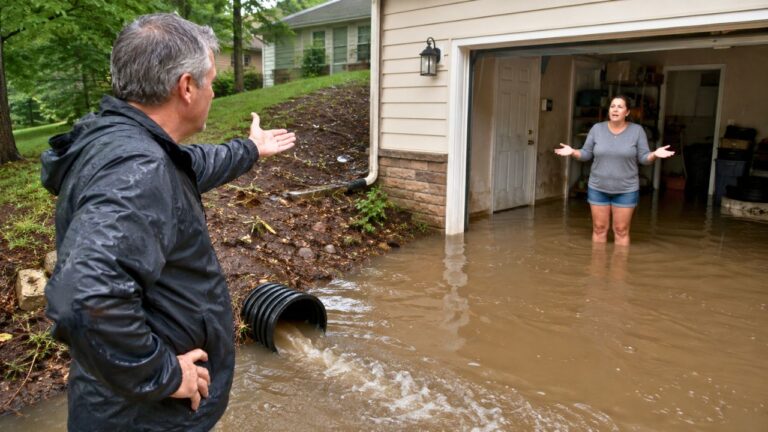
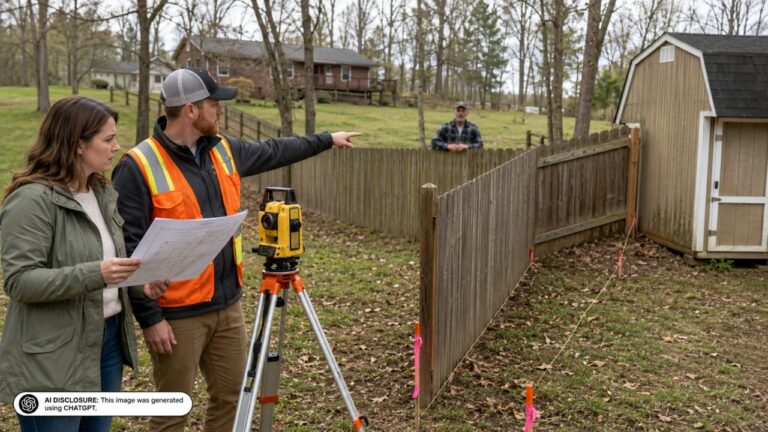
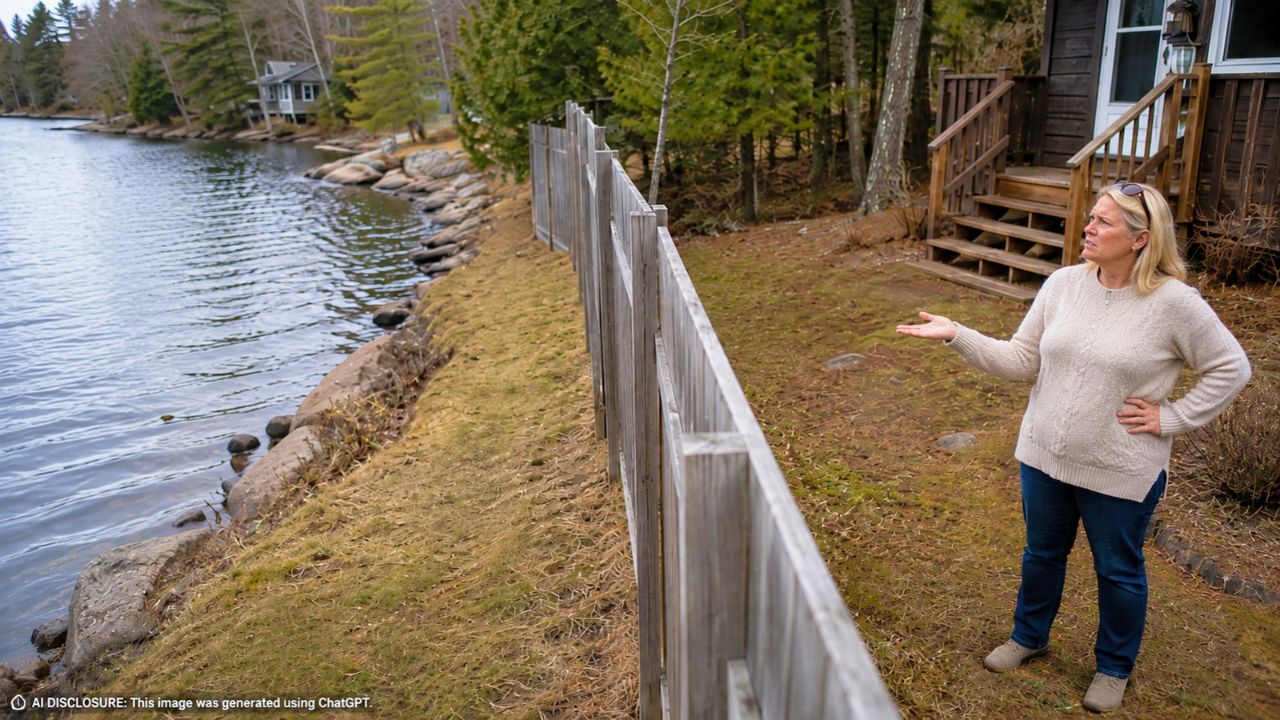
Photo credit: AI-generated image created using ChatGPT. Illustrative only.
At first it probably looked like a normal “we’re improving our property” project: a new fence line, a driveway that finally feels finished, a cleaner edge between yard and river access. Then the neighbors realized the new fence wasn’t just near the access path—it was planted right inside it, slicing a narrow strip of river access into two even narrower strips.
That detail—where the fence sat, and how it changed the way people could physically move through the space—ended up pulling a Wells neighborhood into a court fight that reached Maine’s highest court. The decision, laid out in the source post, reads like a property drama lots of homeowners can picture: someone “uses” an easement like it’s flexible and informal… until a fence makes it painfully real.
A ten-foot strip to the water suddenly felt a lot smaller
The easement at the center of the dispute is about 10 feet wide, according to court documents. That sounds generous until you imagine it as a working path—neighbors carrying kayaks, paddleboards, and whatever else you drag to a river when you actually plan to use it.
Then a fence goes in and runs down the middle of that strip. Instead of one 10-foot corridor, people are left with two 5-foot corridors, split like a zipper. On paper that might seem fine. In real life, it changes everything: turning, passing, maneuvering bulky gear, and keeping clear of parked vehicles becomes a daily negotiation.
The driveway and the parked vehicles made it feel like a choke point
This wasn’t only about a fence line. The neighbors who sued argued that the combination of the fence and a driveway—plus vehicles in the driveway—interfered with their riverfront access.
That’s the part that makes this feel familiar to anyone who’s lived near a shared lane, a right-of-way, or a beach path. A driveway is “normal.” Parking a car is “normal.” But if those normal choices spill into a shared access strip, the shared strip stops functioning like shared access. It becomes an obstacle course that depends on who’s home, who’s parked where, and how willing everyone is to squeeze by without scraping paint or snagging a paddle on a post.
The neighbors took it to court in October 2023, saying the additions were an unreasonable interference with the easement and their ability to reach the Webhannet River.
The first court didn’t see interference—until the appeal
The case already had one major twist: the York County Superior Court initially sided against the neighbors’ claims that the fence interfered with their access. That’s often how these fights go at the start—one side says “it’s still passable,” the other says “passable isn’t the point.”
But the neighbors appealed, and Maine’s Supreme Judicial Court agreed with them in an April 21 decision. Justice Andrew Mead wrote that the lower court got it wrong when it treated the easement like something the holders could use only to the extent necessary or convenient.
The higher court leaned on precedent: easement holders are entitled to the entire width of the easement. Not five feet. Not the “remaining usable” section. The whole thing.
Splitting the easement wasn’t a small tweak—it was the problem
In plain terms, the high court said the fence “directly and unreasonably” burdened the easement by splitting it down the middle. That’s a key phrase for homeowners to understand, because it draws a bright line between “minor inconvenience” and “physical occupation of the access corridor.”
A lot of neighbor disputes live in gray areas: overhanging shrubs, snow piles, trash bins set out a little too far. This one was more concrete. A fence is permanent infrastructure, and once it’s in, it signals possession. It also changes behavior—people stop using the full space because they can’t.
The decision overturned the earlier ruling and sent the case back (“remanded”) to the lower court for further proceedings.
Now the big question is whether the fence has to come down
The neighbors aren’t just asking for a paper victory. The case is heading back to the Superior Court with more to decide, including the neighbors’ request for the fence to be taken down.
That’s where these stories get expensive and personal fast. It’s one thing to be told, “You were wrong.” It’s another to be told, “Undo the work.” A fence removal can involve pulling posts, restoring grade, repairing disturbed ground, and rethinking whatever landscaping or driveway layout was planned around it.
Gene Libby, a lawyer for the neighbors who brought the lawsuit, said his clients were pleased, and that they felt it “should have been the decision the Superior Court issued over a year ago.” The defendants’ lawyers declined to comment.
No future proceedings had been scheduled as of Tuesday, according to a clerk at the York County Superior Court—meaning the neighborhood is sitting in that awkward limbo where the court has spoken, but the physical barrier may still be standing.
The homeowner takeaway people keep circling back to
Whenever easements and fences collide, the most practical reactions tend to sound the same: measure it, document it, and don’t assume “close enough” will be fine just because nobody complained last summer.
This dispute shows why. The fight wasn’t over a theoretical right. It was over a path people actually use, with equipment that doesn’t politely fold into a narrow lane. And the court’s reasoning wasn’t about whether the neighbors could technically still squeeze through—it was that the easement holders are entitled to the full width they’re granted.
Now Wells has a real-world standoff on its hands: neighbors who want their full access restored, and homeowners facing the possibility that a fence and driveway arrangement they built will have to be reworked. The river is still there. The ten feet on paper is still ten feet. The only question left is how long it takes for the ground to match the documents again.
Like Fix It Homestead’s content? Be sure to follow us.