Rural Landowner Moves the Property Posts Back After a Neighbor Relocates Them — Then the Neighbor Calls the Sheriff, Who Says They’re Being Ridiculous
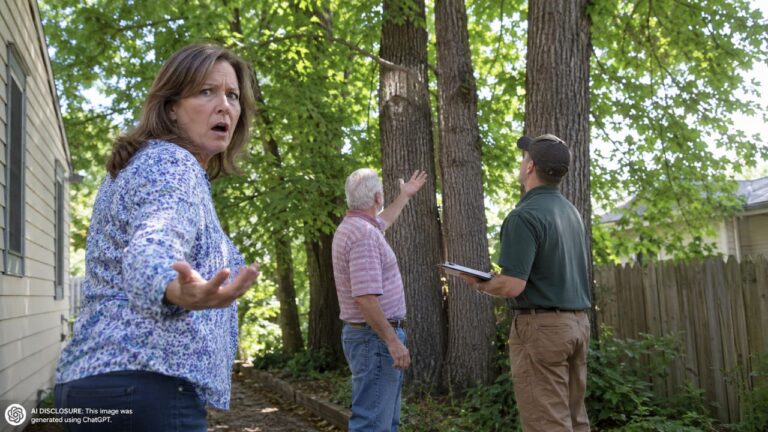
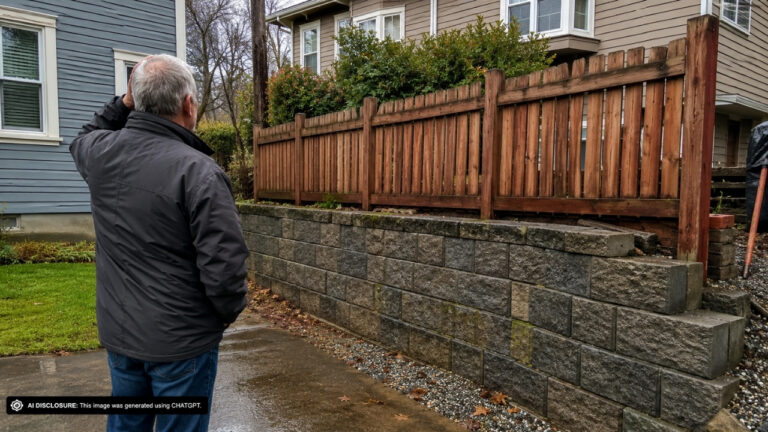
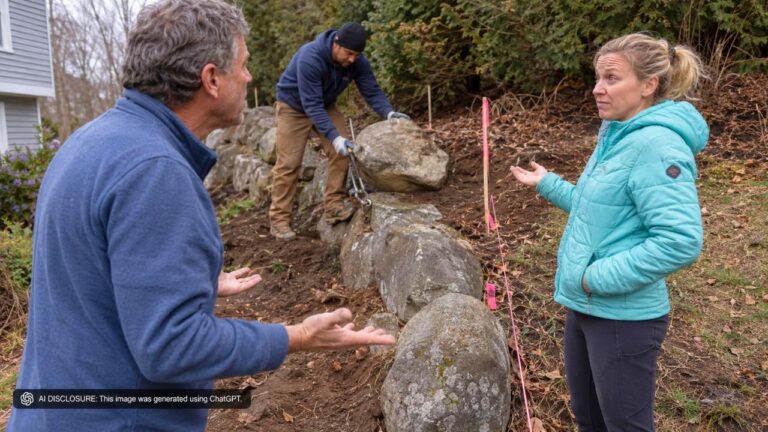
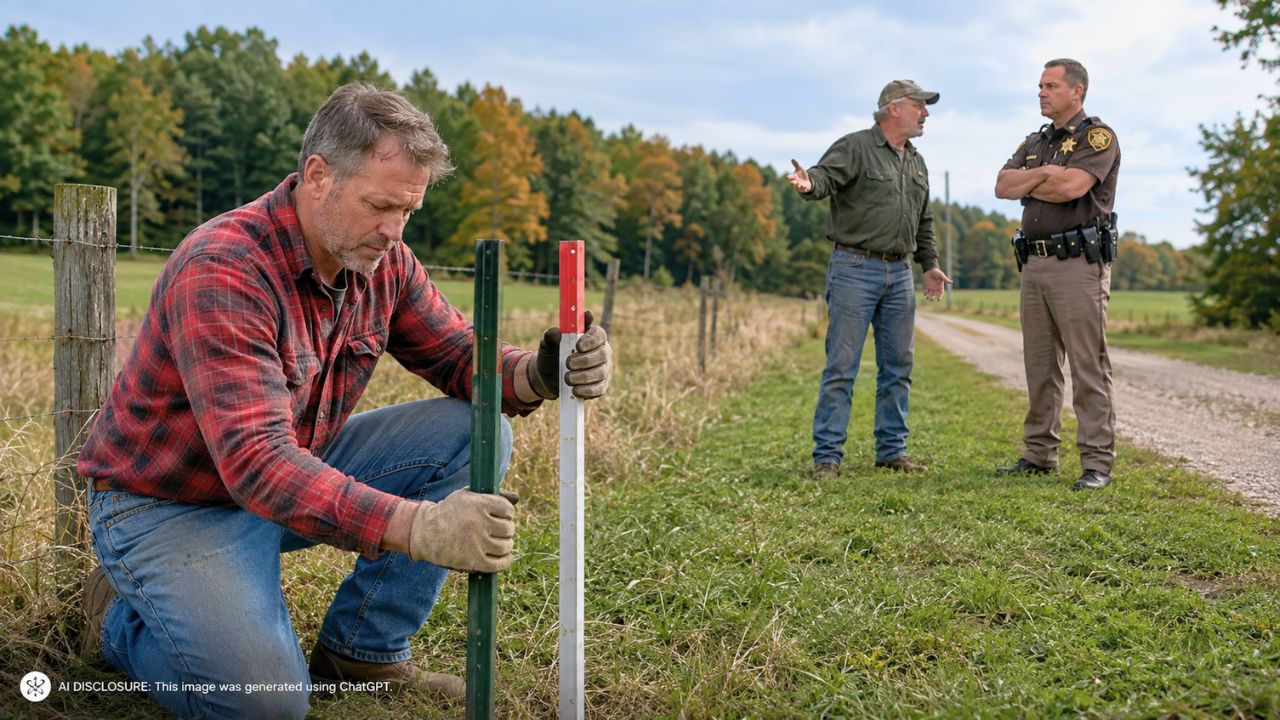
Photo credit: AI-generated image created using ChatGPT. Illustrative only.
On rural land, the lines don’t feel theoretical. They’re where you mow, where you plant, where you hunt, where you put up a fence, and where you expect to be left alone. That’s why one Wisconsin landowner’s week went sideways fast when two property marker posts suddenly weren’t where they’d always been.
In the original post, the landowner in Rock County, WI says a neighbor physically relocated two boundary markers—then acted shocked when the posts were moved right back to their original spots. The neighbor responded by calling the sheriff, only to be told it was a civil matter and that they were being ridiculous.
It started with two posts that didn’t belong where they were
The homeowner’s description is blunt: the neighbor moved two property markers. Not a flag on a stake, not a “hey, I think the line is over here.” Actual posts that mark where one property ends and another begins.
For anyone who’s lived in the country, that’s the kind of move that instantly changes the temperature. People argue about brush piles and snowplow lines all the time. But moving markers is a different level—because it’s not just annoying. It can turn into “proof” later if someone starts landscaping, building, or clearing as if the new line is real.
The landowner didn’t wait for it to turn into a bigger mess. They moved the posts back to where they believe they belong.
Then came the sheriff call—and a reality check
Instead of backing off, the neighbor called the sheriff on them for putting the markers back. It’s one of those moments that sounds almost comical until you picture it happening at your own gate: someone shifts your boundary, and when you undo it, they call law enforcement like you’re the problem.
The sheriff’s response, according to the homeowner, was basically that this was not a criminal case. No charges. Civil matter. And, in the homeowner’s words, the sheriff thought the neighbors were being ridiculous.
That might feel validating in the moment, but it also leaves a hard problem unsolved. A deputy can tell everyone to knock it off, but they can’t redraw a boundary or stop a neighbor from trying again tomorrow.
The expensive part: proving a line that should already be clear
The homeowner’s frustration jumps off the page: how do you protect your property without paying thousands for a survey? They say they’ve gotten several quotes because the property is agricultural, and the number they keep hitting is around $7,000.
That’s the kind of bill that makes people try to “handle it themselves,” especially when they believe the markers were already correct. But it’s also the kind of dispute where paper and licensing matter more than anyone’s memory of where a post used to sit.
And there’s another wrinkle: the neighbor claims “the guy who did it” is coming back because he “couldn’t find the stake.” The homeowner is skeptical. Is that actually a surveyor? Or just someone with a metal detector and enough confidence to make it sound official?
In rural boundary fights, that question matters. A state-licensed surveyor is one thing. A blowhard hunting for a pin is another—and the results can look similar to an untrained eye until a real map and stamped documents show up.
When it’s not the first encroachment, every inch feels personal
This wasn’t described as a one-off misunderstanding between new neighbors. The homeowner says these people have been awful to live next to and the “won’t take no for an answer” type. That detail changes how the whole story reads.
Because when you’re already dealing with boundary-pushing behavior, a moved marker doesn’t feel like confusion. It feels like strategy. A test. Something meant to see what you’ll tolerate.
The homeowner also says it isn’t the first time the neighbors have encroached. That’s the part that makes a lot of rural homeowners’ stomachs drop. Once someone starts treating your land like it’s negotiable—trimming, clearing, planting, dumping, driving—every season brings a new way to take a little more.
They’re documenting now: cameras, letters, and “don’t touch our land” in writing
With the sheriff treating it as civil, the homeowner is shifting into the only tools most property owners have before lawyers get involved: documentation and written notice.
They mention putting up a trail cam in one corner. It’s a very country solution, and it’s also practical. If someone comes back after dark to yank a post or start “landscaping,” a camera can at least answer the basic questions: who, when, and what exactly they did.
They’re also considering a registered letter stating they dispute the newly claimed line and that the neighbor should not do any landscaping on their property until a state-licensed surveyor indicates the true plot line. That’s not about winning an argument in the yard. It’s about creating a record that the neighbor was told, clearly, to stop.
The homeowner says the neighbor “apparently” has a surveyor coming soon. That might resolve everything—if it’s legitimate and if both sides accept what the survey shows. But it could also be the start of a new fight if the neighbor tries to shop around for an answer they like, or if the work isn’t done by someone properly licensed.
What people told them to focus on: proof first, not shouting matches
The original post didn’t include a long comment thread in the material provided, but the direction the homeowner is already leaning toward is the same one property-line veterans repeat: don’t rely on driveway debates and moved posts as “evidence.” Get solid documentation, and keep your hands clean.
That means saving photos of where markers were found, noting dates and times, and using cameras when you can. It also means avoiding a cycle where each side moves things back and forth, because that can turn into a confusing “he said, she said” later—especially if the dispute ends up in a courtroom where the only thing that matters is what can be proven.
Most of all, it means not letting a neighbor’s urgency turn into your mistake. If someone is eager to dig, plant, grade, or build right on the edge, that’s usually when you slow everything down and force it into writing and professional verification.
For now, the landowner is stuck in that uncomfortable middle ground: confident enough to move the posts back, annoyed enough to be watching corners with a trail cam, and still facing the possibility that the only clean end to the story costs real money. In rural life, privacy is the prize—but sometimes the price is paying to prove where your own land begins.
Like Fix It Homestead’s content? Be sure to follow us.