10 Things That Should Never Go Into a Wood Chipper
Photo credit: InFocus.ee/Shutterstock.com
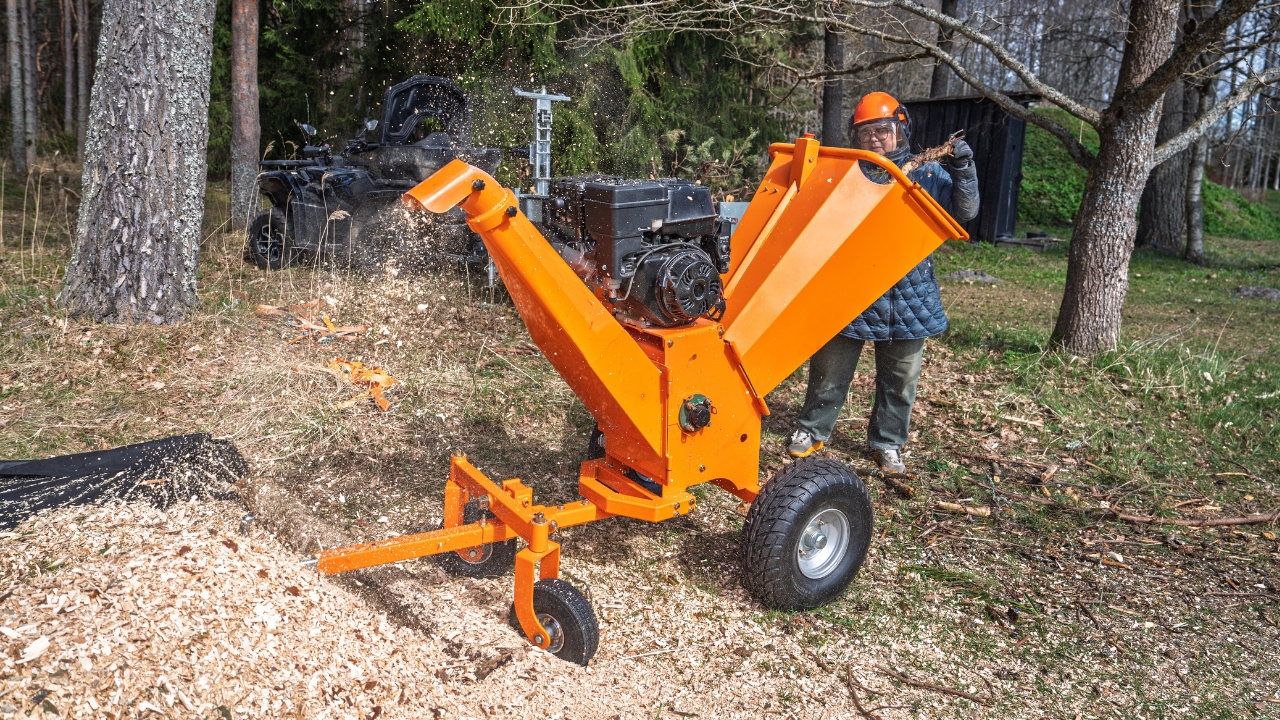
A wood chipper is a hungry machine, and it does not care what you meant to feed it. One bad toss can wreck blades, spit shrapnel, or turn a simple cleanup day into a repair job that eats your weekend. If you want chips and not chaos, treat the hopper like a checklist, not a trash can.
1. Stones, Dirt Clods, And Gravel
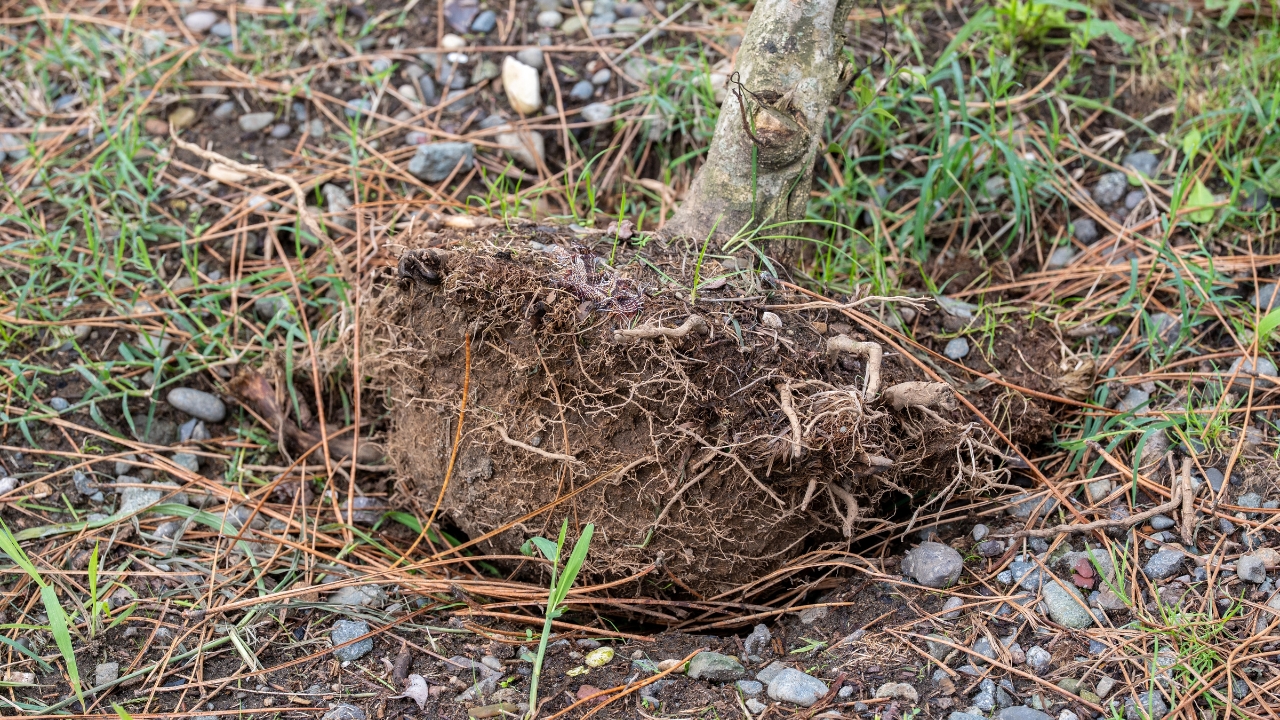
It starts with a muddy root ball or a branch dragged through the driveway. Then you hear it, a sharp clack, followed by a new rattly vibration that was not there five minutes ago. Rocks will nick knives fast, and once blades are dinged, the chipper starts tearing instead of slicing.
Shake and knock dirt off branches before they go in, and trim away roots with a sawzall or pruning saw on the ground. If a pile has been sitting all winter and the bottom layer is gritty, skim the clean stuff off the top and leave the rest for a burn pile or yard waste drop.
2. Lumber, Pallets, And Treated Wood
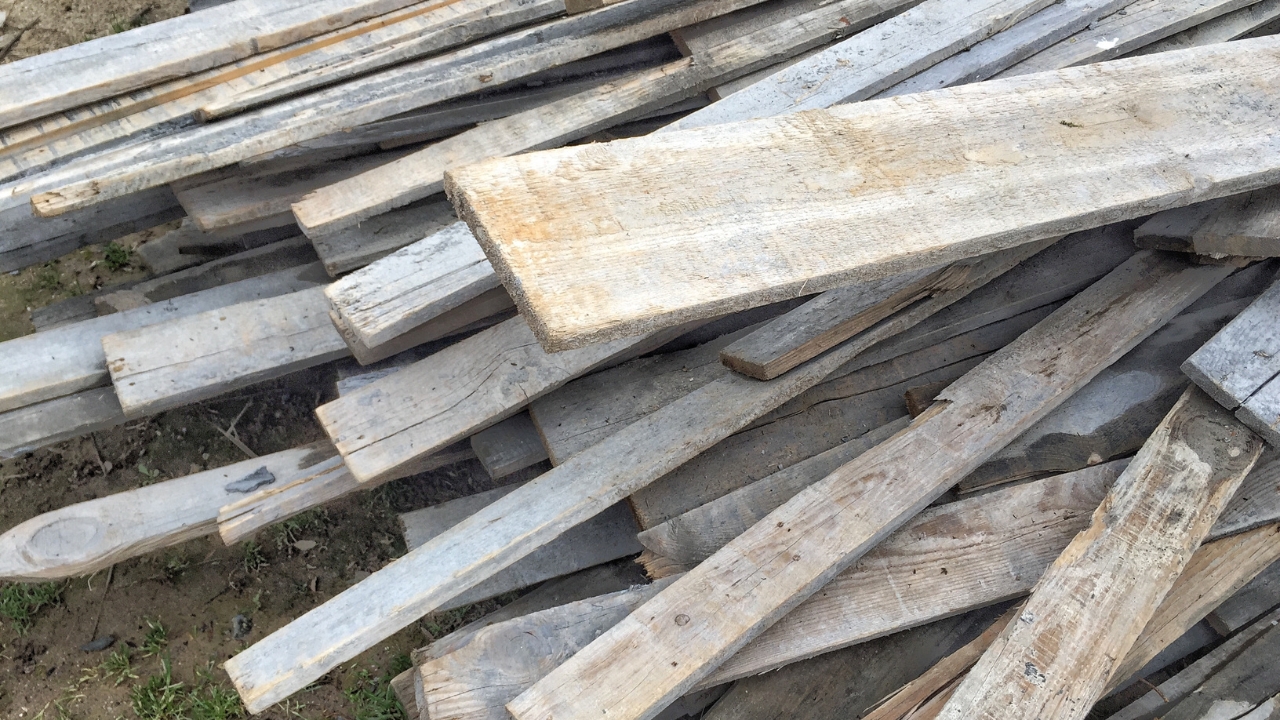
Dimensional lumber seems like “just wood,” but it is the wrong kind of wood for most chippers. Nails and staples hide in it, and even clean boards are too uniform and hard on knives compared to green brush. Treated lumber is worse, because you do not want that chemical dust and chip mix spread around gardens or animal areas.
Break down pallets with a pry bar and recip saw and haul them to a proper disposal or a clean wood recycler if you have one nearby. If you want to reuse boards, stack them under cover and save them for cleats, blocking, or shop jigs instead of turning them into dirty chips.
3. Metal Fasteners, Wire, And Fencing
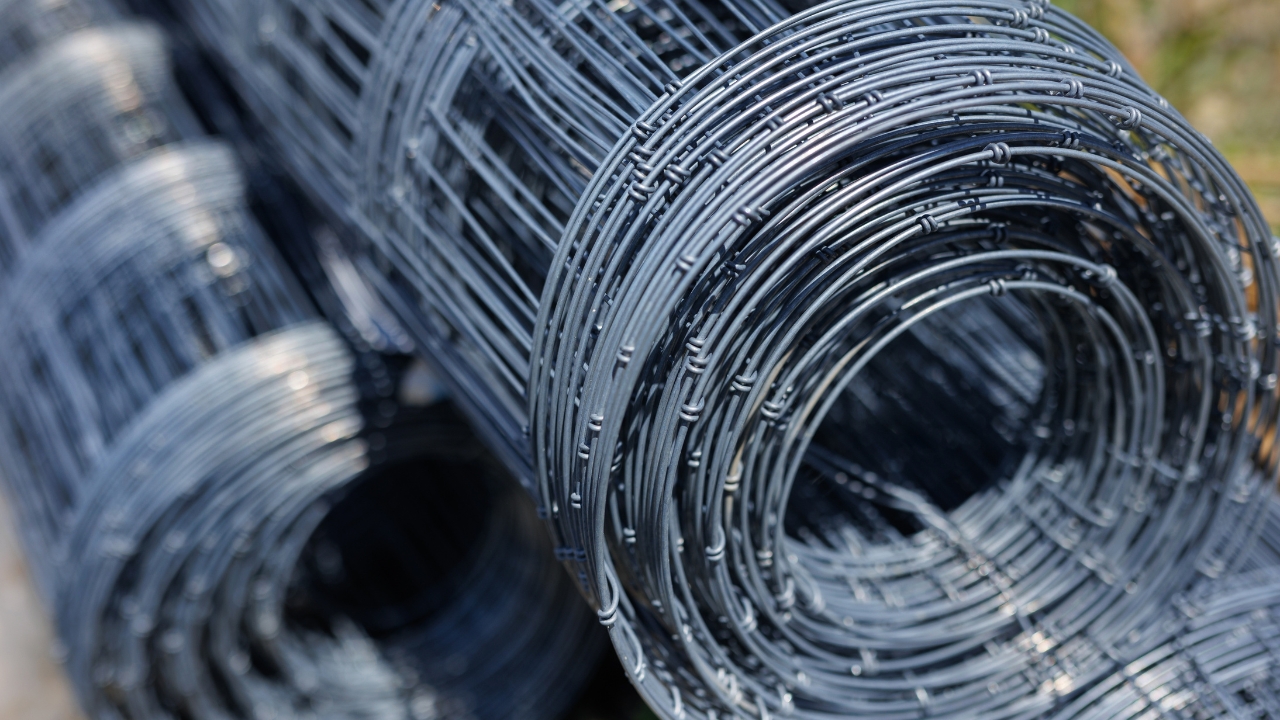
Old brush piles love to collect junk. A loop of fence wire or a single lag screw will get grabbed and whipped around inside the housing like a blender blade. Best case, you ruin knives. Worst case, you bend a shaft or crack a chute and you are pricing parts.
Before chipping, do a quick walk-through with gloves and a magnet on a stick, especially if the brush came from around barns, gardens, or old property lines. If you find wire wrapped into vines, cut that section out with loppers and throw it in scrap, do not “see if it will go.”
4. Rope, Twine, And Nursery Ties
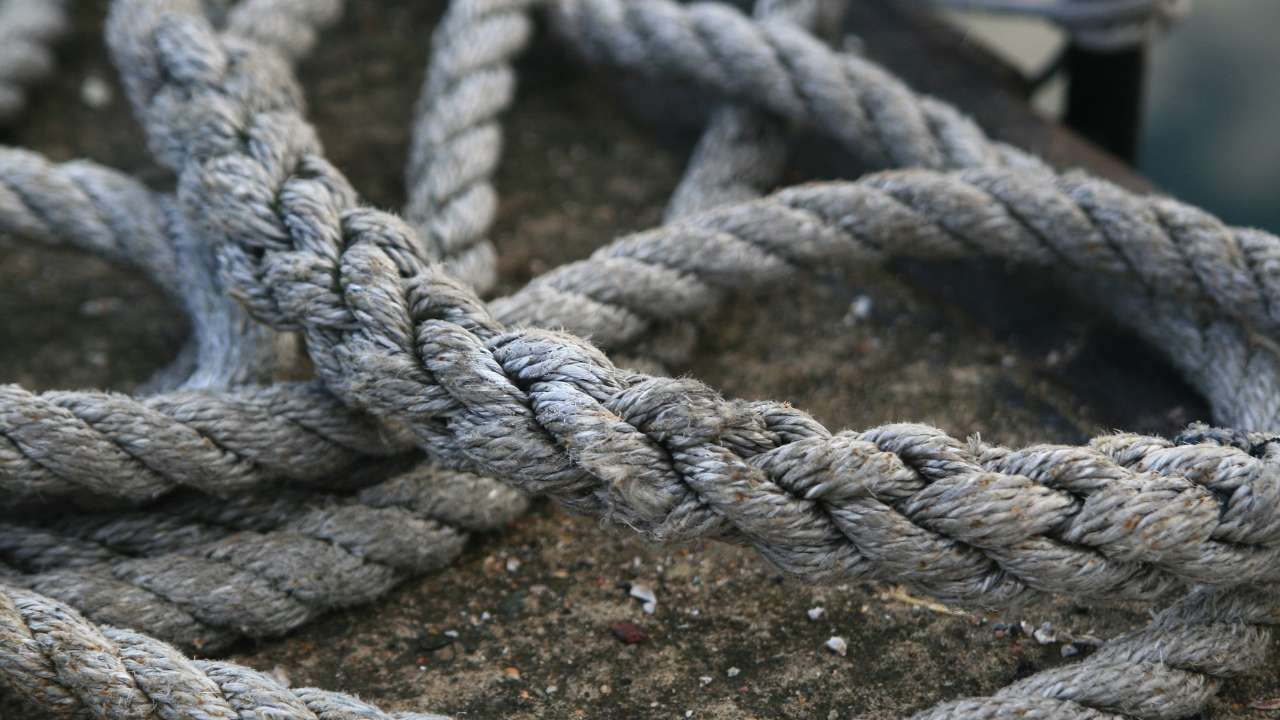
This one sneaks in during spring planting and fall take-down. Tomato twine, baler twine, and those green nursery ties do not chip, they wrap. Once they wind around the rotor, the chipper bogs, belts squeal, and you are stuck digging plastic spaghetti out of a tight space.
Cut ties off before you prune or pull. For brush piles that came from a trellis row, keep a bucket at the pile and strip twine as you go, the same way you would pull nails before burning scrap wood.
5. Plastic Bags, Tarps, And Landscape Fabric
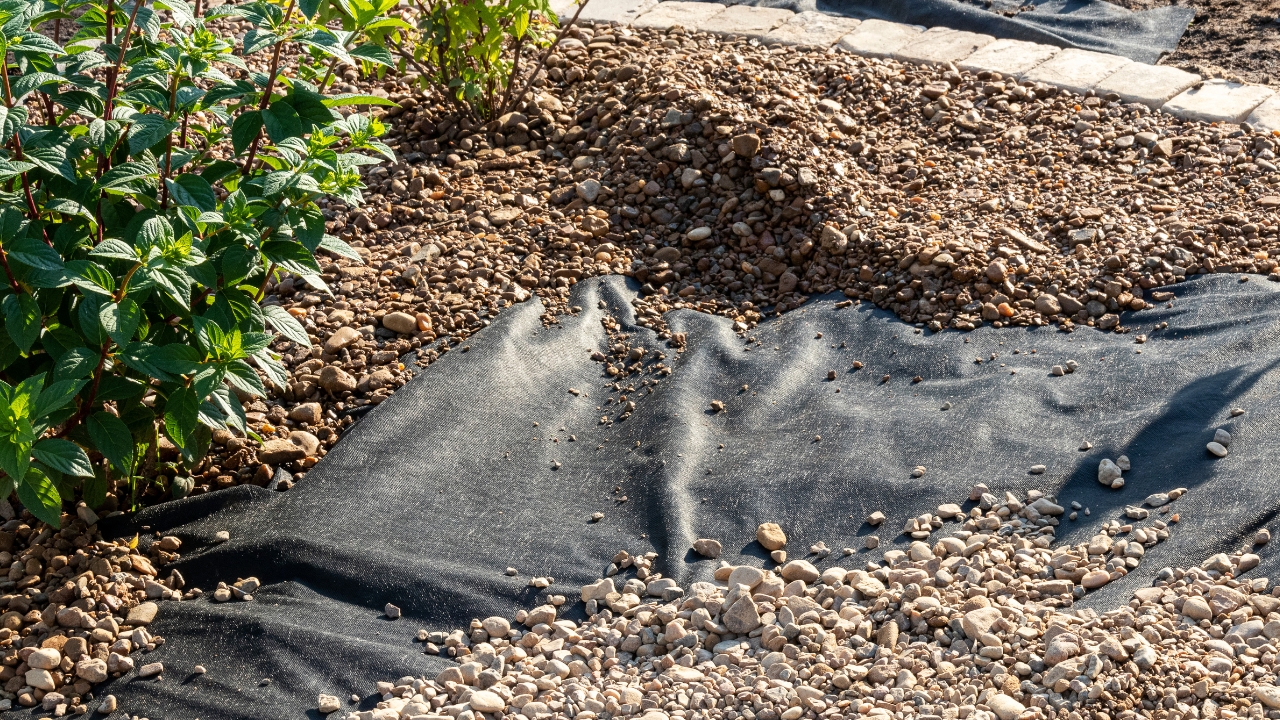
Trying to “bundle” brush in a contractor bag or drag it on a tarp feels smart until the machine eats the carrier. Plastic shreds into long ribbons that clog discharge screens and stick to damp chips like gum. Landscape fabric is even tougher, and it can jam a chipper so hard you end up opening covers you would rather leave closed.
Drag brush with a chain, a rope, or a sled that never goes near the feed chute. If you have loose leaves mixed in, rake them into a separate pile and compost or bag them, since most chippers just blow leaf mush everywhere anyway.
6. Wet Leaves And Fresh Green Grass
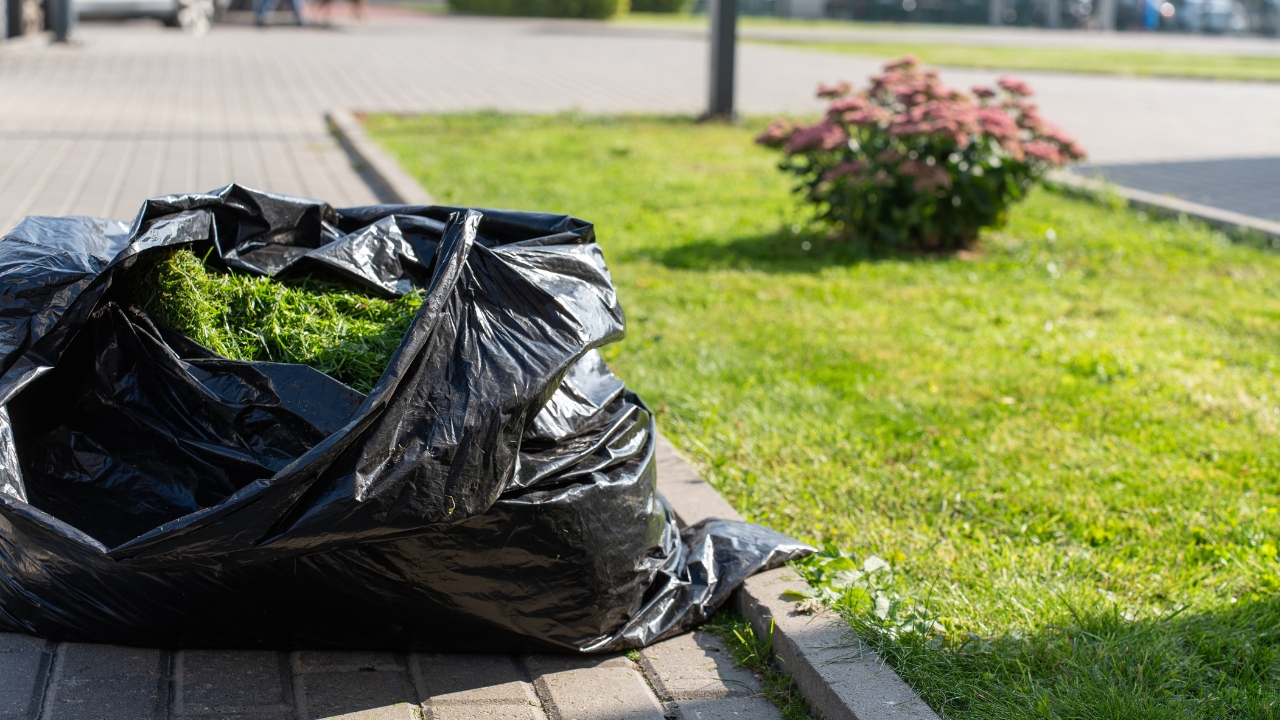
On a damp fall morning, it is tempting to feed everything in sight. Wet leaves and grass do not become nice chips. They become a heavy paste that packs into the chute, plugs the screen, and can make the engine lug like you just fed it a beach towel.
Leave grass on the lawn, compost it, or use it as mulch in thin layers that can dry. For leaves, run them with a mower and bag, or shred them dry on a tarp with the mower, then keep the chipper for woody stuff.
7. Palm Fronds, Yucca, And Fibrous Plants
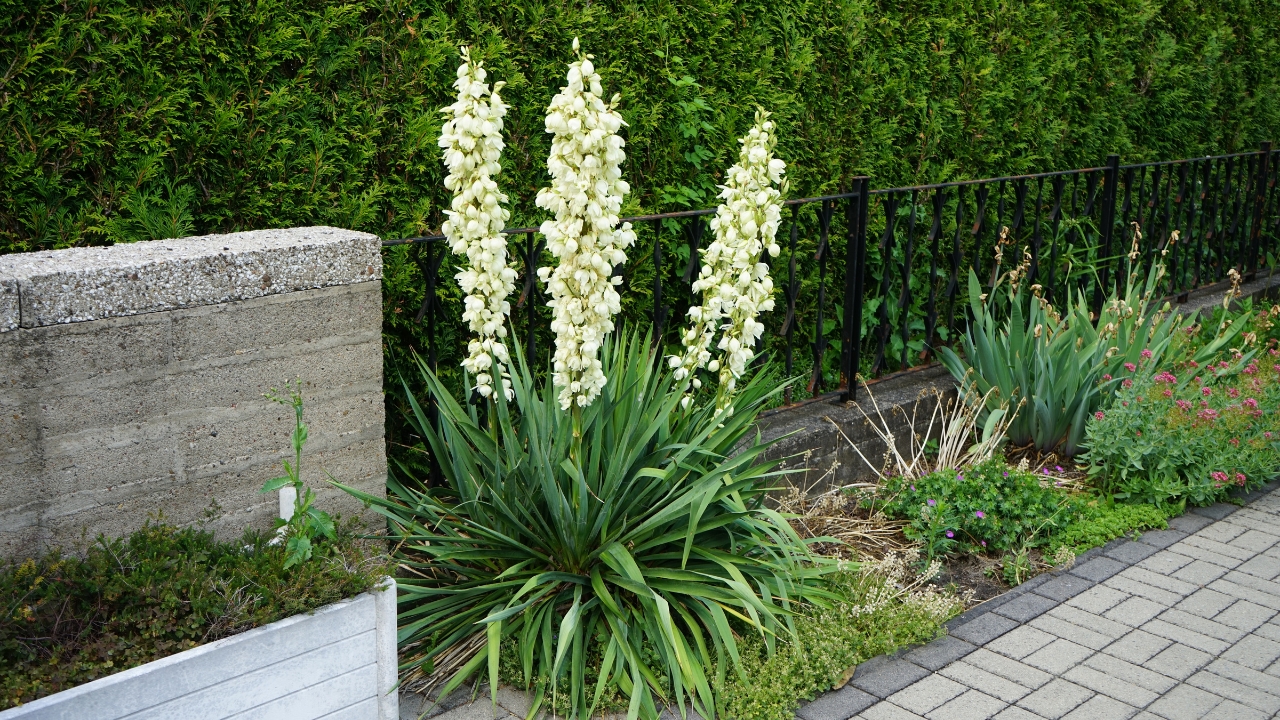
If you live where palms grow, you already know the fibers are like rope. The chipper grabs them, then you hear a steady thump-thump and the discharge slows to a cough. Those stringy strands can wrap the rotor and stall the machine even when the engine is healthy.
Cut fronds into short sections and dispose of them the way your county recommends, often green waste pickup or drop-off. For yucca and similar plants, a sharp pruning saw and a trash can is a lot less drama than trying to make chips out of cordage.
8. Hollow Stalks And Vines From The Garden
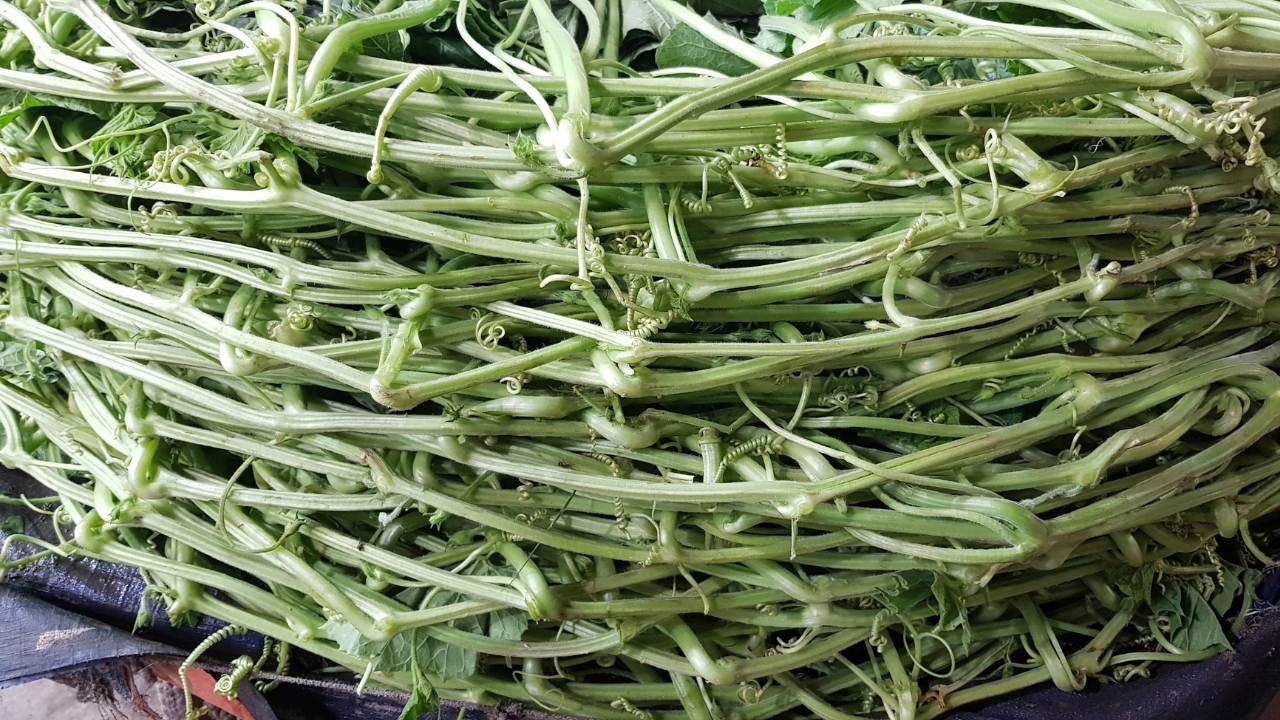
At the end of the season, you have corn stalks, sunflower stems, grapevine prunings, and a mess of vines. Some chippers handle a little of that mixed in with branches, but a hopper full of hollow stalks tends to fold, bridge, and feed in clumps. The result is constant pushing, poking, and un-jamming.
Chop garden stalks with a machete or loppers into a bin for compost, or lay them flat and run them over with the mower if your setup allows it. Save the chipper time for limbs and brush that actually break down into useful mulch.
9. Anything You Cannot Identify
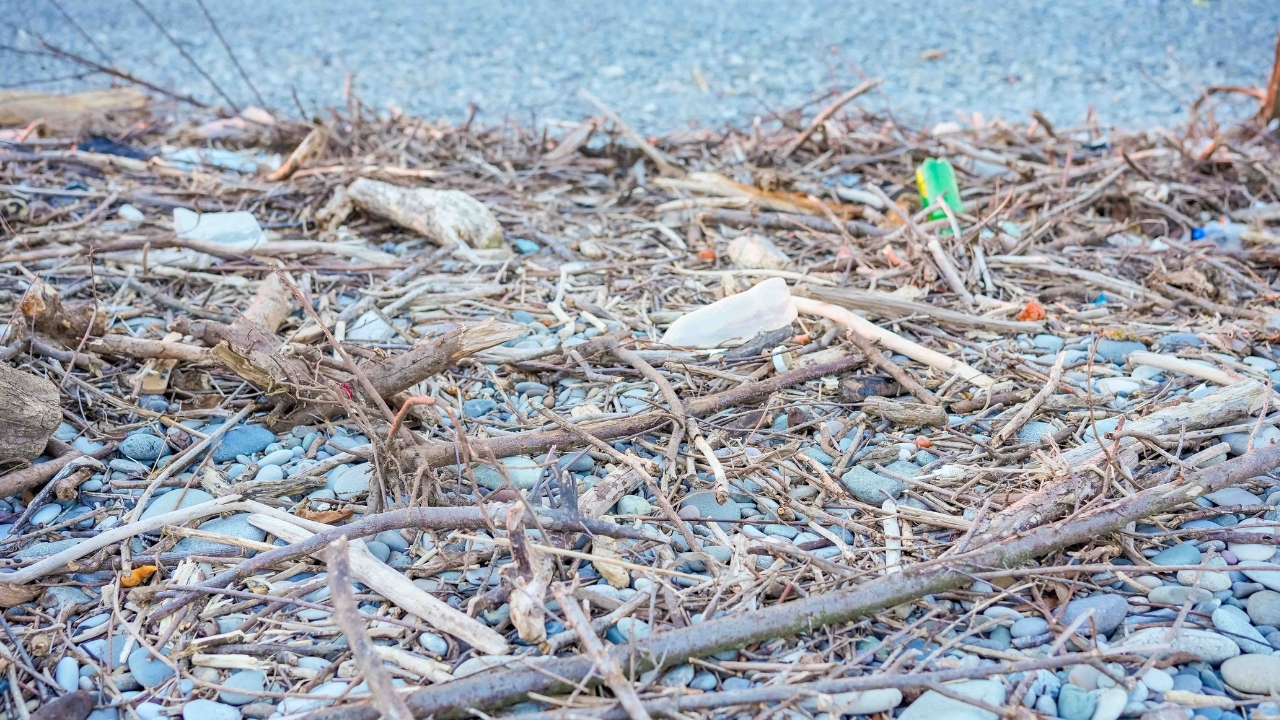
Cleanup after a storm is when the weird stuff shows up. A broken insulator, a chunk of ceramic, an old dog chain buried in ivy, even a piece of concrete edging somebody forgot was there. If you do not know what it is, you are one feed wheel grab away from a bad day.
Sort the pile first. It feels slow, but it is faster than tearing down a jammed chipper with gloves on, picking sharp junk out of the housing.
10. Rotting Wood Full Of Fungus Or Pests
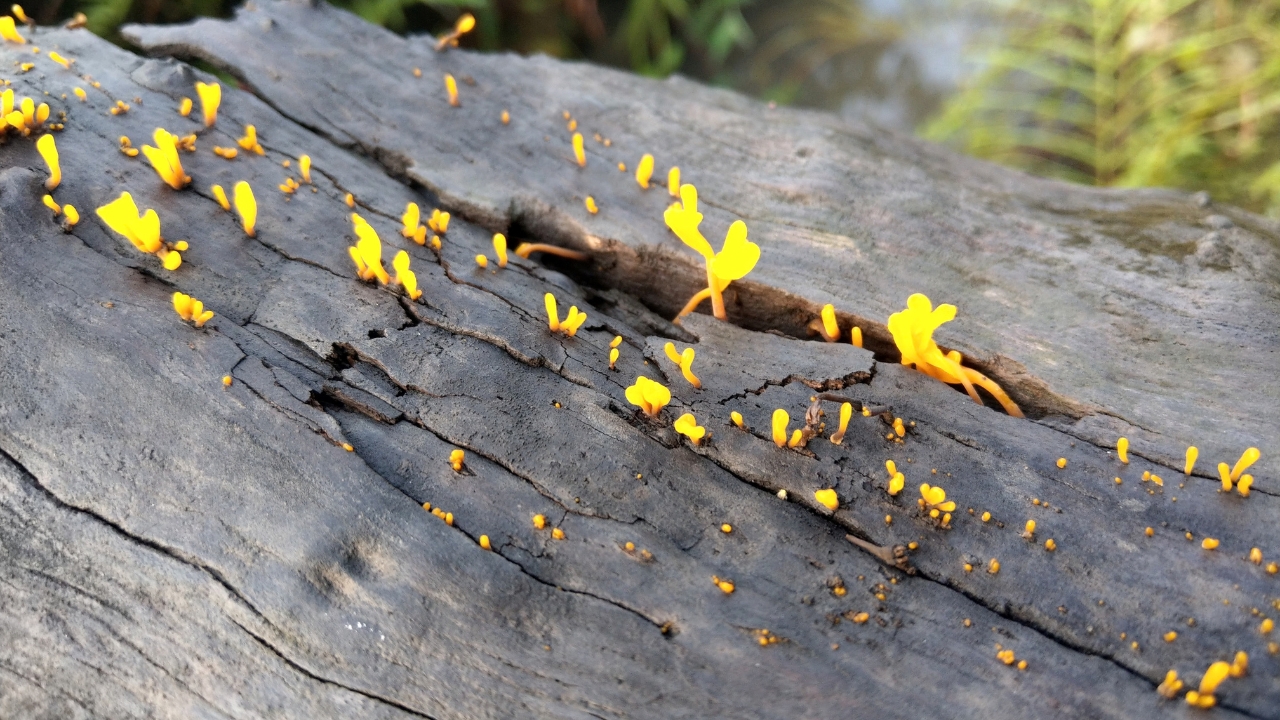
Soft, punky logs do not chip cleanly, they explode into wet crumbs that clump and smell. If the wood is full of ants, termites, or boring beetles, you are also moving that problem around your property when you spread the chips near sheds, woodpiles, or trees.
There is an exception where the cheap option is fine. If you are chipping clean, disease-free wood that is just dry and dead, many machines handle it, although it dulls knives faster than green brush. For truly rotten or suspect material, bag it for disposal, burn it where legal, or keep it contained in a hot compost system that stays away from structures. If you are dealing with a known tree disease in your area, follow county guidance on disposal.
A chipper pays you back when you feed it like a tool, not a trash solution. Keep a separate pile for “not chippable,” and plan a second trip for it, scrap drop, green waste, or the landfill. Your blades stay sharp longer, the machine runs smoother, and your yard work stops turning into repair work.
Like Fix It Homestead’s content? Be sure to follow us.