
10 Winter Smells in a House That Signal a Problem
Photo credit: Andrey_Popov/Shutterstock
Winter traps smells the way it traps heat. Windows stay shut, fans run less, and a little leak or a weak vent suddenly announces itself. Pay attention, because some odors are just annoying, and some are the first sign of damage or danger.
1. Exhaust Fumes Near The Furnace
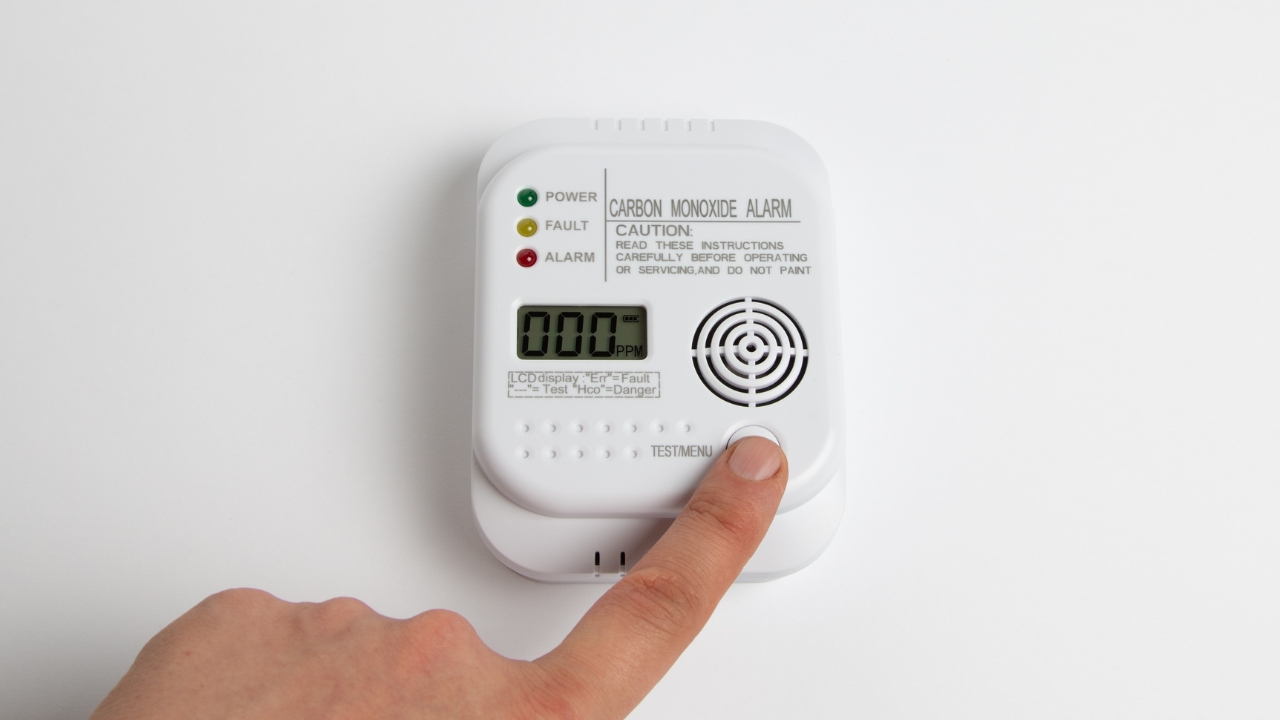
If you catch a sharp exhaust smell around the furnace, boiler, or water heater, treat it as urgent. Backdrafting can pull combustion gases into the house when a flue is blocked, a vent connector is loose, or the room is starved for make up air.
Get fresh air in the house and check that the vent pipe is still connected and pitched upward, not sagging. If you have any headache, nausea, or a CO alarm chirping, leave and call the gas utility or emergency line. This is a job for a licensed HVAC tech, not a DIY tighten and hope situation.
2. Sweet Chemical Smell From A Vent
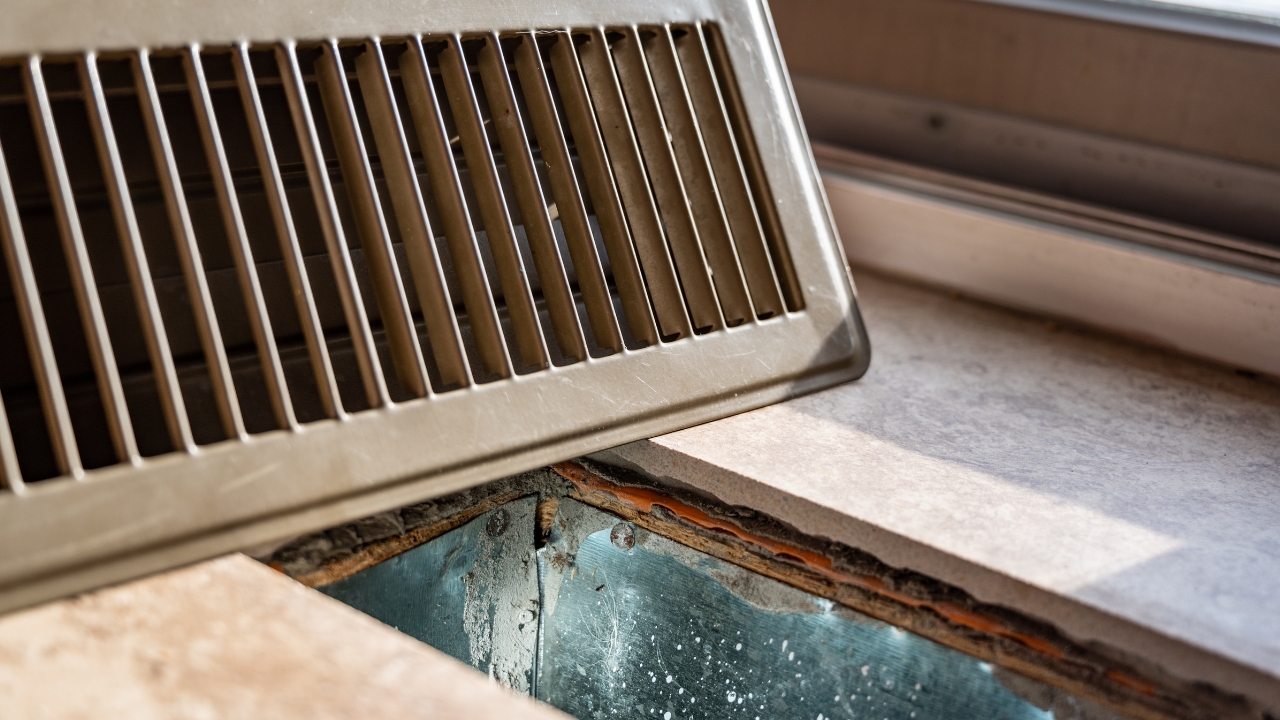
A sweet, chemical odor coming from supply registers often points to a refrigerant leak from a heat pump or AC coil that shares ductwork. In winter it can show up when the heat pump runs hard or switches into defrost, and the smell rides the airflow.
Turn the system off and call an HVAC pro. Refrigerant work needs certification, and running a unit low can burn up a compressor fast. The “cheap fix” is not a can of mystery sealant, those often make future repairs harder and more expensive.
3. Damp Basement Smell After A Cold Snap
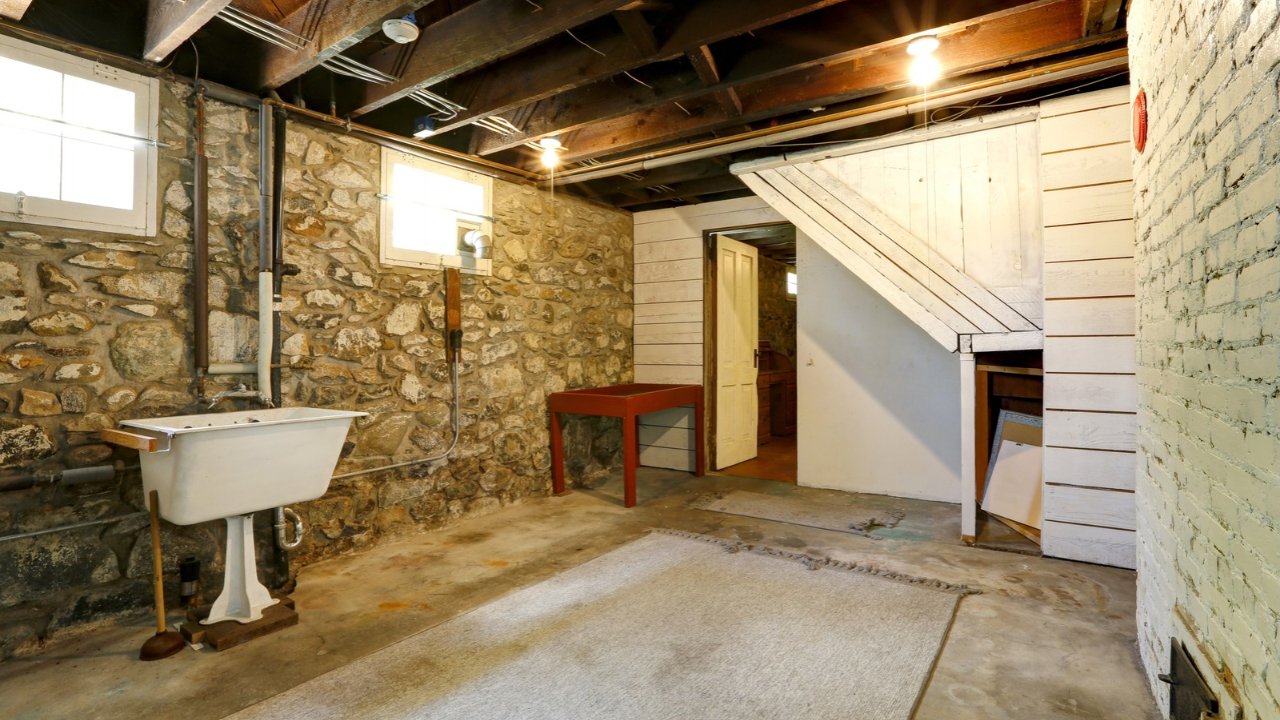
That wet cardboard smell in the basement usually shows up right after temperatures swing. Warm indoor air hits cold foundation walls or uninsulated ducts, water condenses, and everything gets just damp enough to feed mold and rust.
Start with a flashlight and a slow walk. Look for sweating on water lines, HVAC trunks, and rim joists, and feel for wet insulation. Seal obvious air leaks at the rim joist, insulate cold pipes, and run a dehumidifier if the space stays above freezing. If you find standing water or efflorescence lines rising up the wall, plan on grading, gutters, and possibly a sump check when the ground thaws.
4. Rotten Eggs By A Drain
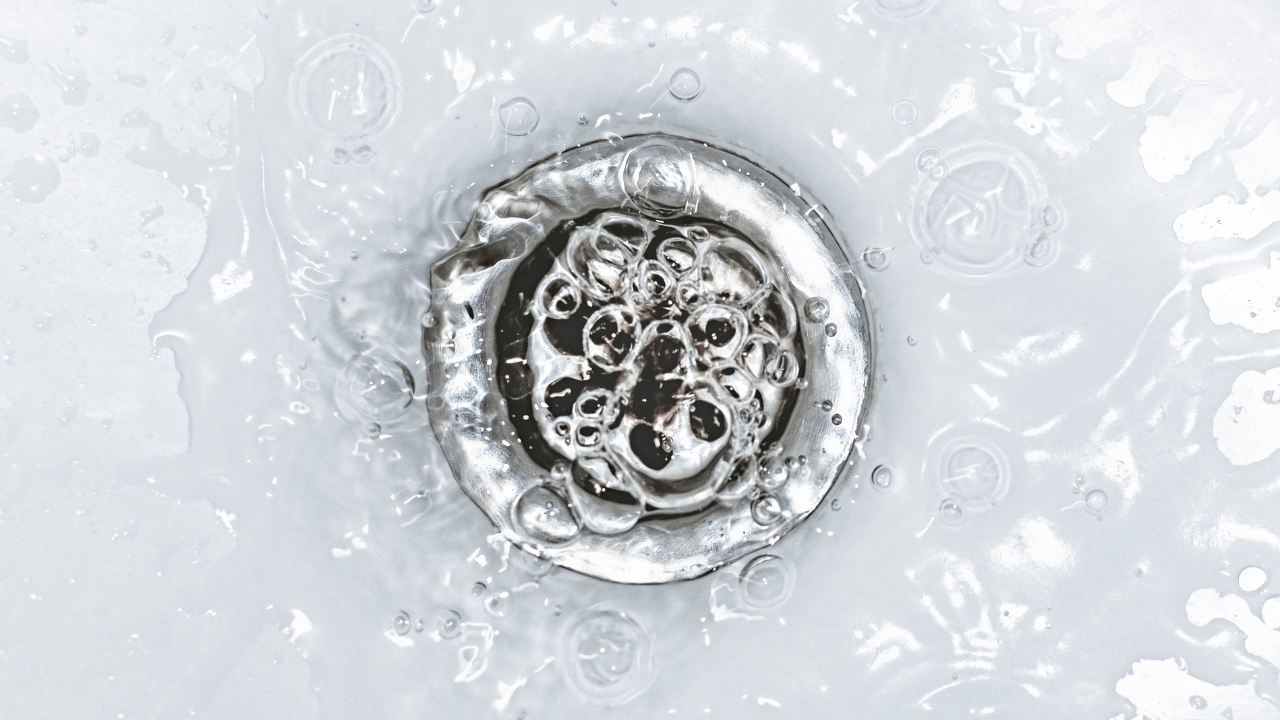
Hydrogen sulfide smell near a sink, shower, or floor drain is usually a dry trap or gunk in the drain body. In winter, guest baths and basement sinks get ignored, the trap water evaporates, and sewer gas comes right up.
Run water for 30 seconds to refill the trap, and for a floor drain, pour in a little water and a spoon of mineral oil to slow evaporation. If the smell keeps coming back, pull the stopper and clean the hair and slime out of the drain. If multiple drains smell at once or you hear gurgling, get a plumber, that can be a venting issue or a partial main line clog.
5. Burning Dust That Never Clears
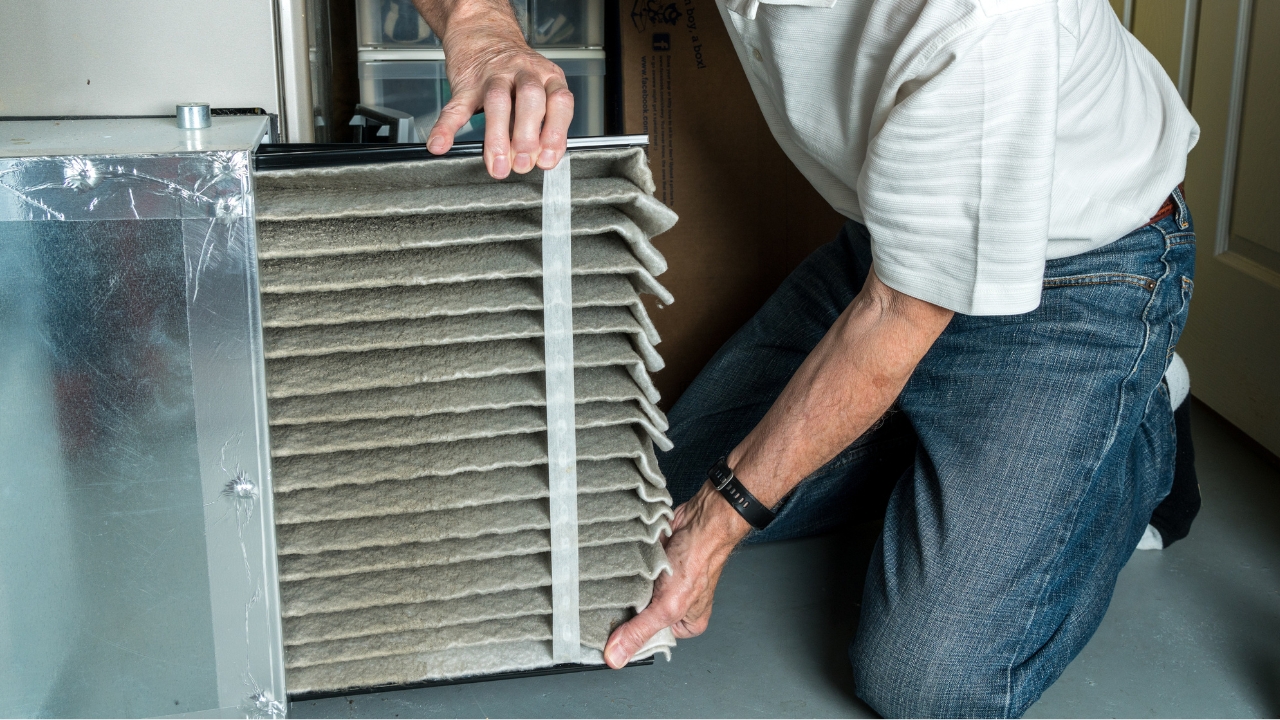
The first few heat cycles can smell like dusty toast. If it keeps smelling burnt for days, something is overheating or sitting where it should not, like a supply register blocked by a rug, a failing blower motor, or dust packed onto electric heat strips.
Swap the furnace filter, open all registers, and vacuum returns and baseboards. If the smell is strongest at one register, pull the grille and check for pet toys, drywall scraps, or a mouse nest. Persistent electrical burning smell, buzzing, or a tripping breaker means shut it down and call a tech.
6. Wood Smoke That Is Not Cozy
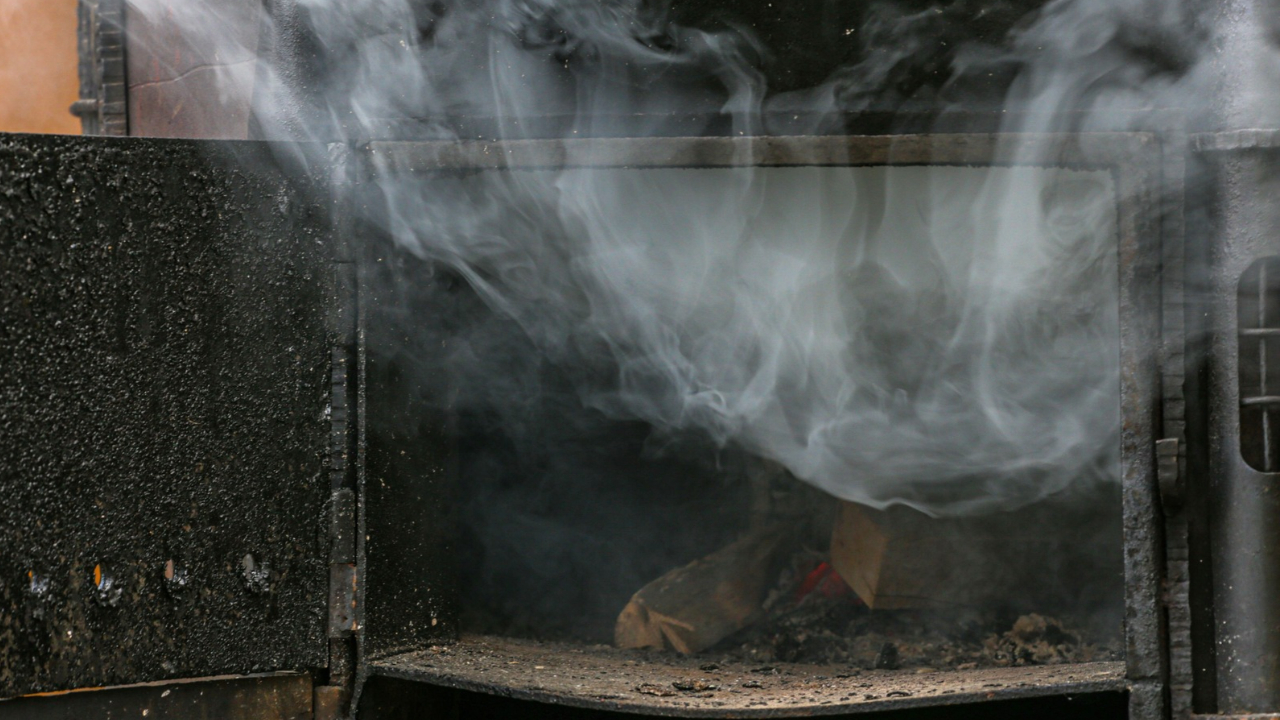
Smoke odor in the house when the stove or fireplace is running means the draft is losing the fight. Common winter triggers are a cold chimney, a closed damper, a dirty flue, or a strong kitchen fan pulling the house negative.
Crack a nearby window an inch when you light the first fire and see if the smell stops. If that fixes it, you have an air supply problem and may need an outside air kit or better sealing in the right places. If you get smoke smell with the damper open and good kindling, schedule a chimney inspection and cleaning. Creosote and chimney fires are not a DIY learning moment.
7. Hot Plastic Smell Near An Outlet
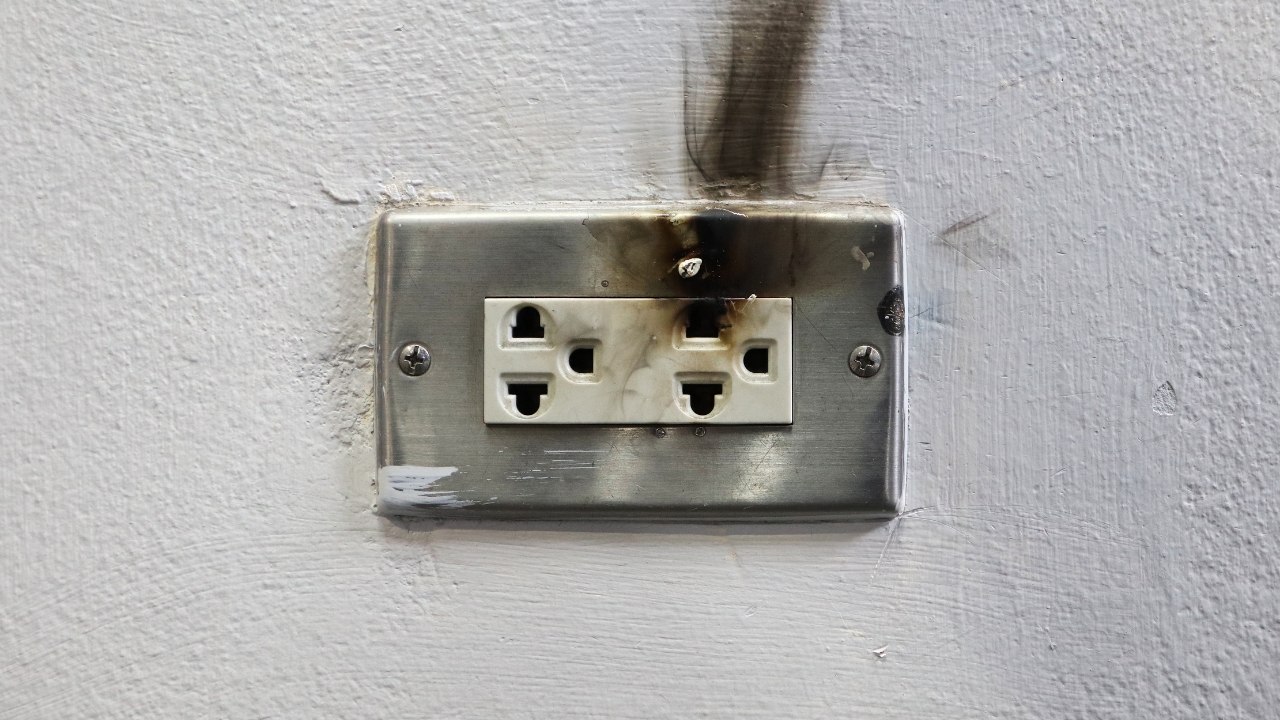
This one is short because it should be. Hot plastic or fishy electrical odor near an outlet, switch, extension cord, or power strip is a warning sign for overheating wiring or a failing device.
Unplug what you can, turn off the breaker for that circuit, and call an electrician if the smell comes from the wall or panel area. Space heaters and cheap power strips are repeat offenders, plug heaters straight into a wall outlet only.
8. Musty Smell In A Closeted Exterior Wall

Open a closet on an outside wall and that “old coat” smell hits you. Often the problem is cold wall sheathing and too little airflow, so moisture from the house condenses behind clothes and boxes all winter.
Pull items a few inches off the wall and stop packing the closet tight. Look for peeling paint, damp drywall, or a faint gray haze on the corner, then fix the cause, not just the smell. Air sealing and better insulation help, but so does indoor humidity control, keep it reasonable so windows are not wet every morning.
9. Animal Urine Or Barn Funk Indoors
If you smell mouse or squirrel urine, you probably have more than one visitor. Winter drives rodents into warm walls and attics, and the odor can show up before you hear scratching.
Find entry points outside in daylight, look at the sill, corners, utility penetrations, and where roofs meet walls. Seal with metal flashing or steel wool backed by caulk, not spray foam alone, they chew right through foam. Set traps where you have activity, and if you suspect a large attic nest, hire wildlife control, then replace contaminated insulation once the animals are gone.
10. Skunky Odor Around The Well Or Crawlspace
A skunk like smell near the crawlspace, well room, or utility corner can be bacteria in the water heater, a failing anode rod, or sometimes a natural gas odorant hanging low in a tight space. The stakes vary from mildly gross to dangerous, so do not guess.
If the smell is strongest at hot water, flush the water heater and consider an anode rod change, which is a doable job with a breaker bar and a plan for spills. If you smell it near gas appliances, at the meter, or outside by the foundation, leave the area and call the gas utility or a licensed plumber right away. If you are on a well and the smell is in cold water too, test the water and talk to a local well pro about treatment.
Most winter odors get worse because the house is sealed up and running harder than usual. A quick sniff, a flashlight, and a little curiosity can save you a lot of rot, wasted fuel, and ugly repairs come spring.
Like Fix It Homestead’s content? Be sure to follow us.