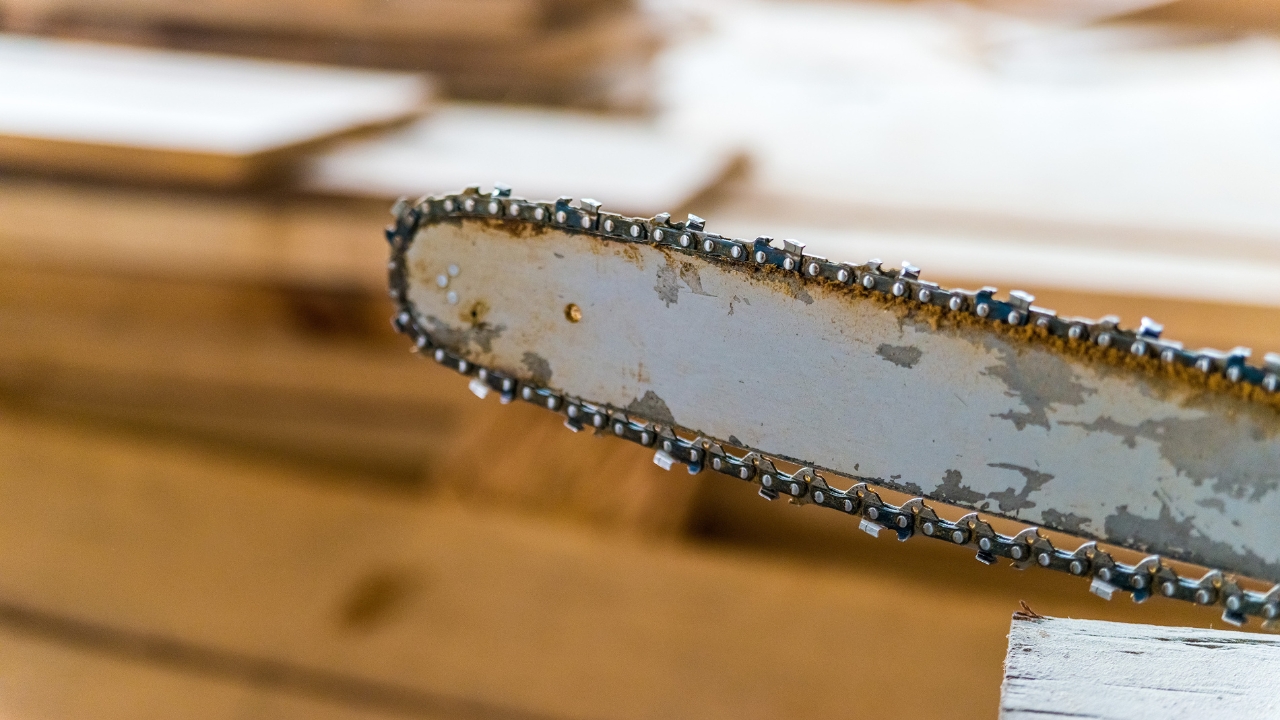
10 Reasons a Chainsaw Chain Dulls So Fast
Photo credit: Natalia Oskanova/Shutterstock.com
You sharpen the chain, top off the gas, and still the saw starts throwing dust instead of chips. The cut gets slow, the bar gets hot, and you find yourself leaning on the saw like it owes you money. A chain that loses its edge fast usually isn’t a “bad chain” problem, it’s something in the way you’re cutting, setting, or maintaining the saw.
1. Touching Dirt, Sand, Or Gravel
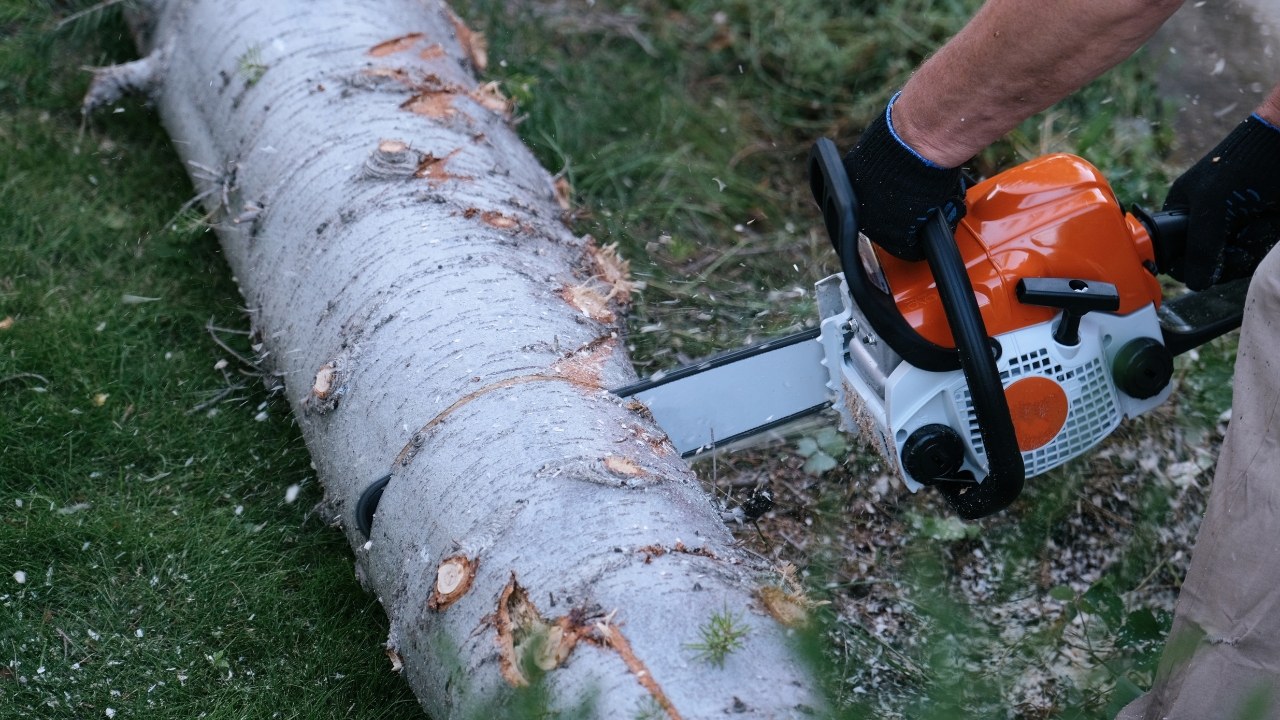
The fastest way to ruin a sharp edge is one tiny kiss of soil. It happens when the log is lying on the ground, when you finish a cut and the tip dips, or when you buck brush that’s full of windblown grit. You’ll hear the pitch change and feel the saw stop feeding, then you’re stuck making powder.
Get your wood up off the ground on poles, scrap logs, or a bucking stand. When you have to cut something that’s been dragged or muddy, peel the bark where you’ll cut, or hose it off and let it dry if you’ve got time. Old fence-row trees can hold sand in the bark for years.
2. Hitting Hidden Metal In Wood
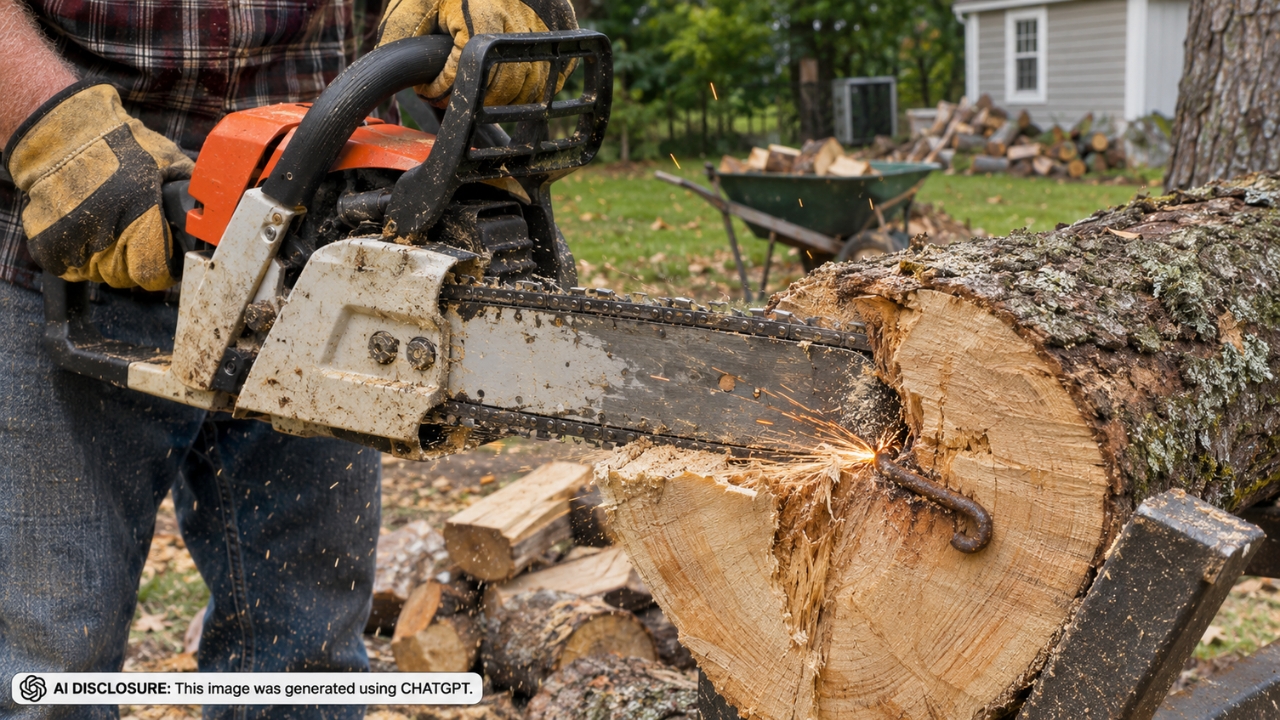
Yard trees are famous for swallowing nails, screws, and old clothesline hooks. Even a brush of metal will roll the cutting edge over and you’ll go from chips to dust in seconds. Sometimes you won’t even see the hardware until you split the round later.
If the tree grew near a house, fence, or barn, assume there’s metal in it. Scan with a handheld metal detector if you’ve got one, or make your first cuts conservative and watch for sparks. If you hit metal, stop and sharpen right then, continuing just pounds a dull chain and heats the bar.
3. Running A Loose Chain Tension
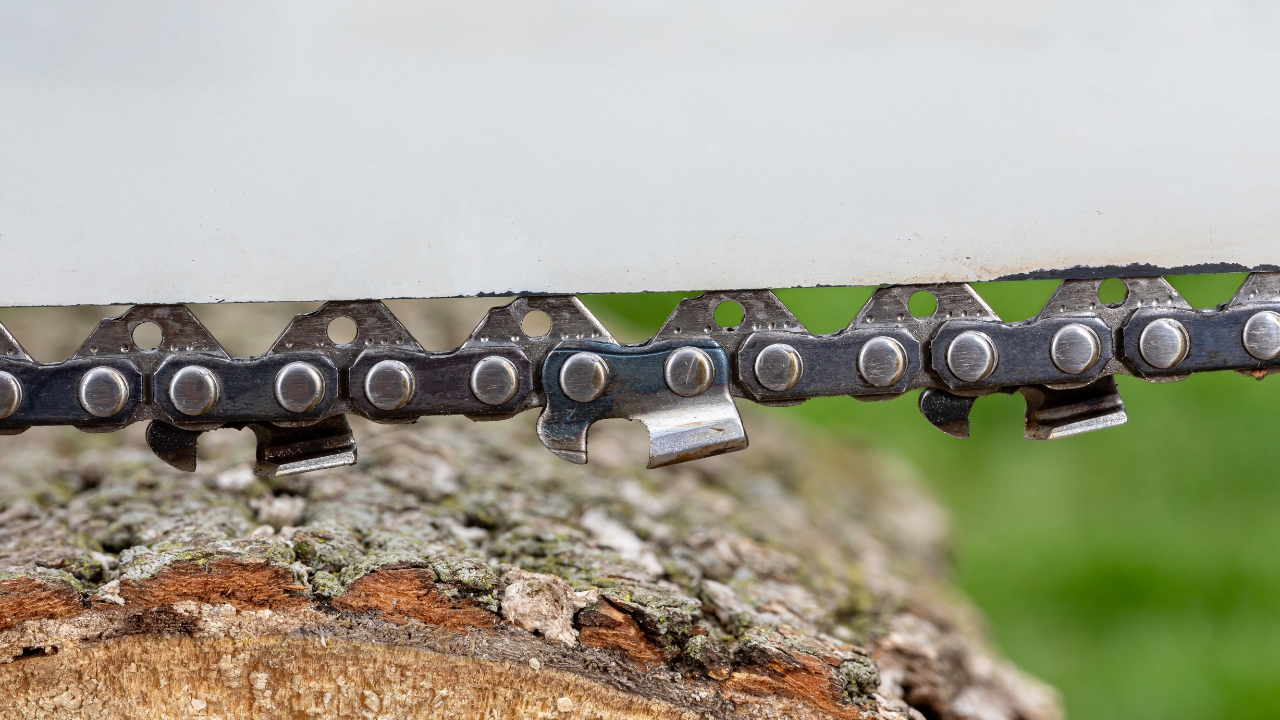
A loose chain doesn’t just look sloppy, it batters the cutters and tie straps as it slaps the bar. You’ll also be tempted to push harder to make it cut, which makes heat and wears the edge even faster. In the worst case, it can derail, which is a whole different kind of bad day.
Check tension cold, then recheck after the saw warms up and the chain stretches a bit. You want it snug on the bar but still able to pull around by hand with gloves on and the brake off. If you’re adjusting a lot, look at the bar nuts, the adjuster pin engagement, and whether the bar groove is packed with crud.
4. Cutting With The Wrong Top Plate Angle
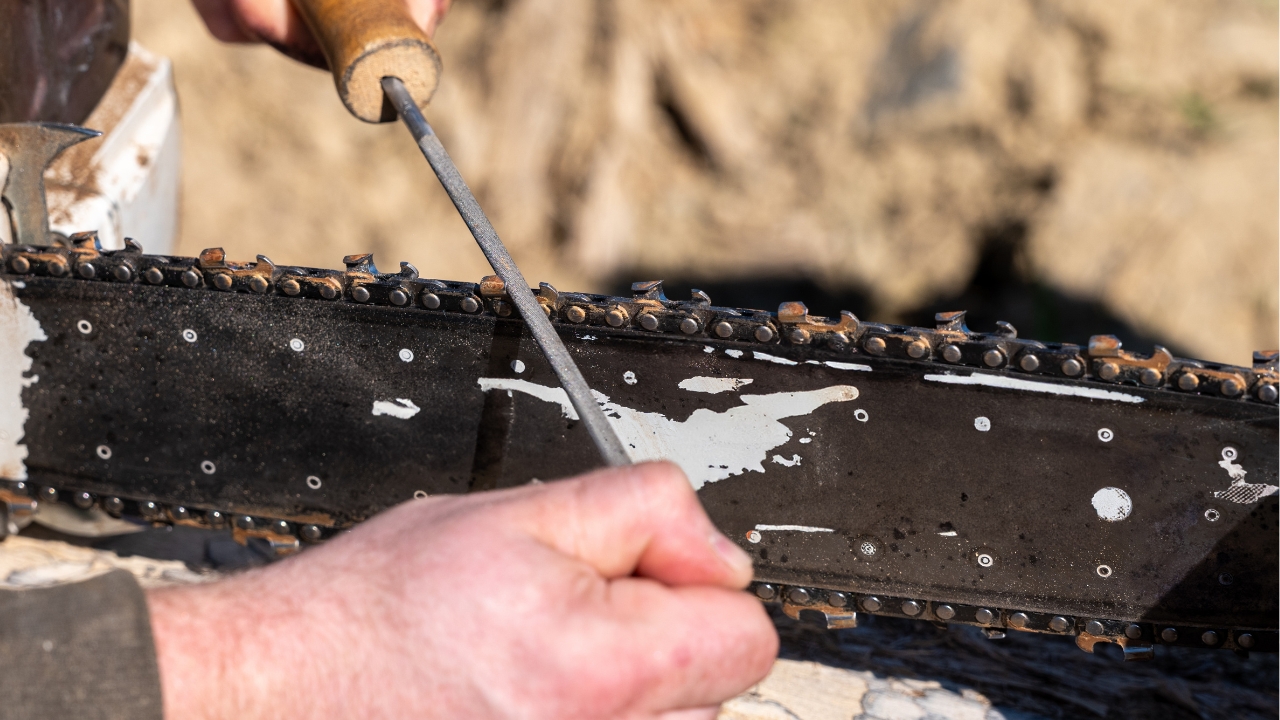
Freehand filing is fine, until the angles drift. Too steep or too shallow and the cutters scrape instead of slice, which makes them dull faster because they’re rubbing and overheating. You’ll feel it as a saw that won’t self-feed and wants to wander.
Match the filing angle to the chain type and what you’re cutting, and stick to it. A simple file guide helps more than most people want to admit, especially when you’re tired and trying to finish “one last log.” If the teeth are already uneven, take a few minutes to joint the cutters and bring them back to the same length.
5. Rakers Set Too High Or Too Low
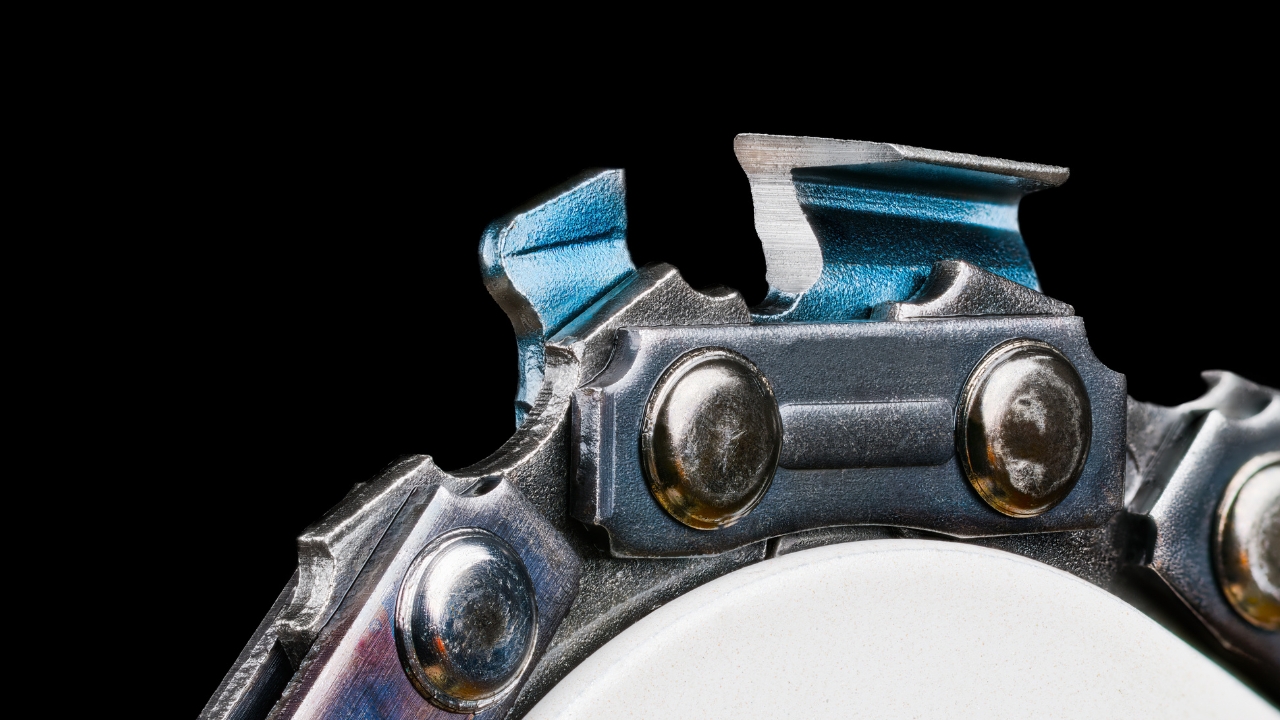
Depth gauges, also called rakers, decide how much wood each cutter bites. If they’re too high, the chain skates and you push harder, dulling the edge by friction. If they’re too low, the teeth take too big a bite, chatter, and slam into the wood, which can chip cutters and shake the saw like crazy.
Use a raker gauge made for your chain pitch, then file the raker smooth so it doesn’t leave a sharp corner. Check them every few sharpenings, not once a season. If you just rocked the chain on a stone or hit dirt, rakers that were “fine” last week can be wrong now because the cutters got shorter.
6. Letting The Chain Run Dry
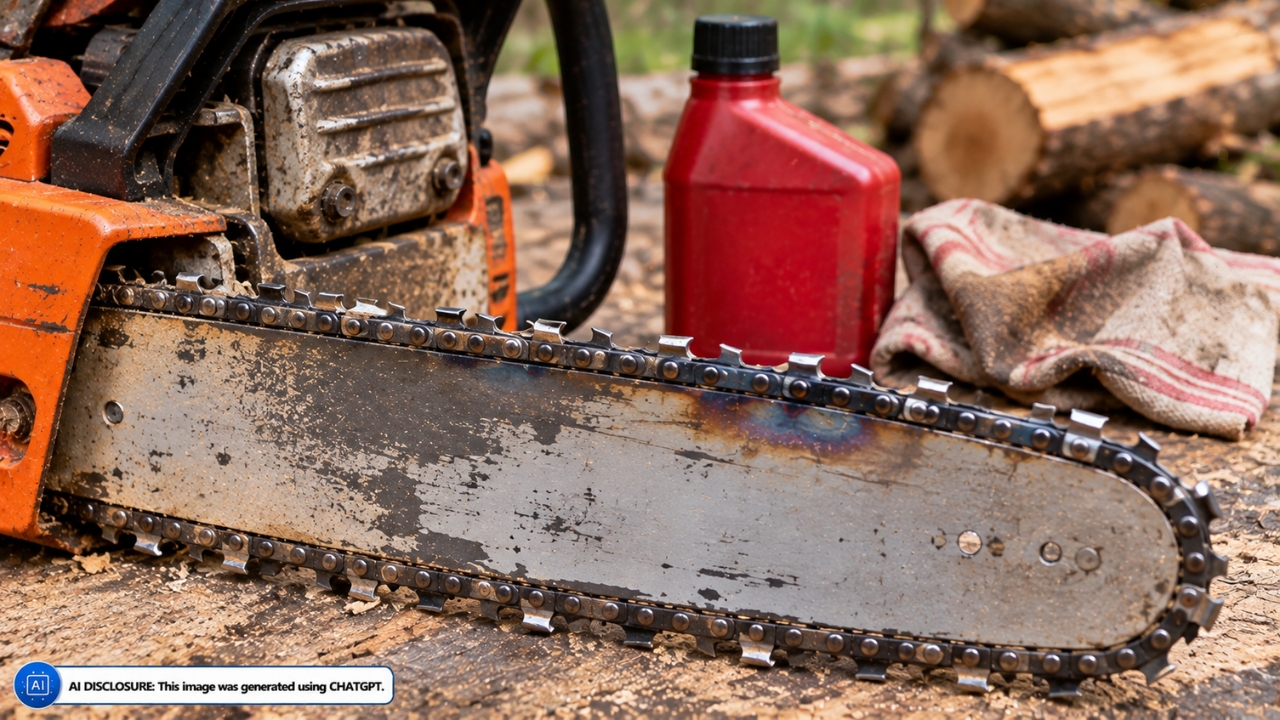
If the oiler isn’t doing its job, the bar and chain get hot, stretch fast, and lose edge quicker. You’ll see a dry bar, a smoky cut, or a chain that turns blue near the cutters. Sometimes it’s not the saw at all, it’s oil that’s too thin and disappears in summer heat.
Start every session by checking for oil fling, point the bar tip at a clean stump and rev lightly, you should see a line of oil. Clean the bar groove and oil hole when you sharpen, packed sawdust can block flow. In cold weather, bar oil can get thick enough to starve the chain, so switch to winter-weight bar oil instead of thinning it with something that doesn’t belong in the saw.
7. Forcing The Cut Instead Of Letting It Feed

Pushing down hard feels productive, but it rounds over the working corner of the cutter. It also makes the chain ride weird in the kerf, especially in knotty hardwood, so the teeth take side hits they weren’t meant to take. The saw gets hotter, your arms get tired, and the chain gets dull.
Keep the RPM up and let the chain do the work. If it won’t pull itself into the cut, that’s a sharpness, raker, or lubrication issue, not a “more muscle” issue. You’ll cut faster by stopping to touch up the chain than by wrestling a dull one through.
8. Cutting Dirty Bark And Fire-Scar Wood
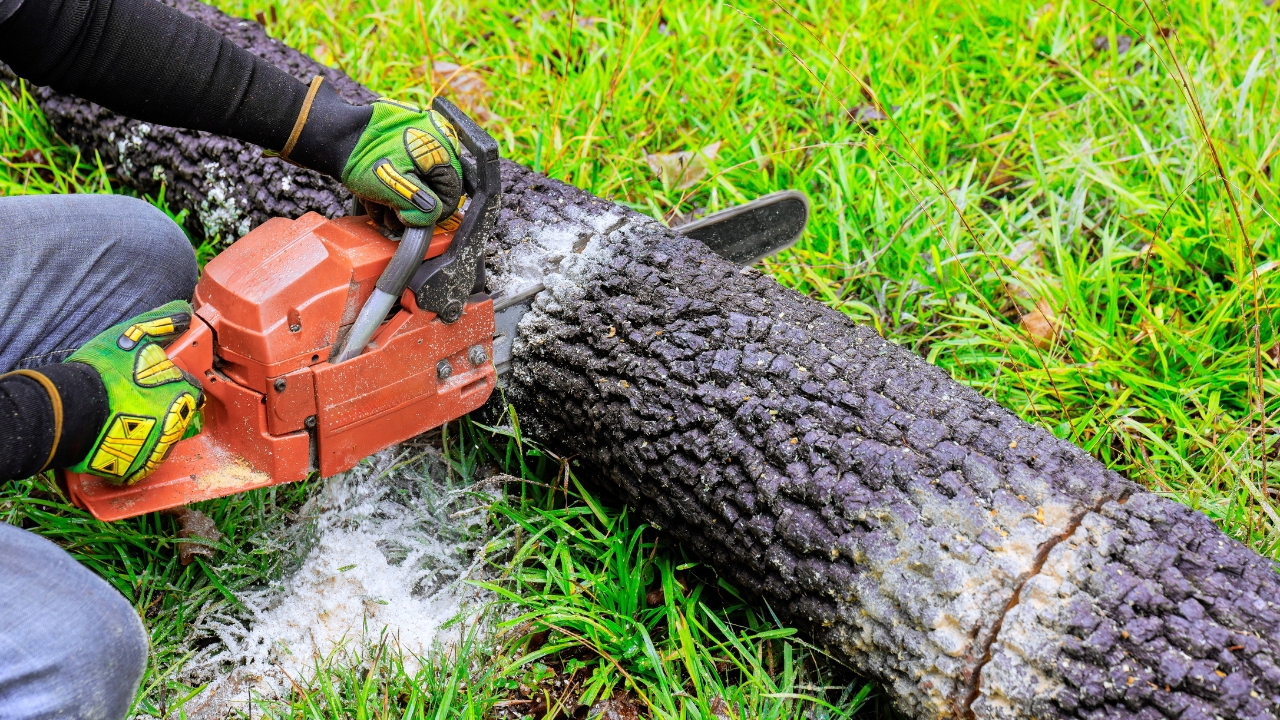
Some wood is just hard on chains. Burned stems, storm-blown logs full of sand, and bark that’s been dragged through mud act like sandpaper, even if you never touch the ground. You can sharpen perfectly and still feel the edge fade quick.
This is where a cheap chain is sometimes fine. If you’re bucking filthy cleanup wood, save your nicer full-chisel chain for clean logs and run a semi-chisel or an older chain you don’t mind sharpening more often. Keep a second sharp chain in your kit so you swap and keep working.
9. Filing With A Worn Or Wrong File
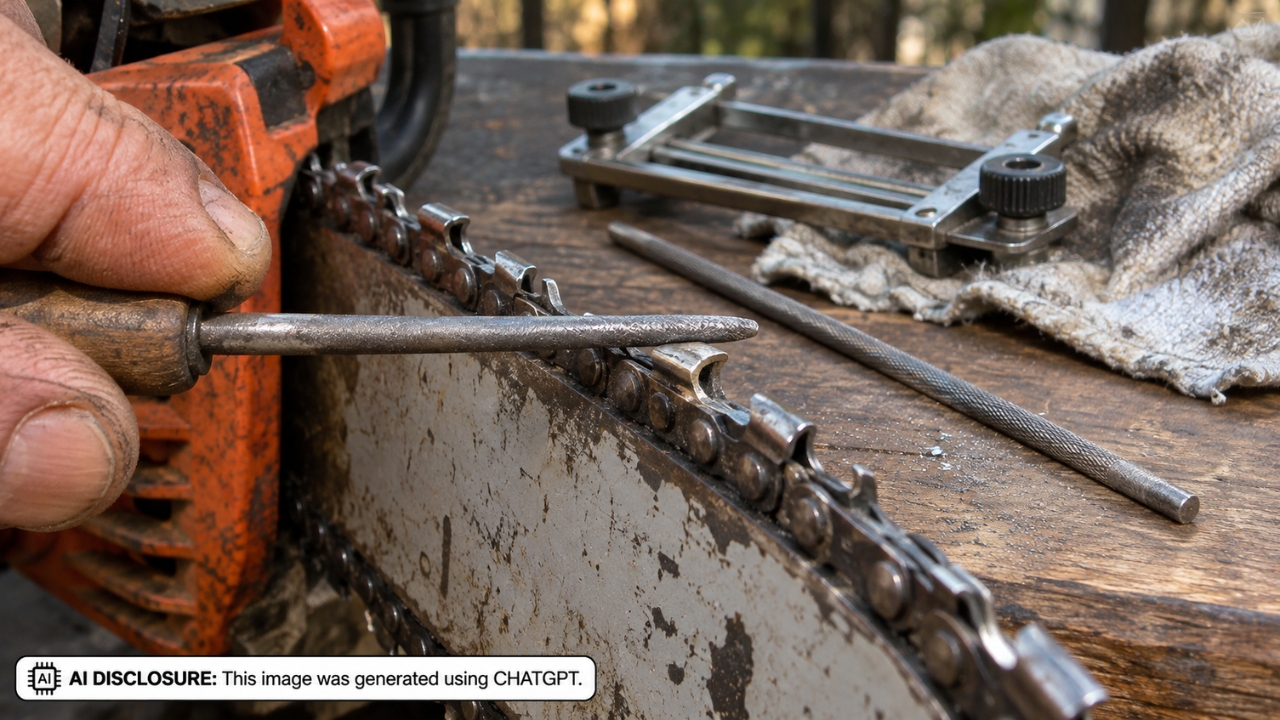
A file that’s clogged, worn smooth, or the wrong diameter doesn’t cut clean steel. It polishes and skates, leaving a rounded edge that feels sharp to your finger but won’t stay sharp in wood. Then you take extra strokes, heat the cutter, and still don’t get a crisp corner.
Match the file size to the chain and replace files when they stop biting. Tap the file clean or use a file card, and don’t oil it, oil just loads it up faster. If you’re sharpening a lot, a decent bench grinder or a quality hand guide pays for itself in less frustration, but only if you use it right.
10. Skipping Bar Maintenance And Sprocket Checks
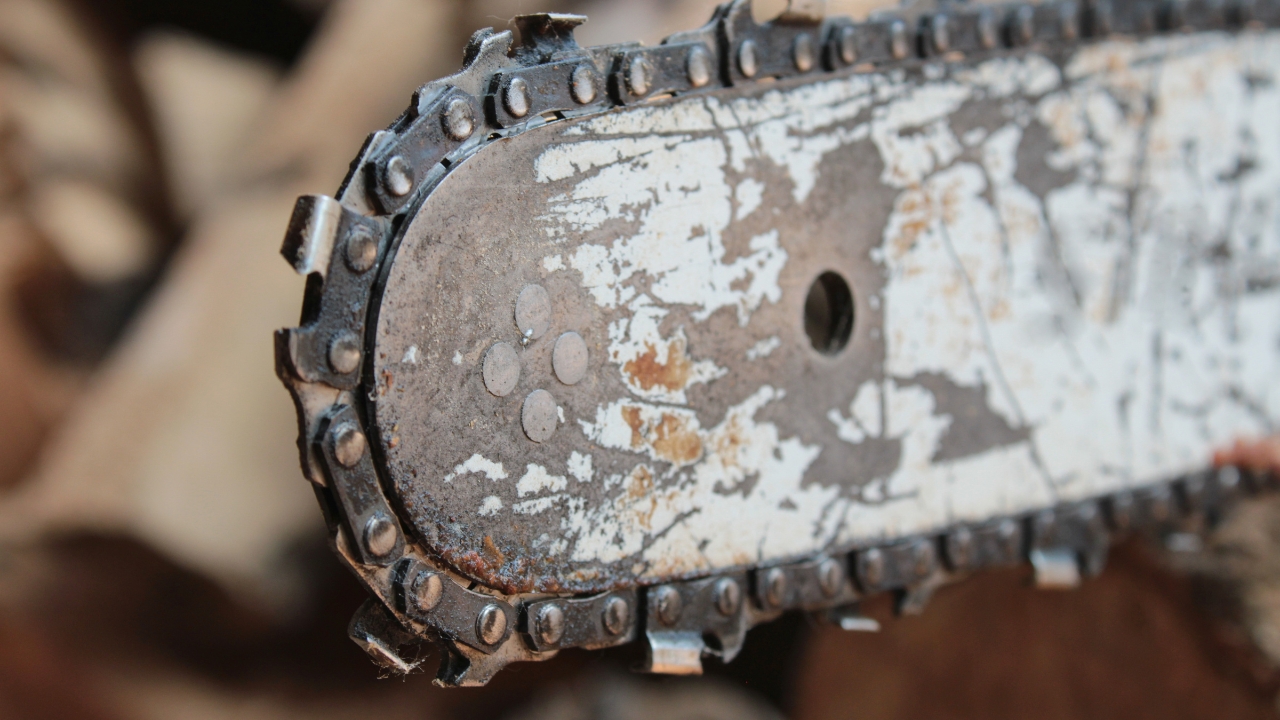
A worn bar can make a good chain act bad. If the rails are uneven, the chain leans and the cutters hit the wood at odd angles, dulling one side faster and pulling the saw into a curve. A worn rim sprocket or tip sprocket can also chew up drive links and make the chain run rough.
Flip the bar regularly, dress the rails if they’re mushroomed, and clean the groove so the chain seats fully. If the bar has a lot of side play or the sprocket teeth look hooked, replace the worn part before you burn up another chain. This isn’t the glamorous maintenance, but it’s cheaper than fighting crooked cuts all weekend.
A sharp chain is a small thing that changes the whole job, from how straight you cut to how tired you are at the end of the pile. Keep one spare chain ready, touch up often instead of waiting until it’s dead dull, and treat anything near dirt or metal like it’s out to get your cutters.
Like Fix It Homestead’s content? Be sure to follow us.