10 Things Nobody Tells You About Keeping a Dog on Acreage
Photo credit: zoyas2222/Shutterstock.com
A dog seems like the easy part of moving out where you’ve got room to breathe. Then the first muddy week hits, the gate gets left cracked, and your “big yard” turns into a full-time boundary and maintenance project. Keeping a dog on acreage is great, but it has its own set of problems you only learn after something goes missing, gets chewed, or shows up on the porch at midnight.
1. Fences Fail In Boring Ways
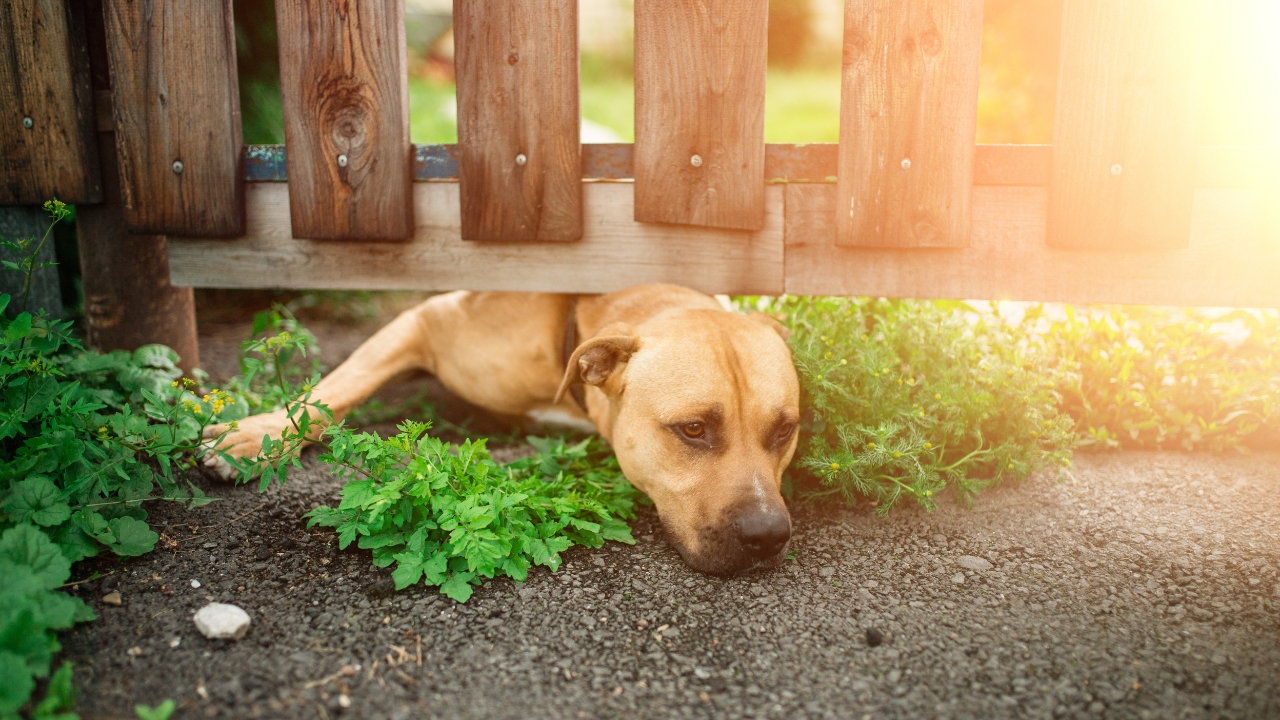
You picture a dog blasting through a fence like a movie. Most escapes happen through a loose staple, a gap under a gate, a bent T-post, or a spot the mower bumped last month. Walk the perimeter like you’re checking for leaks, slow, looking at the bottom edge and every latch point.
Keep a small “fence kit” in a bucket so you fix problems right when you see them, not next weekend. Fence pliers, a handful of staples or clips, a couple insulators if you run hot wire, and a short piece of wire for quick ties goes a long way. The fast fix is often the best fix because you stop the habit of testing the line.
2. Gates Get Left “Almost Shut”
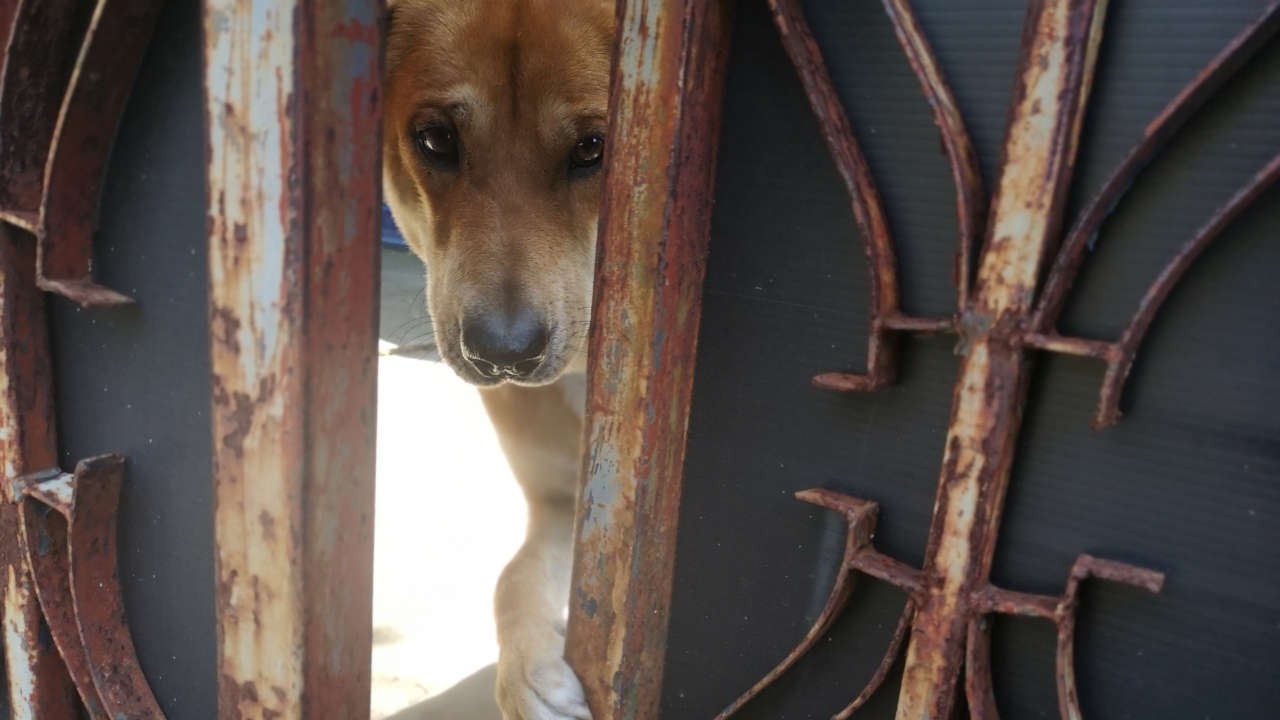
The most reliable escape route is the one humans make. A gate that clicks but does not latch is a dog door, especially when wind hits it or a cow rubs it. If you’ve got kids, delivery drivers, or friends who “just ran in for a second,” assume the gate will be left wrong.
Set gates up so they fail closed, not open. A real chain-and-snap, a gravity latch, or a spring that pulls the gate shut beats trusting a worn slide bolt. If the post is leaning, fix the post, because you can’t out-latch a sagging gate forever.
3. Burrs, Seeds, And Foxtails Follow You Home
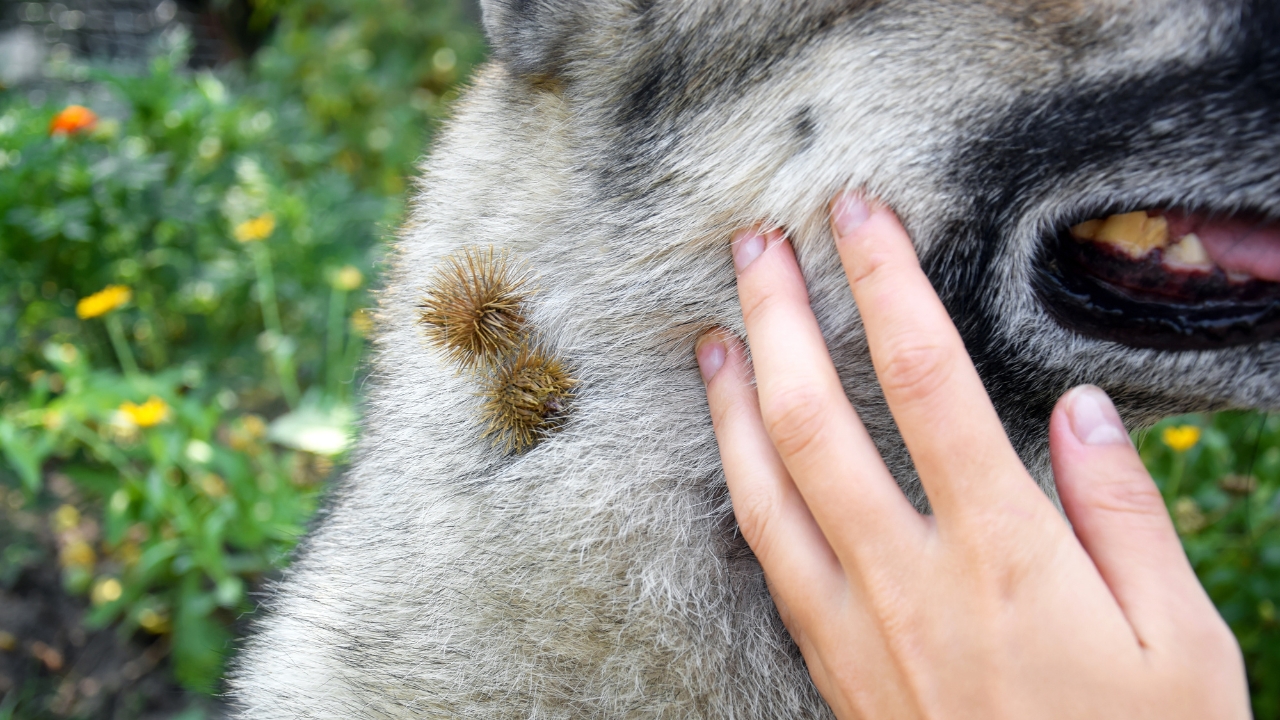
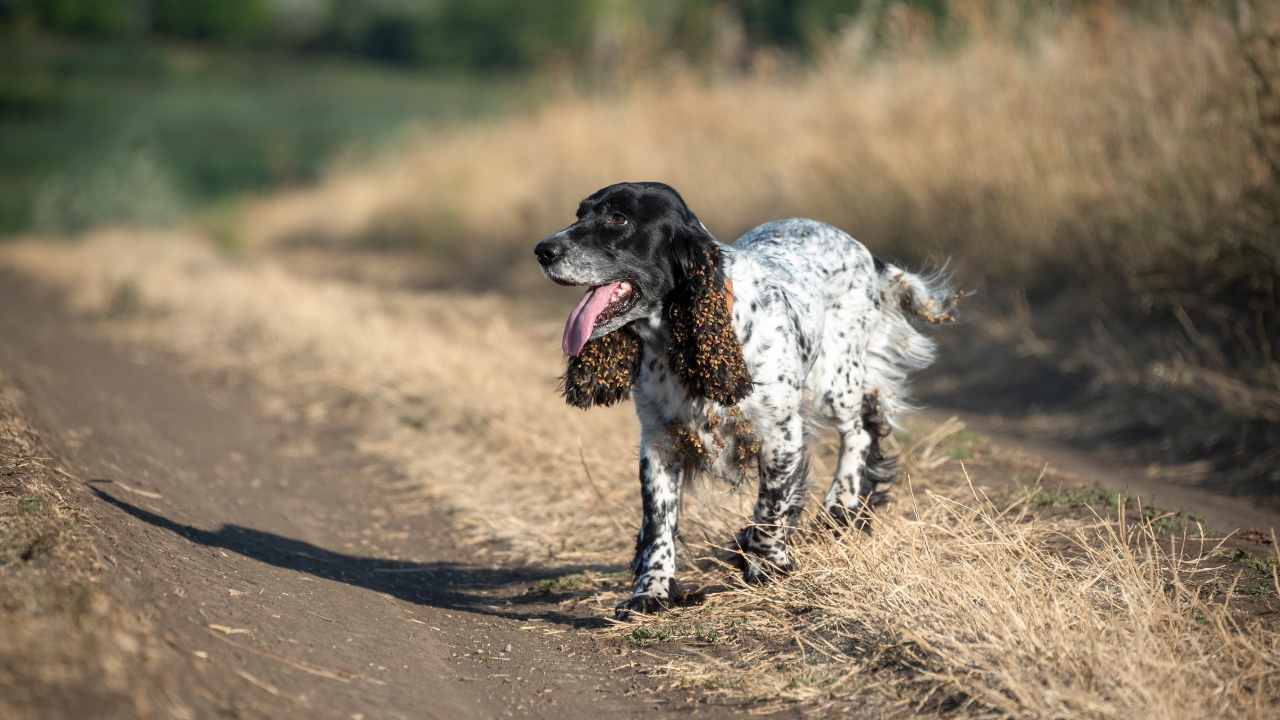
Pasture walks feel harmless until your dog comes in with burrs threaded into ear hair and between toes. Foxtails and other barbed seeds work their way in and cause a lot of trouble, fast. You don’t need to diagnose anything, just know this is a “call a vet” situation if your dog starts shaking its head, limping, or obsessing over one spot.
Do some weed control where it matters, not across all acreage. Mow or string-trim along fence lines, paths, and the area the dog runs most. A cheap grooming comb and a quick check at the door during late spring and summer beats wrestling with mats later.
4. Mud Season Becomes A Flooring Project
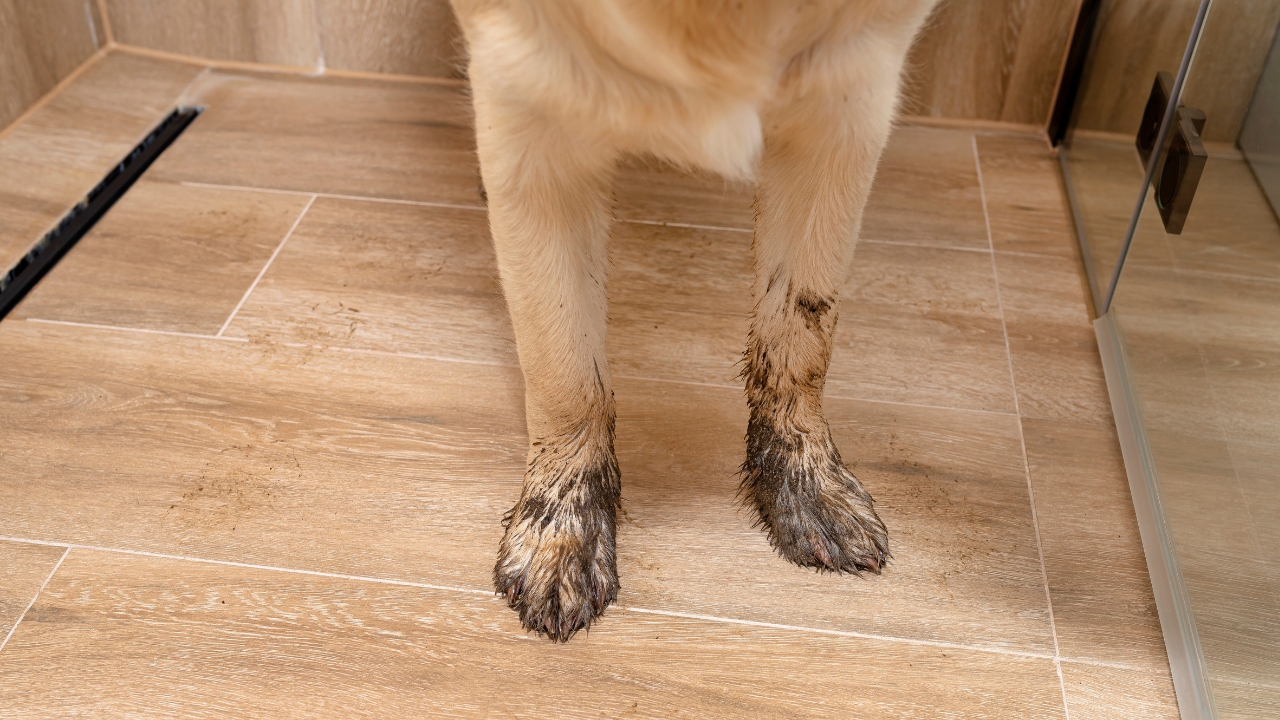
The first wet stretch turns your entryway into a sandpaper zone. Grit plus wet paws grinds finish off wood floors, scratches vinyl, and stains rugs in a week. If you wait until the house looks bad, you’re already behind.
Give the dog a “transition zone” that is easy to clean. A few feet of pea gravel or compacted screenings outside the door knocks off mud, and a boot tray inside catches the rest. Keep an old towel on a hook, and accept that a quick paw wipe is part of coming inside.
5. Ticks Show Up Before You Do

Out on acreage, ticks are not a once-a-year surprise. They ride in on dogs, drop off in bedding, and pop up on your socks in the laundry room. If you only think about ticks after you find one attached, you’re running late.
Keep grass and brush cut back in the “dog zone” around the house, sheds, and paths. Talk to a vet about preventatives that fit your area, then actually stick with the schedule. A lint roller by the door sounds silly until it pulls three tiny hitchhikers off your pant legs.
6. Porcupines, Skunks, And Snakes Pick Fights
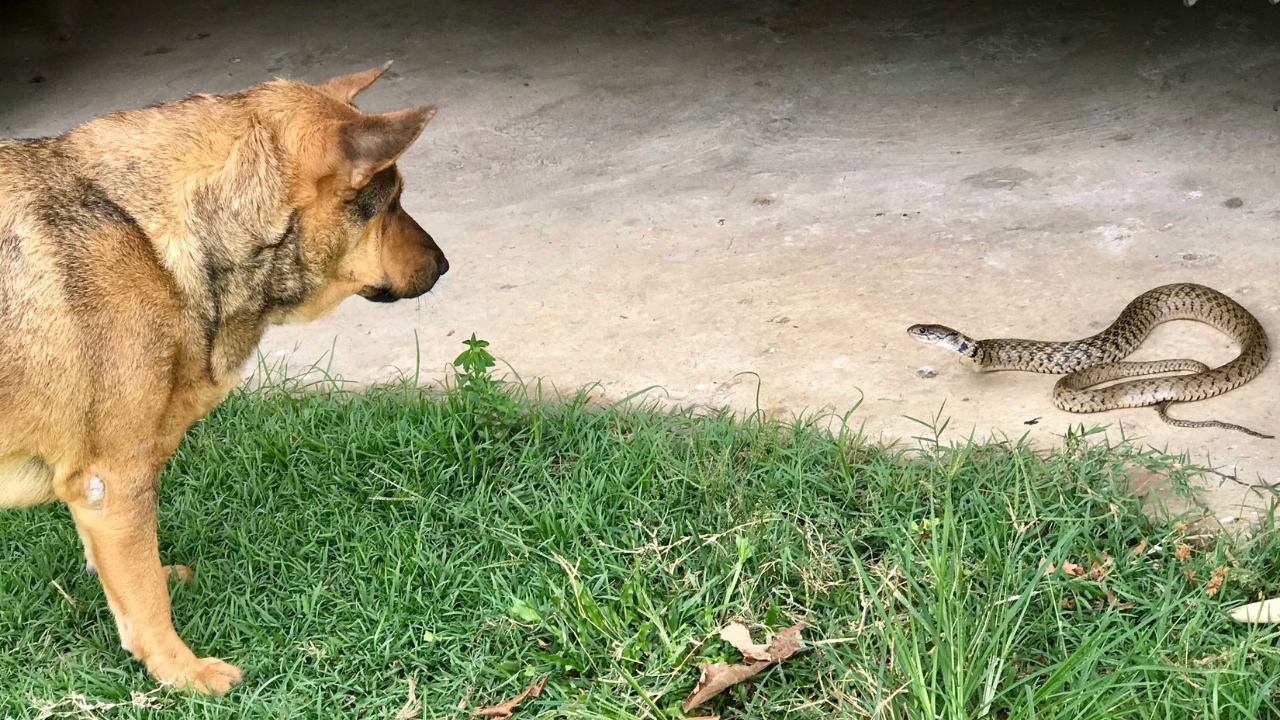
Nighttime barking in the yard hits different when you’re not in town. A dog can find a porcupine in minutes, or corner a skunk under the steps, or put its nose where a snake was trying to mind its own business. You won’t win those fights with yelling from the porch.
Turn the outside lights on and use a leash after dark until the dog’s business is done. If you’ve got a lot of wildlife pressure, a secure kennel run for nights is sometimes the sane answer, not a failure. Keep the area under decks and sheds blocked off so nothing moves in and sets up a problem.
7. A Working Dog Still Needs Boredom Control
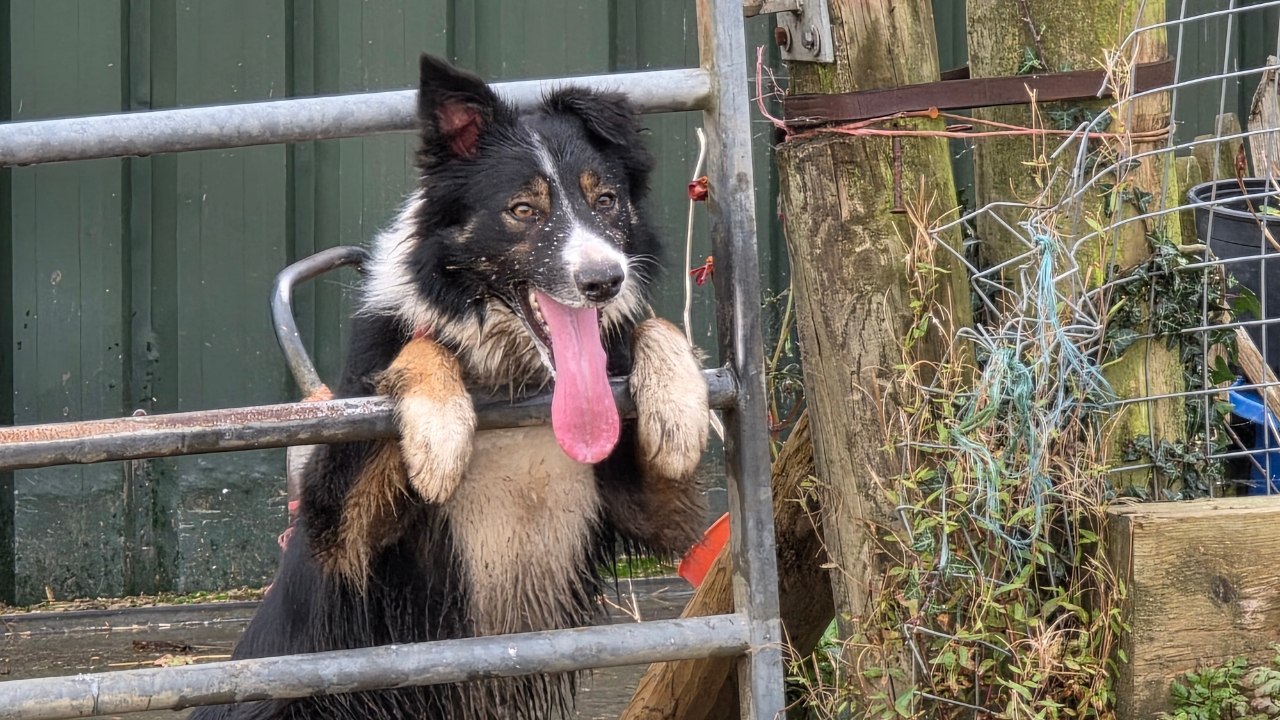
Acreage does not automatically fix chewing, digging, or fence running. A bored dog will invent work, like trenching along the fence line or shredding irrigation parts. You’ll find the damage when you go to water and nothing happens.
Give the dog a job that does not wreck your place. Short training sessions, a structured fetch in one spot, or a designated digging area in soft soil beats letting it redesign your yard. If you can’t supervise, limit access to the zones you can afford to have torn up.
8. Water Bowls Turn Into Algae Farms
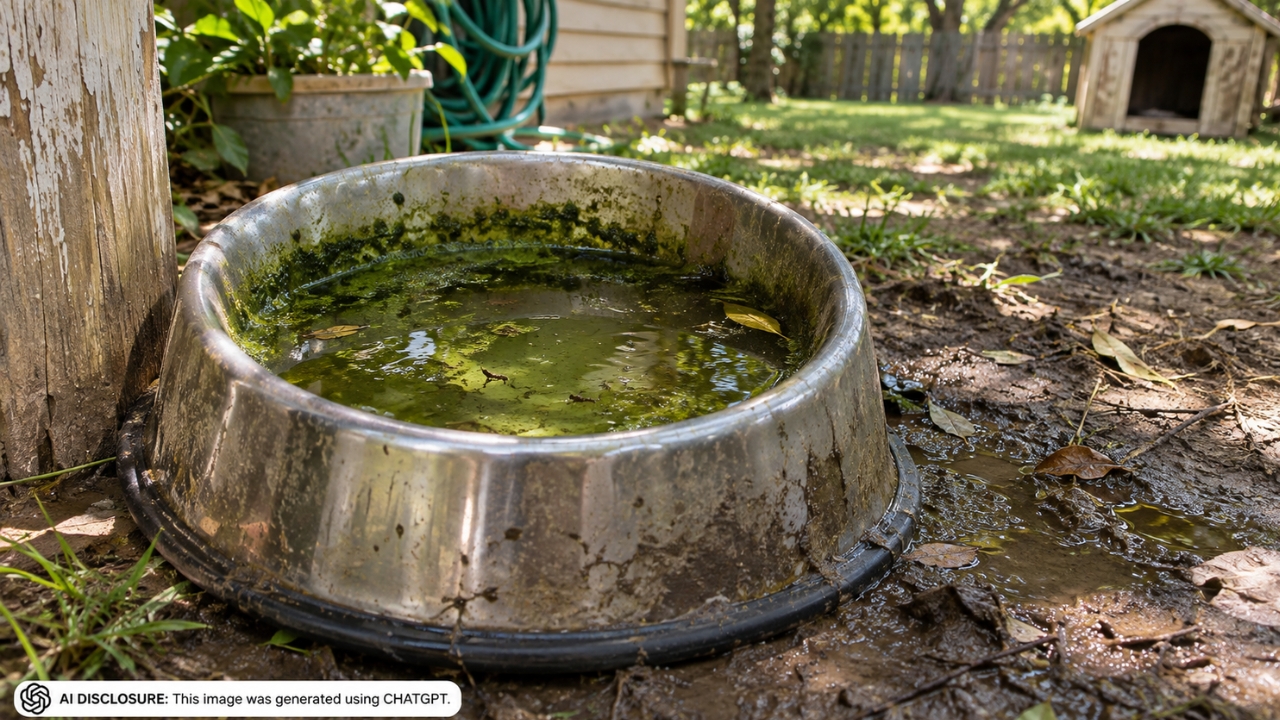
Outside water gets nasty fast, especially in heat. Green slime, mosquito wigglers, and a muddy bowl are common on properties where the dog drinks from anything it can reach. The fix is not fancy, it’s routine.
Use a heavy bowl that can’t be tipped, keep it in shade, and scrub it often. An automatic waterer can be great, but only if you’ll clean the float area and keep it from freezing. In winter, a heated bowl is worth paying for, and if you’re running electric outdoors make sure the outlet is GFCI and the cord is protected from chewing.
9. Hot Wire Isn’t Always The Answer
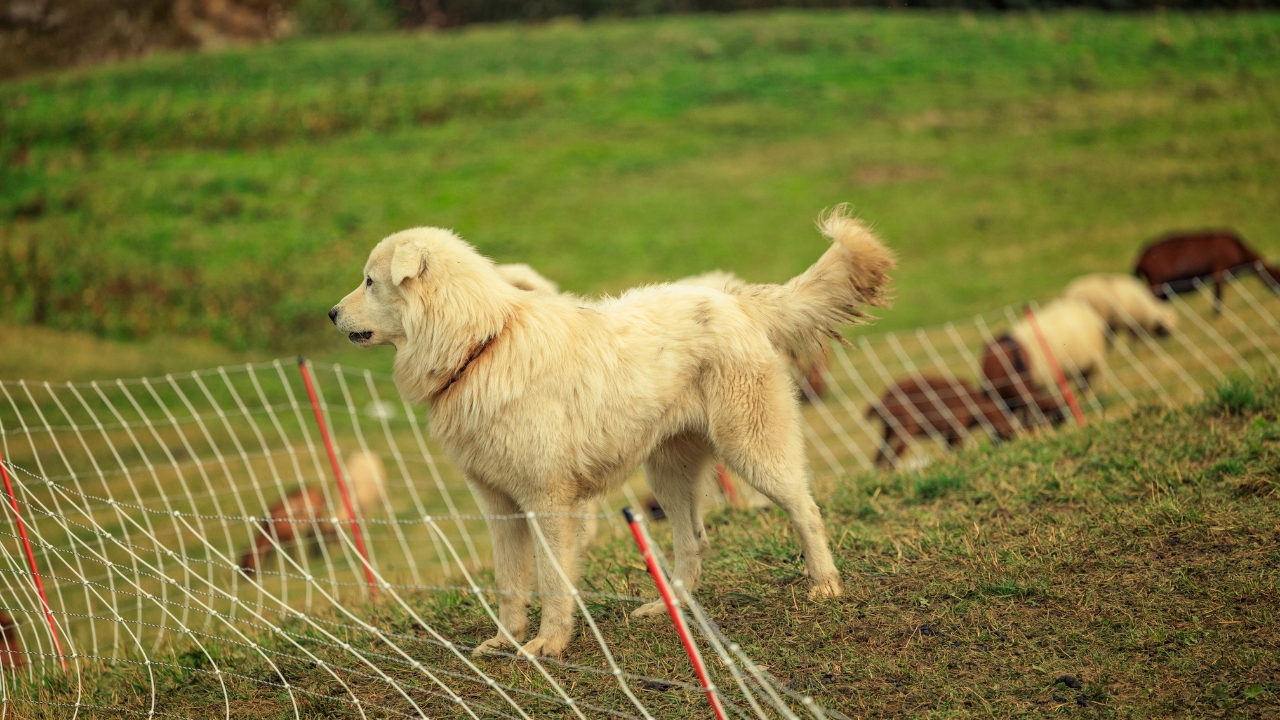
Electric fence sounds like the simple solution, until the dog learns it can blast through when it’s excited and take the hit later. Some dogs respect one shock forever. Some don’t. If your fence only works when the charger is perfect and the ground is wet, it’s not a fence, it’s a suggestion.
Use electric as a backup line, not the only barrier, unless you’ve already proven your dog respects it. A physical fence with a hot strand a few inches off the ground to stop digging can work well. And the cheap option, a single hot wire on standoffs along the inside of an existing fence, is often enough to stop fence-fighting and pacing.
10. Dogs Break Stuff You Forgot You Own
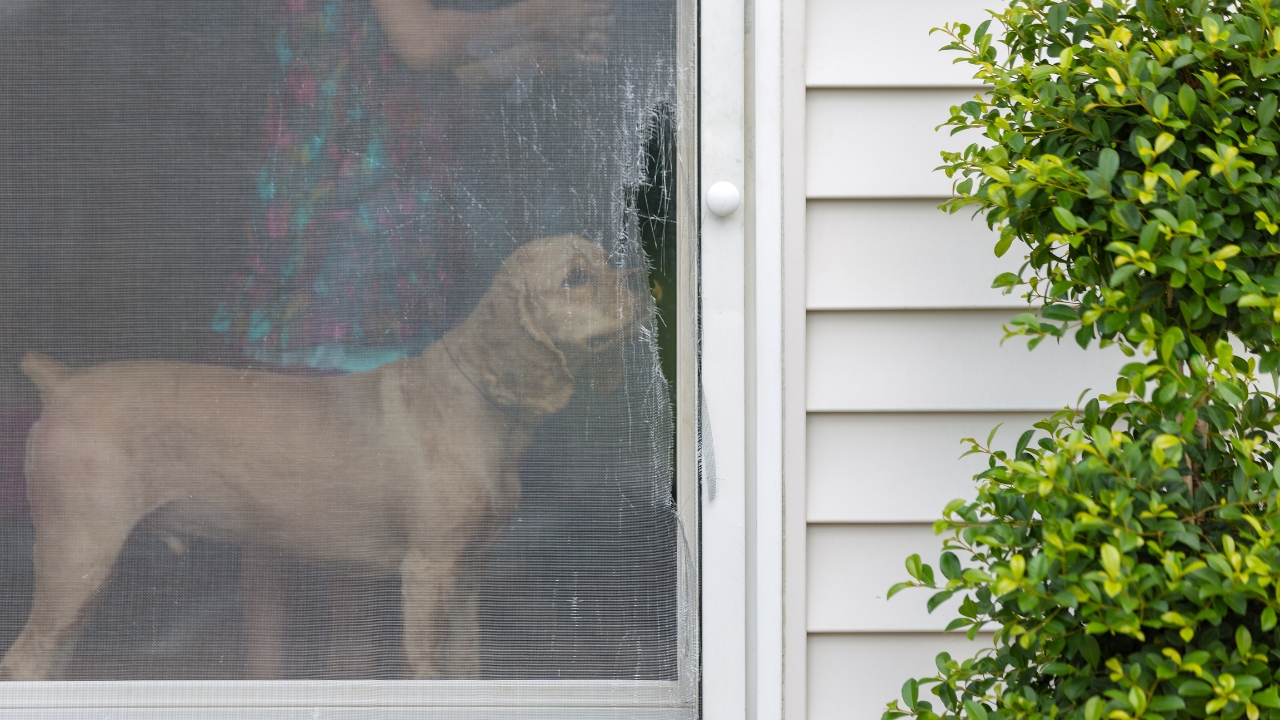
A dog on land will find the one thing you left out. Drip lines, outdoor cushions, chicken feed bags, a new garden hose, the corner of the screen door, all fair game when you’re a hundred feet away doing chores. You’ll spend more time fixing “small” damage than you expect.
Set up storage that is actually dog-proof, not just “out of the way.” Latching trash cans, a feed bin with a tight lid, and a hose hanger mounted high saves a lot of money and swearing. If the dog chews tools or cords, that’s not a training failure, it’s access, so change the setup first.
Once your boundaries, routines, and storage match the reality of a dog with room to roam, acreage gets a lot more fun. The dog settles down, the property stays intact, and you stop doing emergency repairs at sunset. It’s mostly small fixes, done early, that keep the big problems from ever starting.
Like Fix It Homestead’s content? Be sure to follow us.