10 Signs a Flue Is Drawing the Wrong Way
Photo credit: Marek M/Shutterstock.com
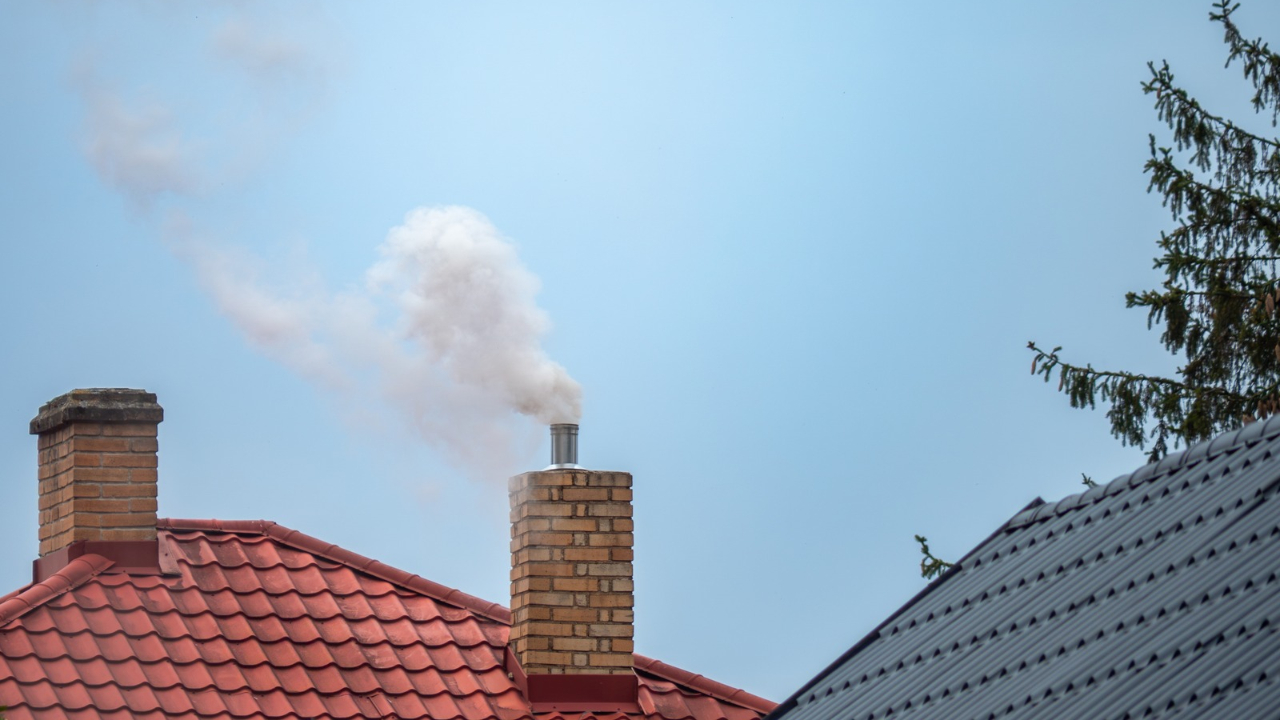
A stove or fireplace should pull smoke up and out, every time. When it doesn’t, you feel it fast, watery eyes, a smoky smell that clings, and a fire that just won’t behave. A backward draft is more than annoying, it can dump carbon monoxide into the house and soot up parts you can’t easily clean.
1. Smoke Spills When You Open Door
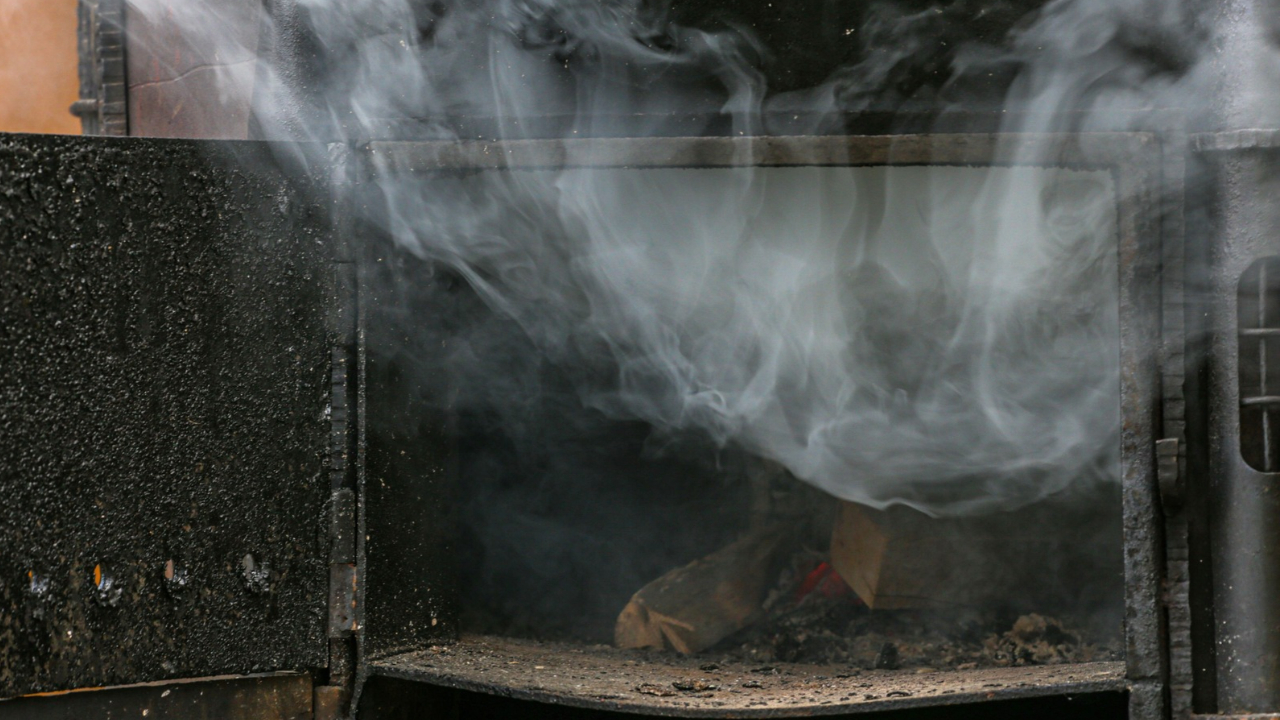
You crack the stove door or fireplace screen and smoke rolls into the room instead of going up the flue. Sometimes it’s a slow lazy curl, other times it’s a full-on belch that sets off alarms. Either way, the flue is losing the tug-of-war.
Start with the simple stuff: open the damper fully and check that the bypass (on some stoves) is open during startup. If it still spills, warm the flue first, a twisted newspaper torch held up near the flue opening for 30 to 60 seconds often flips the draft. If smoke still won’t go up, stop and troubleshoot before you keep feeding the fire.
2. Fire Smolders With Damper Open
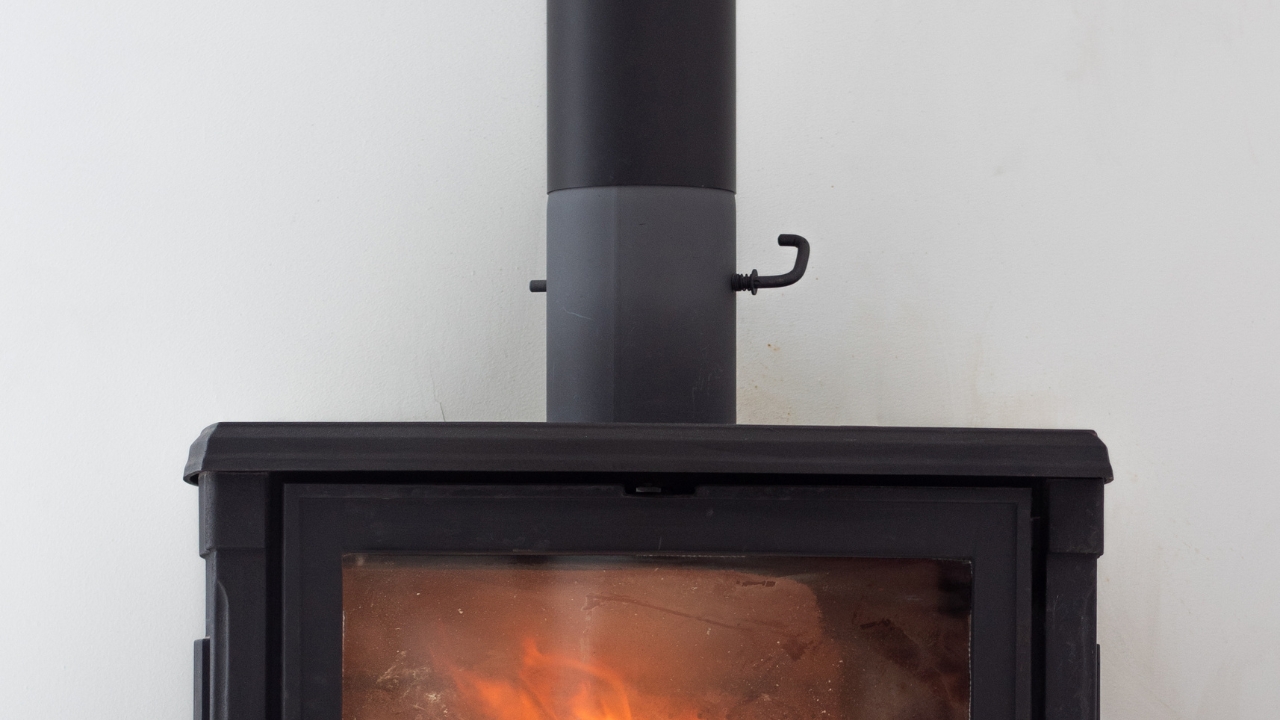
When the damper is open and you’re using dry wood, the fire should brighten up as air moves through. If it sits there dull and smoldering, the exhaust path isn’t pulling. You’ll also see thicker, darker smoke outside, or nothing outside because it’s leaking indoors.
Don’t “fix” this by leaving the loading door cracked for long periods. That can overfire some stoves and it still won’t cure a bad chimney pull. Check for a blocked cap, a closed damper you can’t see, or a heavy buildup of creosote restricting the flue, then get a sweep in if you’re not sure.
3. Cold Chimney Smell Lingers Indoors

On a calm day with no fire going, you should not smell the chimney in your living room. A steady ash or creosote odor indoors often means air is coming down the flue, carrying that smell with it. Basements and tight little cabins show this the worst.
Sometimes the cheap fix works: crack a nearby window an inch for a minute and see if the smell fades as the draft reverses back upward. If that little bit of makeup air changes everything, your house is running negative pressure and the chimney is the victim. If nothing changes, look for a downdraft caused by wind or a blockage up top.
4. Soot Streaks Around Stove Joints
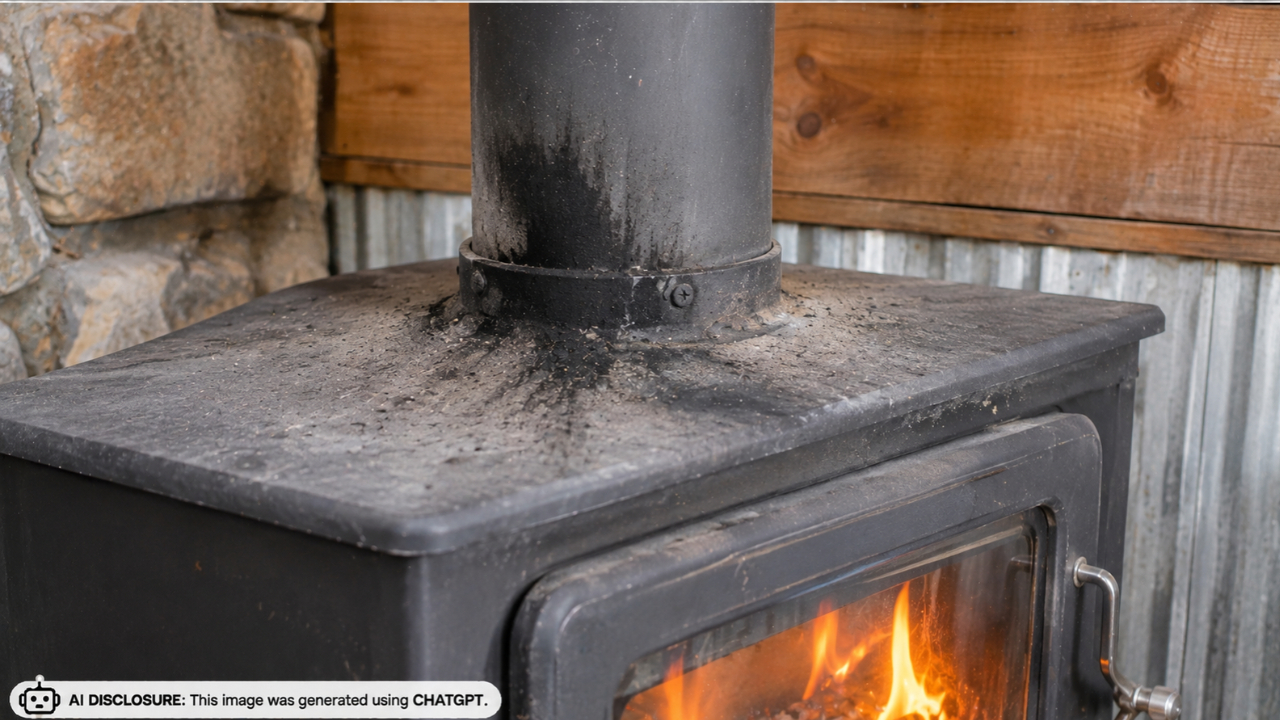
If the flue is pulling the wrong way at times, smoke looks for the nearest leak. You’ll see black smudges at stovepipe joints, around the cleanout, or at the collar where pipe meets the stove. It’s messy, and it also tells you those joints are getting stressed by pressure going the wrong direction.
Fix the draft problem first, then seal up what’s left. Stovepipe joints should be screwed together properly, and many setups call for high-temp furnace cement or the right kind of gasket. If you’re seeing soot at the wall thimble or chimney connection, stop using the appliance until you’re sure the venting is installed to code.
5. Carbon Monoxide Alarm Chirps During Burns
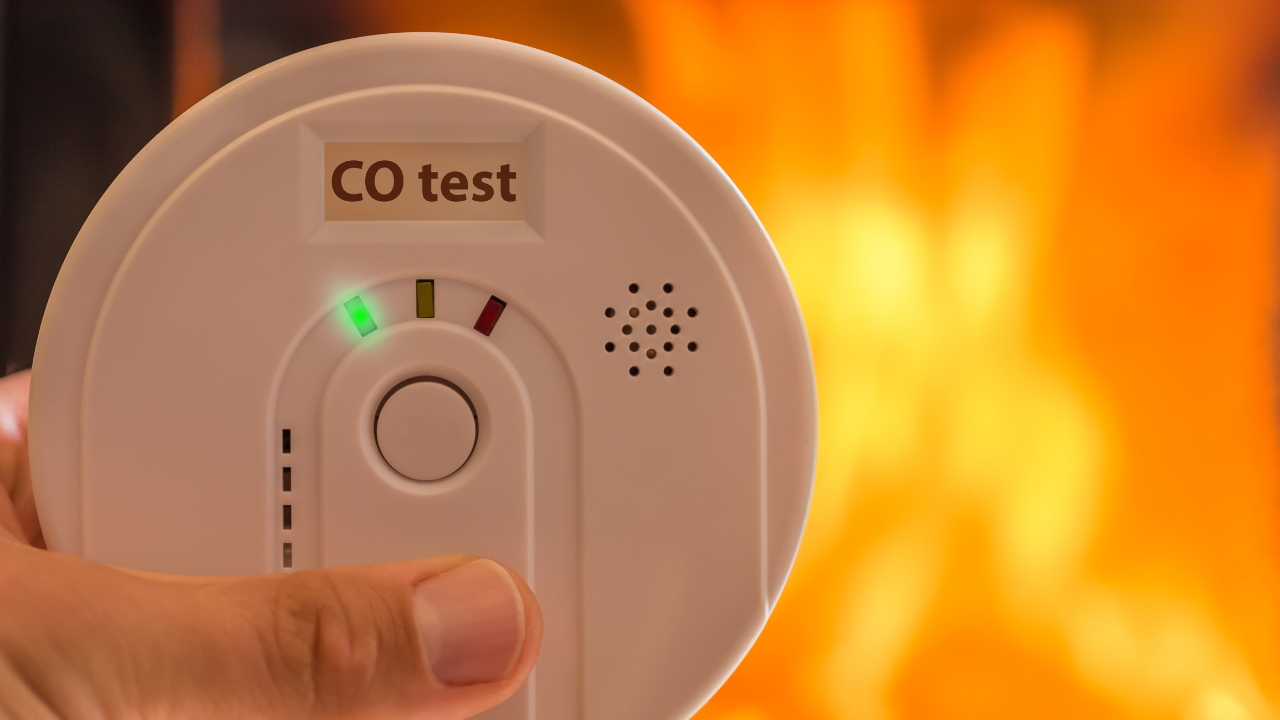
If a CO alarm goes off when you’re burning wood or running a fuel appliance, take it seriously. A reversed or weak draft is a common reason exhaust spills indoors, especially during startup or on warm, windy days. Don’t wave it off as a “touchy” alarm.
Get fresh air into the space right away and shut the appliance down if you can do it safely. Then call a qualified chimney pro or HVAC tech to find the cause, this isn’t a “keep tinkering” moment. Also check that your CO alarms are within date and placed correctly, because a bad draft plus a dead alarm is a nasty combo.
6. Draft Gets Worse On Windy Days
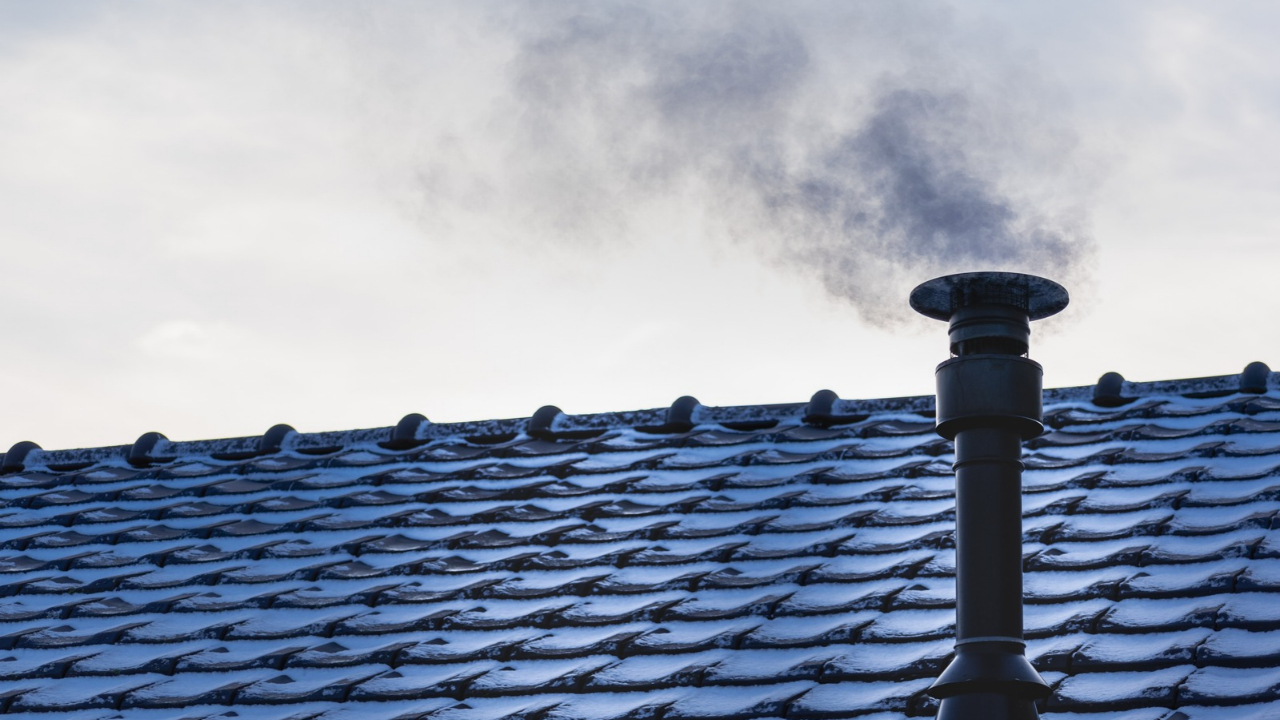
Some chimneys behave until the weather kicks up. Then a gust hits the roofline and the flue turns into a straw blowing the wrong direction. You’ll notice puffs of smoke indoors, a fluttering damper, or an odor that comes and goes with the wind.
This often points to a termination problem: the chimney may be too short, or it’s sitting in a wind pocket created by a taller roof peak, nearby trees, or a higher addition. The fix might be as simple as extending the chimney to meet the common 3-2-10 rule used in many codes, but that work is on the roof and is usually best left to a pro. A different cap can help in some cases, but a cap won’t cure a chimney that’s the wrong height.
7. Bathroom Fan Makes Smoke Back Up
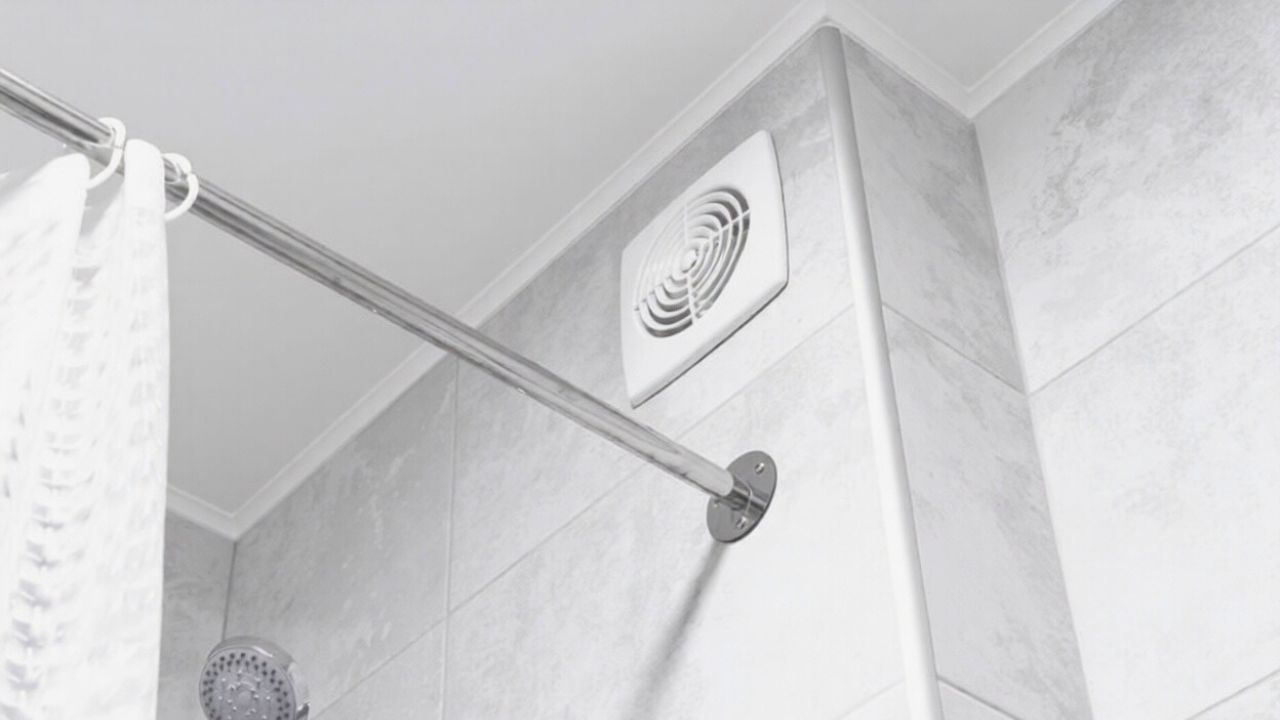
Turn on a bath fan, range hood, or clothes dryer and suddenly the stove acts weird. That’s a classic sign your house is starving for makeup air and the chimney becomes the easiest place to pull from. It shows up most in newer, tighter homes and in winter when everything is sealed up.
Try a quick test next time: before lighting, crack a window near the stove and see if startup goes from smoky to clean. If it does, you need a plan, not a habit of living with a window open all season. Sometimes an outside air kit for the stove helps, sometimes you need to reduce exhaust fan use during startups, and sometimes you need an HVAC pro to look at the house pressure as a system.
8. Rain Or Leaves In The Cleanout
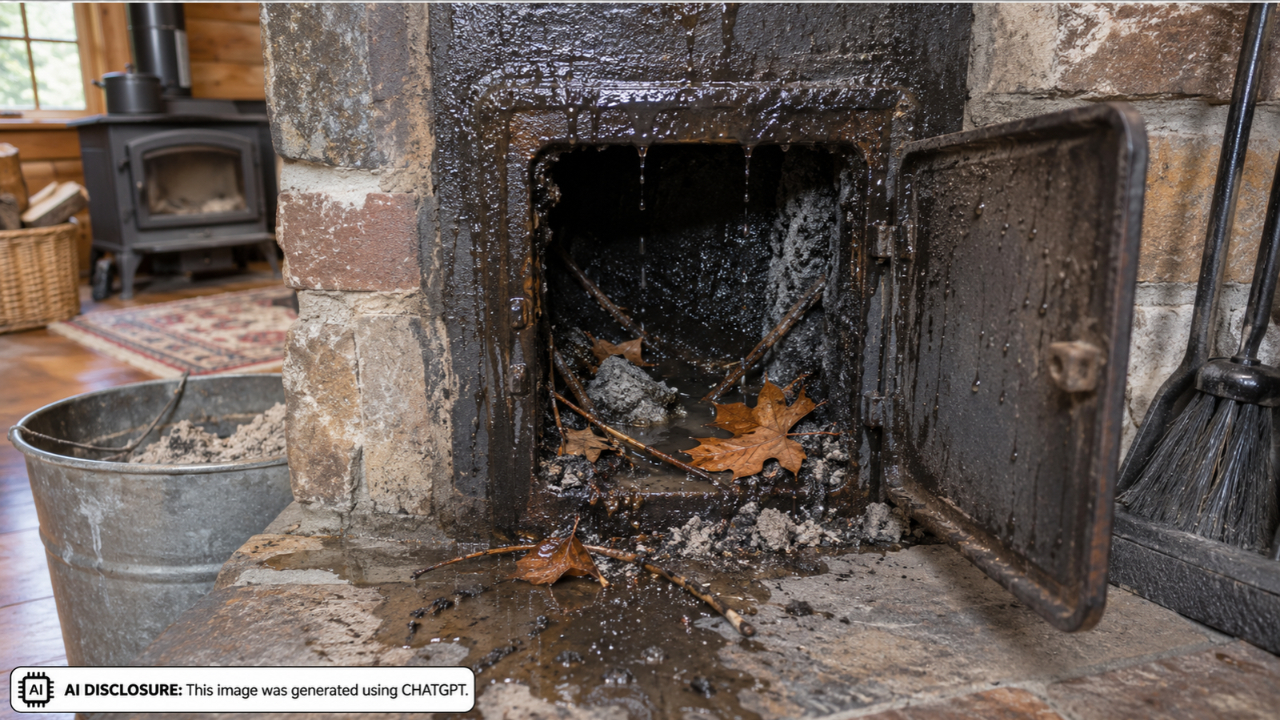
If you open the cleanout and find wet soot, bits of leaf, or even tiny twigs, the top of the chimney is inviting trouble. Water and debris can partially block the flue, then the draft gets lazy and can flip on you. Wet creosote also stinks and is harder to clean.
A missing or damaged cap is the usual culprit, or a cap that’s plugged with soot because it was never brushed. Chimney caps are not a place to get creative with leftover screen and sheet metal, the wrong mesh size clogs fast. Put on gloves and eye protection for any cleanout work, and if the chimney is masonry with signs of water damage, get it inspected before burning again.
9. Startup Is Hard Only In Shoulder Season
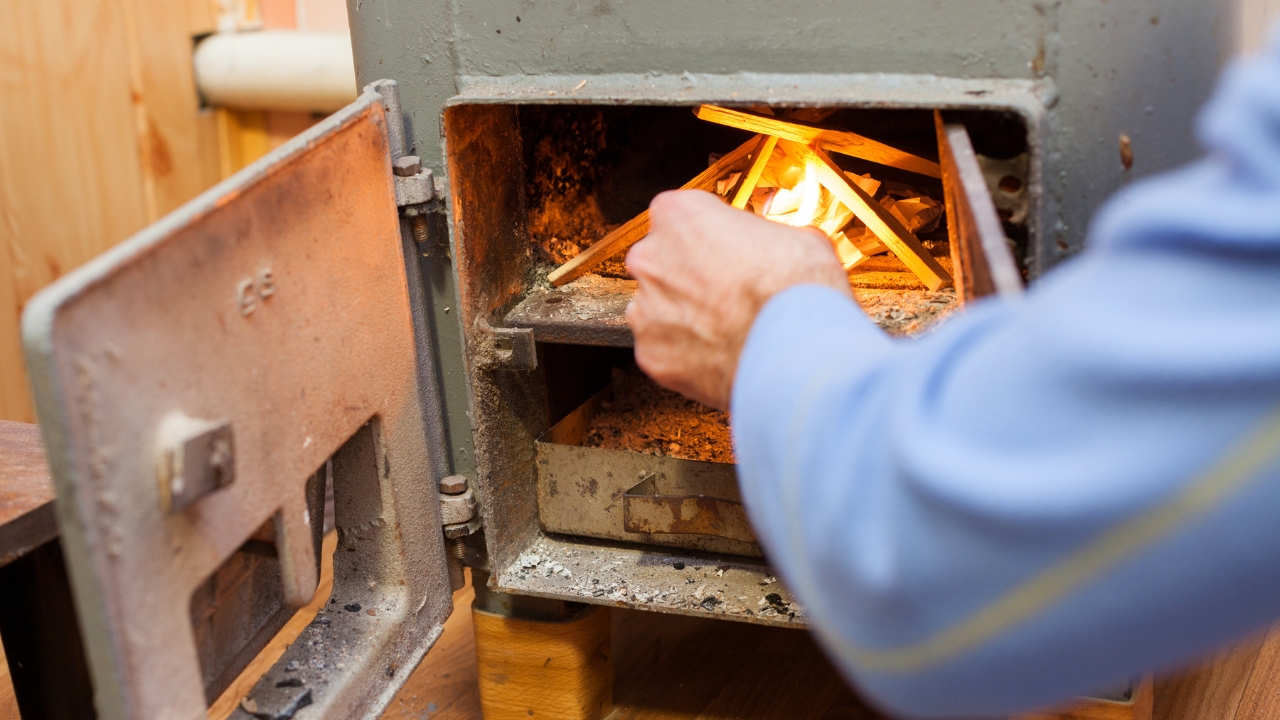
September and April are when a lot of good chimneys act bad. Outside air is mild, the flue is cold, and there isn’t much temperature difference to lift smoke. The result can look like a backward draft even though nothing is “broken.”
This is one of the rare times the cheap trick is fine: preheat the flue and build a smaller, hotter kindling fire instead of stuffing the box full of big logs right away. Keep competing exhaust fans off for the first few minutes. If it only happens in mild weather and behaves in deep winter, you’re probably dealing with physics, not a failed chimney.
10. Flames Lean Toward The Room
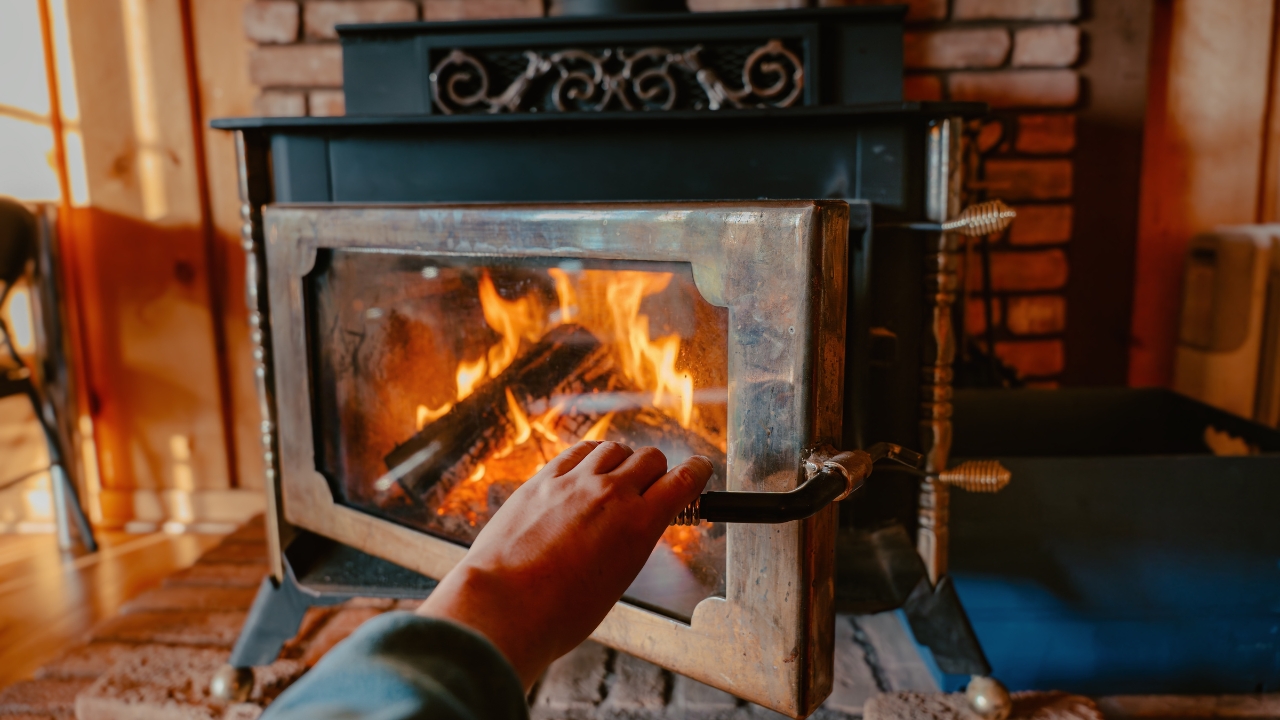
Watch the fire when the door is cracked slightly for loading. If the flames and smoke lean out toward you, the air is flowing into the firebox from the chimney side, which is the wrong direction. You might also hear a low “whoof” as the flow changes when you move the door.
A simple check is a smoking match or incense stick held near the opening (not inside the firebox with an active flame) to see which way the smoke streams. If it pushes into the room, stop and find out why before you run a full burn. A blocked flue, a stuck damper, or house negative pressure can all show up this way, and guessing wrong can cost you a room full of smoke or worse.
If any of these signs show up repeatedly, treat it like a system problem, chimney, appliance, and house air all tied together. Fixing the draft usually costs less than cleaning smoke damage, and it’s a lot easier than dealing with a chimney fire or a CO scare in the middle of the night.
Like Fix It Homestead’s content? Be sure to follow us.