10 Things That Make an Old Farmhouse Worth More
Photo credit: Darryl Brooks/Shutterstock.com
Old farmhouses get priced two ways. Some buyers see charm and land and start adding value in their head. Others see a long list of unknowns, and they start subtracting.
If you want your place to land in the first camp, focus on the parts that scare people, cost real money, or show neglect fast. A few smart fixes also make day to day living better right now.
1. A Tight, Recently Replaced Roof

Nothing drops confidence like water stains on plaster or a musty attic. Buyers know a roof job is loud, messy, and expensive, and they assume the sheathing and rafters might be next. If your shingles are near the end, replacing them before listing often pays back in clean inspections and stronger offers.
Even if the roof still has life, fix the small stuff that looks big. Replace missing tabs, reflash around the chimney, and stop that one drip at the plumbing vent. If you have slate, tile, or metal that’s still sound, repairs can be the better move, and a roofer who knows that system is worth paying for.
2. Dry Foundation And Managed Drainage
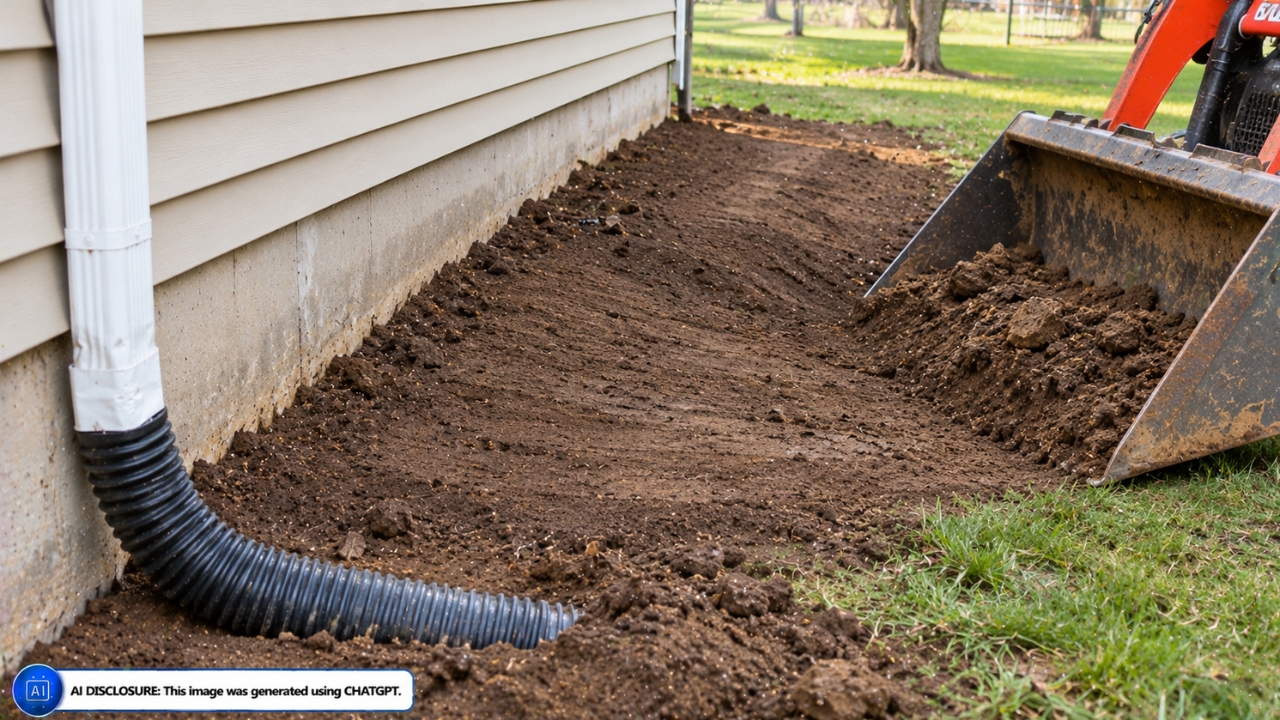
Water in a farmhouse basement is a mood killer. Efflorescence, damp corners, and a sump that runs nonstop all say the same thing, this house fights water. The fastest value bump is often outside, gutters that don’t leak, downspouts that send water well away, and grading that slopes off the house.
Start with the cheap checks. Clean gutters, add extensions, and keep splashback off stone or brick. If you see cracking, bowing walls, or stair step cracks in masonry, that is a structural conversation, not a weekend patch, bring in a qualified foundation pro and follow local code.
3. Modern Electrical Panel And Grounding
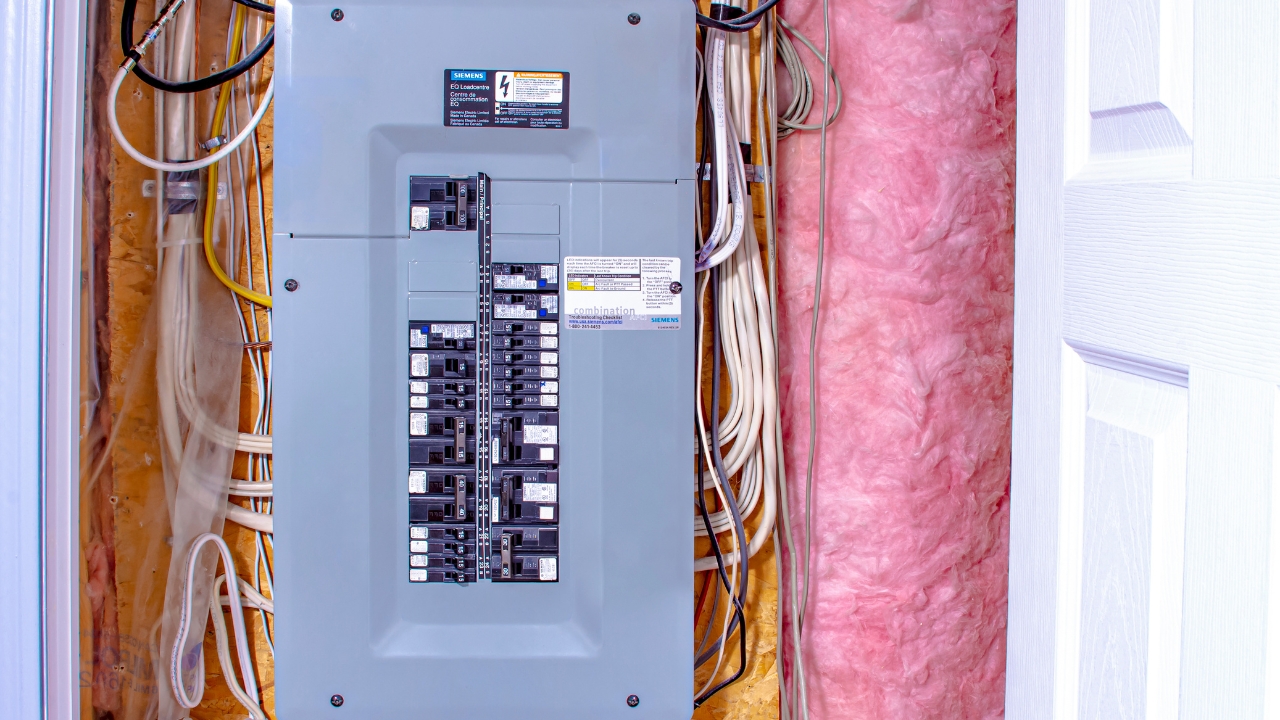
Knob and tube, fuse boxes, mystery splices, and two prong outlets make buyers picture a fire. The fix is not swapping a few receptacles and calling it done. A clean, labeled breaker panel, proper grounding, and GFCI protection where it belongs reads like a cared for house.
This is one of those jobs where DIY pride can hurt you. Anything involving the main panel, service drop, or meter base is for a licensed electrician and often needs a permit. You can still do plenty, replace broken cover plates, tidy visible wiring, and make sure every junction has a proper box and cover.
4. Plumbing That Doesn’t Freeze Or Weep
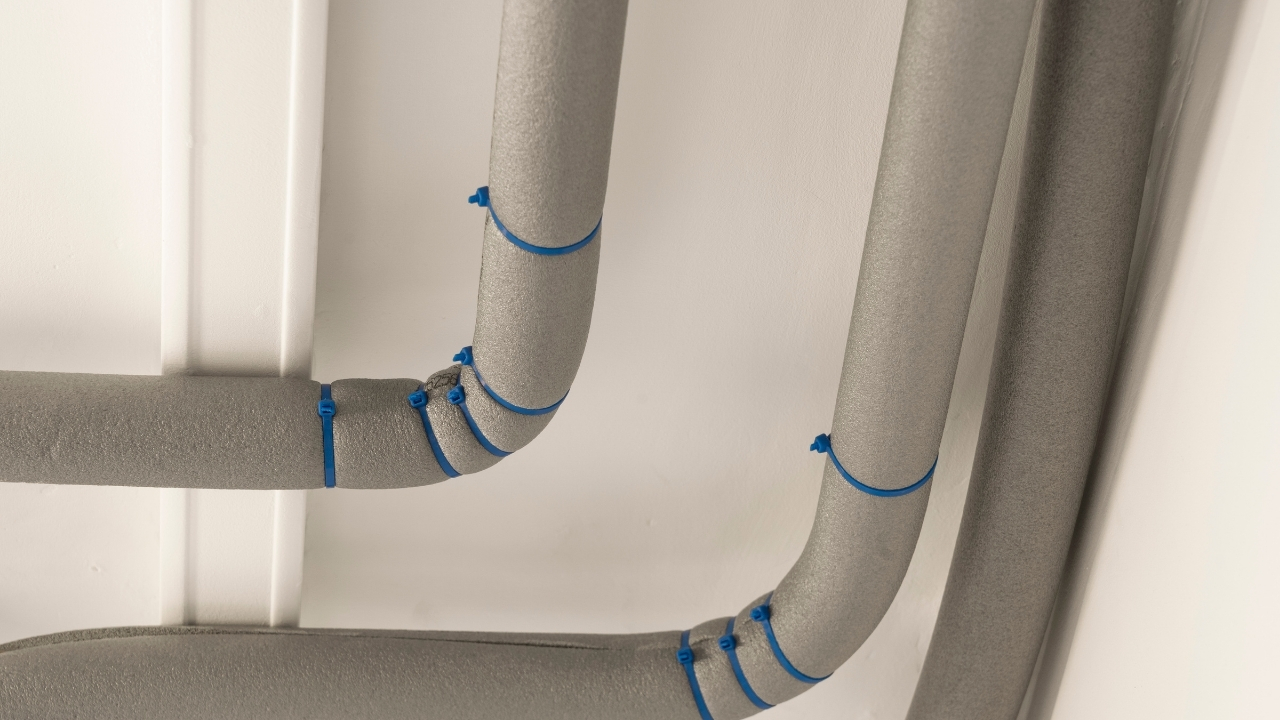
In winter, an old farmhouse tells on itself. Pipes clank, a faucet slows to a drip, and the crawlspace smells damp. Upgrading supply lines, insulating vulnerable runs, and adding shutoffs where they’re missing makes a buyer feel like they won’t spend their first January under the sink.
Look for galvanized pipe, it chokes flow and hides corrosion. PEX can be a solid upgrade in the right hands, but do it neatly with supports and proper fittings, not a spaghetti run. If you have cast iron drains, a camera inspection before selling can prevent ugly surprises mid deal.
5. A Working Well And Clear Water Tests

A good well is a quiet asset, until it isn’t. If the pump cycles oddly, the pressure tanks short cycle, or the water has a sulfur smell, buyers assume a new system is coming. Having the well checked, the cap sealed, and basic water tests on hand can remove a lot of fear.
Don’t guess at fixes by swapping parts. A well contractor can test yield, pressure, and pump health in one visit, and you get paperwork that helps at sale time. If you’re on city water, the same idea applies, fix that low pressure issue and replace ancient shutoff valves that won’t turn.
6. Septic Records And A Recent Inspection
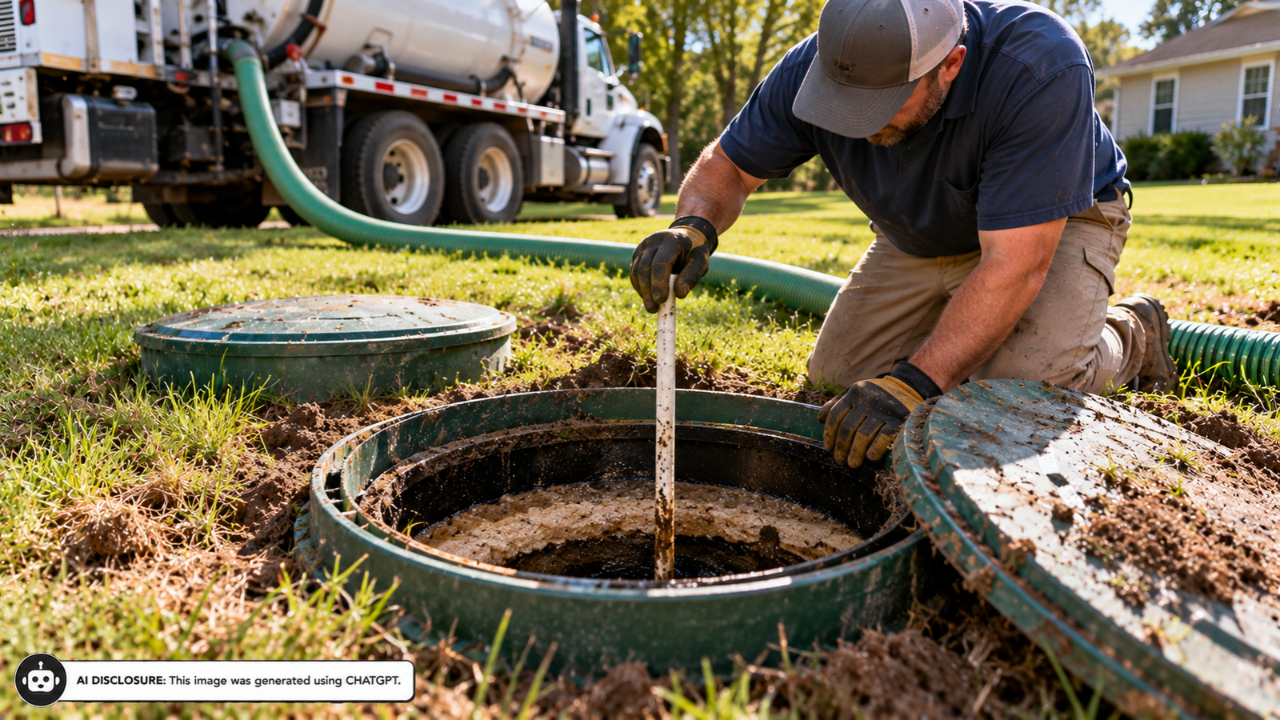
Septic is one of the fastest ways to derail a deal. If you can’t say where the tank is, how old it is, or when it was pumped, buyers imagine a failed leach field and a wrecked yard. A documented pump out and inspection is boring, and boring is exactly what you want here.
This isn’t a DIY dig project. Call a licensed septic company, and keep the report, receipts, and a simple map of lids and lines. If the system is old but still working, honesty plus records beats a fresh layer of topsoil and crossed fingers.
7. Clean, Dry Attic With Ventilation
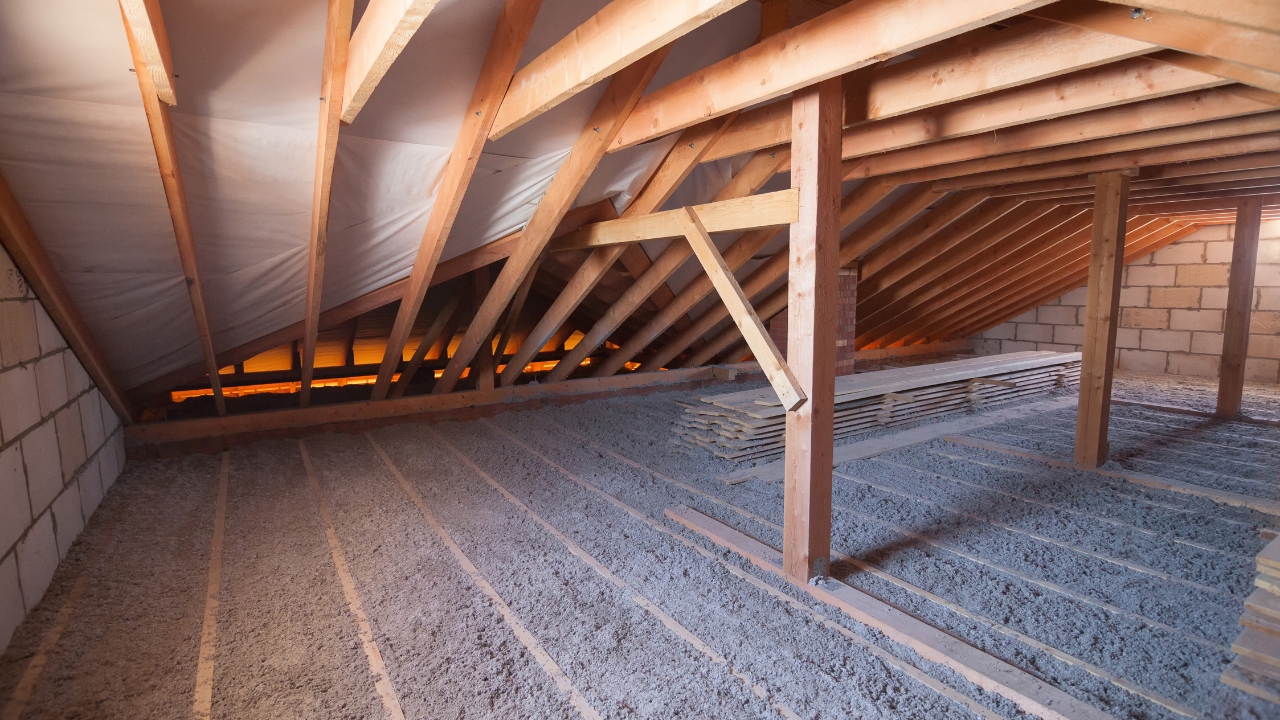
A farmhouse attic can be a time capsule, and not in a good way. Mold on roof boards, compressed old insulation, and daylight showing where it shouldn’t will make an inspector linger. Fix the air leaks from below, keep soffit and ridge vents open, and get the moisture under control.
Skip the temptation to seal everything tight without a plan. You want air flow in the attic and air sealing at the ceiling plane, those are different jobs. If you find knob and tube wiring in insulation, stop and call an electrician before burying it, many areas won’t allow it.
8. Original Windows That Operate Well
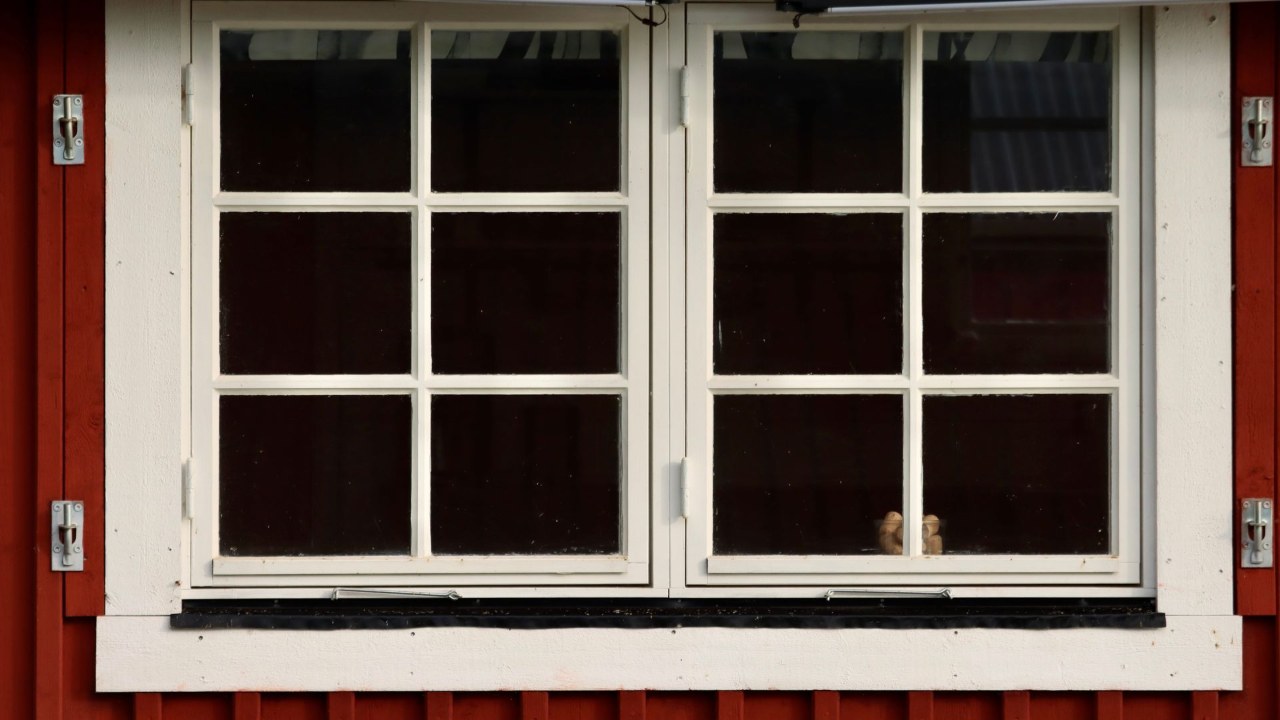
New vinyl windows aren’t always the value move people think they are. In an old farmhouse, original wood windows that open smoothly, lock, and don’t rattle can feel higher end than cheap replacements. A buyer notices when the sashes aren’t painted shut and the storms actually fit.
Reglaze loose panes, replace broken sash cords, and add quality weatherstripping. If a few units are truly shot, replace those, but keep the style consistent. The exception is severe rot or lead paint failures around kids’ rooms, then replacement can be the safer call.
9. A Solid Barn, Shed, Or Workshop
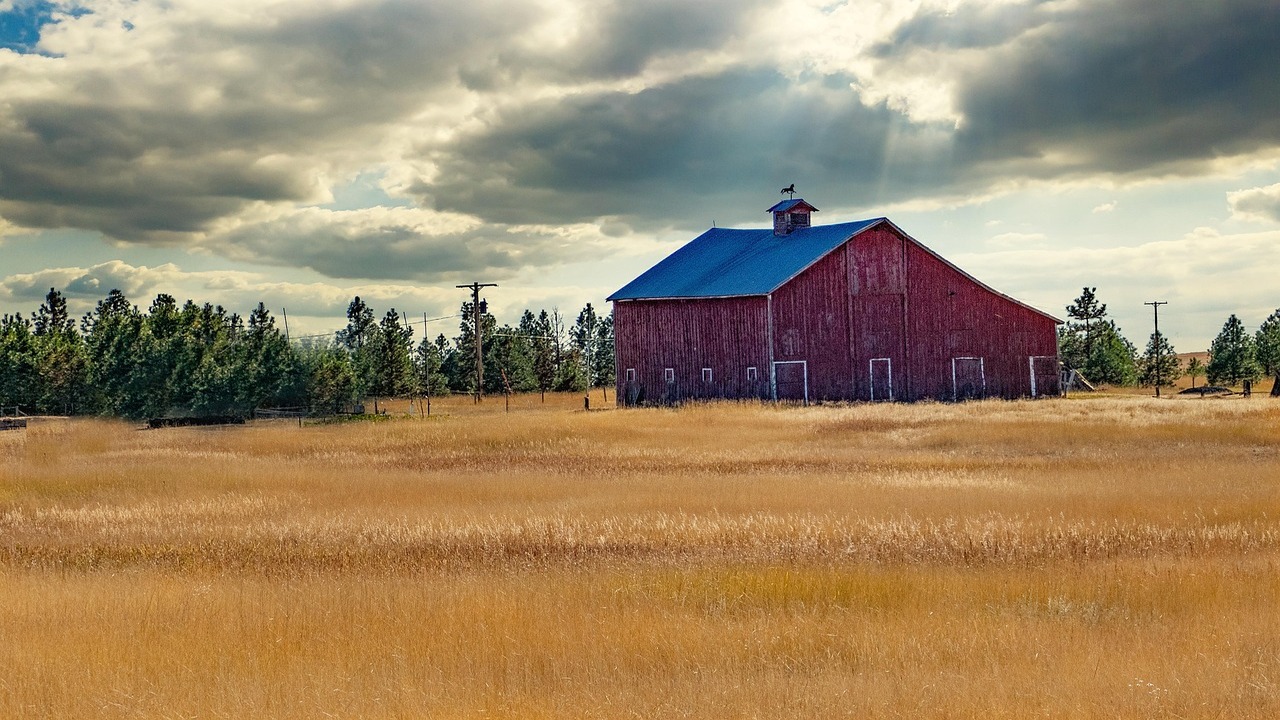
Outbuildings sell the farm life dream, until the roof sags and the doors won’t shut. A straightened header, a patched metal roof, and a floor that isn’t punky turns “liability” into “usable space.” Even a small, clean tool shed with power reads like the property is ready to work.
Focus on structure and weather first. Replace rotten sill plates, fix drainage so posts aren’t sitting in mud, and add gutters where splashback is chewing up siding. If you’re adding electrical to an outbuilding, do it permitted and to code, buyers love a shop, but they hate sketchy wiring.
10. Straight, Safe Access And Parking
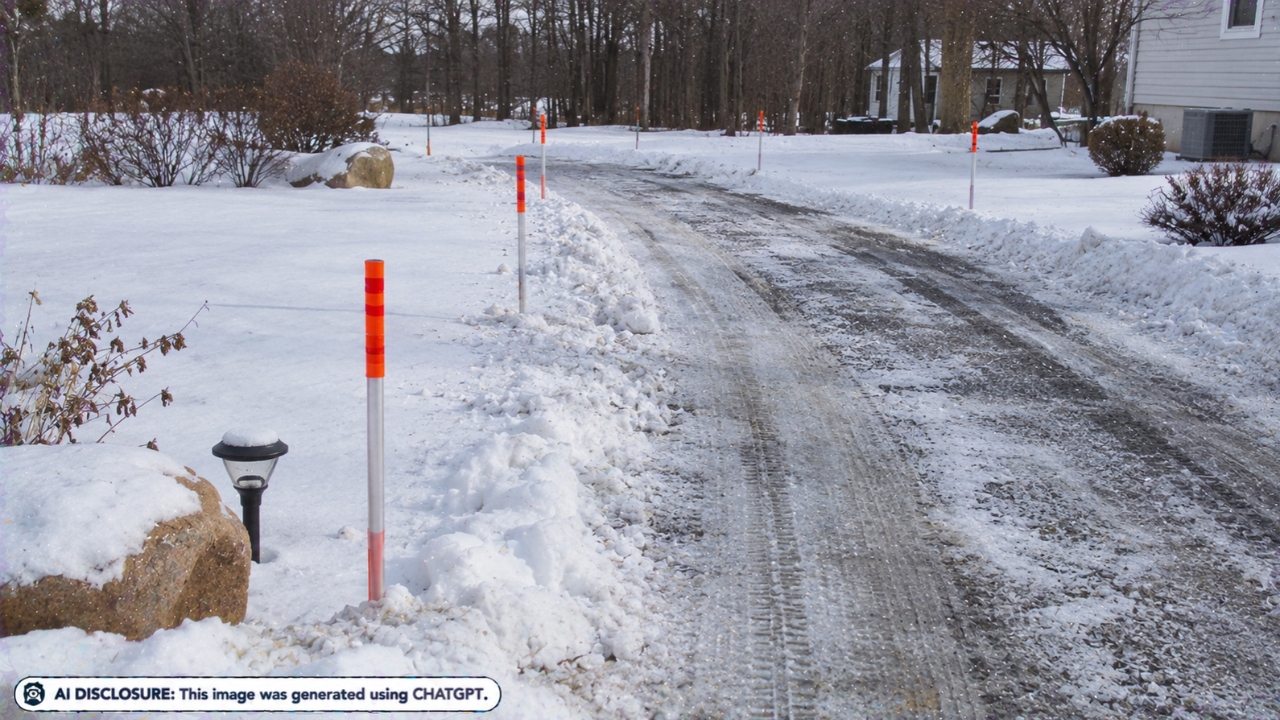
Value isn’t only inside the house. If the driveway turns to ruts every spring, or the front walk heaves and trips people, it signals constant upkeep. A firm gravel drive with good crown and drainage, plus a safe set of steps with a handrail, makes the whole place feel more settled.
Before you bring in gravel, call for utility locates. Add geotextile fabric only where the base is truly soft, you don’t need it everywhere. Small upgrades like solar or low voltage path lights also help showings, but only if the fixtures aren’t crooked and the wiring isn’t a mess.
Pick two or three projects you can finish cleanly, then stop starting new ones. A farmhouse that looks maintained, dry, and predictable almost always beats one with flashy updates and unresolved problems hiding in the corners.
Like Fix It Homestead’s content? Be sure to follow us.