10 Signs a Chimney Should Not Be Used This Winter
Photo credit: Eb Werner/Shutterstock.com
A wood fire feels simple until the chimney is the weak link. Winter is when small chimney problems turn into smoke in the house, a ruined flue liner, or a visit from the fire department. If anything below sounds familiar, park the fireplace or stove and deal with the chimney first.
1. Strong Smoke Smell When Not Burning

If the living room smells like cold smoke or a musty campfire on calm days, the chimney is sending air the wrong way. That odor often means a heavy creosote load, a blocked cap, or a flue that is pulling house air down instead of drafting up.
Don’t mask it with candles or plug-in scents. Check the damper for a tight close, shine a bright flashlight up from the firebox, and look for black, flaky buildup or debris. If the smell is sudden or sharp, schedule a sweep and inspection before lighting anything.
2. Rain Water In The Firebox
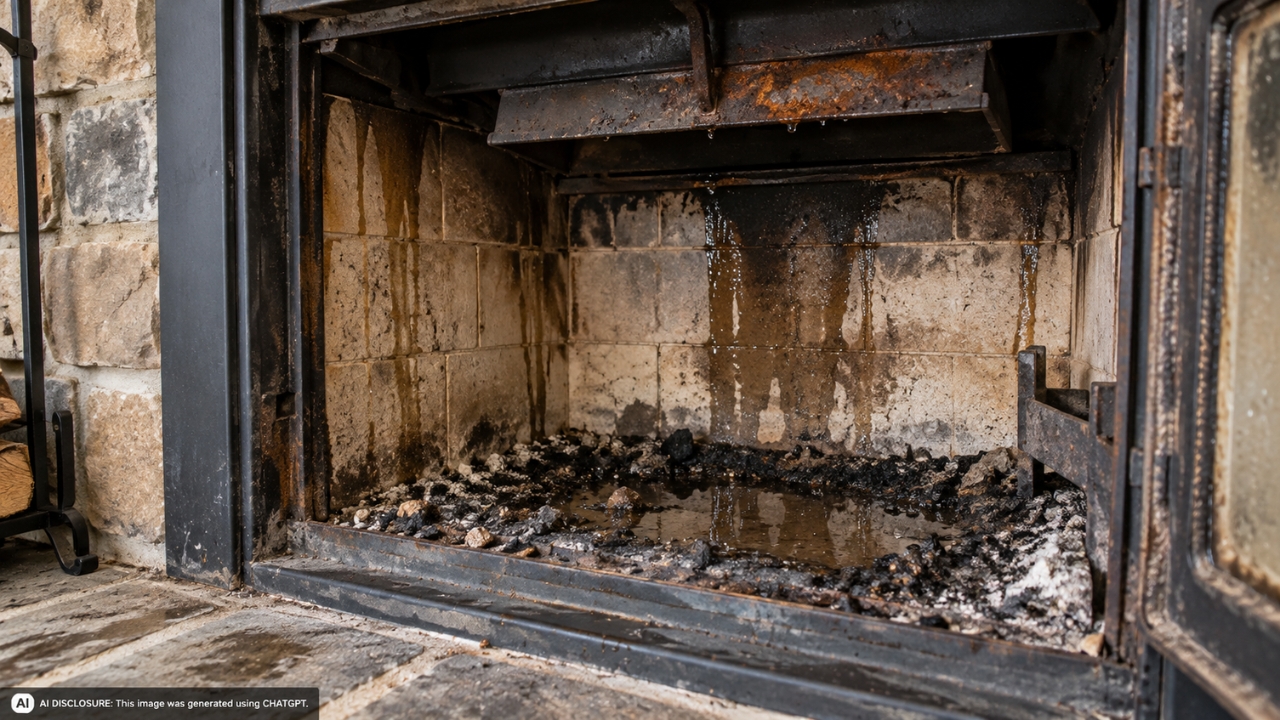
Water stains on the firebrick, rust on a damper, or a puddle in the ash tells you the top isn’t doing its job. A missing cap, cracked crown, or loose flashing can dump water down the flue and rot out metal parts fast.
Using the chimney while it’s wet turns soot into acidic sludge that eats masonry and stinks up the house. The fix is usually outside: a proper cap with a screen, crown repair, or flashing work. If you’re getting active leaks, this is a “fix first, burn later” situation.
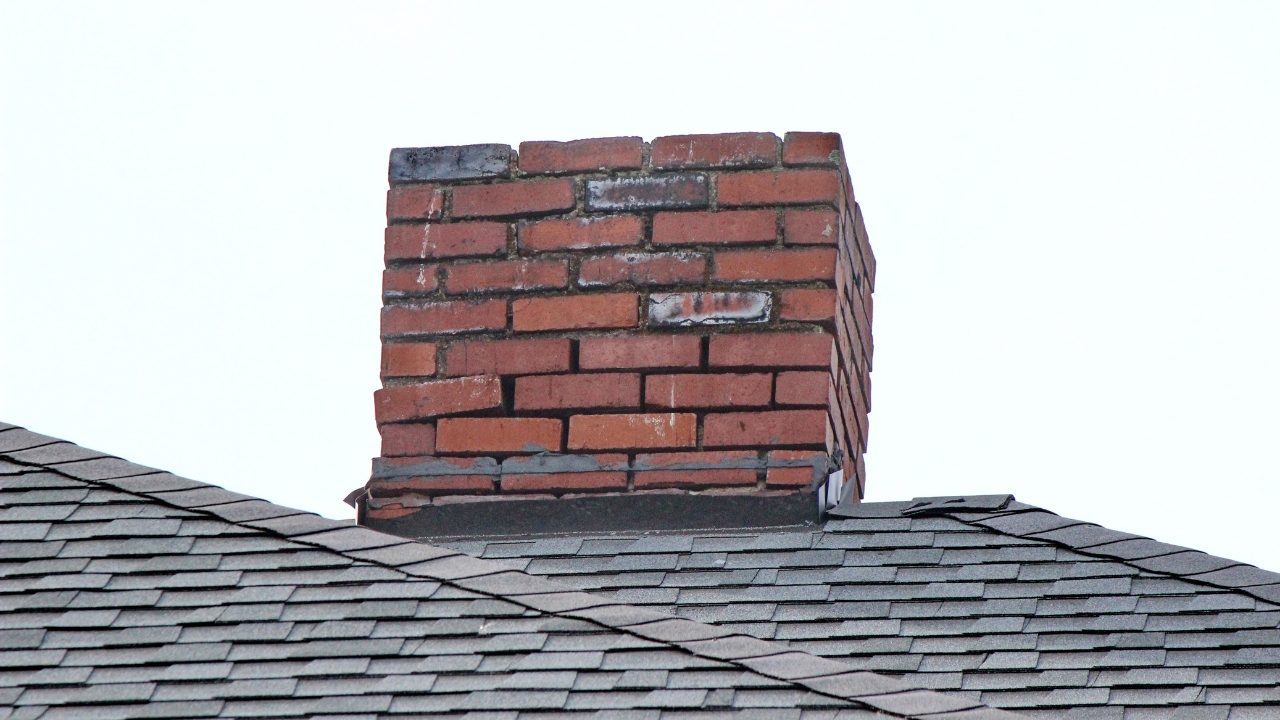
3. White Staining On Exterior Brick
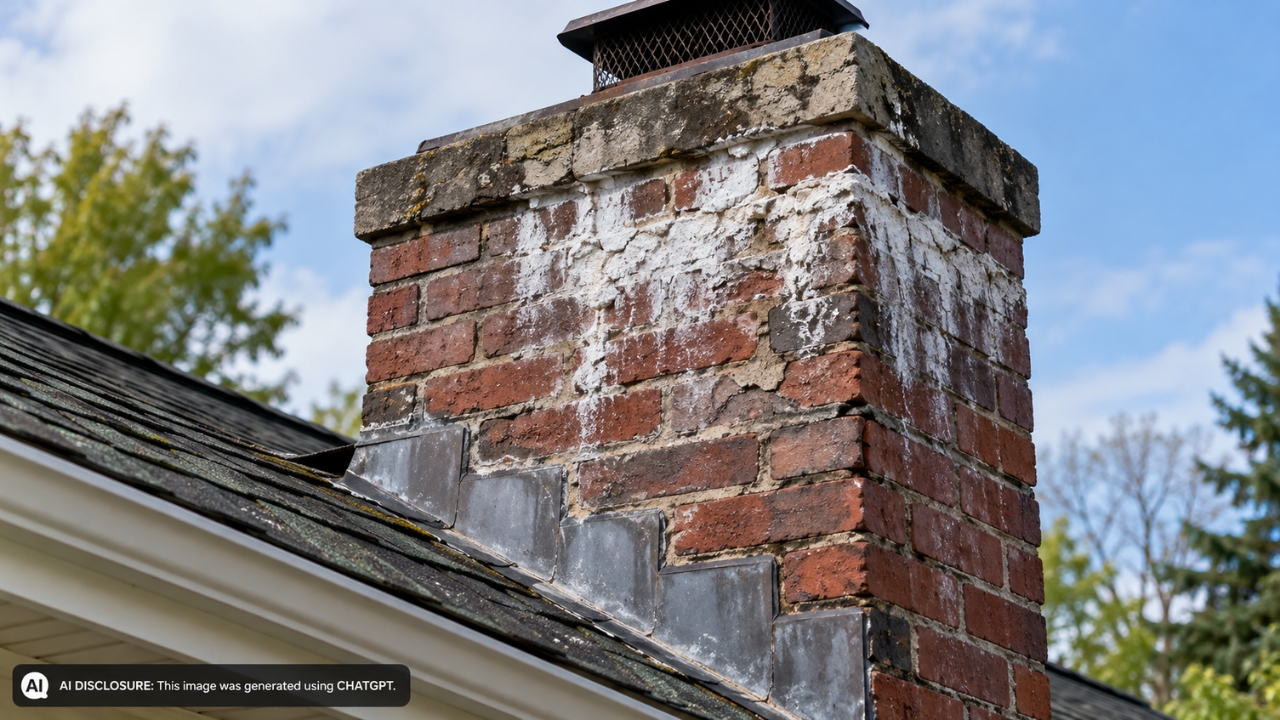
That chalky white crust on the chimney outside is efflorescence, and it means water is moving through the masonry and drying out. It looks harmless, but it’s a sign the brick and mortar are getting saturated.
Freeze and thaw cycles will start popping faces off brick and loosening mortar joints. Don’t paint the chimney to “seal” it, paint often traps moisture and makes things worse. Call a mason or chimney pro to find the water entry point, usually the crown, cap, or flashing, then deal with the bricks.
4. Damper Won’t Open Or Seal
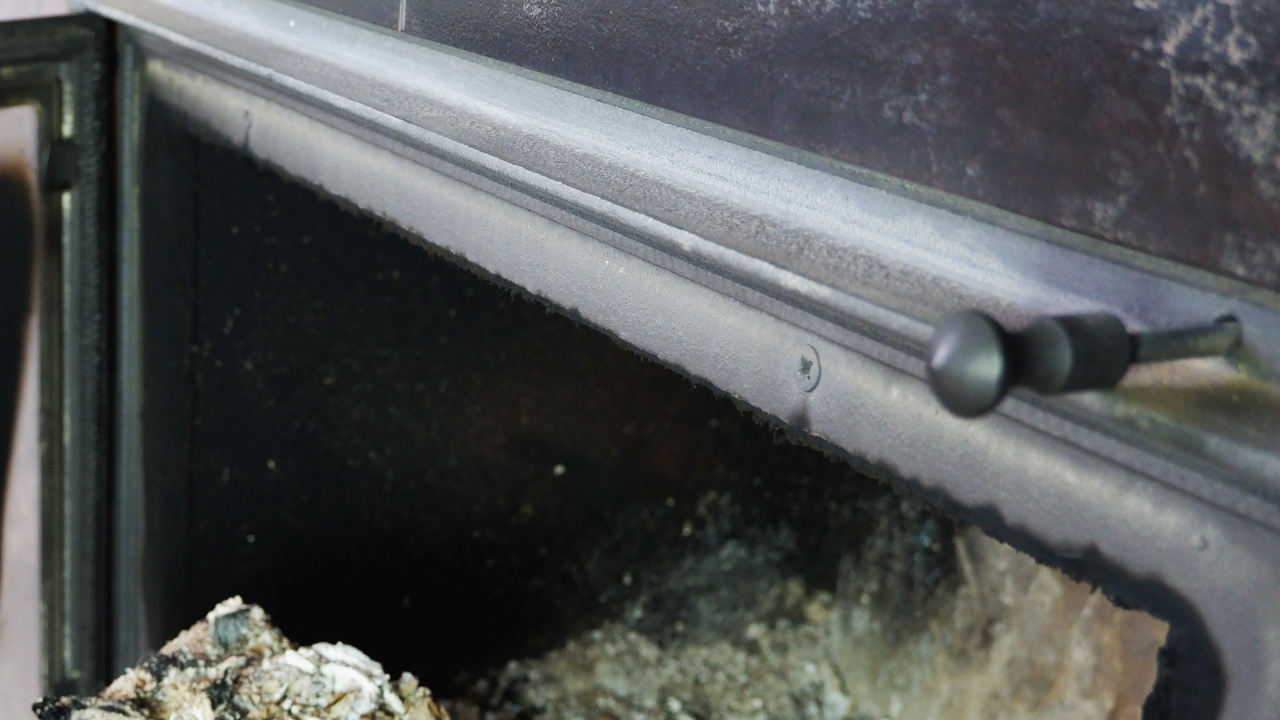
A stuck damper is a real problem, not a minor annoyance. If it won’t open fully, smoke and carbon monoxide can spill into the room. If it won’t close, you’re heat-soaking the outdoors all winter and feeding a draft that can backdraft other appliances.
Sometimes it’s just rust or a bent linkage, and you can see it with a headlamp and a mirror. Don’t force it with a pry bar and crack the frame. If the throat area is heavily rusted or warped, a chimney tech can replace the damper or suggest a top-sealing damper, which often works better in older fireplaces.
5. Flue Tiles Are Cracked Or Missing
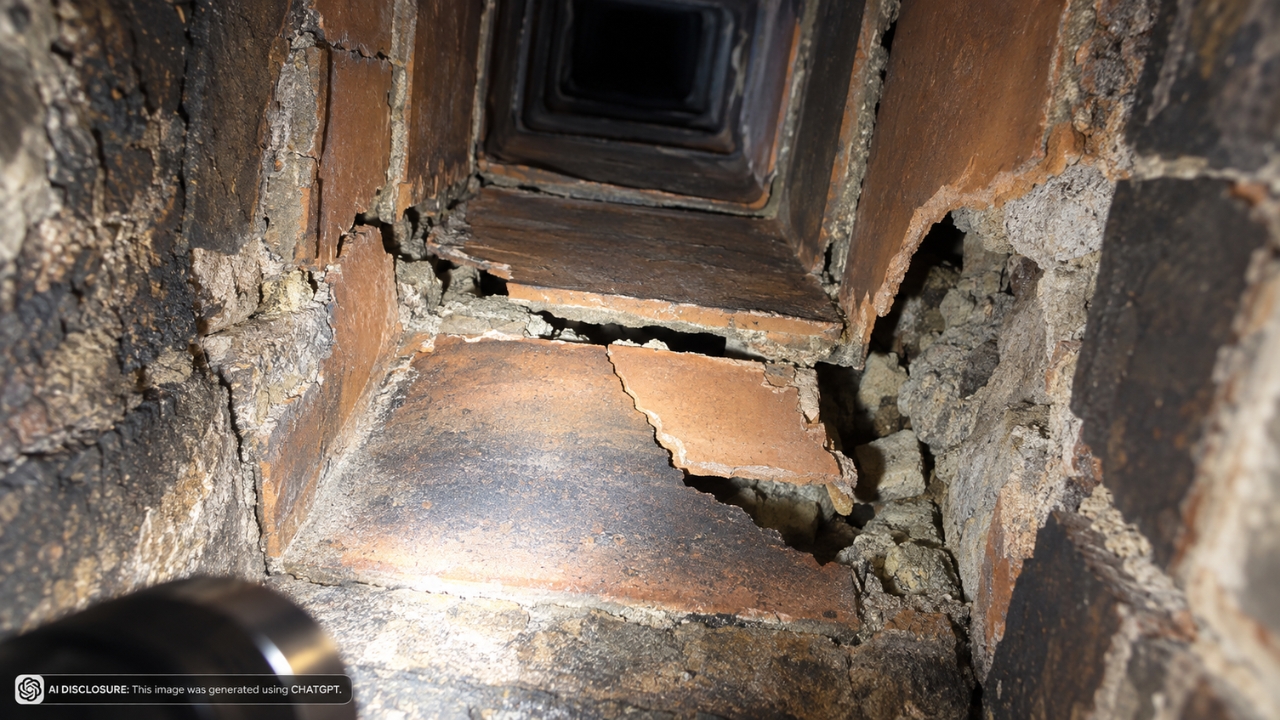
Clay flue tiles should look like smooth, continuous ceramic when you shine a light up from the bottom. If you see gaps, broken corners, or chunks missing, you’re looking at a liner failure. Heat and smoke can get into the masonry, and nearby framing can get cooked over time.
This is not a DIY patch job with furnace cement. A pro needs to inspect the full run and recommend a relining option, often stainless steel for wood and some inserts. The fireplace can sit cold for a season, that’s cheaper than a chimney fire.
6. Black, Shiny Creosote Glaze Visible
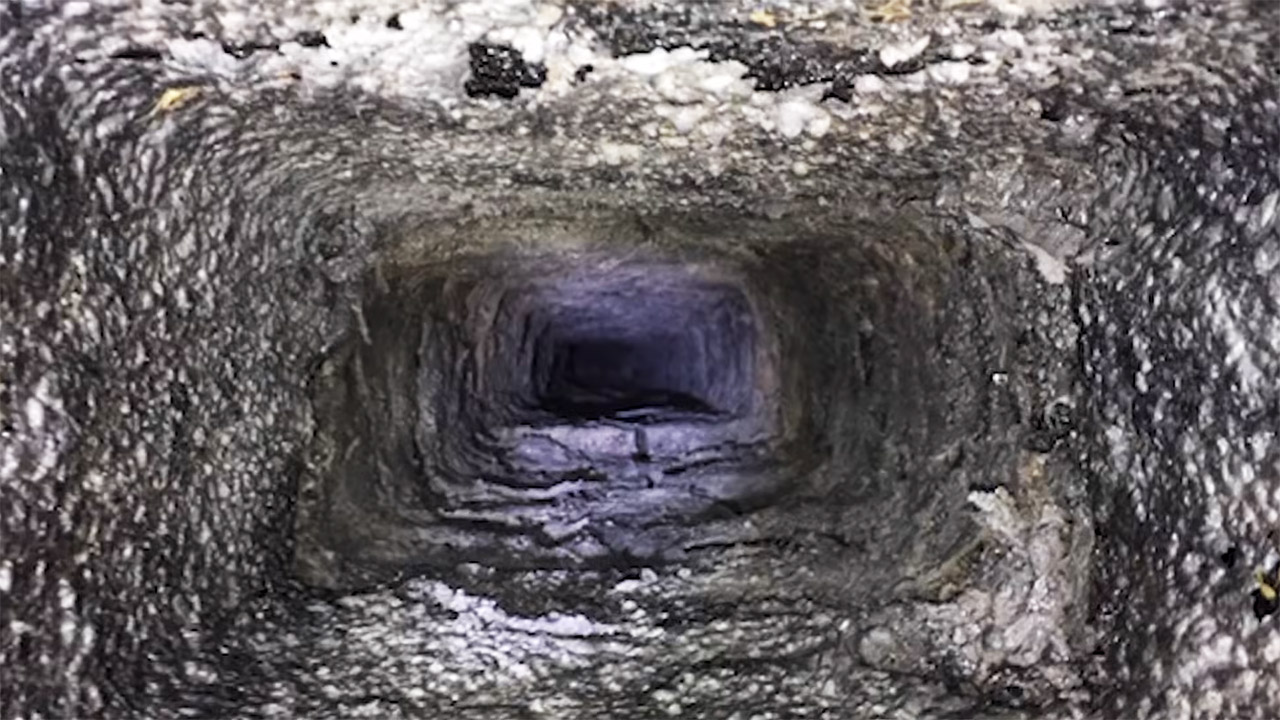
Fluffy soot is one thing. Hard, shiny, tar-like creosote is another, and it’s the stuff that lights off like fuel. You’ll see it as a glassy black coating in the firebox area or on the smoke shelf, and it laughs at a cheap chimney brush.
If you’re burning low and slow, or feeding the stove damp wood, glaze builds fast. Stop using the chimney and book a sweep who has the right tools for glazed creosote, sometimes that means rotary cleaning or chemical treatment paired with proper brushing. After it’s clean, burn hot enough to keep flue temps up and only burn seasoned wood.
7. Birds, Leaves, Or Squirrels In Flue
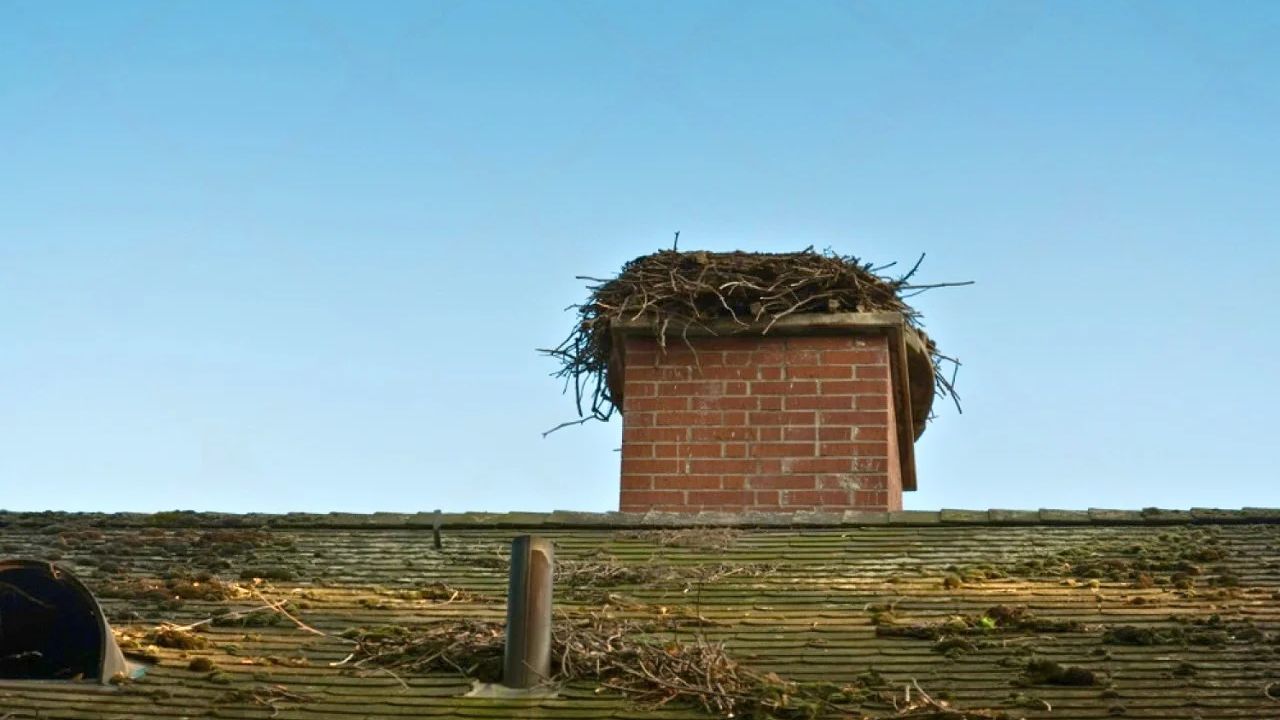
Scratching, chirping, or a sudden rain of twigs down into the firebox means something moved in. Even a small nest can choke draft and push smoke into the room. It also turns the flue into kindling.
If you can see daylight blocked when you look up, don’t light “just one small fire” to clear it. Remove the blockage safely or hire it out, then install the right cap. A screened cap is one of the few cheap chimney upgrades that’s actually worth the money.
8. Smoke Rolls Out When You Light
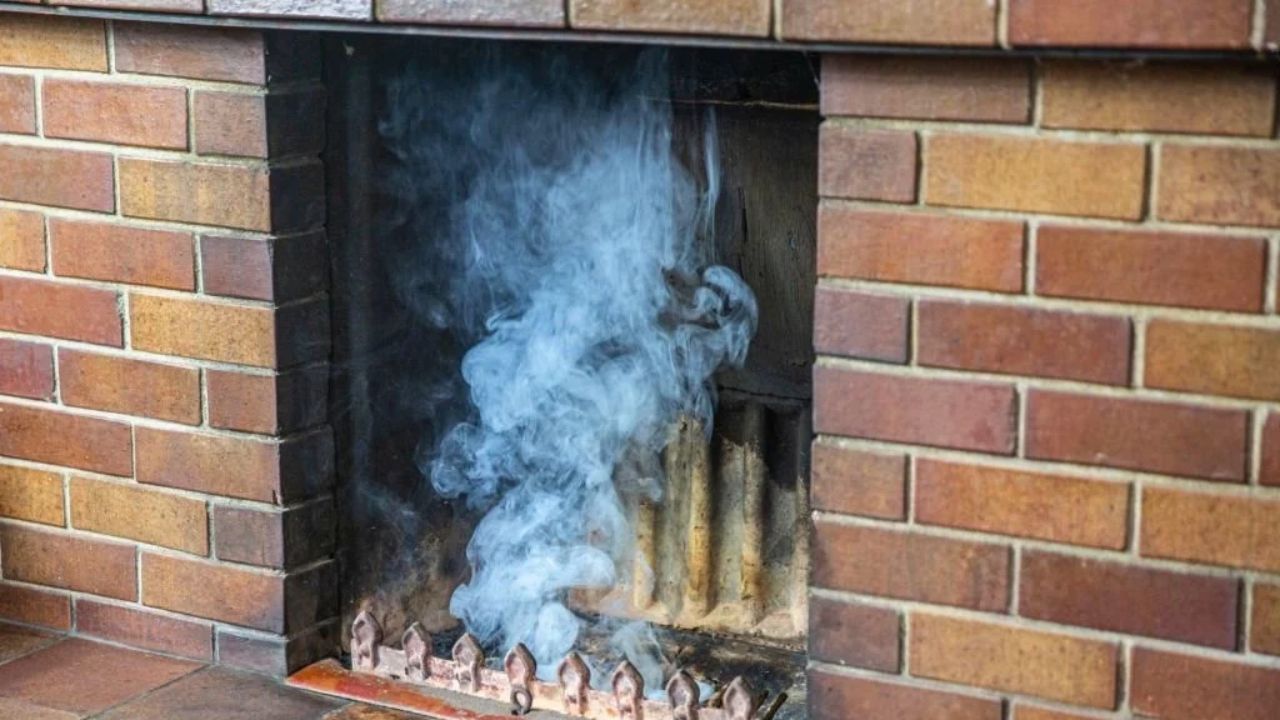
This shows up on the first cold snap: you light kindling and smoke pours into the room like the chimney is reversed. Cold flues, tight houses, bathroom fans, and range hoods can all beat the chimney in a tug-of-war.
There’s an exception here. If the chimney is known to be clean and sound, a cold plug is sometimes fixed by pre-warming the flue, for example with a short newspaper torch held up near the damper area before you build the main fire. If smoke still spills after that, stop and get the system checked for blockages, liner issues, or makeup air problems, especially if you run a wood stove insert or have other vented appliances.
9. Loose Bricks Or Leaning Chimney Stack
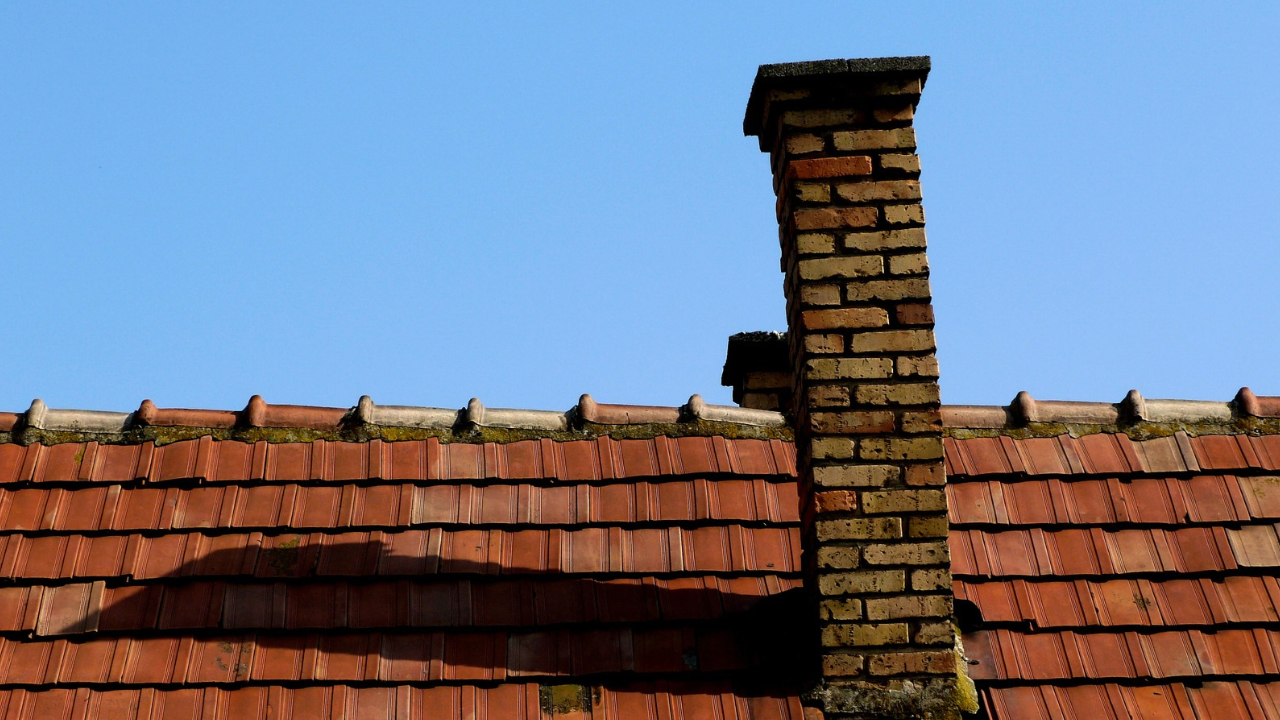
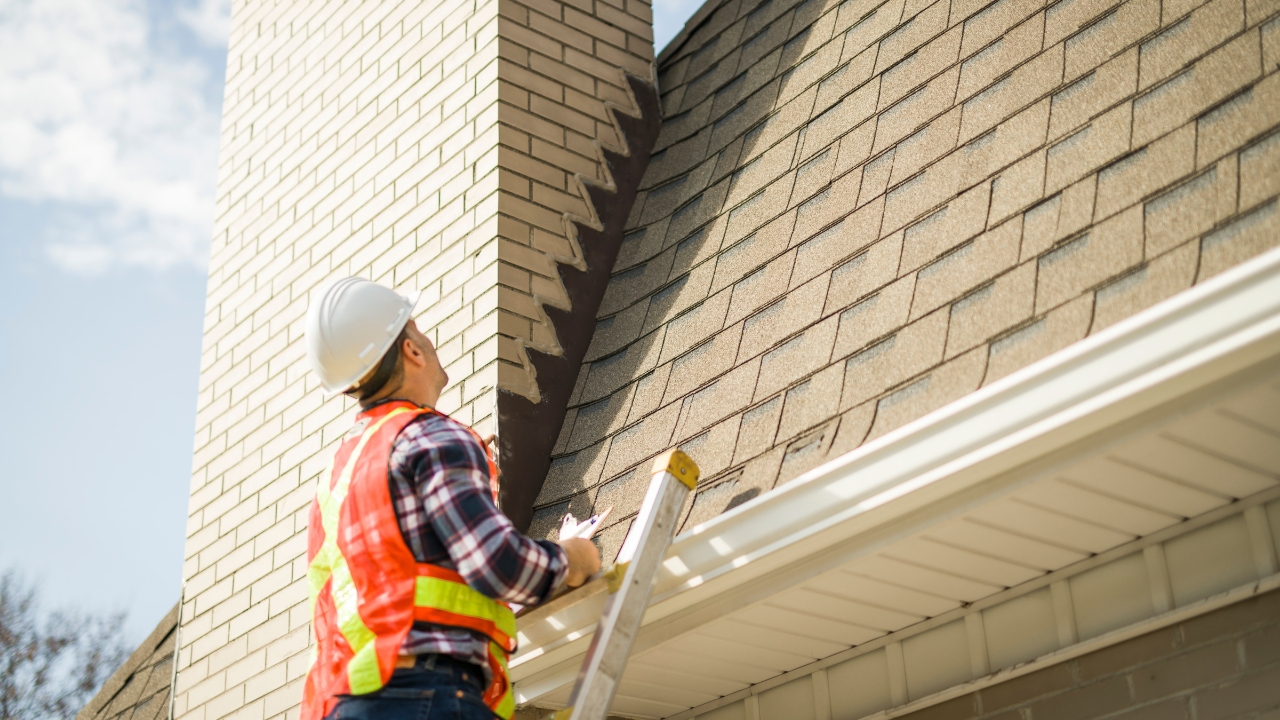
A chimney that’s shifting is telling you the support system is failing. Look for stair-step cracks in mortar joints, bricks that wiggle, or a crown that’s separated from the brick. Sometimes you’ll notice it first from the ground after a windy storm or a heavy snow.
This is structural, and it gets pricey if you wait. Don’t climb up and start poking at it unless you’re trained and properly equipped for roof work. Get a mason or chimney contractor to evaluate it, and check local rules if a rebuild or major repair is needed.
10. No Recent Inspection After A Change
If a tree limb hit the chimney, you had an earthquake tremor, you switched fuel types, or you installed a new stove or insert, the old “it’s always been fine” doesn’t count. Liners crack, caps shift, and a new appliance can change draft and flue temperatures in ways the chimney was never built for.
A basic inspection is usually a small bill compared to a liner replacement or a house full of smoke. Ask for an inspection that matches your situation, and don’t be shy about requesting photos from inside the flue. If you just bought the place and the seller said “never had an issue,” treat that as a reason to inspect, not a reason to skip it.
If you end up sidelining the chimney for a while, use the downtime well. Clean out ash, store firewood under cover so it keeps drying, and line up a sweep before the first deep freeze when everyone else is calling too.
Like Fix It Homestead’s content? Be sure to follow us.