10 Signs a Goat or Sheep Is Not Coping With the Cold
Photo credit: Zhuravlev Andrey/Shutterstock.com
Cold snaps hit fast, and goats and sheep are good at hiding trouble until they suddenly aren’t. Most winter problems start small, a draft you didn’t notice, a wet bedding corner, a water bucket that froze overnight. Catch the early signs and you can fix the setup before you’re hauling weak animals into a barn at midnight.
1. Shivering That Does Not Settle
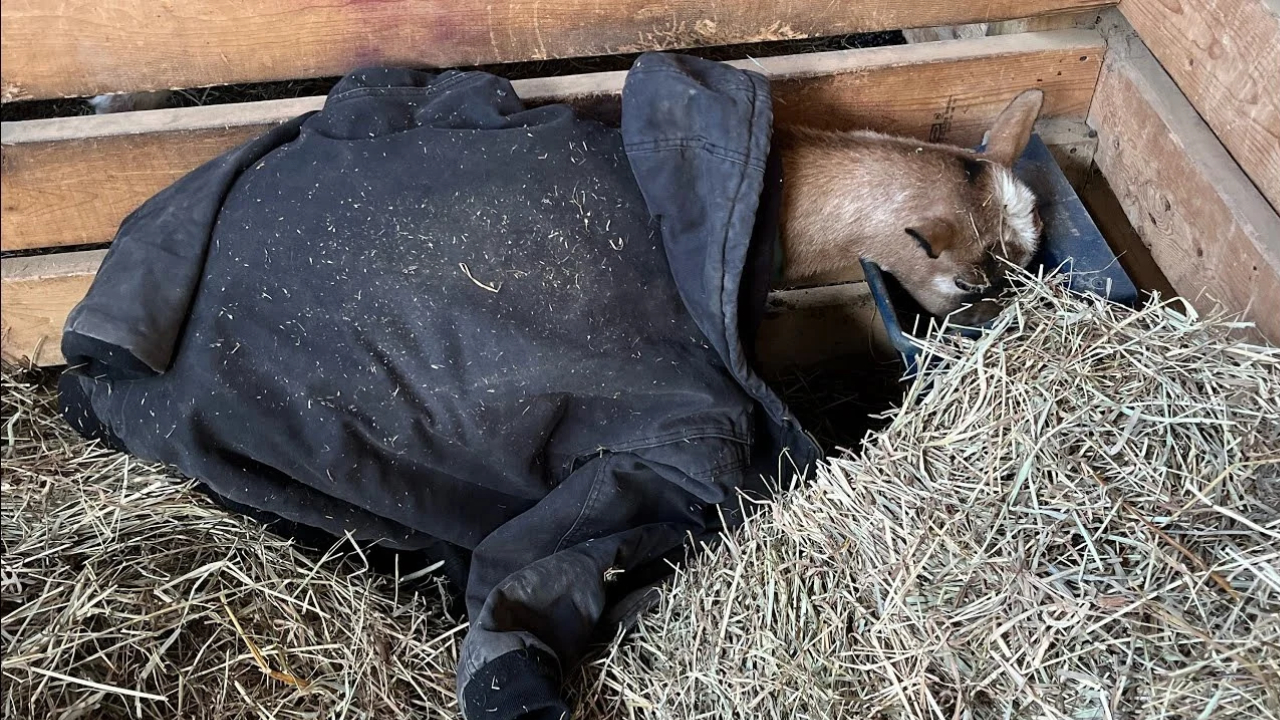
A little shiver right after a wind gust happens. Shivering that keeps going, especially when the animal is standing still and hunched, means they’re burning calories just to stay warm. You’ll often see it in thin animals, new arrivals, or anyone with a wet coat.
Start with the simple fixes you can do in minutes. Block drafts at animal level with plywood or a hung tarp that can’t flap into faces, and give them deep, dry bedding they can nest into. Then look at feed, because warmth comes from fermentation, add good hay and keep it in front of them.
2. Tight Huddle With No Grazing
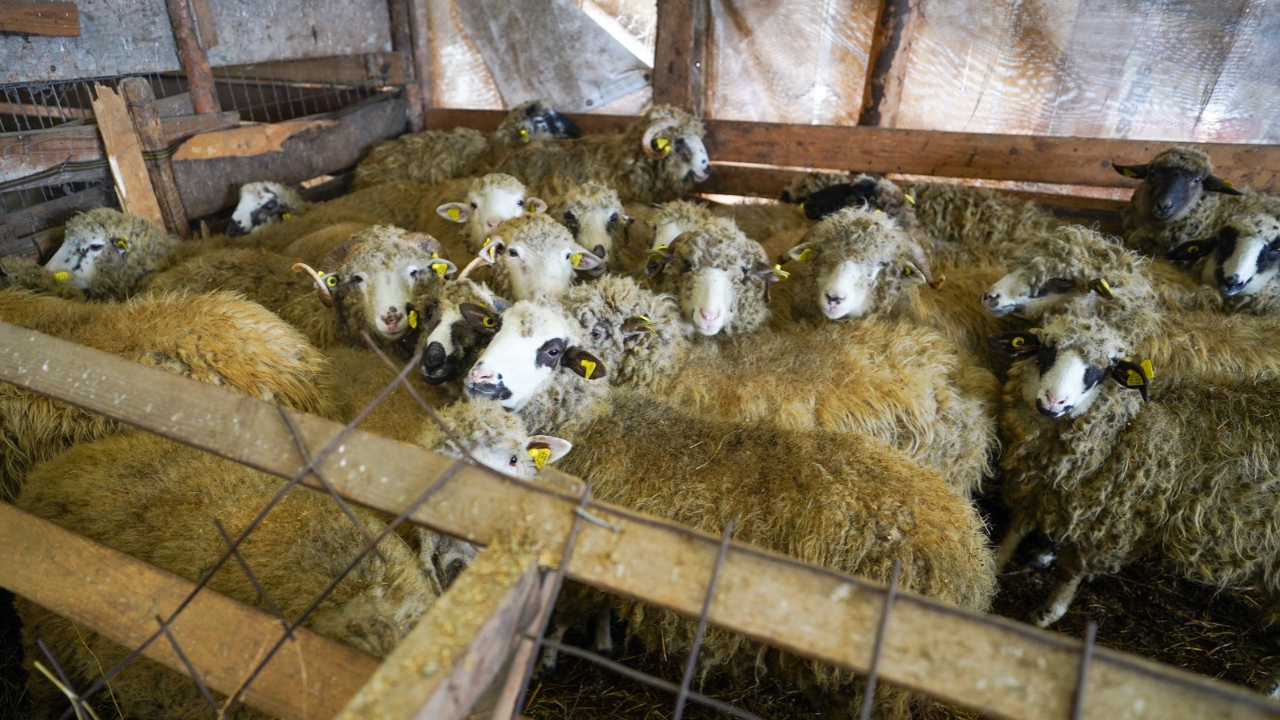
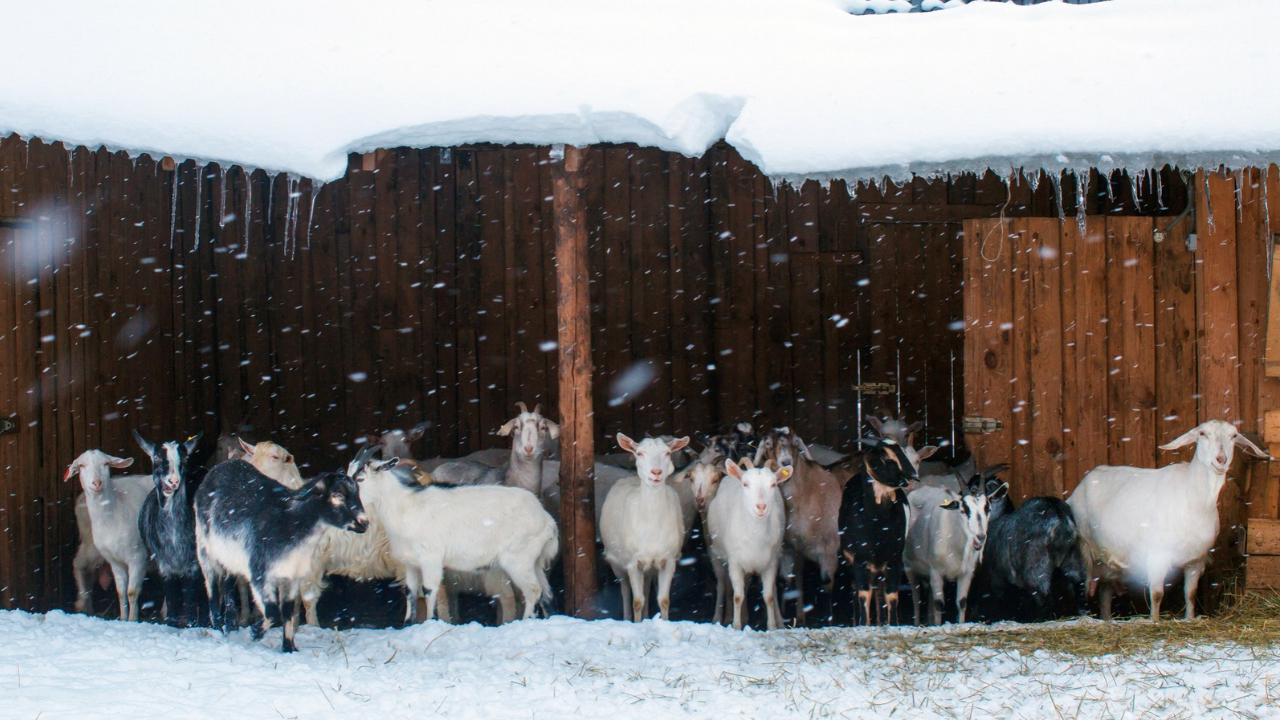
When the whole group parks in a tight ball and won’t move out to eat, the cold is winning. This shows up on raw, windy days more than on clear cold ones. If they’re crowding one corner, they’re also telling you where the leak is.
Walk the fence line and the shelter like the wind does. Seal gaps low to the ground, set a windbreak panel on the windward side, and make the hay feeder reachable without stepping into the worst draft. A simple three-sided shed works fine, as long as the open side faces away from the prevailing wind.
3. Wet Coats Or Damp, Steamy Fleece
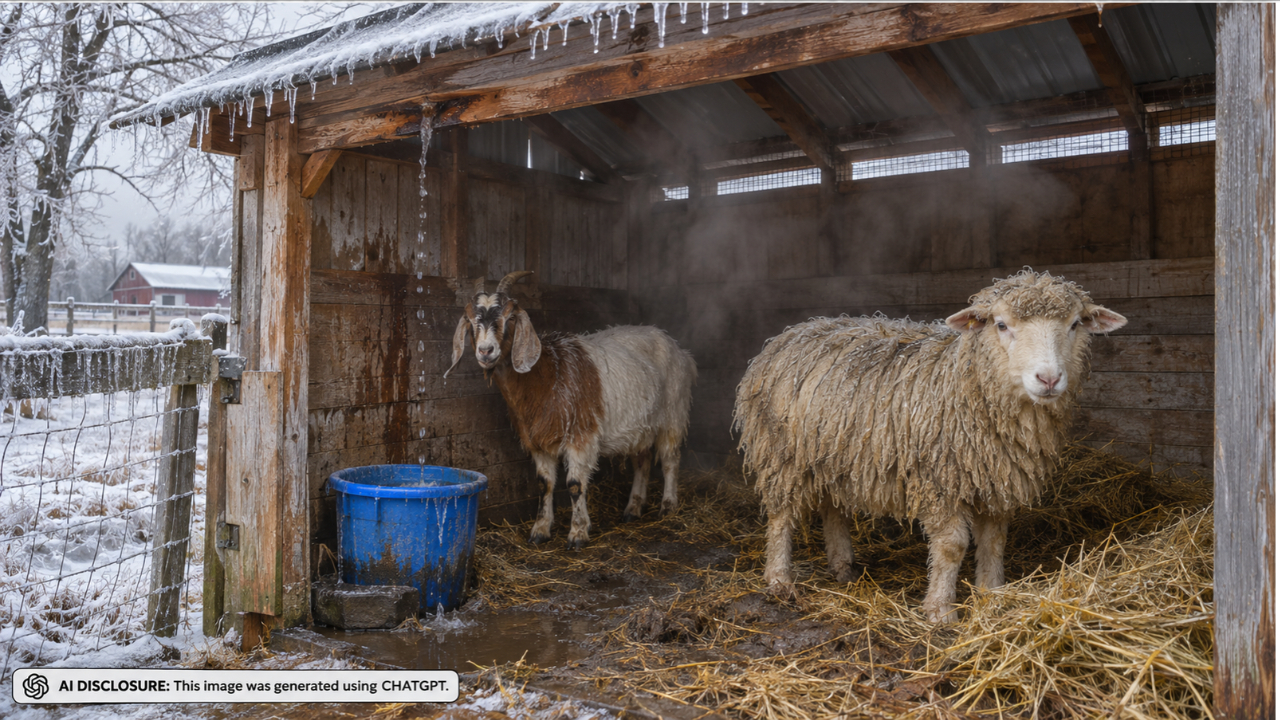
Wet is the enemy, period. A wet goat coat loses heat fast, and a sheep with damp fleece can chill from the skin out, even if they look fluffy. You’ll notice it after freezing rain, sloppy mud, or a shelter that drips condensation.
Fix the source, not the symptom. Patch roof leaks, add gutters, and move water buckets away from sleeping spots so splashes do not soak bedding. If the shelter is damp inside, you need more ventilation up high, not a tighter seal down low, cracked soffits or a vent gap above head height helps without blasting them with wind.
4. Frosty Noses And Slow Breathing
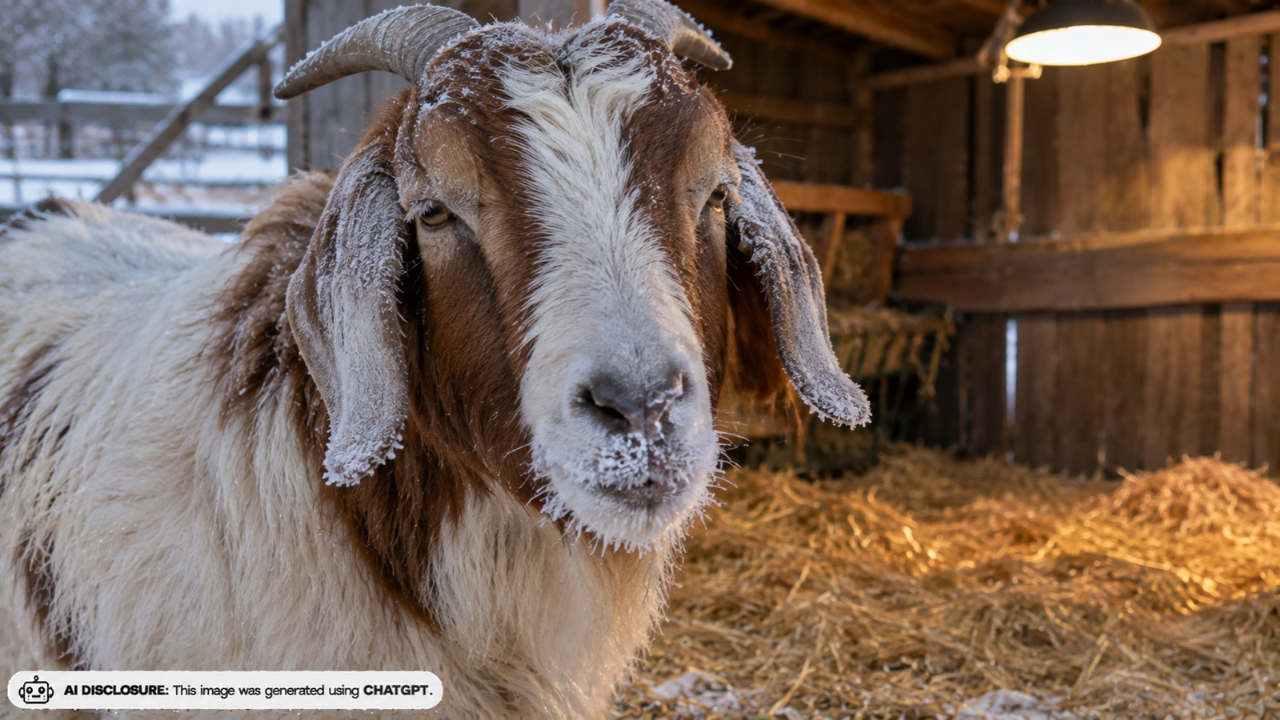
White frost clinging around nostrils and a slow, heavy look to breathing can mean they’re staying too cold for too long. Sometimes it’s just a cold morning, but if it shows up every day, the shelter isn’t doing its job. Pay attention to older animals first, they’re the ones that slide into trouble quietly.
Make the resting area warmer, not the whole barn. Deep straw, a draft-free sleeping corner, and a solid wall on the wind side usually do more than any heat lamp. If you use heat, keep cords protected in conduit, hang fixtures securely, and keep anything hot well away from bedding and curious horns.
5. Frozen Water Buckets Every Morning

No water means less feed intake, and less feed means less internal heat. Goats and sheep will back off hay if they can’t drink, then they get colder, and the spiral starts. If you’re chopping ice twice a day, that’s your sign.
Heated buckets and tank heaters are worth the money if you have safe power to the area and a good outlet with GFCI protection. If you don’t, swap in two buckets and rotate them, or use black rubber tubs you can flex to pop ice out fast. Do not run thin extension cords through wet bedding, if the wiring needs an upgrade, hire an electrician.
6. Pale Gums Or Low Energy After Eating
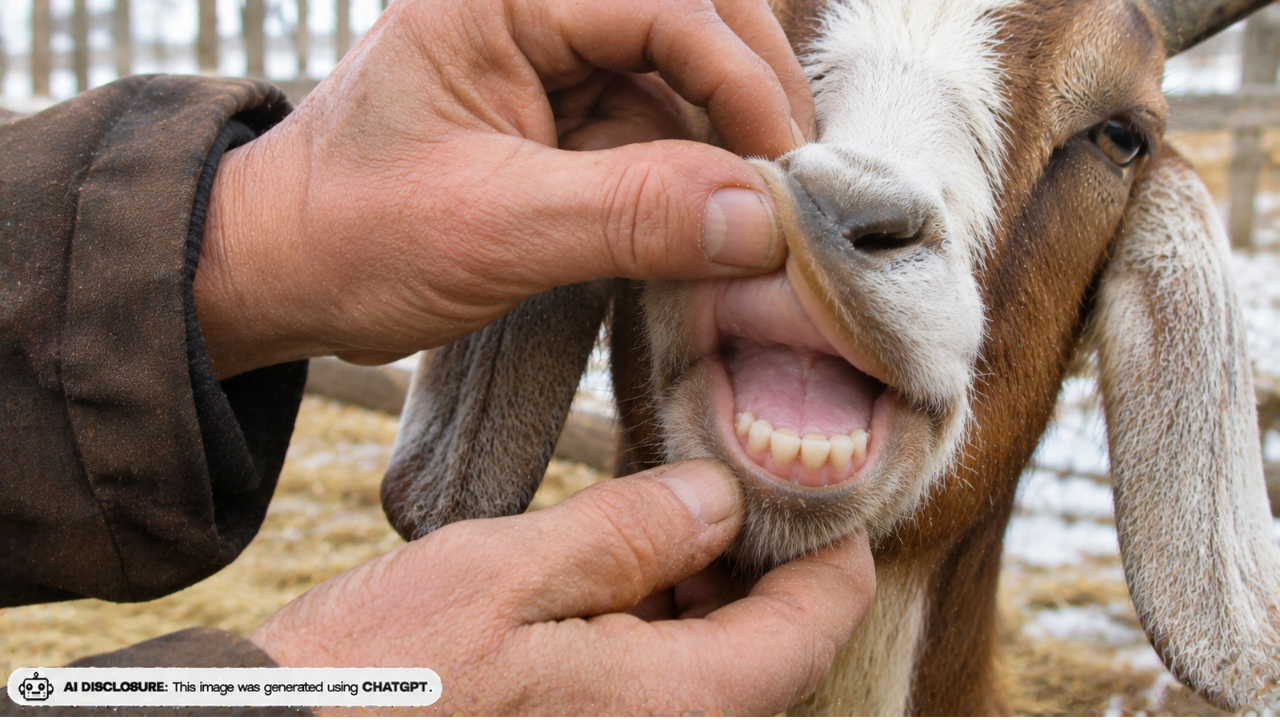
Cold stress often looks like “just tired” at first. An animal that eats, then stands dull and still with droopy ears is telling you it’s running out of fuel. You are not diagnosing anything by checking gum color, but pale or tacky gums combined with lethargy is a reason to call a vet sooner, not later.
In the meantime, tighten up the basics. Increase free-choice hay, break up feeding so timid animals get a chance, and keep minerals accessible and dry. If the animal is thin, losing weight, or acting off in any other way, get professional help, winter is not the season to guess.
7. Bedding Packs Down And Turns Black
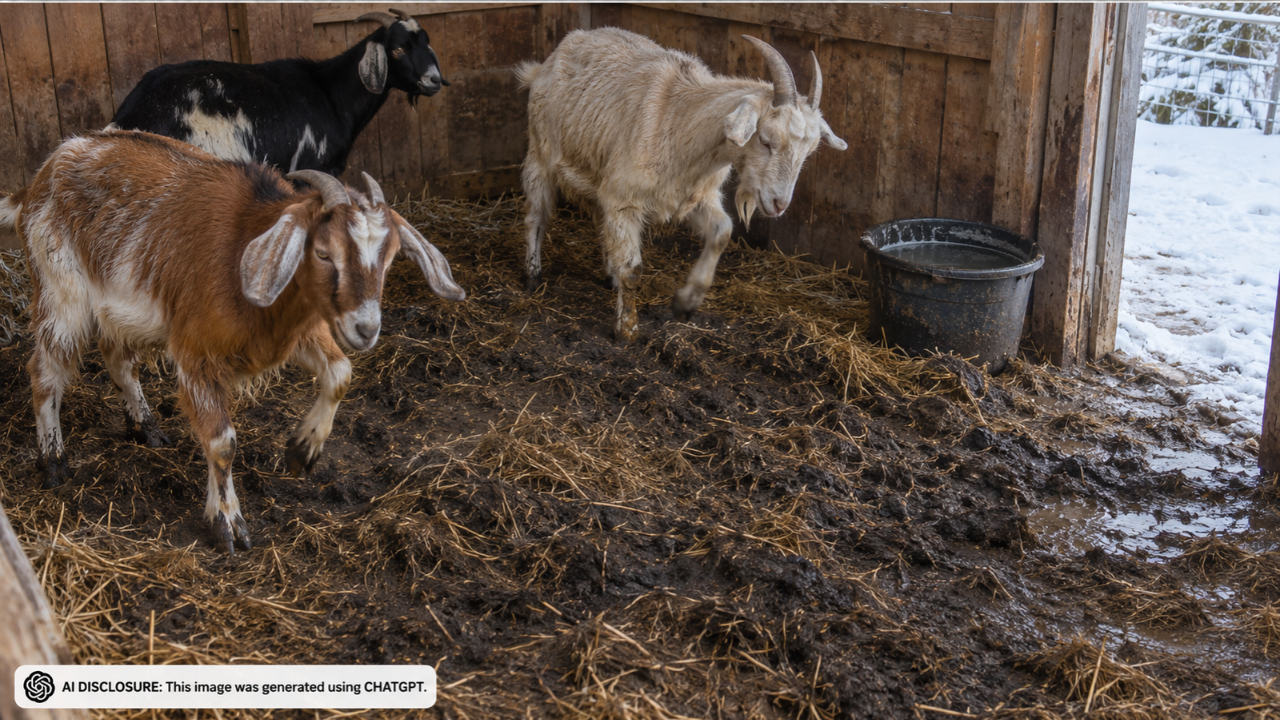
Deep bedding works when it stays dry on top. When it packs hard, goes dark, and smells sharp, the surface chills, hooves stay wet, and body heat gets pulled away all night. You’ll see more stamping and shifting because they can’t get comfortable.
Add fresh bedding often enough that the top stays springy, and fork out wet spots around doors and waterers. If your shelter floor is dirt, build up a crown so urine does not pool, and add a layer of gravel under high-traffic spots in the off-season. A little time with a fork now saves you a mess of foot problems later.
8. Coughing That Starts In The Shelter
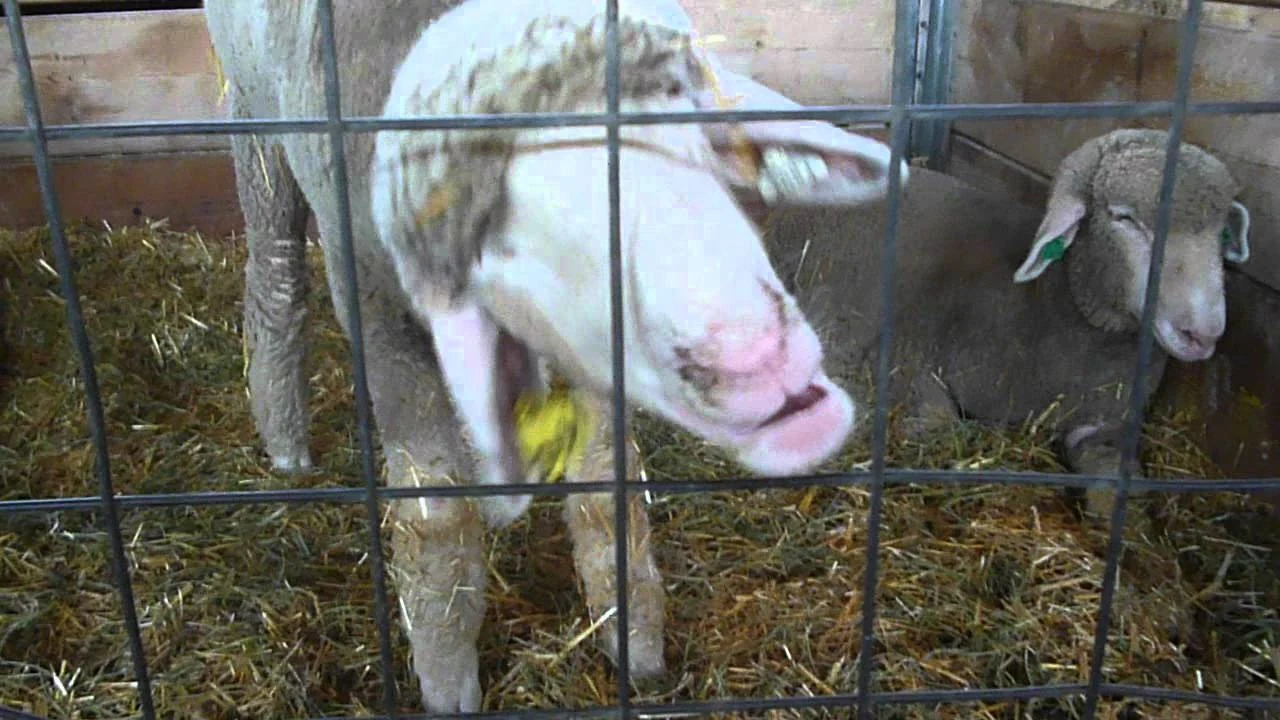
When you walk into the shed and hear coughing kick up, the air is wrong. Ammonia from urine and moisture trapped inside can irritate airways, and cold air makes it worse. People often “winterize” by sealing everything tight, then wonder why animals cough.
Ventilation is the fix, but it has to be smart. Add openings up high where warm, wet air collects, and keep the lower walls blocked from wind. If your eyes sting or the barn smells strong, it needs more air exchange and more bedding management.
9. Refusing The Shelter At Night
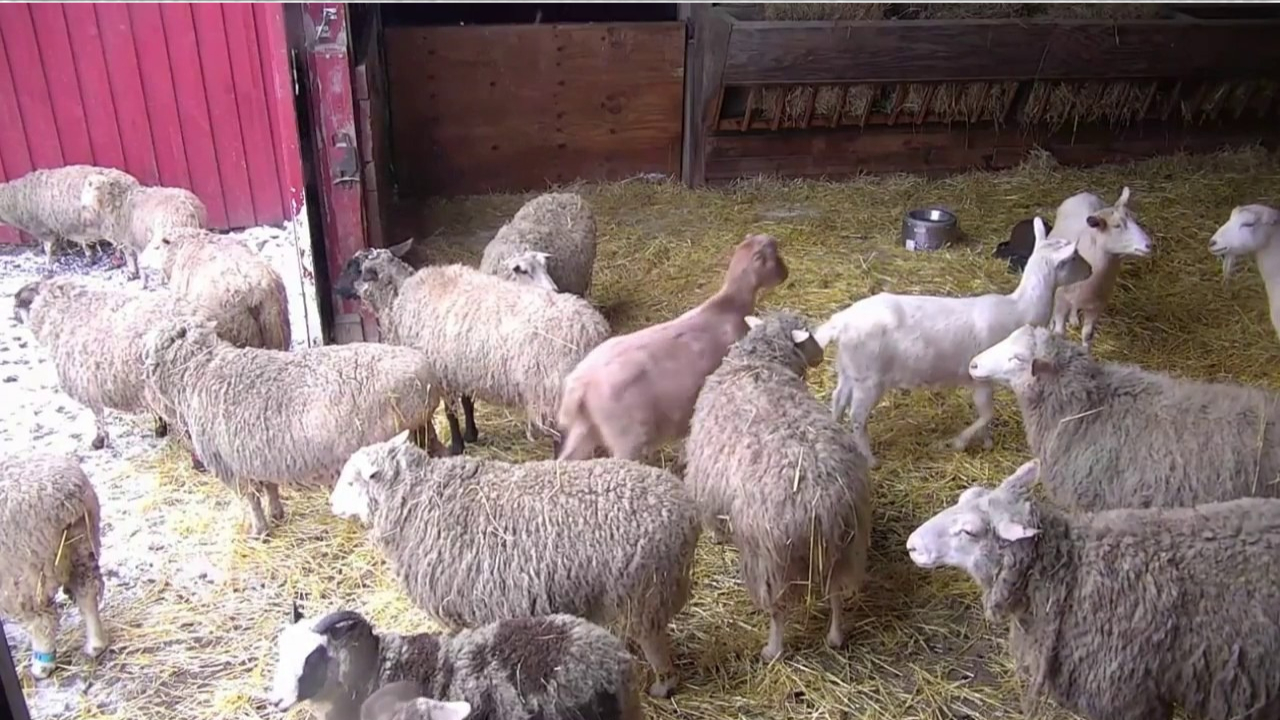
It’s easy to assume they’re being stubborn, but animals avoid shelters for reasons. A draft that hits right at bed height, a bully guarding the doorway, or a wet, slick floor will make them bed down outside even in bad weather. If they’re choosing snow over the shed, something is off.
Watch where they stand and who gets pushed out. Widen the entrance, add a second doorway, or create a second sleeping area so low-ranking animals can get out of the line of fire. And check for dripping roofs and icy thresholds, one nasty slip teaches them the shed is a bad place.
10. Clumped Snow On Wool Or Hair

Snow stuck in beads along the belly and legs means they’re losing body heat into a wet layer that keeps re-freezing. For sheep, a good fleece sheds normal snow pretty well, but once it’s packed with icy clumps, insulation drops. For goats, snow balls on a short coat can turn into chilled skin fast.
Do not rush to blanket everyone as the first move. Blankets can work for a freshly shorn sheep or a very thin animal, but they also slip, rub, and trap moisture if they’re not fitted and checked daily. The cheap option is sometimes fine here, a dry, draft-free shelter and deep bedding beats a wet blanket every time.
Winter setups that work are usually boring. Dry bedding, steady hay, unfrozen water, and a shelter that blocks wind without turning into a damp cave. Keep a quick daily routine, look for the odd one out in the group, and fix the small stuff before it stacks up.
Like Fix It Homestead’s content? Be sure to follow us.