
10 Signs a Weasel or Mink Is Working the Coop
Photo credit: Team Bamford/Youtube
You shut the birds in tight at dusk, you’ve got feed, water, and bedding handled, and then the coop still goes sideways overnight. A weasel or mink doesn’t act like a fox or raccoon, and the mess they leave behind has its own pattern. Catching the early hints saves birds, saves money, and keeps you from chasing the wrong fix.
1. Multiple Birds Killed, Hardly Eaten
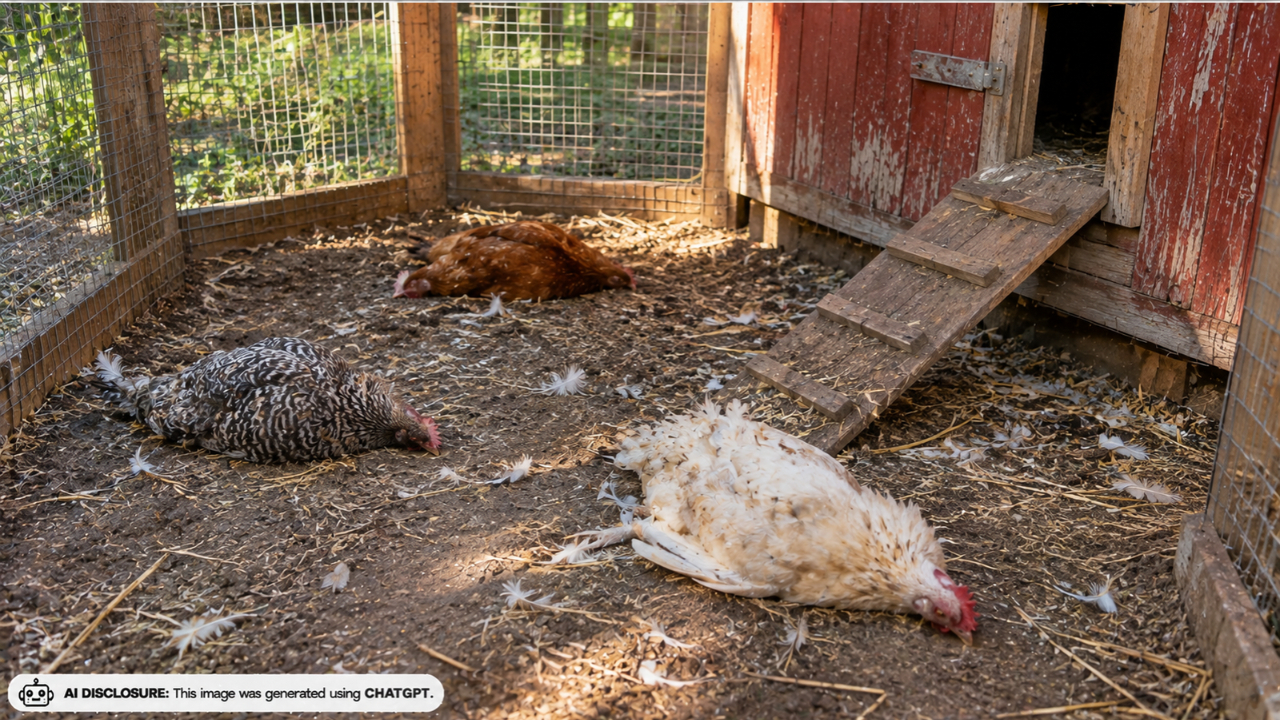
You walk in and find two, three, or more birds dead, with little or no meat taken. That “surplus killing” is a classic mustelid move, especially in tight spaces where panicked birds pile up. A fox tends to carry off one bird, then come back. A raccoon usually eats on site and leaves a bigger chew-and-tear scene.
Don’t waste time changing feed or blaming stress when the bodies tell the story. Lock birds into a hard-sided coop at night, not just a run, and start hunting for entry points you can cover with hardware cloth and solid latches.
2. Small Neck Punctures And Little Blood
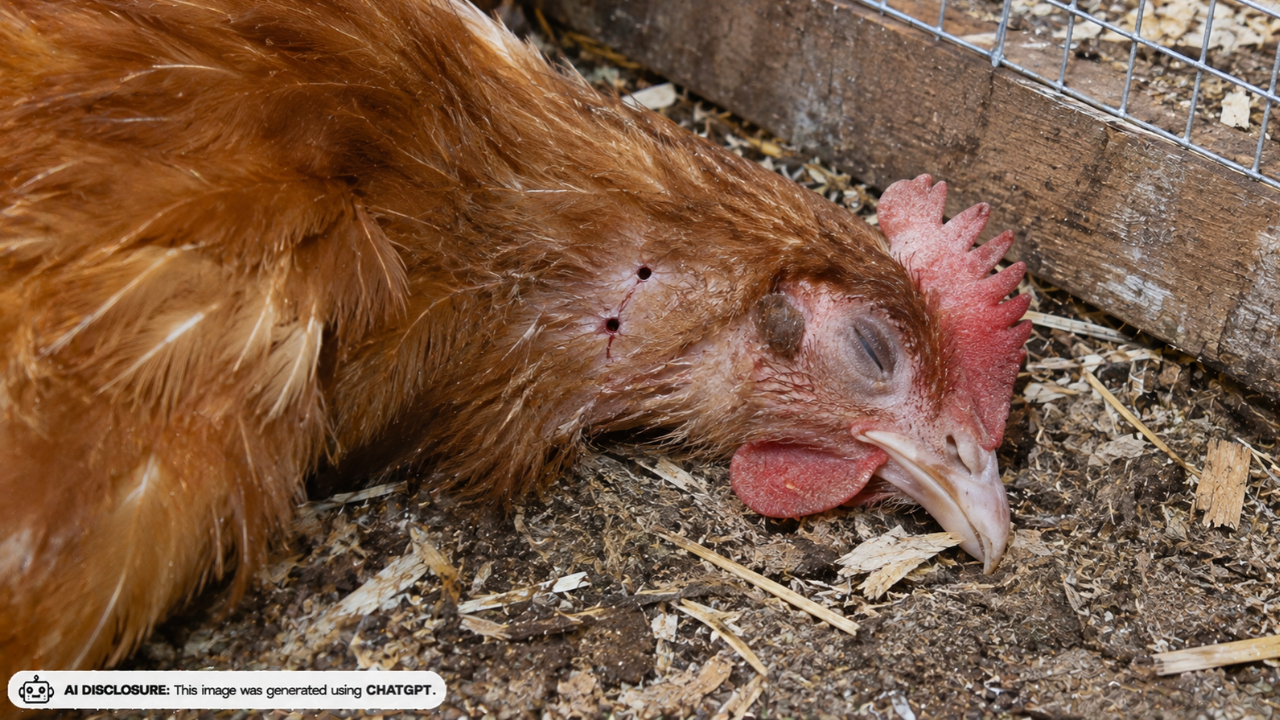
Look close at the head and neck. Weasels and mink often leave two tiny punctures near the base of the skull or throat, and there may not be much blood splashed around. Sometimes the bird looks almost “placed,” like it just fell over.
Use a good flashlight and take photos before you clean up. Those marks help you avoid chasing rats, owls, or a neighbor dog. Once you’ve seen it, you start checking every corner and seam like the predator would.
3. Birds Stacked Or Dragged Into Corners
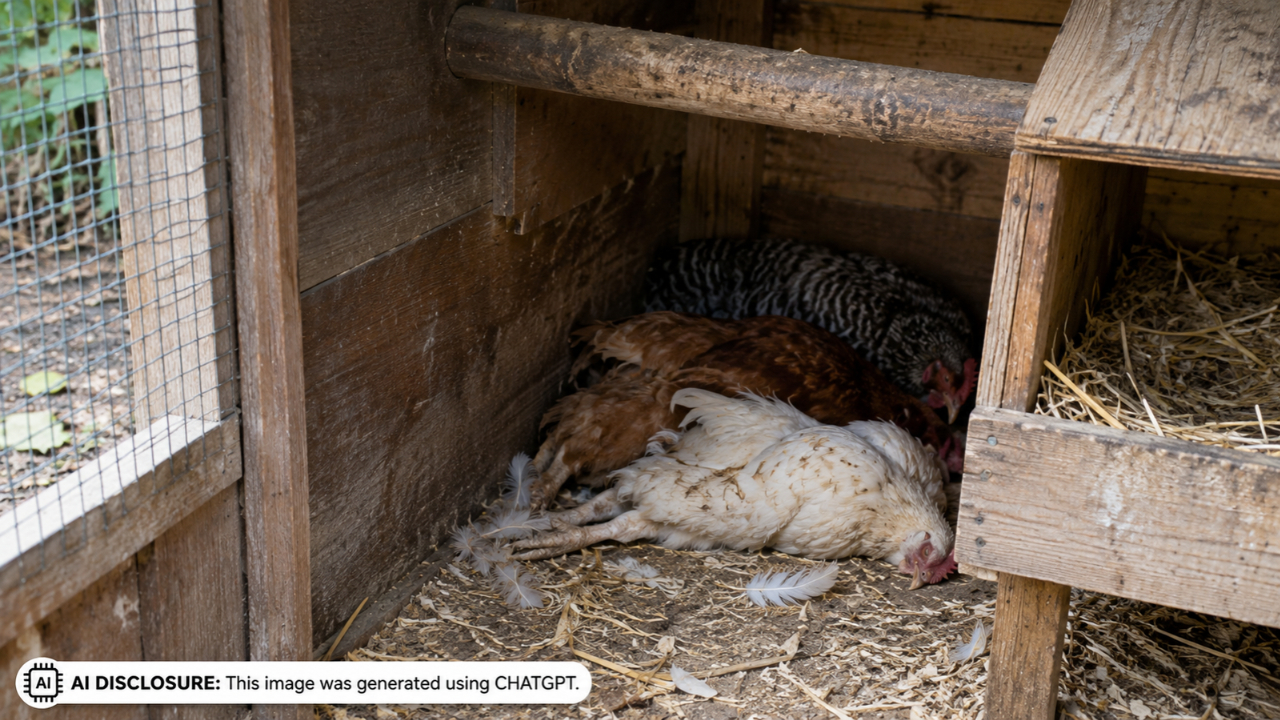
Finding birds piled in one spot, tucked under a roost, or dragged behind nest boxes is another tell. Mustelids work fast and low, and they like tight hiding spots. A bird can be pulled through places you’d swear are too small.
Clean out clutter inside the coop so you can see what happened. Then block the “easy drag” routes, like gaps behind built-in nesting units, and keep the floor clear enough to spot fresh tracks or droppings.
4. Half-Inch Gaps At Doors And Corners
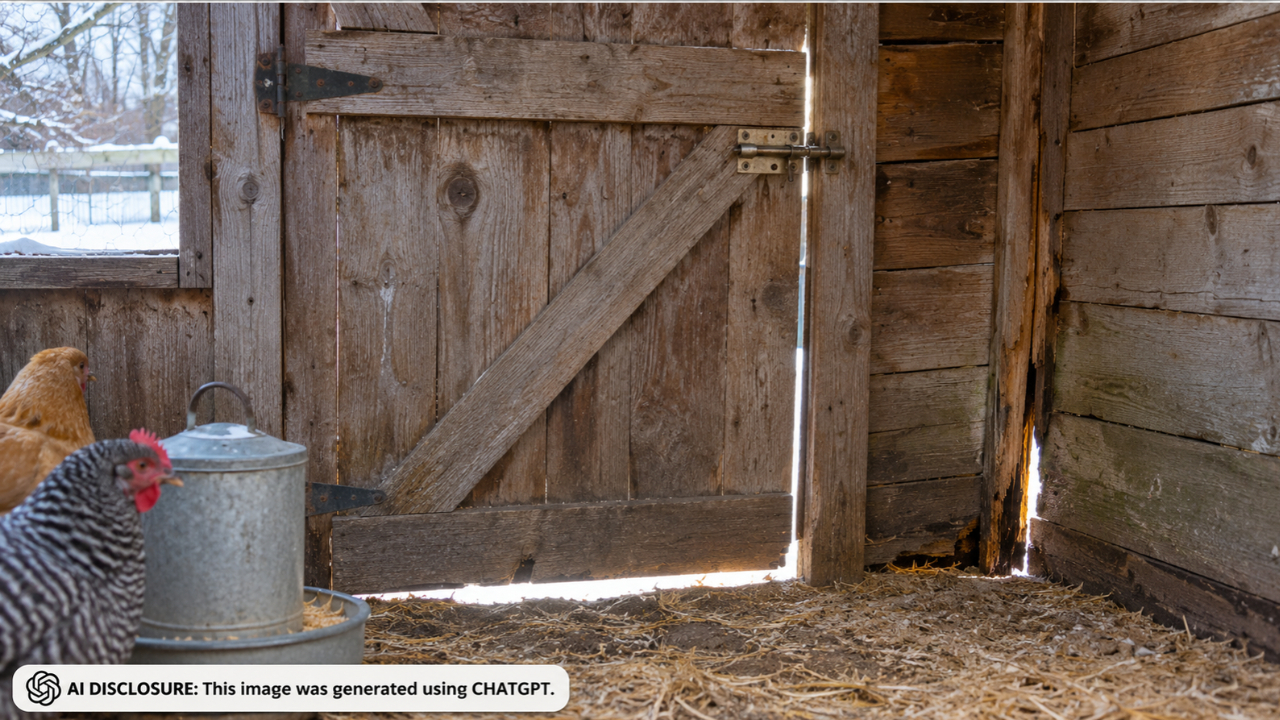
You can have a coop that looks solid from five feet away and still has one bad seam. Weasels can slip through gaps around 1 inch, sometimes less if the wood has flex and they can get their shoulders through. Mink are larger but still fit holes that surprise people, especially at warped doors and rotted corners.
Do the credit-card test around every door, pop hole, and window frame, and do it in winter when wood shrinks. Fixing it can be as simple as squaring a sagging door, adding a stop strip, and putting a real latch on it. If you can see daylight, it’s not done.
5. Chicken Wire That’s Bent, Cut, Or Pulled Loose
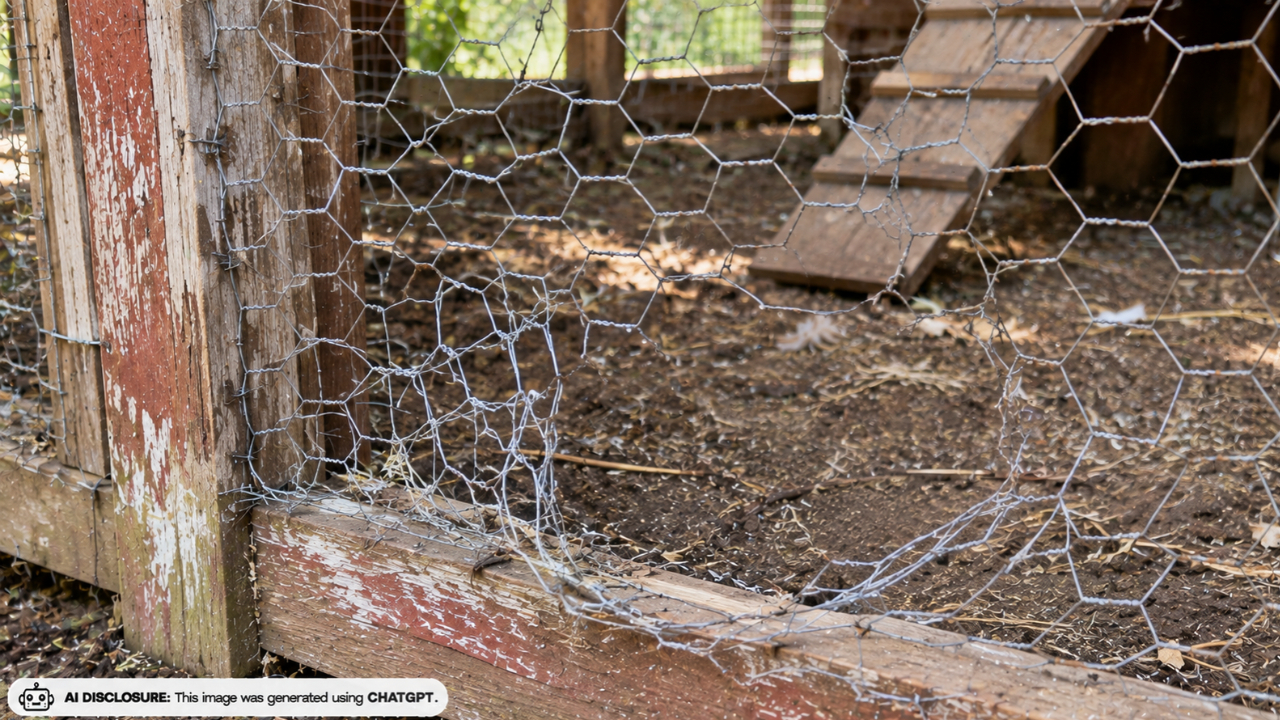
Chicken wire keeps chickens in, it does a lousy job keeping predators out. A determined animal can worry it until the staples pop, or find a spot where it’s already loose and peel it back. Sometimes it looks “ripped,” but it’s really the wire twisting and breaking at the hex joints.
Swap to 1/2-inch hardware cloth on coops and runs, and use screws with fender washers instead of staples so it can’t be tugged free. If budget is tight, here’s the honest exception: chicken wire is fine for a daytime garden fence or to keep birds out of places. It just isn’t a predator barrier.
6. Wet, Fishy Smell Near The Run

Mink, in particular, can bring a sharp, musky, fishy smell, especially if you’re near a creek, pond, or drainage ditch. You’ll notice it near the run perimeter, under the coop, or along a wall where they travel. Weasel scent is musky too, just not always as “water” smelling.
Don’t cover it with lime and call it handled. Walk the outside edge at dawn with your nose and a light, and look for the travel lane. Trim weeds down short and clear brush piles so you’re not giving cover right up to the wire.
7. Tracks In Dust, Flour, Or Fresh Snow
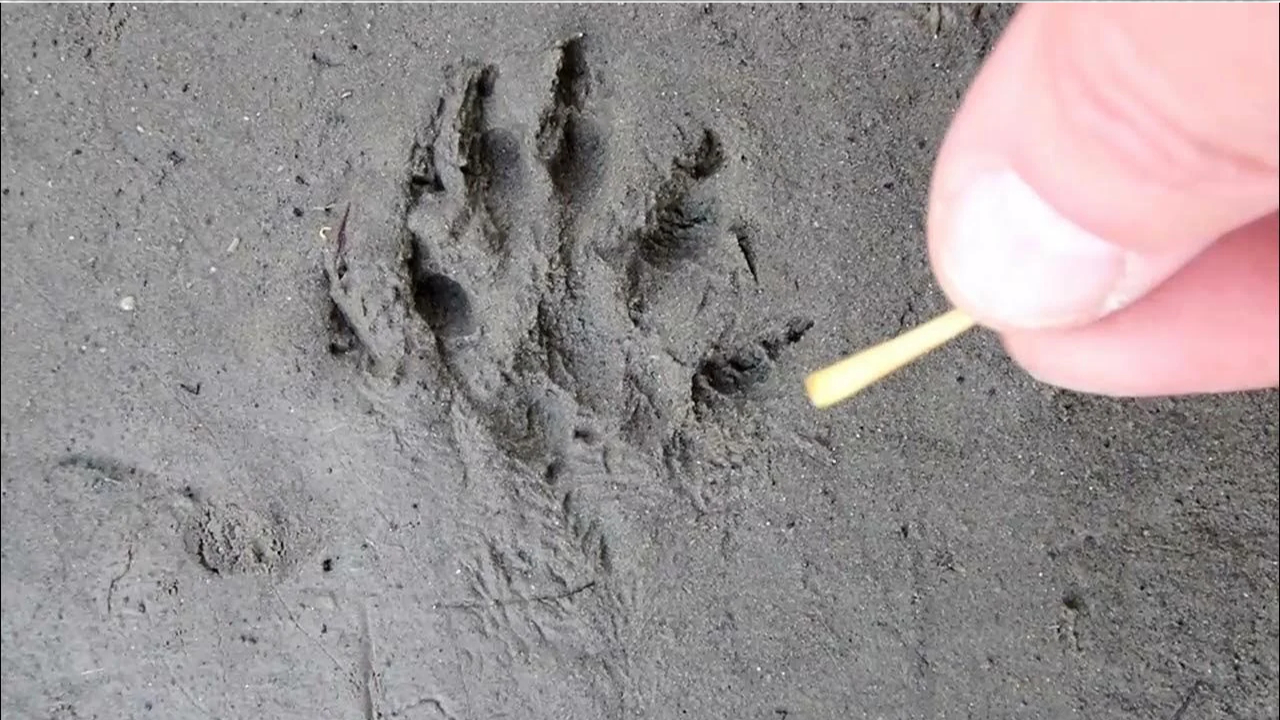
If the ground is dusty, or you had a light snow, you can get lucky and see prints. Mustelids leave small five-toed tracks, often in pairs or a bounding pattern. Around coops, that can show up as a tight line right along the wall, under a gate, or to one specific corner.
To confirm without guessing, dust a thin layer of flour or fine dry sand outside the coop entrances for one night, out of reach of rain. In the morning, photograph what you see before chickens stomp it. It’s a cheap trick that can save you from rebuilding the wrong side of the run.
8. Quiet Nights With Sudden Panic Screams
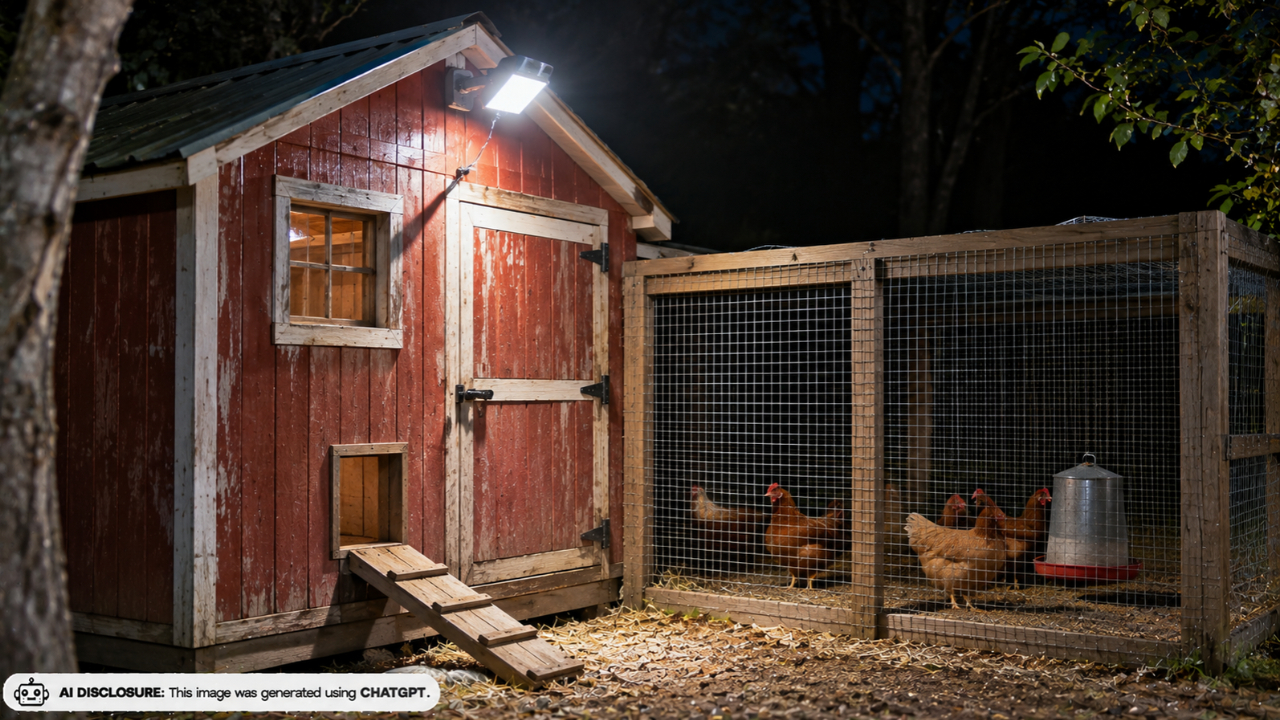
Most nights you’ll hear the usual settling sounds, then nothing. A weasel attack can flip that, one burst of frantic squawking, wing thumps, then silence. If you’ve ever heard it, it’s hard to forget.
If you get repeated “panic then quiet” nights, stop free-ranging at dusk and lock birds up earlier. Add a motion light aimed outside the coop, not inside where it disturbs roosting. Lights won’t stop a determined predator, but they do help you see where it’s coming from.
9. Eggs Missing Without Shells Or Mess

Raccoons often leave shells and goo. Snakes swallow whole eggs but usually don’t kill birds in the same visit. A weasel can take eggs and slip out without much evidence, especially if the nest box has an easy gap behind it or a loose lid.
Check nest boxes for hidden voids and soft wood that’s easy to chew. Fix lids so they close tight, and add a simple interior barrier so there isn’t a straight shot from an exterior crack into the nest area. Losing eggs is annoying, but it’s also your early warning before you lose hens.
10. Attacks Spike Near Water Or Cold Snaps
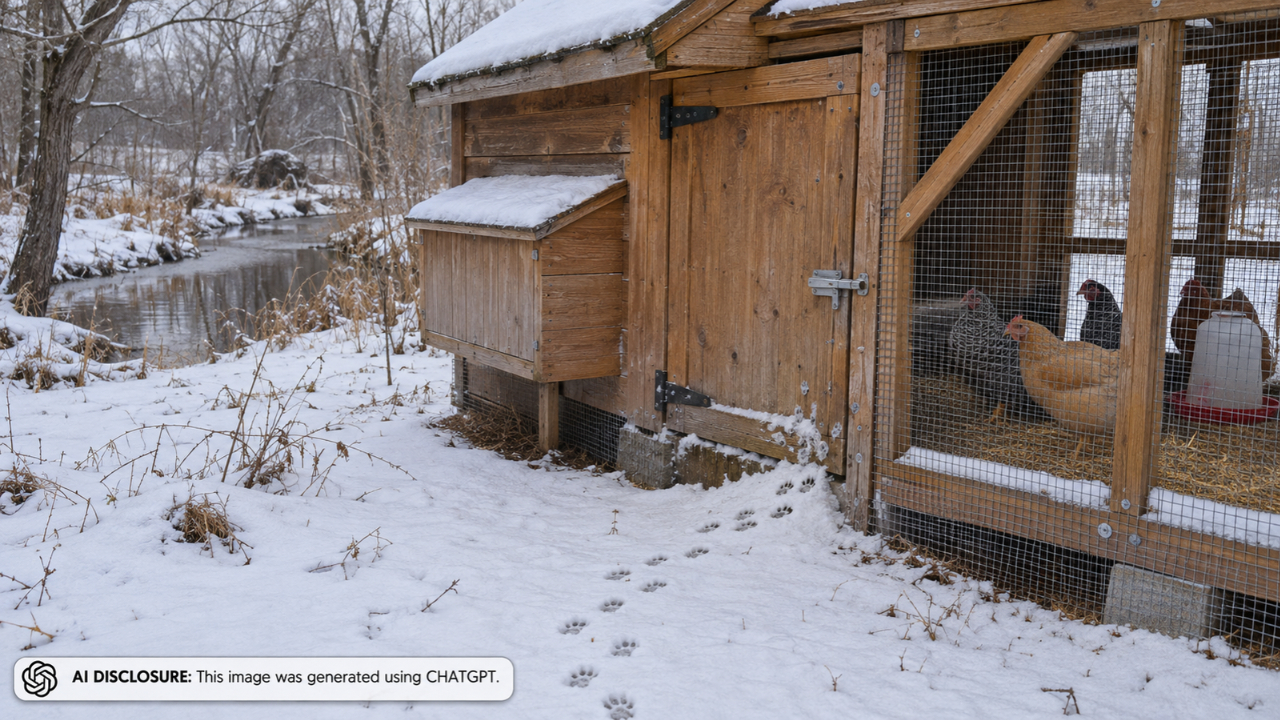
Season and location matter. Mink pressure goes up near water, and cold snaps push predators to hunt harder and take risks. You’ll see more daylight scouting and more repeated attempts at the same weak spot.
If your coop sits within a short walk of a creek, ditch, or pond, take that seriously and build like something is already testing it. In winter, recheck latches and door fit every couple of weeks since freezing and thawing can twist wood and pop fasteners loose.
If signs are pointing to a mustelid, act like the next visit is tonight, not next weekend. Close gaps first, then upgrade wire and latches, and only after that worry about extras like lights or scents. A tight coop beats any gimmick.
Like Fix It Homestead’s content? Be sure to follow us.