10 Wood Stove Habits That Are Quietly Dangerous
Photo credit: Mgstudyo/istock.com
A wood stove feels simple, until a small habit turns into a smoky room, a warped stove, or a chimney fire. Most problems start quiet, a lazy shortcut, a “just this once” load of wood, a skipped check because it’s cold out. If you burn often, these are the routines that sneak up on you.
1. Burning “Almost Dry” Firewood
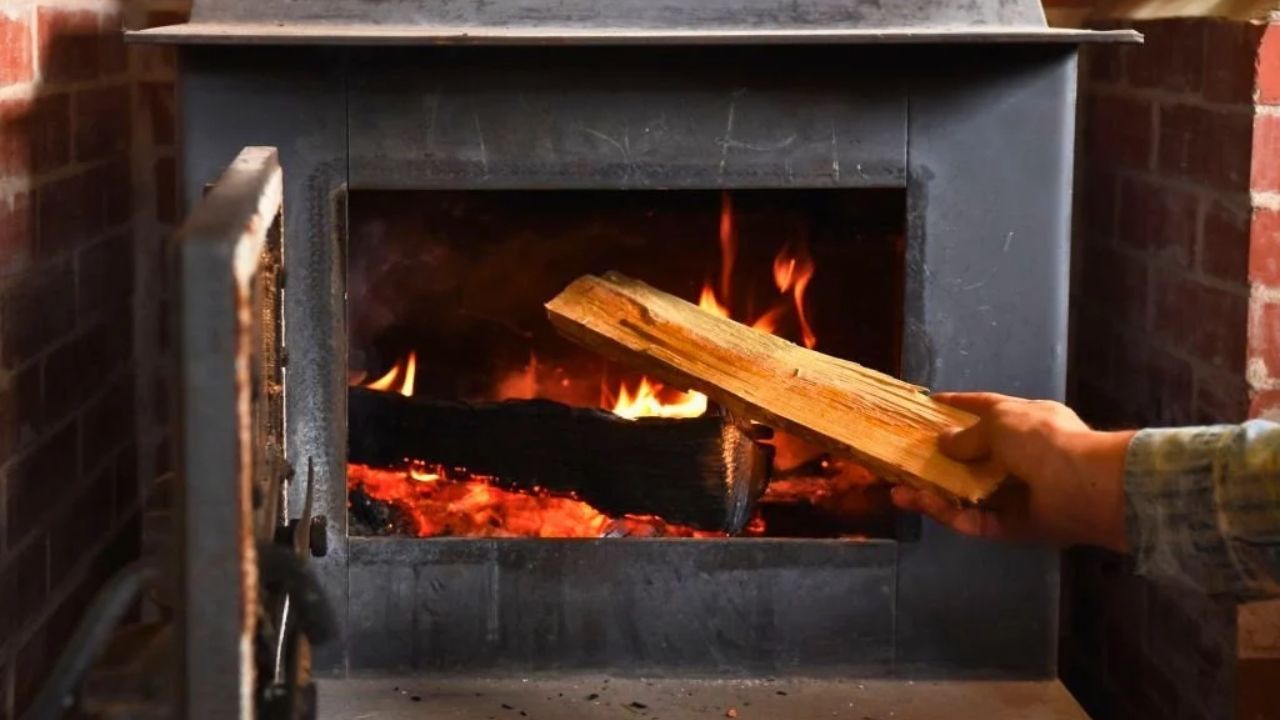
Wet wood hisses, smolders, and makes your stove look like it’s working when it’s really just making creosote. You’ll see a lazy orange flame, hear a soft sizzle, and get that sharp smoke smell outside that hangs low. The payoff for burning damp rounds is a dirty glass, a sluggish draft, and a chimney that needs cleaning sooner.
Get a cheap pin-style moisture meter and split a log to test the fresh face, not the end grain. For most stoves, you want properly seasoned wood that lights fast and burns clean. If your wood pile is questionable, mix in a few known-dry splits each load and plan now for next year’s stack, off the ground, top covered, sides open to wind.
2. Closing The Air Down Too Far
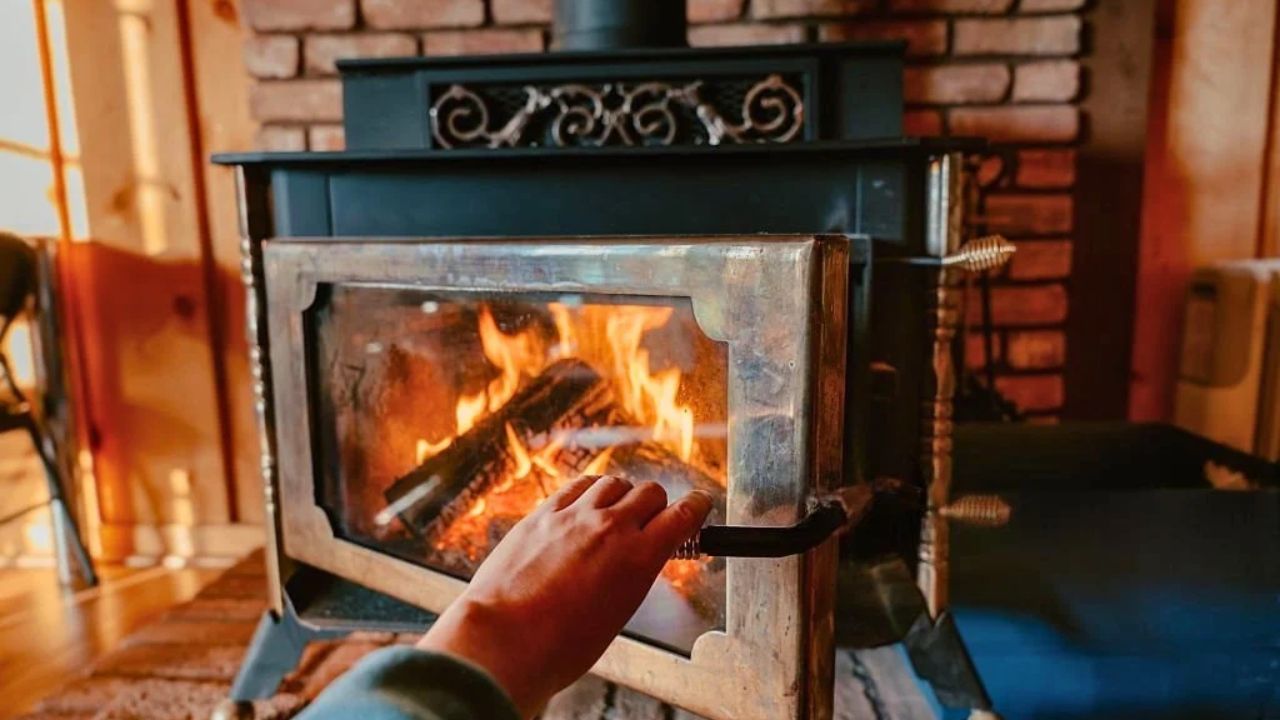
People do it to “make it last all night,” then wake up to a stove full of black chunks and a flue that’s been running cool for hours. That low-air smolder is a creosote factory. It also makes smoke roll when you crack the door, because the fire never got hot enough to build a strong draft.
Run the stove hot enough to establish a clean burn, then step the air down in stages. If you can’t keep steady heat without choking it, the wood is often the real problem, or the stove is oversized for the space. A stove that’s too big for the room gets babied, and that’s hard on the chimney.
3. Skipping The Chimney Inspection Schedule
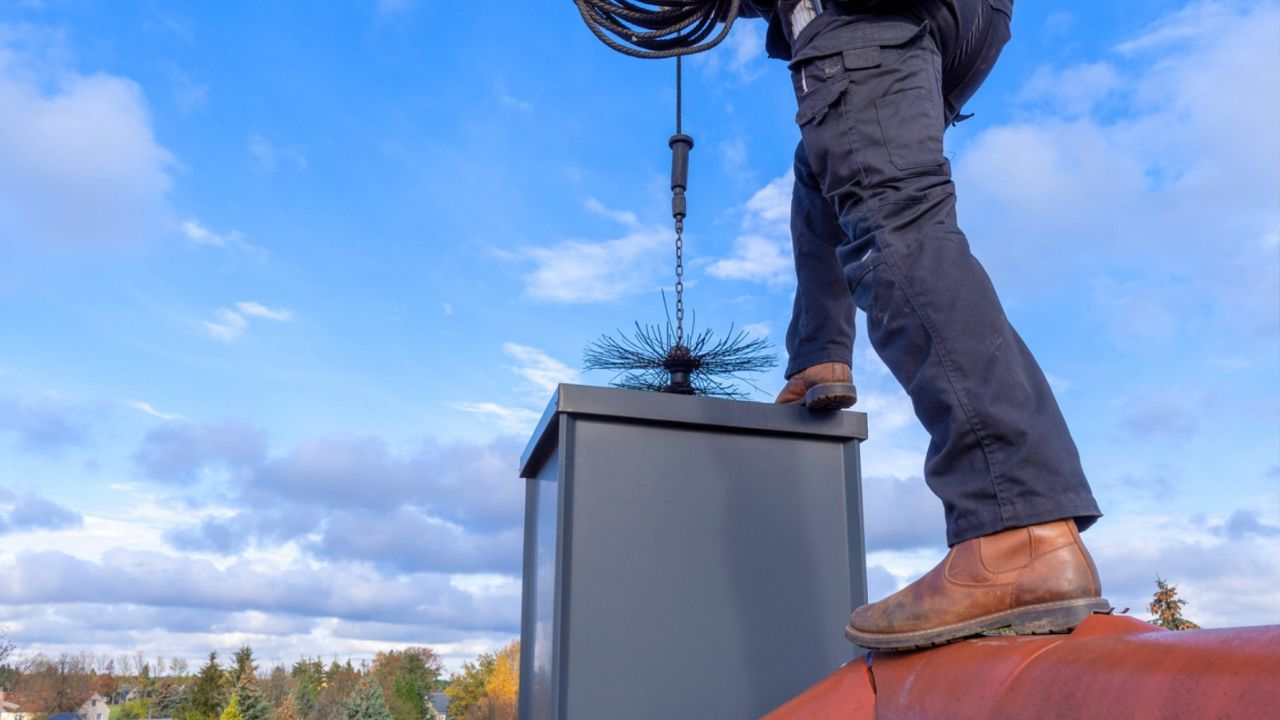
A flue can look fine from the ground and still have a thick, shiny layer inside. The first sign is sometimes a roaring sound like a freight train and sparks shooting from the cap. That’s already too late for a casual “maybe next weekend” plan.
Have the system inspected on a schedule that matches how you burn, heavy use needs more attention than a few weekend fires. A certified sweep has brushes sized for your liner, a camera, and the experience to spot cracked tiles, bad joints, and clearances that are off. If you DIY clean, still pay for an inspection now and then, especially after changing stoves, liners, or fuel.
4. Ignoring A Weak Draft On Warm Days
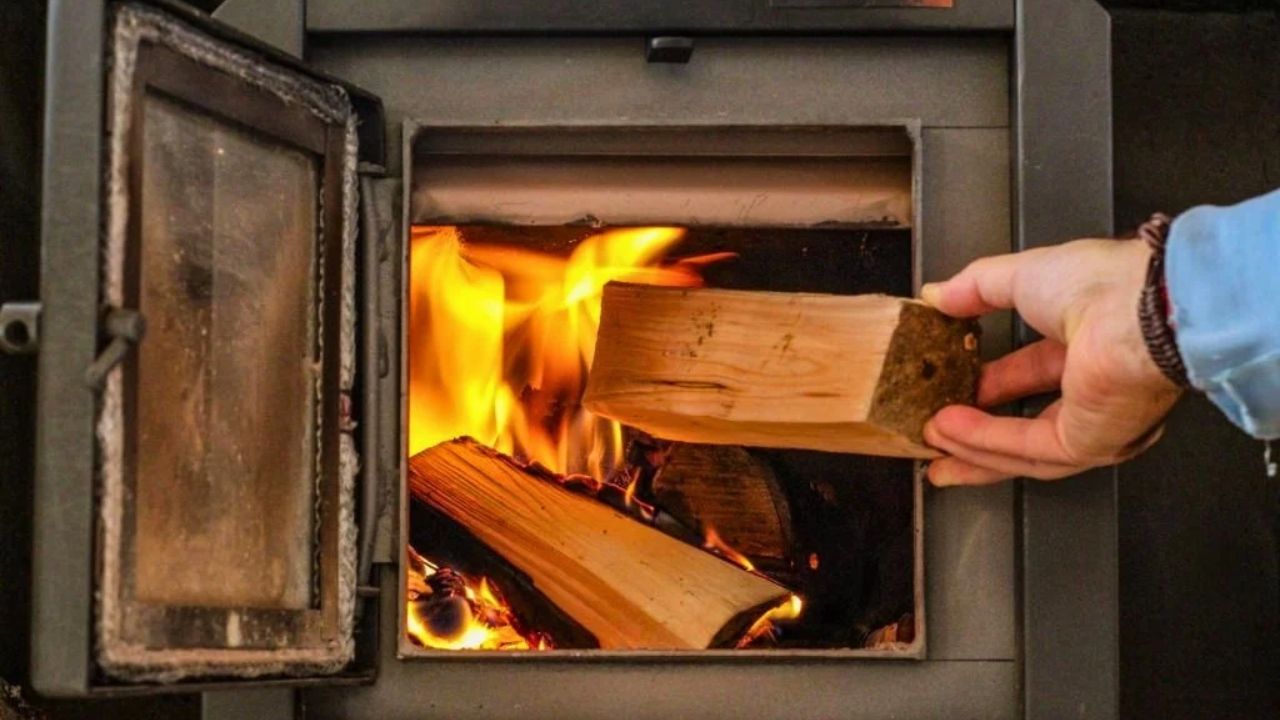
Shoulder season is when the stove acts weird. It’s 45 degrees out, you light a small fire, and smoke wants to drift into the room instead of up the pipe. A lazy draft can also show up in a tight house with bath fans, range hoods, or a dryer running.
Crack a nearby window a half inch during startup and see if the problem improves. Pre-warm the flue with a short kindling burn or a tight roll of newspaper held near the flue path before you commit to a full load. If the stove backpuffs regularly, don’t shrug it off, a pro should check chimney height, cap, liner size, and whether negative pressure is fighting you.
5. Storing Ashes In A Plastic Bucket
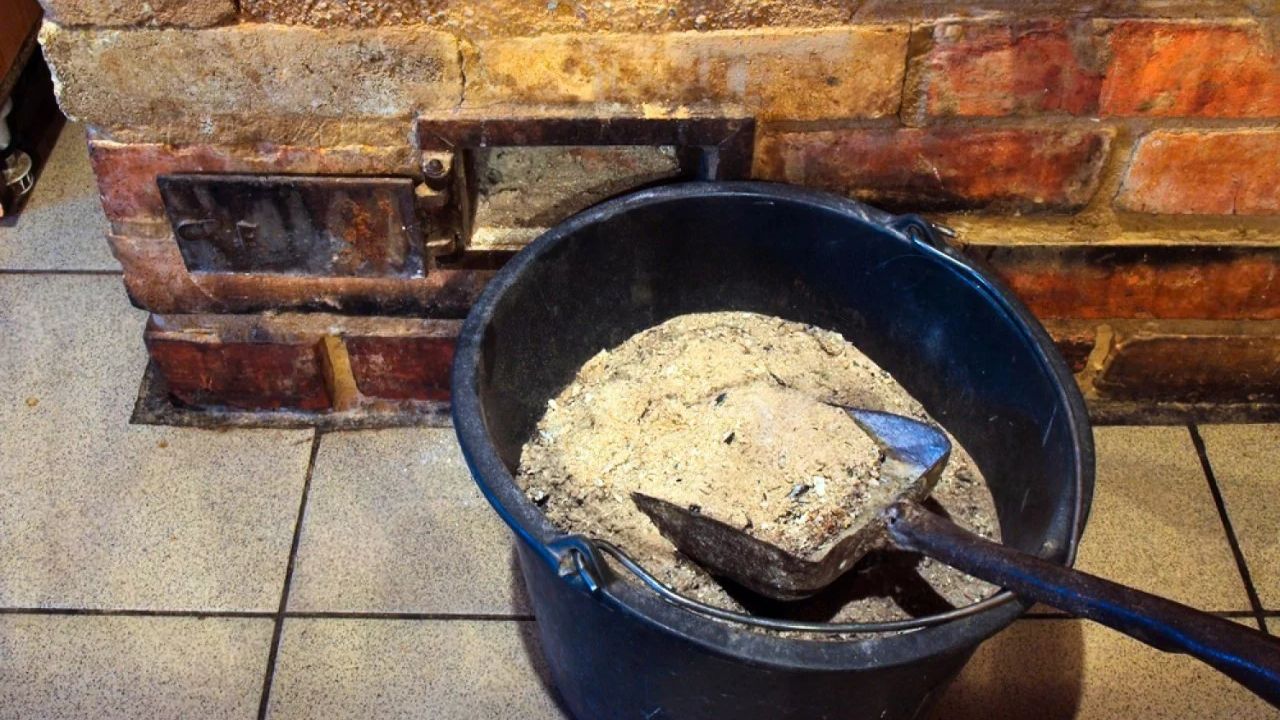
This one starts as a tidy habit. You scoop ashes, the bucket looks harmless, and then a live coal finds air later in the day. Plastic softens, the bucket tips, and you’ve got a floor problem that turns into a house problem.
Use a metal ash bucket with a lid, set it on a non-combustible surface, and keep it outside away from siding, decks, and firewood stacks. Ashes stay hot longer than you think, a couple days is normal. When you finally dump them, do it in a bare spot or into a metal container, not into a trash can full of paper.
6. Using The Stove Area As Storage
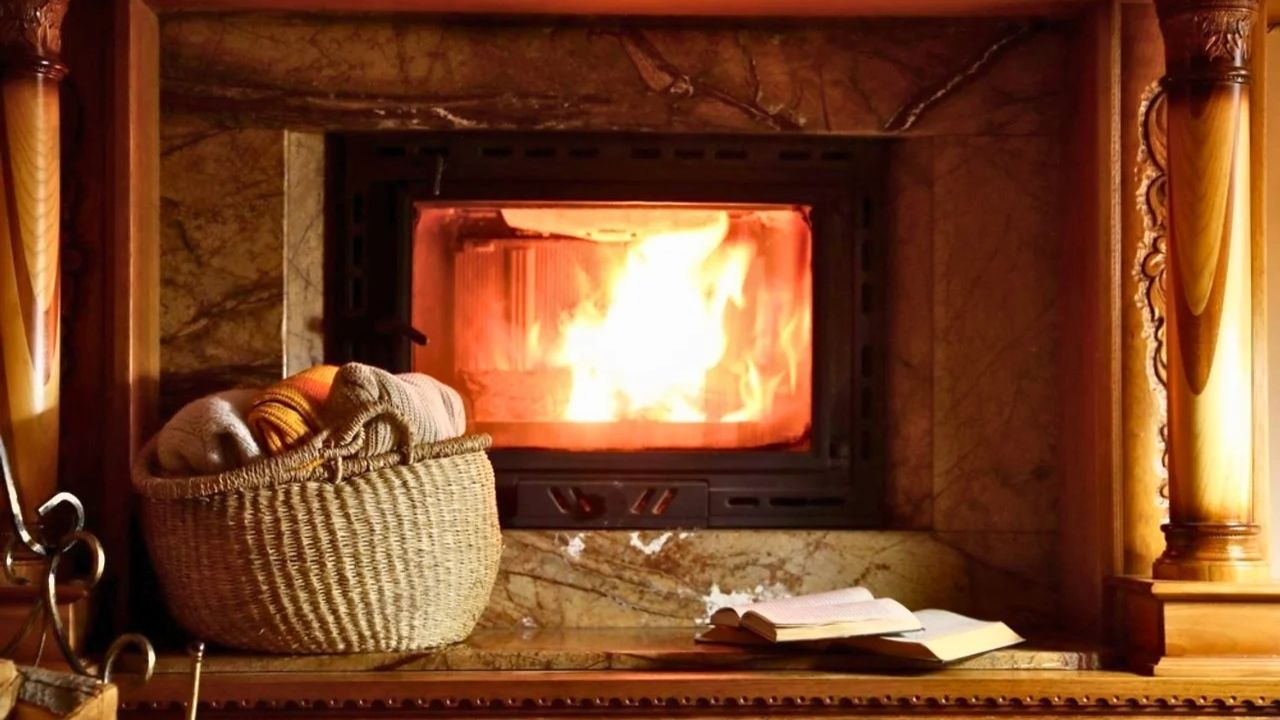
Gloves on the hearth. Kindling stacked next to the stove. A laundry basket “just for a minute.” It’s the easiest way to turn a normal burn into scorched stuff or a fast-moving fire, especially when someone trips or a pet brushes past.
Give the stove the clear space the manual calls for, and treat that boundary like a no-drop zone. If you need a place for tools and gloves, hang them on a wall outside the clearance area or use a metal rack set well back. The stuff that wants to live near the heat needs to find a new home.
7. Cleaning Stove Glass With The Wrong Stuff
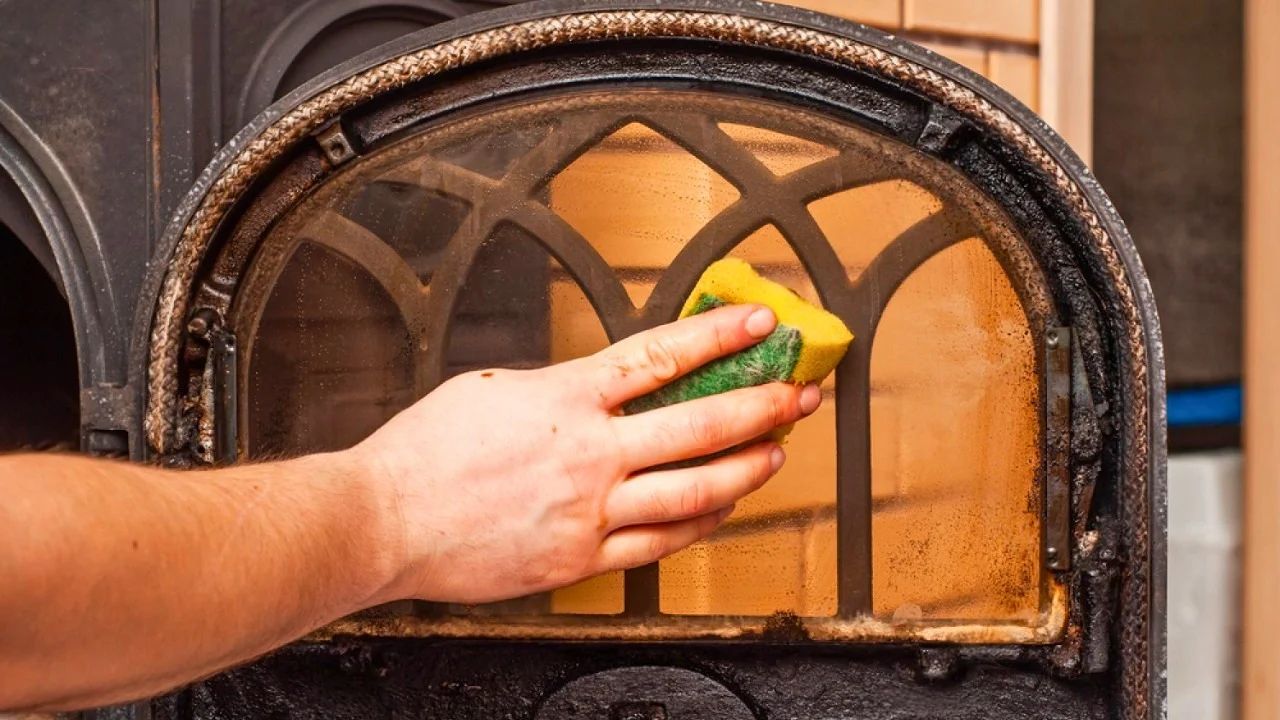
Spraying regular glass cleaner on hot glass can bake on a nasty film, and some cleaners leave fumes you don’t want in your living room. Scraping with a knife is worse. One slip and you’ve gouged the glass or damaged the gasket that seals the door.
Wait until it’s cool. Use a damp paper towel dipped in fine ash for light haze, or a cleaner made for stove glass for heavier buildup, following the label. If the glass blacks up fast every week, treat that as a burn quality issue, not a cleaning problem.
8. Forgetting Door Gaskets Wear Out
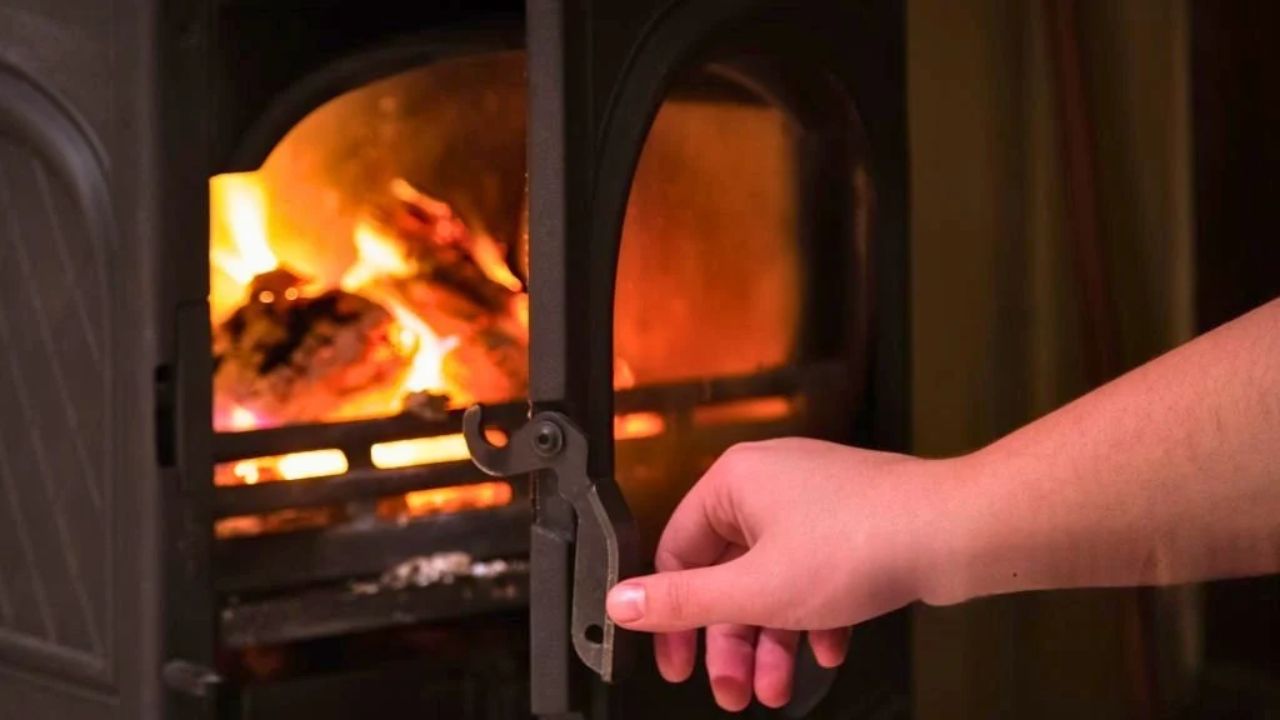
A gasket fails quietly. The stove still “works,” but it gets harder to control, wood burns too fast, and you chase temperature swings. You might see a faint line of soot at the door edge or notice the latch doesn’t feel snug anymore.
Do a simple dollar-bill test around the door when the stove is cold, close the door on the bill and tug. If it slips easily in spots, it’s time. Replacing gasket rope is usually a DIY job with the right size rope and cement, but if the door is warped or the latch won’t adjust, a stove shop visit is money well spent.
9. Running A Fan The Wrong Direction

Blasting a fan straight at the stove often just makes one room hotter and pushes cold air into corners. It can also stir ash and dust if you’re cleaning up near the hearth. The habit feels productive, but you still end up with a hot ceiling and cold floors.
Instead, move the cold air toward the stove along the floor. A small fan in a doorway pointing out of the cold room can help the warm air flow in high while the cool air slides back low. The exception is a ceiling fan on low in winter direction, that gentle updraft can smooth the room without making a draft you hate.
10. Treating Stovepipe Smoke As “Normal”
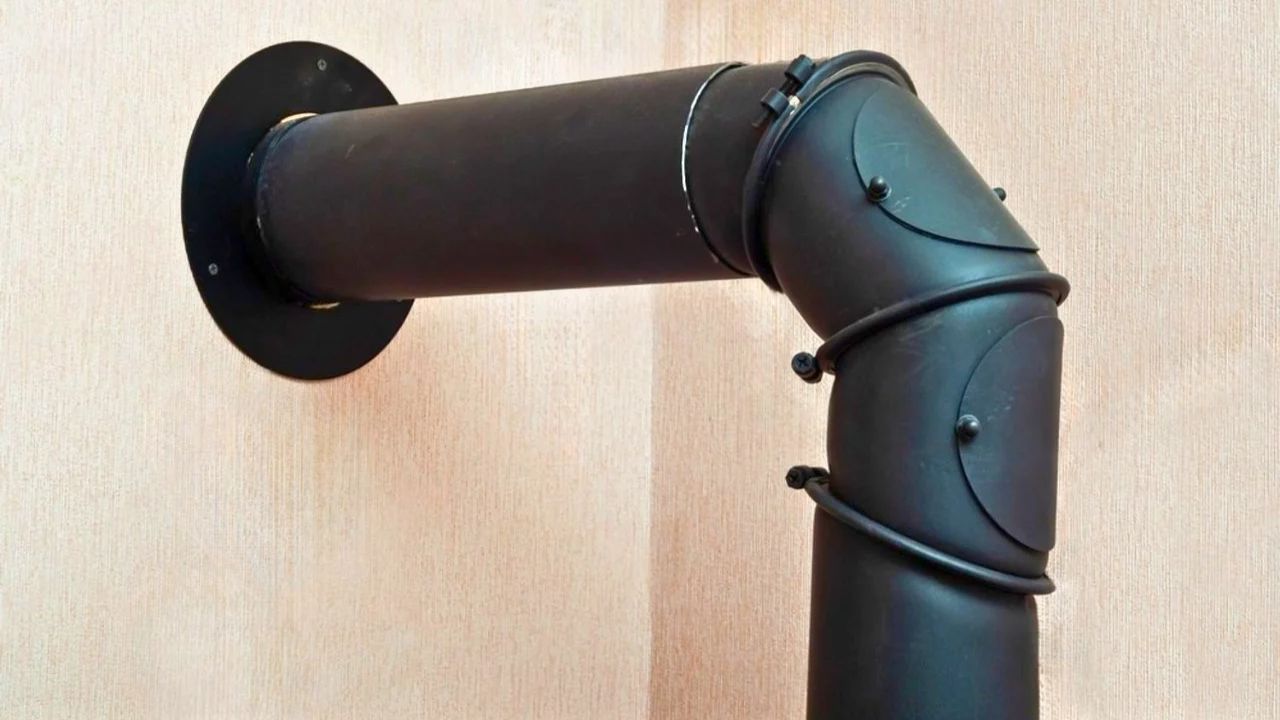
If you see smoke leaking at a joint, smell smoke near the pipe, or find soot streaks on the outside, don’t accept it. Leaky pipe joints dump smoke and fine particles into the house, and the same leak can pull room air into the flue and cool it down, which feeds creosote. Sometimes you’ll hear a faint ticking and popping from a pipe that’s overheating because the burn is out of control.
Let everything go cold, then check that the pipe sections are properly oriented, secured with the right screws, and seated fully. Replace damaged sections, don’t try to “patch” rusted pipe with random tape. If the setup is more than a simple single-wall run, or if clearances look tight, get a licensed installer to look at it and follow local code, permits exist for a reason.
Wood heat rewards steady routines. Once you get your wood dry, your draft predictable, and your clearances respected, the stove stops being a winter worry and turns back into a tool you can count on.
Like Fix It Homestead’s content? Be sure to follow us.
- Man Says He Found Out the Fence He Paid For Wasn’t Actually on His Property
- Woman Says Her Neighbor Started Taking Mulch From Her Delivery Pile Before She Could Even Spread It
- I made Joanna Gaines’s Friendsgiving casserole and here is what I would keep
- What Caliber Works Best for Groundhogs, Armadillos, and Other Digging Pests?