10 Things That Make a Dryer Vent a Fire Hazard
Photo credit: WILLIAM MORGAN/istock.com
A dryer looks harmless until it starts running hot and staying hot. Most vent fires start the same way, with lint building up where you can’t see it and heat having nowhere to go. A little neglect, one wrong material choice, or a vent that’s just plain poorly routed can turn a routine load of towels into a smoky mess.
1. Crushed Or Kinked Vent Hose
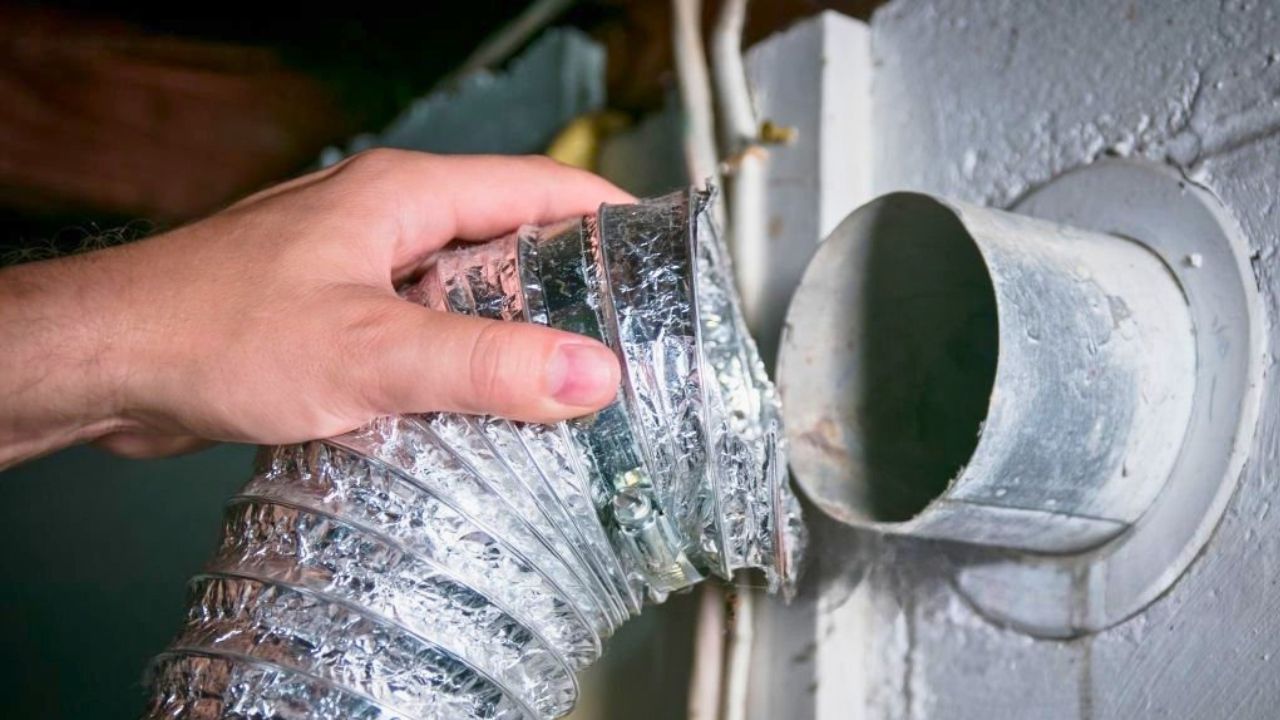
This happens the first time you shove the dryer back into place and hear that dull scrape. The flexible duct gets pinched flat behind the machine, airflow drops, and the dryer runs longer and hotter to get clothes dry. That extra heat bakes lint onto the duct walls and raises the risk fast.
Pull the dryer out and look with a flashlight. If the hose has hard creases or a section that stays flattened, replace it, don’t “un-kink” it and hope. Leave a little breathing room behind the dryer, and if space is tight, a periscope-style rigid connector is often a better fit than a long loop of flex.
2. Plastic Or Foil Accordion Ducting
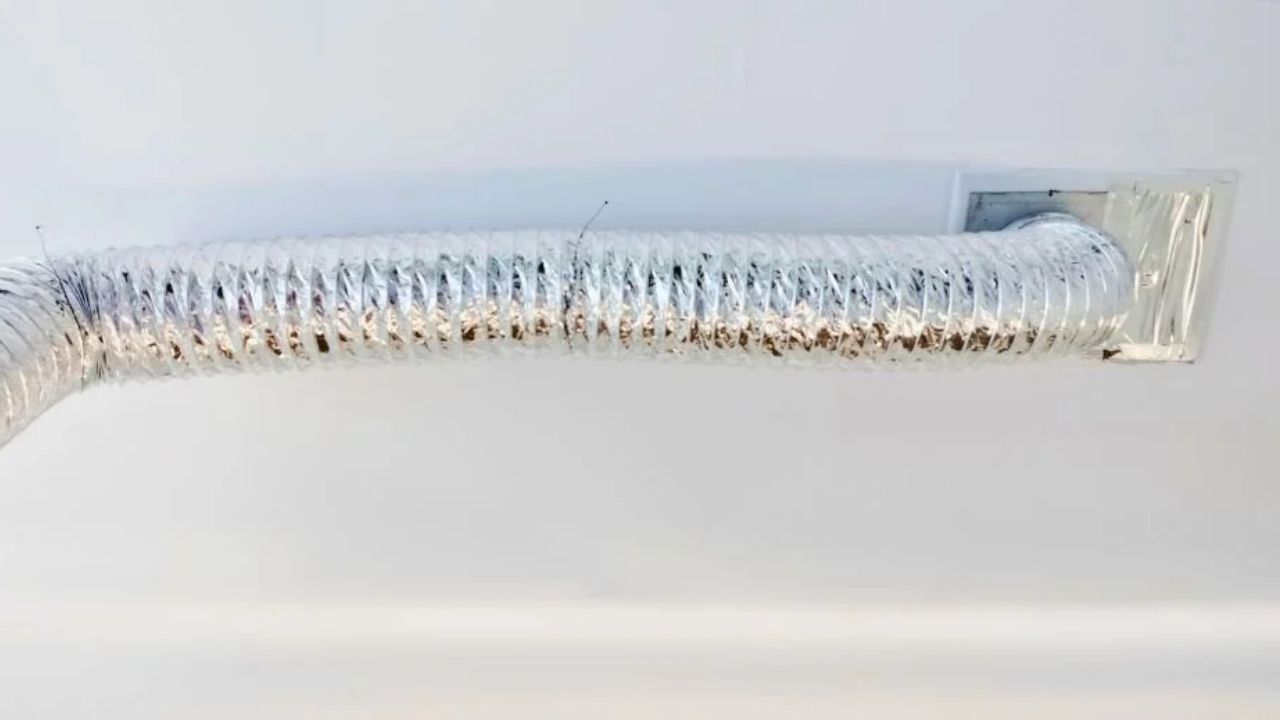
The cheap white plastic hose and the thin foil accordion stuff are common in older homes and rentals because they’re a few bucks and easy to slap on. They also trap lint in every ridge, tear easily, and don’t handle heat well. If they sag, lint piles up in the low spots like a gutter full of leaves.
Swap to smooth-walled metal, either rigid pipe or a short run of listed semi-rigid metal where flexibility is needed. An honest exception, short semi-rigid metal flex is fine behind a dryer when it’s kept short, stays mostly straight, and you can access it for cleaning. The key is metal and smooth, not a long silver slinky snaking across the floor.
3. Lint Packed Into The Vent Line
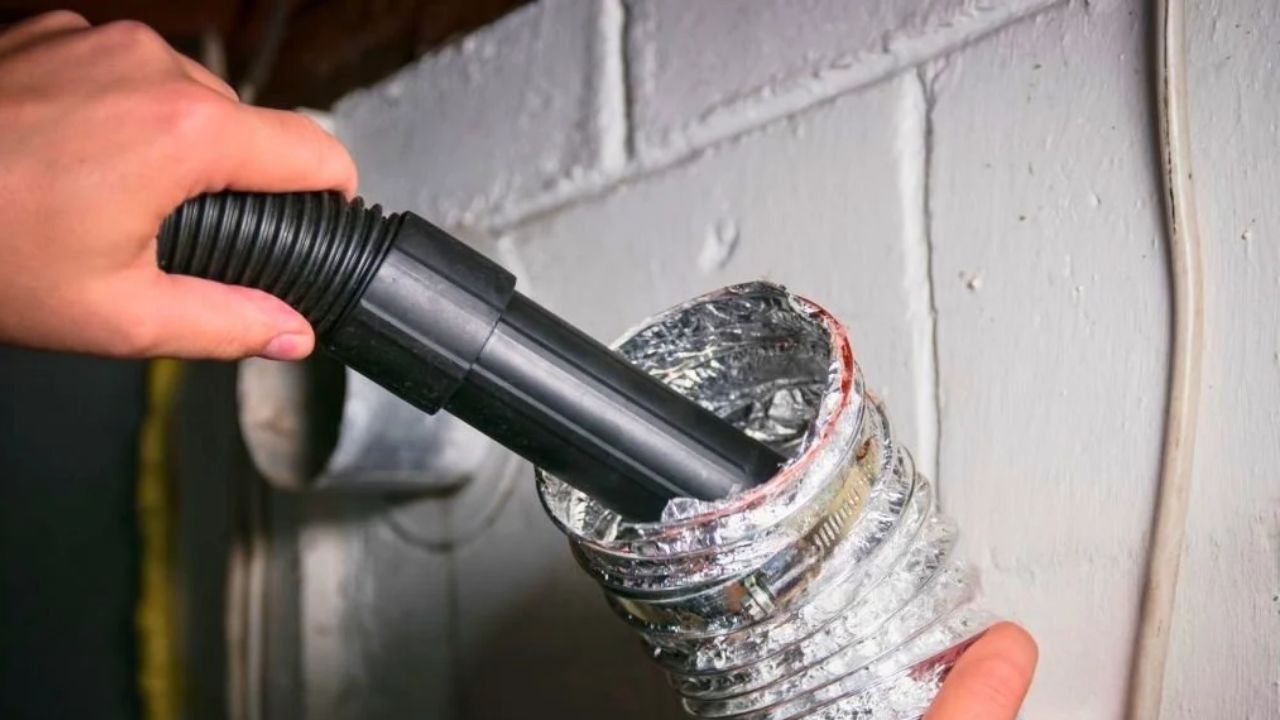
You clean the lint screen and figure you’re done. You’re not. Fine lint makes it past the screen and sticks to the duct walls, especially on longer runs and anywhere the pipe isn’t perfectly smooth.
Watch for loads taking longer, clothes coming out hotter than normal, or the laundry room feeling humid. A basic vent brush kit and a shop vac can handle short, straight runs, but if your vent goes up a wall, through an attic, or has multiple turns, paying for a proper cleaning every so often is money well spent. If you smell hot dust, stop running the dryer until you’ve checked the vent.
4. Too Many Elbows And Extra Length
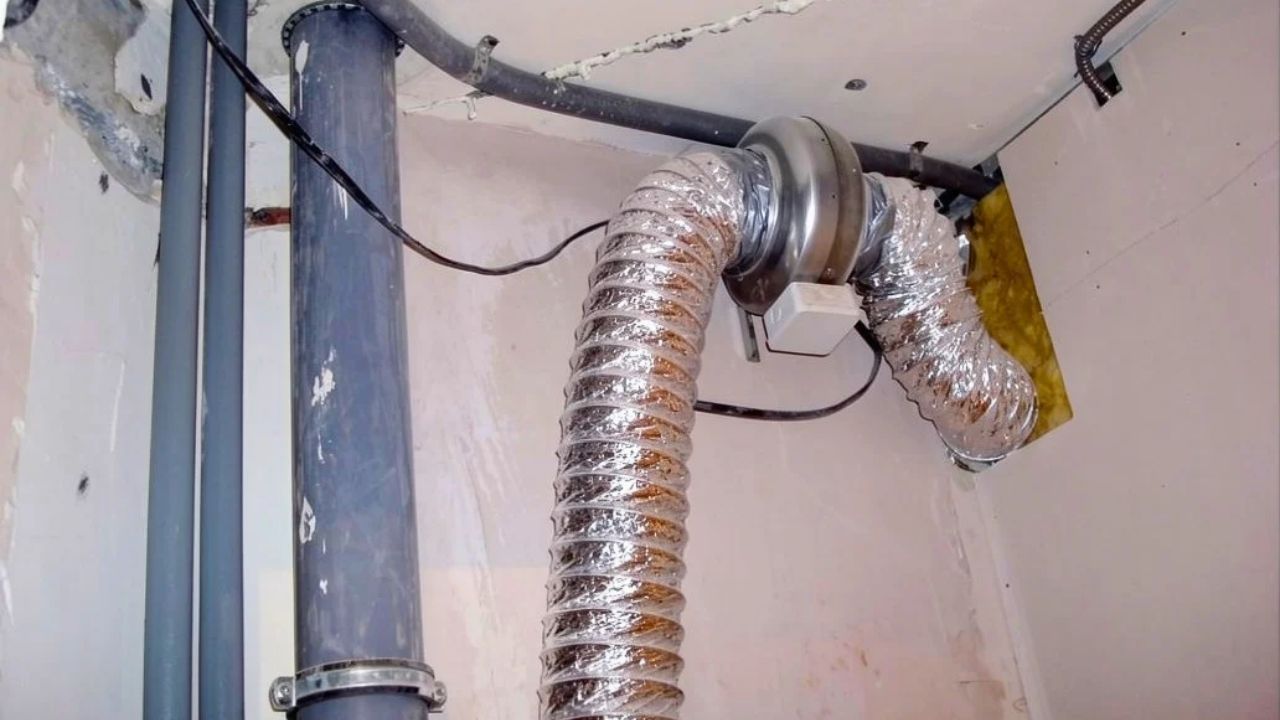
A vent route that zigzags through a basement ceiling or loops around a mudroom is asking for trouble. Every elbow slows airflow and becomes a lint catch, and a long run acts like a lint storage tube. Your dryer works harder, your power bill creeps up, and the whole system runs hotter.
The fix is boring but effective, shorten the run and simplify the path. Use 45-degree fittings instead of 90s where you can, and keep the pipe pitched slightly toward the outside so moisture doesn’t sit in the line. If rerouting means cutting drywall or drilling through masonry, it can be worth hiring out so it’s done clean and code-correct.
5. Loose Connections And Bad Tape
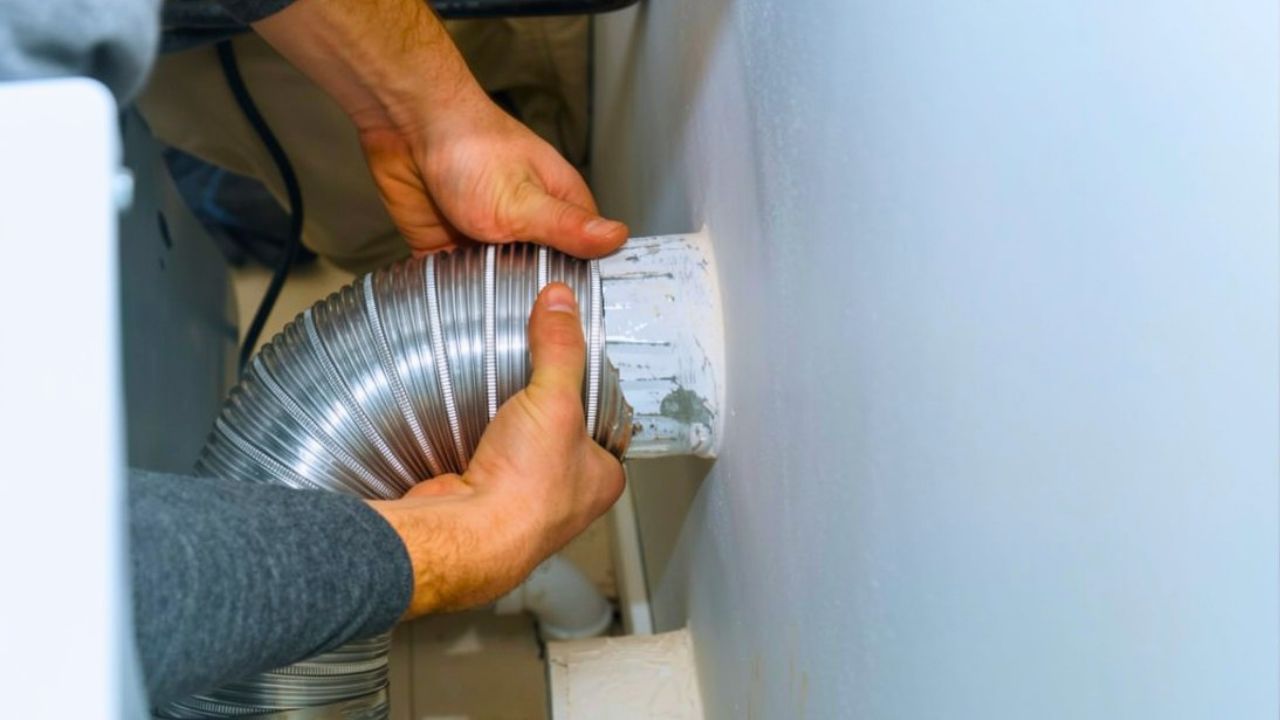
That cloth duct tape is a liar. It dries out, peels back, and then you’ve got lint leaking into the wall cavity or the crawlspace where it turns into tinder. Loose joints also snag lint at the seams, building a thick ring that keeps narrowing the pipe.
Use metal foil HVAC tape on clean, dry metal, or use proper clamps where they belong. Keep screws out of the duct interior because the points grab lint like fishhooks. If you find a joint that’s been leaking for a while, clean around it before sealing it back up or you’re just trapping lint in place.
6. Outside Hood Flap Stuck Shut
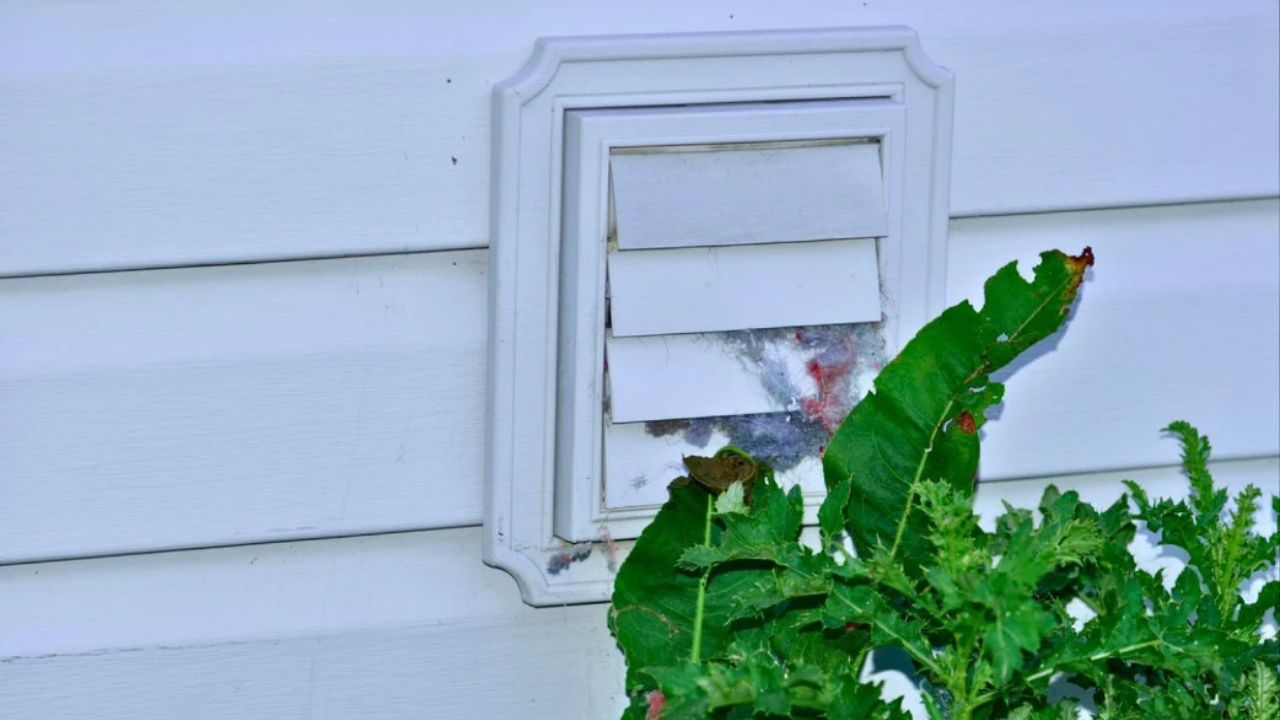
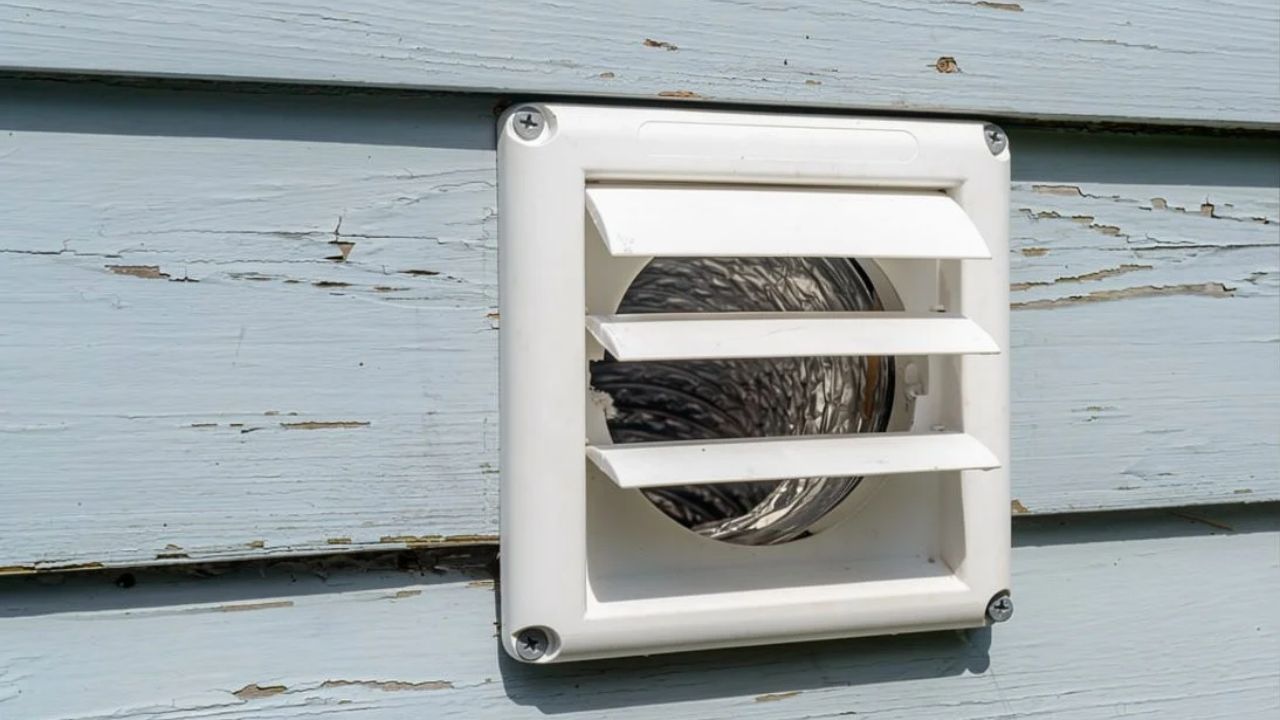
Go outside while the dryer’s running and look at the vent hood. If the flap isn’t opening, you’ve found a problem that can overheat a dryer in one load. Paint, old caulk, a warped hood, or even a stiff spring can hold that flap closed.
Free it up or replace the hood. This is a five minute check you can do in winter when snow drifts and ice start messing with everything. If you’ve got a screened cover that clogs with lint, skip it and use a proper dampered hood instead.
7. Bird Nests And Rodent Debris
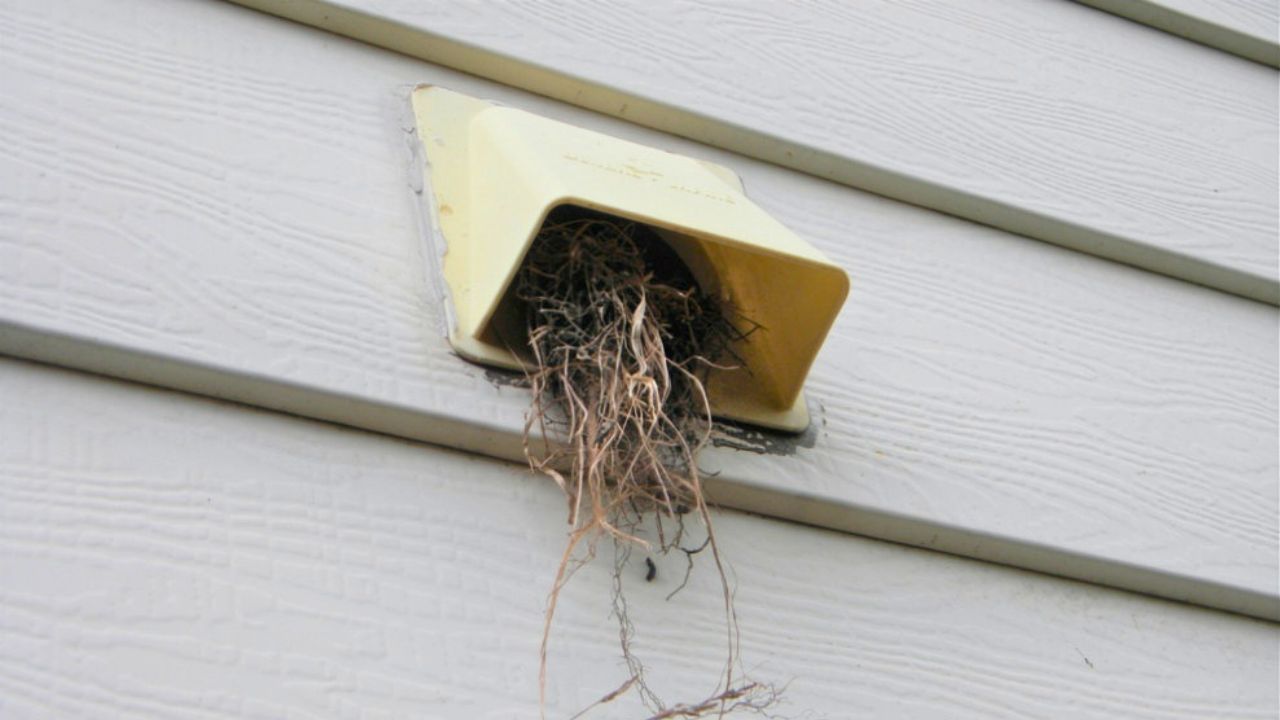
Spring is prime time for this. Birds look for warm holes, and a dryer vent is basically a heated cave with a steady stream of fluffy nesting material. Rodents do the same and pack the line with insulation, seeds, and whatever else they dragged in.
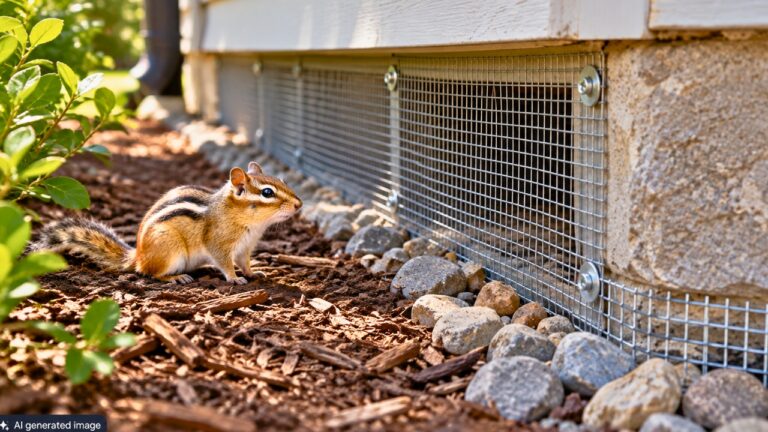
If airflow drops suddenly and you hear a faint rattling or scratching near the wall, check the outside hood right away. Clean out the blockage and install a code-approved guard made for dryer vents, not window screen or hardware cloth that clogs with lint. If you keep getting repeat visitors, the vent termination location may need to be moved to a less sheltered spot.
8. Lint Screen Coated With Softener Wax
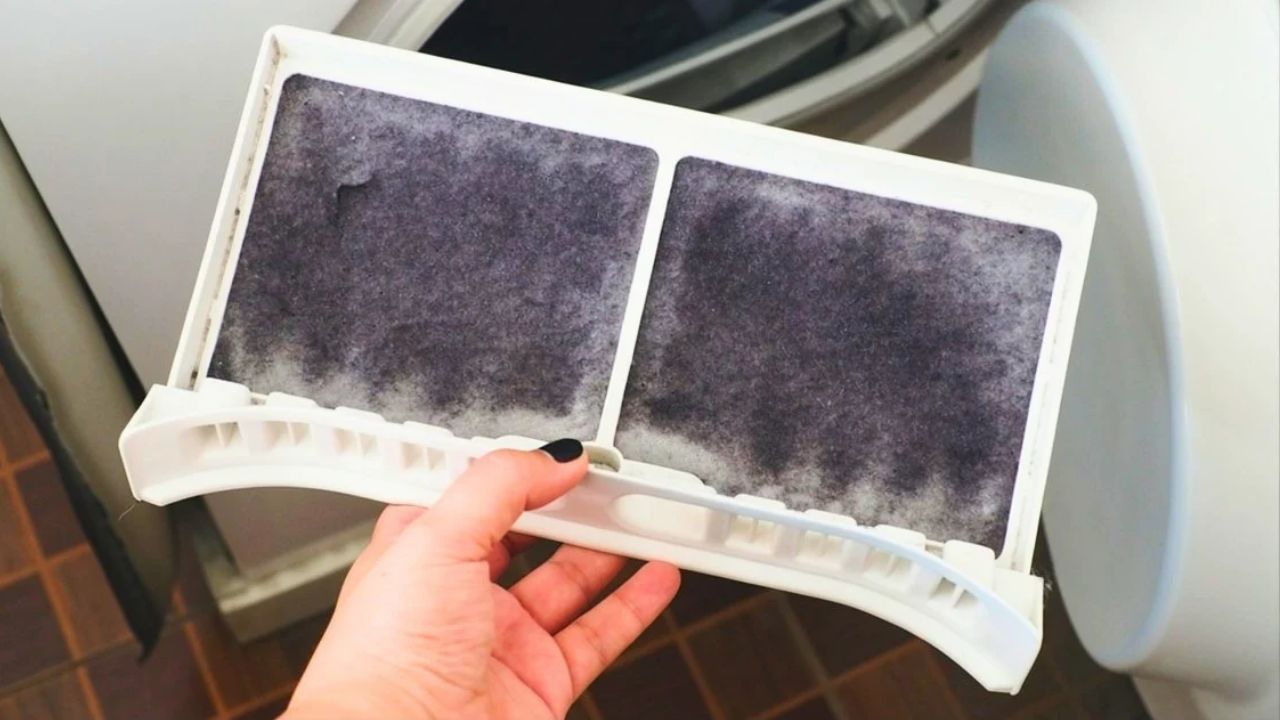
Fabric softener sheets leave a film that you don’t always see. Water won’t pass through the screen well, and neither will air. The dryer runs hot and long, and the vent system catches more lint because the airflow is weak.
Once a month, scrub the lint screen with hot water and a little dish soap, then dry it fully. A quick test is to run water over the screen, if it pools instead of flowing through, it’s dirty. This isn’t the scariest hazard on the list, but it’s an easy win that helps everything downstream.
9. Dryer Shoved Against The Wall
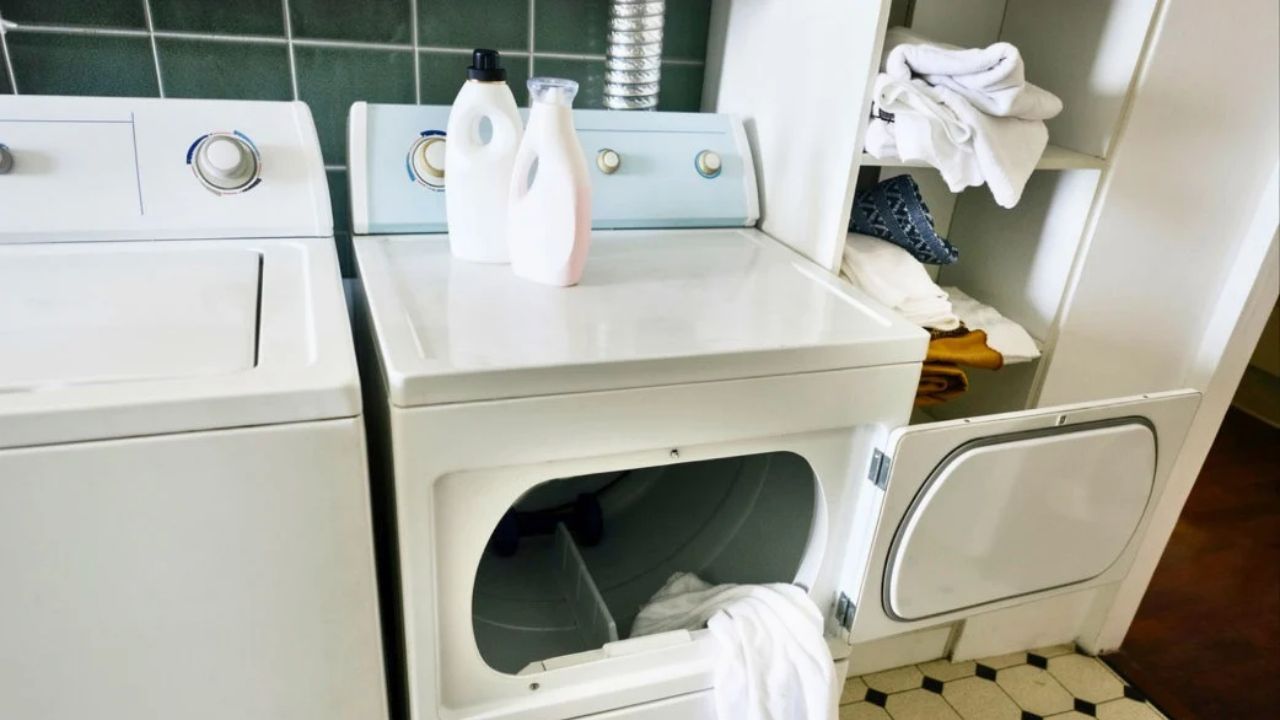
This one is a habit, not a part failure. The dryer gets pushed back to look tidy, or to make room for a boot tray, and the vent gets crushed or pulled half off. Sometimes you’ll hear a thump as the hose snaps against the wall when the drum starts up.
Give the dryer a little space and keep the vent connection visible if possible. If you’ve got a tiny laundry closet, consider changing the setup so the dryer can slide in without fighting the duct. A tight install that “works” is usually one bump away from coming loose.
10. Indoor Lint Traps Used Wrong
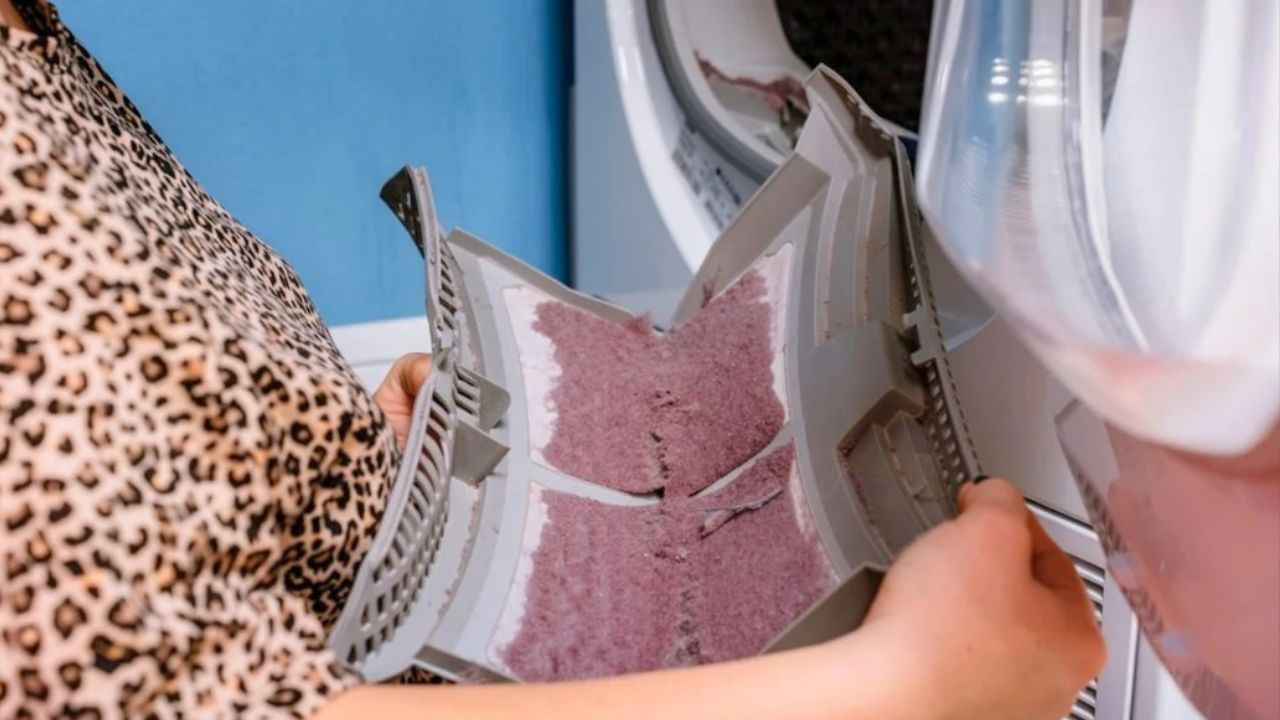
Venting a dryer indoors with a water bucket lint trap shows up in cold climates and older setups. It can be legal in some places for electric dryers, and it can also raise humidity, grow mold, and still let fine lint float around. If it’s used with a gas dryer, that’s a hard no, it needs outdoor venting and a pro should be involved.
If you’re stuck with indoor venting for a short time, keep the trap clean, change the water every run, and watch for lint dust settling on shelves and joists. The better fix is to run a proper metal vent to the outdoors with the right hood, even if it means scheduling it when the ground thaws or when you’re already opening up a wall.
If your dryer has started taking two cycles, smelling hot, or making the laundry room feel like a sauna, treat it like a warning, not an annoyance. A vent check takes less time than a grocery run, and it’s one of those home chores that pays you back in safety and a dryer that doesn’t struggle.
Like Fix It Homestead’s content? Be sure to follow us.