Homeowner Offers to Help Dig a New Drain Line for the Neighbor’s Flooding Sump Pump — Then He Calls Himself ‘Too Busy’ Every Time
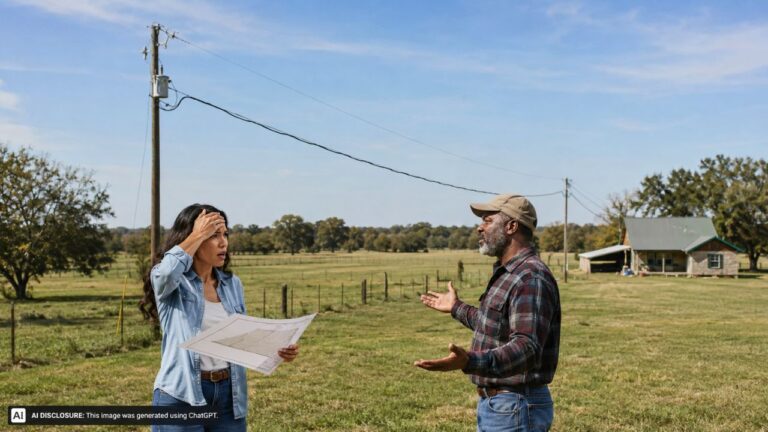
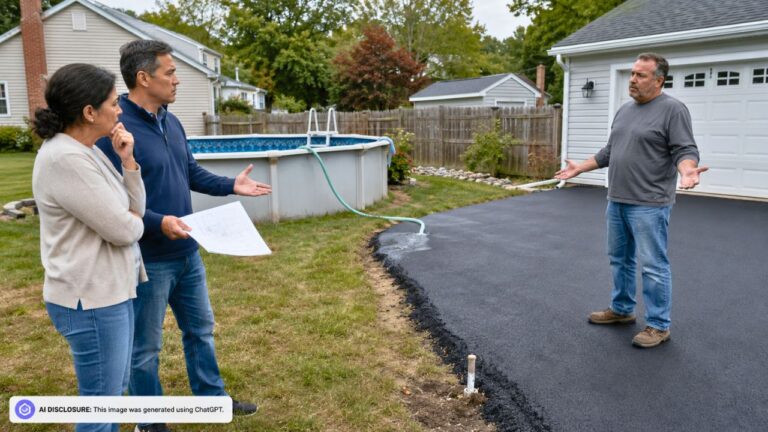
Photo credit: AI-generated image created using ChatGPT. Illustrative only.
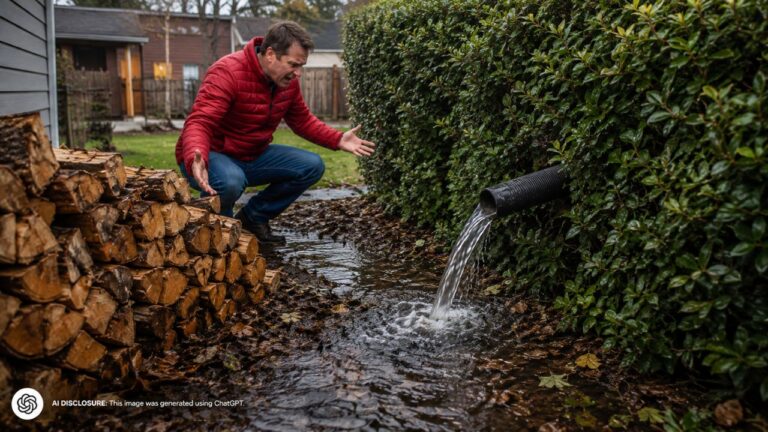
It started as a simple, wet-yard mystery: water showing up where it didn’t belong, pooling and spreading across a property that wasn’t producing it. The homeowner traced it back to the neighbor’s sump pump discharge—aimed straight into their yard—and suddenly it wasn’t just an annoyance. It was a routine flooding problem that kept coming back.
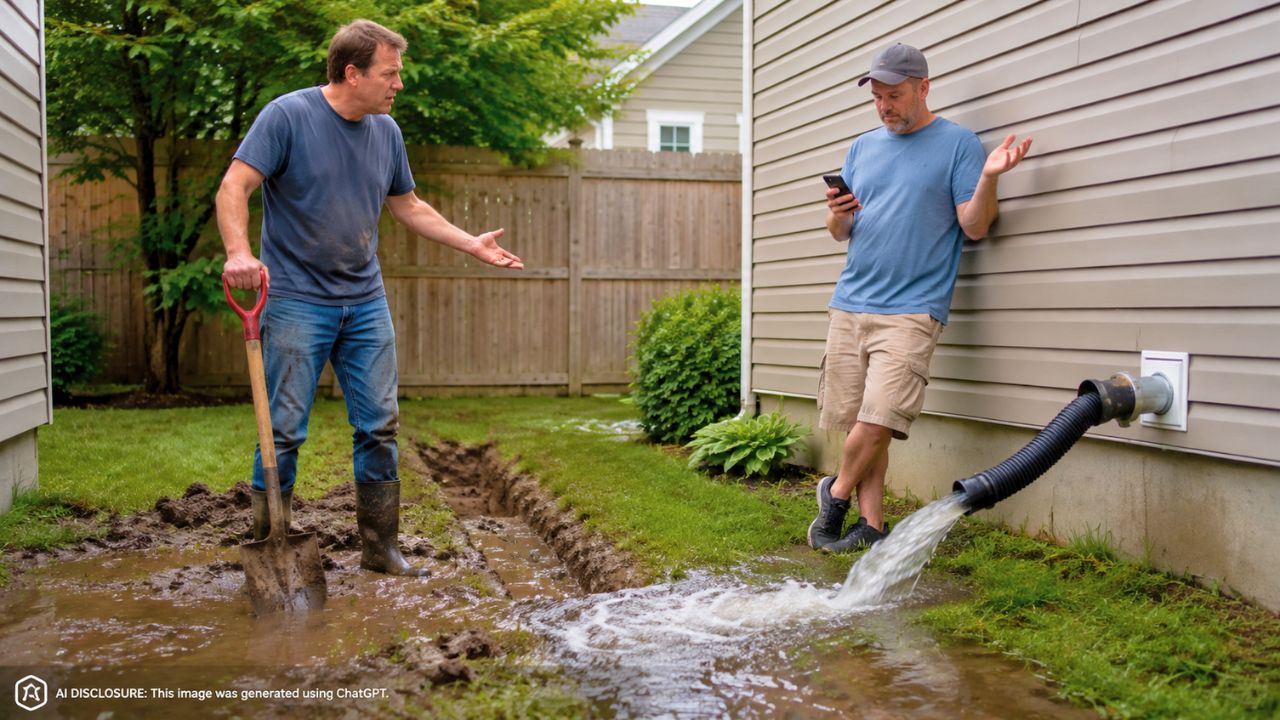
In the original post, the homeowner explains they asked multiple times for the neighbor to reroute the sump pump line. They even offered to help dig a new drain line—one of those neighborly gestures that usually de-escalates things. Instead, they kept getting the same response: excuses, including the neighbor being “too busy.”
The yard kept flooding, and it didn’t feel accidental
A sump pump has one job: move water away from a foundation. But where that water goes matters, especially when it’s being pushed off one lot and onto another. The homeowner says the neighbor’s discharge was draining into their yard and flooding it, turning a basic drainage setup into a property-line headache.
Once it’s happening regularly, it stops feeling like a one-off and starts feeling like a permanent reroute of someone else’s groundwater. That’s when the stakes go up. Standing water can kill grass, soften soil, and create ongoing soggy patches that never really dry out—especially if the pump runs every time it rains.
And because sump pumps can cycle frequently in wet weather, the flooding isn’t just tied to one storm. It’s a repeating pattern: pump runs, water dumps, yard takes the hit.
They tried the friendly approach first—and even offered labor
This wasn’t a case of someone leaping straight to threats or official complaints. The homeowner describes asking “multiple times” and trying to handle it person-to-person. The offer to help dig is telling, because digging a new drain line is sweaty, time-consuming work—exactly the kind of effort that signals, “Let’s fix this together.”
But the neighbor’s response stayed the same: more excuses, including being too busy. That’s the moment a lot of homeowners recognize. People will promise to “get to it” forever when the current setup works fine for them—even if it’s wrecking someone else’s yard.
There’s also a quiet insult baked into the “too busy” line. The message is: your flooded yard isn’t urgent enough to earn my Saturday, even though it’s my pump causing it.
When the water doesn’t stop, people start eyeing code enforcement
Eventually, the homeowner did what many people consider only after repeated dead ends: they reached out to the city. According to the post, the city can issue a code violation, but the homeowner isn’t sure whether that step will “stir the pot.”
That phrase captures the real dilemma. Code enforcement can be effective, but it can also turn a strained neighbor relationship into an outright feud. Once official paperwork enters the picture, there’s no pretending it’s a casual misunderstanding.
At the same time, homeowners also know what ongoing flooding can do. Water problems don’t stay polite. They creep, spread, and sometimes find ways into places you didn’t expect—low spots, garden beds, edges of patios, maybe even back toward foundations depending on grading.
The frustration here is that the homeowner isn’t asking for an upgrade or a beautification project. They’re asking for the neighbor to stop exporting water onto their property.
They physically rerouted the discharge themselves—still not fixed
After getting nowhere, the homeowner says they “ended [up] manually rerouting back into his yard.” It’s a surprisingly hands-on move: instead of waiting for the neighbor to act or the city to intervene, they tried to push the water back where it came from.
But even that didn’t solve it. The post says it still floods.
That’s the part that can make these disputes feel endless. You can redirect the visible stream, but the underlying drainage problem might be bigger than a single hose’s direction. Water follows grade, it finds low areas, and it keeps coming as long as the pump keeps discharging.
It also puts the homeowner in an awkward position. They’ve now touched the neighbor’s setup in some way, trying to protect their own property. Even if it was necessary, it adds another layer of tension: the neighbor could claim interference while still refusing to correct the original problem.
Homeowners in similar disputes tend to focus on proof, not volume
Even without a full comment thread included in the source material, the pattern is familiar to anyone who’s dealt with drainage fights: it usually comes down to documentation, persistence, and making the problem visible to the right people. When someone says they’re “too busy” again and again, the most effective response often isn’t another verbal request—it’s making the issue concrete.
In real-life homeowner circles, that typically means keeping a written record of dates you asked, noting when flooding happens, and capturing photos or short videos that show where the water originates and where it ends up. Not to “win” an argument, but to avoid the classic shrug: “I don’t know where that water is coming from.”
It also helps clarify what’s being requested. The homeowner wasn’t demanding an elaborate landscaping project. They were asking for a reroute—something as basic as directing discharge to an appropriate area, or otherwise handling the water so it doesn’t cross into a neighbor’s yard.
And once the city is in the picture, being able to show a clear timeline and repeated attempts to resolve it privately can matter. It paints the homeowner as someone who tried hard to keep things neighborly before escalating.
Now it’s a choice between living with it—or forcing a change
That’s where the tension sits: the homeowner has already tried conversation, already offered help, already taken a physical step to reroute water away from their yard, and is still dealing with flooding. Meanwhile, the neighbor’s pattern hasn’t changed—excuses and delay.
The hard truth is that drainage disputes don’t usually fade out on their own. Either the neighbor fixes the discharge properly, or the homeowner keeps dealing with soggy ground and the creeping damage that can come with it. Bringing in code enforcement might “stir the pot,” but continuing to absorb someone else’s sump pump output can create its own long-term costs.
For now, the homeowner is stuck in the spot nobody wants: doing extra work to mitigate a problem they didn’t create, while weighing whether official action is the only language that will finally make “too busy” stop being the answer.
Like Fix It Homestead’s content? Be sure to follow us.