Washington Landowner Moves a Power Pole on Their Own Raw Land Into Their Name — Then the Neighbor Vandalizes the Outlet and Sends an Attorney Letter Claiming to Own It
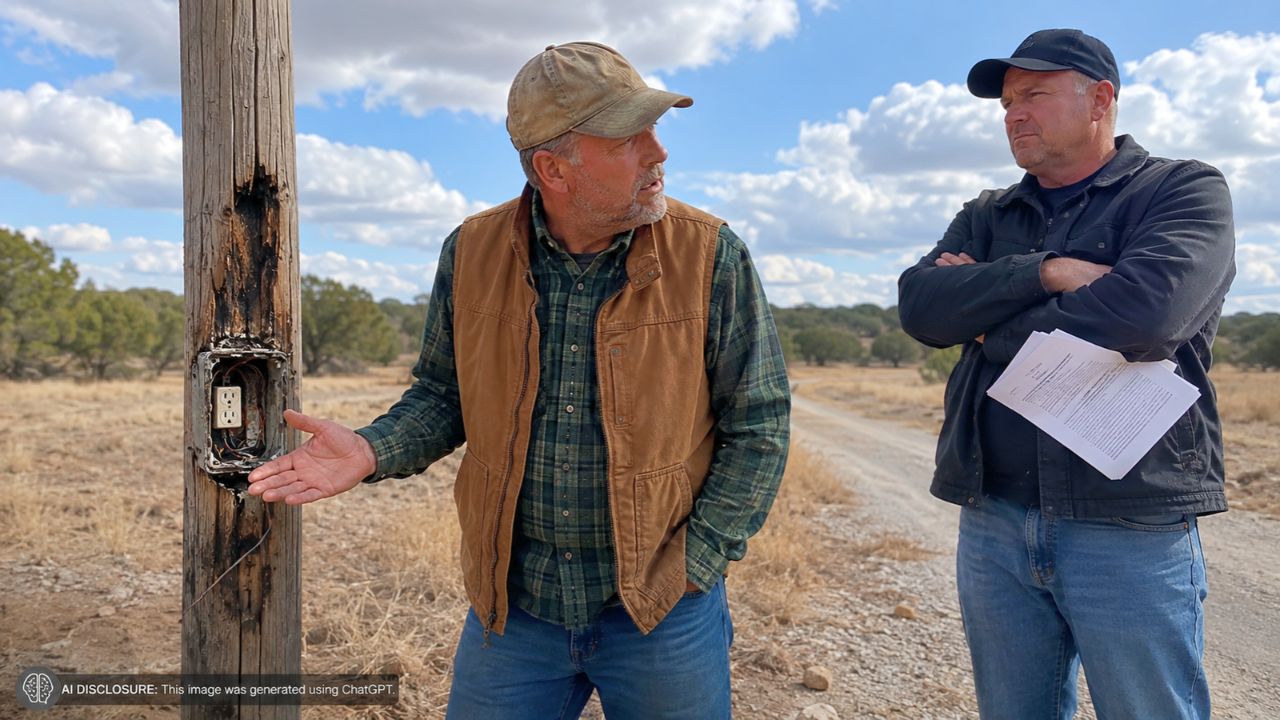
Photo credit: AI-generated image created using ChatGPT. Illustrative only.
On a piece of raw land in Lewis County, Washington, a gate and a power pole can feel like the first real signs of progress—until they become the center of a neighbor feud. One landowner thought they were doing something simple: put the existing power service into their own name so they could use the outlet on the pole sitting in the middle of their property.
By that night, the tone had changed. The neighbor—who uses an access and utility easement across the property—texted that they had “no intention of letting me use that power” and said their attorney would be sending information on “ownership.” The details come from the original post, where the landowner laid out a chain of events that escalated from a casual conversation into vandalism and a lawyer letter.
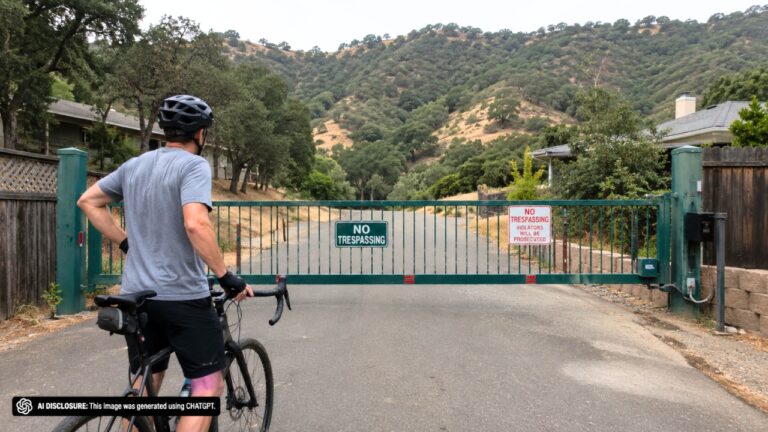
Raw land, an old gate, and an easement that “stays with the land”
The landowner says they bought the lot knowing it was burdened by an easement. In their telling, the original owner subdivided the property and granted an ingress/egress easement—plus a utilities easement described as “over under and thru”—to benefit the property below.
That kind of setup is common in rural areas: the “upper” parcel is raw, the “lower” parcel needs a way in, and access comes via a recorded strip or route. The landowner’s frustration wasn’t about the neighbor using the easement. It was about what was already sitting on the land: a gate and a power pole installed by the original owner, right in the middle of the raw parcel.
To the landowner, that history matters. The neighbor is several owners removed from the person who installed the infrastructure, and the new buyer of the raw parcel didn’t agree to a separate “gate ownership” deal. It’s just… there. On their land.
A quick “sure” turned into a fast reversal
At first, it sounded like a non-issue. The landowner says they asked the neighbor about using the power pole, and the neighbor said they had “no problem with it” and that they were “over the gate any way.” In rural living, that’s often how things operate: a handshake understanding while people sort out building plans, clearing, and eventual utility upgrades.
The next day, the landowner took a practical step: they had the power put into their own name. From their perspective, the pole is on their property, the service is physically there, and putting the account in their name was just housekeeping.
Then the text came later that night: the neighbor didn’t intend to let them use it, and an attorney letter was coming. That’s the moment this stopped being a neighborly coordination problem and became a “who owns what” fight.
The outlet gets vandalized and the power account gets switched back
Three weeks later, things got messier. The landowner says the neighbor put the power back into the neighbor’s name and vandalized the power outlet so the landowner couldn’t use it. That’s not just petty—it’s a real-world roadblock on raw land, where power access can determine whether you can run tools, charge equipment, or even begin basic improvements.
Even if you set aside the personal drama, messing with electrical equipment carries safety risks. A damaged outlet isn’t just an inconvenience; it can be a hazard. And for a landowner trying to bring a property online, it’s the kind of sabotage that forces you into spending money sooner than planned—either to repair, replace, or install a separate service.
To make it worse, the dispute isn’t happening at a shared driveway corner where both parties stand on “their side.” The landowner’s core claim is that the pole and gate are physically located on their property. That makes the neighbor’s actions feel less like defending access rights and more like reaching into someone else’s parcel and taking control.
The attorney letter didn’t mention the gate or power—only the easement
When the attorney letter arrived, the landowner says it included a copy of the easement agreement. But in their reading, the agreement “says nothing about the gate and power.” That detail is what’s driving the landowner’s main question: how can the neighbor claim to own a gate and power pole that were installed long before the neighbor bought the property, and that sit on land the neighbor doesn’t own?
Easements can be broad or narrow, and “utilities” language can be interpreted in different ways depending on how it was written and what was intended. But the landowner isn’t describing an easement that explicitly assigns ownership of fixtures or equipment, or one that grants a neighbor the right to exclusively control electrical service located on someone else’s parcel.
That mismatch—between what the neighbor is asserting in practice and what the paperwork appears to say—left the landowner feeling like they’re being told to “just accept it” because an attorney is involved.
What people fixated on: proof, paper trails, and keeping your hands off their stuff
In disputes like this, the practical reaction tends to be less about who’s right in theory and more about what you can prove without making your life harder. The landowner’s story already includes some key artifacts: a text message reversal, an attorney letter, and an easement copy that (according to the landowner) doesn’t address the gate or power.
When a neighbor starts asserting ownership over improvements on your property, the next steps typically become documentation-heavy. People often push for verifying where the easement actually runs, confirming the location of the pole and gate relative to surveyed boundaries, and keeping records of any damage—especially when someone has tampered with electrical equipment.
At the same time, the “don’t escalate” instinct kicks in. When there’s an easement involved, it’s easy for both sides to start treating the area like a no-man’s land where anything goes. But easement rights usually don’t mean “do whatever you want.” They also don’t automatically give the servient landowner (the land being crossed) the right to interfere with the dominant landowner’s access. It’s a tightrope, and in real life, one wrong move can turn a property dispute into a claim that someone obstructed access or destroyed property.
A rural standoff where the next move costs money
This is the kind of rural property drama that’s hard to “just ignore.” The landowner has raw land and wants to use existing power on a pole located on their parcel. The neighbor has a recorded right to cross the land and run utilities “over under and thru,” and is now acting like that includes ownership and exclusive control of the gate and power service.
With the outlet vandalized and the power account tug-of-war already underway, the standoff isn’t just about feelings. It’s about whether the landowner can safely get power on-site without being blocked, and whether the neighbor can keep treating an easement area like personal property.
And that’s the tension hanging over the whole story: a gate that was supposed to manage access has become a pressure point, and a single power pole has turned into leverage. On raw land, small pieces of infrastructure aren’t small at all—they’re the difference between “someday we’ll build” and “we can actually start.”
Like Fix It Homestead’s content? Be sure to follow us.