Best Fire Starters That Actually Light Seasoned Wood
Photo credit: smslov/Shutterstock.com
Seasoned firewood can still be stubborn, especially when it’s cold, damp, or you’re working with chunky splits and weak draft. A good fire starter isn’t about flashy flames, it’s about steady heat long enough to dry the surface and get the kindling going. Keep a few options on hand so you’re not stuck trying to bully a fire to life with newspaper and hope.
1. Wax-Dipped Pine Cones In A Bucket
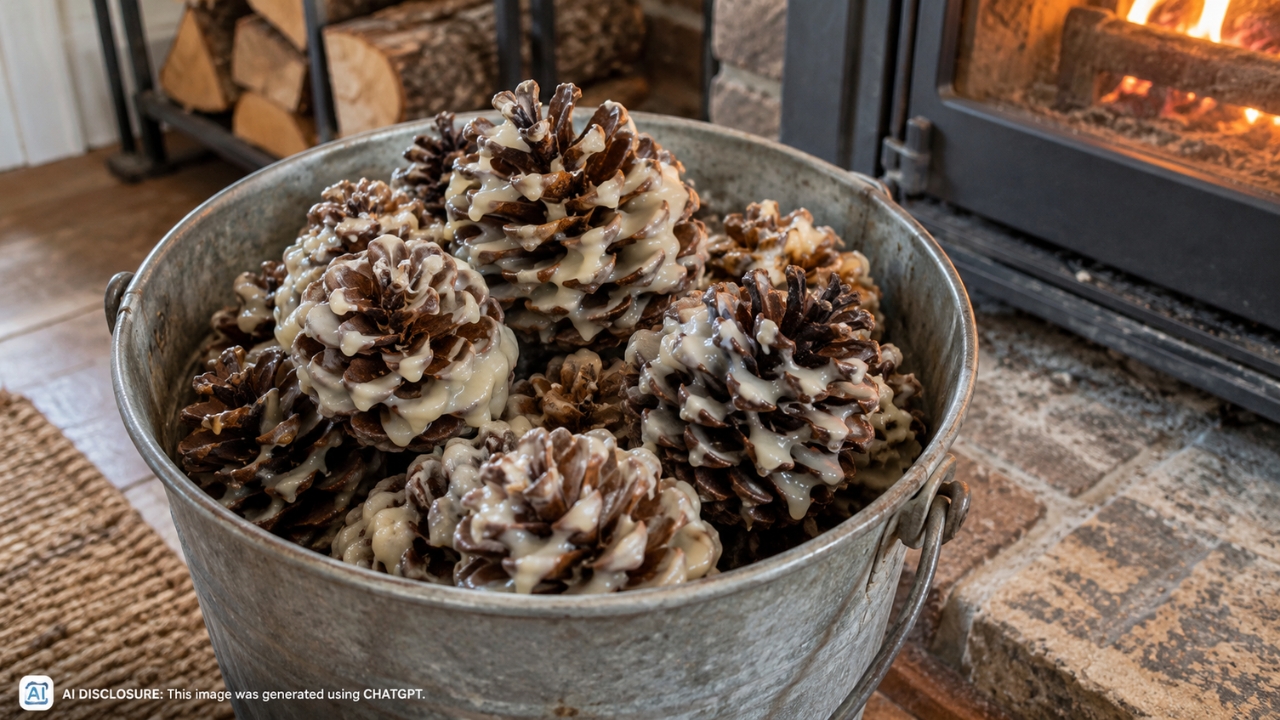
Pine cones catch fast, but plain ones burn up quick and leave you right back where you started. Dip them in melted canning wax or leftover candle stubs and you get a slow, sticky burn that clings to the cone and throws heat into your kindling. It’s one of the easiest DIY starters that still acts like a store-bought product.
Store them in a metal bucket with a lid so they don’t pick up moisture or shed wax all over a shelf. Set one under a small teepee of pencil-size sticks, not under big splits. If you’re burning in a wood stove, keep the cone away from the glass so you don’t splatter wax on the door when it flares.
2. Cotton Balls With Petroleum Jelly
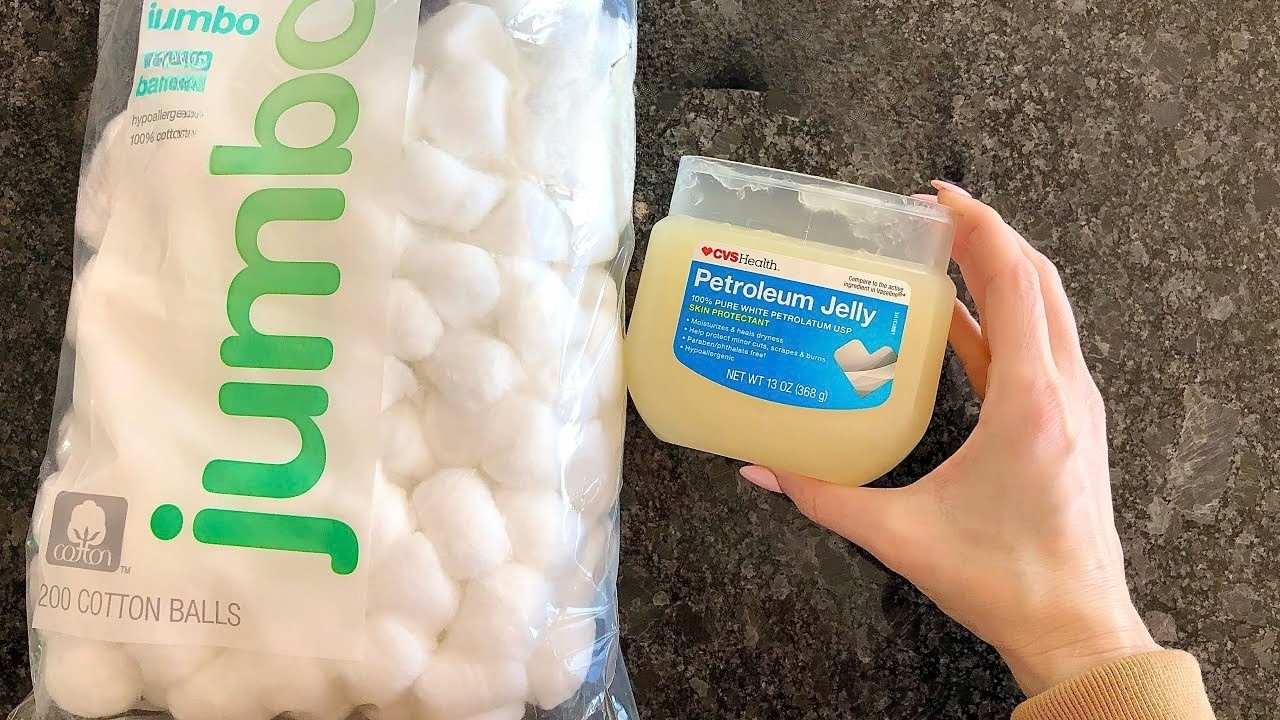
This one looks like a cheap hack until you actually need a flame that hangs around. A petroleum-jelly cotton ball lights with a single match and burns long enough to dry the first layer of kindling. The flame is steady, not flashy, which is what seasoned wood often needs.
Make a dozen and keep them in a screw-top jar so they don’t get dusty or crushed. Don’t wad up a whole handful at once, it’ll soot things up and can leave an oily smell. One ball under a loose pile of thin sticks is plenty.
3. Store-Bought Waxed Wood Squares
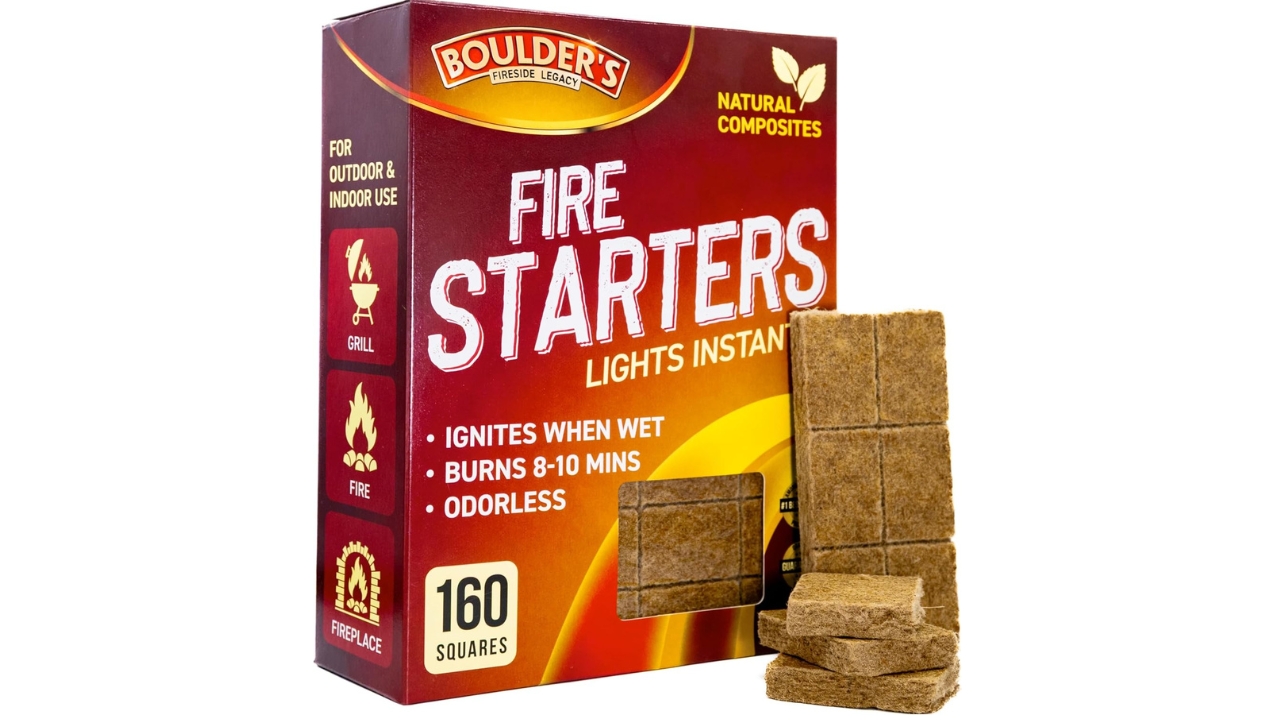
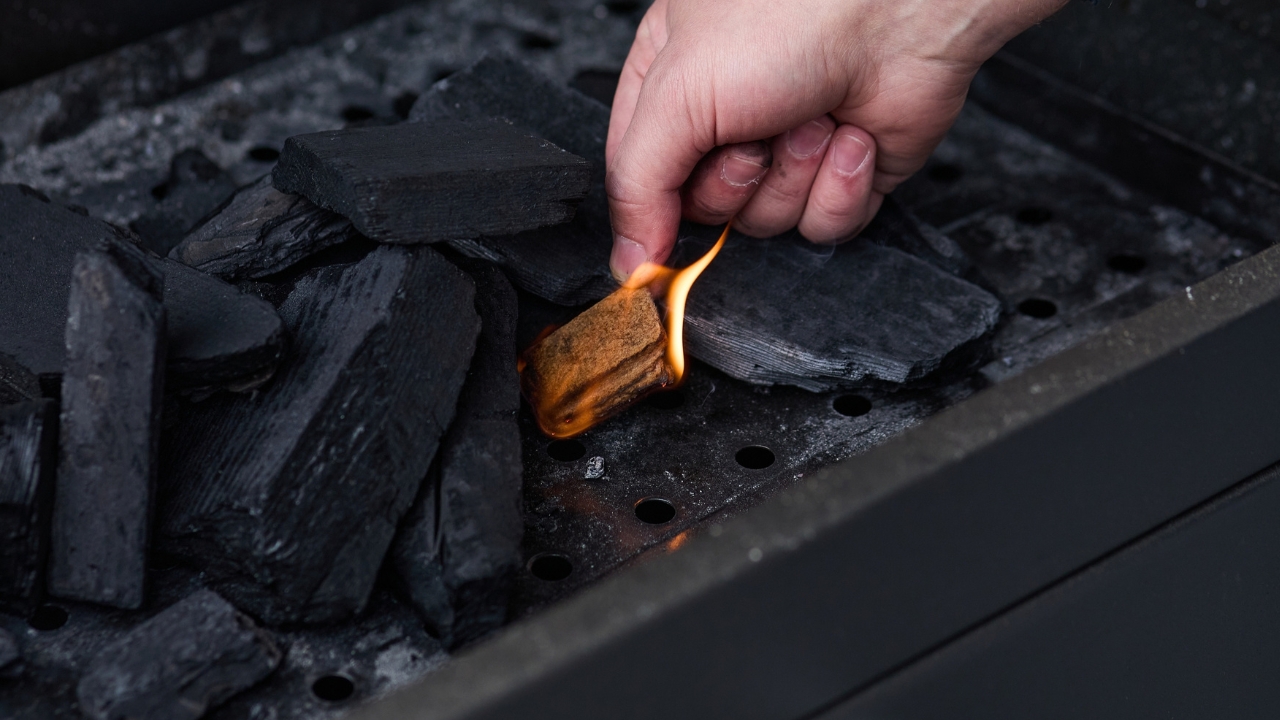
Those wax-and-sawdust squares sold for fireplaces are boring for a reason, they work. They light even when your hands are cold and you’re rushing, and they don’t depend on perfect tinder. For a quick evening fire, they beat messing around with paper that collapses and chokes itself out.
Break one square in half for a small stove load so you’re not wasting them. Keep the box inside, not out in the shed where it sweats and goes soft. If you’ve got a tight budget, save these for the worst days and use DIY starters the rest of the time.
4. Fatwood Sticks From Pine Stumps
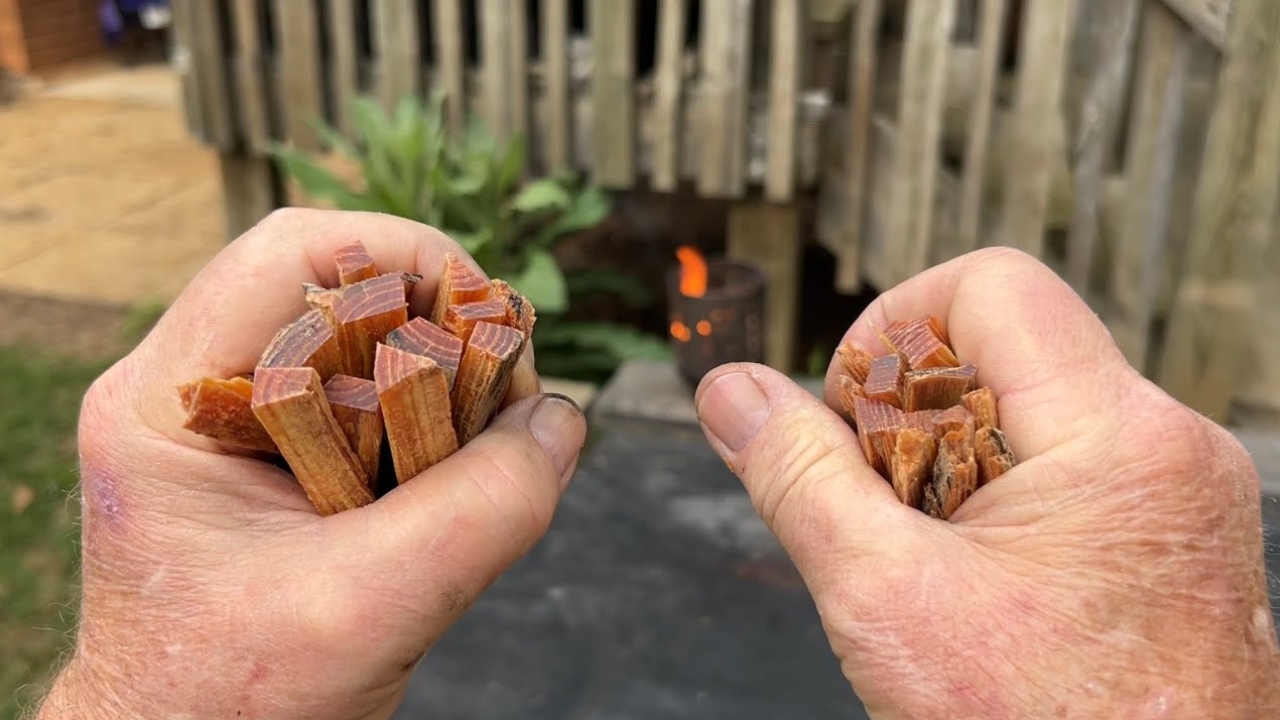
Fatwood is resin-soaked pine and it lights like it’s been cheating. A couple thin shavings catch fast, then the resin keeps feeding the flame while your kindling warms up. It’s one of the few natural options that can bully slightly damp surfaces into cooperating.
Split it into pencil-thin slivers with a knife and a small baton, not with your fingers. Store it in a dry coffee can so it stays ready and you don’t lose it in the bottom of a junk drawer. If you buy it, you’re paying for convenience, not magic, so use small amounts.
5. Dryer Lint Only When Mixed With Wax
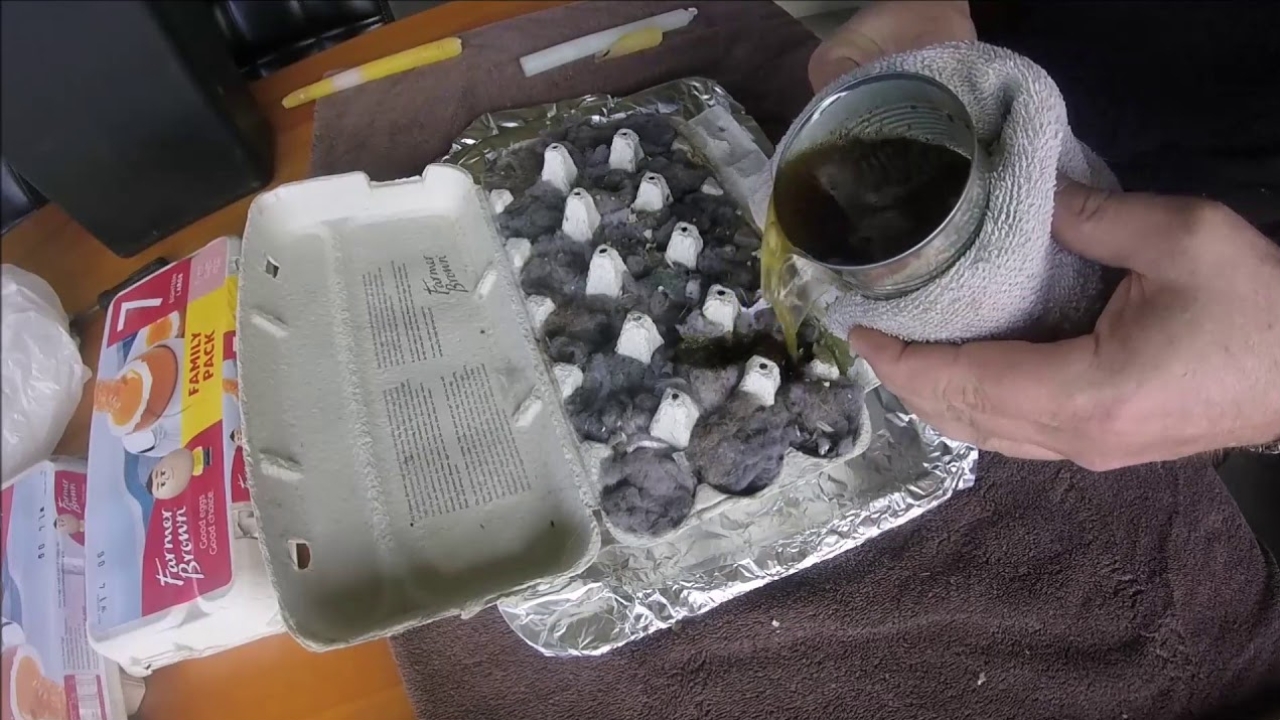
Plain dryer lint is the classic “free tinder” idea, and it’s also the classic disappointment. It flashes, makes a little puff of flame, then it’s gone before the kindling even starts to crackle. Worse, it can smolder and stink if it’s packed tight.
Press lint into a paper egg carton and pour a little melted wax over each cup, then tear off one section as needed. That turns a worthless flash into a starter with staying power. Skip lint from loads full of synthetic fleece if you hate plastic-y smoke, use lint from cotton towels instead.
6. Cardboard Egg Carton Wax Pods
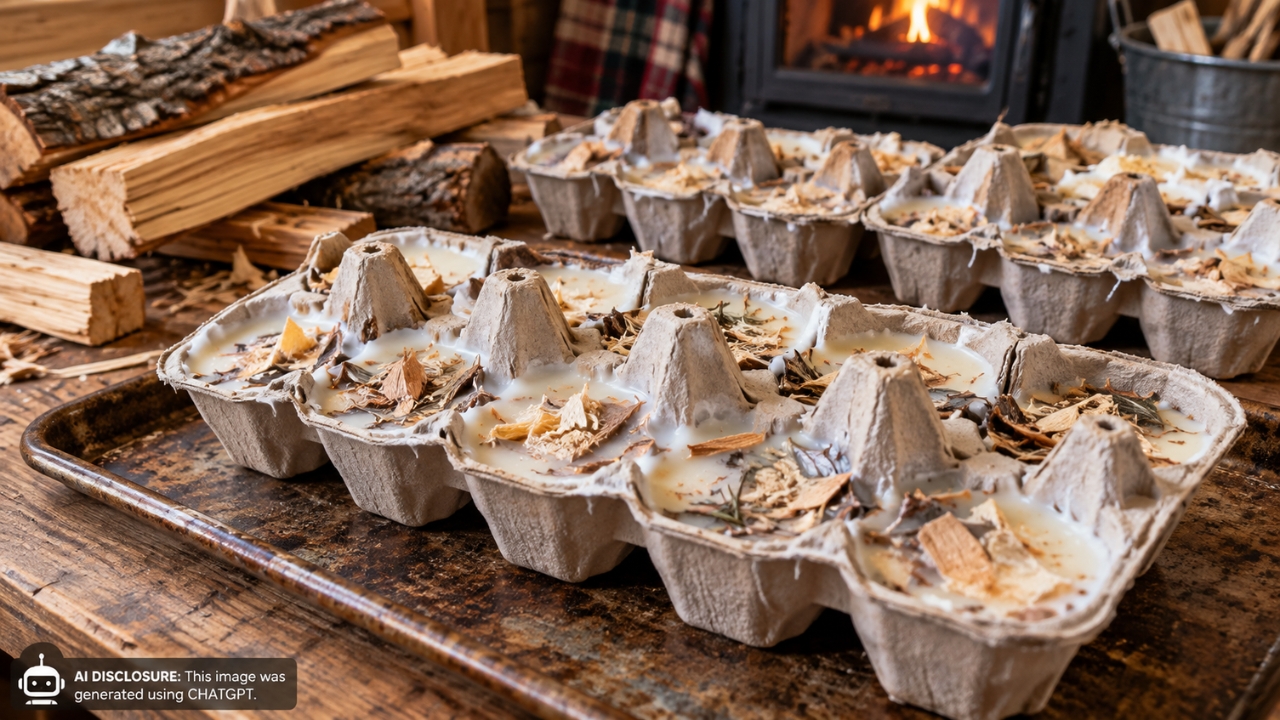
These are messy to make once, then easy forever. The cardboard acts like a wick and the wax slows everything down, giving you a long burn that helps seasoned splits catch at the edges. They also stack neatly, which matters when you’re storing a season’s worth of starters.
Use a cheap thrift-store pot or an old can set in a pot of water so you’re not melting wax directly on a burner. Let them cool fully before you pack them away or they’ll glue themselves to whatever they touch. Tear off one cup and tuck it under kindling, not under a full log.
7. Handheld Propane Torch For Cold Mornings
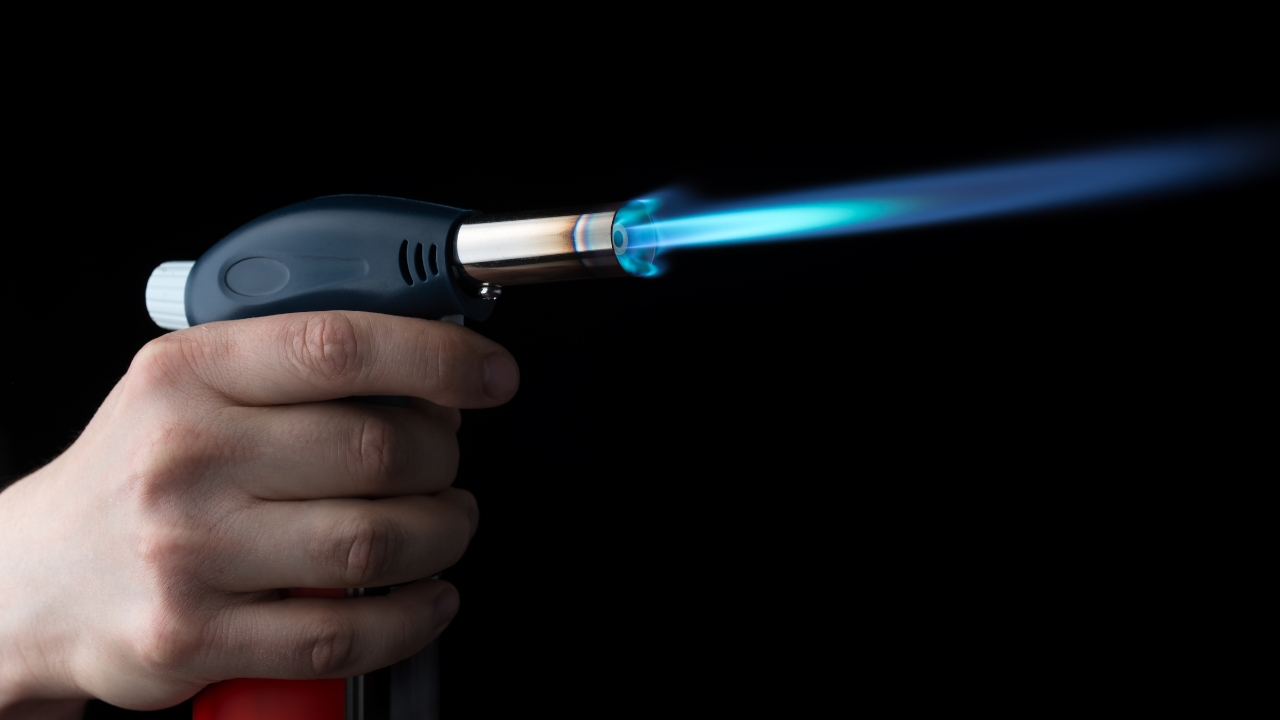
When it’s below freezing and the stove is stone cold, a handheld propane torch can save you a lot of wasted matches. You’re not trying to “burn the log,” you’re giving your tinder and kindling a head start with dry heat. That’s why it helps even with seasoned wood that’s cold-soaked.
Use it with the stove door cracked only as much as needed, and keep your face back since a sudden flare can surprise you. Check the hose and fitting for leaks and keep the cylinder upright. If you’re lighting a fireplace, keep the flame off ash piles and paper that can lift and float.
8. Chimney Starter For Charcoal Under Kindling
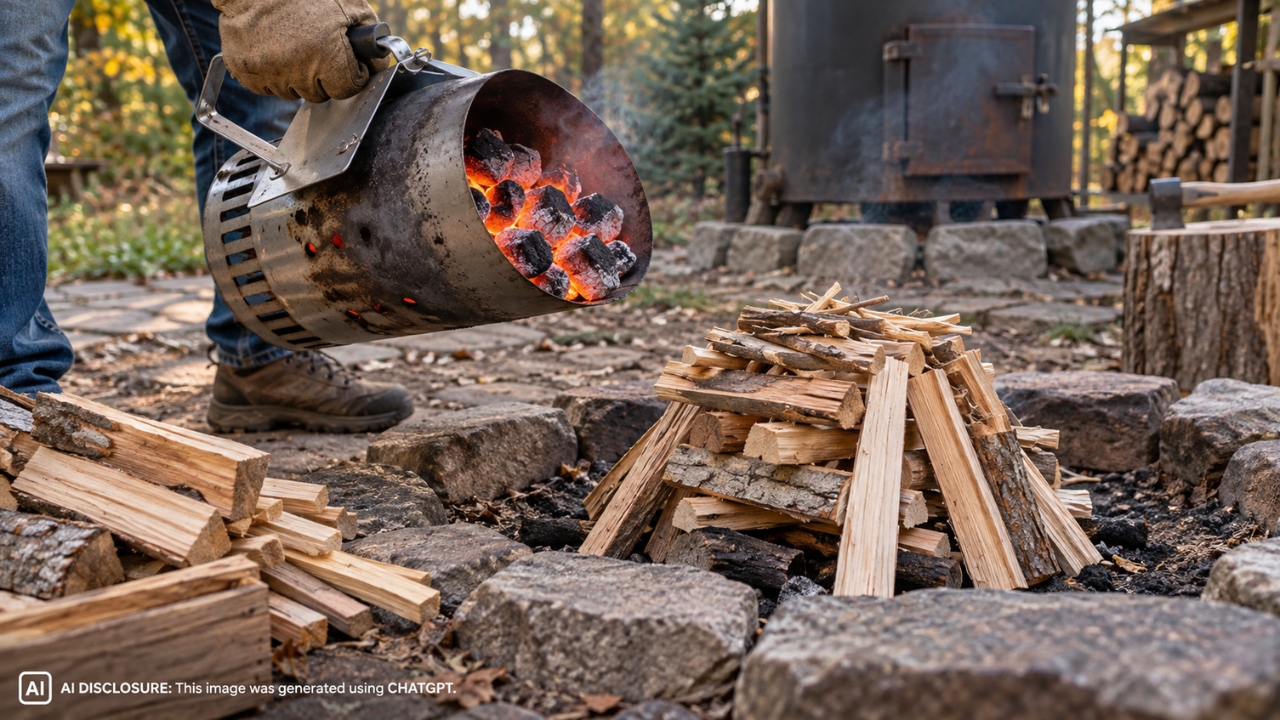
A charcoal chimney isn’t just for grills. If you’ve got a fire pit or an outdoor boiler, a half chimney of lit lump charcoal gives you a hot coal bed fast, and seasoned splits light off coals better than they light off a tall yellow flame. Wind can’t bully coals the way it bullies paper.
Start the chimney with a wax starter or twisted paper under it, then dump the coals and stack small splits over the top with air gaps. Don’t do this inside a wood stove. Outdoors, keep it on bare dirt or pavers, not on a wooden deck.
9. Birch Bark Rolled Into Loose Tubes
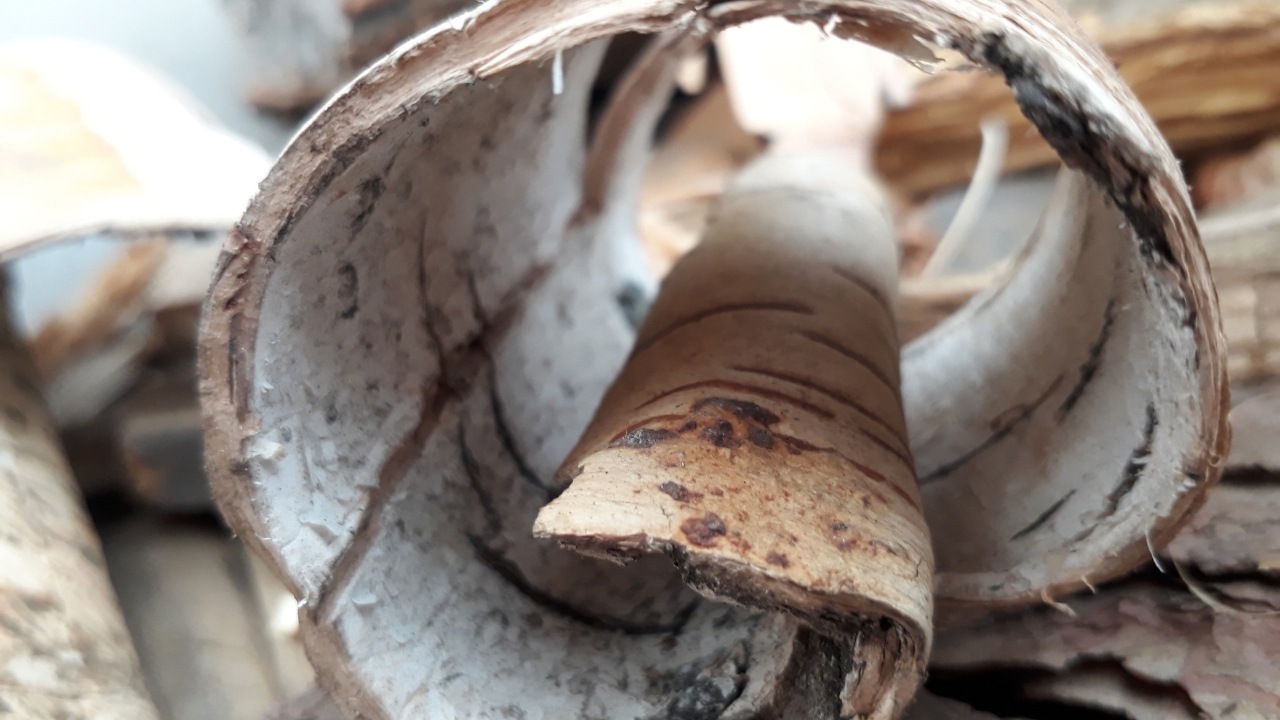
Birch bark is one of the few natural tinders that behaves like it has oil in it, because it does. Peel only loose bark from downed wood or scraps, not from live trees. When you roll it into a loose tube, it burns longer than a flat sheet and doesn’t smother itself.
Keep a paper grocery bag of bark near your stove so it stays dry. Use it to light kindling, not as the whole plan. If your area doesn’t have birch, don’t chase it, plenty of other starters do the same job.
10. Twisted Newspaper With A Wax Drip
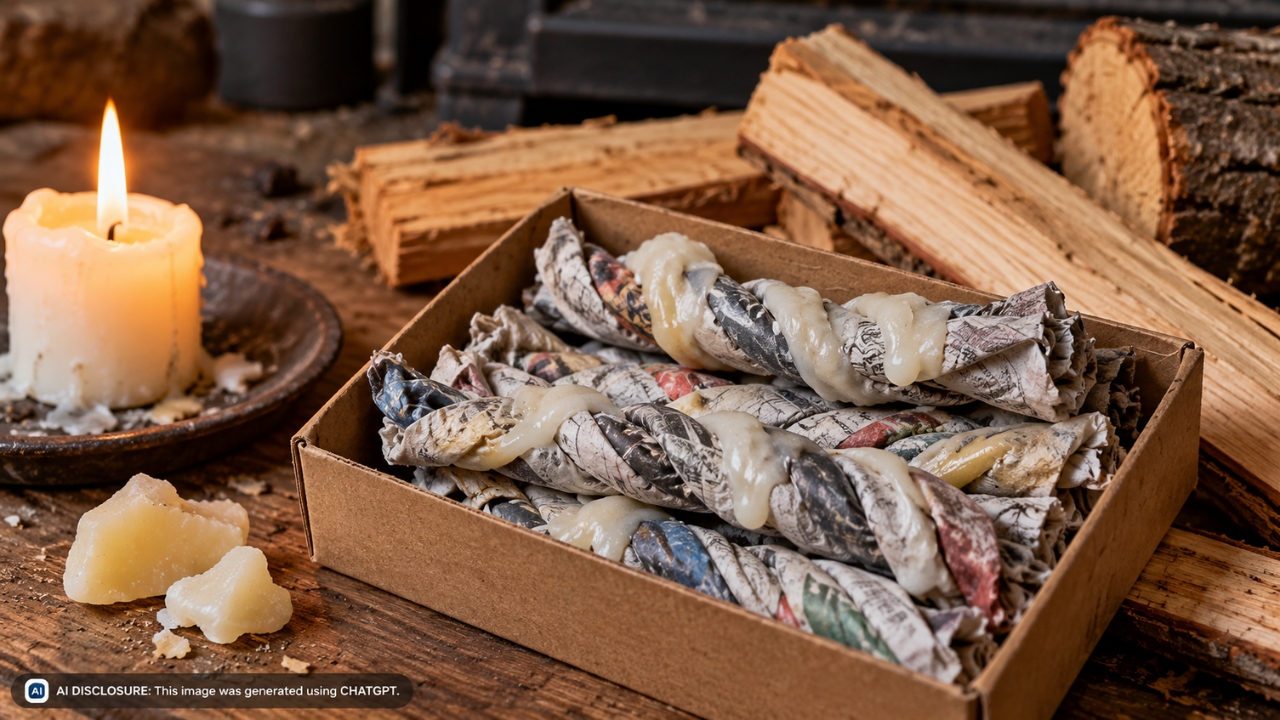
People love to hate newspaper as a fire starter, and most of the time they’re right. Flat sheets collapse, block airflow, then you’re left with gray confetti. Twist a couple sheets into tight ropes and it burns slower, with more structure.
Add a light drip of melted wax or rub a little candle stub along the twist and it stops acting like flash paper. This is the honest exception where the cheap option can be fine, if you build it right and you’re not dealing with soaking-wet wood. Keep the twists loose in a box so they don’t get crushed into useless wads.
11. Magnesium Fire Starter For Wet Conditions
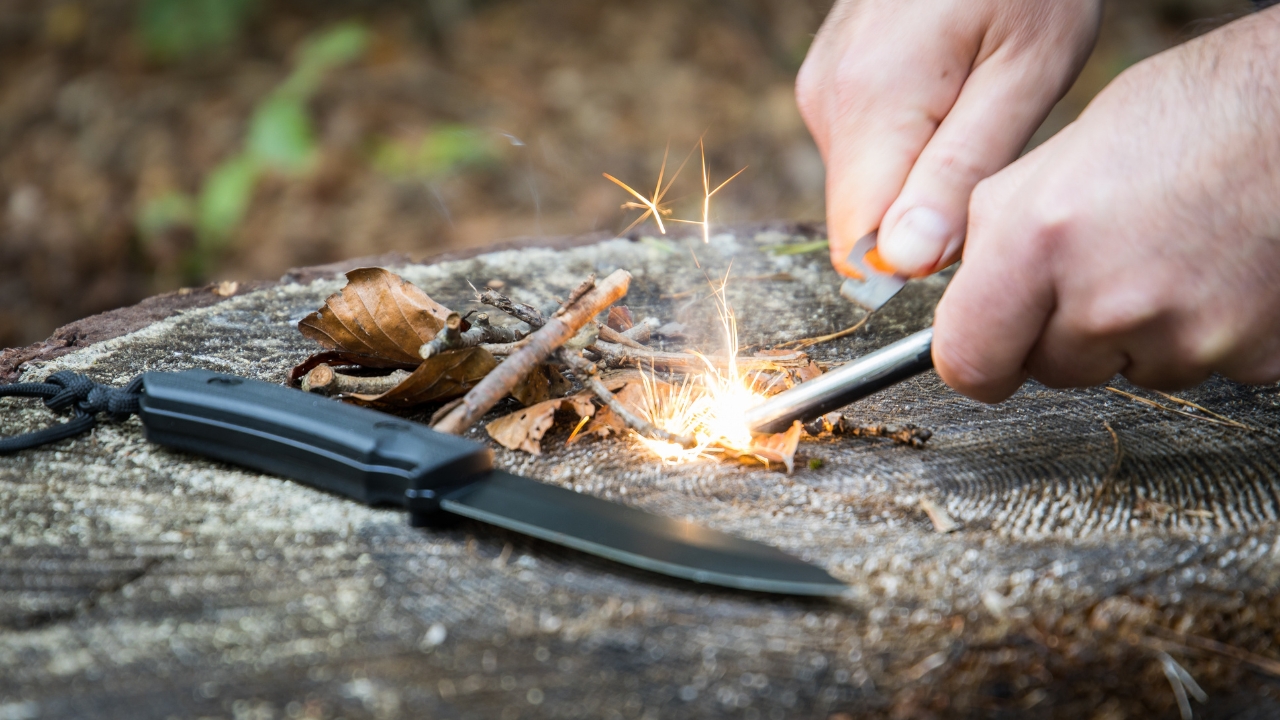
If everything is damp and you’re outside, magnesium shavings can light when most soft tinders won’t. Once the shavings catch, they burn hot enough to give marginal kindling a chance. It’s a good backup tool for the truck, the hunting shack, or a soggy shoulder-season campsite.
Use it with a real striker and a stable base so you’re not scraping into your hand. Magnesium burns bright and hot, so keep it away from loose leaves and dry grass. Indoors in a stove, it’s usually overkill and more fuss than it’s worth.
12. Alcohol Gel Cups For A Clean Start
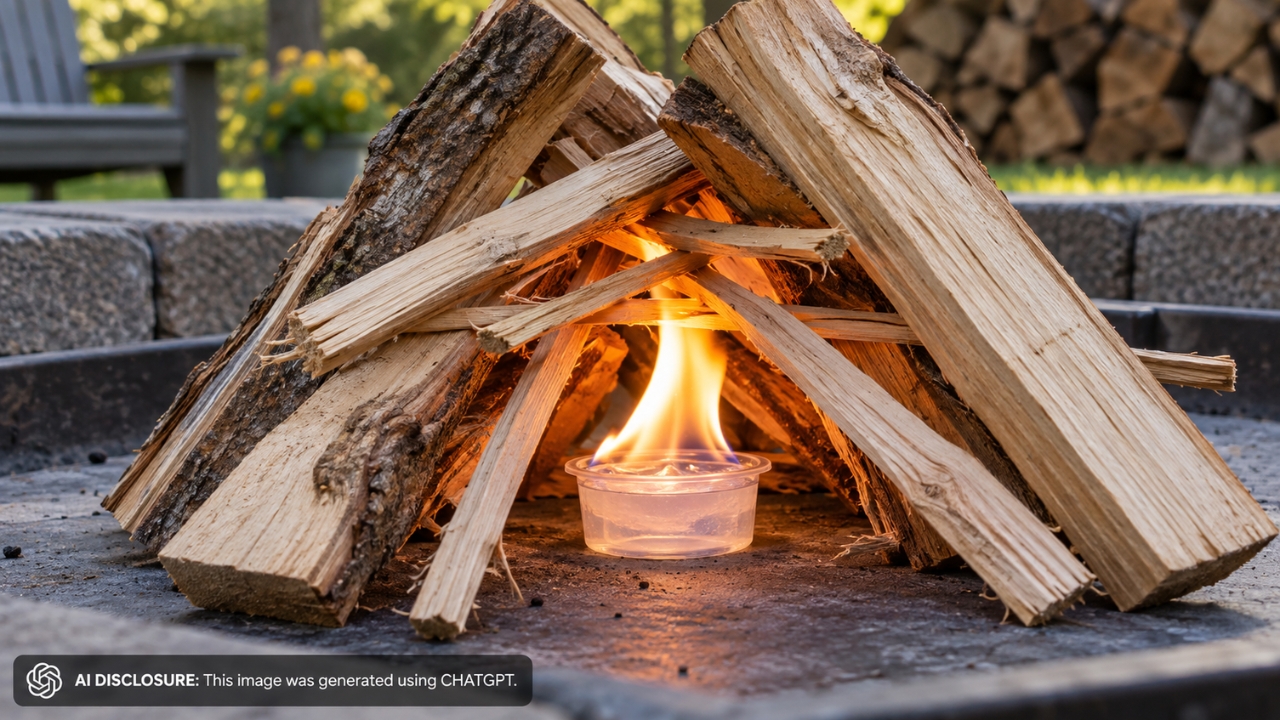
Those little alcohol gel cups sold for chafing dishes can be a clean way to get heat without smoke from wax or oily starters. They burn steady and don’t mind a bit of wind if you’re outside. When you’re trying to light stubborn wood without making your clothes smell like a tire fire, they’re a decent choice.
Set the cup on a flat, noncombustible surface and build kindling above it so air can still move. Don’t pour liquid accelerants into anything, and don’t try to “refresh” a cup while it’s burning. Extinguish it the way the product is designed to be snuffed, and let it cool before you handle it.
13. Resin-Rich Pine Kindling Split Thin
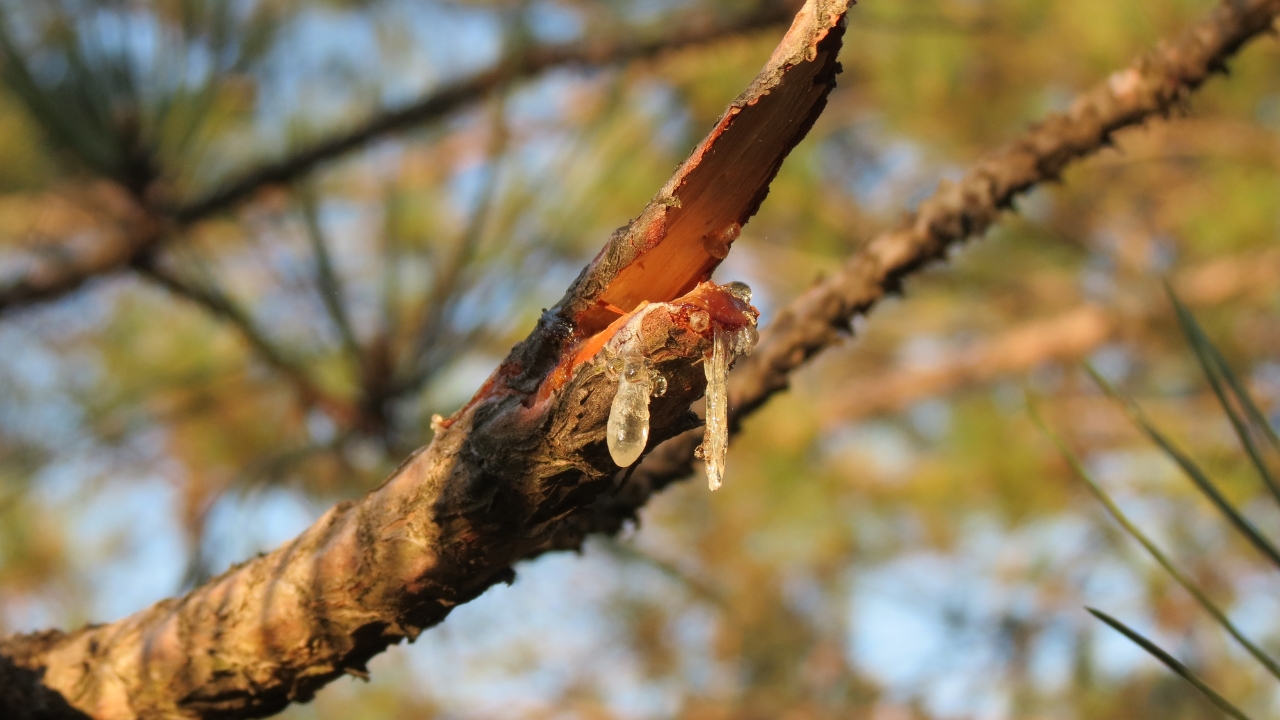
Sometimes the “fire starter” you need is better kindling, not another gimmick. Resin-rich pine, split down to finger width or thinner, catches fast and throws a hot flame that dries the next pieces. If your kindling is chunky, damp, or bark-heavy, even the best starter struggles.
Keep a tote of thin, dry kindling inside for a day or two before you burn it so surface moisture can’t sabotage you. Use a hatchet on a stable chopping block, and wear eye protection if the wood is knotty and wants to pop. When your kindling is right, you can get away with smaller, cheaper starters.
Carry two types that complement each other, one quick-lighting and one long-burning, and you’ll stop rebuilding the same fire three times. A little prep in September saves a lot of cussing in January, especially if your wood sits in a windy shed and picks up damp at night.
Like Fix It Homestead’s content? Be sure to follow us.