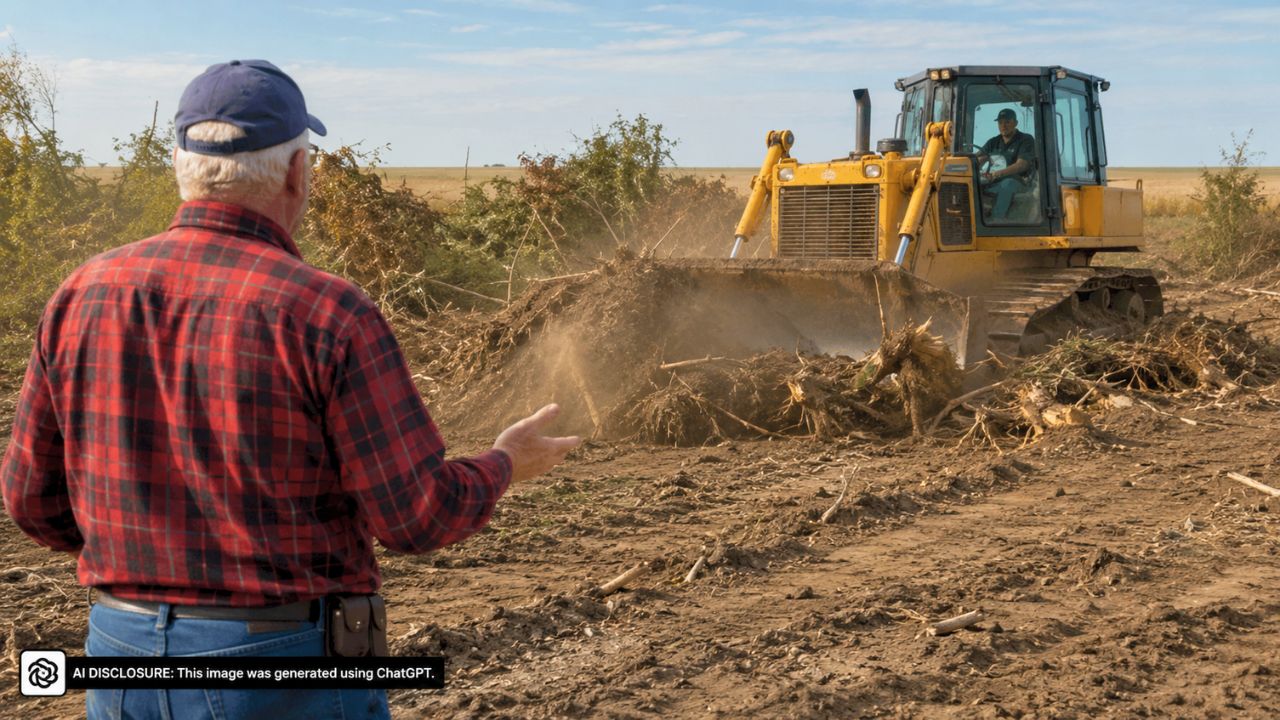
Rural Landowner Finds Boundary Markers Removed on a New Empty Lot — Then the Neighbor Runs a Bulldozer Through It to Clear the Land
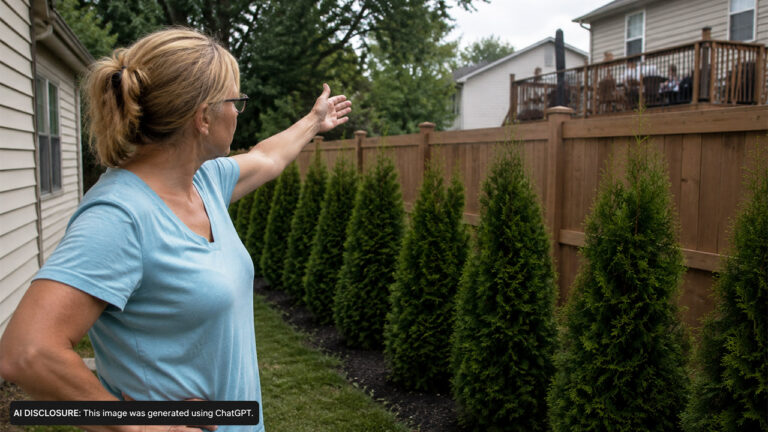
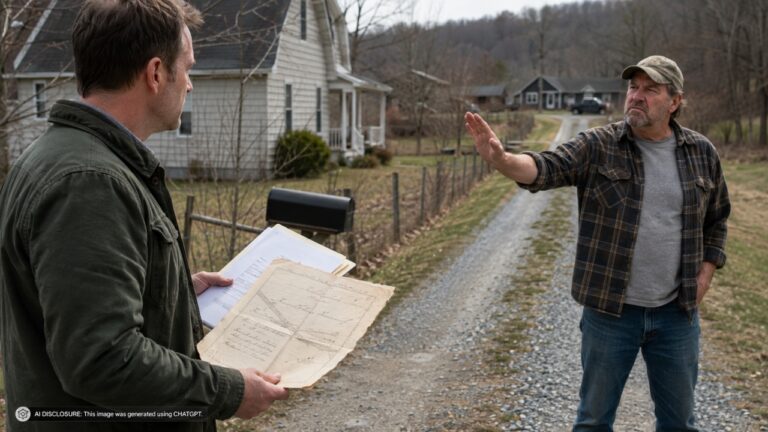
Photo credit: AI-generated image created using ChatGPT. Illustrative only.
Buying a house is supposed to come with that quiet, relieved feeling—especially when you also buy the empty lot next door for a little breathing room. For one rural homeowner, that peace lasted about two weeks before the first sign that a neighbor didn’t agree with where the property line sat.
In the original post, the homeowner explained that the lot between their home and the neighbors’ place had been surveyed and clearly marked when they purchased it. Then, not long after moving in, those boundary markers were suddenly gone.
The first sign was easy to brush off
Missing survey markers can happen for innocent reasons—weather, lawn equipment, even curious kids. But it’s also the kind of detail that makes your stomach drop, because it usually means someone didn’t like what the survey said.
The homeowner had the presence of mind to take photos of the markers when they were placed. That mattered, because when they stepped outside and saw the markers removed, they weren’t starting from zero. At least they had a record that the line had been established and what it looked like.
Then the machines showed up in the back of the lot
A few weeks later, early in the morning, the homeowner went outside around 8 a.m. and found the neighbor actively clearing the back of the empty lot with a small piece of equipment—“some bobcat thing,” as they described it.
It wasn’t just tire tracks. There was a lilac bush back there and a few small trees, and the work had already done “a lot of damage” by the time the homeowner caught it.
They told the neighbor to stop, and the neighbor did. But in rural living, where back acreage and tree lines are part privacy screen and part windbreak, the damage isn’t just cosmetic. Once shrubs and young trees are torn up, you don’t simply put everything back the way it was.
The wildflower fix turned into a second fight
After the clearing, the couple tried to pivot instead of stewing. They decided to put down native wildflower seed—something they’d talked about doing eventually anyway—spending “a couple hundred dollars” on seed in hopes of turning the disturbed patch into something intentional.
That kind of homestead-minded compromise is common: when something gets messed up, you reclaim it by improving it. But it only works if the other party stops touching your land.
A couple days after the wildflower seed went down, the homeowner left briefly for the gas station—gone less than 15 minutes. When they returned, the neighbors were out there spreading grass seed and straw right over the area the couple had just seeded.
The neighbors’ reasoning wasn’t subtle. They told the homeowner they thought it would “look better” and that the couple should thank them for the “improvements.” To the homeowner, it wasn’t an improvement. It was the neighbor deciding, again, that they had the right to manage someone else’s property.
It wasn’t just landscaping—it was daily boundary creep
The post describes the property line problem as more than a one-time equipment mishap. The homeowners say the neighbors also let their very large dog—described as a “giant horse dog”—use their yard as a bathroom.
Anyone who’s dealt with that knows it doesn’t stay contained. It becomes a smell problem when the sun hits. It becomes a mower problem when you’re trying to keep up with grass. It becomes a kid problem if you have children or grandkids running around. And it becomes a relationship problem because every cleanup feels like you’re doing chores for someone else’s choices.
Then there was the vehicle issue. The homeowner says the neighbors tried to turn the back of the yard into a circle drive for their “giant trucks.” In rural areas, big vehicles are normal. But a makeshift turnaround on someone else’s lot is how ruts start, how drainage gets wrecked, and how “we’ve always done it this way” turns into a permanent claim.
Put together—removed markers, unauthorized clearing, reseeding over the top of someone else’s planting, dog use, and truck traffic—the pattern is what exhausts people. It’s not one big blow-up. It’s constant pressure, like the neighbor is testing whether “no” really means no.
The most expensive part was paying to make it stop
The homeowner and their spouse had been saving money for work their house needed. Instead, they say they had to spend $2,500 on chain link fencing because the boundary problems wouldn’t quit.
That’s the part many homeowners recognize immediately: the financial hit isn’t always the damage itself. It’s the cost of prevention once you realize the other person isn’t going to respect verbal boundaries.
Even after paying for materials, the work didn’t magically disappear. The homeowner says they’ve spent the last few weeks putting the fence up “when I can,” which means evenings, weekends, and stolen hours. It’s tiring in the way rural projects can be—physical labor layered on top of the emotional drain of feeling pushed around on your own land.
How readers tended to react: document first, then fortify
Posts like this typically pull a practical streak out of people: protect yourself with proof, and stop the access points. In this case, the homeowner already did one of the smartest early moves—taking photos of the survey markers before they were removed.
From there, the instinct many neighbors have in similar disputes is to create a paper trail: keep dated photos of damage, save receipts for seed and fencing, and write down what happened while it’s fresh. Not because every disagreement needs to become a courtroom story, but because property line arguments have a way of escalating when memory is the only evidence.
And then there’s the physical side. A fence is unglamorous, but it sends a clear message that access is over. It also reduces the number of face-to-face confrontations, which is often the only way to lower the daily stress when you can’t move and you don’t want every morning to start with checking the yard for new surprises.
The homeowner who shared this story didn’t frame it as a grand legal battle or a neighborhood feud they wanted to win. It read more like someone who wanted to live quietly, improve their land, and focus on their house projects—until the neighbor kept reaching across a line that had already been surveyed and marked.
Now the money meant for home repairs has been redirected into a chain link barrier, and the “empty lot” buffer they paid for has turned into a work site they didn’t ask for. The fence may finally bring some peace, but the underlying tension—living next to someone who treats your property like an extension of theirs—doesn’t disappear just because the posts are in the ground.
Like Fix It Homestead’s content? Be sure to follow us.