
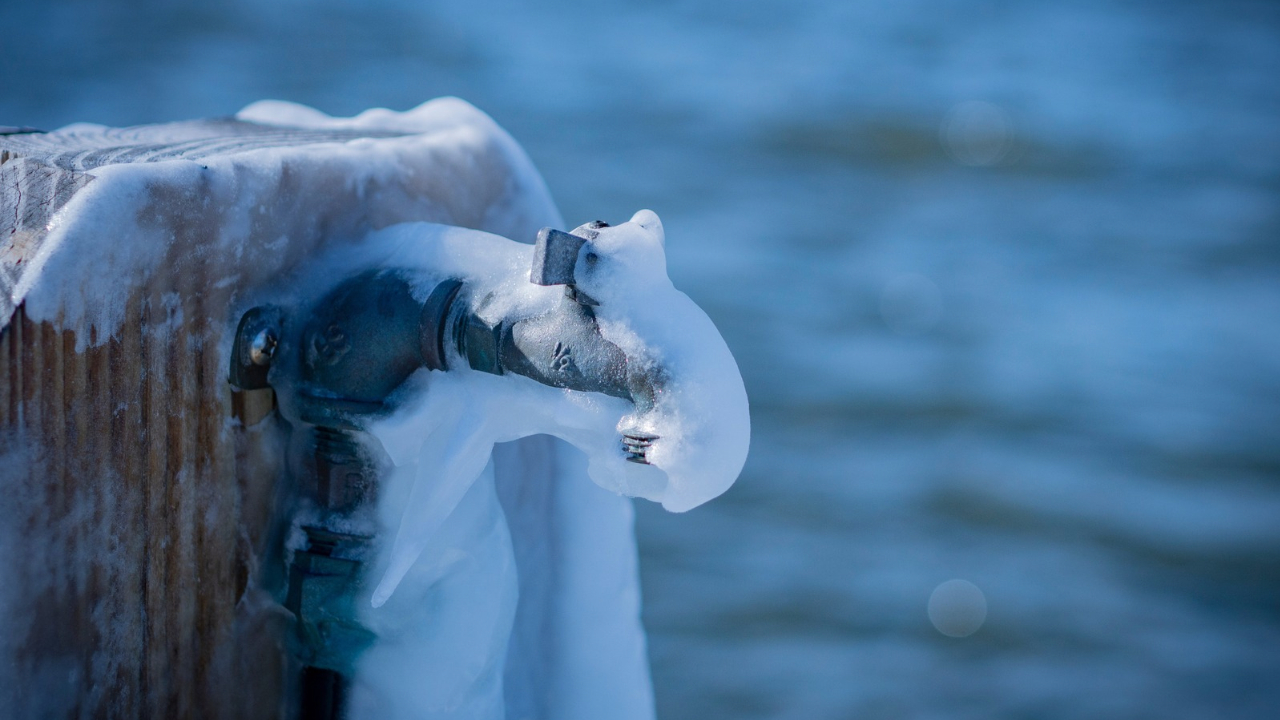
10 Pipes That Freeze First in a Farmhouse
Photo credit: Mac Hyney/Shutterstock.com
The first real cold snap is when you find out how your farmhouse was “improved” over the last hundred years. One frozen section can shut down the whole place, split a fitting, and soak a room before breakfast. If you learn where freezes start, you can fix the weak spots on a mild day instead of thawing pipes with a hair dryer at midnight.
1. Pipes In Exterior Walls By Sinks
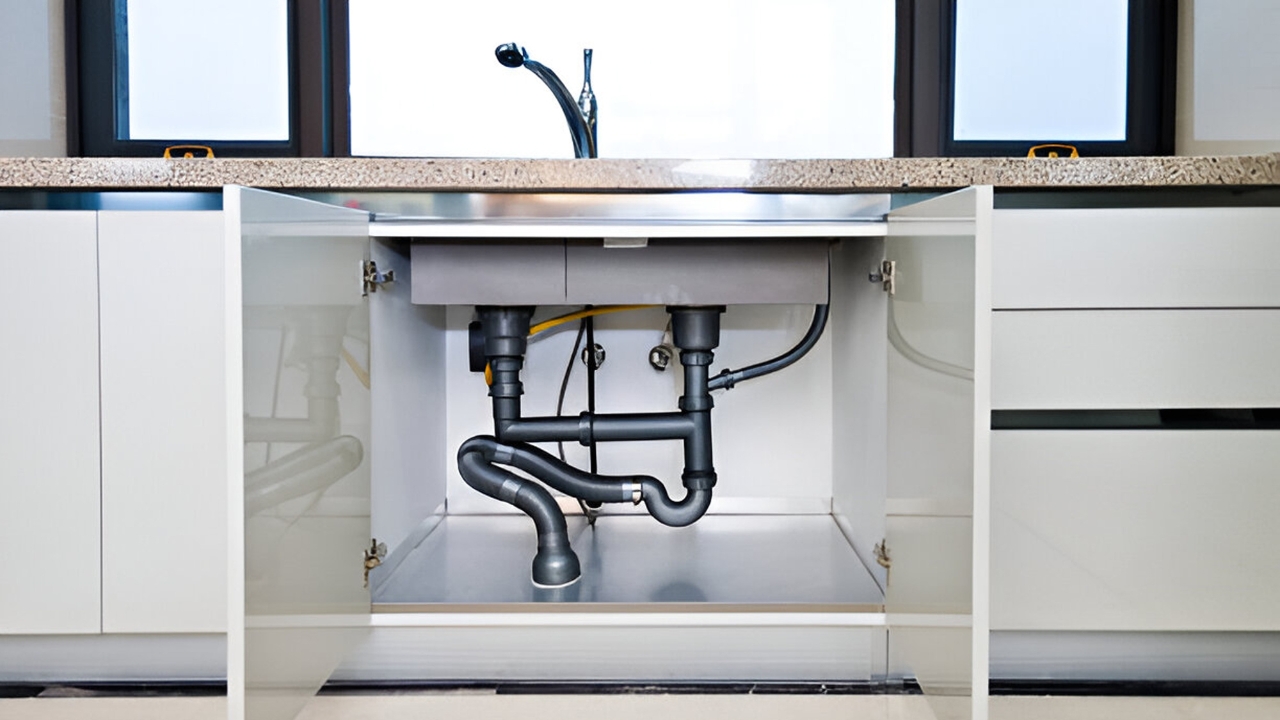
This one shows up as a slow trickle at the kitchen or bath faucet, even though the rest of the house still has water. The pipe is sitting in a cold wall cavity with little insulation, and wind pushes cold air right through old siding and sheathing seams. If there’s a cabinet in front of it, the cabinet blocks warm room air from reaching the pipe.
Open the cabinet doors on cold nights and keep cleaners out of the way so air can move. Longer term, air seal first, then insulate, and that means pulling access panels or cutting a neat opening so you can foam gaps around the pipe and stuff the cavity. If the line is on the outside of the insulation, rerouting it into the warm side of the wall is worth the drywall patch.
2. Water Lines Under A Crawlspace
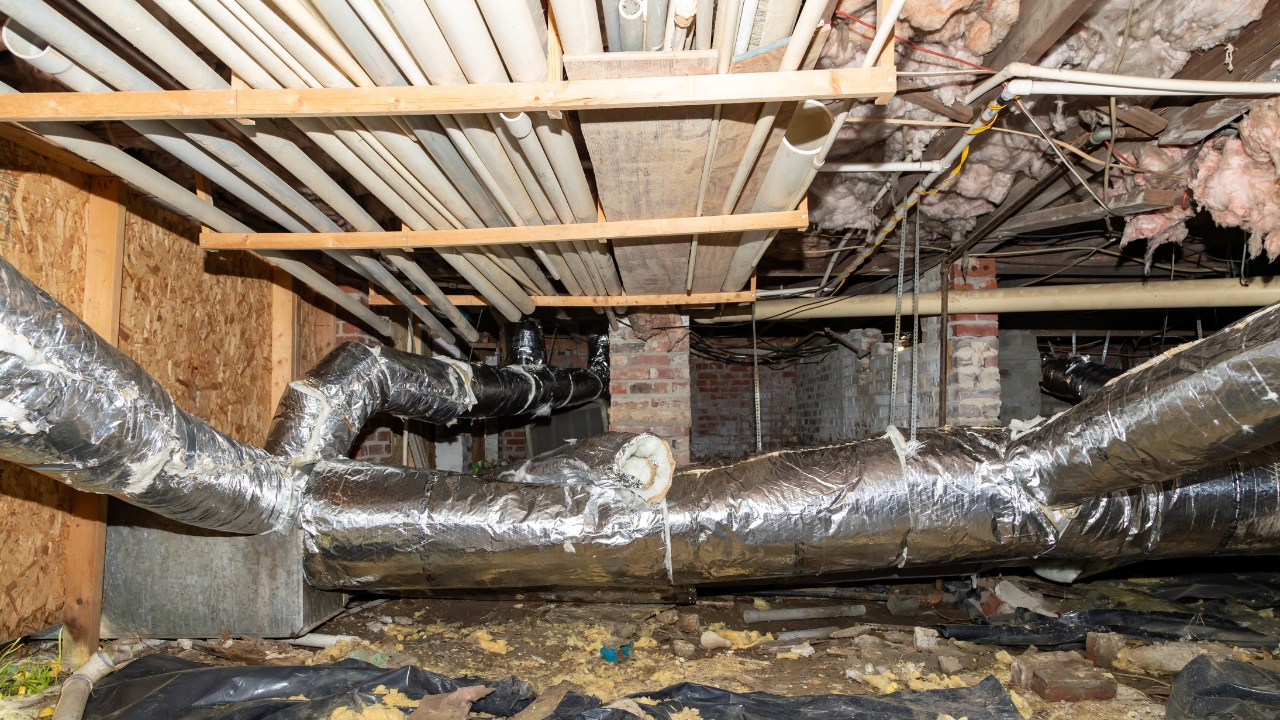
When the crawlspace stays damp and drafty, pipes freeze fast and thaw slow. The worst setups have a main line run tight to the rim joist with missing insulation and open vents that act like a wind tunnel. You’ll hear it in the morning, the pump or pressure tank cycles, but no water makes it to the fixtures.
Close foundation vents for winter if your setup and local practice allow it, and fix the real problem, air leaks. Seal gaps at the sill plate and around pipe penetrations with foam or caulk, then insulate the rim joist. If you add heat tape, use a listed cable made for pipes, plug it into a GFCI, and follow the instructions. If wiring is sketchy in that crawlspace, get an electrician, water and bad wiring do not mix.
3. Hose Bibs And Short Stub-Outs

Outdoor faucets freeze because the pipe stops in the cold zone. A standard hose bib has water sitting right behind the handle, and if you leave a hose attached, it traps water inside and keeps it from draining. The first sign is usually nothing at all until you turn it on in spring and hear hissing inside the wall.
Before hard freezes, disconnect hoses, drain them, and shut off the interior valve feeding the sillcock if you have one. Better, install a frost-free hydrant style sillcock that drains back into the warm side, but it only works if it’s pitched slightly to drain and the wall is sealed. Cheap exception, in a mild climate where only a few nights dip below freezing, a simple insulated cover can be fine, as long as the hose is off and the indoor shutoff works.
4. Supply Lines In Unheated Mudrooms
Mudrooms feel “inside,” so people assume plumbing is safe there. Then the door gets propped open for boots, the heater vent is blocked by a bench, and the washing machine supply line runs right along an outside wall. It freezes on the coldest, windiest nights, when you also want to do laundry.
Keep the room above freezing, even if it means a small baseboard or properly installed wall heater. Insulate the pipes, but do the air sealing first around windows, baseboards, and that leaky door casing. If the washing machine box is on an exterior wall, moving it to an interior wall is a weekend project that saves a lot of swearing later.
5. Shallow Buried Yard And Barn Lines
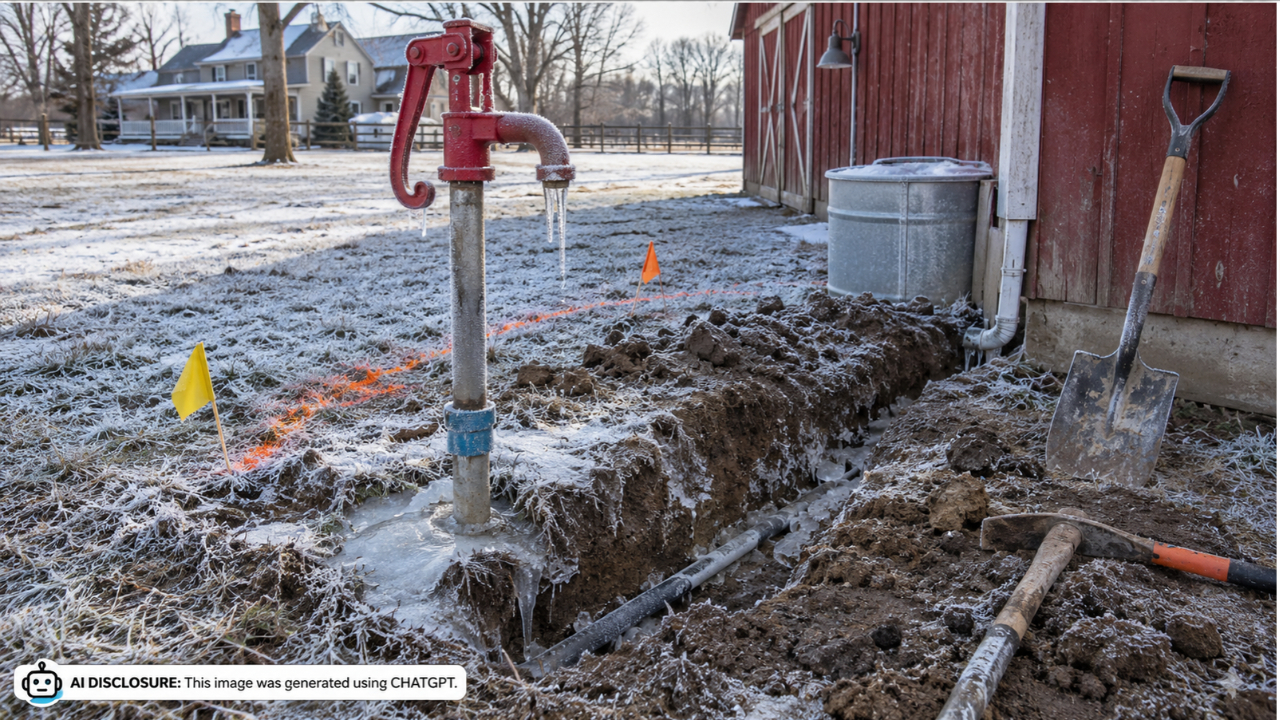
Farmhouse plumbing often spreads out, to hydrants, barns, tack rooms, and outbuildings. Those lines were sometimes buried “good enough” decades ago, and one winter with deep frost finds them. You’ll notice the hydrant won’t run, or it runs for a minute then drops to a dribble as ice chokes it off.
Fixing it for real means digging below frost depth for your area and bedding the pipe correctly. Call 811 before you dig, even on your own land, and plan for a trench that stays dry enough to work in. If you can’t re-bury right away, shutting off and draining that branch before winter is cheaper than repairing a split line under frozen ground.
6. Lines Running Above A Basement Door
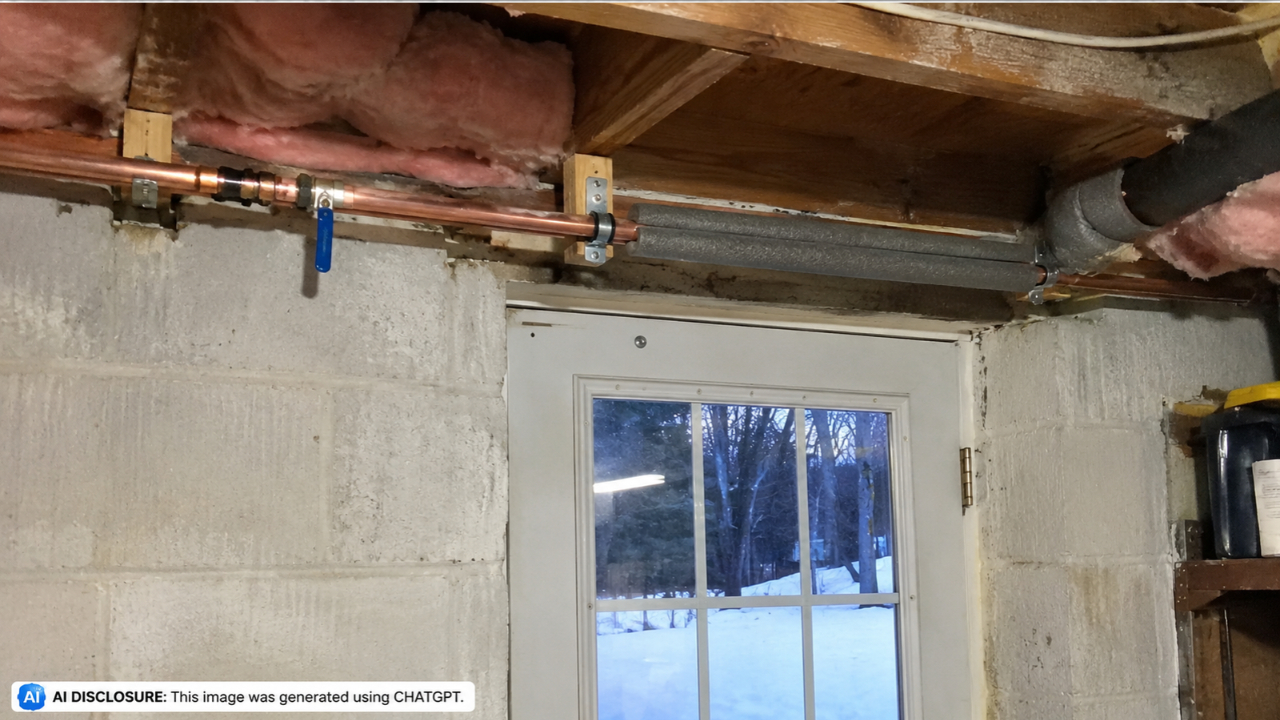
That bulkhead or walkout basement door is a cold leak you can feel with your hand. If a pipe crosses above it, the pipe gets hit with cold air every time the door opens, plus the constant draft from a worn threshold. You can get a single frozen elbow while the rest of the basement is warm.
Weatherstrip the door properly and add a sweep that actually touches the sill. Then insulate and box in the pipe, but leave access to valves and unions. If the pipe is copper and already got hot-thawed a few times, plan on replacing that section, heat cycling makes fittings tired and pinholes show up later.
7. Water Filter Housings Near Rim Joists
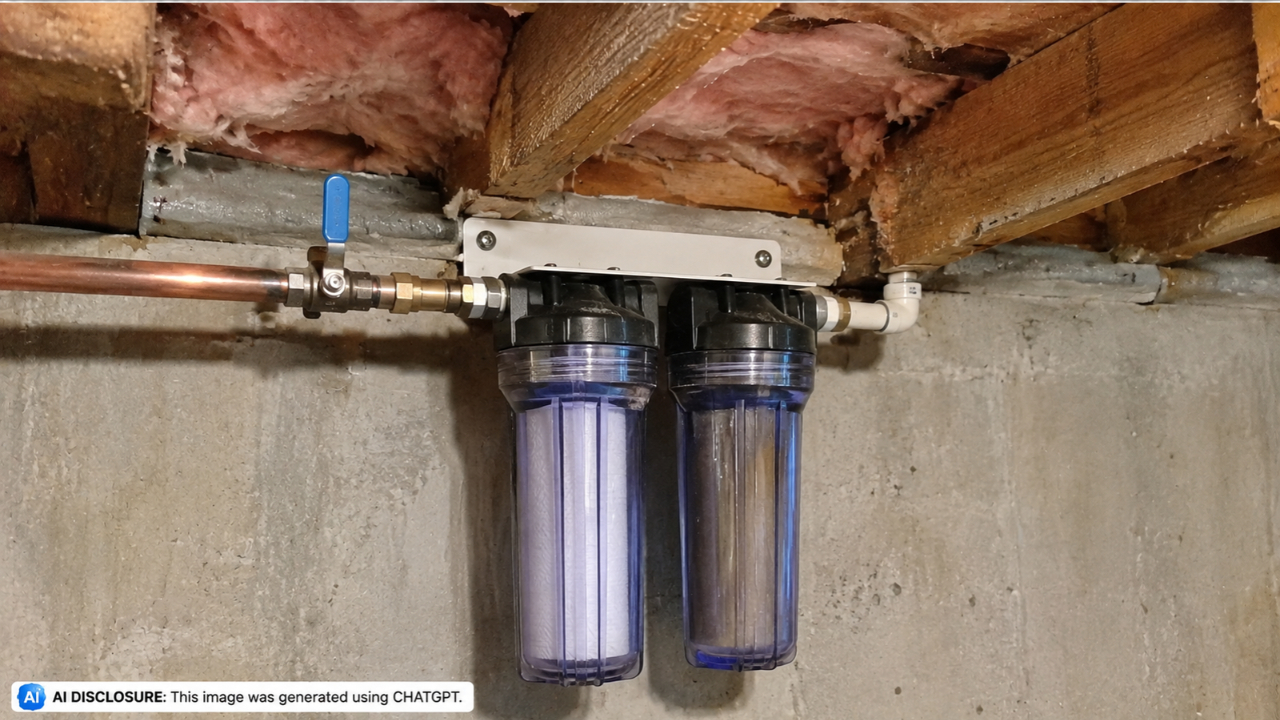
Whole-house filters and spin-down sediment units often get mounted wherever there’s space, which is usually near the main line coming in. Near a rim joist is also where the cold lives. Plastic filter housings crack when they freeze, and they crack wide, not just a little seep.
Relocate the filter to a warmer spot if you can, even a few feet inward makes a difference. If moving it is a pain, build an insulated box around it and air seal the rim joist area like you mean it. Keep spare O-rings and a housing wrench on hand, because when these fail it’s usually with water everywhere and the stores closed.
8. Lines To Back-Of-Fridge Ice Makers
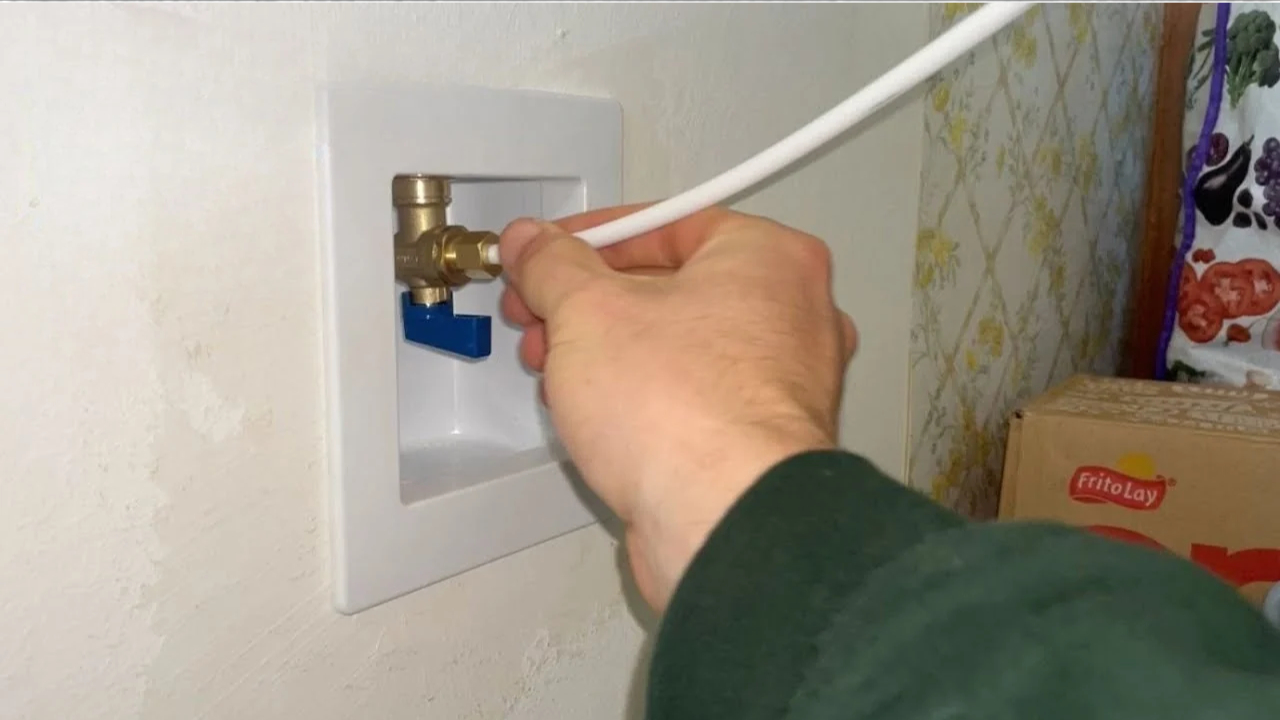
This is a sneaky one because the kitchen feels warm. The 1/4-inch line to the fridge runs behind a big cold appliance, along an exterior wall, then sits in a dead-air pocket. When it freezes, the ice maker quits and you might hear the fridge valve buzzing when it tries to fill.
Pull the fridge out and look for that line pressed against the wall or laying on a cold floor near the baseboard. Reroute it away from the exterior wall, add foam pipe insulation, and seal the wall penetration if it’s coming up from a crawlspace. If it’s a saddle valve, replace it with a proper shutoff, saddle valves are trouble even when it isn’t freezing.
9. Toilet Supply Stops On Outside Walls
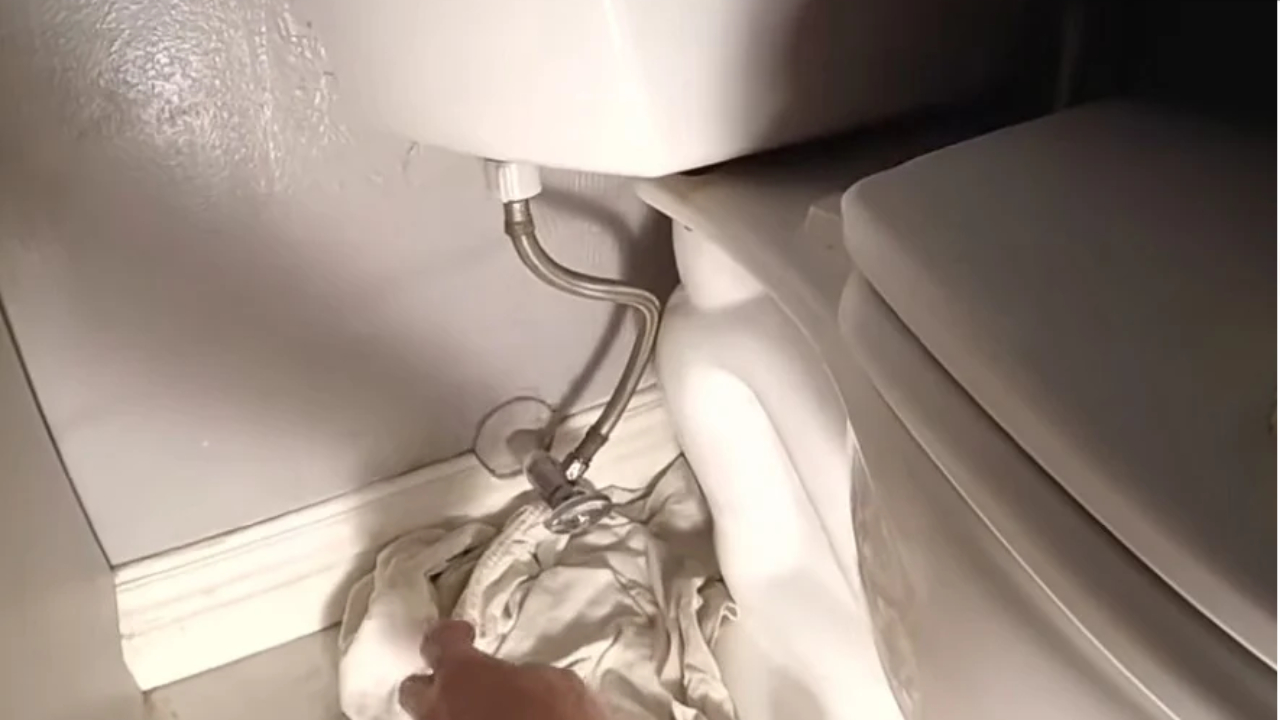
A toilet will often still flush once or twice on a freezing morning, then the tank won’t refill. That’s the stop valve and short supply tube getting hit with cold through the wall, and porcelain tanks don’t give off much warmth. Sometimes the valve body freezes and splits, then leaks only after it thaws.
Start with airflow, leave the bathroom door open at night and keep the heat register clear. If the plumbing is in the wall cavity, the best fix is moving the supply to an interior wall when you remodel, even if it means a new toilet location or a different vanity layout. Short term, a small piece of rigid foam behind the toilet can cut the draft, but do not trap moisture against a damp wall.
10. Pipes Near The Well Pressure Tank
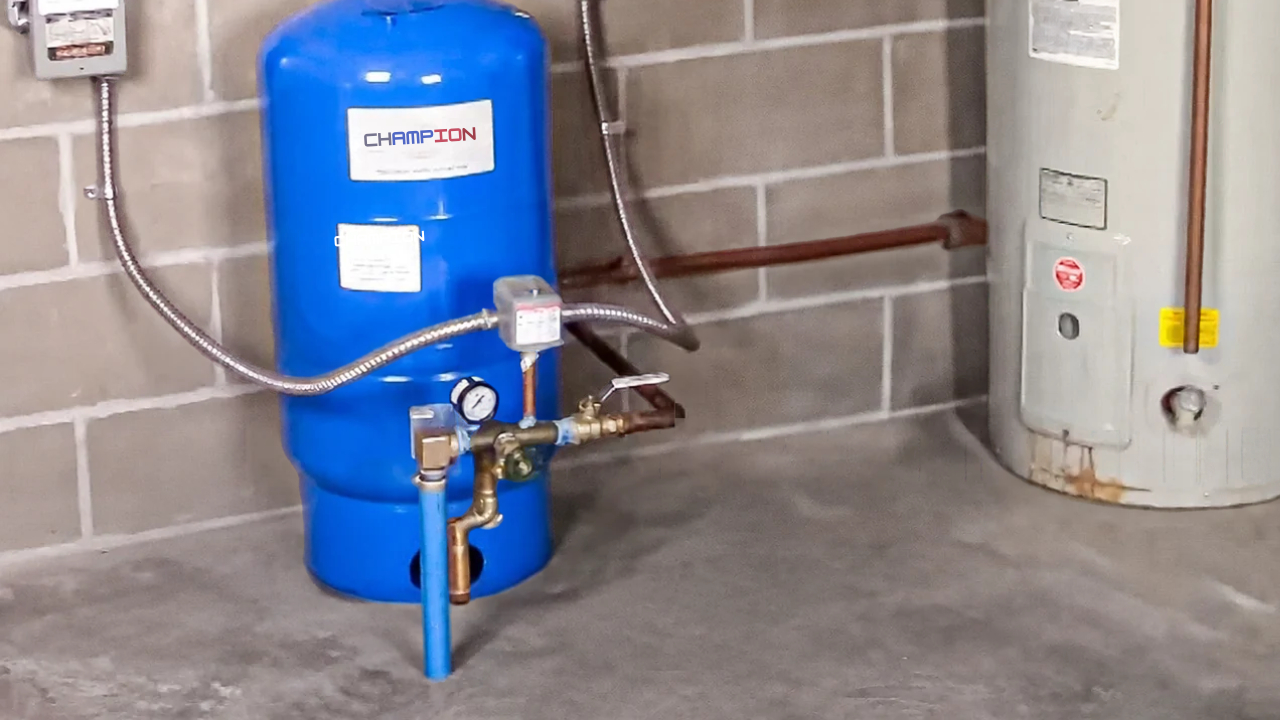
Well equipment in a basement corner or pit can be warmer than outside but still cold enough to freeze the plumbing right at the tank tee or pressure switch line. Then the pump short cycles, you get sputtering at faucets, or the gauge reads weird because the small lines are iced up. A frozen pressure switch line can also keep the pump from turning on, and that turns into a no-water emergency fast.
If your pressure tank and controls are in a well house or pit, a safe heat source and good insulation matter, and some setups need a pro because wiring and pump controls are involved. Make sure the space stays above freezing, seal air leaks, and keep the access hatch tight. If you’re not comfortable working around pump wiring or you see corrosion at the switch, call a licensed well contractor or electrician.
Before the next cold wave, walk the house and outbuildings and put a hand on the cold spots. A few hours of sealing drafts, adding insulation, and fixing shutoffs beats repairing burst pipes and wet drywall when the ground is locked up.
Like Fix It Homestead’s content? Be sure to follow us.


