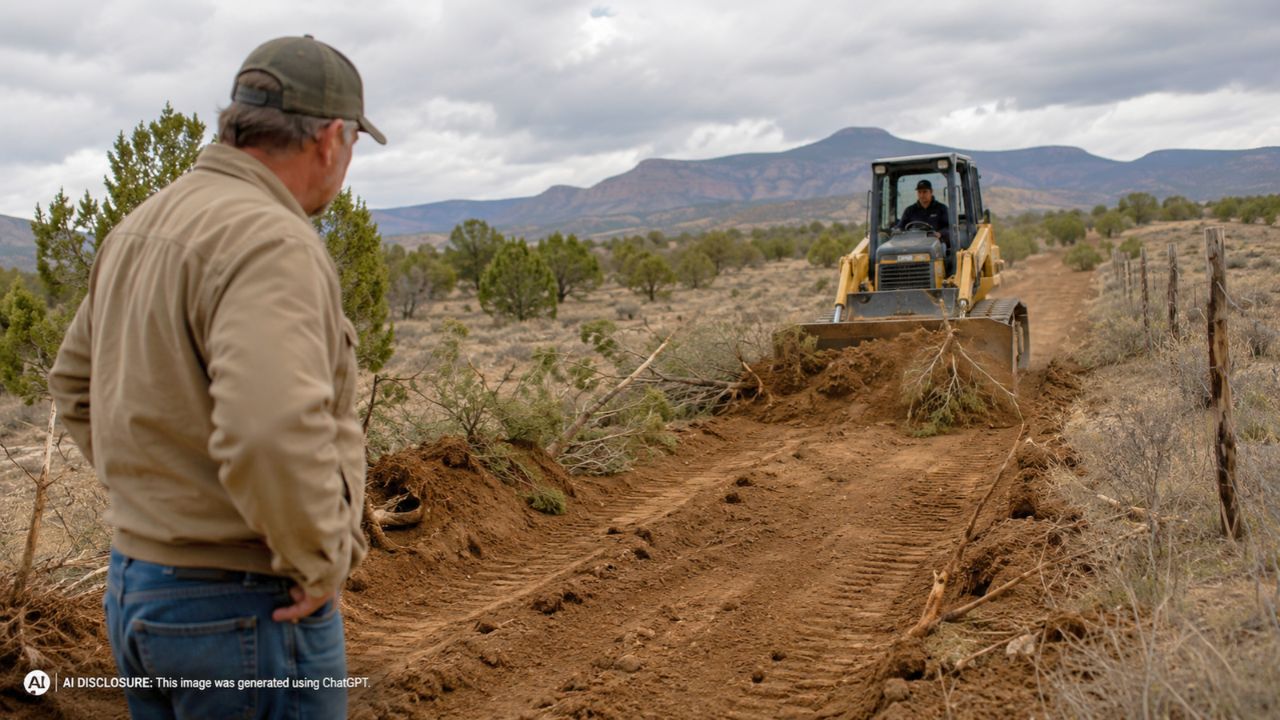
Utah Landowner Watches the Neighbor Grade a Road Across the Disputed Easement, Tearing Out Trees — Then a Judge Issues a Stalking Injunction Against Him
Photo credit: AI-generated image created using ChatGPT. Illustrative only.
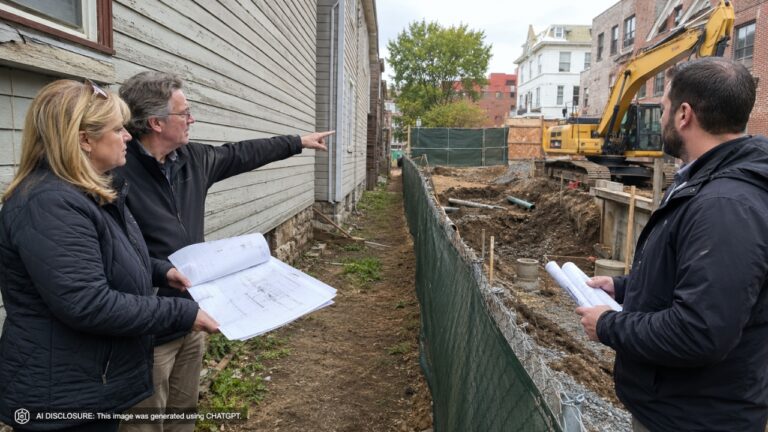
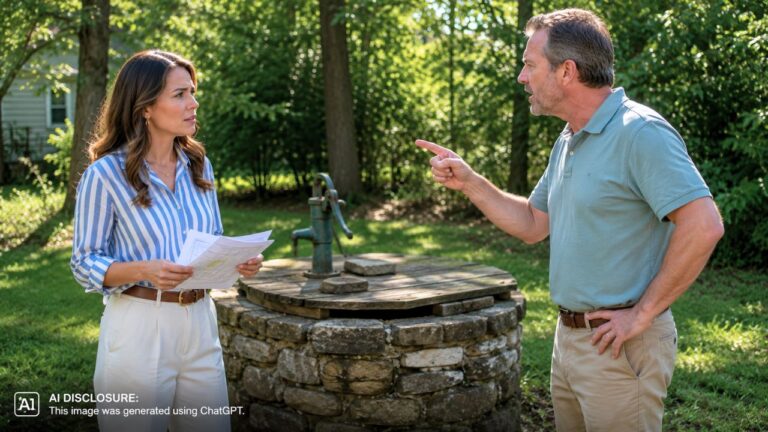
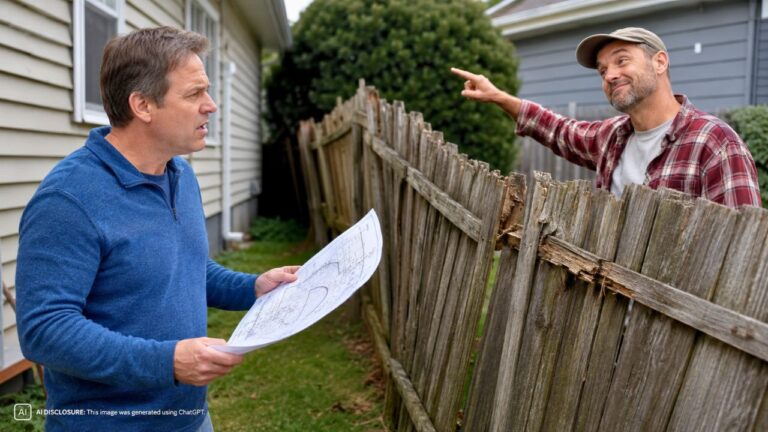
In rural living, a “road project” can start with a neighbor and a tractor and end with everyone checking cameras, calling attorneys, and sleeping a little lighter. That’s basically what happened in southern Utah when a property-line disagreement over an old easement turned into repeated tree removal, grading work, and a terrifying face-to-face encounter on a disputed path.
In a decision that reads like every homestead owner’s nightmare—heavy equipment, boundary claims, and escalating behavior—the Utah Court of Appeals upheld a civil stalking injunction keeping one neighbor off the other’s land. The details come from the source post, involving neighbors Matthew LeFevre and Eric Hasemeyer and a strip of land LeFevre believed he could still use as an easement.
The first “what was that noise?” moment was trees coming down
LeFevre and Hasemeyer own neighboring rural properties. LeFevre believed a historic easement crossed the northern part of Hasemeyer’s property and wanted to use that route to build access to an undeveloped portion of his own land, where he hoped to build a house. Hasemeyer disputed that the easement was still valid.
The tension ramped up in October 2024 after LeFevre asked Hasemeyer to borrow a key to a locked county gate—without explaining why. Not long after, Hasemeyer noticed trees falling at the back of his land and found LeFevre operating a tractor, removing two or three mature trees. LeFevre said he was clearing because he had an easement.
Hasemeyer testified the shock wasn’t just anger—it hit him physically, to the point that he vomited in his backyard. That detail matters because this case didn’t stay in the lane of “property dispute.” The court later focused on the emotional distress and fear that built over time.
Cease-and-desist letters didn’t stop the tractor from coming back
Two days after the first tree removal, Hasemeyer’s attorney sent LeFevre a cease-and-desist letter demanding he stop trespassing and damaging the property while the easement question was investigated. If you’ve ever been in a boundary fight, you know that moment: one side thinks the letter will freeze everything, the other side treats it like background noise.
In November, despite the warning, LeFevre returned with heavy equipment. More trees and shrubs came out, and the route started to look less like “a place people sometimes drive” and more like an actual roadbed—graded and prepped.
A second cease-and-desist letter followed in February 2025. By then, this wasn’t just about a few damaged plants. It was about the reality that once someone starts cutting and grading, the land doesn’t pop back to normal. Trees take decades. Soil compaction and disturbed vegetation can change drainage patterns. And the cost to “undo” an unauthorized road can get ugly fast.
The moment it turned from property damage to personal fear
The clash that pushed this into stalking-injunction territory happened February 26. Hasemeyer’s wife saw LeFevre coming along the disputed route in his tractor and stepped onto the path. She testified that LeFevre was moving slowly at first, knew she was there, and kept going until the tractor stopped directly in front of her legs.
She told him to stay off the property. He laughed and left.
But the pause didn’t mean it was over. Around 10 to 15 minutes later, LeFevre returned—this time after attaching a blade extension to the tractor. Hasemeyer’s wife said he came around the corner “really, really fast” and continued getting closer as she backed away. She had to take several steps backward before he finally stopped after she screamed for her husband.
Anyone who’s lived around tractors and blades understands the subtext. Even if there’s no contact, the power imbalance is obvious: one person on foot, one person behind a machine that can crush, pin, or clip someone before anyone can react.
The court treated the whole pattern as one “course of conduct”
Hasemeyer sought a civil stalking injunction in March 2025. The court issued an emergency order first—no contact with Hasemeyer or his wife, and stay away from their home and property. After an evidentiary hearing (including videos of the tractor confrontation), the judge continued the injunction.
LeFevre argued it was fundamentally an easement fight. He said he believed he had the right to be there and was trying to build access, not threaten anyone. But the Court of Appeals said Utah’s stalking statute is broad enough to cover repeated entries onto someone else’s property, interference with property, approaching or confronting a person, and similar acts.
The key point: the judges didn’t look at each moment in a vacuum. They looked at the sequence—tree removal, more clearing after a warning, and then the tractor driving toward Hasemeyer’s wife—and said that together it supported the required “course of conduct.” In plain homeowner terms: when the same neighbor keeps showing up, keeps damaging things, and then has a close call with a person, the court may treat it as escalating behavior rather than “separate misunderstandings.”
There was also an interesting note from Judge Ryan Tenney in a separate writing. He suggested Utah precedent might be interpreting stalking too broadly when the underlying behavior is mostly about property rather than targeting a person, and that other remedies (like restraining orders and civil actions) might fit better in many cases. But that was his view alone, not the full panel’s holding.
The hearing took longer than the usual timeline—and still stood
LeFevre also challenged the timing. Utah law generally calls for an evidentiary hearing within 10 days unless there are compelling reasons. Here, the hearing began 28 days after he requested it, and the court didn’t finally rule until 42 days after that request.
The appeals court agreed hearings should usually happen faster. But it didn’t reverse, because the delay was tied to court scheduling problems, and the temporary injunction didn’t bar LeFevre from critical parts of life like his home, job, or family.
He tried another angle too: that a separate lawsuit over the easement should have blocked the stalking injunction. That didn’t work because the argument wasn’t properly raised in the trial court, so it wasn’t preserved for appeal.
Importantly, the stalking case didn’t decide who actually has easement rights. That’s still being litigated separately. The injunction is about behavior and safety, not property ownership.
How homeowners tend to react when heavy equipment shows up
Cases like this often split people into two immediate camps. One group focuses on the land question: “If there’s an easement, he can clear it.” The other focuses on the lived reality: “Even if you think you’re right, you don’t get to bulldoze first and sort it out later—especially not after getting warned.”
What stands out here is how much documentation mattered. The court had videos of the tractor confrontation, plus testimony about repeated entries and property damage. When a dispute turns physical—or even feels like it could—records tend to become the whole ballgame: dates, letters, footage, and what happened after warnings were given.
The Court of Appeals also rejected the argument that keeping LeFevre completely off Hasemeyer’s property was overly broad. The judges noted that if LeFevre eventually wins the easement case, he can ask to modify or dissolve the injunction. Until then, the “stay off the property” restriction remains in place.
For now, it’s the kind of ending that doesn’t really feel like an ending. One neighbor is legally barred from stepping onto the disputed land, the other is left with the aftermath of removed trees and a graded route, and the underlying easement question is still hanging out there—waiting to decide whether this was access work done the wrong way, or trespass dressed up as entitlement.
Like Fix It Homestead’s content? Be sure to follow us.