What Actually Keeps Black Bears Away From Your Property
Photo credit: Freaktography/Shutterstock.com
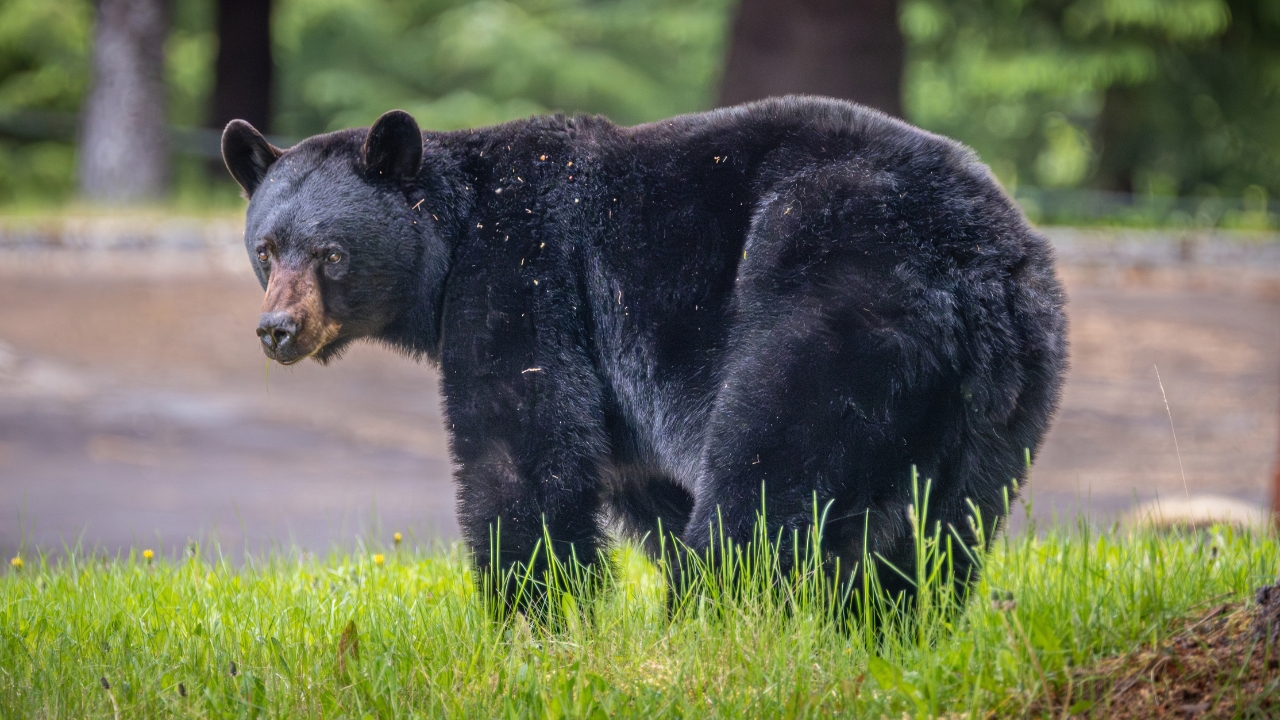
A black bear doesn’t need much of a reason to wander through your yard. If it finds a meal once, it’ll check again, and the mess usually shows up at the worst time, right before work or after dark. The fix is mostly about removing payoffs and tightening up the weak spots that keep feeding the habit.
1. Garbage That Smells Like Dinner
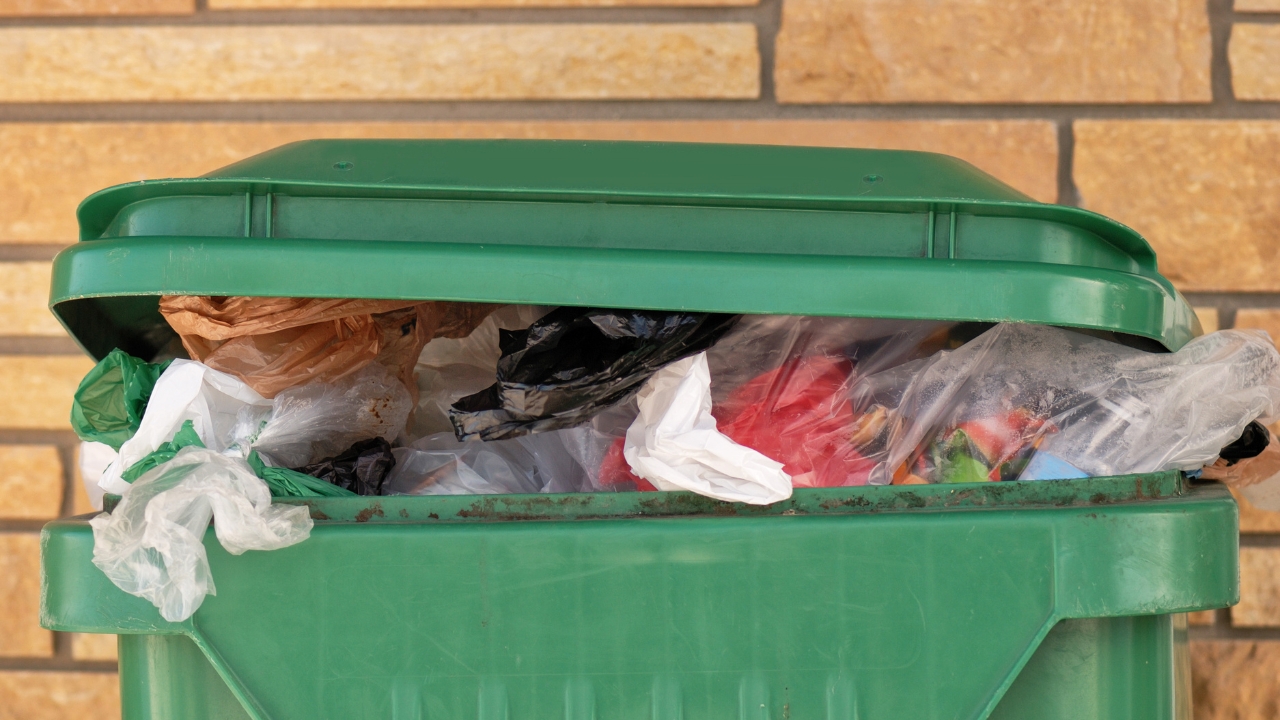
Loose lids and overstuffed cans are bear magnets. The first time a bear tips your bin and hits the jackpot, the reward is huge and easy, and it learns fast. Dragging scattered trash back up a driveway is bad enough, but the real problem is training a bear to come back.
Use a bear-resistant can if your area supports bears, or at least a can with a locking bar, tight latches, and a heavy build. Bag stinky food waste, freeze meat scraps until pickup day, and rinse containers that held grease. If pickup is only once a week, keep trash in a closed shed or garage until the morning of collection, if local rules allow it.
2. Bird Feeders Left Up Overnight
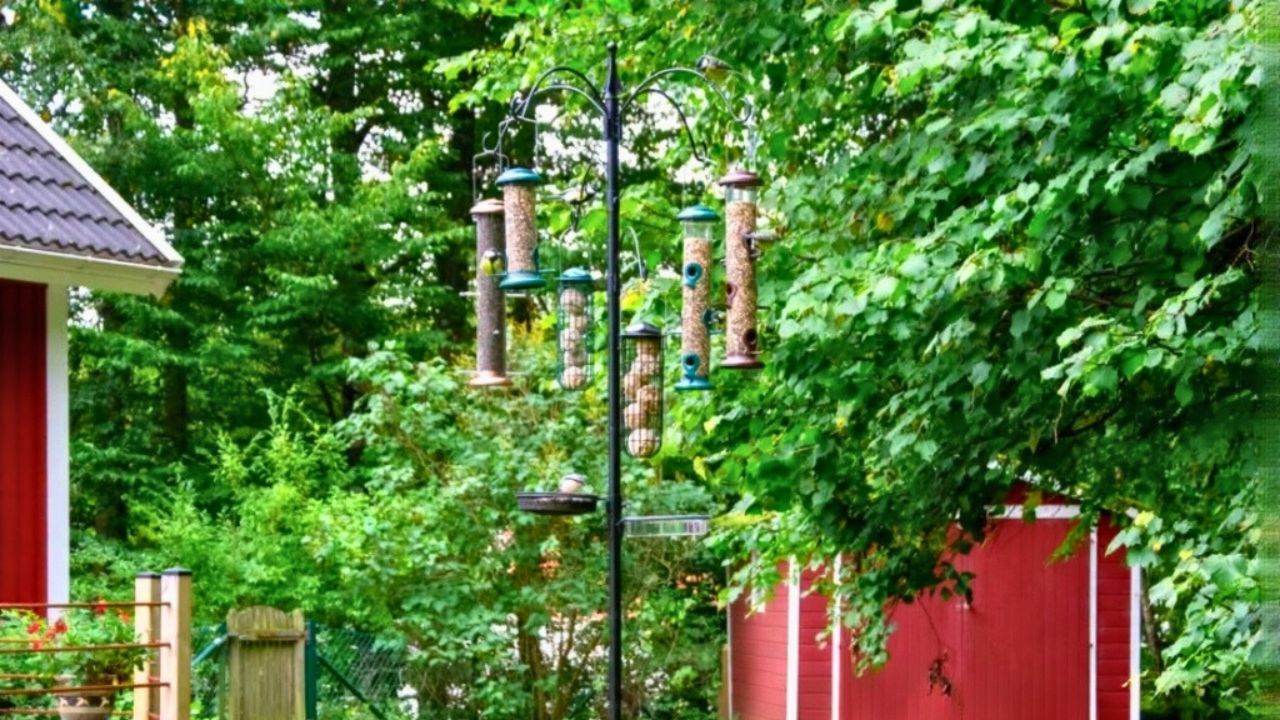
People hang feeders for winter color, then forget spring is when bears start roaming hard for calories. A feeder that’s fine at noon becomes a midnight snack, and once it gets pulled down, you’ll find bent hooks, shredded seed bags, and a muddy paw print trail.
Bring feeders in at night, or pull them entirely during bear season if bears are active near you. Clean spilled seed under the feeder, too. Even if you switch to “hot” seed blends, bears still smell fat and sugar, and they usually don’t care about spice the way you hope they will.
3. Pet Food On The Porch
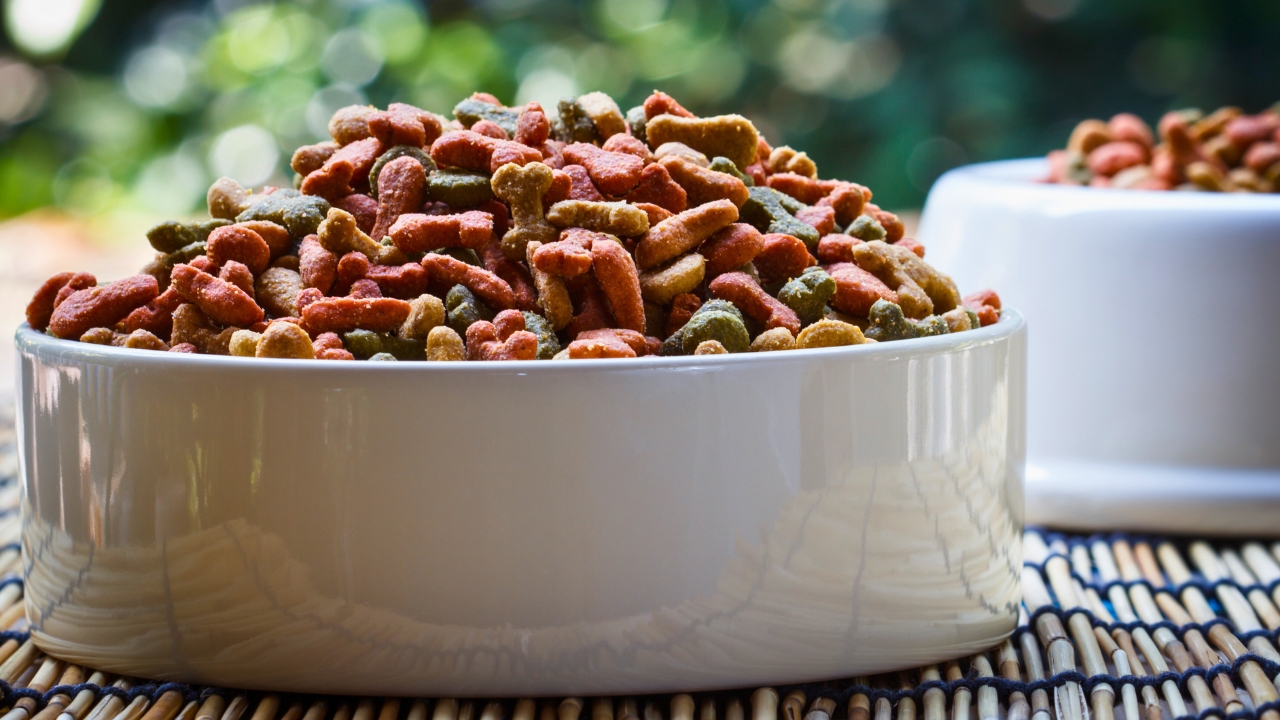
Leaving a bowl outside feels harmless, especially if the dog grazes all day. To a bear, it’s a free buffet with a bonus, a porch that often has other smells like grill drippings, compost buckets, and kids’ snack wrappers.
Feed pets indoors, or put the bowl out only while the animal is actively eating, then bring it right back in. Store kibble in a hard-sided bin with a tight lid, not a paper bag in the mudroom. If you’ve got livestock guardian dogs that live outside, keep their feed secured and pick up leftovers before dusk.
4. Grills With Grease Still Inside
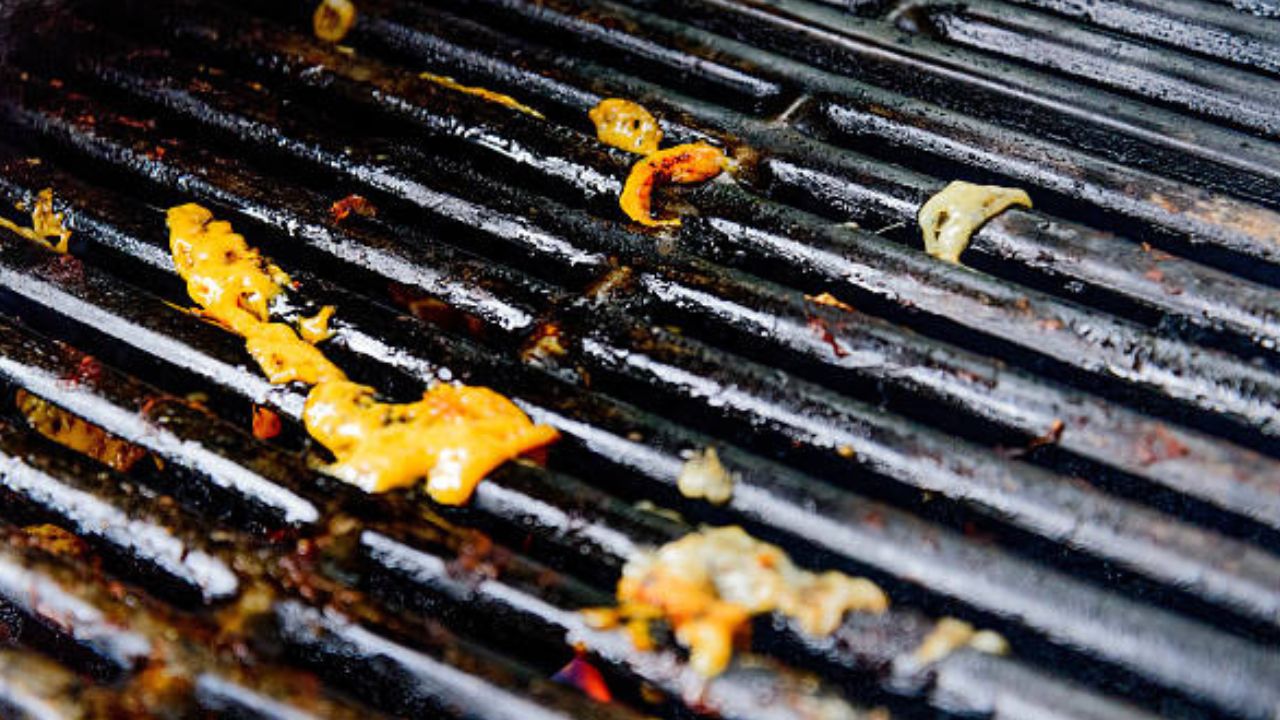
That “clean enough” grill is still a grease trap. Bears will rip open lids, drag grates out, and bat a smoker around like it’s a toy if the drip pan smells like last weekend.
Scrape grates and empty the grease tray after every cook, while it’s still warm enough to clean without a fight. If you can’t store the grill in a shed or garage, cover it and roll it to a spot away from doors and wood railings. A cheap cover is fine here, it’s the cleanup that matters.
5. Compost That Includes Kitchen Scraps

Backyard compost is great for gardens, but food scraps are the fastest way to turn a quiet corner of the yard into a bear stop. Fruit peels, eggs, and coffee grounds smell strong, and the pile stays interesting for days.
Stick to yard waste composting if bears are around, leaves, grass clippings, and small sticks. If you want to compost food scraps anyway, use a sealed tumbler, and even then, keep it far from the house and fence it if you can. Burying scraps in an open pile doesn’t solve it, bears dig.
6. Fruit Trees And Windfall Left To Rot

Late summer and early fall are when this one bites people. A few apples on the ground turns into a sweet, fermented smell, and bears will vacuum them up and come back nightly as more drop.
Pick fruit as it ripens and rake up windfall every day during heavy drop. If you can’t keep up, fence the tree area, or remove the tree if it’s right next to the house and you’re tired of the problem year after year. Don’t toss windfall into the woods behind the house, that just moves the bear traffic line closer to your yard.
7. Chicken Feed Stored In Thin Containers
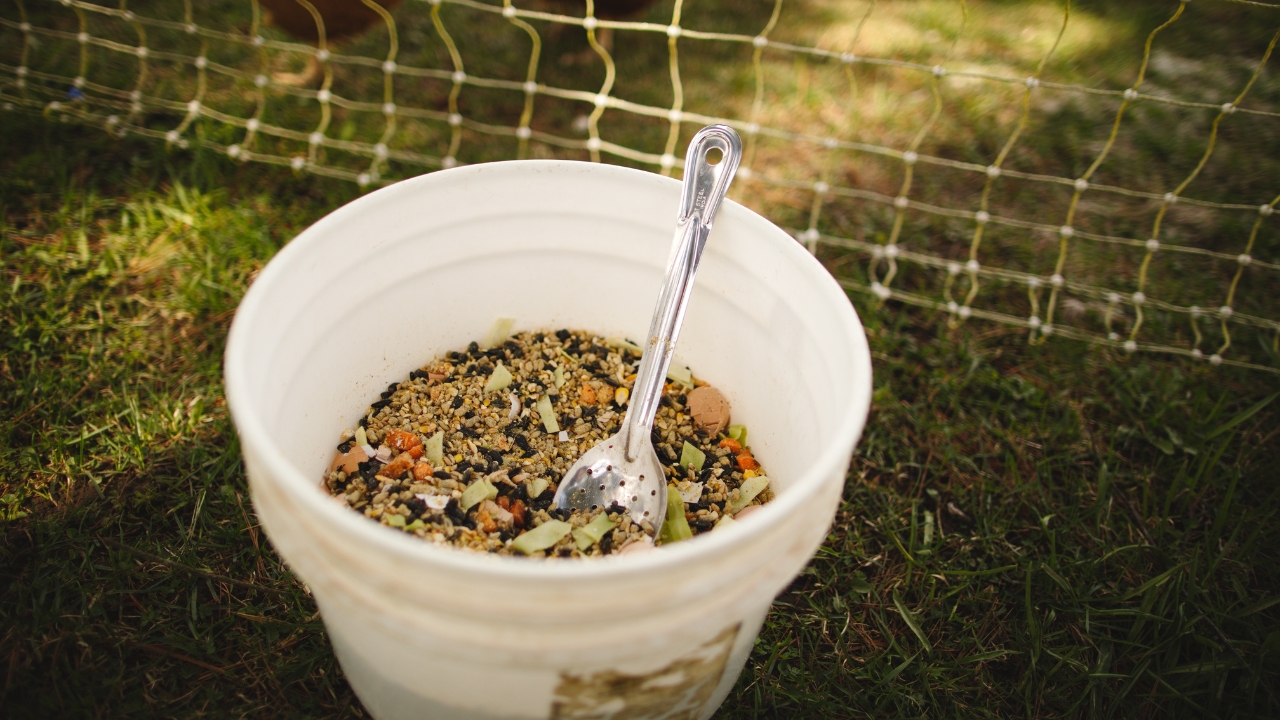
Bears don’t need to get into the coop to get paid. A torn feed bag in a shed, or a plastic tote with a cracked lid, is enough to keep them working the area. Once they start pawing at doors, you’ll see bent hinges and claw marks, and the repair bill climbs.
Store feed in metal cans with tight-fitting lids, and keep them on a solid floor, not on bare dirt where rodents chew and moisture ruins everything. Clean up spilled grain under feeders and inside the run. If you use automatic feeders, check that they aren’t leaking feed overnight, especially after rain swells wood framing.
8. Weak Electric Fence Setup

People buy an energizer, string a line, then wonder why the bear walked right through. A low-voltage unit, bad grounding, weeds touching the wire, and a single strand at the wrong height makes the fence feel like nothing.
If you’re fencing bees, chickens, or fruit trees, set it up like it matters. Use a properly sized energizer for the distance, install a real ground rod system, and keep vegetation trimmed off the hot wires. Put wires at bear heights, not just “dog height,” and test it with a fence tester, not by listening for clicks. Call 811 before driving ground rods or posts, and follow local rules if you’re near property lines or public trails.
9. Open Windows With Food Smells
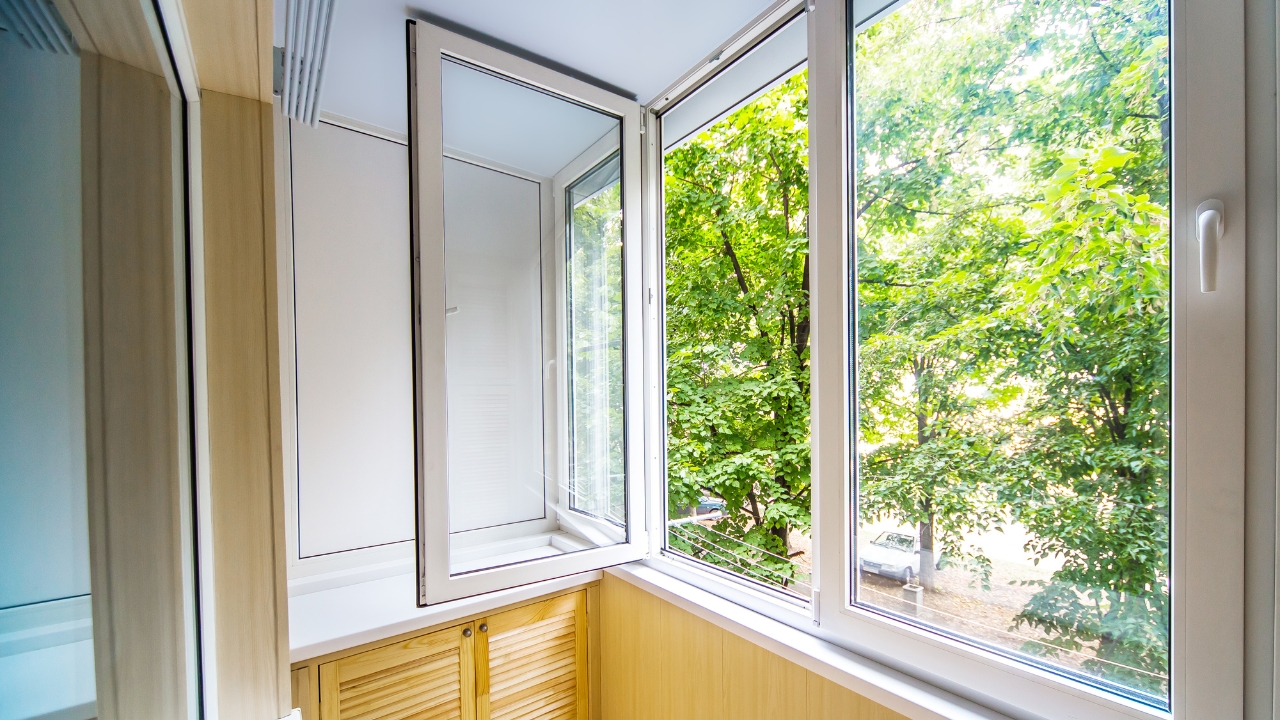
Summer nights feel safe until you’ve got a ground-level window open over a kitchen sink full of dishes, or a basement window cracked near a pantry. Bears don’t have to “break in” if the smell pulls them right up to the house and the opening is there.
Close ground-floor windows when cooking, and don’t cool a house by leaving windows open with food still out. Use screens in good shape and fix tears, since a shredded screen is a weak “invitation.” If a bear has been seen nearby, lock it down at night, especially if you’ve got a walkout basement.
10. Outdoor Freezers And Fish Coolers
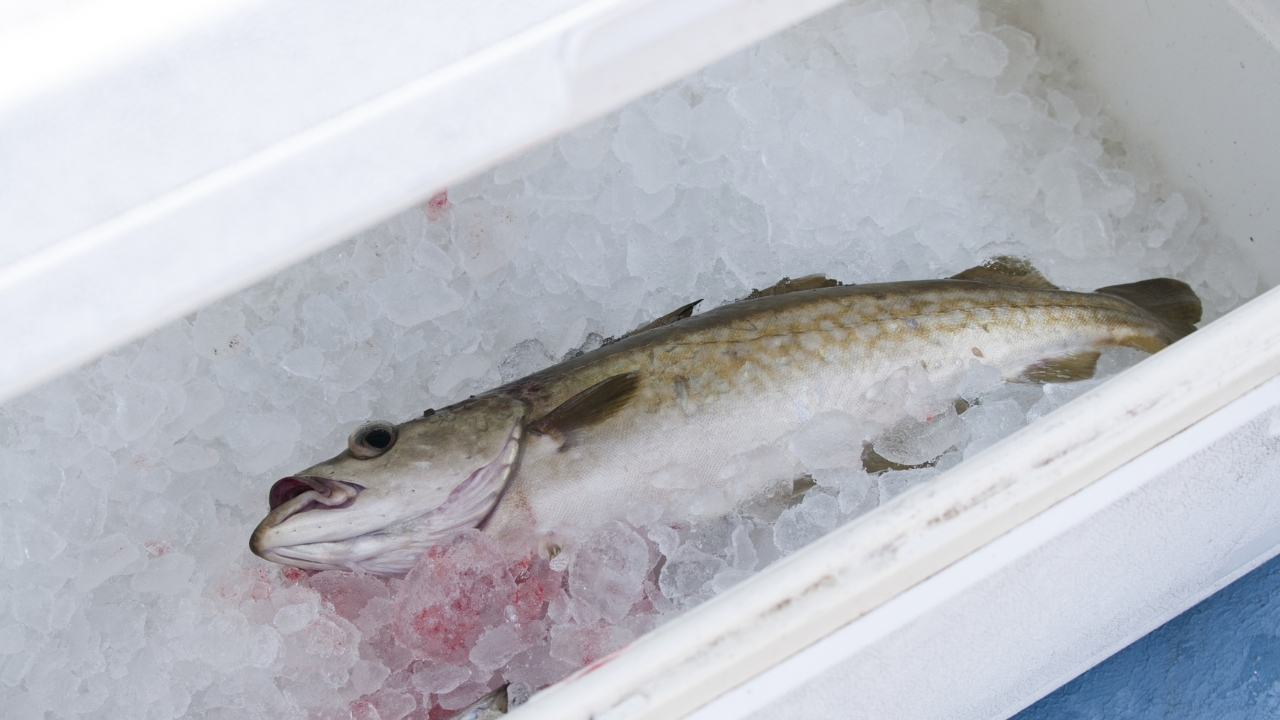
Older chest freezers in a garage or shed sometimes don’t seal well, and a bear can smell thawing meat or fish through a bad gasket. Coolers left on a deck after a trip are worse, they’re portable, easy to drag, and full of strong odors.
Check freezer seals and latches, and don’t store game, fish, or meat in a unit that won’t lock shut. Bring coolers inside, wash them with soap, and store them with the lid cracked open so they don’t get musty. If you process fish outside, bag the waste and get it out of the yard the same day.
11. Attractant Haze From Dirty Drains
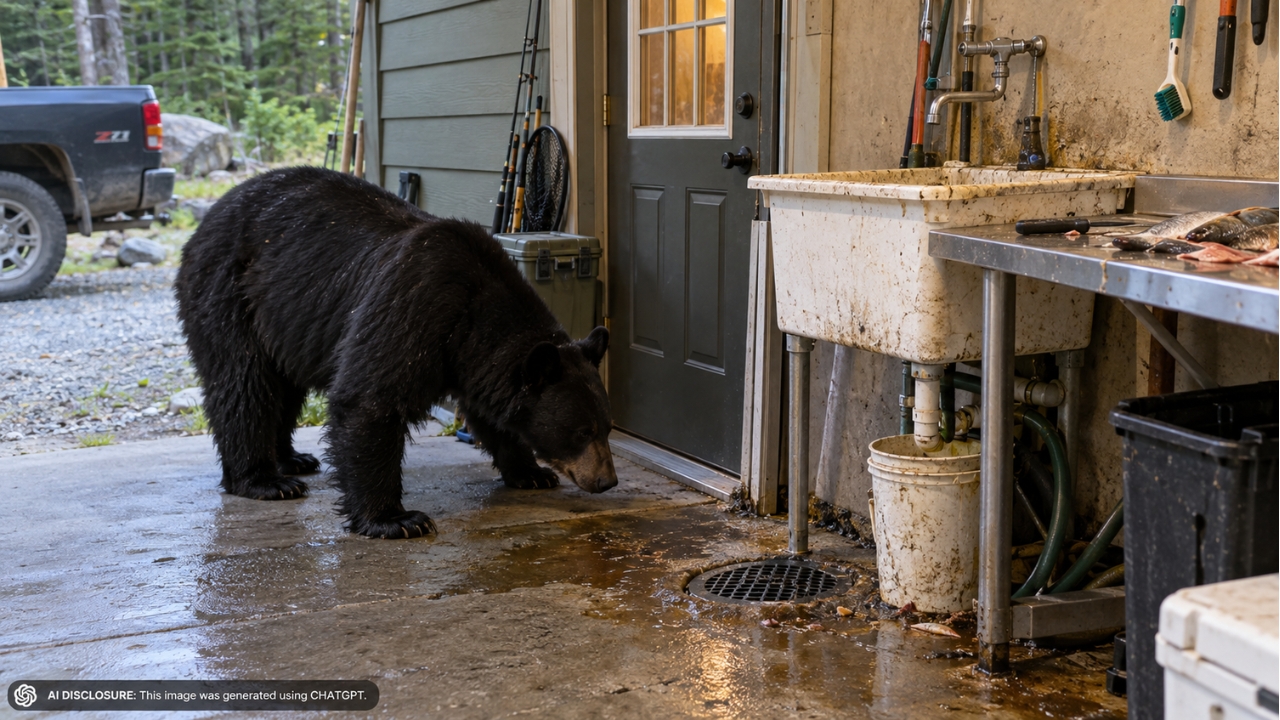
This one surprises people because it doesn’t look like “food.” A floor drain in a garage that’s been used for fish cleaning, a slop sink with grease buildup, or a French drain area where dishwater gets dumped can smell for days.
Scrub sinks and drains with hot water and a degreasing cleaner, and flush with plenty of water. If you dump gray water outside, stop doing it in one spot near the house, and check local rules first. A bear that learns “the side door smells like dinner” starts testing that door.
12. Motion Lights Used As Deterrent
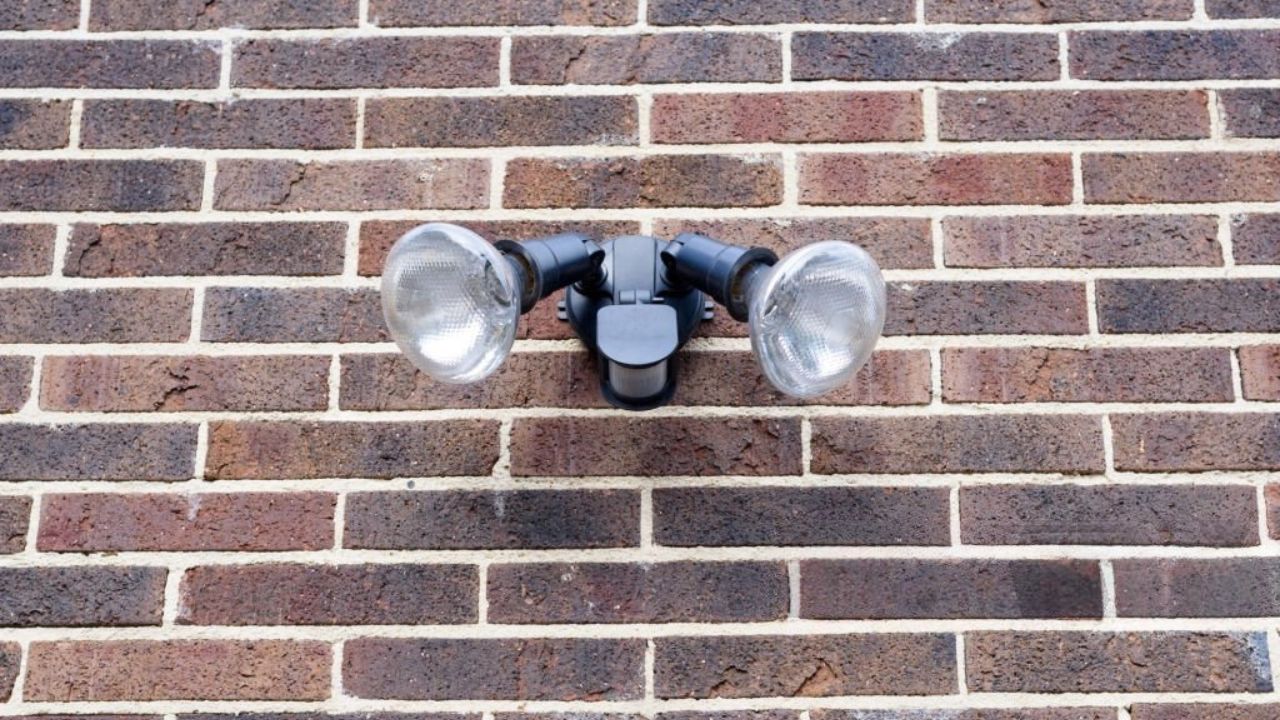
Motion lights feel like a smart fix, but bears get used to them fast. You end up spending money and still picking up trash at sunrise.
Keep lights for your own safety, but don’t count on them to push a bear out of the yard long term. If you want a scare device, change the reward instead, lock up food smells, and use fencing where it makes sense.
13. Waiting Until After A Bear Visit
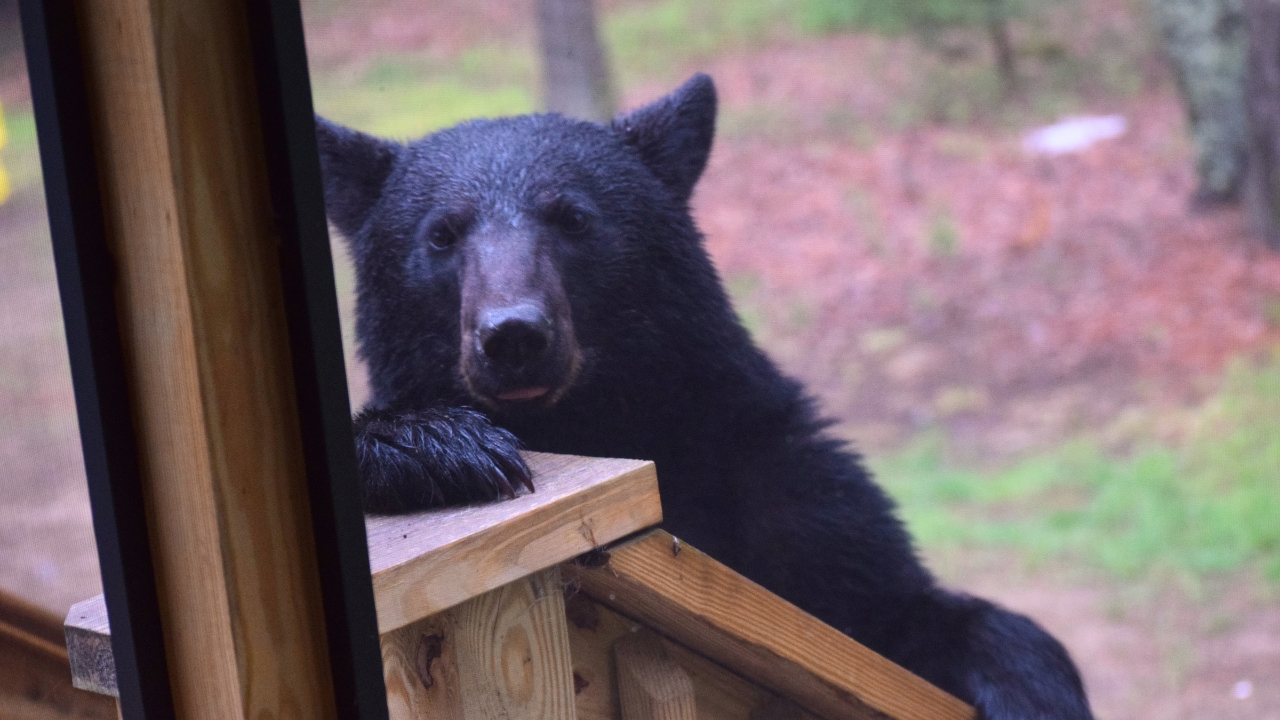
Once a bear scores food at your place, it’s no longer a random visitor. It becomes a repeat problem, and it gets bolder, faster than most people expect. The timing matters because bears are driven by calories, and a successful night teaches them your property is worth checking.
Do a quick “bear audit” before the busy seasons, spring when they wake up hungry, late summer and fall when they pack on weight. Walk the yard at dusk and look for anything that smells, spills, or hangs low enough to grab. If you’ve already had a visit, clean up immediately, remove the attractant that paid it, and call your local wildlife office for guidance if the bear is returning or acting aggressive.
You don’t need to turn your place into a fortress, but you do need to stop being the easiest meal on the block. Most bear problems fade when the smells get locked down and the easy calories disappear. Keep it boring, and they move on.
Like Fix It Homestead’s content? Be sure to follow us.