10 Things That Cause Ice Dams Besides Gutters
Photo credit: northlight/Shutterstock.com
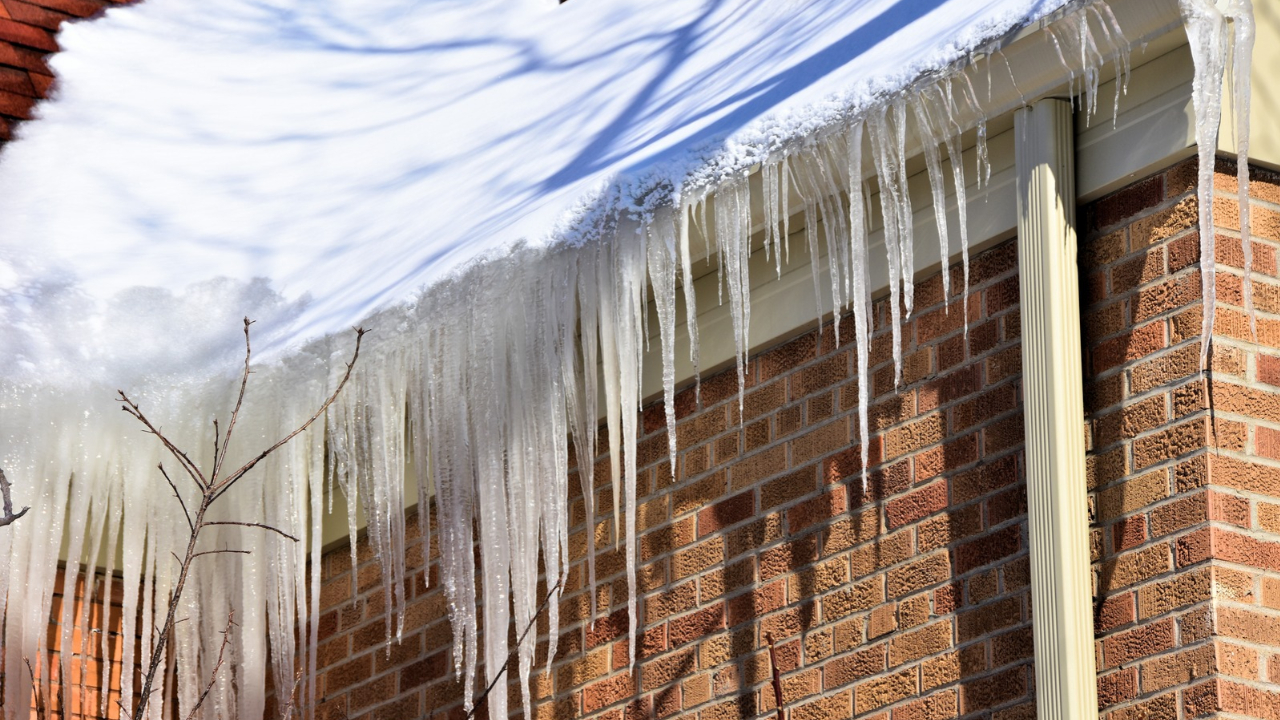
You notice it after a good snow and a hard freeze, thick ridges of ice hanging off the eaves and water stains starting on a ceiling corner. The temptation is to blame the gutters, but most ice dams start up in the roof system and the attic. Fix the heat loss and the melt pattern, and the gutters stop being the scapegoat.
1. Thin Attic Insulation Over Living Space
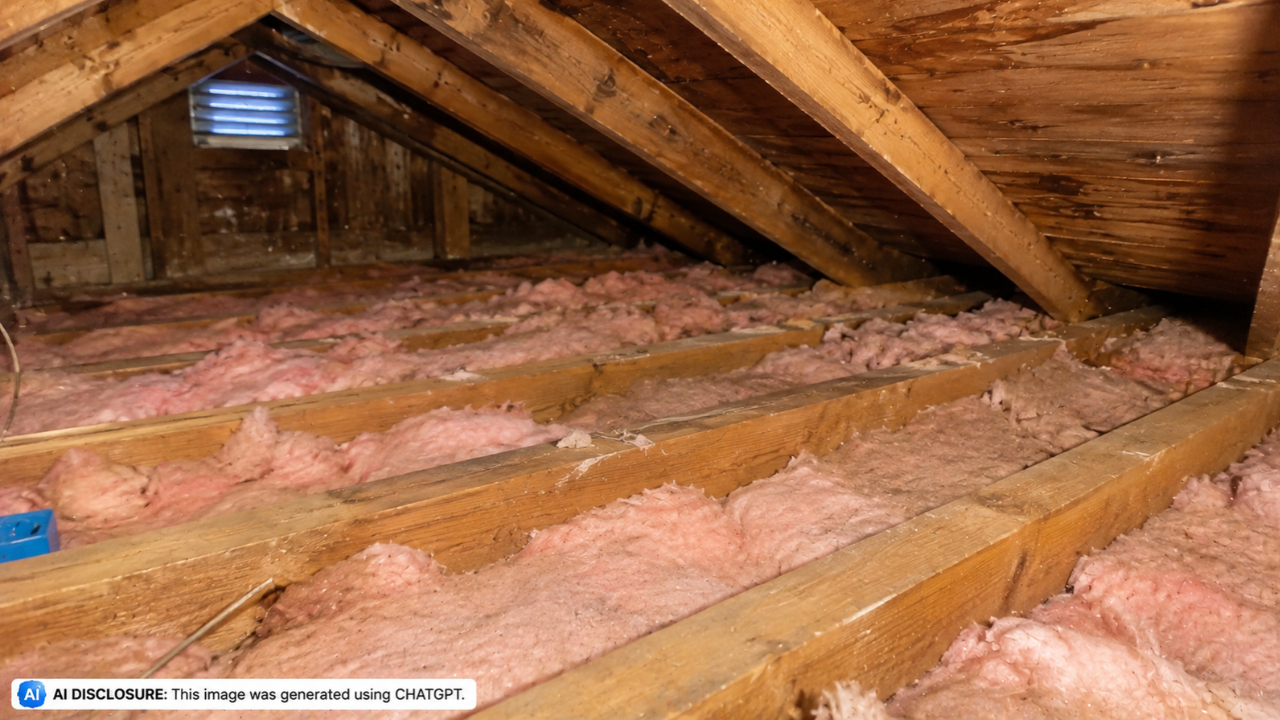
Warm air leaking up into an under-insulated attic heats the roof deck, melts the bottom layer of snow, and that meltwater runs down until it hits the cold overhang and refreezes. You usually spot it first over heated rooms, not over unheated porches or garages. The dam builds right where the roof changes temperature.
Start by measuring what you have. If you can see joists easily, you are probably short. Air-seal first, then add insulation, because loose-fill on top of leaks just hides the real problem. A weekend with a rented blower and a few bales often beats paying for ceiling repairs later.
2. Skipping Air Sealing Around Attic Openings
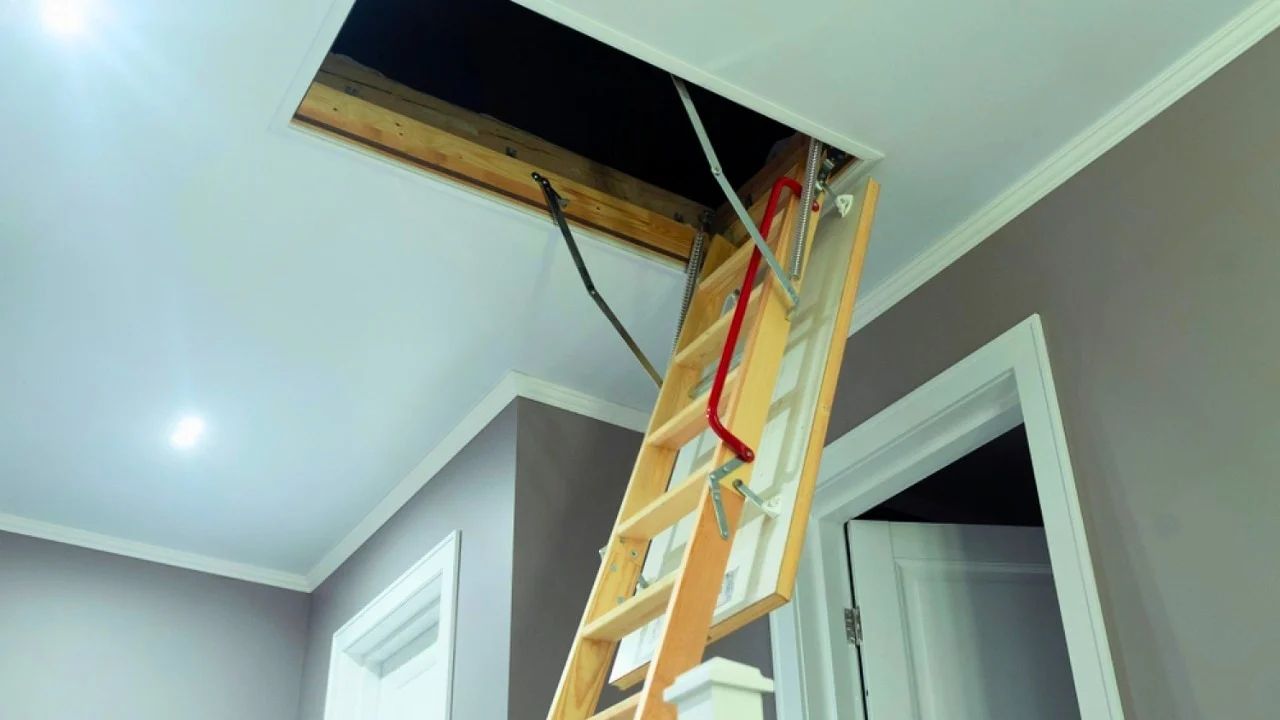
People throw insulation at the attic and call it done, then wonder why the roof still melts. The big leaks are usually around can lights, bath fan housings, plumbing stacks, attic hatches, and chimney chases. Those spots dump indoor heat straight to the roof deck all winter.
On a cold day, you can sometimes feel the draft with your hand, or see dark, dusty insulation where air is moving. Foam and caulk handle most small gaps, but keep clearance rules around chimneys and flues and use the right materials. If you have old recessed lights not rated for insulation contact, swap them or build proper covers, this is one place where sloppy work can start a fire.
3. Blocked Soffit Vents From Insulation
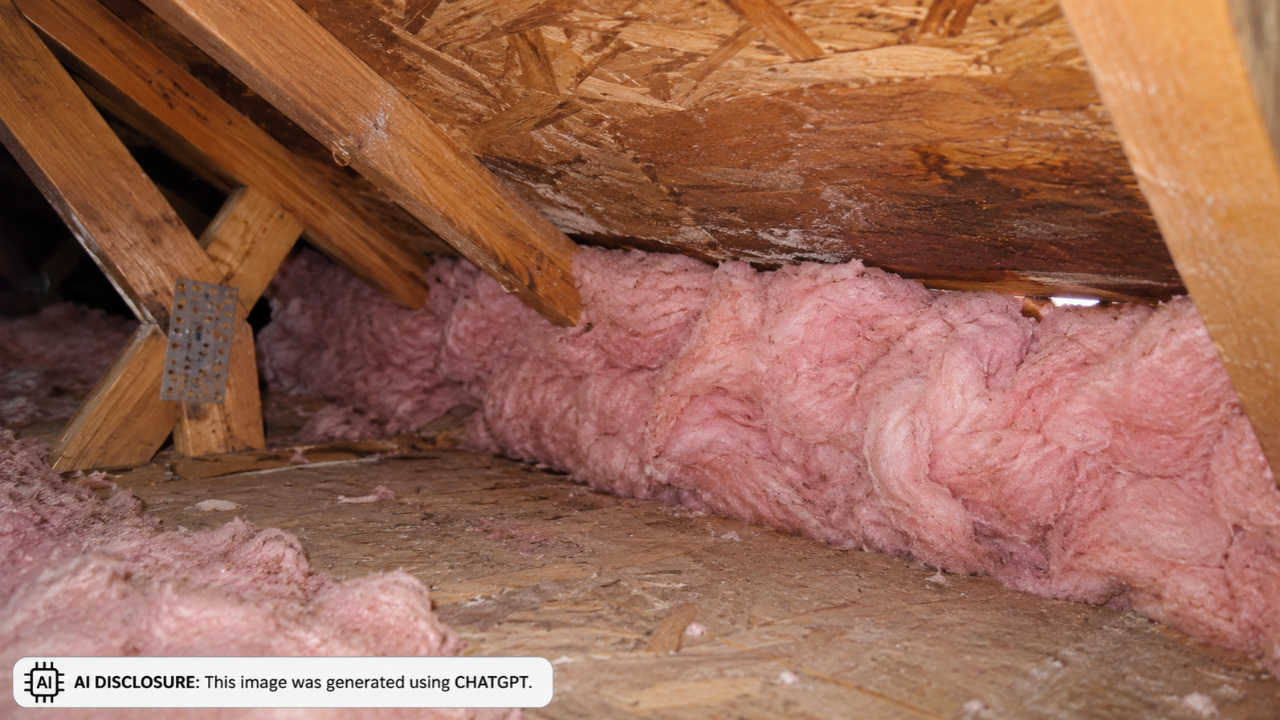
Ventilation only works when air can actually enter at the soffits and leave near the ridge or roof vents. If insulation is stuffed tight into the eaves, it blocks the airflow and turns the attic into a warm box. That warm roof edge is a dam factory.
Look at the roof line from outside too. If you see short icicles concentrated near the eaves and the upper roof stays snowy, that is a classic ventilation and heat pattern. Fixing it might be as simple as pulling insulation back and installing foam or cardboard baffles so air can move above the insulation.
4. Bathroom Fans Dumping Into The Attic
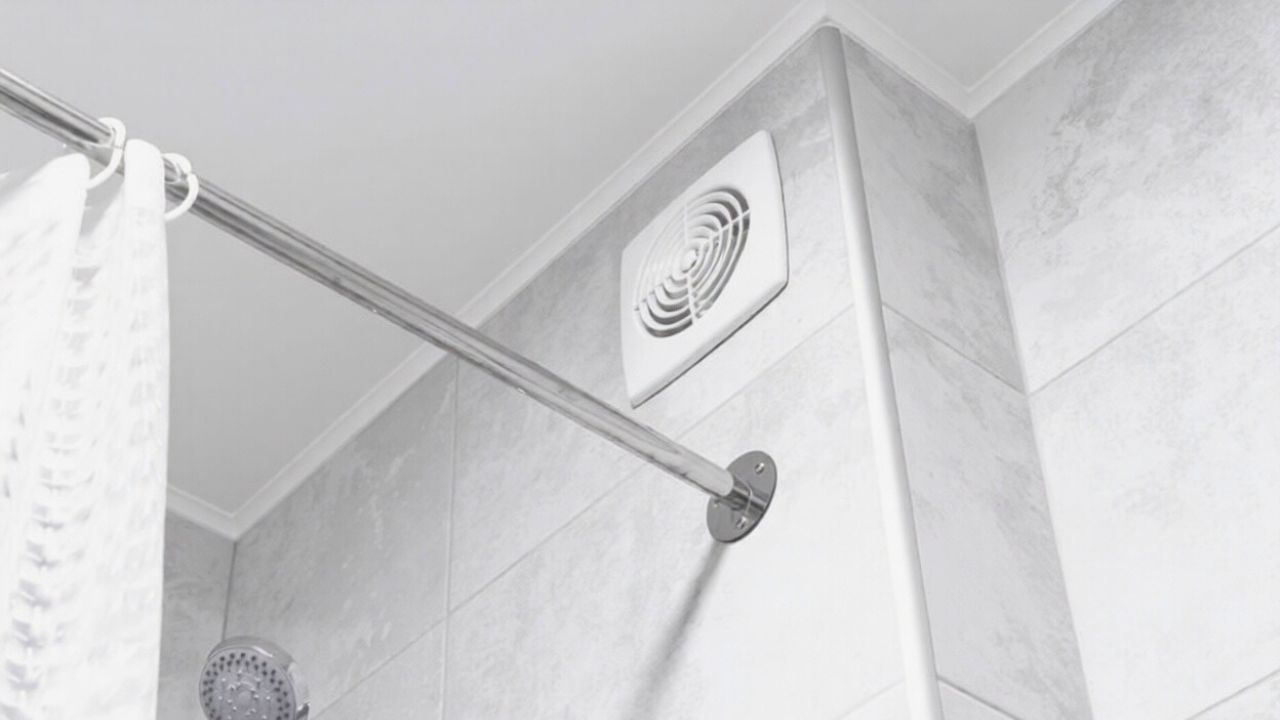
A bath fan that blows warm, wet air into the attic does two kinds of damage. It heats the roof deck and adds moisture that can frost up, then melt, then soak insulation and wood. Wet insulation performs like garbage, and the melt gets worse.
Follow the duct and make sure it runs to the outside through a proper roof cap, gable vent, or soffit vent made for exhaust, not just pointed at a vent opening. Seal the duct joints with foil tape, not cloth duct tape. If the run is long, insulation wrap on the duct helps keep it from sweating and dripping inside the attic.
5. Kitchen Range Hoods Venting Indoors

Recirculating range hoods are common, especially in older homes and rentals. They do help with grease, but they keep heat and moisture inside the house, which raises humidity and pushes more warm air upward. That extra load shows up at the roof edge during a cold snap.
There is an exception here. If you cook lightly, run a dehumidifier, and your attic is sealed and insulated well, a recirculating hood is not automatically a disaster. But if windows fog up in winter or you smell cooking upstairs, adding a proper exterior vent is worth pricing out, and it usually improves indoor air along with the roof situation.
6. Sun Hitting One Roof Face Hard
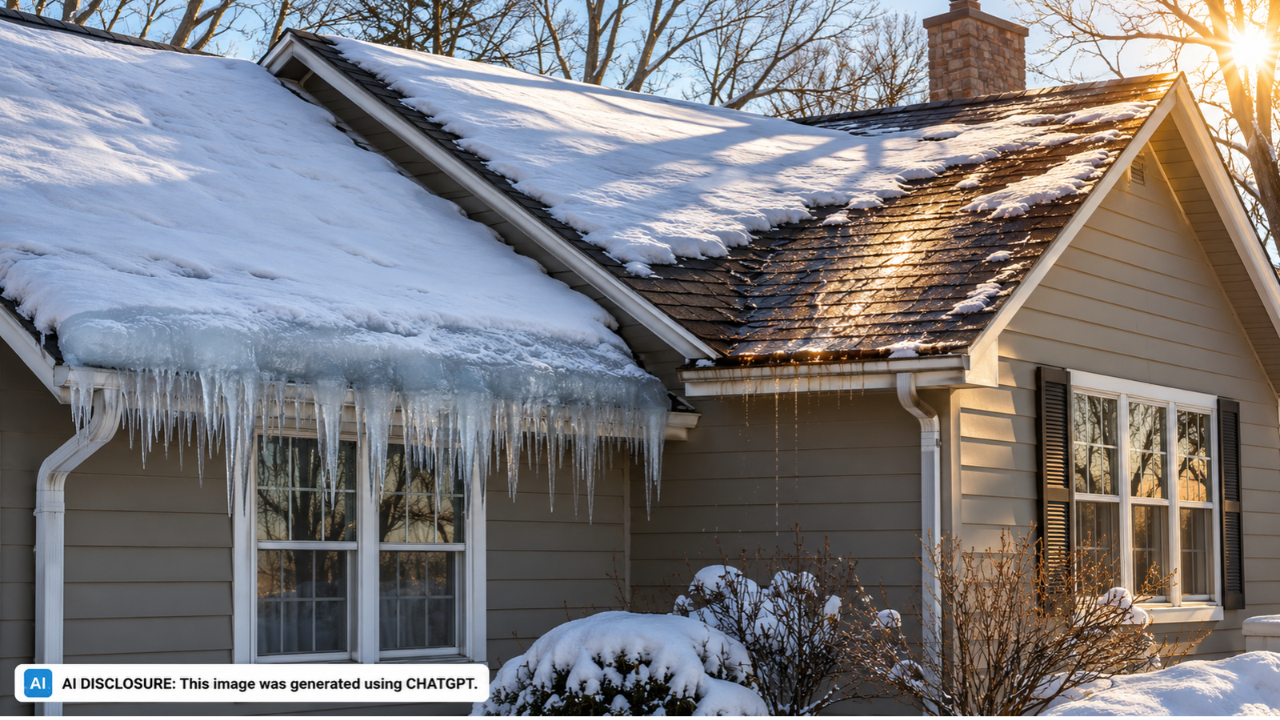
South and west roof slopes can melt even when the air is below freezing. The melt runs down to shaded eaves or a north-facing section and refreezes, building a dam where you least expect it. This is why one side of the house can look fine while the other looks like a cave.
You cannot change the sun, but you can change how the roof handles the melt. Good attic insulation and ventilation reduce the temperature swing. On roofs that always do this, a roofer can add ice-and-water membrane at vulnerable eaves when it is time to re-roof, which buys you protection even when the melt pattern is stubborn.
7. Heat Cables Installed Wrong Or Too Short
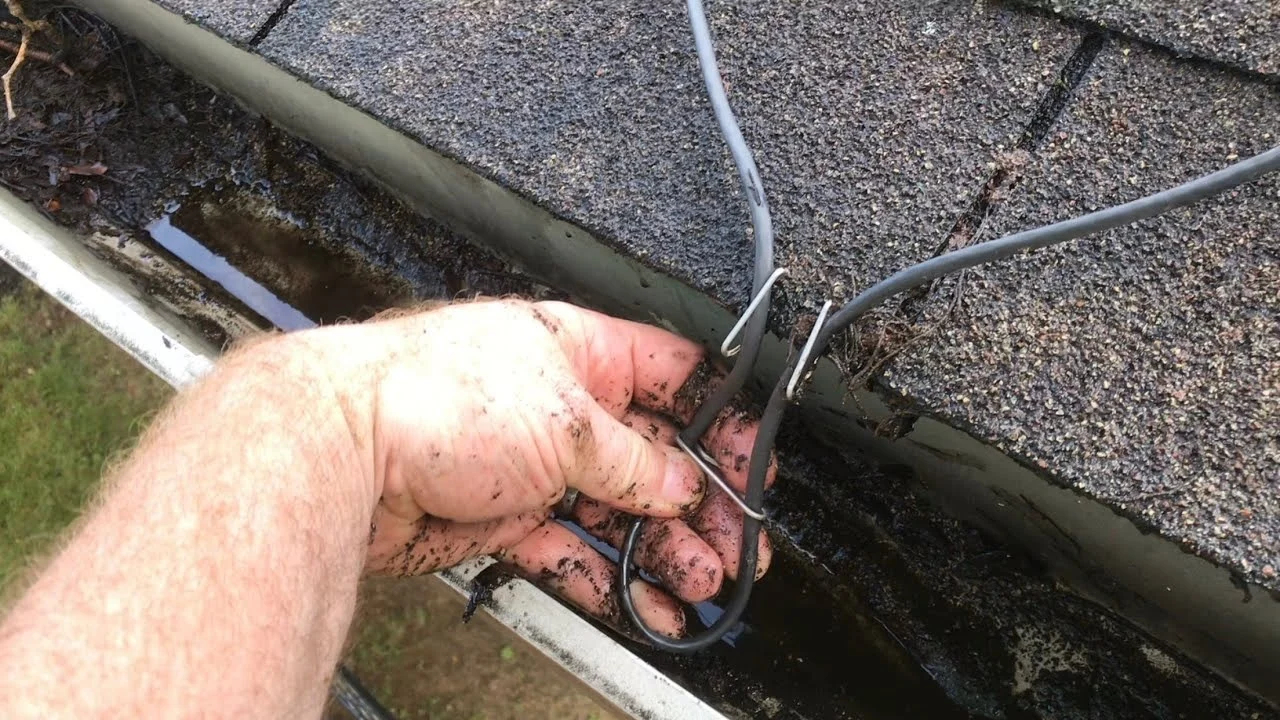
Heat cables can stop a leak in a pinch, but they also create weird melt channels when they are placed wrong. If the cable only warms a short section, meltwater refreezes just below it, and the ice ridge gets thicker. Cheap extension cord setups are also asking for trouble.
If you use heat cables, plug them into a GFCI-protected outlet and follow the manufacturer layout, including the zig-zag over the eave and a path into the downspout where needed. Do not staple through the cable or run it under shingles. Heat cables are not a substitute for fixing attic heat loss, they are a bandage for a known trouble spot.
8. Valley And Dormer Roof Geometry
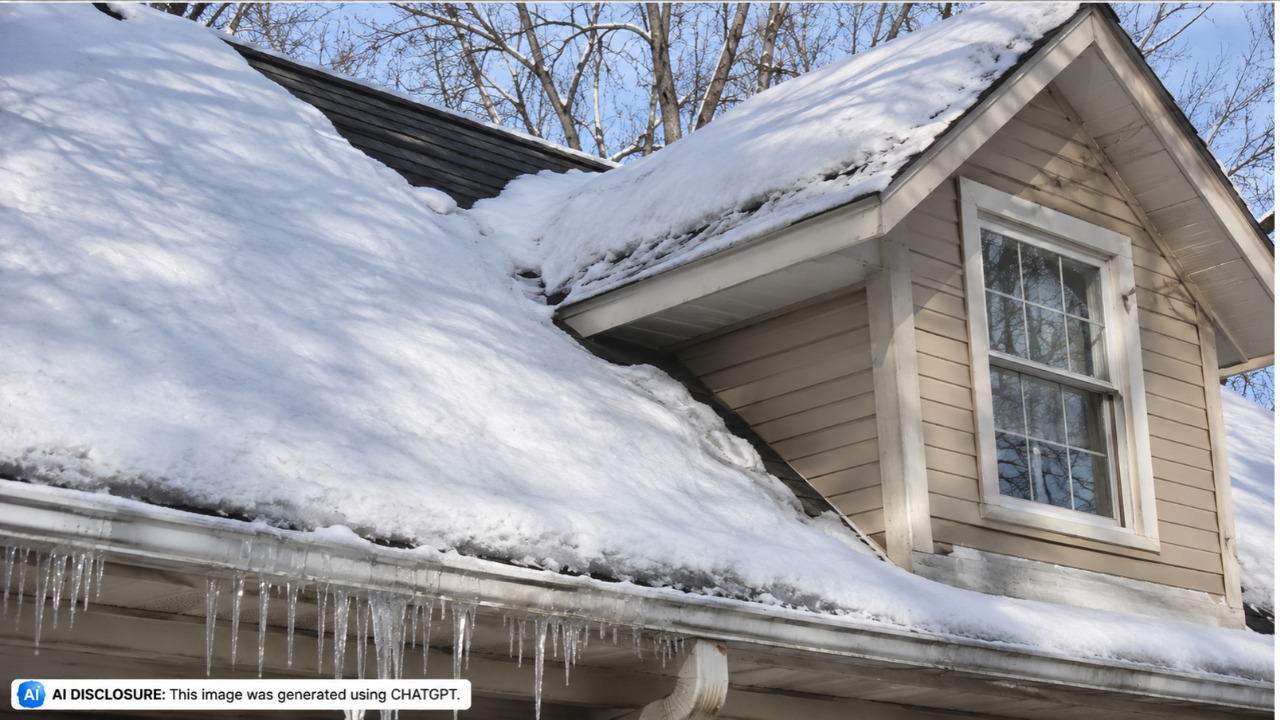
Roof valleys, dormers, and complicated intersections collect snow like a shovel pile. Even with a cold attic, those areas hold deeper snow that melts from sun and minor heat, then funnels water to one narrow exit. When the eave below is cold, that flow freezes fast and backs up under shingles.
You can manage some of this with safer snow removal. From the ground, a roof rake with a long handle can pull snow off the lower few feet, especially below valleys and dormers. Stay off icy roofs, and do not chop at shingles with a metal scraper. If valleys always ice up, the long-term fix is better underlayment and flashing work when the roof is replaced, which is a job for a pro.
9. Sagging Gutters Or Bad Downspout Pitch

Even if gutters are not the root cause, a gutter that holds water makes the freeze worse. Standing water turns into a solid trough of ice, then the next melt has nowhere to go except back up. You hear it sometimes, a creaking, cracking sound at night as the ice expands.
Check for low spots and loose hangers after a thaw. Re-pitch the gutter toward the downspout, replace missing hangers, and clear the downspout so water is not trapped. If you have buried drain lines, make sure the outlet is not frozen shut or packed with leaves, because that backup can start right at the bottom.
10. Midwinter Rain On Top Of Deep Snow
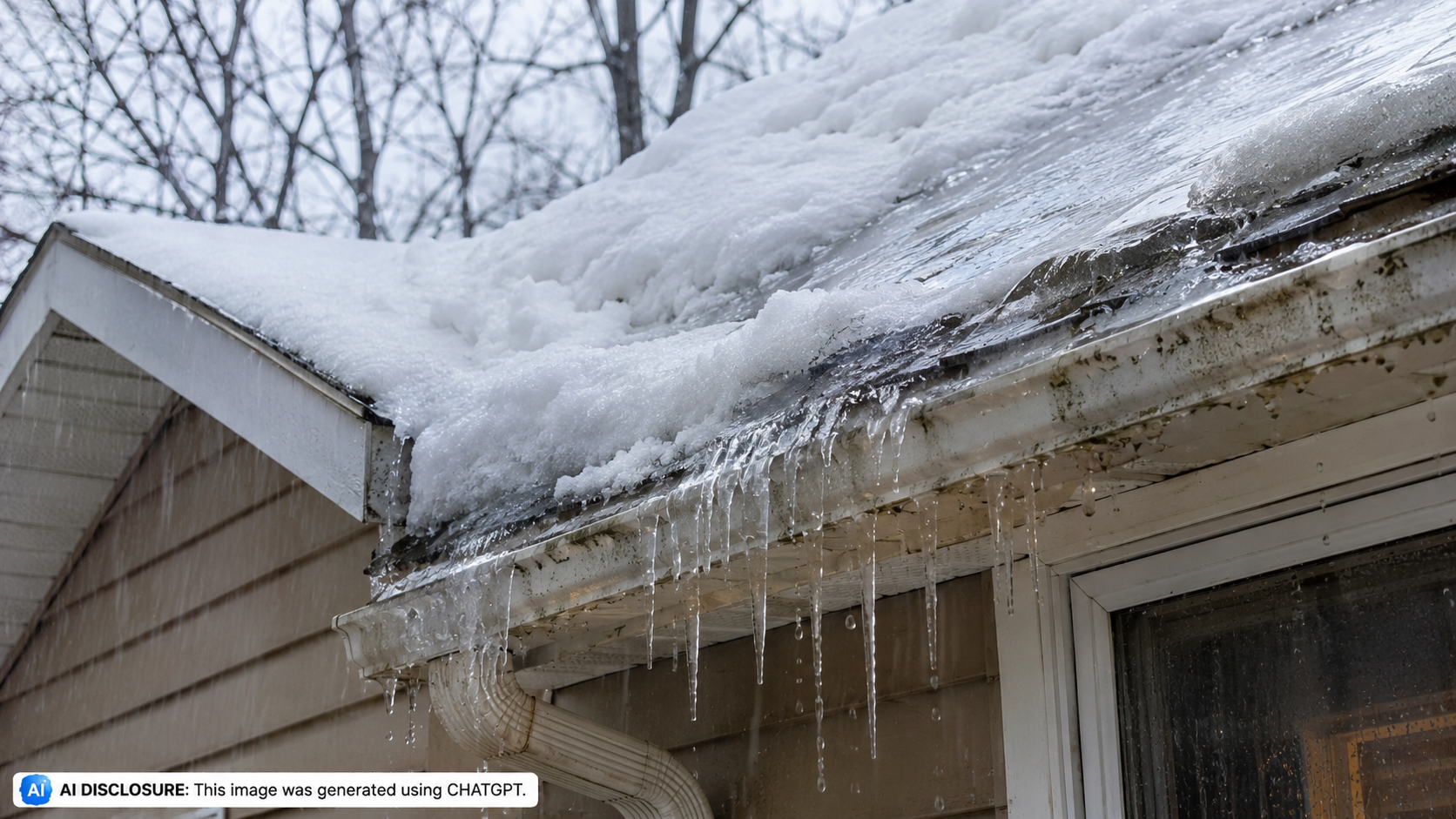
Freezing rain or a warm rain on an existing snowpack can overwhelm any roof edge. Water runs under the snow, hits the cold eave, and locks up into a dam in a single event. This is one reason a house that never had trouble can suddenly leak during a weird storm.
When the forecast calls for rain after snow, pull snow back from the eaves ahead of time if you can do it safely from the ground. After the storm, watch for interior signs like a new drip at a window head or damp drywall at an outside wall, and act fast. If water is already coming in, calling a roofer is money better spent than experimenting from a ladder in bad weather.
Ice dams are a heat and water management problem, so the fix usually starts in the attic, not at the edge of the roof. Pick one trouble area, check it on the next cold week, then move to the next. Slow, boring improvements like sealing leaks and clearing vents beat emergency tarps and ceiling patch jobs every time.
Like Fix It Homestead’s content? Be sure to follow us.