10 Attachments That Are Worth It on a Compact Tractor
Photo credit: Greenway Equipment/Youtube
A compact tractor earns its keep when it’s doing the work, not when you’re wrestling chains, making extra trips, or fixing what you broke last weekend. The right attachments don’t just add capability, they cut wear on the machine and wear on you. Pick a few that match your land and your seasons, and your tractor starts feeling a whole lot bigger than it is.
1. Front End Loader With Quick Attach
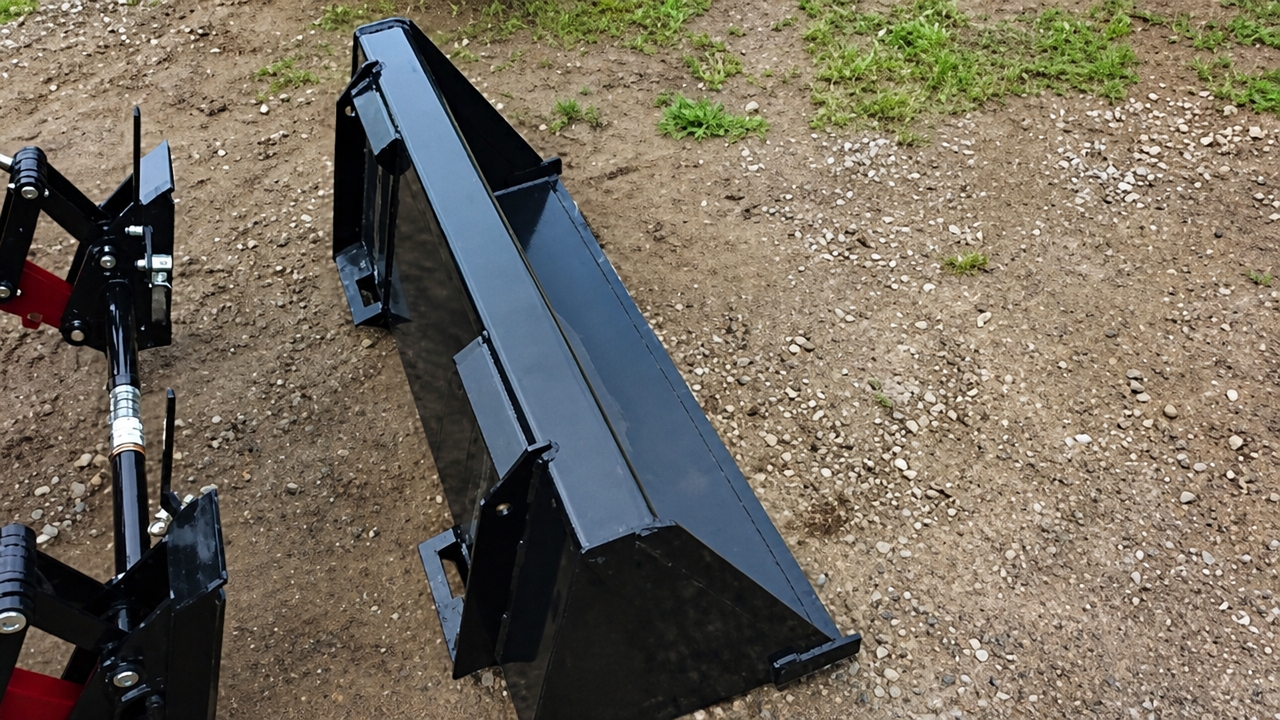
People buy the tractor, then try to “get by” without a loader. That lasts until the first pile of gravel shows up, a tree comes down, or you need to move wet manure that laughs at a wheelbarrow. A loader turns your tractor into a hauler, lifter, and cleanup tool, and it saves your back fast.
Spend extra for a quick attach style mount up front. Swapping between a bucket, forks, or a grapple goes from a half-hour of wrestling pins to a couple minutes, and you’ll actually change tools instead of forcing the bucket to do everything badly. If you’re shopping used, check for sloppy pivot pins and cracked welds, and make sure the loader matches the tractor’s frame and hydraulic capacity.
2. Pallet Forks For Safe Lifting
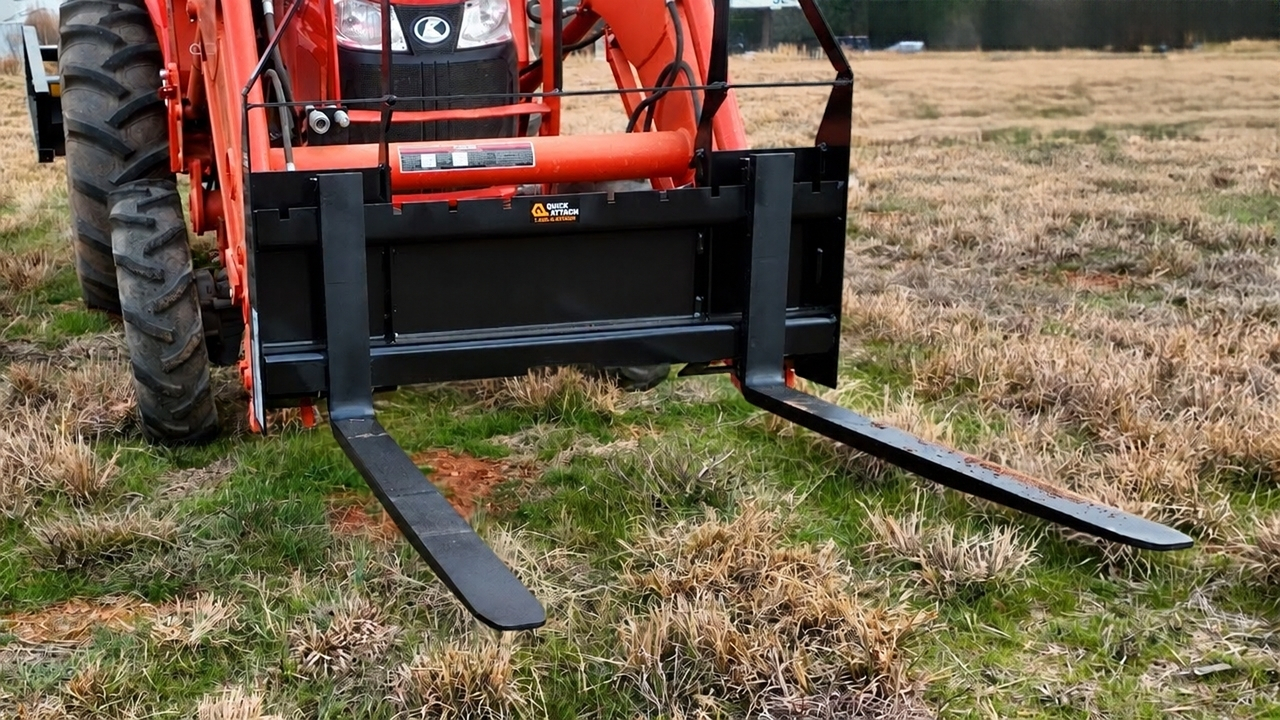
If you’ve ever slid a chain under a pallet or tried to lift a tote with the bucket curled back, you already know the feeling. Stuff shifts, it rolls, and the tractor gets light in the rear in a hurry. Pallet forks give you control, especially for feed, fencing supplies, firewood crates, and anything that comes on a skid.
Get forks rated for more than your loader can lift, and pay attention to fork length. Long forks feel handy until you poke into a stack and turn it into a yard sale. You’ll also want rear ballast, a box blade, a ballast box, or an implement on the back, because a loaded set of forks can make steering sketchy on uneven ground.
3. Rear Blade For Road And Snow
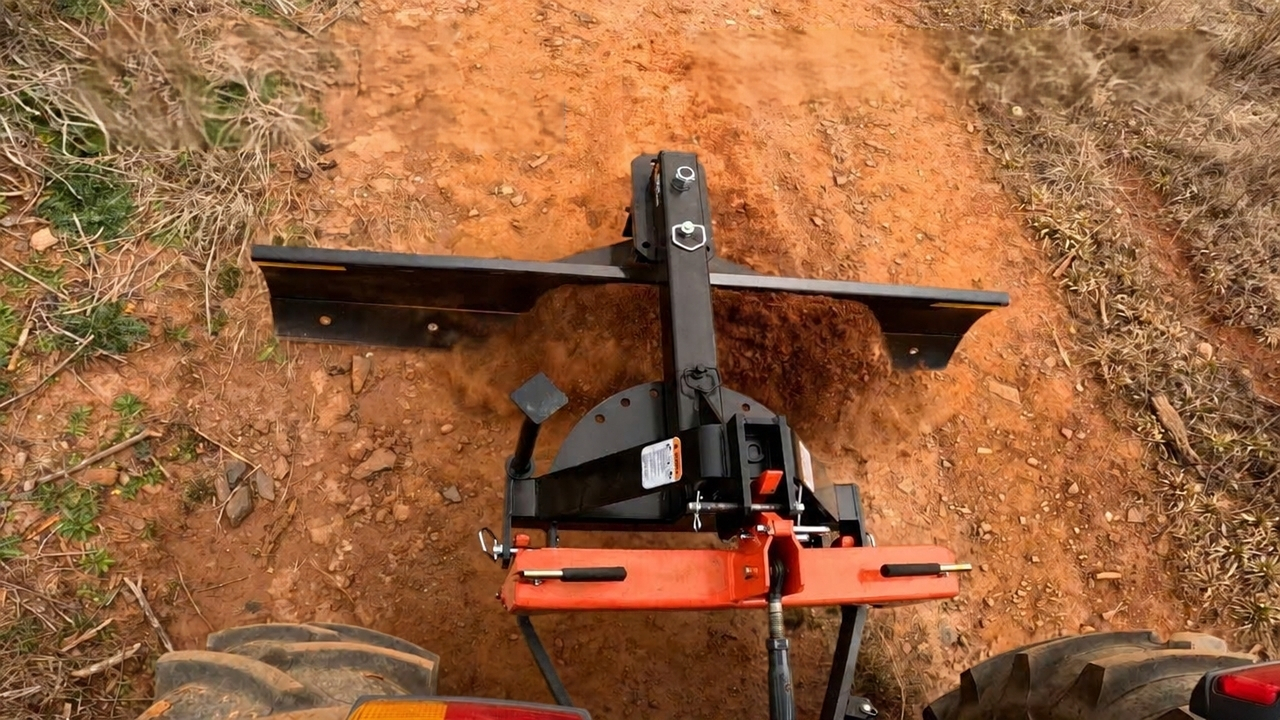
Gravel driveways don’t fail all at once. They washboard, they crown wrong, and then spring rain cuts ruts that grab tires. A rear blade lets you pull gravel back from the edges, cut a shallow ditch, and windrow snow without chewing up your surface like a loader bucket can.
Angle is where the blade earns its money. A manual angle blade is fine if you don’t mind hopping off the seat, but if you clear snow in the dark or maintain a long lane, hydraulic angle is worth paying for. The cheap mistake is buying too light a blade, it chatters and bounces, and you end up with a wavy mess.
4. Box Blade With Scarifiers
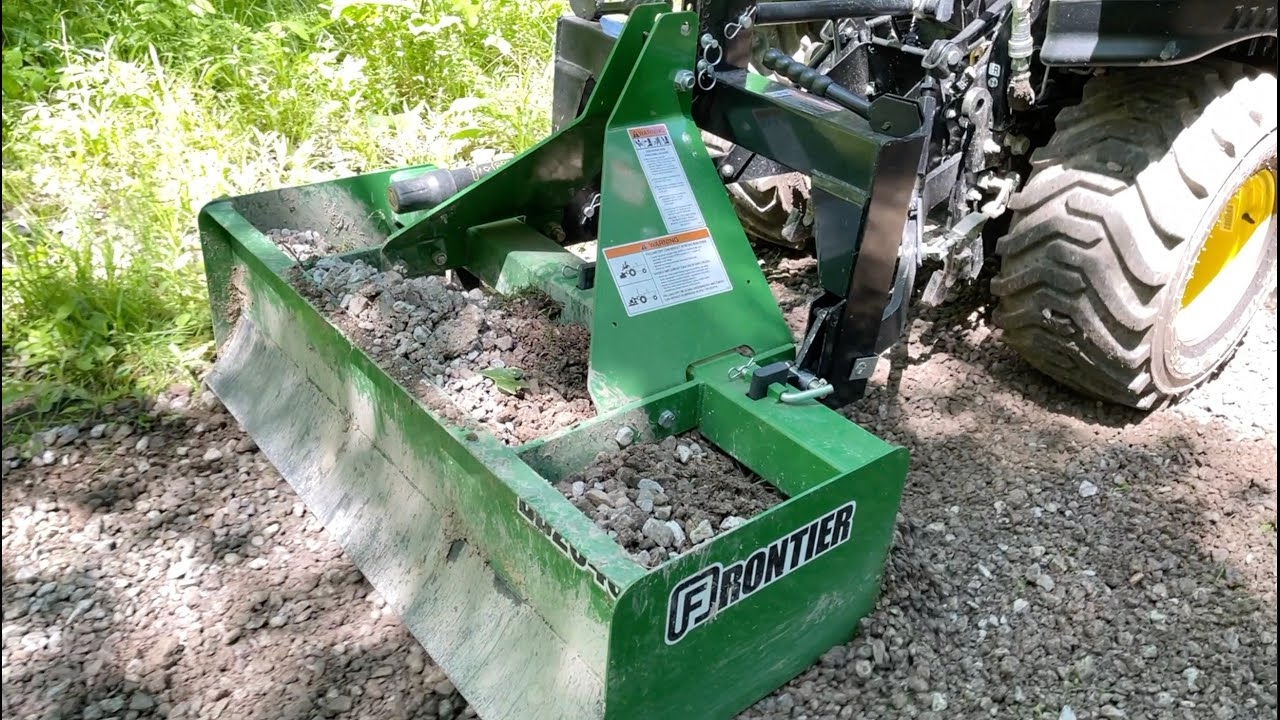
Nothing fixes ruts and potholes like a box blade when you use it right. The scarifiers loosen packed gravel or clay, then the box carries and smooths material so you can fill low spots instead of just shaving off the high ones. It’s slow work, but it’s the kind of slow that lasts all season.
Match the width to your tractor, and don’t chase the biggest one you can pull. Too wide and you’ll spin tires, strain the 3-point, and swear the whole time. When you’re cutting hard ground, take shallow bites and add weight if your blade is too light to bite in.
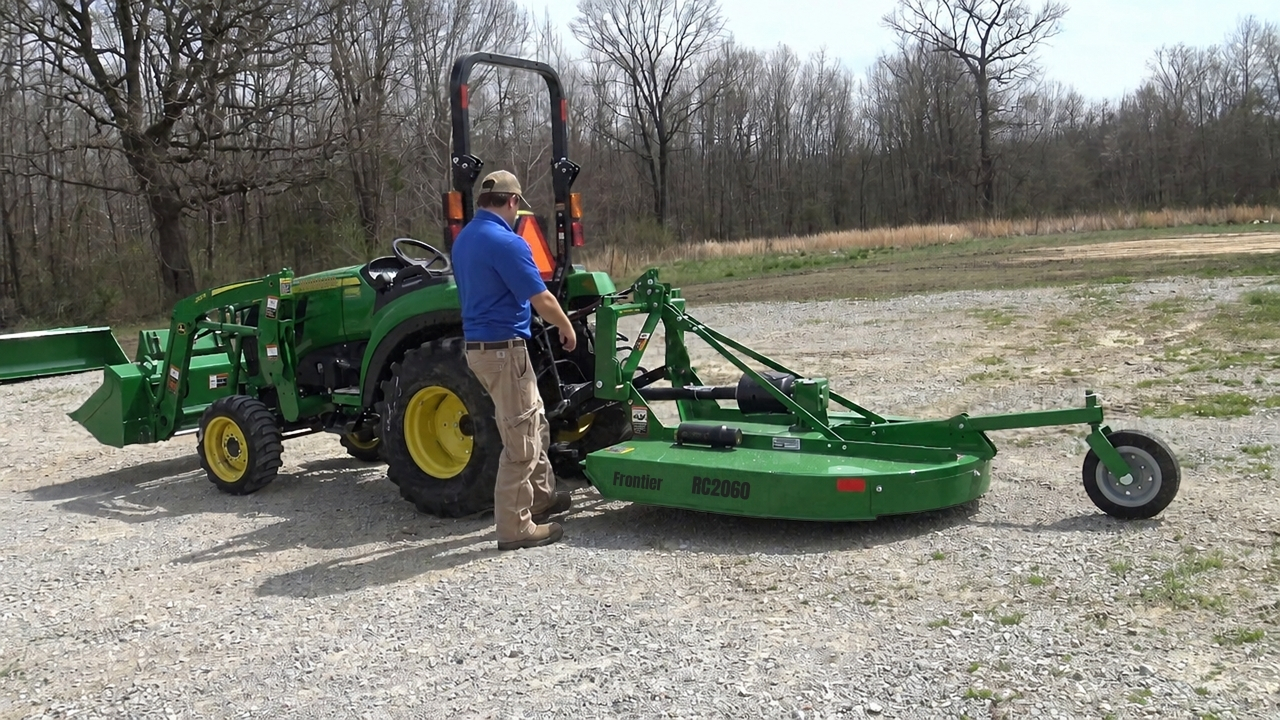
5. Rotary Cutter For Field And Brush
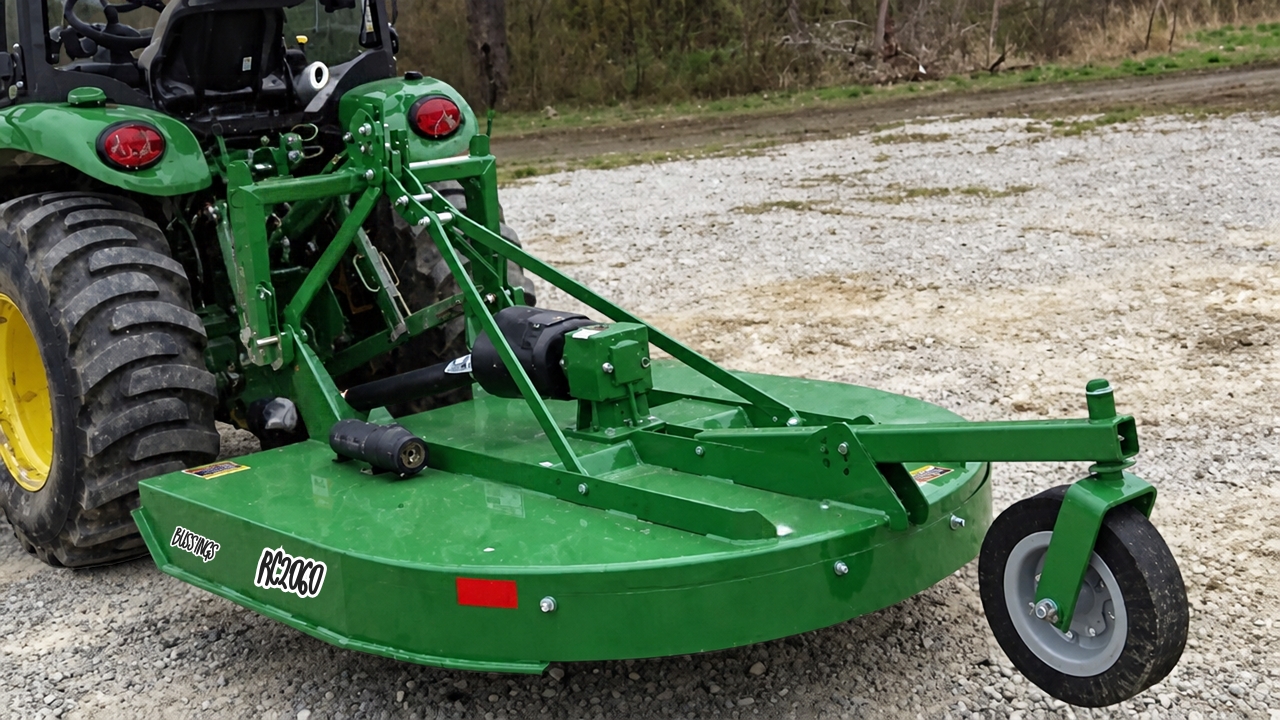
Pasture grass turns into waist-high weeds faster than most people plan for, and a finish mower won’t survive it. A rotary cutter, the classic brush hog, handles saplings, thistles, and the rough stuff that hides rocks and stumps. It also keeps trails open and knocks back growth along fences where a hand trimmer takes forever.
Size matters, but so does driveline protection. Look for a slip clutch or shear pin setup and keep it maintained, because hitting a hidden stump can wreck a PTO driveline or gearbox. Walk the area first if it’s new ground, and keep people and animals away, cutters can throw debris hard.
6. PTO Post Hole Digger With Augers
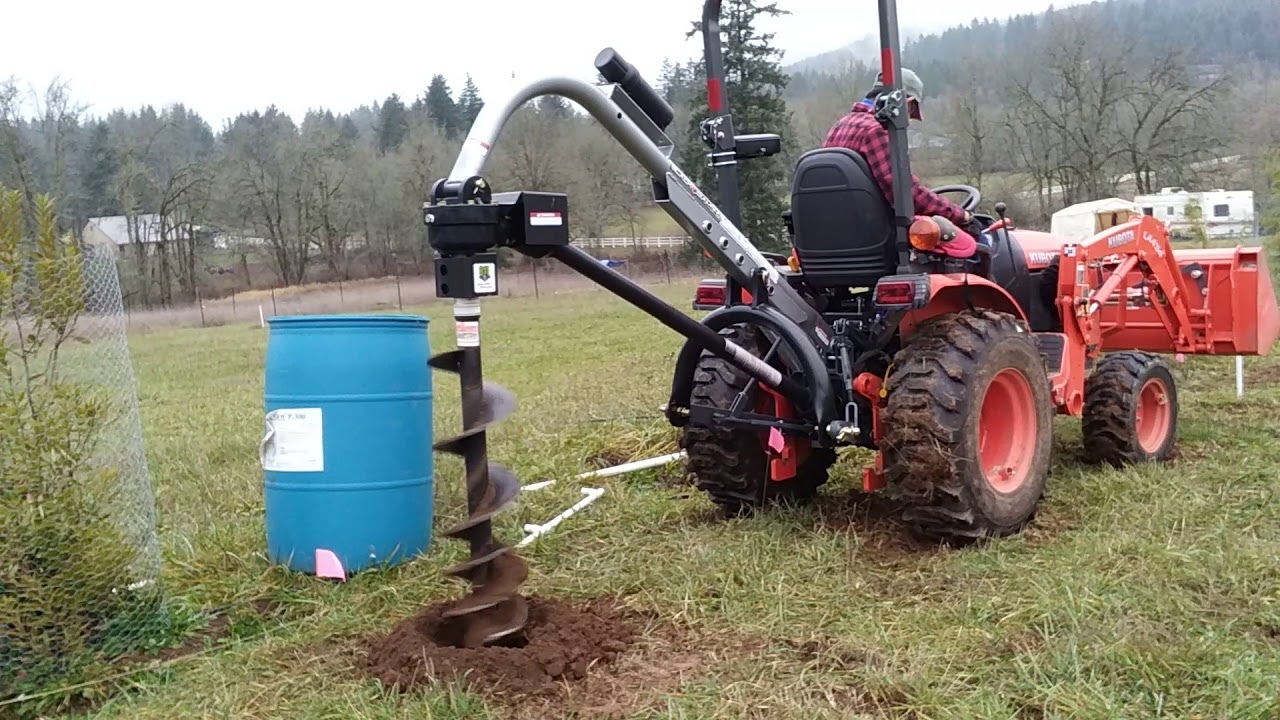
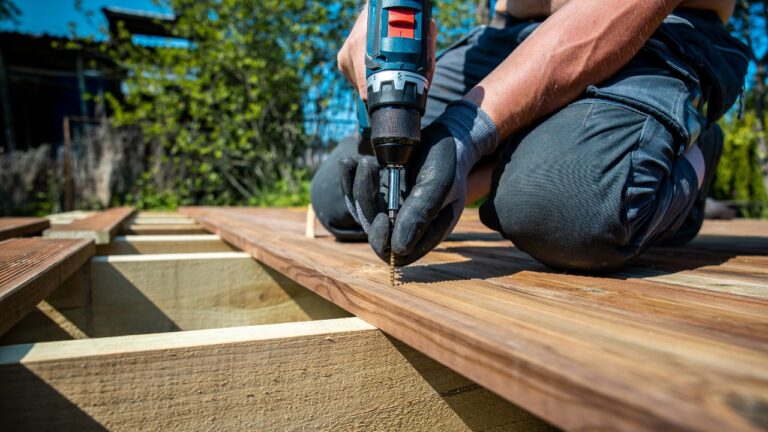
Hand digging post holes is fine until you hit rock, hardpan, or a root the size of your wrist. A PTO post hole digger makes fencing doable on a weekend instead of stretched across a month of sore shoulders. It’s also useful for planting bare root trees and setting deck footings on rural builds, where code allows.
Call 811 before you dig, even on your own land, because cable and power lines don’t care who owns the property. Plan on at least two auger sizes, a small one for pilot holes and a larger one for posts. If your soil is full of stone, renting a skid steer auger or hiring a fencing crew can be the smarter spend.
7. Grapple For Storm And Brush Cleanup
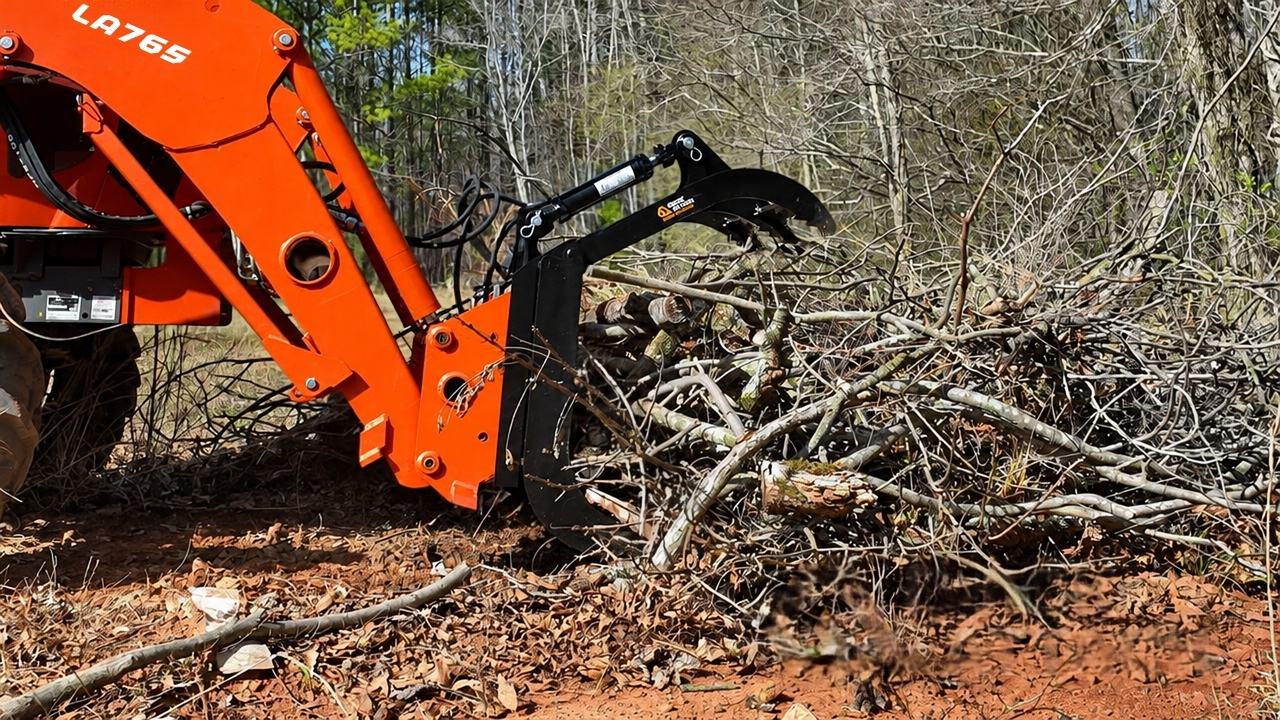
A grapple is one of those attachments people put off because it feels like a luxury. Then a windstorm drops limbs everywhere, or you clear a fenceline, and you realize how much time you waste chaining, unchaining, and chasing rolling logs. A grapple grabs ugly loads that never sit right in a bucket.
You’ll need a third function hydraulic valve up front to run it. That added plumbing is part of why it costs, but it’s also why it works so well. If you mostly move mulch, manure, and loose dirt, skip the grapple and buy a better bucket instead.
8. Backhoe For Targeted Digging Jobs
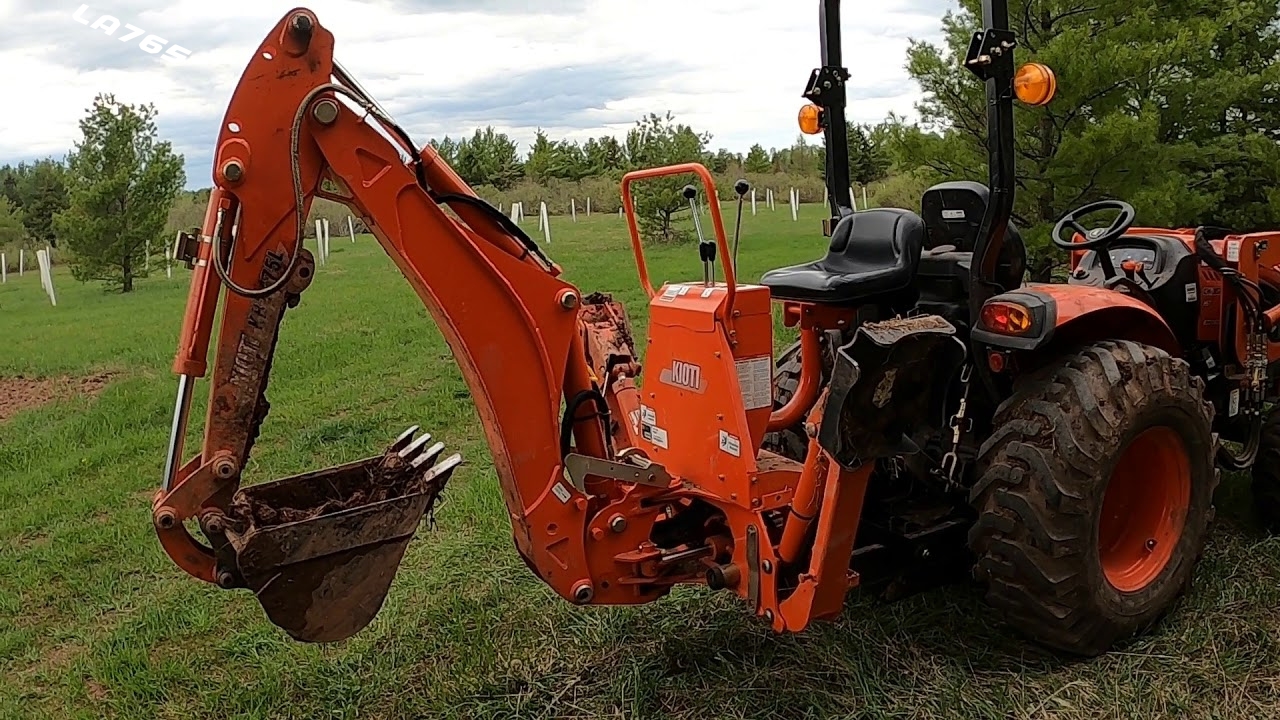
Digging a trench with a loader bucket is a good way to end up with a wide, uneven ditch and compacted soil you have to fix later. A backhoe shines when you’re doing short, precise digs, water line repairs, frost-free hydrants, small drainage work, or popping stumps that won’t budge. When you need it, nothing else on the tractor really replaces it.
This one has an honest exception. If you only dig a few times a year, renting a mini excavator often makes more sense, and it’s usually faster and easier on your tractor. If you do buy a backhoe, make sure it mounts to a proper subframe made for your model, not just the 3-point, and follow the manual for stabilizer use and transport.
9. Broadcast Spreader For Seed And Salt
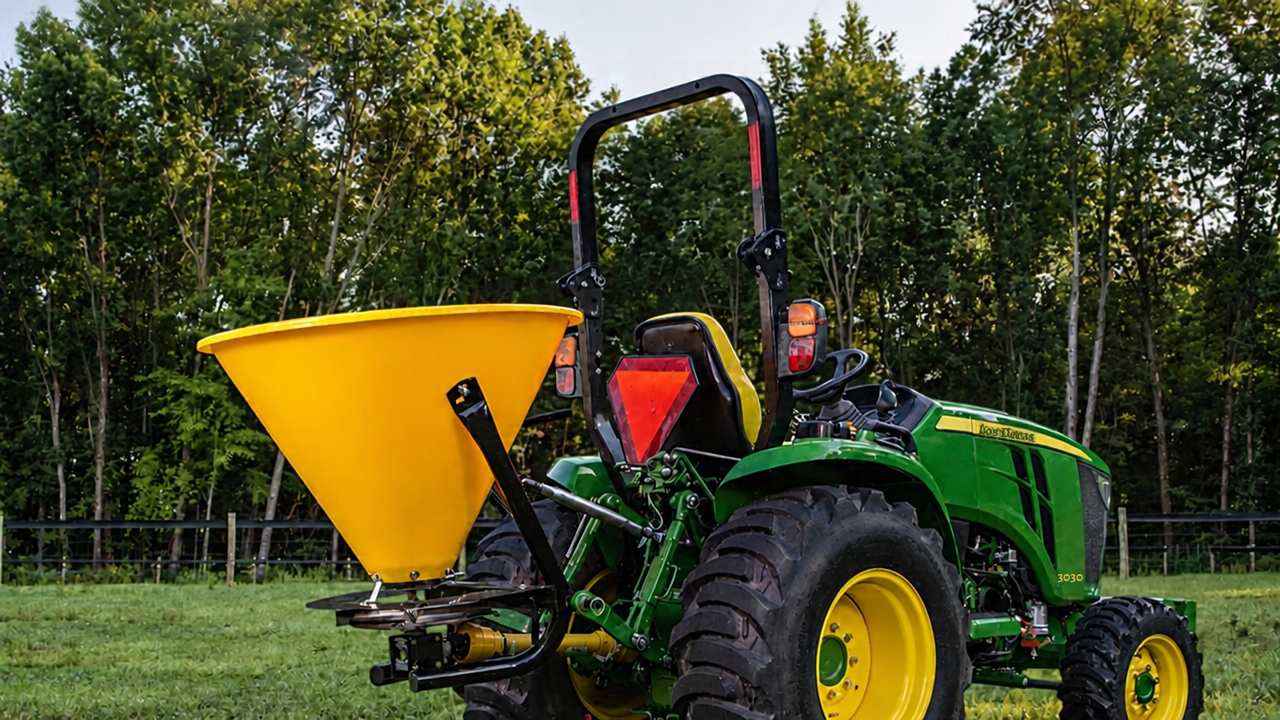
Spreading seed by hand looks cheap until you realize you’re wasting half the bag in one strip and starving another. A 3-point broadcast spreader gives even coverage for pasture overseeding, lawn renovation, and food plots, and it can sling ice melt on a long driveway without burning out a walk-behind spreader.
You’ll want to rinse it after fertilizer or salt, or it’ll rust into a single season of regret. Keep a tarp or lid on stored material, because damp pellets clump and jam the gate. Calibrate with a small test area so you don’t overapply and scorch what you’re trying to grow.
10. Trailer Mover Hitch For Tight Spaces
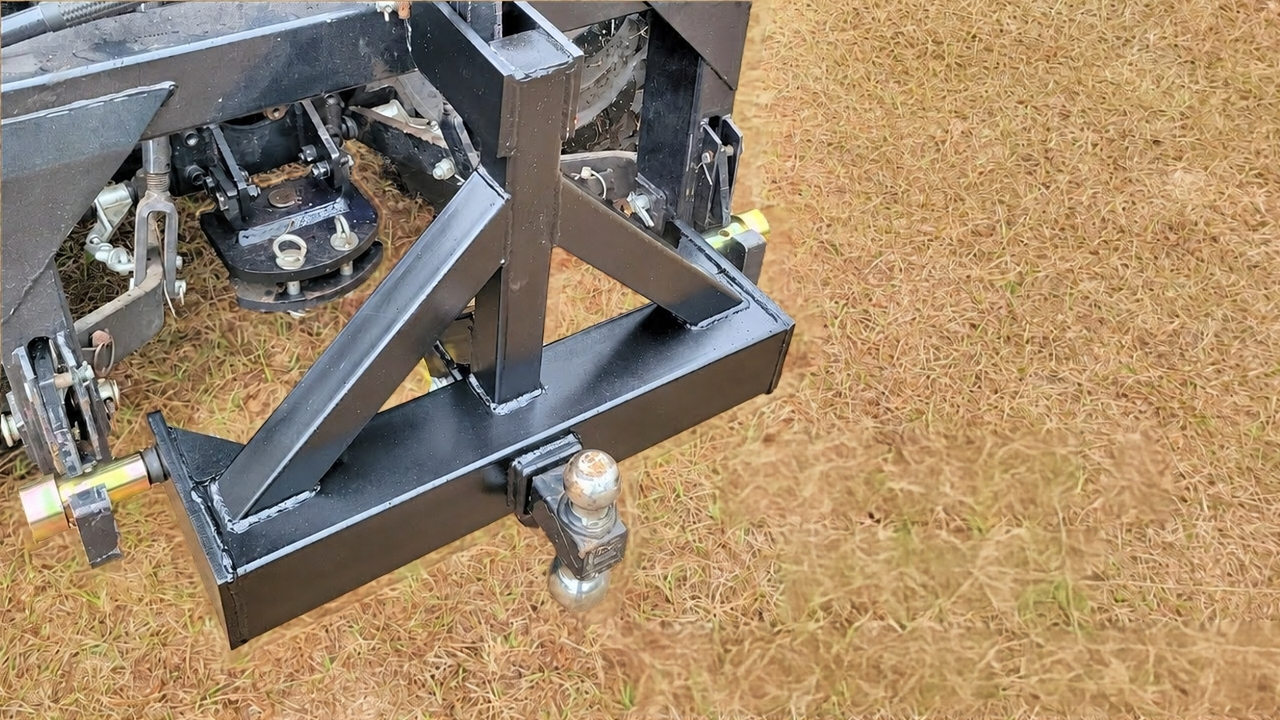
Backing a utility trailer into a shed with a pickup is where relationships go to die. A simple 3-point drawbar or a receiver style hitch on the tractor lets you push, pull, and pivot trailers in tight yards, around barns, and between trees. It’s also handy for spotting equipment under a lean-to without blocking the driveway.
This is one of the cheaper attachments, and the cheap one is often fine. Just make sure the hitch point stays low, and don’t tow loads that overpower the tractor’s brakes and weight. Slow beats sorry.
The best setup is the one that fits your chores and your storage space, not the one that looks good on a brochure. Start with the attachments that remove the ugliest bottlenecks on your property, then add specialty tools as your projects get bigger. A compact tractor with the right iron behind it turns “someday” jobs into Saturday jobs.
Like Fix It Homestead’s content? Be sure to follow us.