10 Signs a Wood Stove Was Installed Wrong
Photo credit: Fix It Homestead
A wood stove should feel steady, predictable, and boring in the best way. If you’re fighting smoke, weird smells, or scorching hot walls, something in the install is off. Some problems are just wasted heat and hassle, and some can turn into a real fire risk fast.
1. Smoke Spills When You Open It
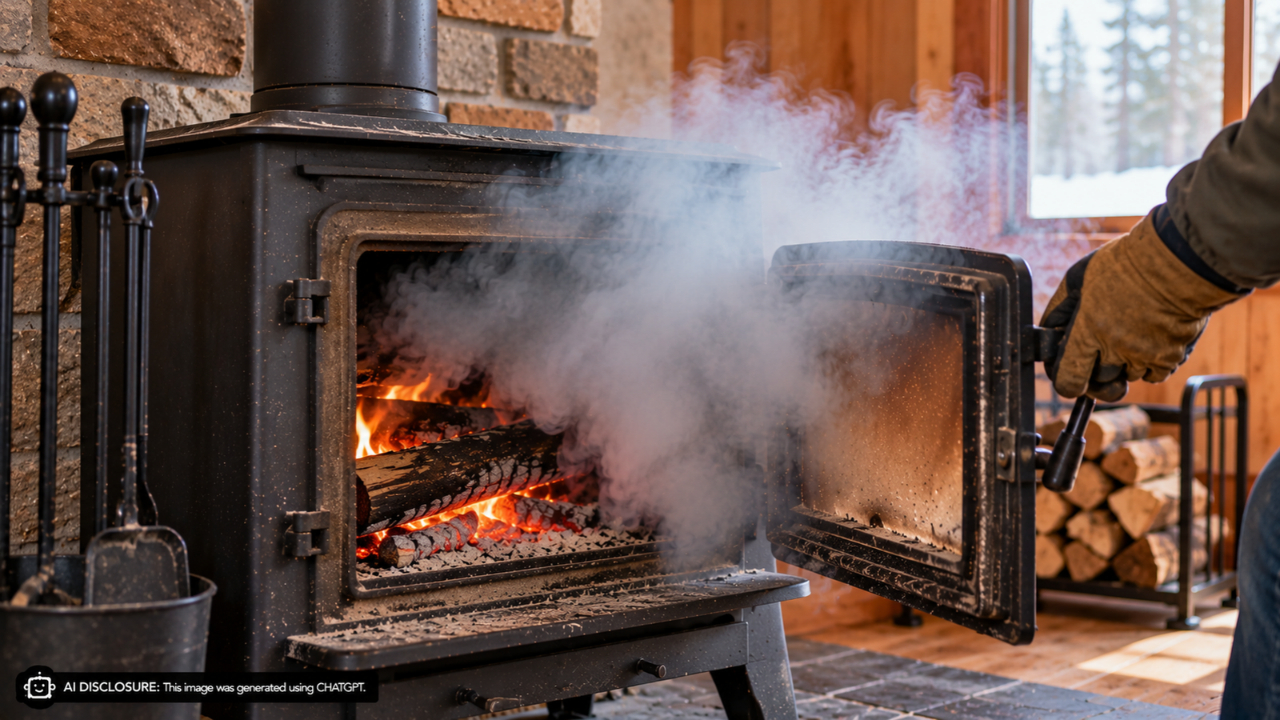
You crack the door to add a split and smoke rolls into the room like a fog machine. That usually points to weak draft, which often comes from a flue that’s too short, has too many bends, is the wrong diameter, or leaks air at the joints. It also happens when the chimney terminates in a bad wind zone near a roofline or tall trees.
Start with the basics you can check without guessing. Look for a blocked cap, crushed section, or slipped connection, and confirm the stove pipe size matches the stove collar and chimney system all the way up. If the layout is complicated or the chimney is marginal height-wise, call a certified chimney pro, because fixing draft often means changing pipe runs, adding height, or rebuilding sections to code.
2. Pipe Joints Drip Brown, Stinky Liquid
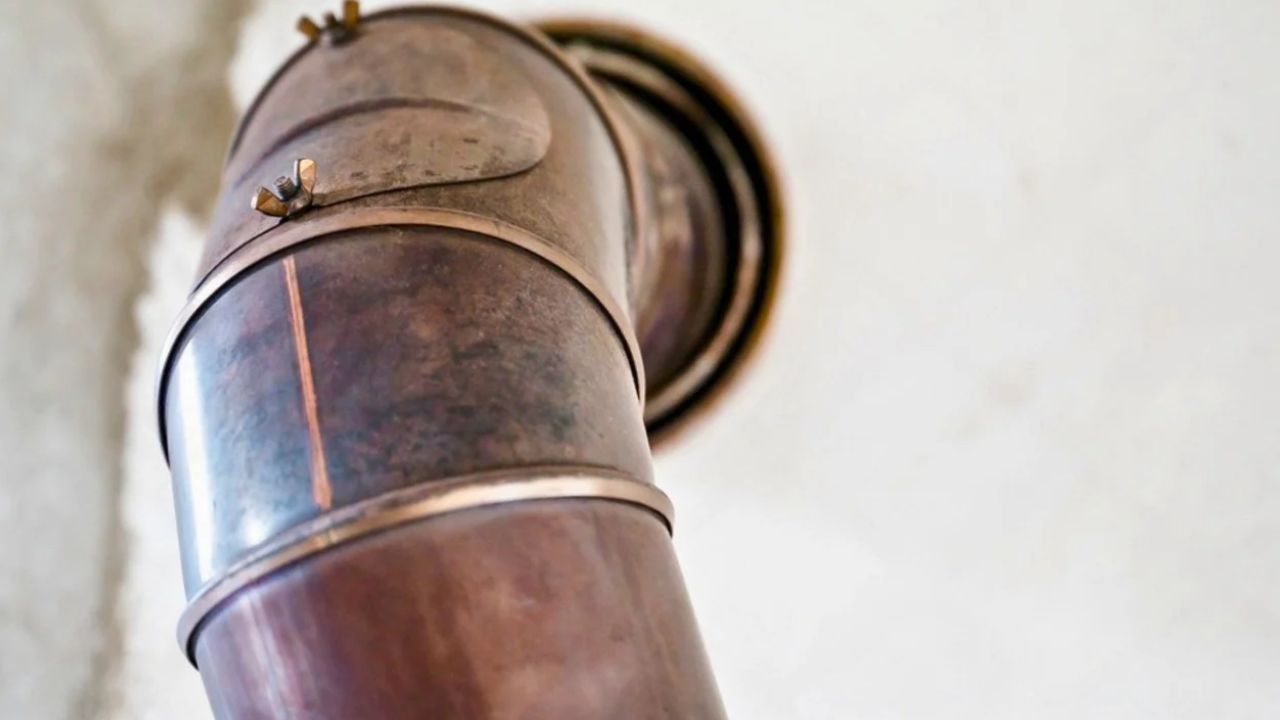
That tarry, coffee-colored drip is creosote mixed with water, and it’s a sign the flue gases are cooling too much before they exit. Single-wall pipe run through a cold space, an oversized chimney, or a long horizontal run will do it. So will burning wet wood, but if it happens even with good, dry fuel, the venting setup is the main suspect.
The fix is usually insulation and correct materials, not another tube of furnace cement. A listed insulated chimney where it passes through unheated areas, fewer slow-down sections, and the right diameter help the flue stay hot and moving. Get the chimney cleaned and inspected soon, because that same goo that drips is also coating the flue and raising chimney fire risk.
3. Wood Stove Pipe Runs Flat
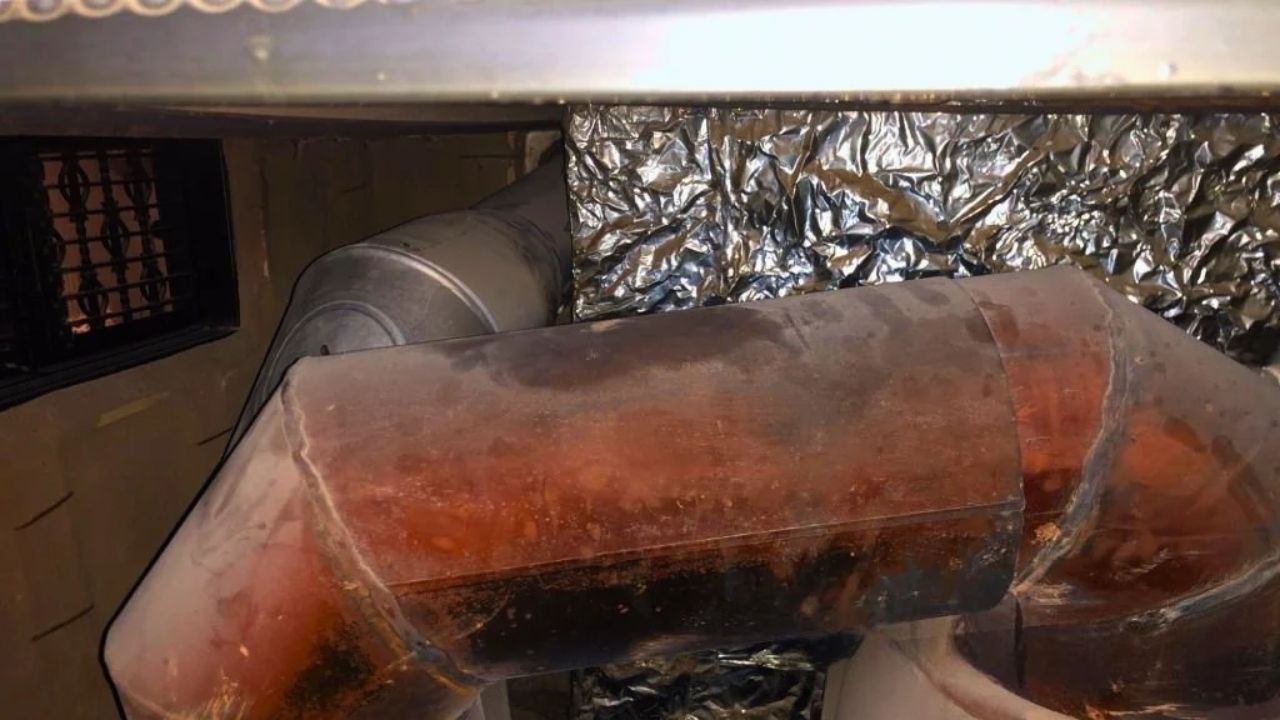
Sometimes people “make it fit” by running connector pipe nearly level to reach a thimble or chimney. Smoke likes to go up, not sideways, and a flat run turns into a creosote shelf. You’ll notice sluggish starts, more smoke smell, and heavy buildup after only a few weeks of steady burning.
Connector pipe needs the right rise per foot so it naturally pulls toward the chimney. If your stove location forces a long horizontal run, that’s when it’s worth paying for a proper chimney relocation, a different stove placement, or a code-legal chimney support system. This is not a spot to improvise with extra elbows and hope.
4. The Wall Behind It Gets Scorching
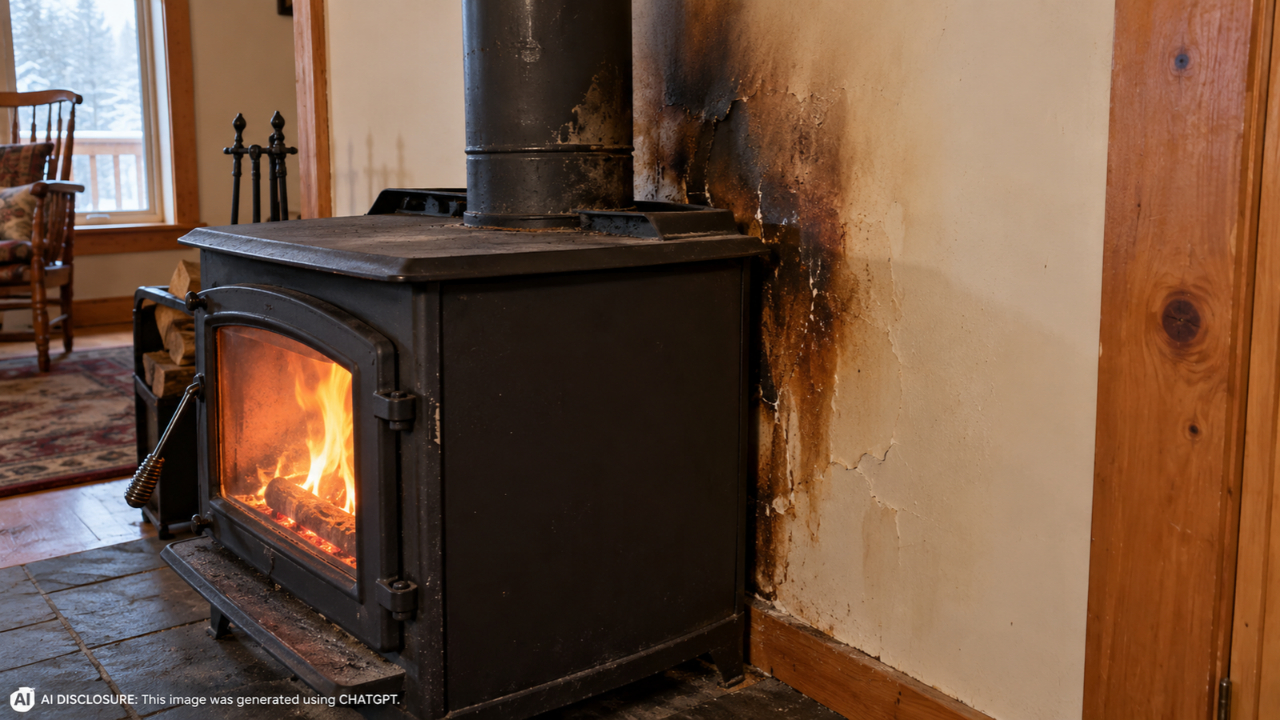
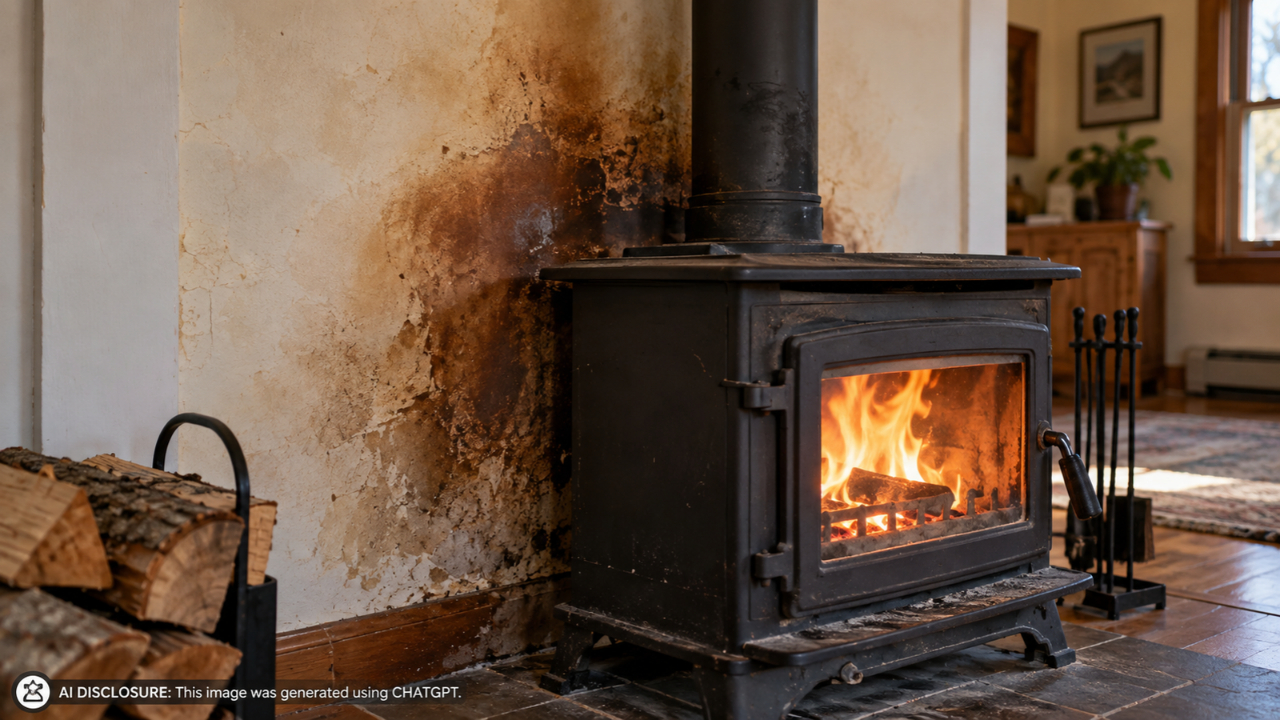
If the wall is too hot to keep your hand on, you’re already past “probably fine.” Clearances to combustibles exist for a reason, and wrong spacing is one of the most common bad installs. Drywall over studs, wood paneling, trim, and even certain tile-on-wood setups can be a problem if the listed clearance isn’t met.
Don’t assume a random sheet of metal makes it safe. Heat shields need an air gap and correct spacing to work, and the stove manual spells out what’s allowed for reduced clearances. If the current layout can’t meet the listed numbers, move the stove or rebuild the shield system properly before you burn again.
5. The Floor Pad Is Too Small
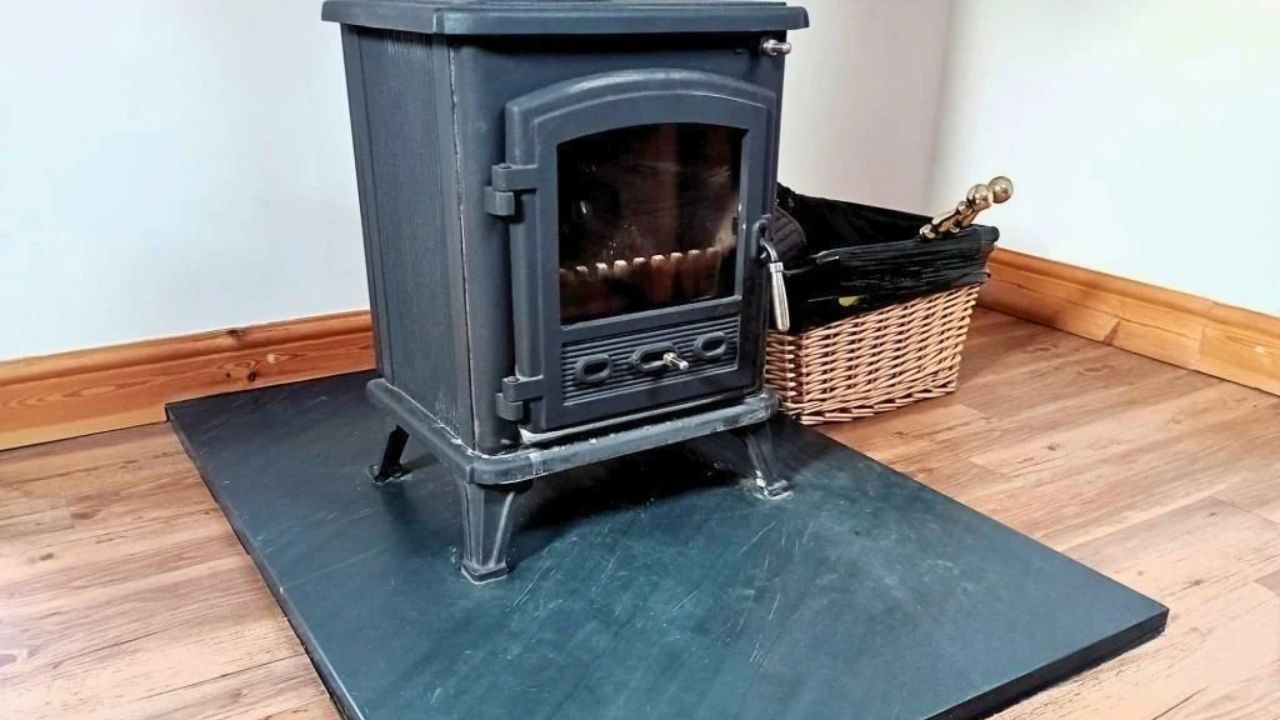
It shows up the first time a coal tumbles out and lands on bare flooring. Hearth protection is about both ember protection and heat protection, and the required size depends on the stove model and whether it’s tested for specific R-value. A pad that stops right at the stove legs is usually wrong.
Check the manual for required front, side, and rear coverage and the required insulation value if your stove needs it. Extending a hearth can be straightforward with a listed hearth board or a properly built tile and cement board assembly, but follow the tested specs. If you’re on vinyl plank, old hardwood, or a wood subfloor, don’t gamble on “it hasn’t burned yet.”
6. You Used Dryer Vent Style Clamps
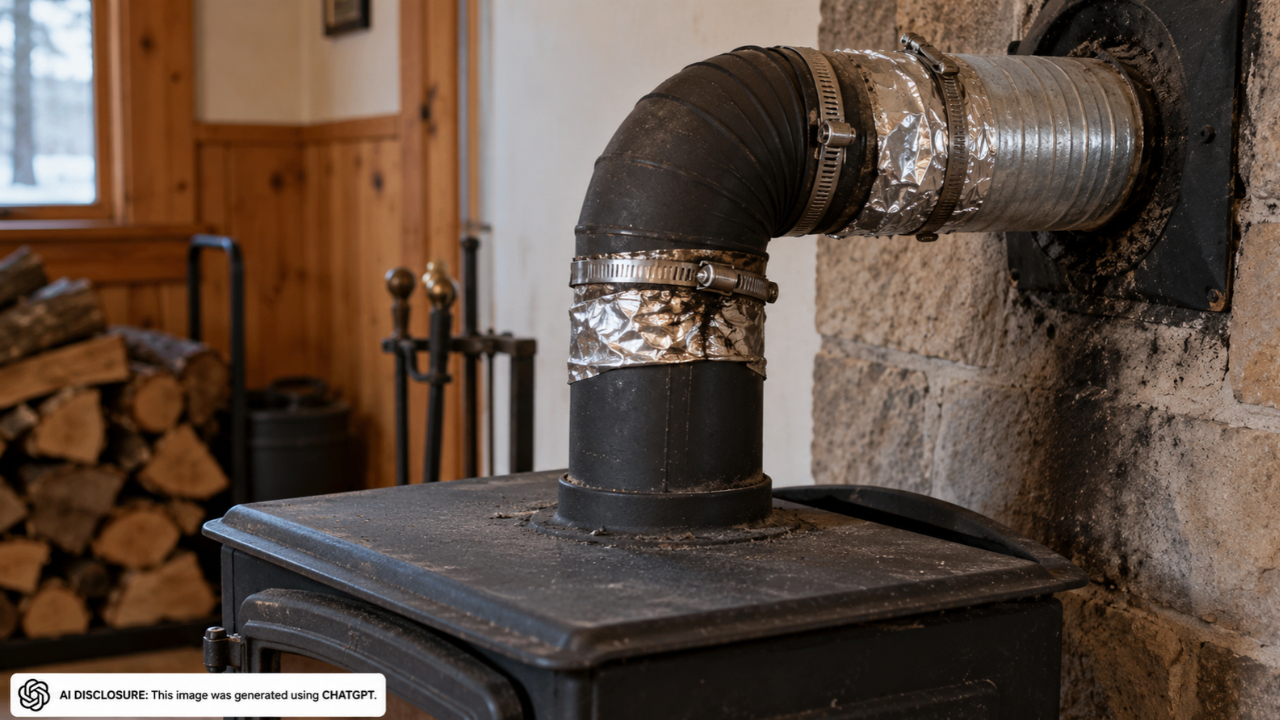
If you see worm-gear hose clamps, foil tape, or thin “duct” parts in the system, that’s a red flag. Connector stove pipe sections are meant to be screwed together with the right fasteners, and they’re designed to handle heat that HVAC parts are not. Clamps and tape also hide sloppy fits that leak smoke and pull room air into the flue.
Take a good look with a bright flashlight when the stove is cold. Proper black stove pipe gets secured with sheet metal screws at each joint, and listed chimney components lock together the way the manufacturer designed. Rebuilding a few joints with the right parts is usually a couple hours and a few bucks, and it’s money better spent than another smoke alarm battery.
7. The Chimney Cap Looks Like A Bird Condo
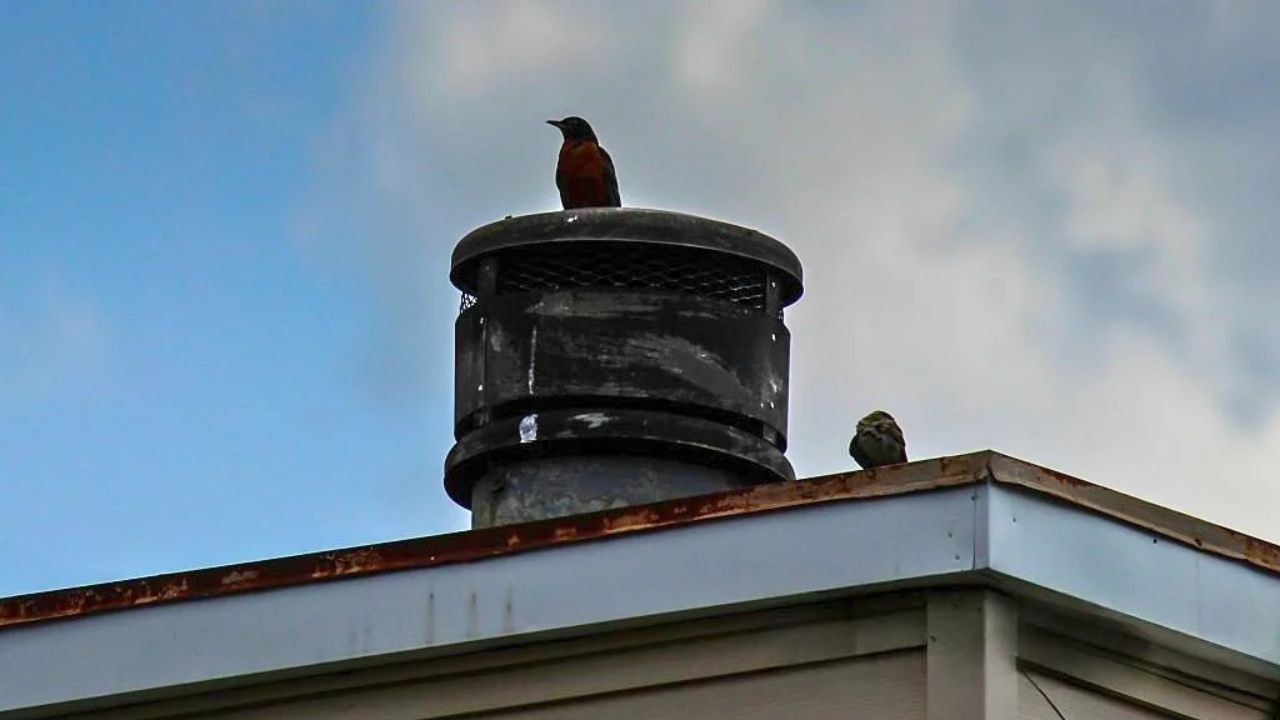
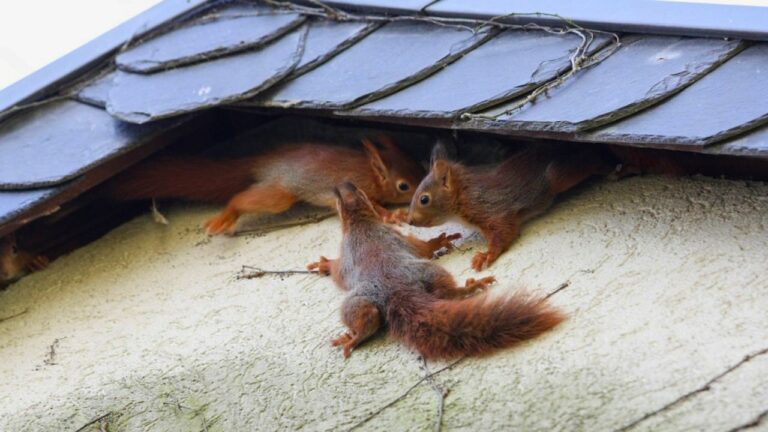
A missing cap, crushed screen, or a cap packed with nests will make a stove miserable. You’ll get smoke rollout, downdrafts, and sometimes a sharp, sooty smell on windy days. In fall, it’s common to find leaves and twigs jammed in the top after one storm.
The cheap fix is also the right one: a listed cap that fits your chimney system and a yearly check before burning season. If you’re climbing, use proper ladder safety and stay off icy roofs, or pay a sweep. A cap is not optional decoration, it keeps water out too.
8. The Stove Has No Outside Air Option
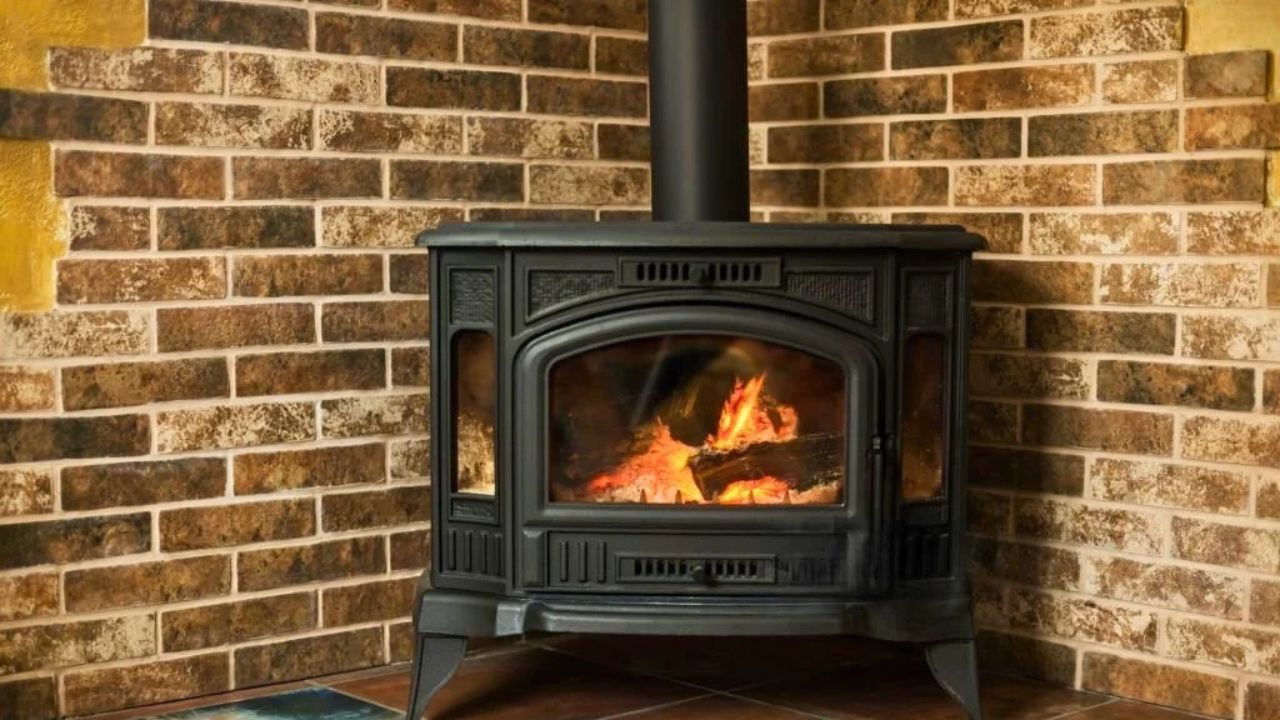
Newer, tighter houses and cabins can starve a stove for air. The giveaway is a stove that burns better when you crack a window, or a range hood or bathroom fan that makes smoke spill. This isn’t always an install mistake, but it’s often missed during the install, then blamed on “bad wood” all winter.
If your stove is designed for an outside air kit, adding one can calm the whole system down. Still, there’s an honest exception here: older, leaky farmhouses often run fine without outside air, and forcing a long, cold outside-air duct can cause condensation and icing problems in some climates. Follow the stove manual and local code, and if you’re unsure about makeup air and pressure issues, a qualified installer or HVAC pro can sort it out.
9. The Chimney Is Braced Like An Afterthought
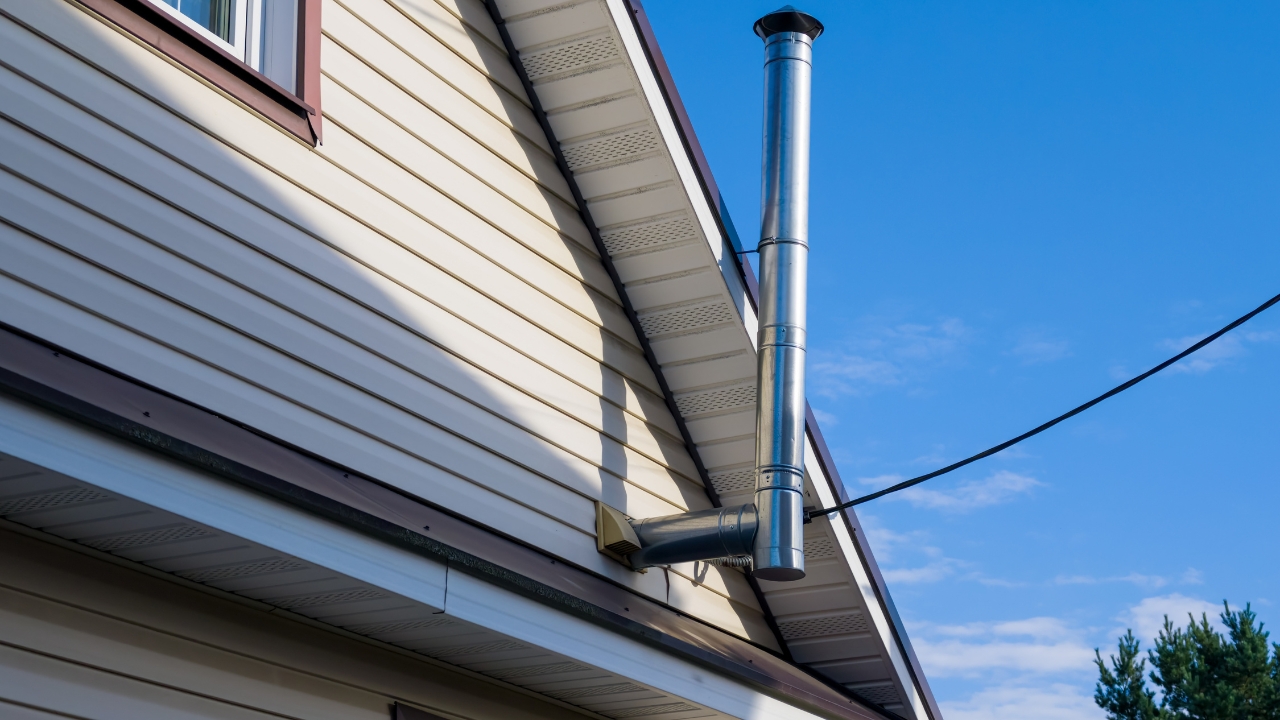
On a windy night, you hear ticking, creaking, or a dull thump from the chimney chase or exterior stack. A tall exterior chimney needs the right supports, roof braces, and clear, code-legal pass-throughs so it doesn’t flex and open joints over time. Movement leads to leaks, and leaks lead to creosote deposits where you don’t want them.
Go outside and look for obvious lean, missing braces, or a storm collar that’s lifted. Inside, check for black staining at pipe joints and around ceiling support boxes, which can hint at shifting connections. Structural chimney support and roof penetration work is often permit territory, and it’s worth hiring out if you’re not fully confident on ladders and flashing.
10. Home Insurance Or Inspection Flags It
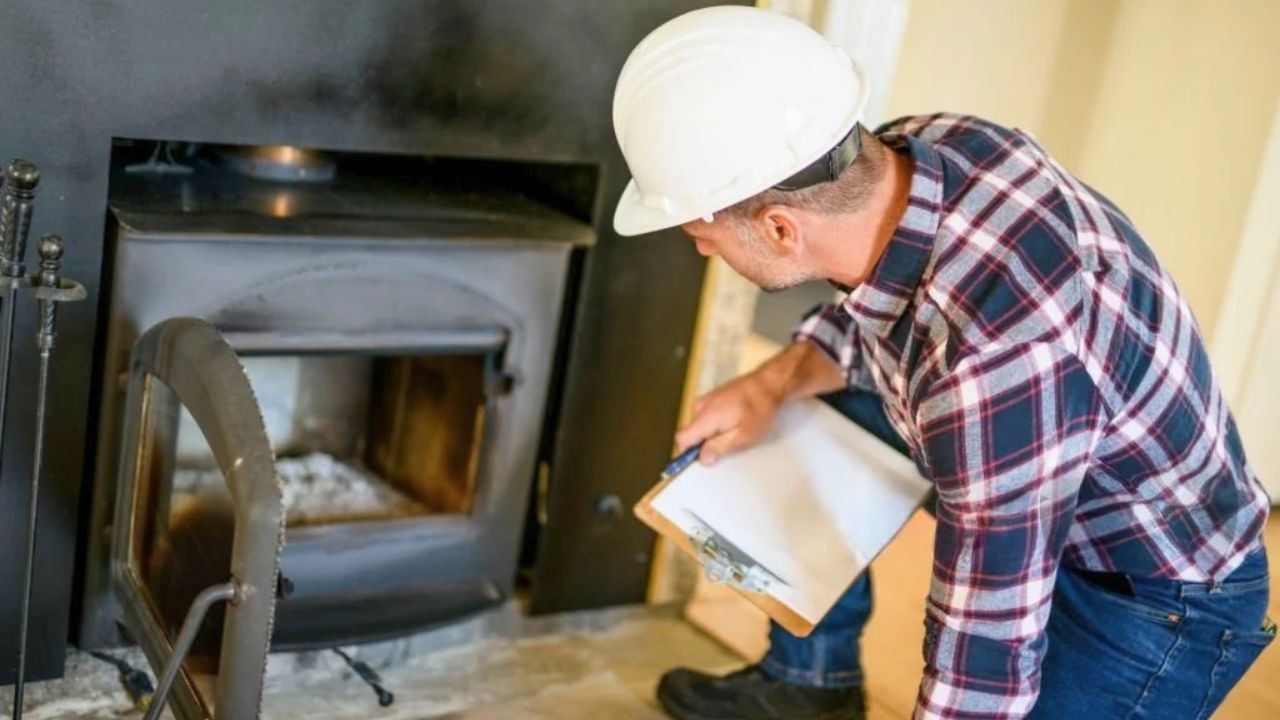
You find out the hard way when you go to renew insurance, sell the place, or schedule a home inspection. Missing permit paperwork, no visible UL listing on parts, wrong chimney type, or homemade heat shields can stop a sale cold or drive your premium up. Even if it “works,” an unapproved setup becomes a paperwork problem that costs real money.
Keep the stove manual, document the installed parts, and get the install inspected if your area requires it. A Level 2 chimney inspection is a common request when a stove changes hands, and it’s a clean way to get eyes on hidden clearances and chimney condition. Fixing it before you list the house is always cheaper than negotiating it later.
If anything on your setup matches these signs, stop guessing and start checking against the stove manual and local code. A couple small corrections can turn a smoky, fussy stove into a steady heater. And if the fix involves chimney height, roof penetrations, or clearances you can’t meet, it’s one of those jobs where paying a certified pro is the practical move.
Like Fix It Homestead’s content? Be sure to follow us.