12 Farm Animals That Are Easier to Keep Than People Think
Photo credit: Ralf Geithe/Shutterstock.com
Most people picture farm animals as loud, messy, and complicated. A lot of that reputation comes from seeing them kept the hard way, on the wrong setup, with no routine. With the right pen, feed plan, and a little weather protection, several animals are surprisingly low-drama.
1. Backyard Chickens With Simple Coop Setup
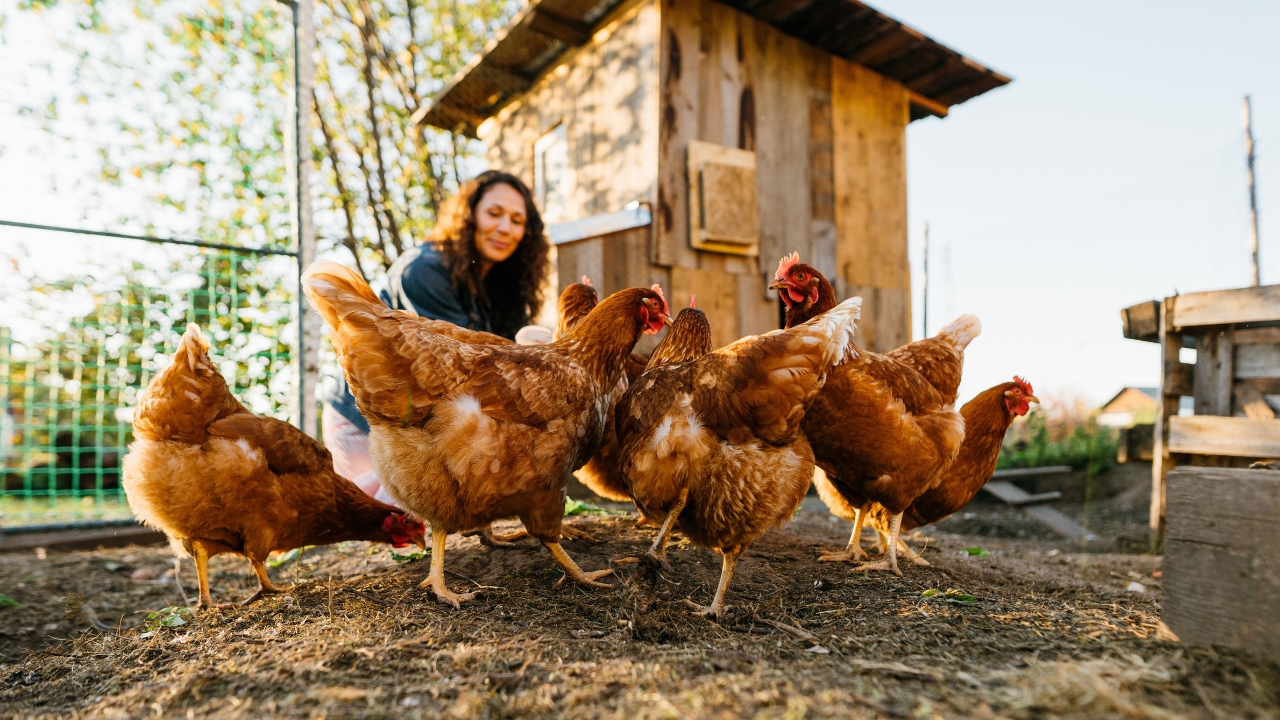
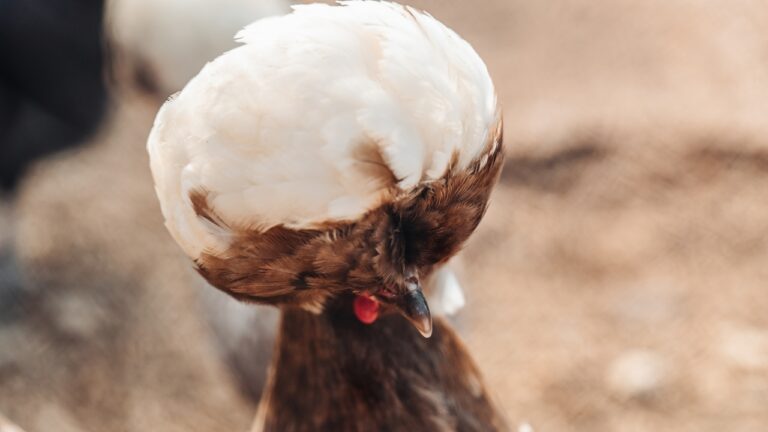
People overthink chickens, then skip the basics. What makes chickens easy is a dry coop, solid latches, and enough ventilation so bedding does not turn into ammonia soup by February. If the coop smells sharp or burns your eyes, you need more airflow up high and drier litter, not stronger deodorizer.
Keep chores boring and fast. A hanging feeder, a clean waterer on a block, and a routine of scooping the droppings board every few days saves you from a full spring teardown. For predators, use 1/2-inch hardware cloth on openings, not chicken wire, and use two-step latches that raccoons cannot pop.
2. Ducks That Handle Mud And Weather
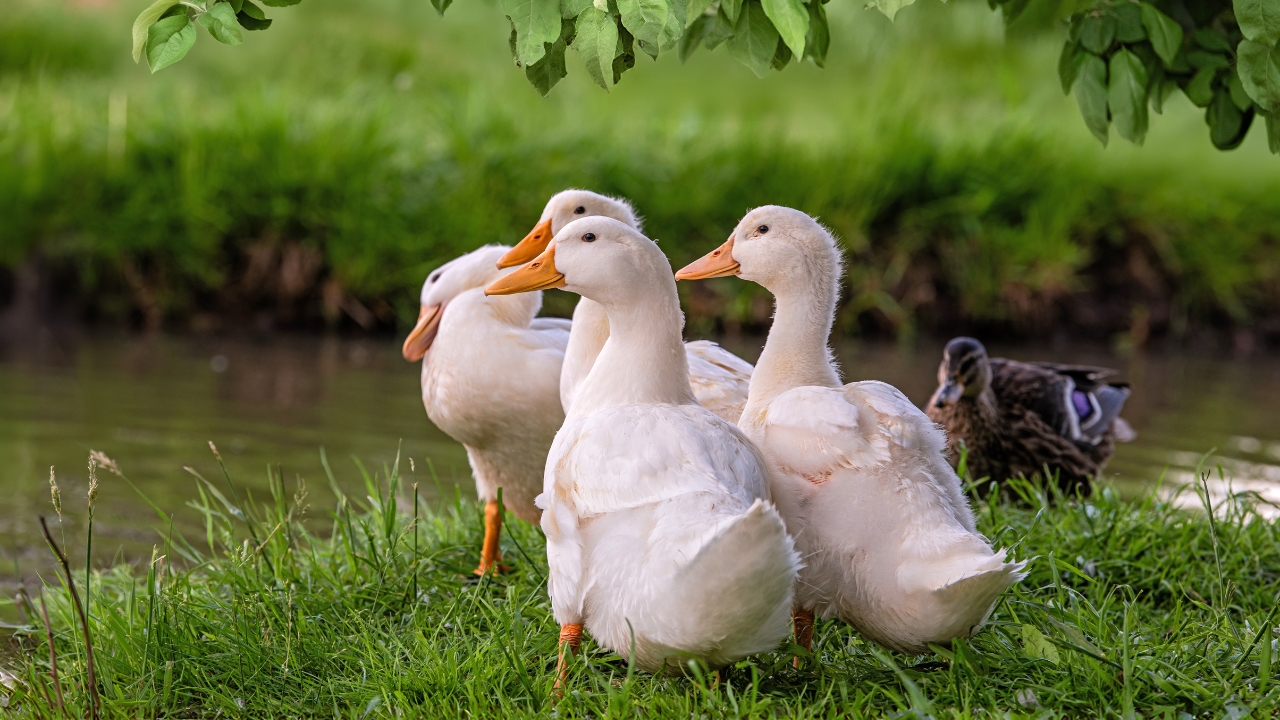
Ducks look like a mess because people give them a kiddie pool on bare dirt and act surprised when it turns into a swamp. They do fine without a pond, but they do need water deep enough to dunk their heads so they can clean their nostrils and eyes. A rubber tub you dump daily works, as long as it sits on gravel, pavers, or a sacrificial area.
They are hardy in cold and wet, which is why they feel easier than chickens for some yards. The real trick is bedding management, because ducks soak everything. Use thick straw or wood shavings and plan on adding dry bedding often, then do a full clean-out when it starts clumping.
3. Coturnix Quail In Compact Pens
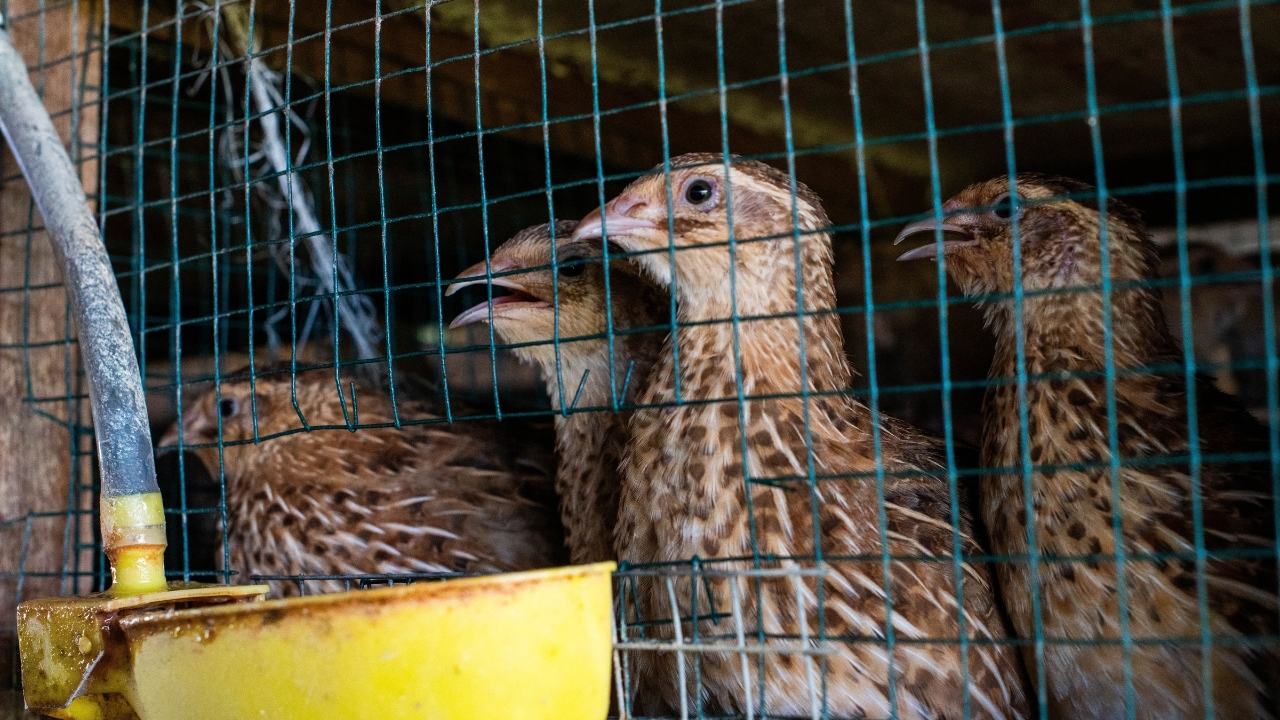
If you want eggs without the noise complaints, quail are hard to beat. Coturnix quail do not need roosts, do not need a big run, and they mature fast. They are also less tempting to neighborhood dogs because they are usually kept in a covered hutch or small aviary.
The main failure is putting them on slick wire or letting rain blow in. Give them solid footing in part of the pen, keep drafts off, and use a feeder that limits scratching. You will still clean, but it is a small footprint, a shovel and a bucket job.
4. Rabbits For Quiet Meat Or Manure
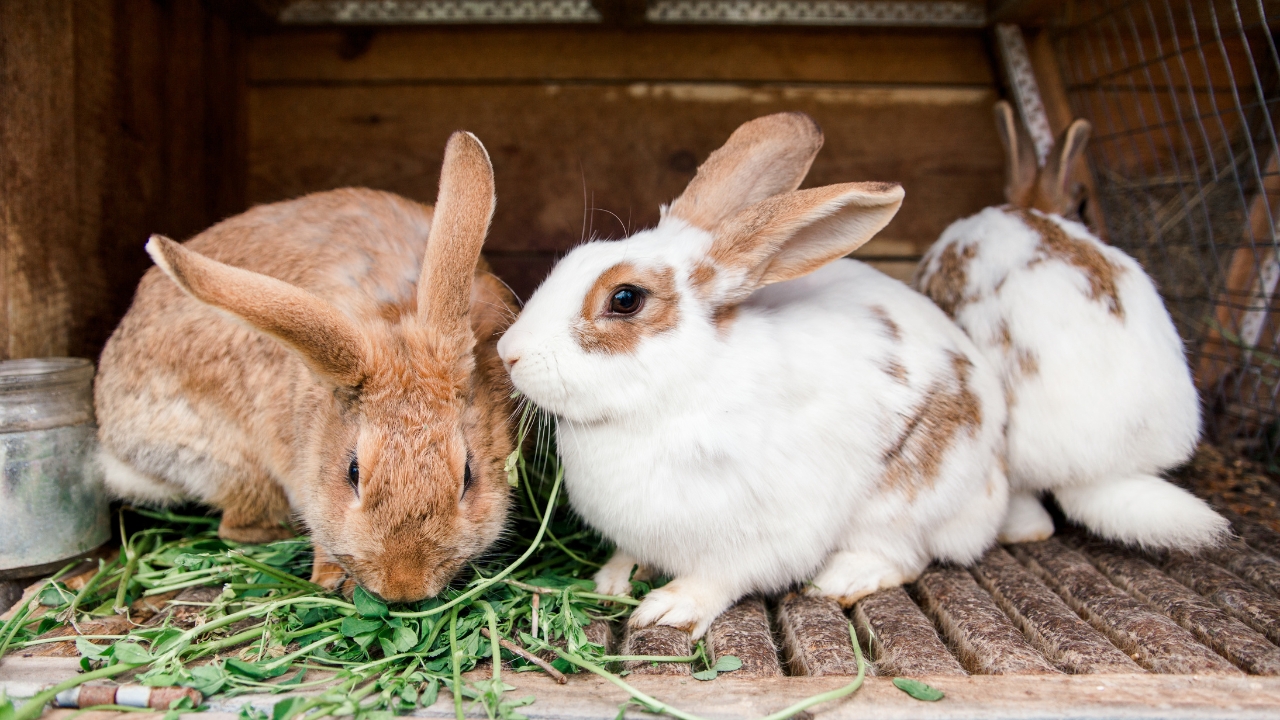
Rabbits are one of the most misunderstood “farm” animals because people treat them like cage decor. Kept for meat, fiber, or manure, they are quiet and predictable. They do not tear up fencing, and you can keep them in a tidy row of hutches where chores stay in one spot.
Heat is the big issue, not cold. Shade, airflow, and frozen water bottles in summer go further than fancy gear. If you want an honest exception, cheap hutches can be fine if the roof does not leak and the floor does not hurt their feet, but you still need predator-proof latches and a way to keep them dry in wind-driven rain.
5. Nigerian Dwarf Goats For Small Acres
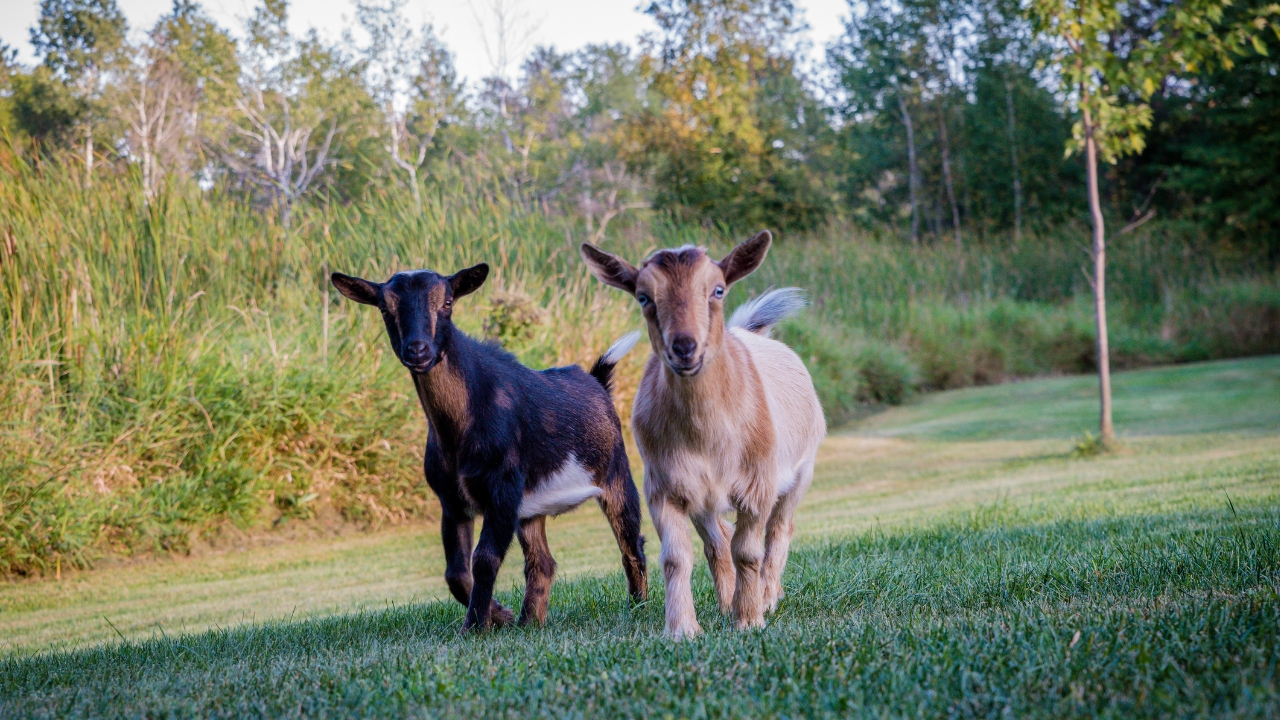
Goats have a reputation for chaos because people expect them to “mow the lawn” and stick them behind flimsy fence. They are browsers, not lawn mowers, and they will test anything loose. With tight fencing, a dry shelter, and a mineral plan, small goats can be steady, friendly livestock.
Use woven wire or no-climb fence with solid corner braces, and assume gates need real hardware, not light-duty chain latches. Keep feed in metal cans with tight lids, because goats will rip open bags and eat like they are getting paid for it. If you want grass cut, hire a mower, not a goat.
6. Hair Sheep That Rarely Need Shearing
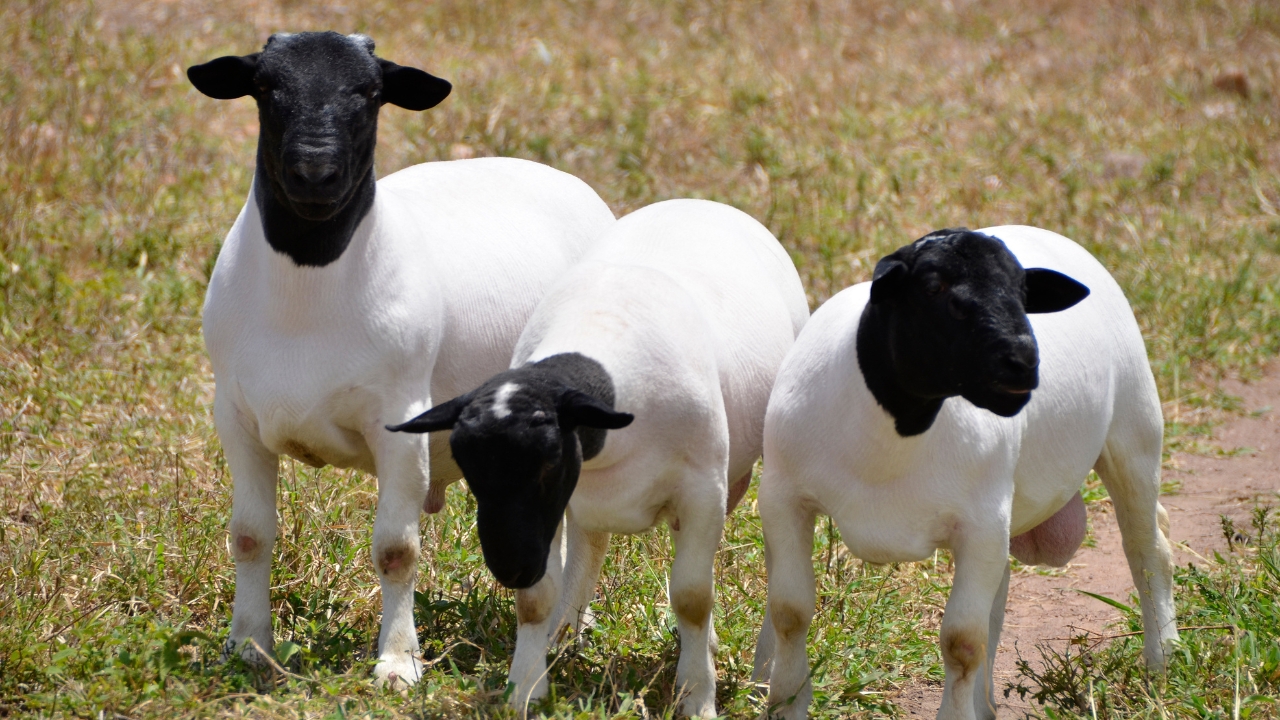
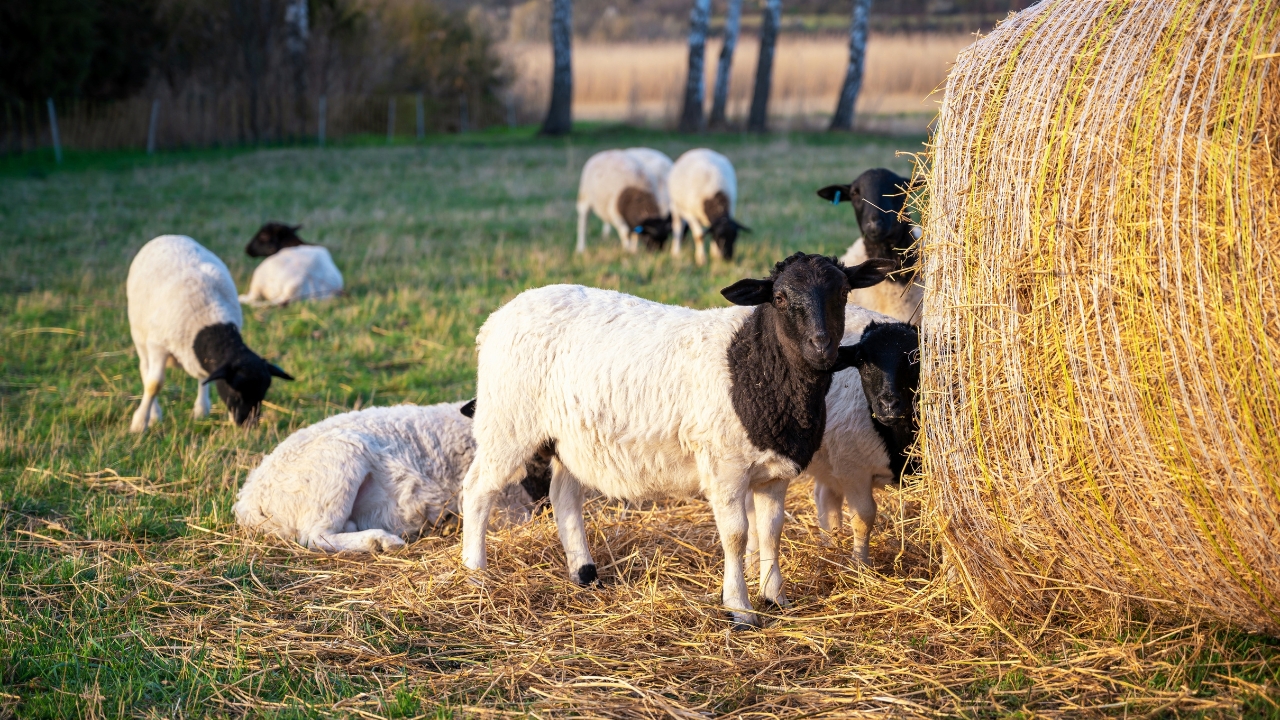
Wool sheep sound intimidating because shearing looks like a specialized job, and it is. Hair sheep sidestep that problem since they shed, so you are not booking shearers or buying clippers. They also tend to be calmer on pasture than goats, and they respect decent fence.
Your workload is mostly forage, minerals, and keeping feet from staying wet for weeks. A simple three-sided shed, a dry place to stand, and rotating pasture so you are not feeding mud all winter makes a big difference. If you are in an area with heavy parasite pressure, talk to a local vet or extension office about grazing management rather than blindly dosing.
7. Mini Pigs Kept On Good Feed Routine

Mini pigs get labeled impossible because they are smart and stubborn, which is true. They still can be easy if you stop winging it with table scraps and random feed. A measured ration, water you cannot tip over, and a secure pen prevents most “my pig is a menace” stories.
Plan for rooting. Put them where you do not mind disturbed ground, or give them a rooting box and keep the rest of the area covered with hog panels and heavy gates. If you want a lawn to look like a lawn, do not put a pig on it.
8. Geese That Guard Without Much Work
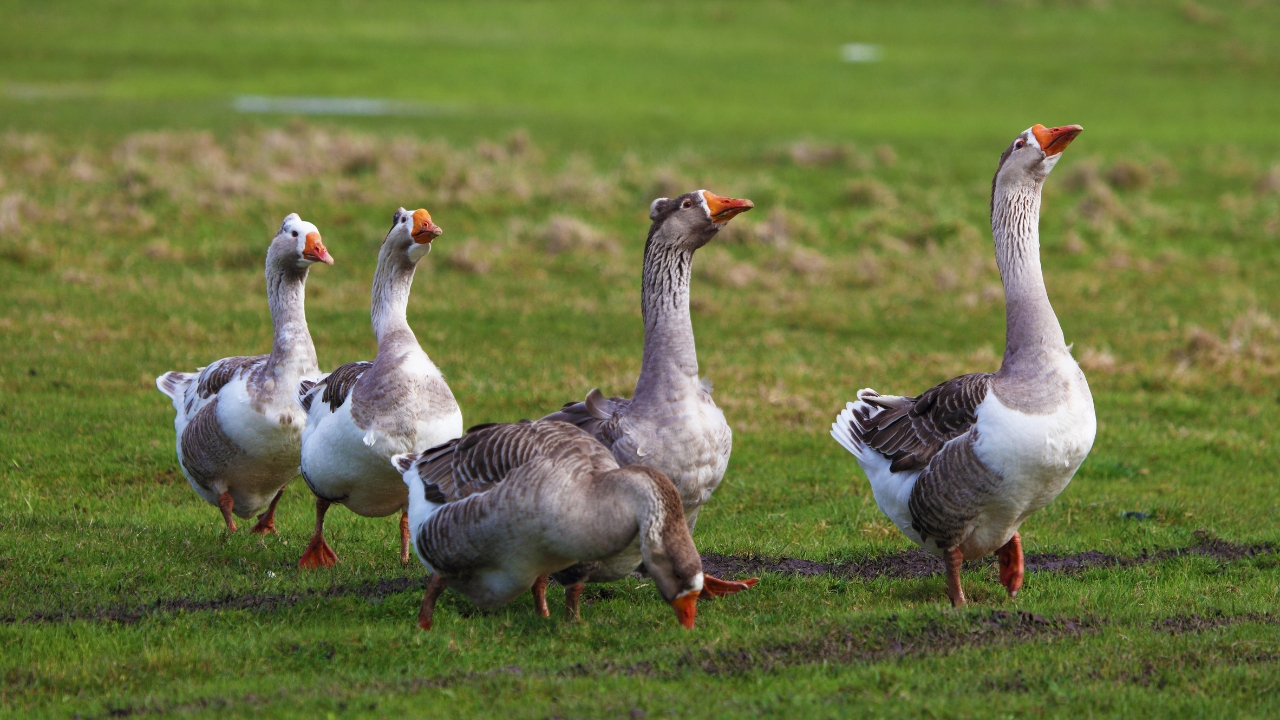
Do you want an alarm system that runs on grass? Geese are loud on purpose, and that is half their value. They graze well, handle cold weather, and do not need a complex coop, just a dry shelter and safe night lockup.
The mistake is thinking they are friendly to strangers. Geese can be pushy during breeding season, so plan your gates and chores so you are not wrestling an angry bird with a feed bucket. If you have small kids in and out of the yard, geese may be more hassle than help.
9. Turkeys That Thrive With Dry Bedding

Turkeys scare people because of stories about them being fragile. Most of that comes from poor brooder conditions, wet litter, and cramped space. Give them room, keep bedding dry, and they grow into sturdy birds that spend their days patrolling for bugs.
Ventilation matters more than heat once they feather out. If the barn smells damp or dusty, open it up and stop letting waterers leak into the bedding. Also, plan perches and roost space early, because big birds piled in a corner is when injuries start.
10. Donkeys With Simple Shelter And Hooves

Donkeys get treated like lawn ornaments until their hooves are overgrown and their weight is out of control. Kept with a basic shelter, clean water, and regular farrier visits, they are steady and low-key. They often do well on rough forage where a horse would need richer feed.
The big “fix it” is scheduling. Find a farrier before you buy a donkey, not after you have one that does not like its feet handled. Donkeys also need a dry spot in wet climates, since constant mud is how hoof problems start.
11. Honeybees In A Thoughtful Yard Spot
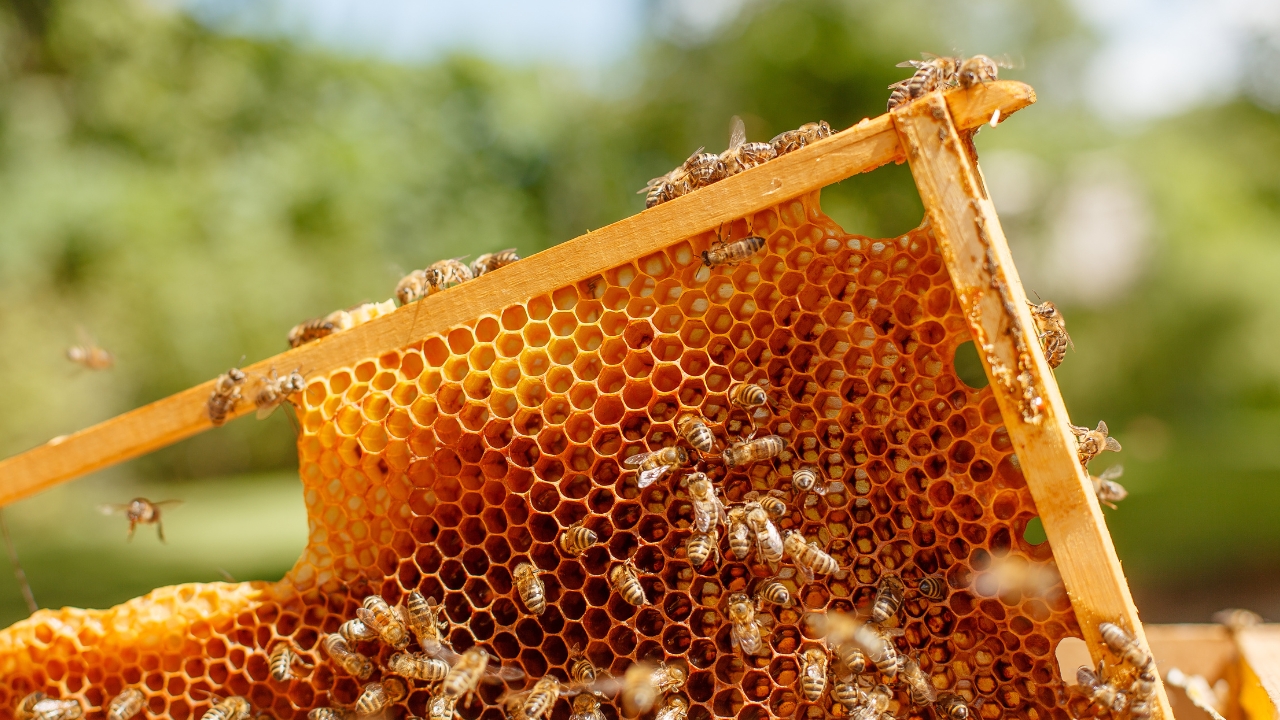
Bees are livestock, just smaller and easier to ignore until swarm season. If you place the hive where you can work it without standing in tall grass or tight corners, your inspections get done. A level stand, windbreak, and morning sun go a long way.
The common advice says you need every gadget. You do not. A basic smoker, a veil, and a hive tool cover most beginner work, and used woodenware can be fine if it is solid and clean. The hard part is learning timing, because missing a couple spring checks is when you end up with a surprise swarm in a neighbor’s tree.
12. Guinea Fowl For Tick And Bug Pressure

Guineas are not for everyone, but they are simpler than their reputation if you accept what they are. They roam, they yell, and they eat a lot of insects. People get into trouble trying to keep them penned like chickens, then wonder why they slam into fencing and stress out.
Start them in a coop so they learn “home,” then let them range if your area allows it. They need a safe place to roost at night and a steady feed source, or they will wander farther and farther. If your neighbors hate noise, skip guineas and pick ducks or quail instead.
The animals that feel easy are the ones that match your space and your daily schedule. Pick one or two, build the pen like you mean it, and set up water and feed so you are not hauling buckets across ice in January. Once the routine is smooth, the animals mostly take care of being themselves.
Like Fix It Homestead’s content? Be sure to follow us.