Best Backup Heat Sources for When the Power Goes Out
Photo credit: SOLAS Contemporary Fire/Youtube
The lights go out and the house starts changing fast. Pipes cool down, floors get cold, and the spot you thought was “fine” turns into a drafty tunnel. A backup heat plan isn’t about comfort first, it’s about keeping the building and the people inside it from sliding into trouble.
1. Wood Stove With Seasoned Wood Stack
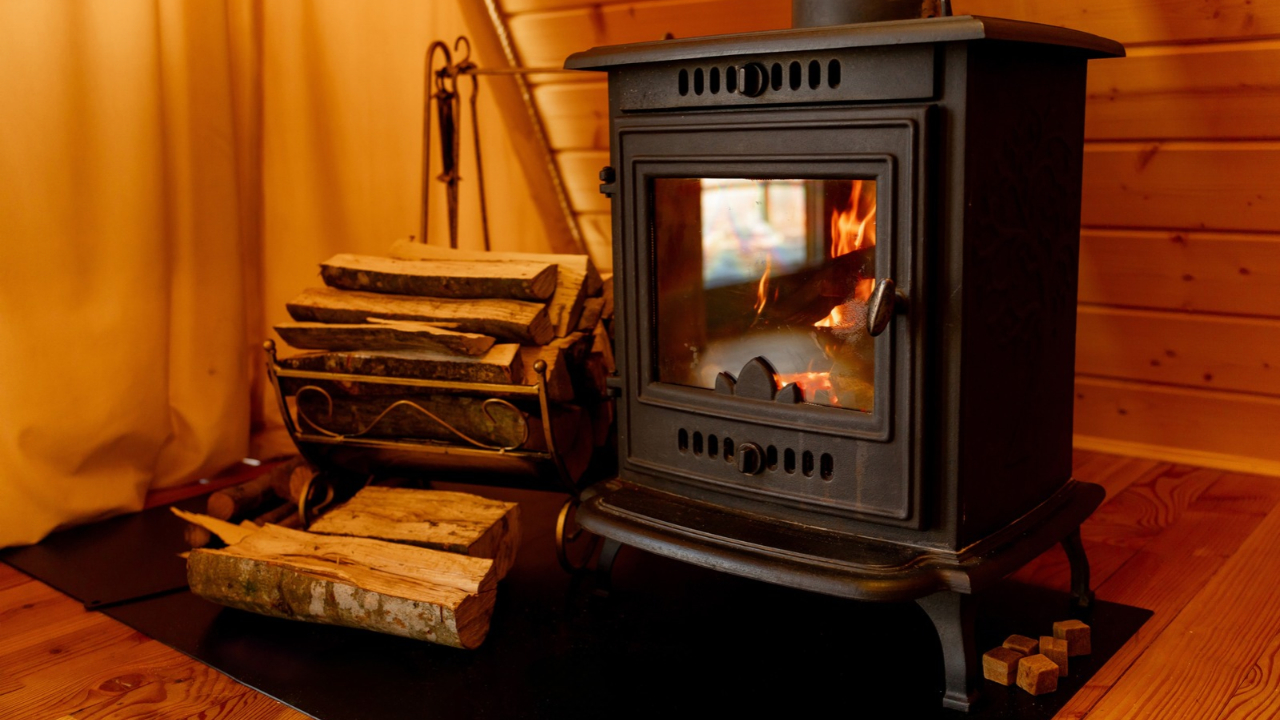
A real wood stove heats through long outages because it doesn’t care about the grid. The catch is fuel, wet wood hisses, smokes, and leaves creosote that can set you up for a chimney fire later. If you want wood heat to be more than a pretty idea, you need a dry stack under cover and a place to bring it in without tracking snow and bark through the house.
Plan on a proper hearth pad, correct clearances, and a chimney that’s installed to code. This is one of those jobs where a certified installer is worth the money, since the mistakes are expensive and dangerous. Keep a metal ash bucket with a lid, and don’t dump ashes on the porch “just for the night.”
2. Fireplace Insert Instead Of Open Hearth
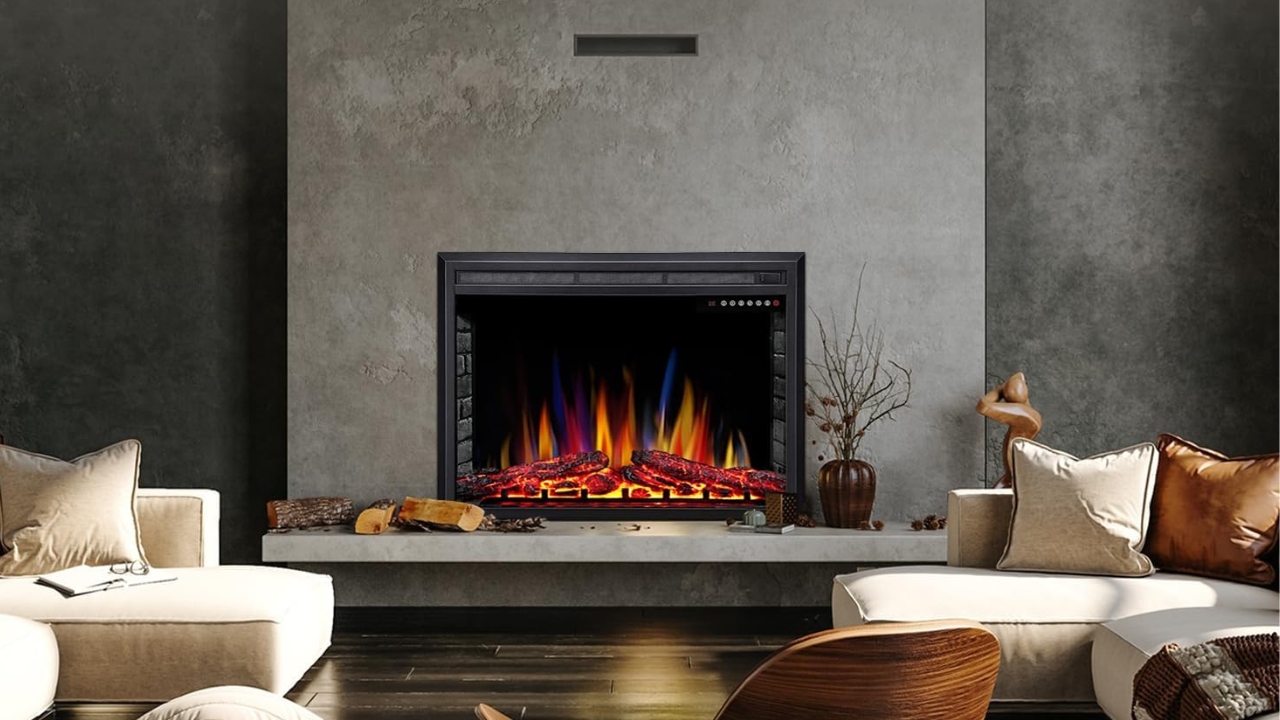
An open fireplace looks like heat, but it’s mostly a draft machine that can pull warm air out of the rest of the house. During an outage, that can make bedrooms colder while the living room still feels “cozy.” A wood insert with a sealed door gives you controlled burn and better heat direction.
Some inserts use a blower, but the firebox still puts out usable heat without it. If you already have a masonry fireplace, an insert can be a clean upgrade that also cuts smoke spillage. Get the chimney inspected and lined if needed, and don’t guess on fit.
3. Vent-Free Propane Heater For One Room
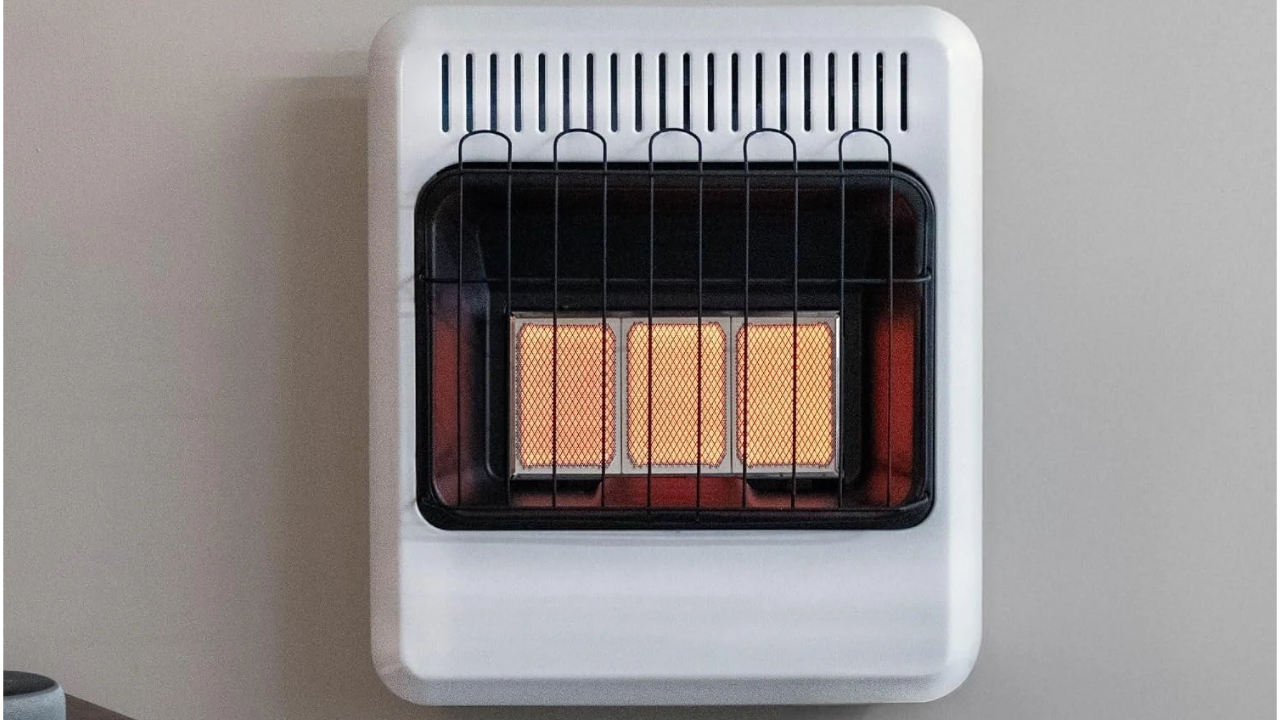
If you need quick heat without a big install, a vent-free propane heater can keep one room livable. People get into trouble by running it like a whole-house furnace with all the doors shut. Follow the manual’s room size limits, crack a window as directed, and keep combustibles well back.
Fuel is where the planning lives. A couple spare 20-pound cylinders stored outdoors, upright, and out of the sun can carry you through a stretch of bad weather. If you smell gas, shut it down and deal with the leak, don’t “burn it off.”
4. Vented Gas Wall Heater With Standing Pilot
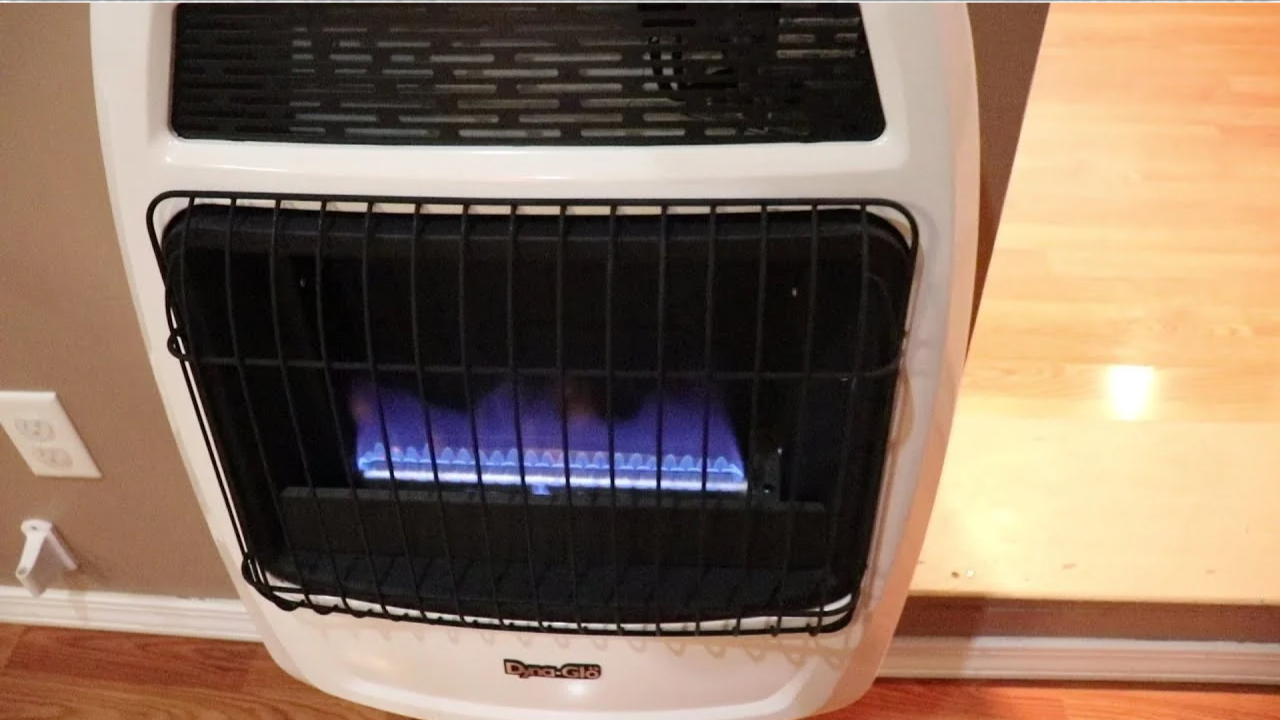
When the power’s out, a modern forced-air furnace often becomes a big metal box because it needs a blower and controls. A vented wall heater with a standing pilot can keep running, quietly, as long as gas is on. It’s not fancy, but it’s steady heat that doesn’t rely on extension cords or battery packs.
Installation can involve gas piping and venting through a wall or roof, so this is usually a permitted job and often requires a licensed pro. Done right, it’s a set-and-forget option that also helps during shoulder seasons when you don’t want to fire up the whole system.
5. Indoor-Safe Kerosene Heater With Fresh Fuel
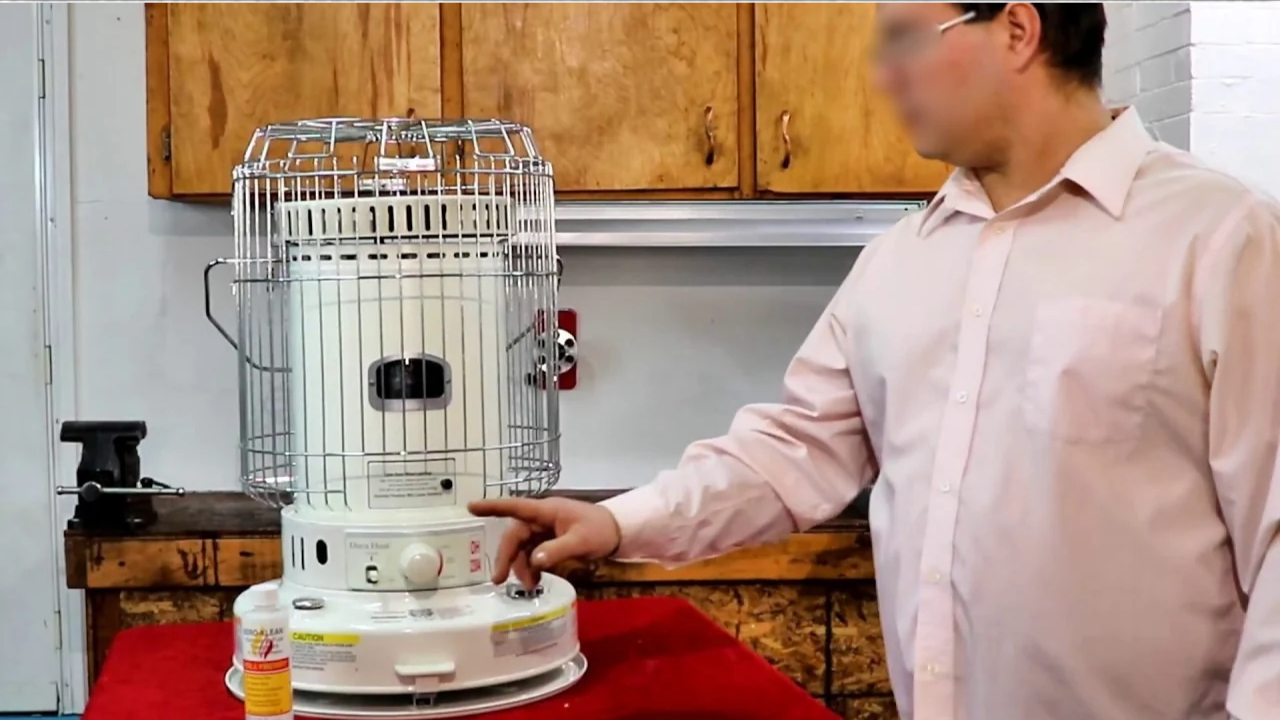
Kerosene heat gets a bad rap because people store old fuel in a shed for years, then wonder why the heater reeks and smokes. Fresh, clear 1-K kerosene burns far cleaner than “mystery can” fuel. If you can’t get kerosene locally during storms, stock it before winter in approved containers.
Use it in a big room, keep it on a stable surface, and never refuel it indoors while it’s hot. You’ll want a carbon monoxide alarm with a battery that’s not expired, plus a plan for ventilation. The upside is independence, kerosene doesn’t depend on your propane delivery schedule.
6. Pellet Stove With Battery Or Generator Plan
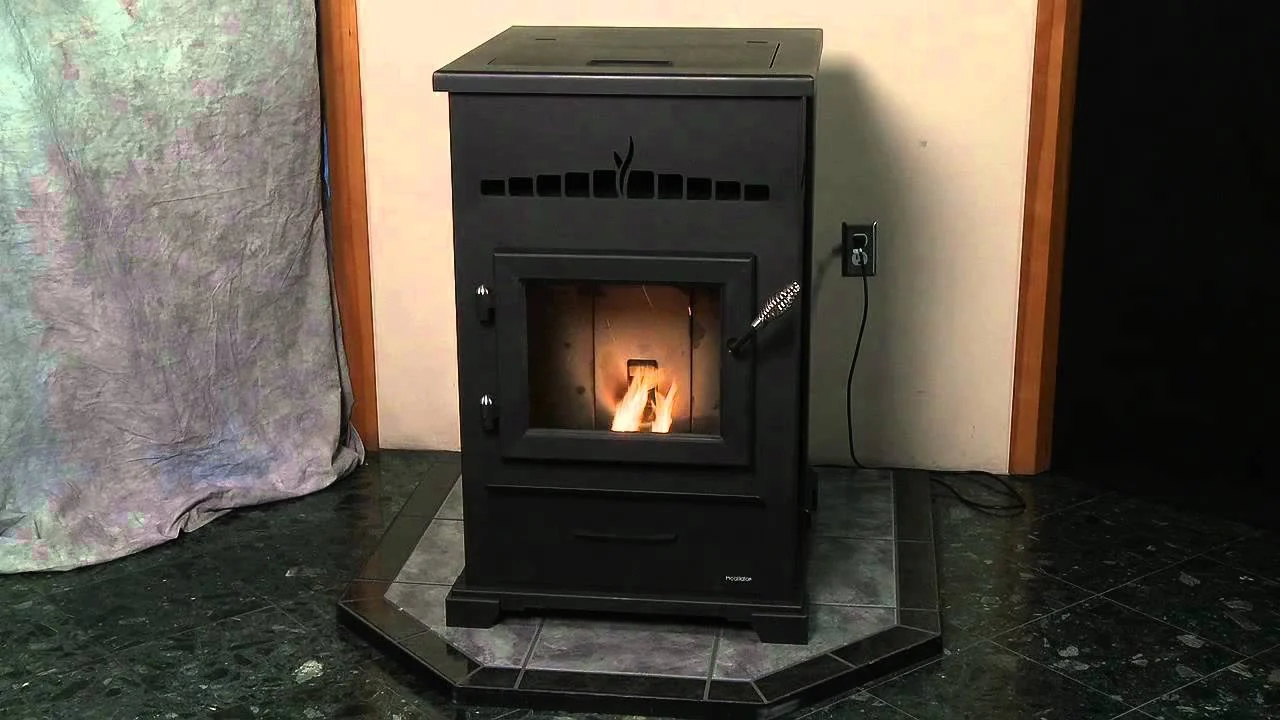
Pellet stoves heat well and sip fuel, but they’re not off-grid by default. The auger and fans need electricity, so without a backup power plan, you’re stuck staring at a cold stove full of pellets. If you already have one, test a battery backup or a small generator setup before the first ice storm.
Store pellets where they stay dry, a damp bag turns to mush and jams feeds. Keep a few extra igniters on hand if your model uses them, and learn how to clean the burn pot without making a mess. This is a great option if you’re willing to treat power as part of the fuel system.
7. Small Generator Feeding A Furnace Blower
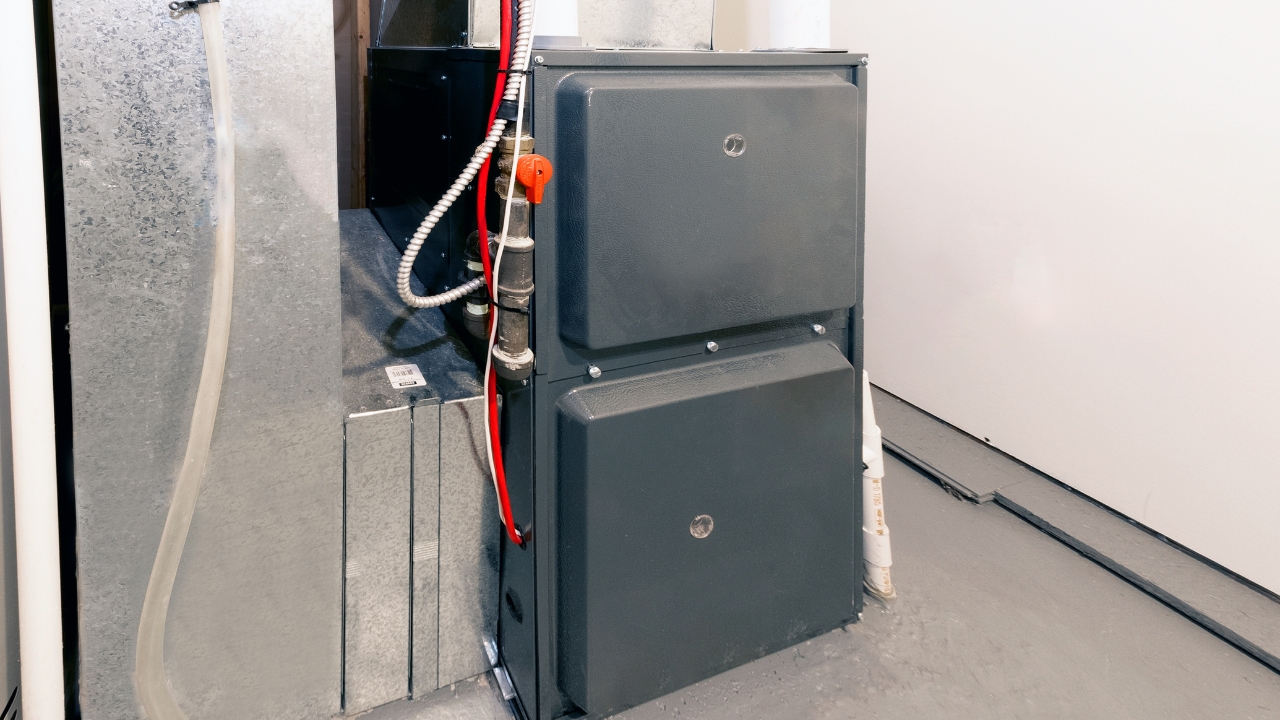
Sometimes the smartest “heater” is the furnace you already own, if you can run the blower and controls. A portable generator can do that, but plugging it in wrong can backfeed lines and put utility workers at risk. If you want your furnace on generator power, the safe way is a transfer switch or an interlock kit installed correctly.
This is not a casual DIY job inside the main panel. Hire a licensed electrician, pull the permit if required, and label the circuits so you’re not guessing in the dark. Once it’s set, you can also run a fridge, a few lights, and a well pump, which keeps the whole house calmer.
8. Inverter And Battery Bank For Quiet Heat
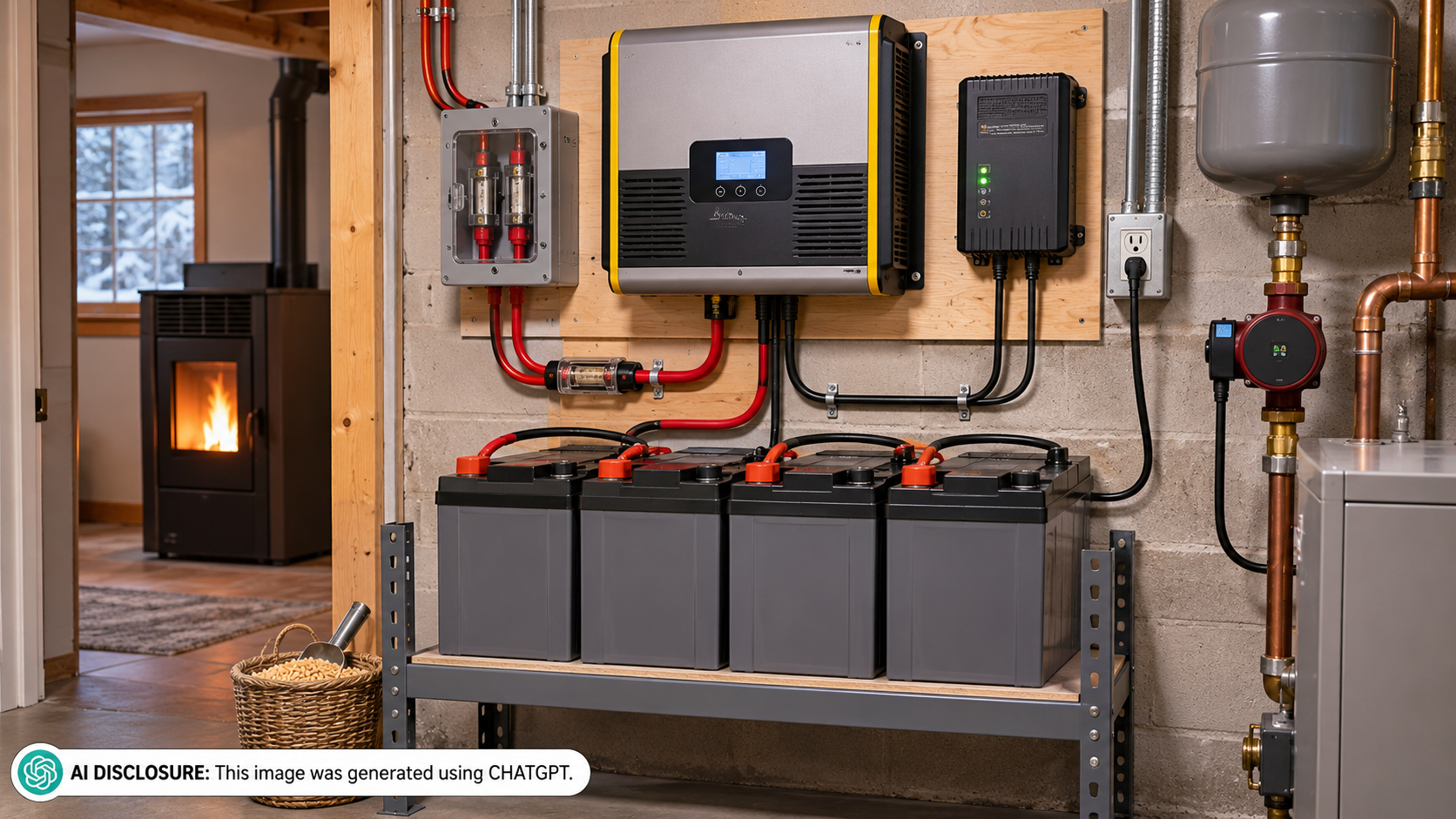
If you hate the noise of a generator, a battery bank with an inverter can carry smaller loads. It won’t run a big electric heater for long, but it can run a pellet stove, a gas boiler’s circulator pump, or the fan on a wood stove insert. That turns “some heat” into “heat that moves to where you need it.”
Keep the setup simple and sized to the load, and don’t bury batteries in a sealed closet. Use proper fuses, thick cables, and a charger that matches your battery type. If electrical wiring makes you uneasy, pay a pro for the design and do the simple parts like mounting and cable protection.
9. Catalytic Propane Heater For Tight Spaces
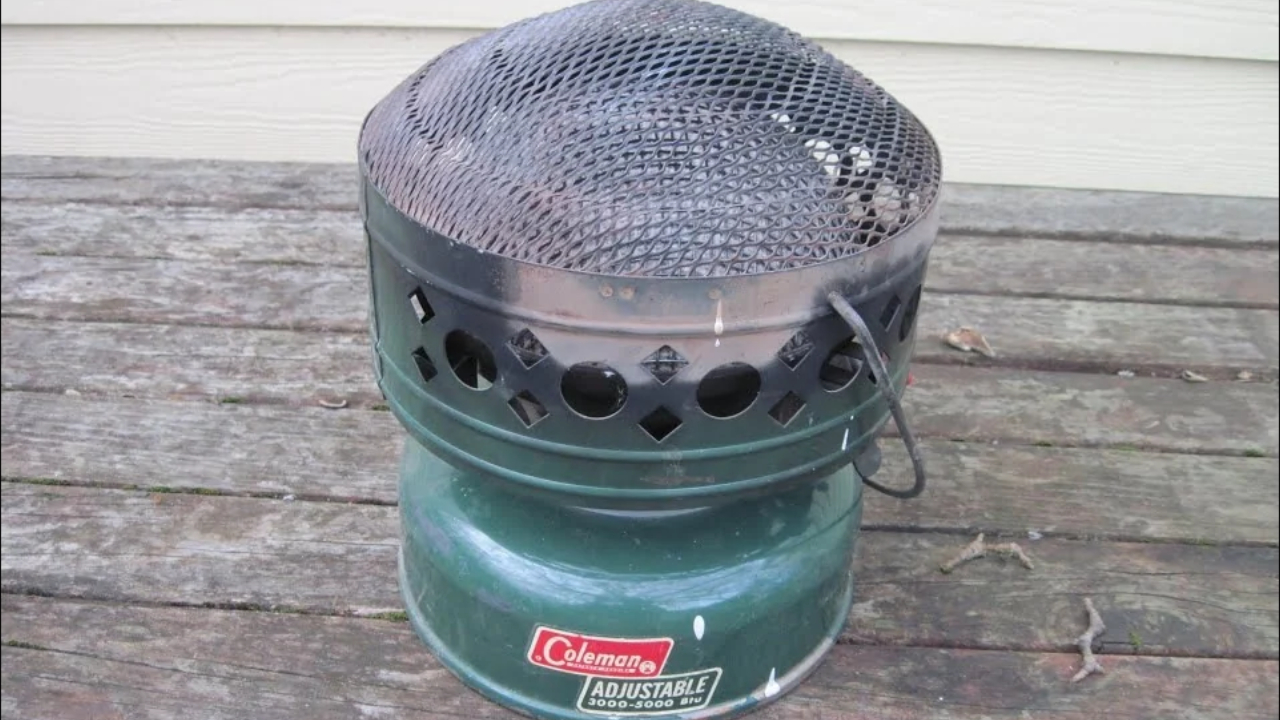
Catalytic heaters don’t have an open flame, so they’re handy in workshops, hunting cabins, and drafty additions where you want steady radiant heat. They still use oxygen and still need fresh air, so don’t treat them like a magic indoor campfire. Keep one away from sawdust piles, paint cans, and anything that off-gasses.
Here’s the honest exception, the cheap model can be fine if you use it exactly as directed and only for spot heating. The expensive one isn’t automatically safer if you ignore clearance and ventilation. What matters most is the room size, the cylinder condition, and your habits.
10. Oil Lamp And Candle Heat For Micro-Warmth
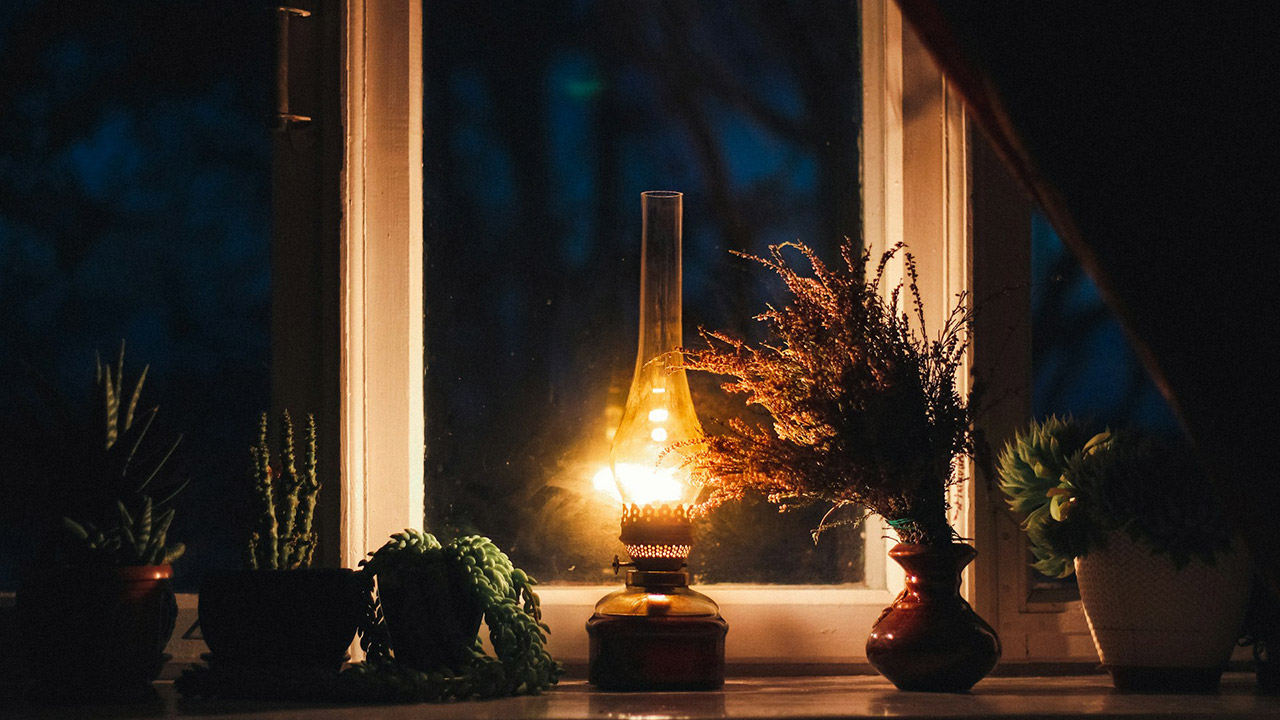
Do candles heat a house? No. Do they take the edge off in a small, closed-off room while also giving light? Yes, a little, and sometimes that matters when you’re trying to keep fingers working and kids calm. Use stable holders, keep wicks trimmed, and never leave flame heat going while you sleep.
An oil lamp with the right lamp oil can run for hours and helps you avoid burning through flashlight batteries. Think of this as a morale and task-light tool that adds a touch of warmth, not a primary heater.
11. Electric Space Heater For Short Outages
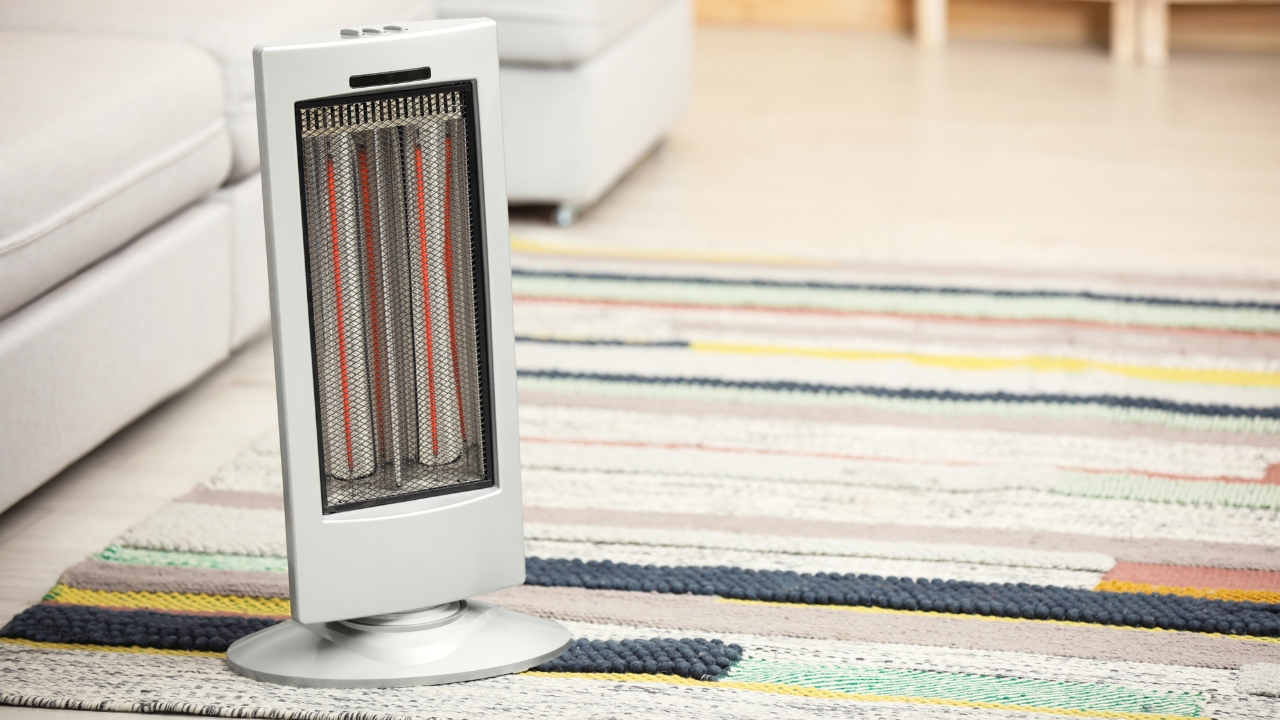
People love electric space heaters because they’re cheap and instant, then get shocked when they’re useless during a blackout. Still, they’re not worthless. If your outages are usually a quick hour, and you have a generator already running, a small heater can warm a bathroom or keep a work area usable.
Use a heavy cord rated for the load if you must, or better, plug straight into a wall outlet on a properly sized circuit. Keep it away from rugs and curtains, and don’t run it while you’re sleeping. This option shines only when you already have power from somewhere else.
12. Heated Blankets And Sleeping Bags First
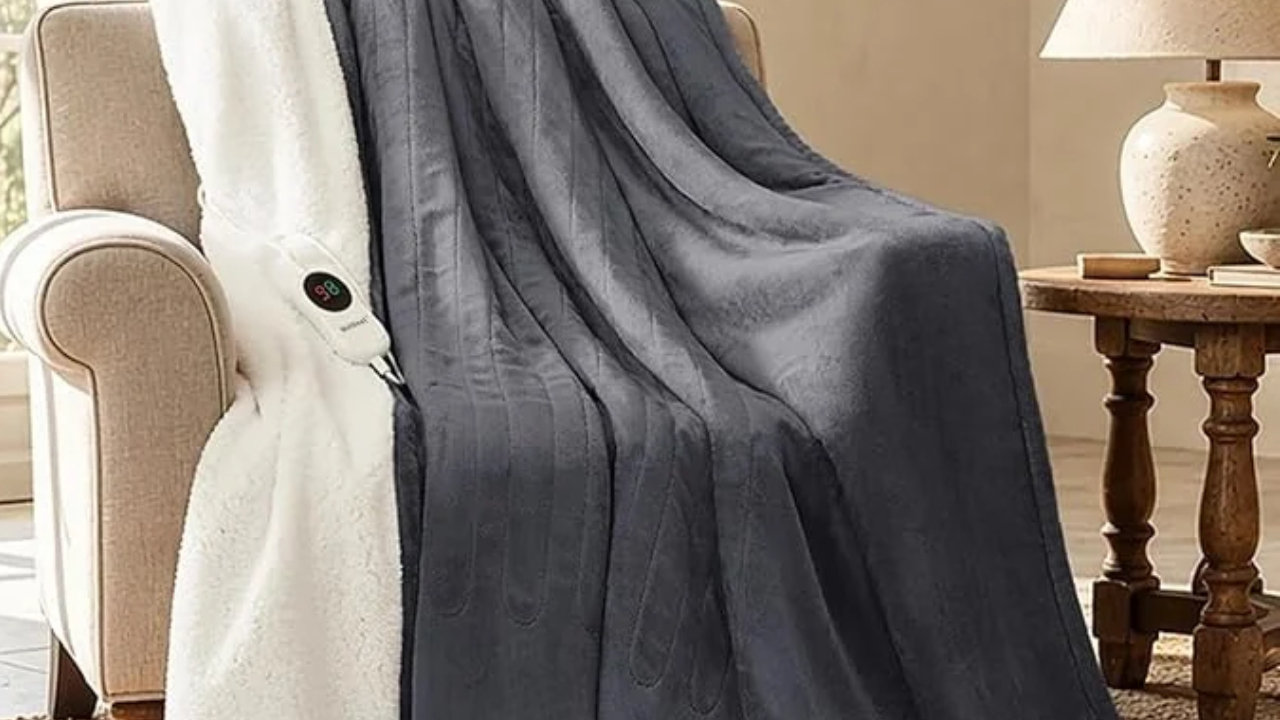
Sometimes the best “heat source” is to stop trying to heat the whole house. A zero-degree sleeping bag, wool blankets, and a way to block drafts can keep you safe without any flame or fumes. It’s not glamorous, but it’s cheap and it works on night one.
Set up one room as the warm room, hang a thick curtain over the doorway, and put towels at the sill where you feel air moving. If you have a generator or battery bank, a heated blanket uses far less power than trying to heat the air.
13. Hot Water Bottles And Safe Bed Warmers
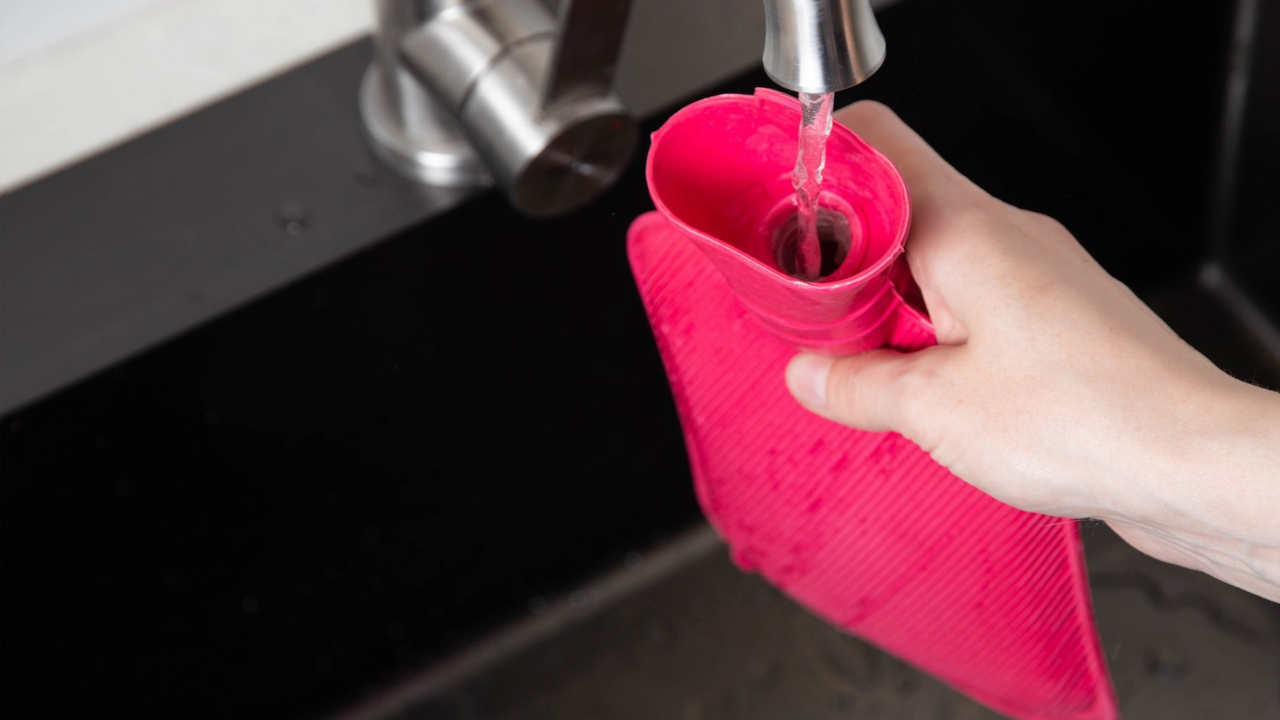
When the house drops into the 50s, the bed is where you notice it most. A hot water bottle filled from a camp stove kettle can warm hands and feet fast. Wrap it in a towel so you don’t burn skin, and check for leaks before it goes under a blanket.
This is also a solid way to get kids to settle down when the wind is howling and the lights are out.
14. Solar Air Heater On A South Wall
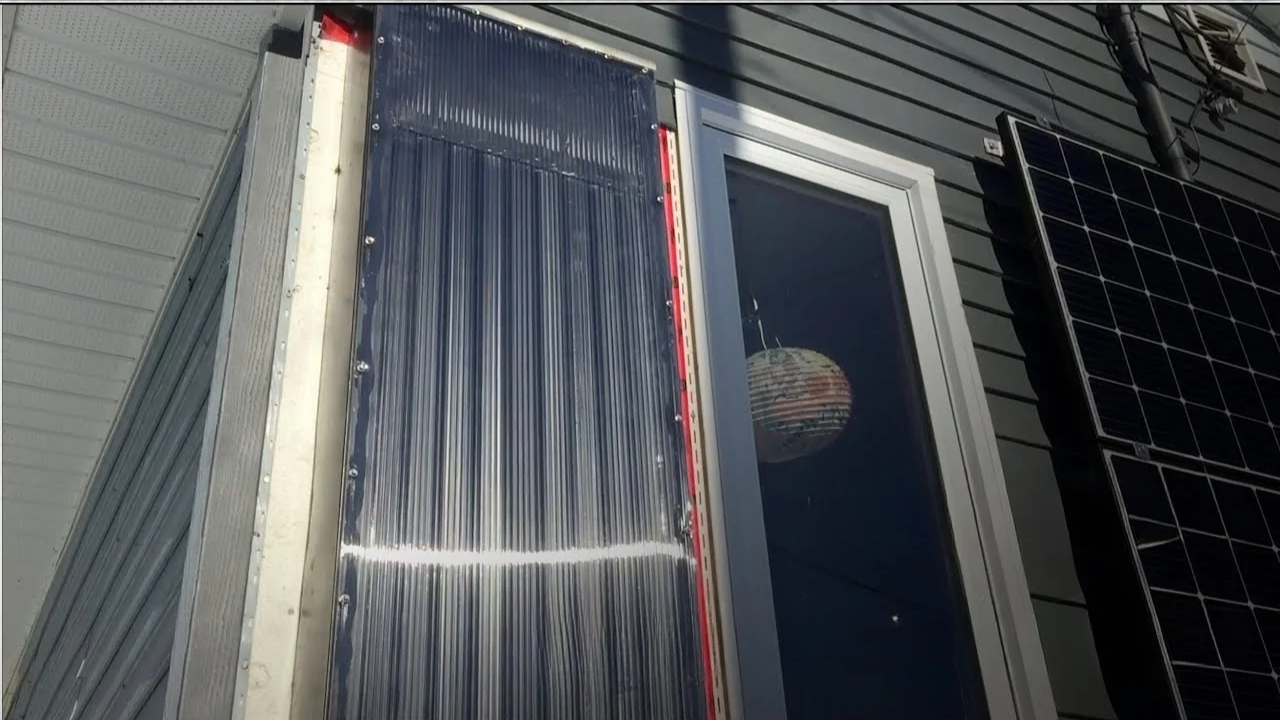
A simple solar air heater, basically a dark collector box that warms air and vents it inside, can add daytime heat with no fuel. It won’t carry you through a long winter night, but it can take pressure off your other heat sources when the sun’s out. People skip it because it sounds “too DIY,” then they spend that same effort hauling more fuel.
Mounting and sealing matter. Air leaks around the unit can turn it into a draft, and a sloppy cut through siding can invite water damage. If you rent, a window-mounted version can still give you a mild boost without permanent changes.
The best setup is usually a mix, one dependable heater, one way to power fans or controls, and a plan for sleeping warm if everything else fails. Do a dry run on a calm weekend, find the missing parts, and fix them before you’re working by headlamp with cold hands.
Like Fix It Homestead’s content? Be sure to follow us.